Eiheiji Temple
永平寺
One of the two head temples of Soto Zen, founded in 1244 in the mountains of Fukui and still a working monastery of about 150 monks.
〒 910-1228How to get there
轟55 min walk from the station
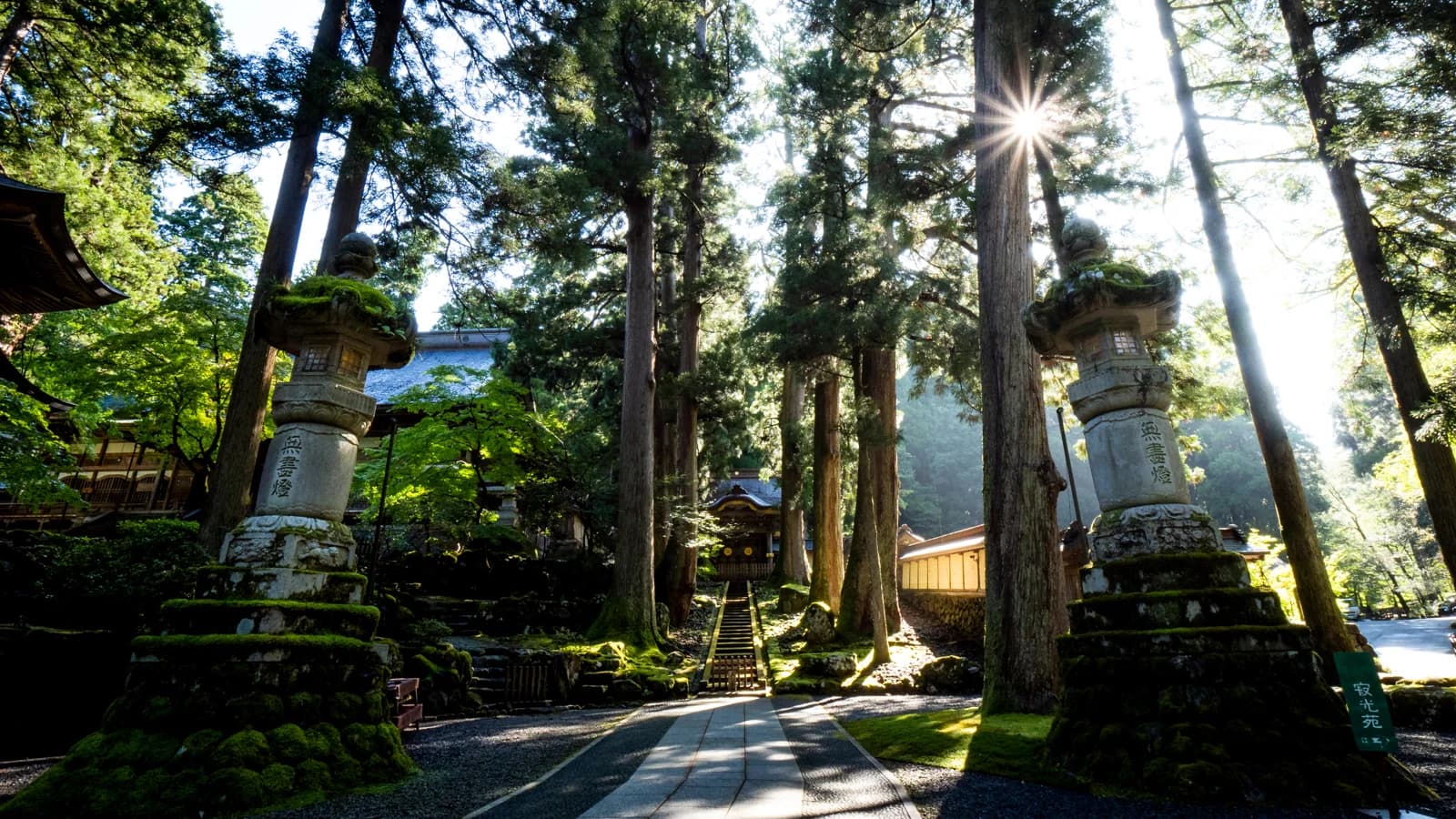
Eiheiji is one of the two head temples of the Soto school of Zen, and a training monastery: about 150 monks live here, and visitors walk through while the community is at its practice. More than seventy buildings stand in the grounds, linked by covered stairways that climb the slope.
The temple was founded in 1244, after a lay follower invited Dogen to Echizen, the old province that is now Fukui. He built it in this valley and renamed it Eiheiji two years later.
Dogen was born in Kyoto in 1200 and became a monk as a boy. He went to China to learn how the Buddha's own seated meditation was practised there, studied under the master Rujing, and was recognised as his successor. What he brought back became the Soto school in Japan, and this was the monastery where he taught it.
Seven of the buildings make up the shichido garan, the set of halls that a Zen monastery is built around: the dharma hall, the buddha hall, the monks' hall, the kitchen, the main gate, the bathhouse and the latrine. The last three belong in that list because this school treats washing, eating and going to the lavatory as practice, in the same way that seated meditation is.
The monastery is open to walk through, and the halls and corridors are seen while the community is going about its day. Sitting meditation can be joined, and there are longer stays for those who want to keep the monastery's hours for a night or more.
Getting There

You might also like
Kofukuji Temple
The first Chinese temple built in Nagasaki, founded in 1620, and the place where the Obaku school of Zen began in Japan.
Nagasaki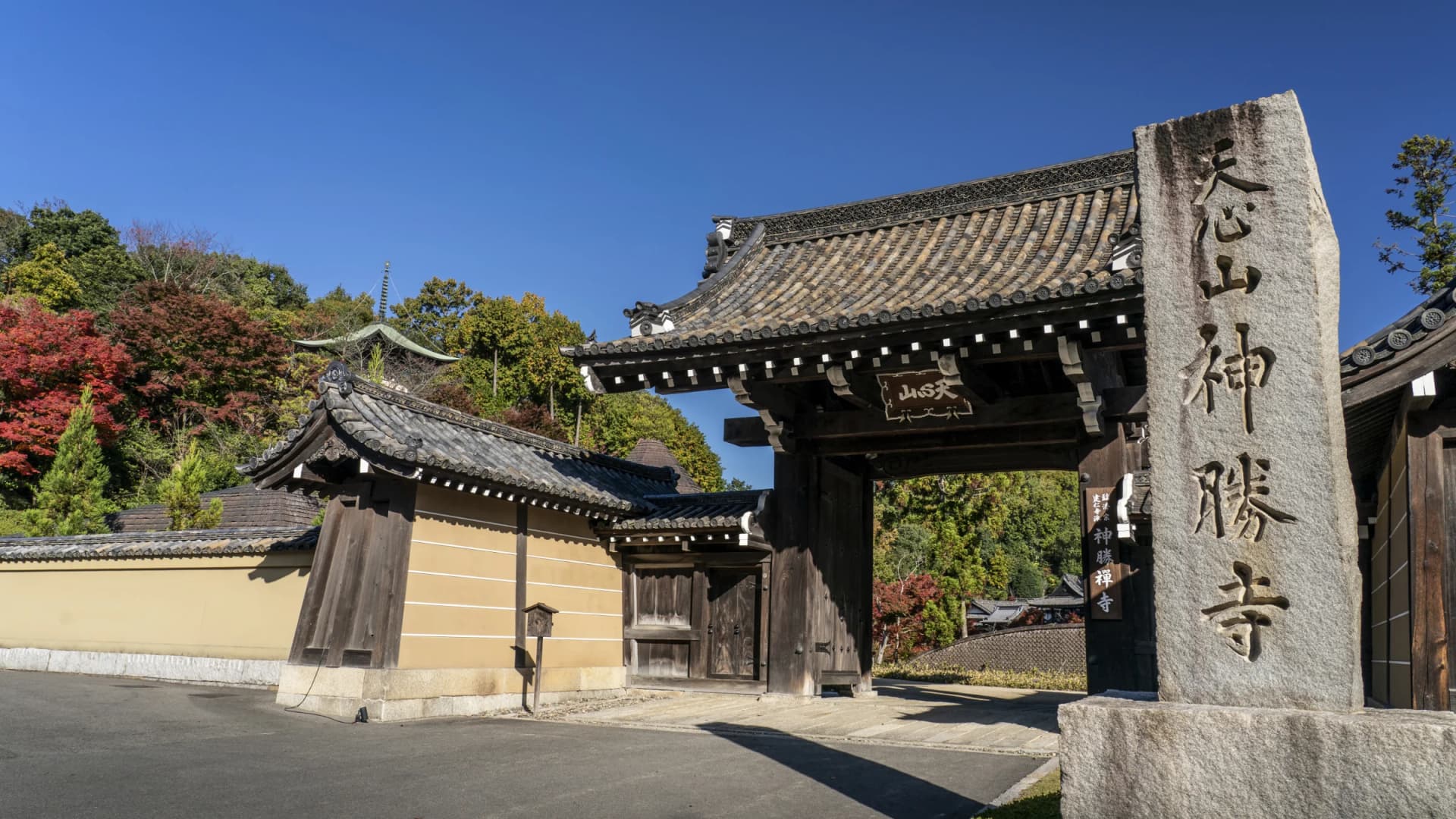
Shinshoji Zen Temple
A Rinzai Zen temple at Fukuyama with tea houses, moved historic halls, gardens, and one of the largest collections of Hakuin's Zen painting.
Fukuyama · Hiroshima
Tofukuji Temple
Tofukuji is one of Kyoto's great Zen temples, celebrated for its sweeping maple valley and the modern garden surrounding the abbot's quarters.
Kyoto
ZEN NIGHT Tofukuji
Nighttime illumination event at a historic Kyoto temple featuring vibrant green maple leaves paired with original soundscape music designed to calm the mind.
29 May – 5 Jul 2027Kyoto
Zuiryuji Temple "Spring Light-up"
Colored lights and music illuminate this National Treasure temple in spring, accompanied by a market featuring local goods and specialties.
22 Apr – 5 May 2027Takaoka · Toyama
Urasa Bishamondō Naked Man Festival
A 1,200-year-old midwinter festival features bare-chested men competing to ascend to the temple and offer prayers to the protective deity Bishamonten.
7 Mar 2027Minamiuonuma · Niigata