Genbudo Museum
玄武洞ミュージアム
A museum of rocks, including the basalt columns of Genbudo, minerals and fossils, with a Stegodon skeleton, precious stones and Toyooka willow basketry.
Closed on 31 December and 1 January, and on some other days that change from year to year; check the official calendar.
〒 668-0801How to get there
玄武洞San-in Main Line6 min walk from the station to the boat landingthen 7 min by boat (booking needed)
玄武洞公園6 min walk from the bus stop
Gate price from¥800Price checked 2026/10/30
Provider prices may differ from the price above. Booking through our links earns us a commission, at no extra cost to you.
The Genbudo Museum in Toyooka, Hyogo, is a museum of rocks, minerals and fossils. It stands directly opposite Genbudo Park, and also covers Toyooka kiryu craft (豊岡杞柳細工), the willow basketry of the area, which is a national Traditional Craft.
Genbudo Park, a national Natural Monument, is known for its columns of basalt with a hexagonal cross-section, formed as lava cooled. Genbudo gave its name to genbugan (玄武岩), the Japanese word for basalt. The geophysicist Matuyama Motonori (松山基範) found that basalt here was magnetised pointing south, which showed that the Earth's magnetic field has reversed in the past.
History
The museum grew from the collection of its director, Tanaka Eiichi (田中榮一), who was born in Akaishi, the village where Genbudo stands. Self-taught in geology, he began with basalt from Japan and abroad, moved on to the minerals that form in hollows inside basalt, such as amethyst, and later added fossils. A smaller forerunner of the museum opened in 1976. The Maruyama River in front of the museum often floods, and when the road was raised above flood level, the museum was rebuilt. The present building, five hexagonal halls in a row that echo the basalt columns and the five caves of Genbudo, opened in 2018.
The exhibitions
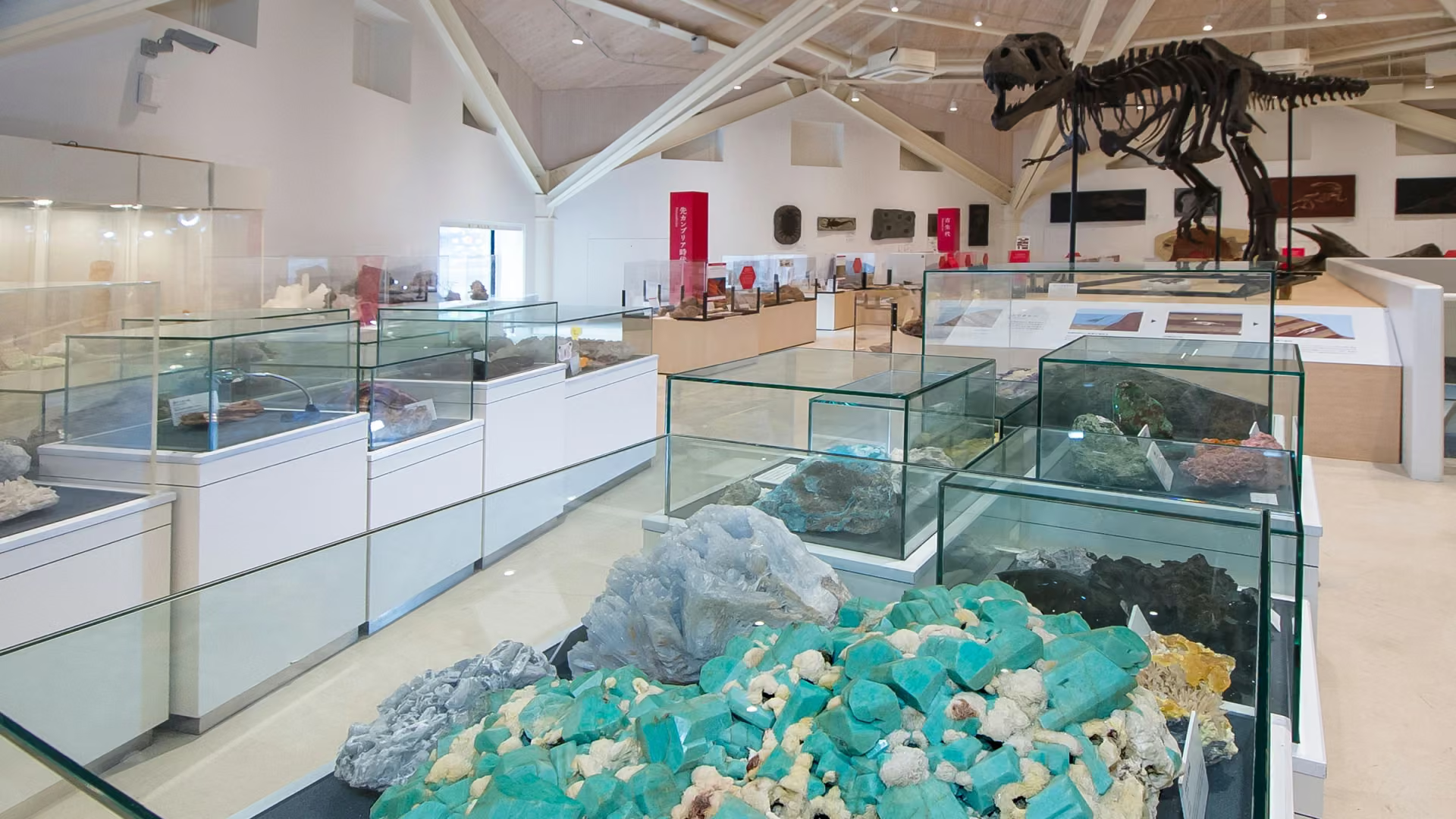
The rock zone on the ground floor covers the history of Genbudo, Matuyama's discovery, basalt in its many forms and the rocks of the San'in coast. The caves in the park cannot be entered, but here the hexagonal columns can be seen up close. At the center stands a Stegodon, an extinct relative of the elephant, 7.6 m long. It was chosen because many elephant footprints have been found along the San'in coast, and fossil teeth and footprints from the coast are shown nearby. A gallery of unusual stones includes chrysanthemum stone (kikka-seki, 菊花石) from Neodani in Gifu, with patterns that look like flowers.
Upstairs, the mineral zone holds gems and minerals from around the world. The museum describes its large cluster of amazonite as the finest in the world; its discovery caused a stir in the United States. The rhodochrosite, known in Japan as Inca rose, includes a piece from the Sweet Home Mine in the United States that was the centerpiece of the Denver Show. In the glowing stones corner, black light makes each kind of stone shine in its own color. Hands-on displays include kankan-ishi (カンカン石), stones that ring when struck, and konnyaku-ishi (こんにゃく石), a stone that bends.
The fossil zone traces the evolution of life, with a Tyrannosaurus, a Triceratops, pterosaurs and large fossils along the walls. The Tyrannosaurus, known as Tinker, is a young one found in the United States. A Dimetrodon looks like a dinosaur but is thought to have been closer to mammals, using the sail on its back to control its body heat. One fossil fish keeps its fins raised, while most fossils are found pressed flat.
Toyooka kiryu craft
Toyooka kiryu craft is basketry woven from koriyanagi (コリヤナギ), a willow that grew wild on the banks of the Maruyama River. Its history is said to go back to the year 27. Floods made rice harvests uncertain, so people turned to weaving baskets. In the Edo period, with the support of the Kyogoku lords of Toyooka, the town's yanagi-gori (柳行李), willow trunks, became known across Japan, and the trade later grew into the bag industry Toyooka is known for. The craft was designated a Traditional Craft in 1992.
The kiryu zone shows how the craft changed over time, how it is made and willow work from other countries. Among the exhibits are a lampshade from the early Showa era, made with a technique no one practices today, and machines built in the same period to make trunks in large numbers, such as a bark-peeling machine and a sewing machine for trunk rims.
Workshops, restaurant and shop
In the workshops, visitors dig three gemstones or fossils out with a hammer and take them home, make a keychain with a birthstone, or weave a coaster or a small basket from rattan and Toyooka willow. A quiz rally around the displays changes with the seasons.
The restaurant and cafe looks out over the Maruyama River and serves dishes made with Tajima beef and other local produce. The shop sells Toyooka bags, willow baskets and Genbudo castella from the museum's own confectionery kitchen. The museum also runs boats on the river: a ferry from JR Genbudo Station on the far bank, and a sightseeing cruise of about 10 minutes, from which Oriental white storks can sometimes be seen.
Getting There

Planning a trip? Fit this into a trip and Oni plans the rest around it.
You might also like
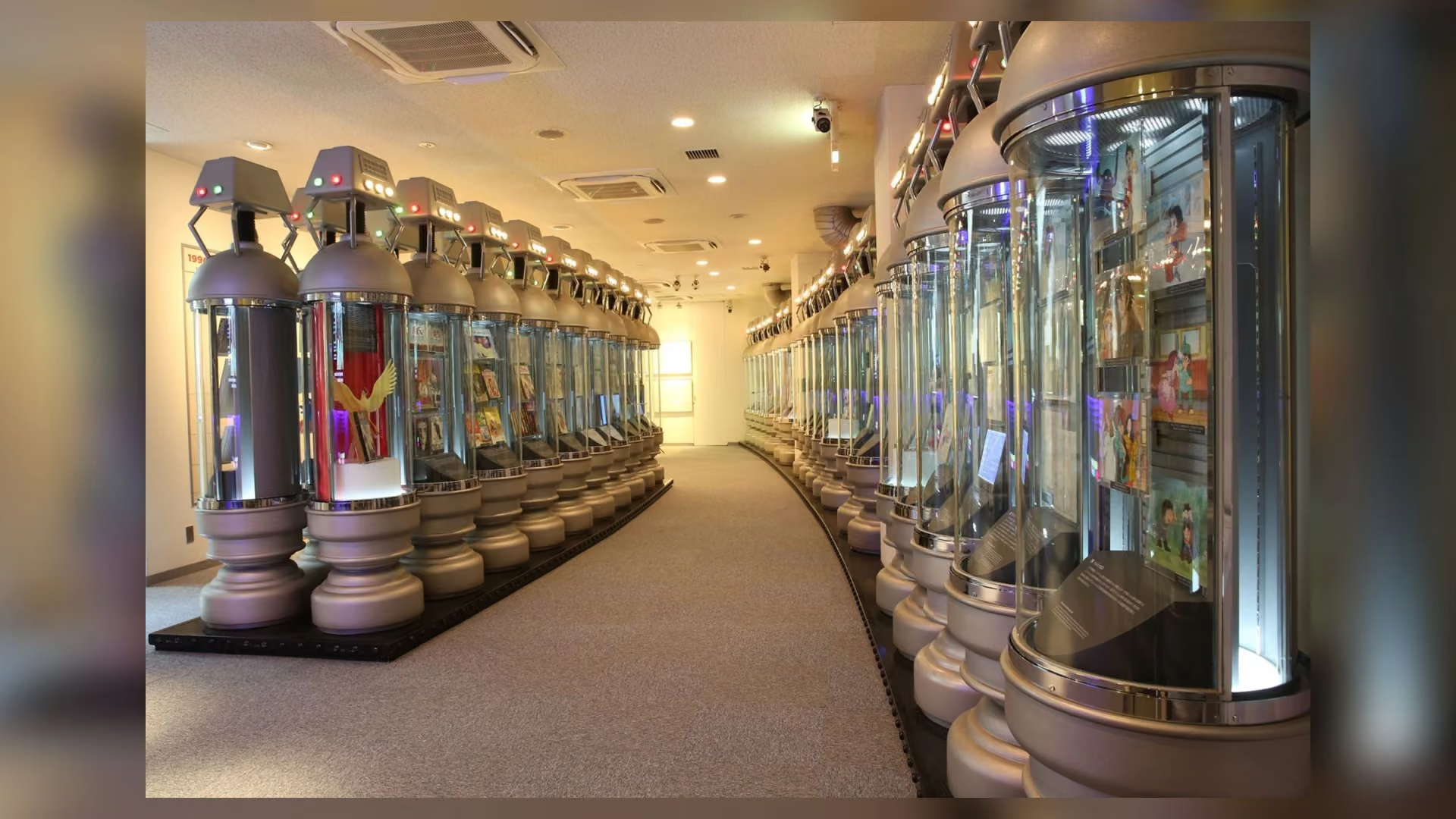
The Osamu Tezuka Manga Museum
A city museum in Takarazuka on Osamu Tezuka, the creator of Astro Boy, who grew up in the town, with an animation workshop and a library of his manga.
Takarazuka · Hyogo
Kimono EXPO Osaka
A yearly kimono fair at Shinsaibashi in Osaka, where weavers and dyers from across Japan show their work and short workshops teach the crafts behind it.
14–18 Oct 2027Exact date not confirmed yetOsaka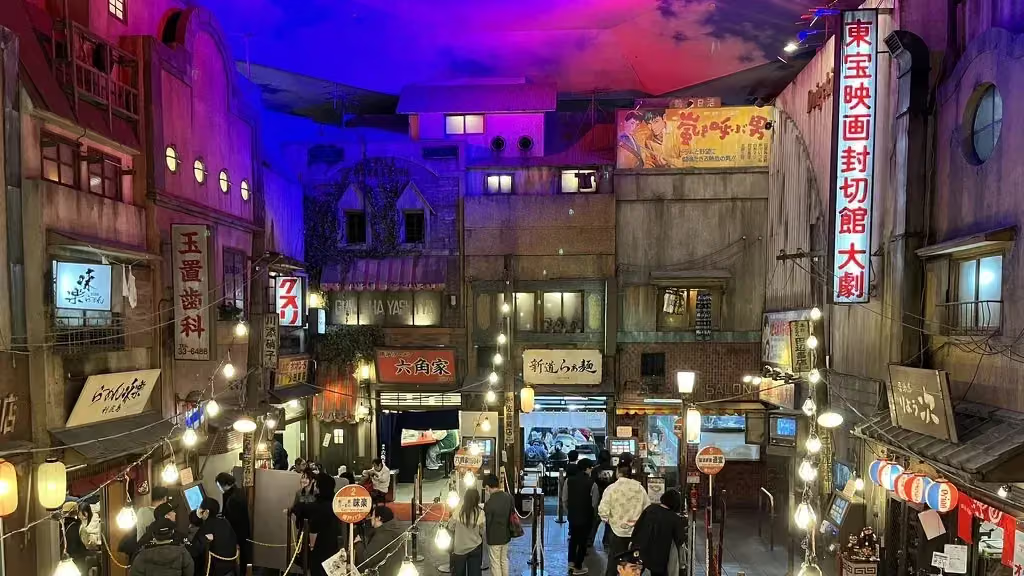
Shin-Yokohama Ramen Museum
Opened in 1994 as the world's first ramen-themed food amusement park, this museum gathers famous ramen shops from across Japan in a single location.
Yokohama · Kanagawa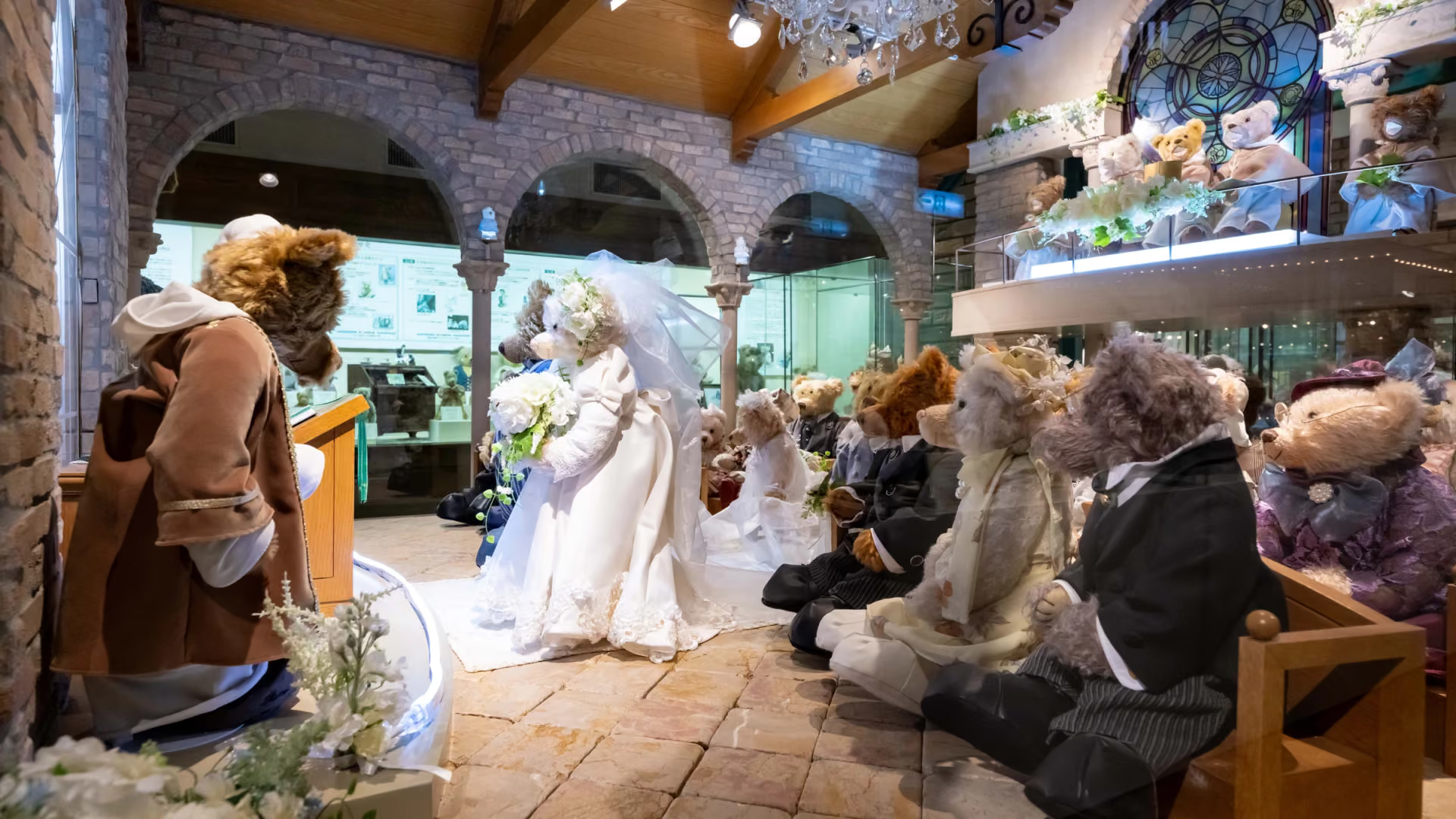
Nasu Teddy Bear Museum
A museum of teddy bears and stuffed toys in Nasu, with the much-travelled Teddy Edward, antique Steiff bears, artist bears and a stuffed toy workshop.
Nasu · Tochigi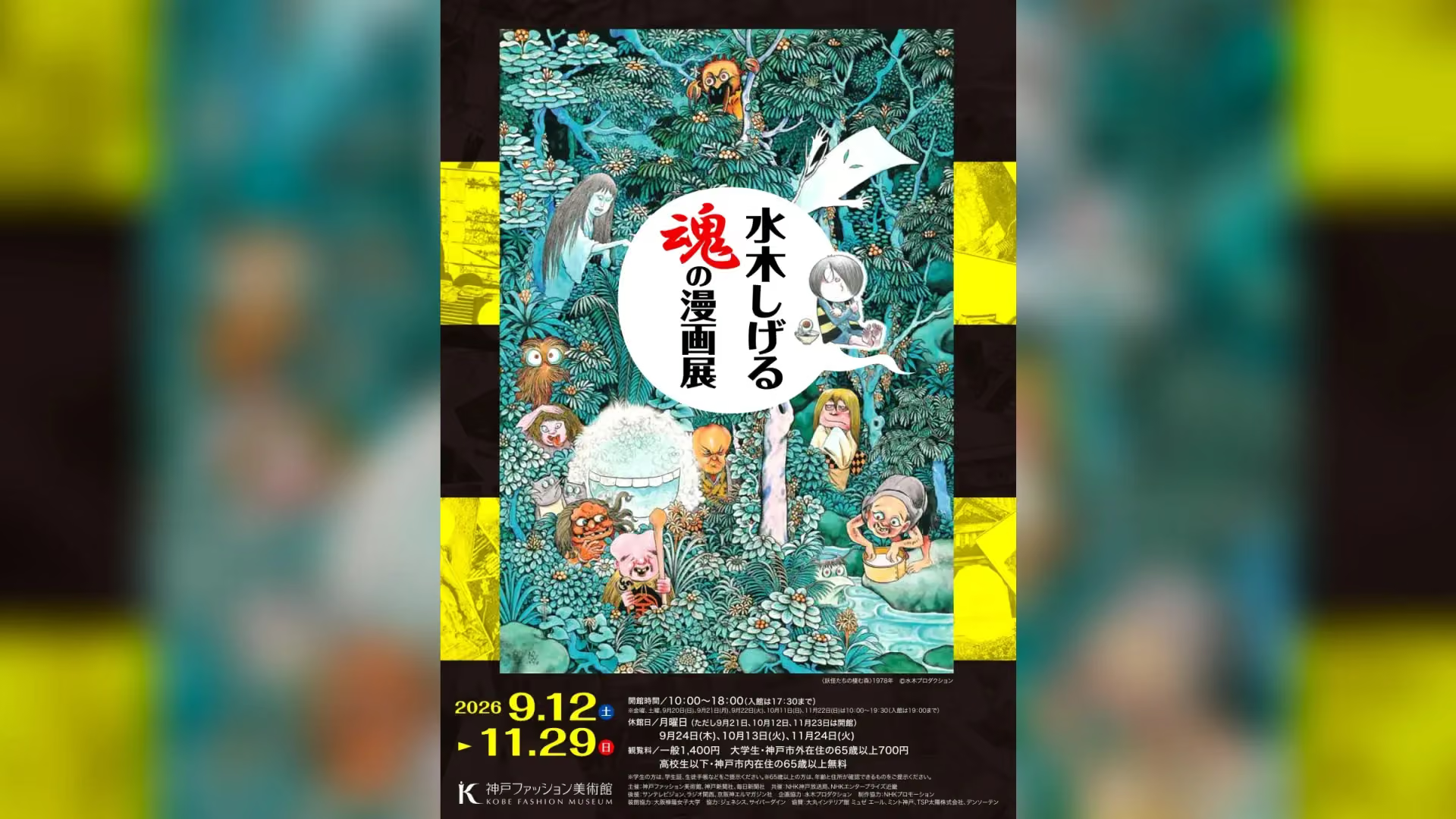
Mizuki Shigeru: Manga of the Soul
Around 300 works by Mizuki Shigeru, from childhood drawings to the yokai he spent a lifetime recording, at the Kobe Fashion Museum, September to November.
12 Sep – 29 Nov 2026Kobe · Hyogo
Shuga-ten: Shohin Bonsai Fair
Small bonsai up to about 20 cm tall, shown in display seats by members of the Japan Shohin-Bonsai Association, with dealers selling trees, pots and tools.
30 Oct – 1 Nov 2027Exact date not confirmed yetTokyo