

Hasedera
長谷寺
This ancient Kamakura temple houses a 9.18-metre wooden Kannon statue, one of Japan's largest Buddhist sculptures, said to have arrived by ocean centuries ago.

Hasedera, officially known as Kaiko-zan Jisho-in Hasedera, stands as one of Kamakura's oldest temples. The site is traditionally called "Hasedera Kannon" after its principal Buddhist image, an Eleven-Faced Kannon statue.
The temple's origins trace back to an ancient legend. In 721 AD, two Kannon statues are said to have been carved from a single sacred tree in Hatsuse, in present-day Nara Prefecture. One was enshrined at Nara's Hasedera temple, while the other was committed to the sea with prayers that it would travel to distant shores and bring salvation to people elsewhere. According to legend, the statue travelled across the ocean for fifteen years before washing ashore in what is now Kanagawa Prefecture. In 736, during the Nara period's Tempyo era, the Kamakura Hasedera was established to enshrine this Kannon. Under the reign of Emperor Shomu, the temple was subsequently designated as an imperial votive temple, reflecting its growing significance within Japan's Buddhist establishment.
The Eleven-Faced Kannon remains the temple's centrepiece. Carved from wood and standing 9.18 metres tall, the statue ranks among Japan's largest wooden Buddhist sculptures. This prominence reflects the temple's role as the fourth station on the Bando Thirty-Three Kannon Pilgrimage, one of Japan's principal pilgrimage circuits.
The temple grounds occupy the slopes of Kannon-yama, extending from the mountain's base to its mid-section. The temple grounds are called "Kamakura's Western Pure Land", a reference to the Buddhist concept of paradise, owing to its year-round floral displays. Seasonal flowers transform the temple landscape, creating spaces of natural beauty that draw both pilgrims and tourists.
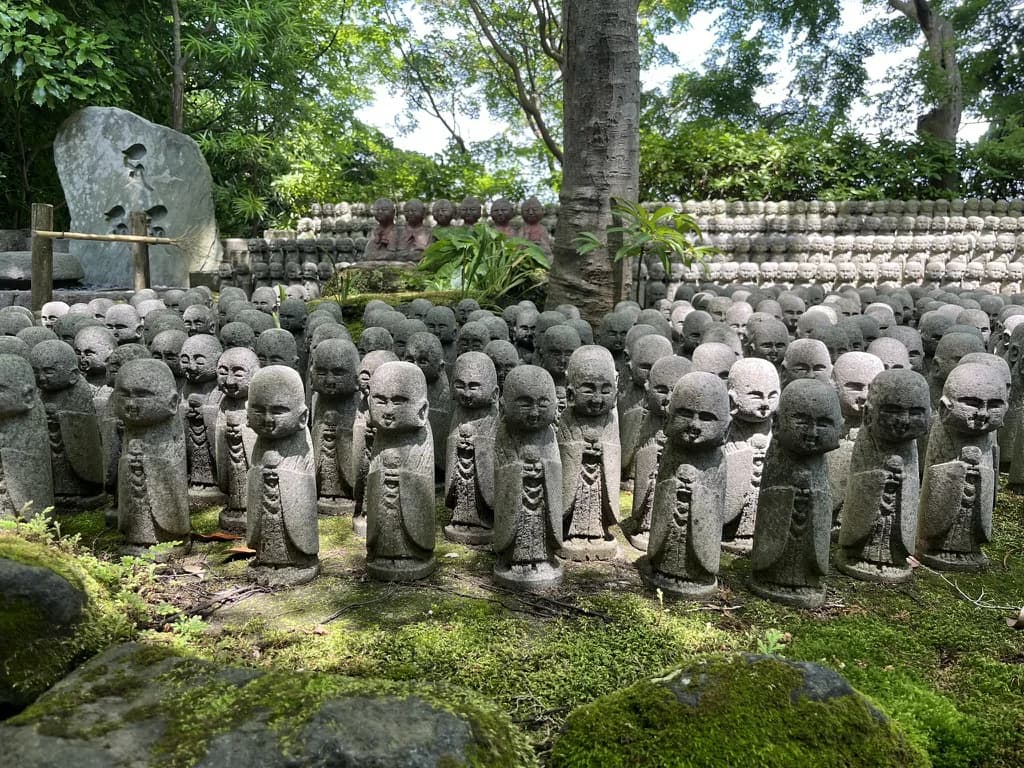
An observation platform provides views across Kamakura's coastline and urban landscape. For those seeking more immersive natural scenery, a hydrangea viewing trail leads further up the slope. Here, 2,500 hydrangea plants in forty varieties flourish during the early summer rainy season, with views extending across Sagami Bay. This combination of flowering plants and distant seascape ranks among Kamakura's most notable scenic destinations.
On the temple grounds, the Kannon Museum houses Buddhist artworks and artefacts centred on the Kannon bodhisattva tradition. Originally established as a treasure display hall during the Meiji period, the museum has undergone significant renovation and development to serve as a dedicated space for understanding Kannon worship.
Places nearby
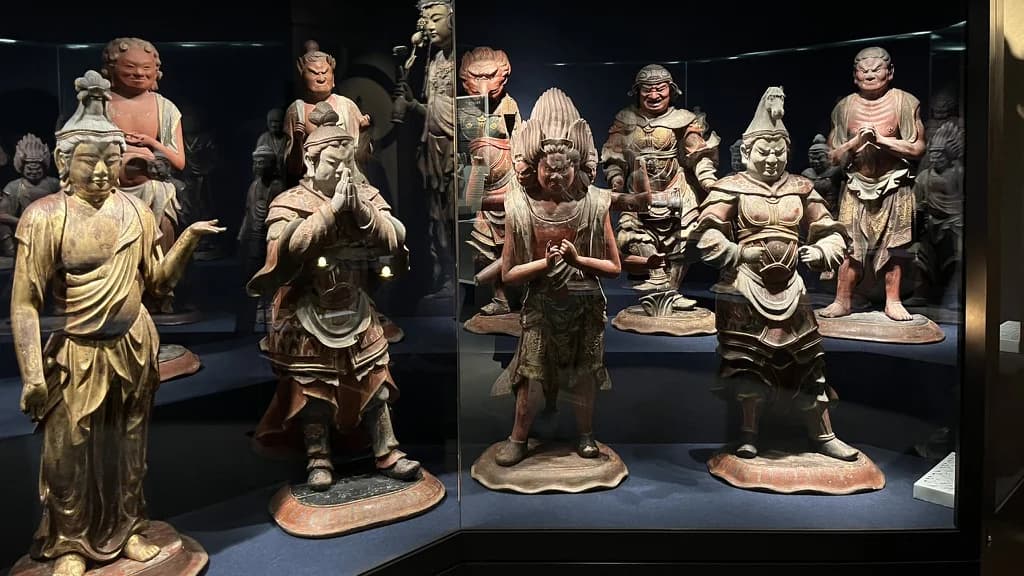
Kannon Museum
Museum dedicated to Kannon teachings and forms, preserving Hasedera Temple's 13 centuries of Buddhist pilgrimage tradition and artistic heritage.
Kamakura · Kanagawa
Kotoku-in
A Buddhist temple in Kamakura housing the Great Buddha, a monumental copper statue of Amida Buddha cast in the 13th century.
Kamakura · Kanagawa
British Antique Museum
BAM Kamakura, Japan's first museum dedicated to British antiques, showcases Victorian and Edwardian pieces designed by architect Kengo Kuma.
Kamakura · KanagawaYou might also like
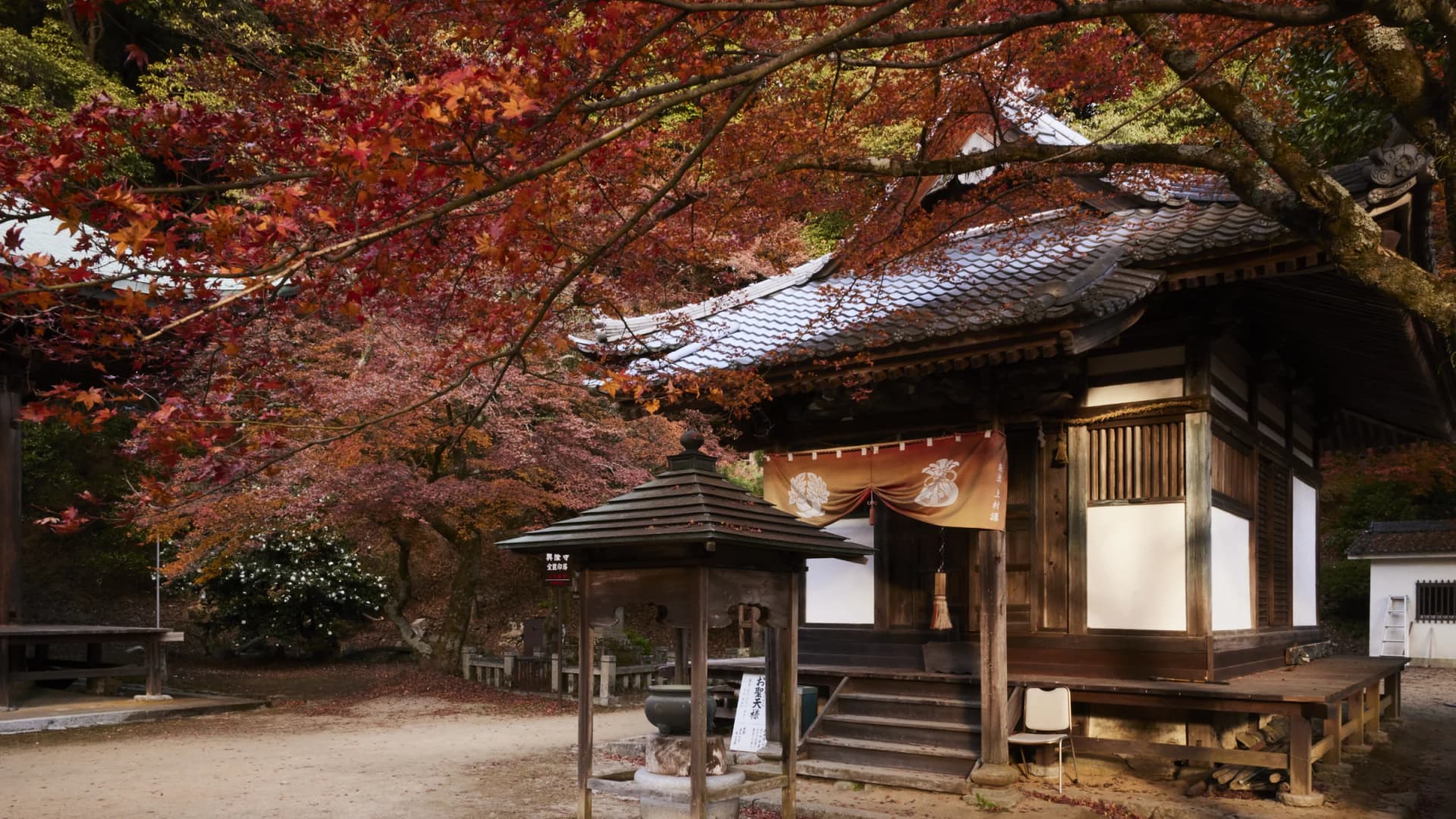
Nishiyama Koryuji
A mountain temple in Saijo, Ehime, founded in 642, reached by a long approach under maples, with a main hall that is an Important Cultural Property.
Saijo · Ehime
Myorakuji Temple
A Tendai temple in the Nagao Hills of Kawasaki, known as the "hydrangea temple" for the 1,000 shrubs that fill its grounds each June, with a June festival.
Kawasaki · Kanagawa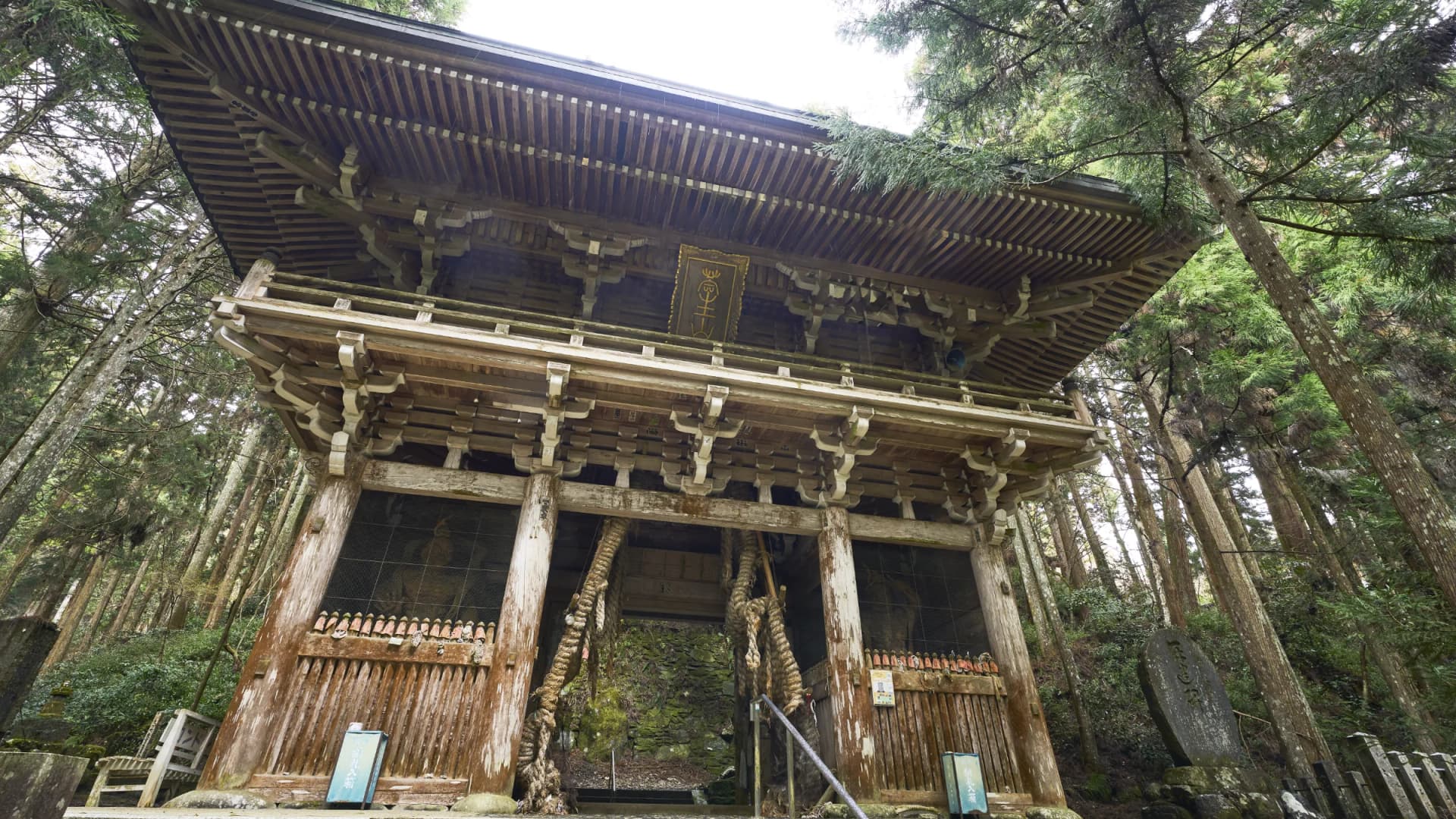
Daihoji Temple
The forty-fourth temple of the Shikoku pilgrimage and its halfway point, standing among old trees at 579 metres in the mountains of Ehime.
Kumakogen · Ehime
Enmei-ji Temple Annual Market (Daruma Market)
A year-end market features daruma dolls, traditional symbols of resilience, accompanied by a distinctive soul-insertion ritual using flint sparks.
28 Dec 2026Matsuda · Kanagawa
Iizumi Kannon Daruma Fair
An annual market held in December where visitors purchase traditional daruma dolls representing wishes for health, family unity, and prosperity.
17–18 Dec 2026Odawara · Kanagawa
Mamada no Jaga Maita
Before the rice-planting season, children parade enormous painted serpents through town while chanting, immersing them in a pond as part of a centuries-old rainmaking ritual.
5 May 2027Oyama · Tochigi