

Kannon Museum
観音ミュージアム
Museum dedicated to Kannon teachings and forms, preserving Hasedera Temple's 13 centuries of Buddhist pilgrimage tradition and artistic heritage.
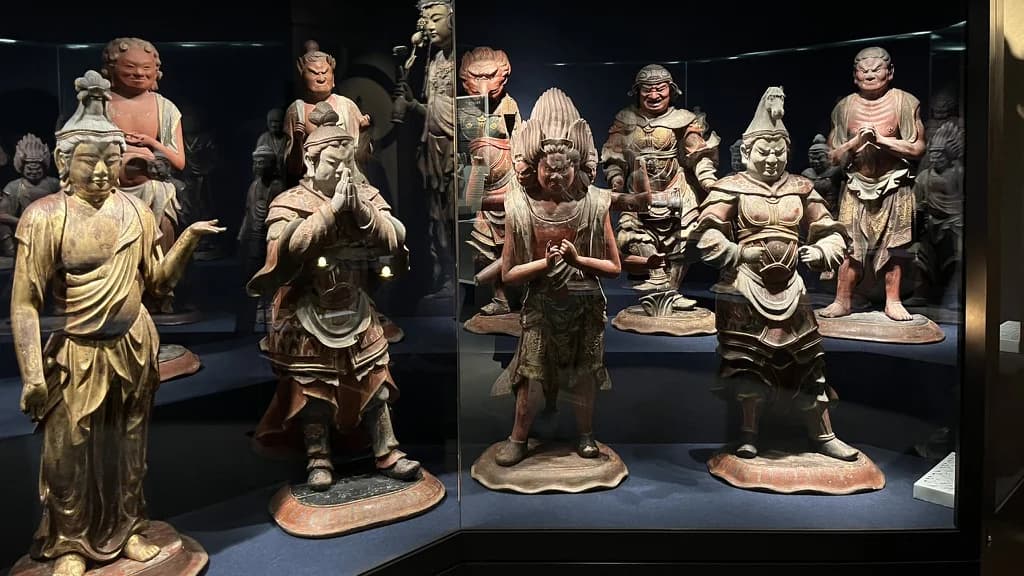
Hasedera's Kannon Museum stands as a dedicated space for exploring the teachings and forms of the Kannon Bodhisattva, one of Japan's most widely revered Buddhist deities.
The Kannon Museum has its roots in the Meiji period, when Hasedera established a basic treasure display hall to protect its accumulated artefacts. This evolved into a formal museum facility – the Hasedera Treasure Museum – which opened in 1980. On the occasion of its 35th anniversary in 2015, the temple undertook significant renovation and reconceived the space as the Kannon Museum, broadening its focus beyond institutional treasures to centre on Kannon Bodhisattva and their central importance to Japanese Buddhism.
The museum serves multiple functions within the pilgrimage tradition. It preserves artefacts that span Hasedera's thirteen-century history, documenting the temple's continuity and significance. More broadly, it aims to clarify the teachings of Kannon Bodhisattva – the "Listener of the World's Cries" – in forms accessible to visitors of all backgrounds. The museum also serves as a research and information-sharing hub, connecting Hasedera with pilgrimage sites across Japan, including the Kanto, Saigoku, and Chichibu Kannon circuits.
Understanding Kannon Bodhisattva
Formally known as Kanzeon or Kanjizai Bodhisattva, Kannon embodies the Buddhist principle of compassionate intervention. The name itself carries deep meaning: "Kanzeon" suggests the ability to hear freely the voices of those seeking salvation throughout the world. Central to Kannon's character is their capacity to manifest in thirty-three different forms, each tailored to answer the specific spiritual needs of the person seeking aid. This flexibility – appearing as a gentle guide to some, a stern teacher to others – explains Kannon's extraordinary appeal across Japanese society and history.
Notable Collections
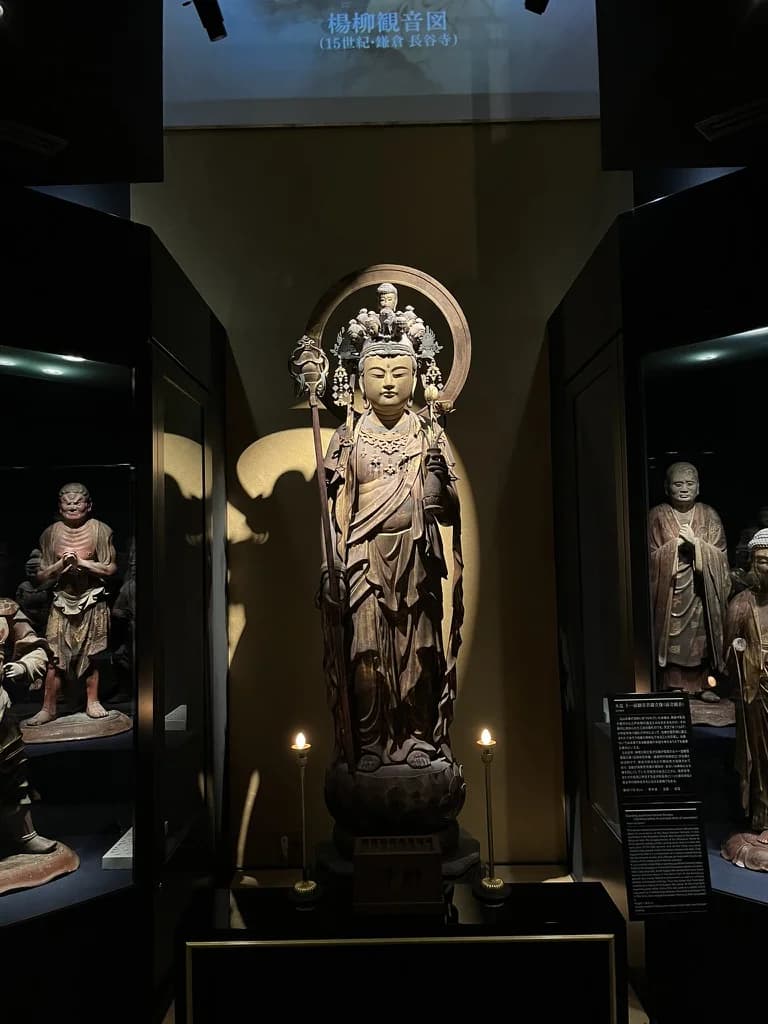
The museum houses several significant cultural artefacts. The Eleven-Faced Kannon standing image, positioned before the main altar, exemplifies the distinctive Hasedera style, with the deity holding a staff in their right hand. The Thirty-Three Manifestations group sculpture, created during the Muromachi period and designated a Kamakura city cultural property, represents a rare complete set of all thirty-three forms in which Kannon appears.
Six large hanging Buddhist image plaques, each exceeding seventy centimetres in diameter and designated Important Cultural Properties, date to the late Kamakura and Muromachi periods. Their size indicates the temple's considerable influence and resources during these eras. The temple's bronze bell, inscribed with the date 1264, ranks as Kamakura's third oldest and represents the earliest documented reference to Hasedera by name.
Among the museum's most significant holdings is the Hasedera Engi Emaki, a painted narrative scroll depicting the founding legend of Nara's original Hasedera temple. Created in 1557 during the Muromachi period and designated a Kanagawa cultural property, it remains the only known example of this narrative with a confirmed production date, making it invaluable for understanding the temple's foundational mythology.
Places nearby

Hasedera
This ancient Kamakura temple houses a 9.18-metre wooden Kannon statue, one of Japan's largest Buddhist sculptures, said to have arrived by ocean centuries ago.
Kamakura · Kanagawa
Kotoku-in
A Buddhist temple in Kamakura housing the Great Buddha, a monumental copper statue of Amida Buddha cast in the 13th century.
Kamakura · Kanagawa
British Antique Museum
BAM Kamakura, Japan's first museum dedicated to British antiques, showcases Victorian and Edwardian pieces designed by architect Kengo Kuma.
Kamakura · KanagawaYou might also like
Nishiyama Koryuji
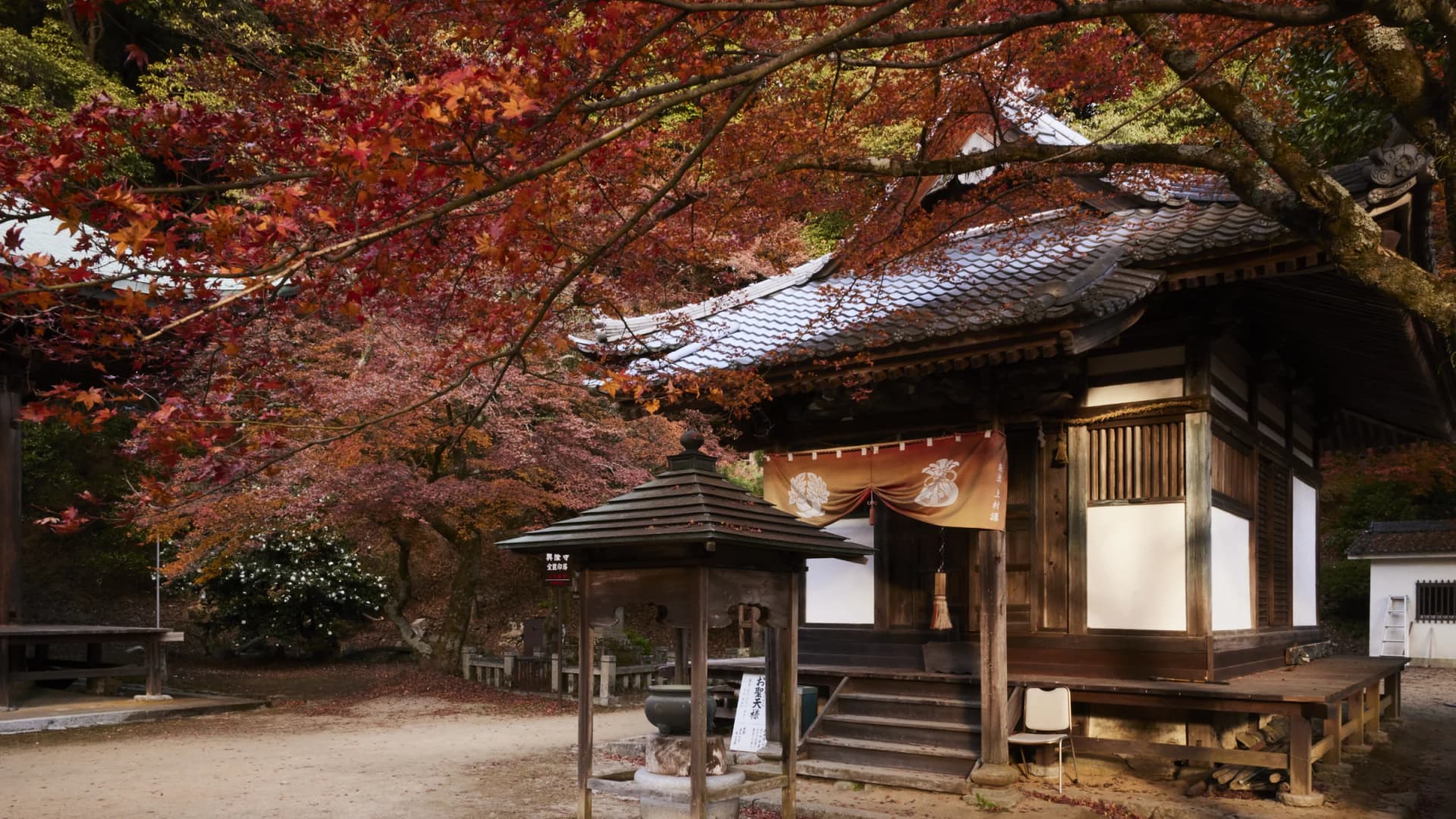
A mountain temple in Saijo, Ehime, founded in 642, reached by a long approach under maples, with a main hall that is an Important Cultural Property.
Saijo · Ehime
Rinnoji Temple
Rinnoji is a Tendai Buddhist temple in Nikko and part of a UNESCO World Heritage Site, known for its Sanbutsudo hall and the National Treasure Taiyuin mausoleum.
Nikko · Tochigi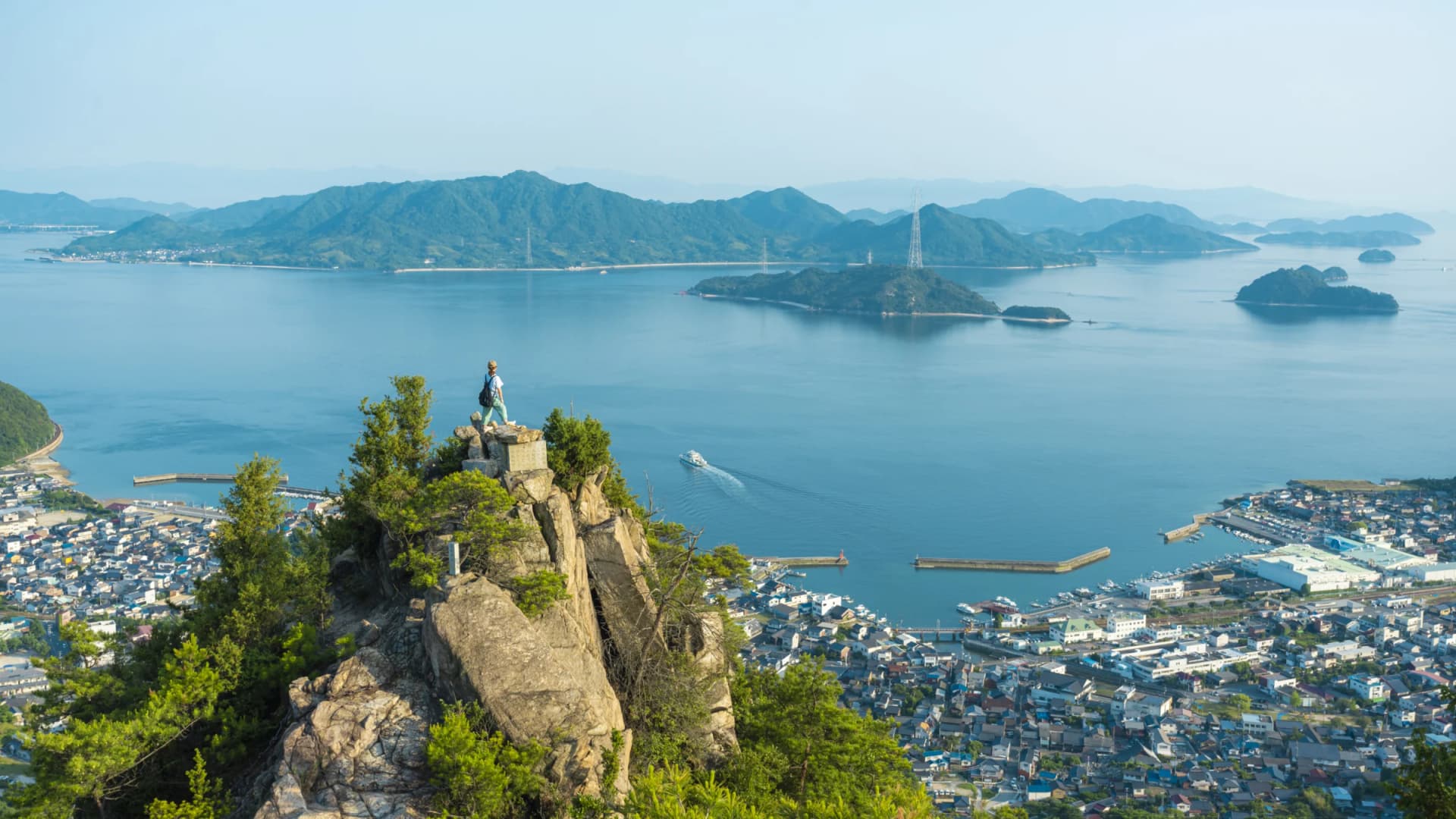
Mount Kurotaki
A 266-metre hill above Tadanoumi in Takehara, half an hour's walk to a view over Okunoshima and the islands of the Seto Inland Sea.
Takehara · Hiroshima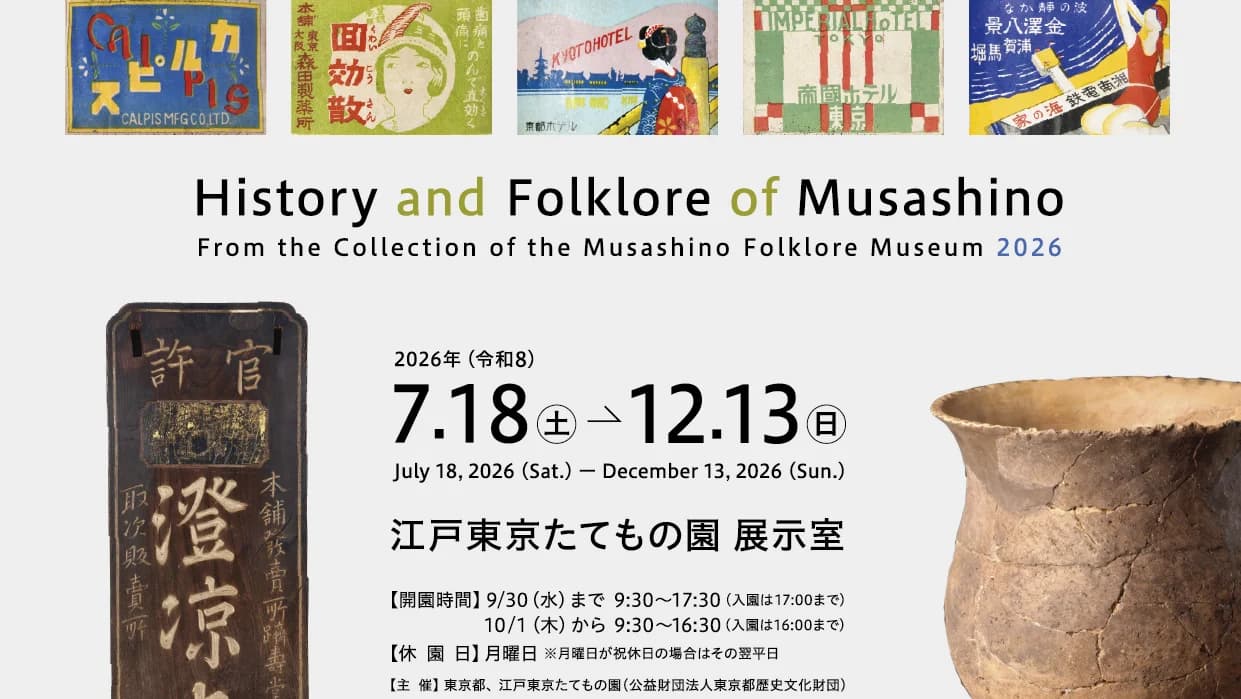
The History and Folklore of Musashino ~ Musashino Local Museum Collection 2026 ~
This exhibition showcases archaeological and folklore materials including Jomon artefacts and historic household items that document Musashino's cultural heritage.
18 Jul – 13 Dec 2026Koganei · Tokyo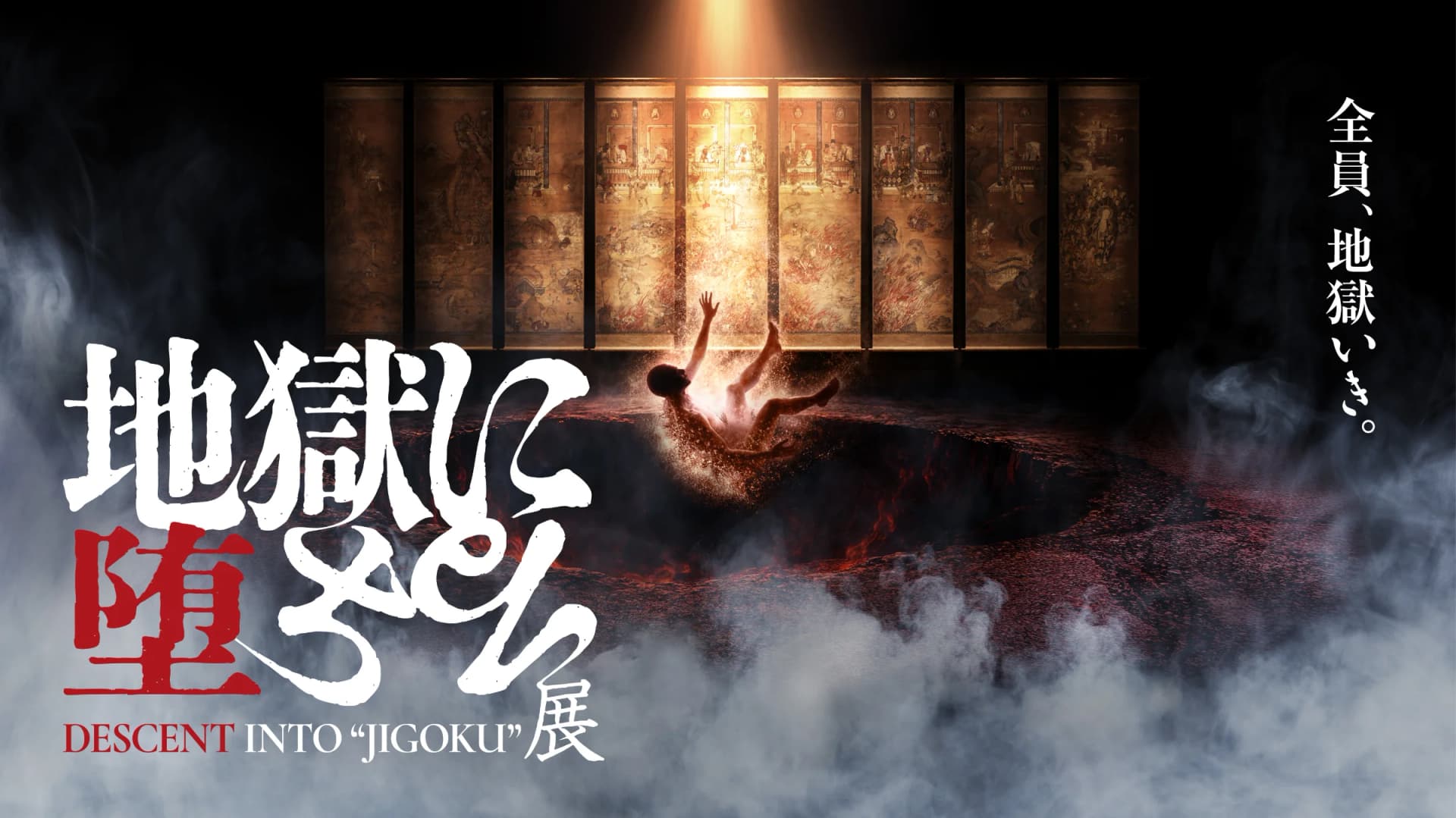
Descent into "Jigoku"
An exhibition in Osaka on the Japanese hell, following the path of the dead through full-size reproductions of painted scrolls and moving projections.
28 Nov – 27 Dec 2026Osaka
Special Exhibition: Kobo Daishi Kukai — Treasures of Koyasan and the Spread of the Faith
An exhibition at the Kyushu National Museum on Kukai, who brought esoteric Buddhism from Tang China, with treasures of Koyasan and of western Japan.
24 Apr – 20 Jun 2027Dazaifu · Fukuoka