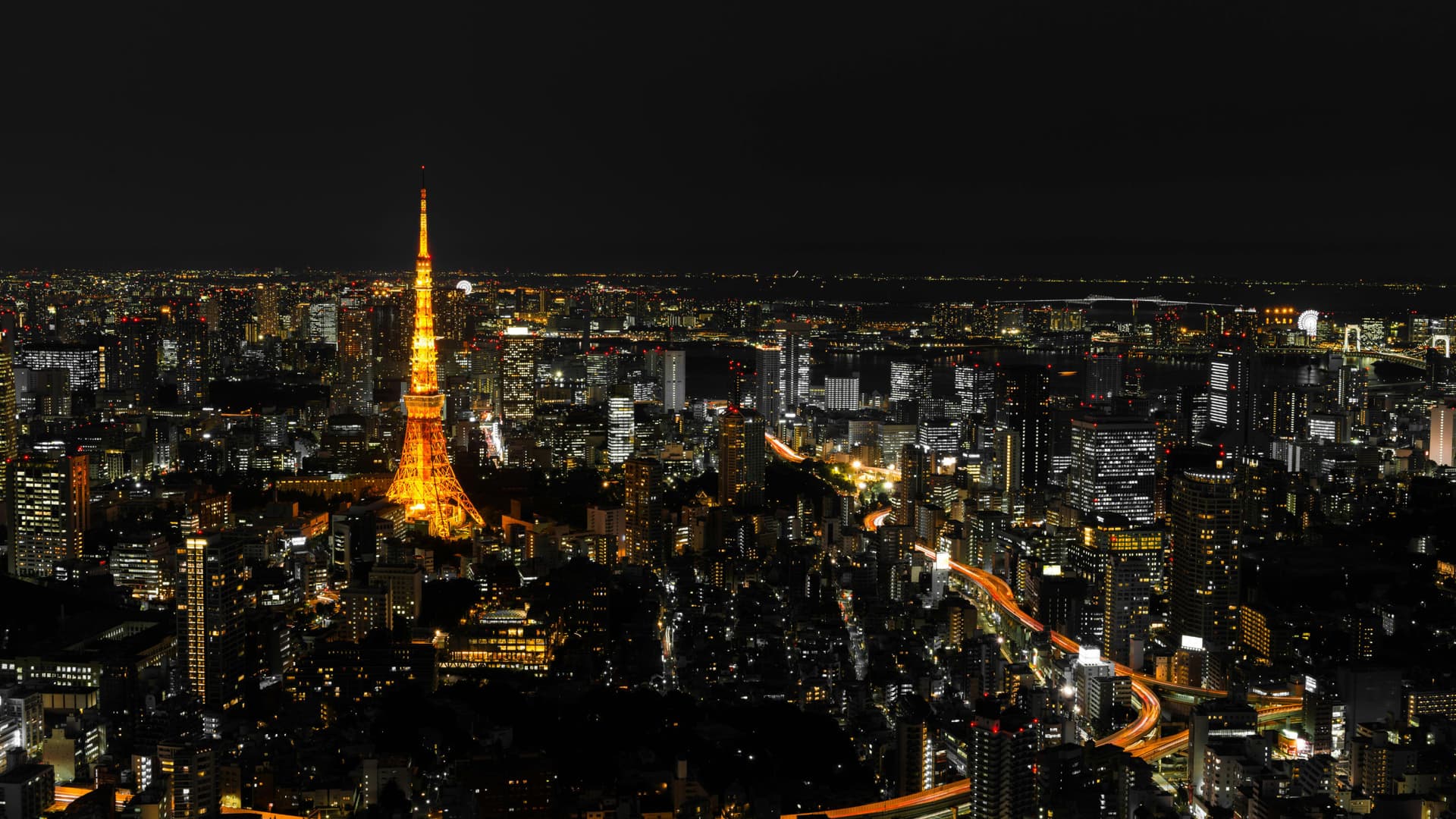
Myorakuji Temple
妙楽寺
A Tendai temple in the Nagao Hills of Kawasaki, known as the "hydrangea temple" for the 1,000 shrubs that fill its grounds each June, with a June festival.

〒 214-0023How to get there
宿河原Nambu Line13 min walk from the station
Myorakuji is a Tendai-school temple set on the Nagao Hills in Tama Ward, Kawasaki, looking out over the Tama River. Most visitors know it as the Ajisai-dera, the "hydrangea temple", for the flowers that fill its hillside grounds each June – but it also carries an unusually rich medieval history, tied to a lost temple once protected by the founders of the Kamakura shogunate.
Myorakuji is closely identified with Ikoji, a medieval temple that served as a prayer hall for successive generations of the Minamoto (Genji) clan and appears in the Azuma Kagami, the chronicle of the Kamakura shogunate.
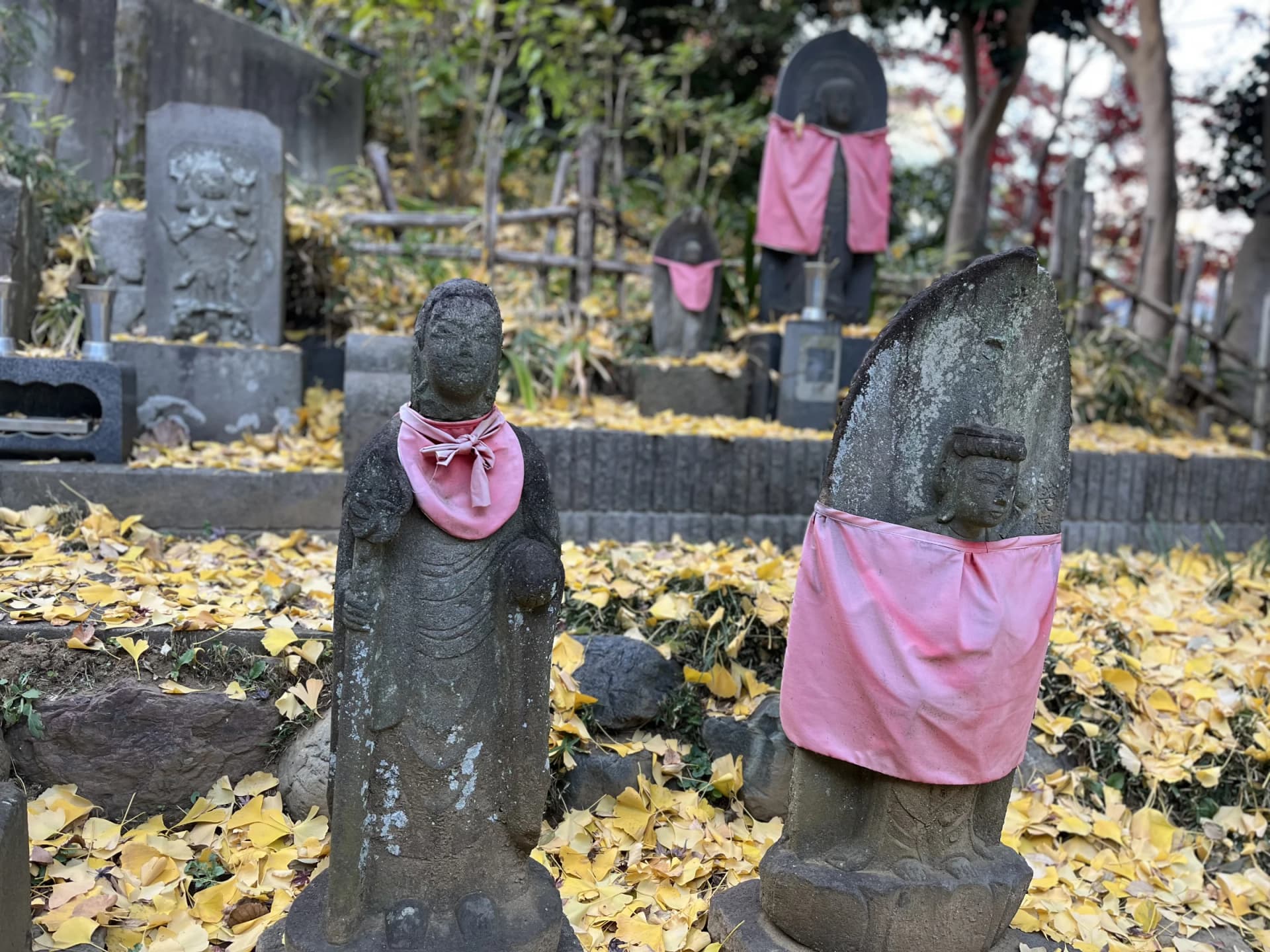
In the shogunate's early years, Minamoto no Yoritomo sent his younger half-brother, the monk Zenjo, to serve as head priest of Ikoji and confirmed the temple's landholdings, giving it his firm protection. This is thought to reflect the military importance the shogunate placed on the Tama River and the hills along its right bank, which marked an outer defensive boundary of Kamakura.
After the fall of the shogunate, Ikoji gradually declined. It last appears in the historical record in a document of 1405 concerning a fundraising drive to cast a temple bell – a text that refers to it as "Ikoji of Nagao-yama, Tachibana district, Musashi province", confirming that it had stood in the Nagao hills since the time of the Azuma Kagami. After that it vanishes from history and no longer survives.
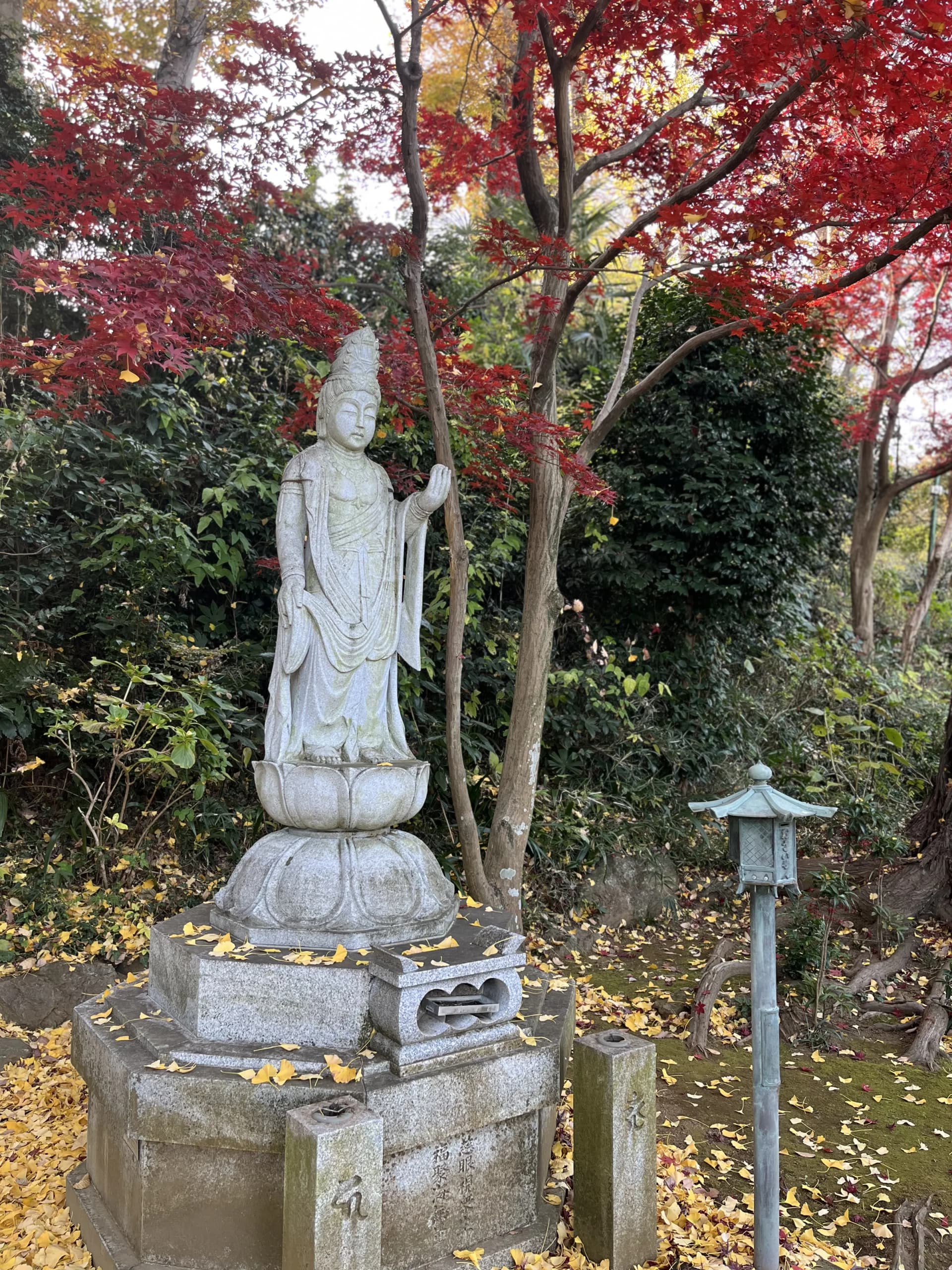
The link between the two temples emerged from the statues themselves. Myorakuji keeps a seated Medicine Buddha (Yakushi Nyorai) and its two flanking attendant figures, together designated a Kawasaki City Important Historical Property. An ink inscription dates the seated Buddha to 1509, its joined-woodblock construction and features typical of the late Muromachi period. Inside one of the attendants, the Nikko Bosatsu, a further inscription dated 1547 names "Ikoji of Nagao-yama, Ota parish, Tachibana district, Musashi province" – revealing that Ikoji still existed in the mid-16th century, and that these images, held at Myorakuji as "guest Buddhas" handed down from elsewhere, had come from it. Myorakuji may even have originated as one of Ikoji's sub-temples, inheriting what survived after the older temple lost its powerful patrons.
The temple holds a second designated property as well: a large painted scroll from 1892, the "Diagram of the Wheel of Life and Death through the Five Realms", which sets out the Buddhist ideas of transmigration and worldly impermanence in an accessible pictorial form rather than through difficult scripture.
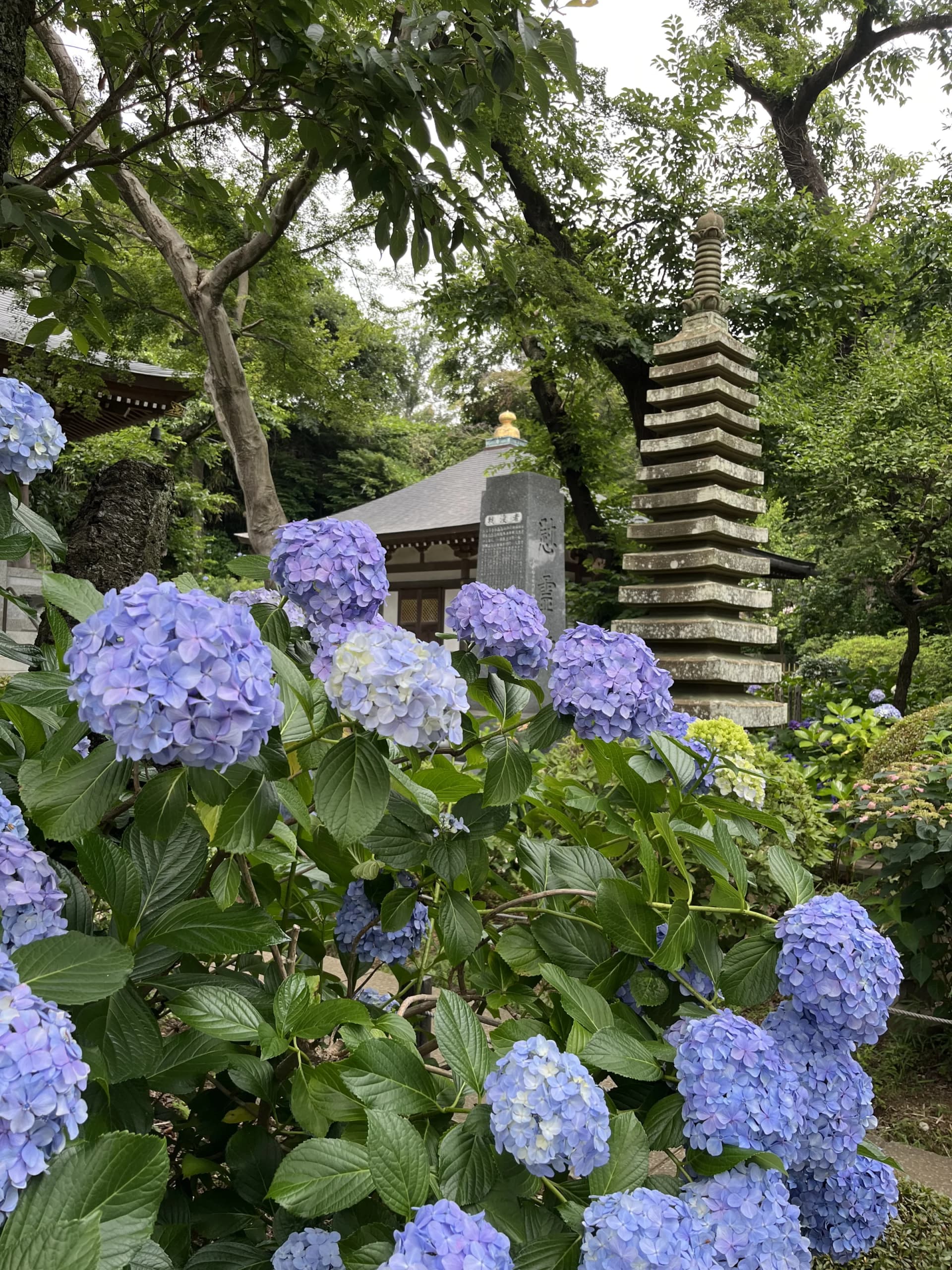
The hydrangeas
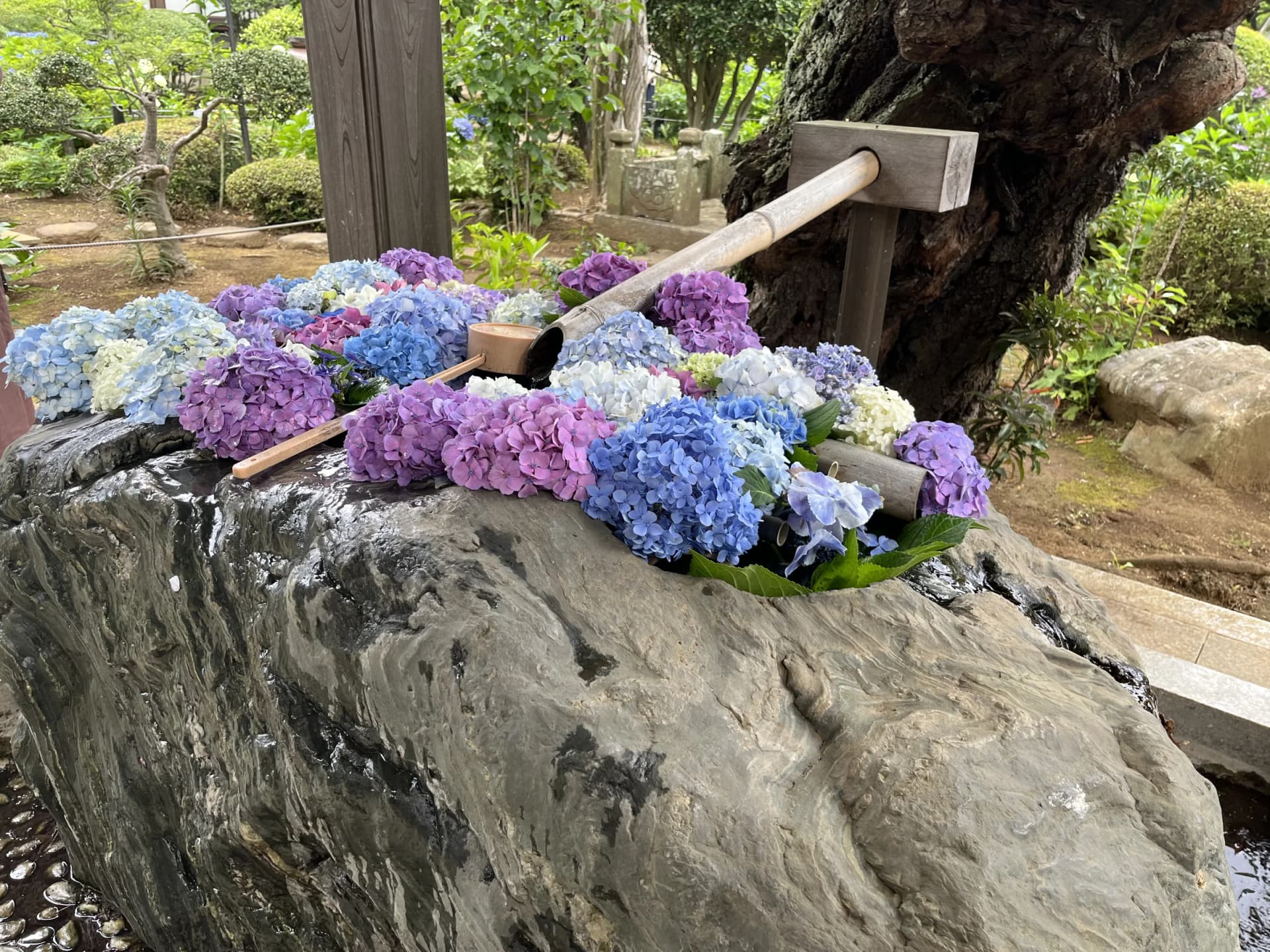
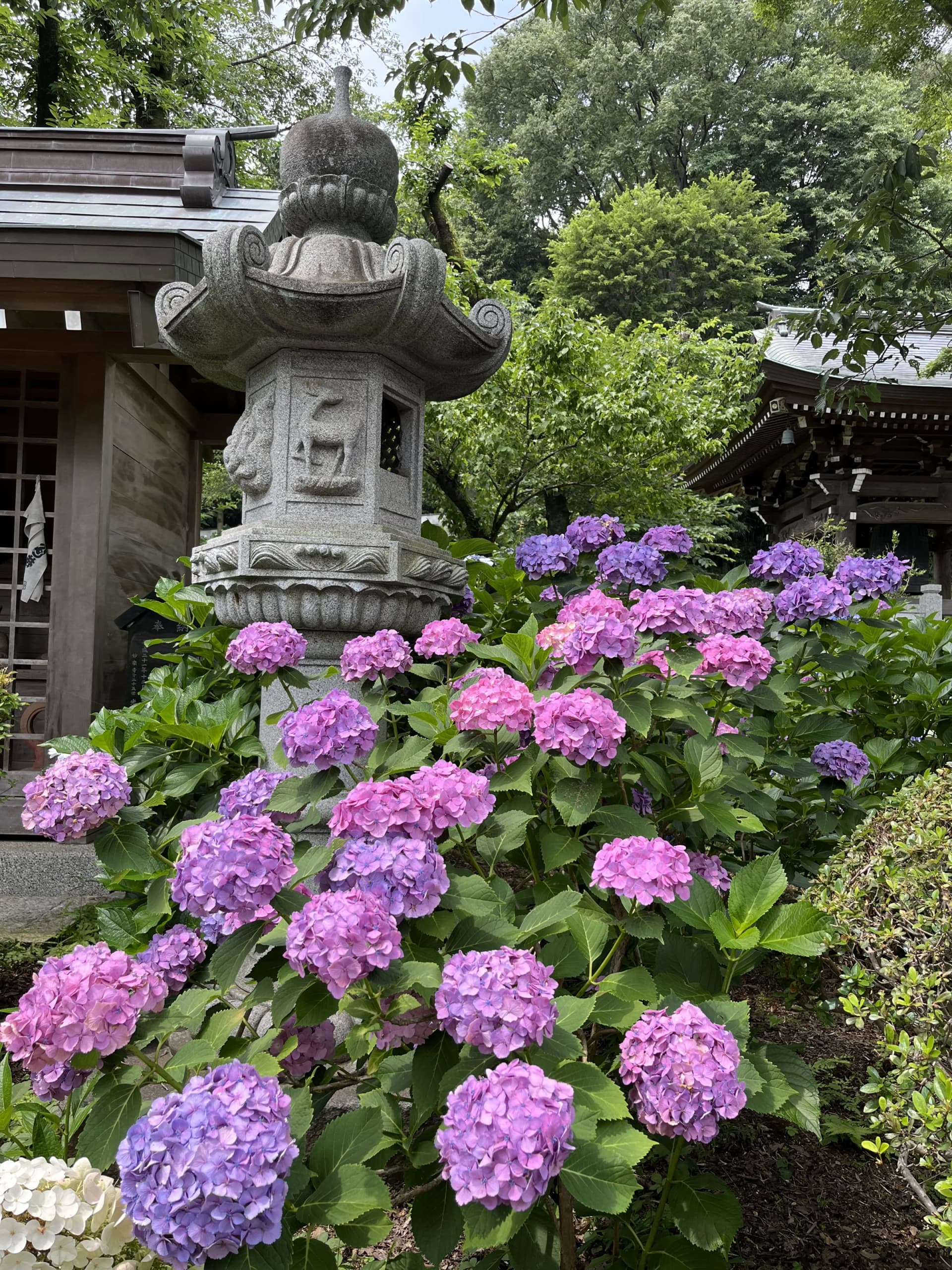
Around 1,000 hydrangea shrubs of many varieties are planted across the temple grounds, concentrated in front of the mountain gate and beside the main hall. They bloom from the middle to the end of June. The season centres on the Nagao no Sato Hydrangea Festival, held on the third Sunday of June, with taiko drumming, an open-air tea ceremony, and stalls selling hydrangea seedlings, sweets, and local produce. In June the temple also issues a special hydrangea-themed goshuin (temple seal) featuring cut-paper artwork.
Getting There

Planning a trip? Fit this into a trip and Oni plans the rest around it.
Places nearby
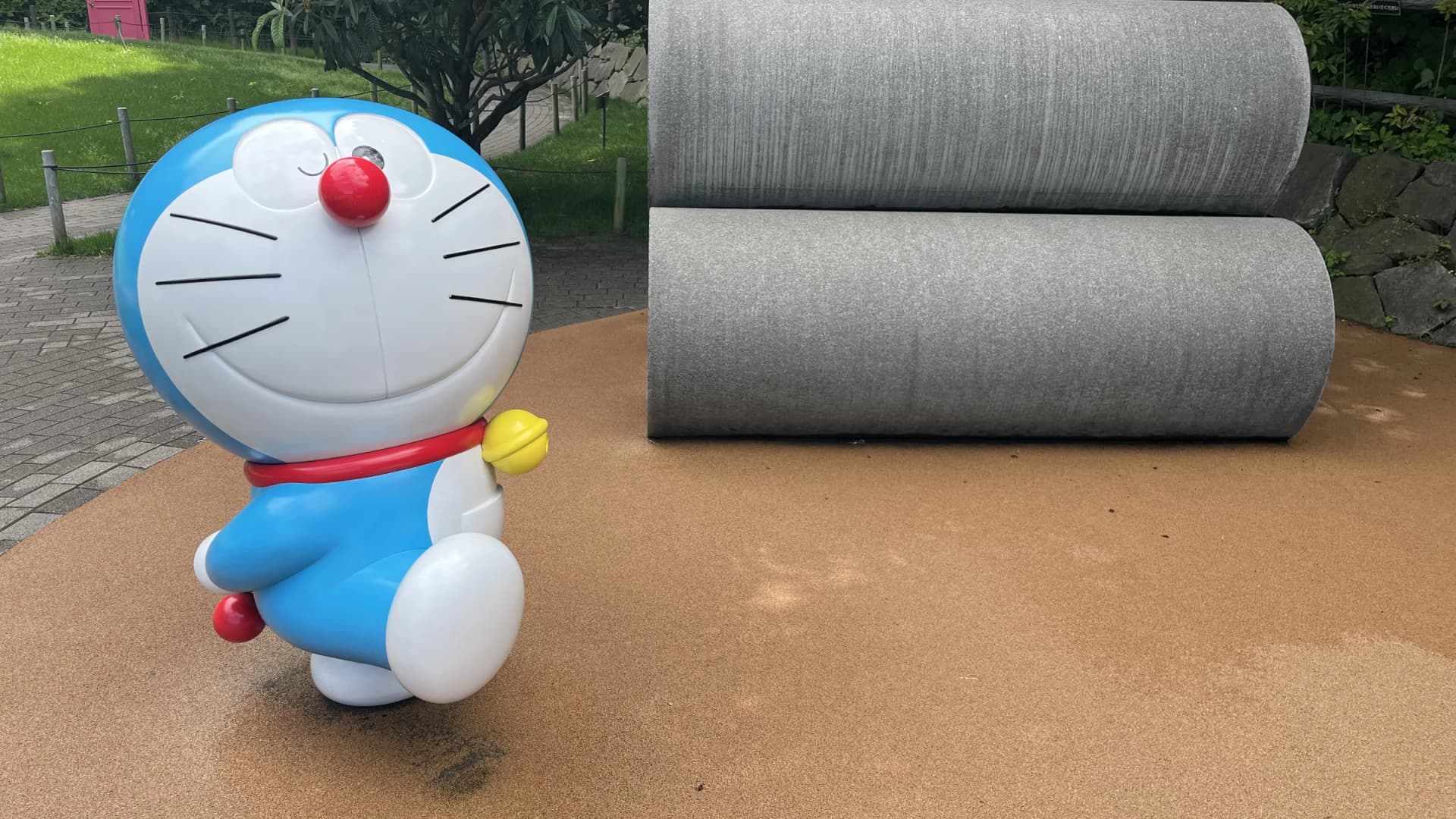
Fujiko・F・Fujio Museum
This museum celebrates Fujiko·F·Fujio, creator of Doraemon, displaying his original works, workspace, and interactive exhibits for manga fans.
Kawasaki · Kanagawa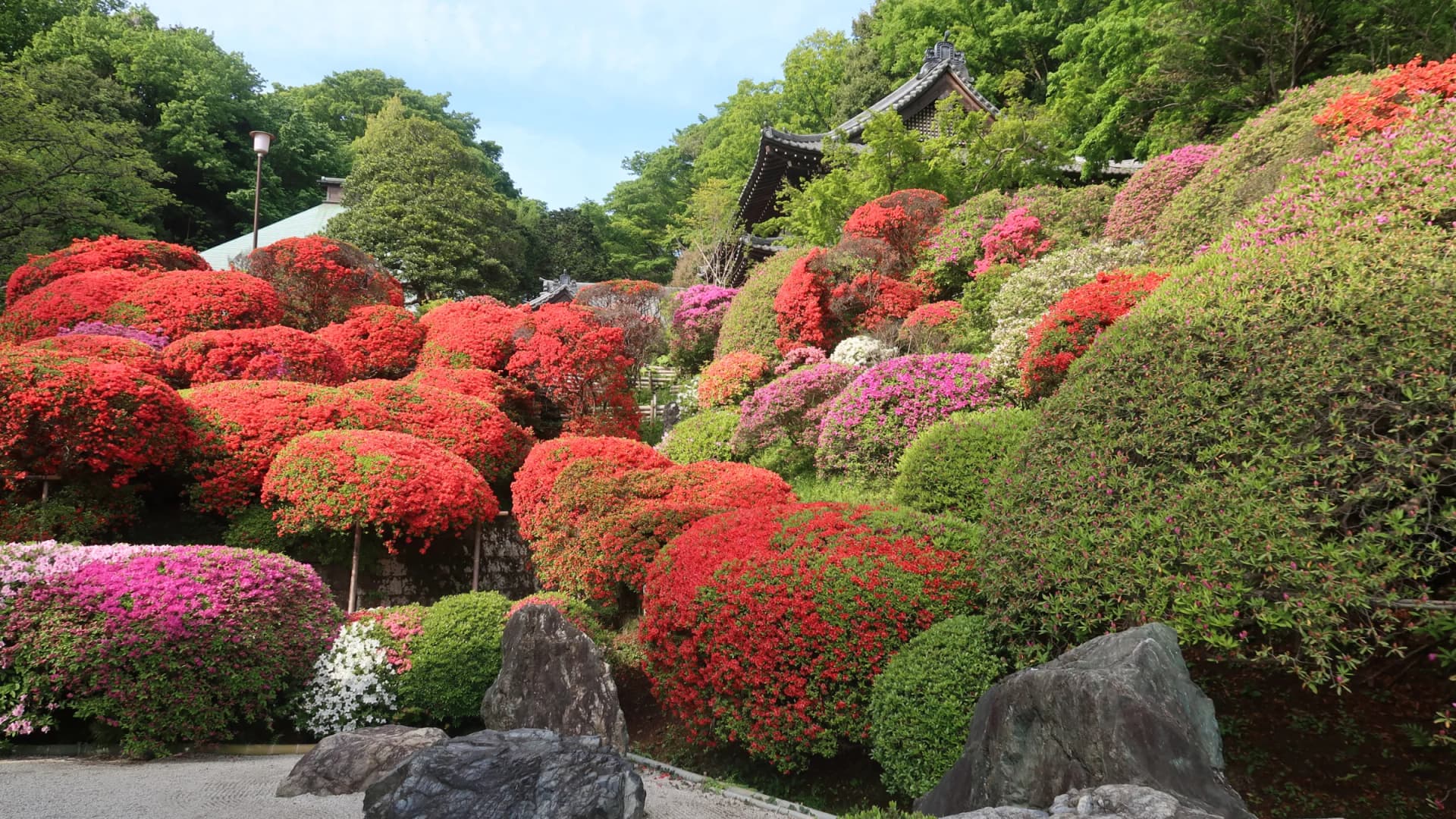
Togakuin
A Tendai temple in the Kawasaki hills, known as the "azalea temple" for the 2,000 shrubs that colour its slopes each spring, and for its healing prayers.
Kawasaki · Kanagawa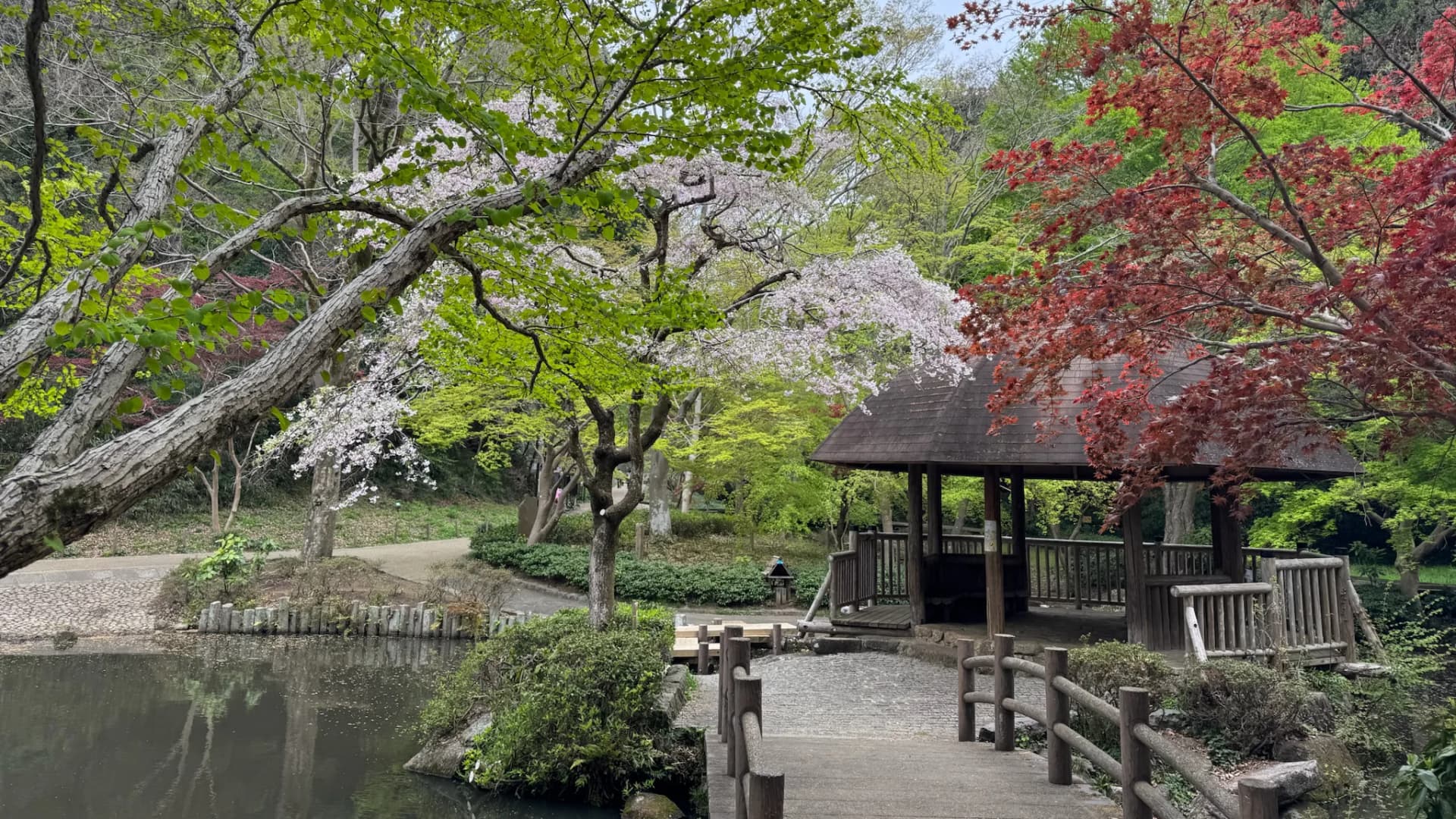
Higashitakane Forest Park
A forest park in central Kawasaki where a rare ancient oak wood, a working rice paddy, and a buried Yayoi settlement sit on top of one another.
Kawasaki · KanagawaYou might also like

Chuson-ji Temple
The head Tendai temple founded in 850, significantly expanded in the 12th century and designated a UNESCO World Cultural Heritage site.
Hiraizumi · Iwate
Kawasaki Daishi Heikenji Temple
A prominent Shingon Buddhist temple renowned for its spiritual power to dispel misfortune and grant various blessings to visitors.
Kawasaki · Kanagawa
Hasedera
This ancient Kamakura temple houses a 9.18-metre wooden Kannon statue, one of Japan's largest Buddhist sculptures, said to have arrived by ocean centuries ago.
Kamakura · Kanagawa
Hyakusaiji Temple and the Buddhist Art of Omi
An autumn exhibition in Shiga where the hidden image of Hyakusaiji, an eleven-headed Kannon of the 8th century, leaves the temple for the first time.
26 Sep – 6 Dec 2026Koka · Shiga
Yokohama Strawberry Festival
This winter festival celebrates Japan's regional strawberry varieties through 45 vendors offering themed sweets and merchandise at the iconic Red Brick Warehouse.
5 Feb – 1 Mar 2027Exact date not confirmed yetYokohama · Kanagawa
Kanamara Matsuri "Festival of the Steel Phallus"
An annual Shinto festival at Kanayama Shrine in Kawasaki featuring distinctive phallic imagery in decorations and parades while raising funds for HIV research.
5 Apr 2027Exact date not confirmed yetKawasaki · Kanagawa