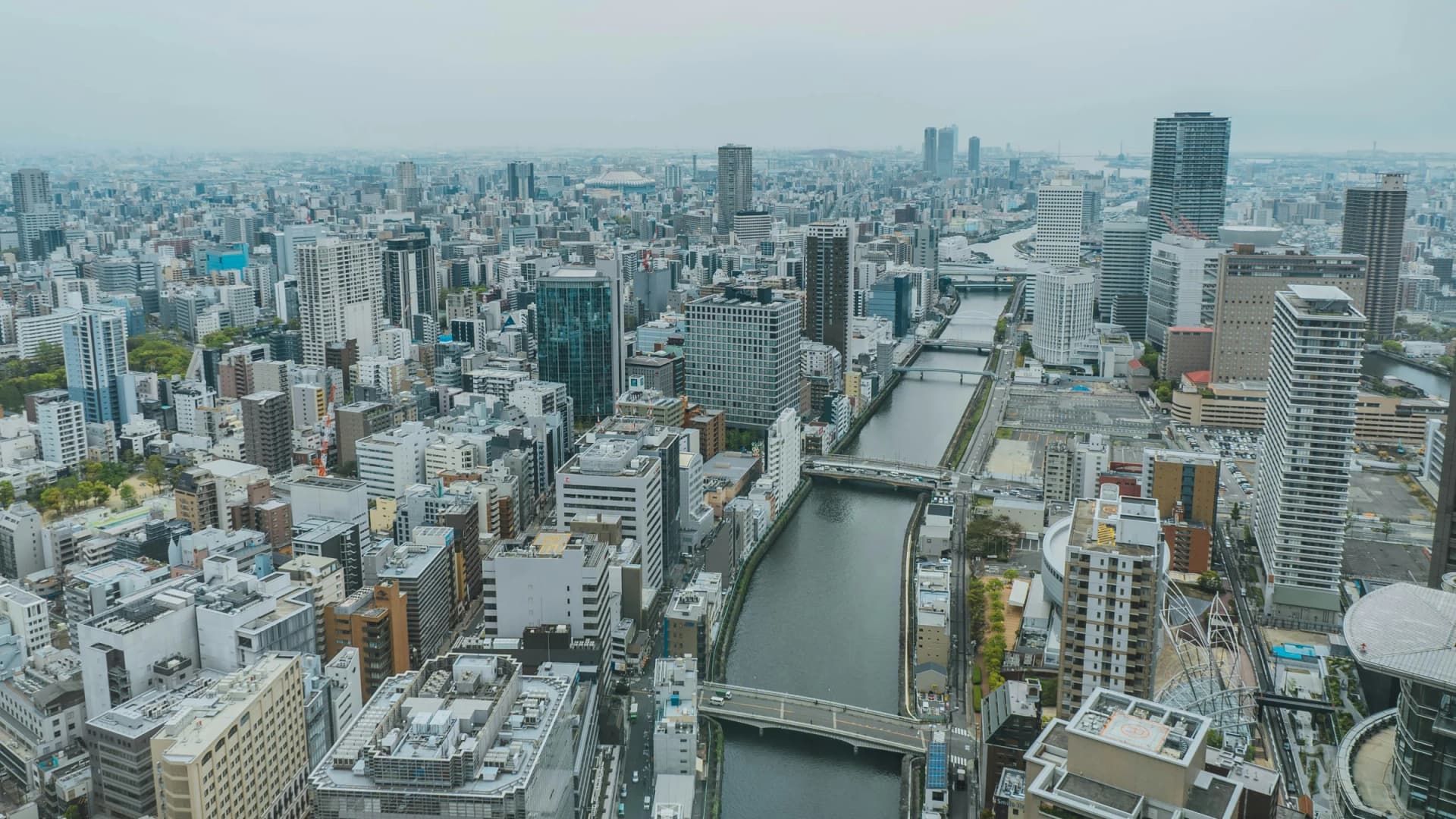
Saikyo-ji Temple
西教寺
Saikyo-ji, the head temple of the Tendai Shinsei sect, was founded by Prince Shotoku and reorganized in 1486 as the sect's central training site.

〒 520-0113How to get there
坂本比叡山口20 min walk from the station
Saikyo-ji, formally known as Tendai Shinsei-shū Sōhonzan Kaikōzan Kenhōshō Saikyo-ji, is the head temple of the Tendai Shinsei sect of Japanese Buddhism. It is located in Sakamoto, Otsu City at the foot of Mount Hiei. The temple has long been an important religious center in the Ōmi region.
According to temple tradition, Saikyo-ji was founded by Prince Shōtoku. After periods of decline, it was revived by the Tendai monk Ryōgen. In the medieval period, reforms associated with Tendai precepts were reestablished at the temple, building on the teachings of Saichō, the founder of the Tendai school.
A major turning point came in 1486, when Shinsei Shōnin entered Saikyo-ji. He reorganised the temple and established it as the central training and practice site for the Tendai Shinsei sect, emphasising adherence to the precepts and continuous nembutsu (recitation of the name of Amida Buddha). From this period onward, Saikyo-ji developed into the head temple of a nationwide network of branch temples.
In 1571, during the campaign of Oda Nobunaga against Mount Hiei, Saikyo-ji suffered destruction. It was later restored with the support of Akechi Mitsuhide, lord of Sakamoto Castle, who became a patron of the temple. Mitsuhide and members of his family are memorialized at the site.
The temple complex includes several historically significant buildings and cultural properties. The Main Hall, dating from the Edo period, is designated an Important Cultural Property and enshrines a large seated Amida Nyorai from the Heian period. The Guest Hall, originally part of Fushimi Castle, is also designated an Important Cultural Property and contains notable examples of Momoyama-period architecture and painting. The temple garden, traditionally attributed to Kobori Enshū, is designed in harmony with the surrounding hillside landscape.
Today, Saikyo-ji remains the head temple of the Tendai Shinsei sect and continues to function as a religious and historical site reflecting the development of Tendai Buddhist practice in the region.
Getting There

Places nearby

Enryaku-ji
Founded in 788 by Saichō, this Tendai Buddhist headquarters on Mount Hiei hosts the famous kaihōgyō practice and is part of a UNESCO World Heritage site.
Otsu · ShigaYou might also like

Miidera Temple
Head temple of the Tendai Jimon sect, Miidera was founded in the seventh century and has survived repeated destruction, earning the name Phoenix Temple.
Otsu · Shiga
Chuson-ji Temple
The head Tendai temple founded in 850, significantly expanded in the 12th century and designated a UNESCO World Cultural Heritage site.
Hiraizumi · Iwate
Kongorin-ji
A Tendai sect Buddhist temple founded in the early Heian period, housing a National Treasure main hall with Heian-period statues and garden.
Aisho · Shiga
Hyakusaiji Temple and the Buddhist Art of Omi
An autumn exhibition in Shiga where the hidden image of Hyakusaiji, an eleven-headed Kannon of the 8th century, leaves the temple for the first time.
26 Sep – 6 Dec 2026Koka · Shiga
Zuiryuji Temple "Spring Light-up"
Colored lights and music illuminate this National Treasure temple in spring, accompanied by a market featuring local goods and specialties.
22 Apr – 5 May 2027 · Dates not yet confirmedTakaoka · Toyama
ZEN NIGHT Tofukuji
Nighttime illumination event at a historic Kyoto temple featuring vibrant green maple leaves paired with original soundscape music designed to calm the mind.
29 May – 5 Jul 2027 · Dates not yet confirmedKyoto