

Daigo-ji Temple
醍醐寺
Over 1,100-year-old Buddhist temple complex and head temple of the Daigo branch of Shingon Buddhism, centered on an ancient natural spring.

Daigo-ji is a major Buddhist temple complex located to the southeast of the Kyoto Imperial Palace, on the eastern side of the Yamashina Basin. The upper reaches of the complex are known as Kami-Daigo and the lower as Shimo-Daigo. Daigo-ji serves as the head temple of the Daigo branch of Shingon Buddhism and has been a centre of esoteric Buddhist practice, scholarship, and art for over 1,100 years.
History
In the early Heian period, the monk Shobo — posthumously honoured as Rigen Daishi — established the first foundations of Daigo-ji at Kami-Daigo, enshrining two self-carved images of Kannon: the Juntei and Nyoirin forms. According to the temple's founding legend, Shobo was drawn to the site by five-coloured clouds. Upon reaching the summit, he encountered an elderly man drinking from a natural spring, who declared the water daigo — a term derived from Sanskrit denoting the finest and purest essence — and identified himself as Yokoo Daimyojin, the local land deity, pledging eternal protection of the site. This spring, known as Daigo-sui, continues to flow to the present day and remains associated with the temple's founding.
The temple developed significantly under the patronage of Emperor Daigo, whose connection to Daigo-ji had a personal dimension. His mother had been conceived after his maternal grandparents prayed to the Juntei Kannon, and the emperor himself later prayed to the same image for an heir. Two imperial princes were subsequently born — later Emperor Suzaku and Emperor Murakami. In gratitude, Emperor Daigo took "Daigo" as his posthumous name, and the temple became closely associated with the imperial house.
At Emperor Daigo's commission, Shobo enshrined the Yakushi Sanzon — a triad centred on the Medicine Buddha — at Kami-Daigo as a prayer for the healing of the people, entrusting the work to his disciple Kai-e. The Yakushi Nyorai has since remained one of the central objects of devotion at Daigo-ji. Emperor Daigo's wishes were carried forward by Emperors Suzaku and Murakami, under whom the Hokke Zanmai-do and the five-story pagoda were constructed. The pagoda, completed in 951, is the oldest surviving wooden structure in Kyoto Prefecture, and its interior wall paintings are considered among the earliest examples of Japanese esoteric Buddhist painting.
Support from the imperial house and aristocracy continued into the late Heian period under Retired Emperor Shirakawa, and during the Kamakura period Daigo-ji rose to prominence as a central institution of Shingon ritual practice, producing a significant body of esoteric Buddhist art. The temple maintained close ties with successive ruling powers in later centuries: the priest Kenshun enjoyed the patronage of Ashikaga Takauji, the monk-statesman Mansai served as an influential adviser to the Muromachi shogunate, and in 1598 the celebrated Daigo no Hanami — a flower-viewing gathering organised by Toyotomi Hideyoshi — contributed to a major phase of revival and reconstruction. In the Edo period, the head priest Kōen led two pilgrimages to Mt. Omine with some three thousand Shugendo practitioners, further cementing the temple's role in that tradition.
The Meiji-era policies of haibutsu kishaku (a state-driven campaign to separate Buddhism from Shinto that led) and the postwar land reforms placed the temple under severe institutional pressure, yet Daigo-ji successfully preserved its entire collection intact, retaining every item down to individual documents.
Cultural Heritage and Collections
Daigo-ji holds an exceptional concentration of cultural assets accumulated over more than a millennium of patronage by emperors, aristocrats, warriors, and ordinary worshippers. Its collection spans Buddhist sculpture, paintings, calligraphy, documents, and decorative arts, totaling approximately 150,000 items. Of these, 75,537 have been designated National Treasures and 430 as Important Cultural Properties. The temple's 92 structures include 6 National Treasure buildings and 10 Important Cultural Property buildings.
The majority of portable cultural assets are housed in the Reihokan treasure hall, with a total floor area of approximately 3,600 square meters, where selections are displayed to the public on a rotating basis. The Daigo-ji Cultural Property Research Institute oversees scholarly management of the collection, maintaining a comprehensive database and publishing the ongoing Daigo-ji Sōsho series of academic catalogues. Systematic cataloguing of the collection began in 1905 through the temple's own initiative, laying the foundation for the research infrastructure in place today.
In 1994, Daigo-ji was inscribed as part of the UNESCO World Heritage Site "Historic Monuments of Ancient Kyoto", recognised as a repository of Japan's traditions of wooden and paper-based cultural heritage.
Daigo-ji offers flexible ticketing across its three areas. Prices vary by season. The standard period runs from April 20 to March 19 of the following year, with spring pricing in effect from March 20 to the third Sunday of April.
You might also like

Kongobu-ji (Koyasan)
Mount Koya is a sacred temple complex where the entire mountain is treated as one unified holy domain dedicated to Shingon Esoteric Buddhism.
Koya · Wakayama
Tofukuji Temple
Tofukuji is one of Kyoto's great Zen temples, celebrated for its sweeping maple valley and the modern garden surrounding the abbot's quarters.
Kyoto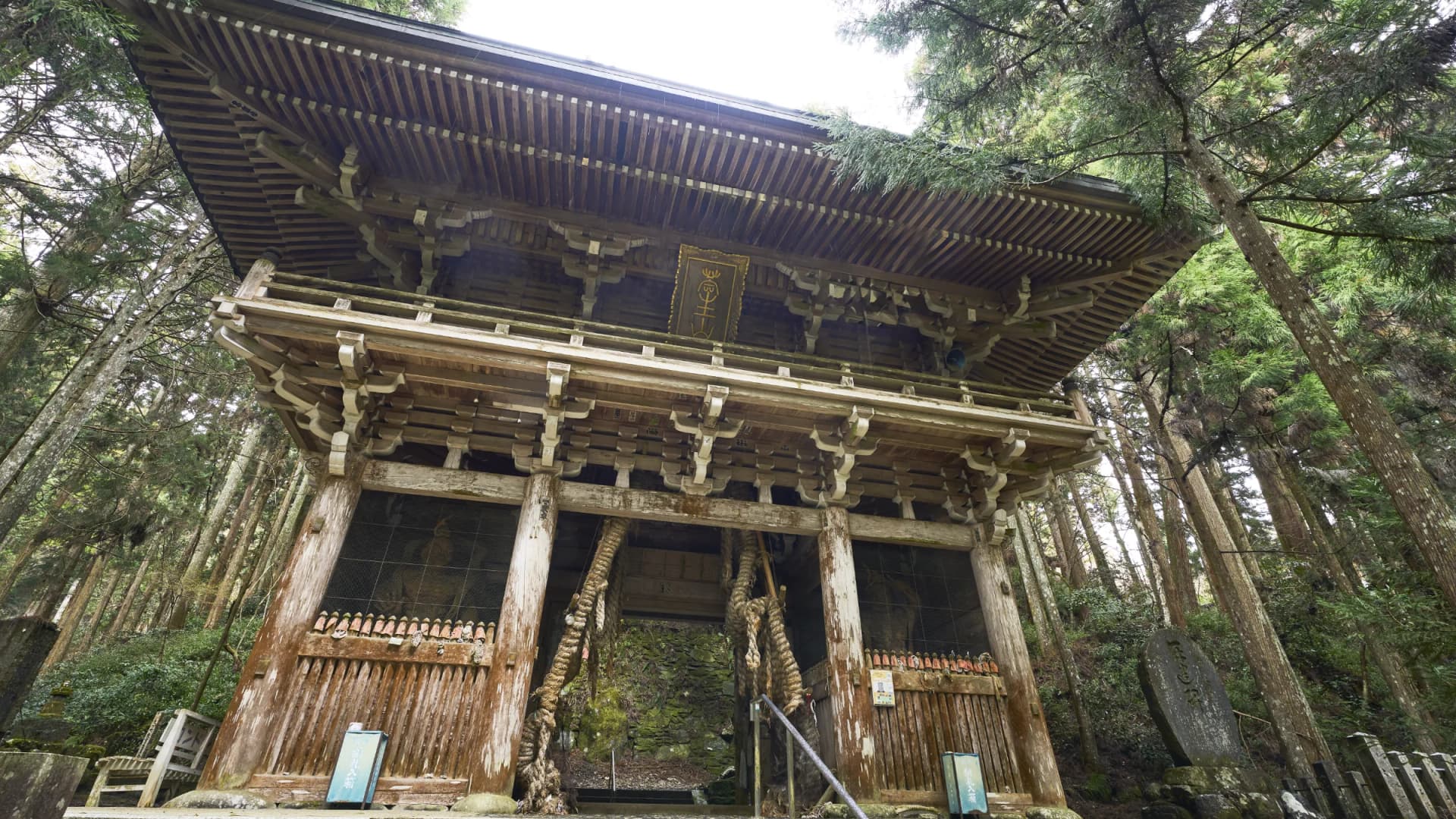
Daihoji Temple
The forty-fourth temple of the Shikoku pilgrimage and its halfway point, standing among old trees at 579 metres in the mountains of Ehime.
Kumakogen · Ehime
Special Exhibition: Kobo Daishi Kukai — Treasures of Koyasan and the Spread of the Faith
An exhibition at the Kyushu National Museum on Kukai, who brought esoteric Buddhism from Tang China, with treasures of Koyasan and of western Japan.
24 Apr – 20 Jun 2027Dazaifu · Fukuoka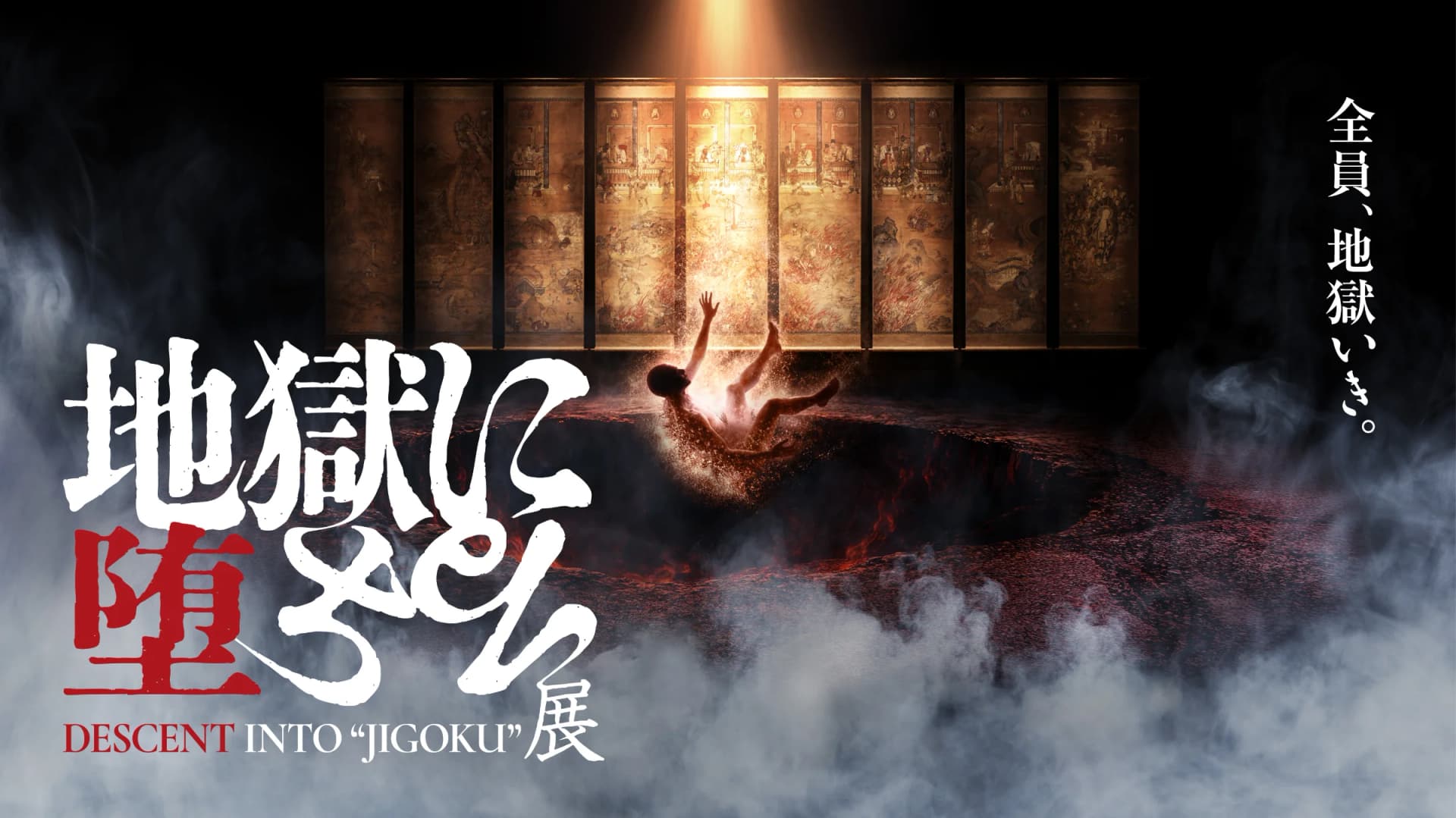
Descent into "Jigoku"
An exhibition in Osaka on the Japanese hell, following the path of the dead through full-size reproductions of painted scrolls and moving projections.
28 Nov – 27 Dec 2026Osaka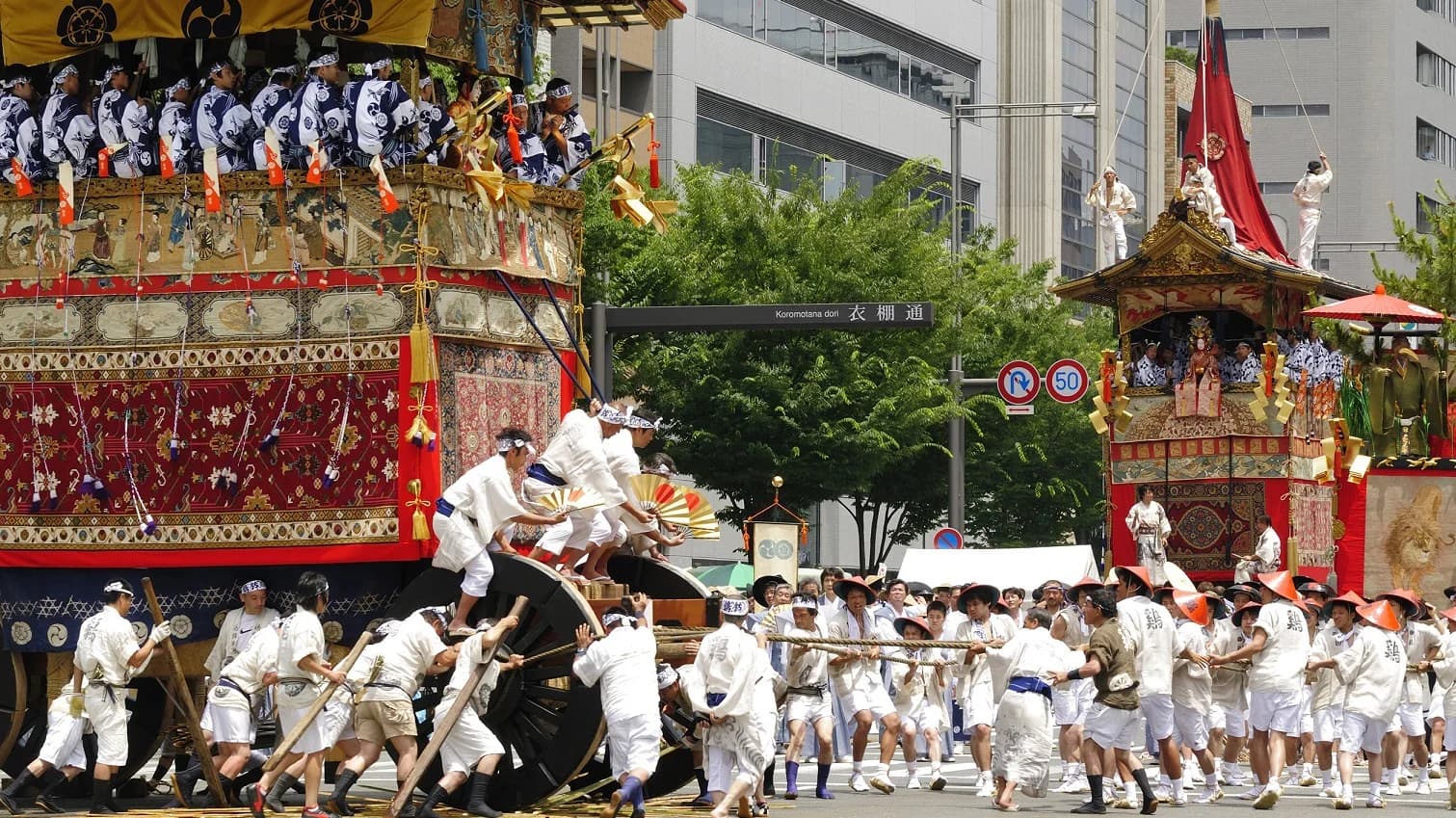
Gion Festival
A month-long Kyoto festival centered on Yasaka Jinja Shrine features sacred rituals, food stalls, illuminated floats, and culminates in a grand procession and parade.
1–31 Jul 2027Kyoto