Konpira Grand Theatre
旧金毘羅大芝居
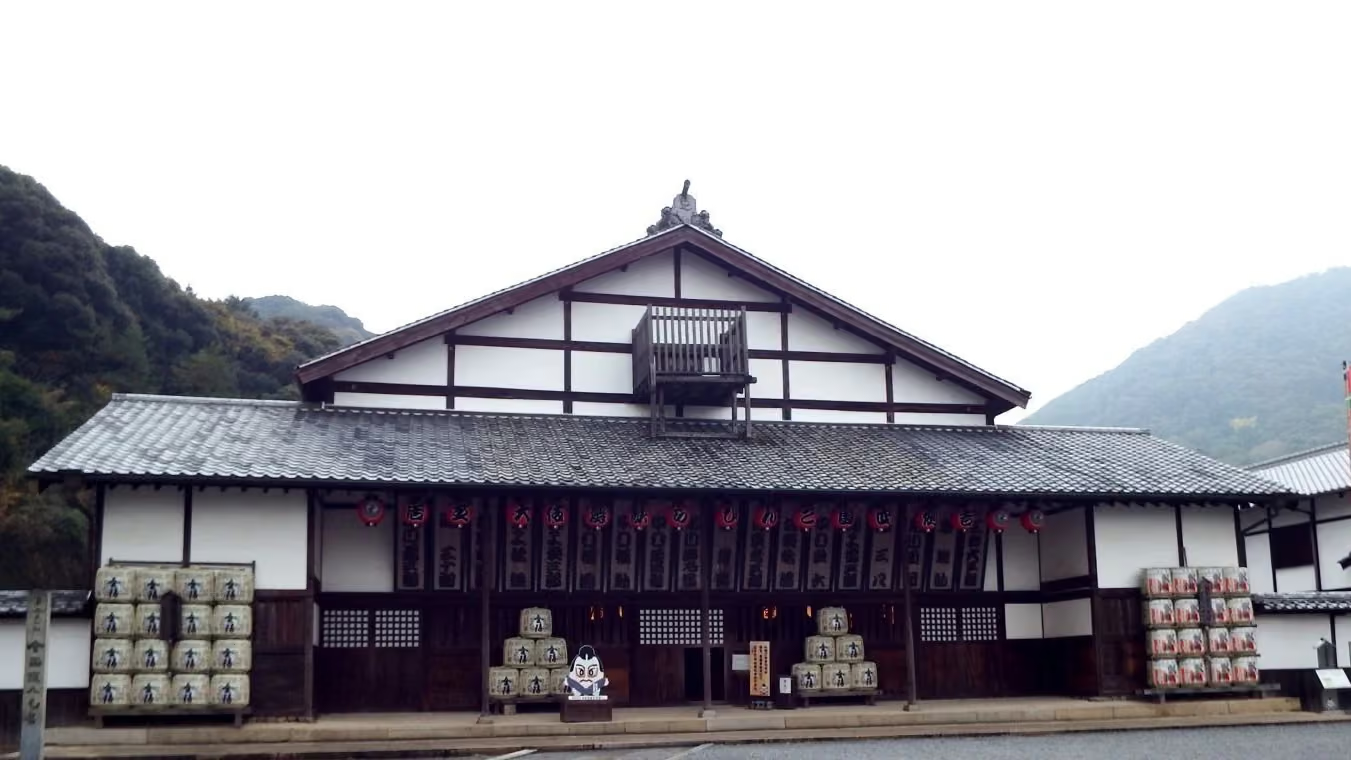
Japan's oldest surviving playhouse, built in 1835 and rebuilt on the slope of Mount Atago in 1976, where kabuki is staged every spring.
Last entry 16:30. The theatre may close during performances and events; check the official calendar.
〒 766-0001How to get there
琴平Dosan Line5 min by taxi from the station
The Konpira Grand Theatre, Kyu Konpira Oshibai, in Kotohira, Kagawa Prefecture, is the oldest surviving playhouse in Japan. Built in 1835 and also known as Kanamaru-za, it stands on the slope of Mount Atago and is an Important Cultural Property.
History
Pilgrims came to Kotohira from all over Japan to worship at Konpira-san. At its three festivals a year, in March, June and October, a market was held in the town and plays, sumo, acrobats and puppet shows were staged in temporary huts. In 1835 the temples and shrines office of the Takamatsu domain allowed a permanent theatre. It was modelled on the size, style and structure of the Onishi Shibai, later the Naniwa-za, in Dotonbori in Osaka, and also served as the hall where a lottery, tomikuji (富籤), was drawn. Leading actors from both Edo and Osaka played on its stage.
In modern times the building became a cinema and its interior was altered. With each new owner it took a new name, from Konpira Oshibai to Inari-za, Chitose-za and finally Kanamaru-za, until it closed and fell into ruin. A preservation movement among the townspeople, joined by architects and theatre specialists, led to its designation as an Important Cultural Property on 17 June 1970. Over four years from 1972 it was taken down and rebuilt at its present site, reopening in March 1976 in its Tenpo-era form.
Konpira Kabuki
Since 1985 the theatre has hosted the Shikoku Konpira Kabuki Oshibai every spring. Seismic reinforcement in 2003 and 2004 put a steel frame above the ceiling, which allowed the four posts that had held up the main beam to be removed and the Edo-period interior to be brought back. During the survey, traces were found of a budo-dana (ブドウ棚), a bamboo lattice above the audience from which stagehands scatter paper snow, and of a kakesuji (かけすじ), a rig that lets actors fly above the hanamichi walkway. Both were restored: about 500 bamboo poles from Kagawa went into the lattice, and the kakesuji runs 17 metres from the stage to the back of the hall, about 5 metres above the hanamichi.
Getting There

Planning a trip? Fit this into a trip and Oni plans the rest around it.
Places nearby
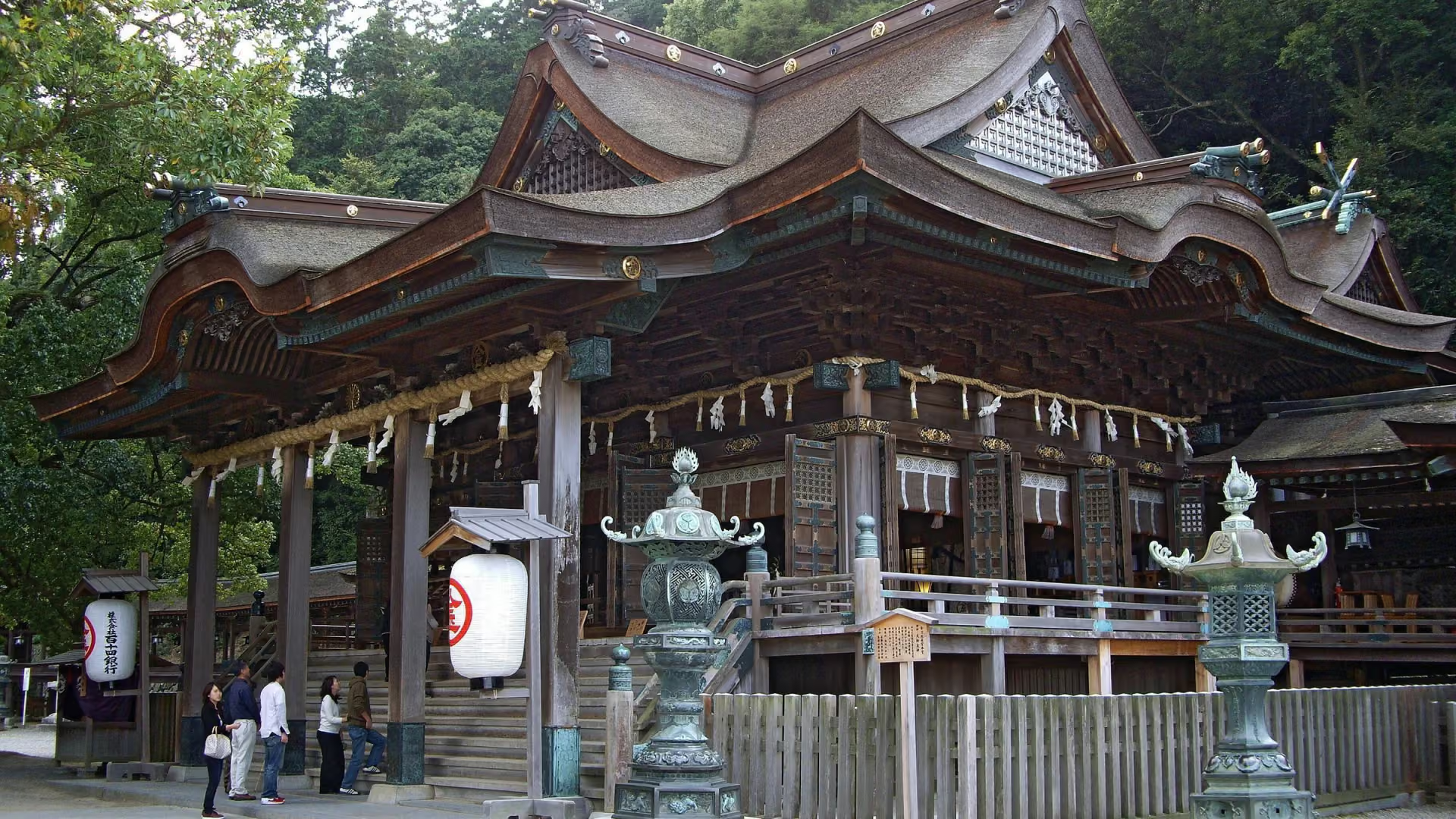
Kotohira-gu
A shrine devoted to the protection of sailors and sea transport, requiring a climb of 785 steps to the main shrine on Mount Zozu.
Kotohira · KagawaYou might also like
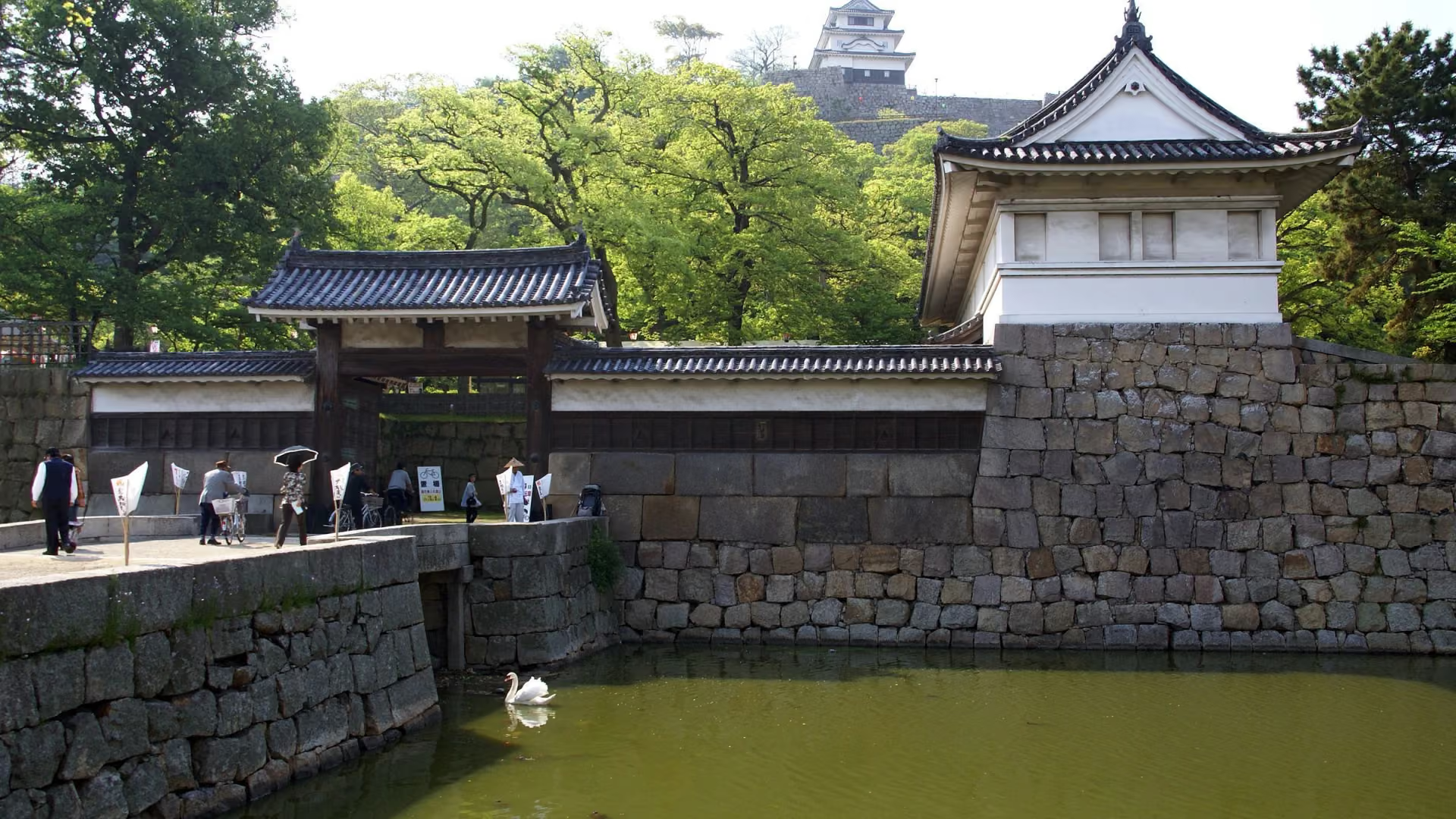
Marugame Castle
Hilltop castle on Kameyama, known for stone walls over 20 m high and a keep from 1660, one of the 12 original wooden castle keeps left in Japan.
Marugame · Kagawa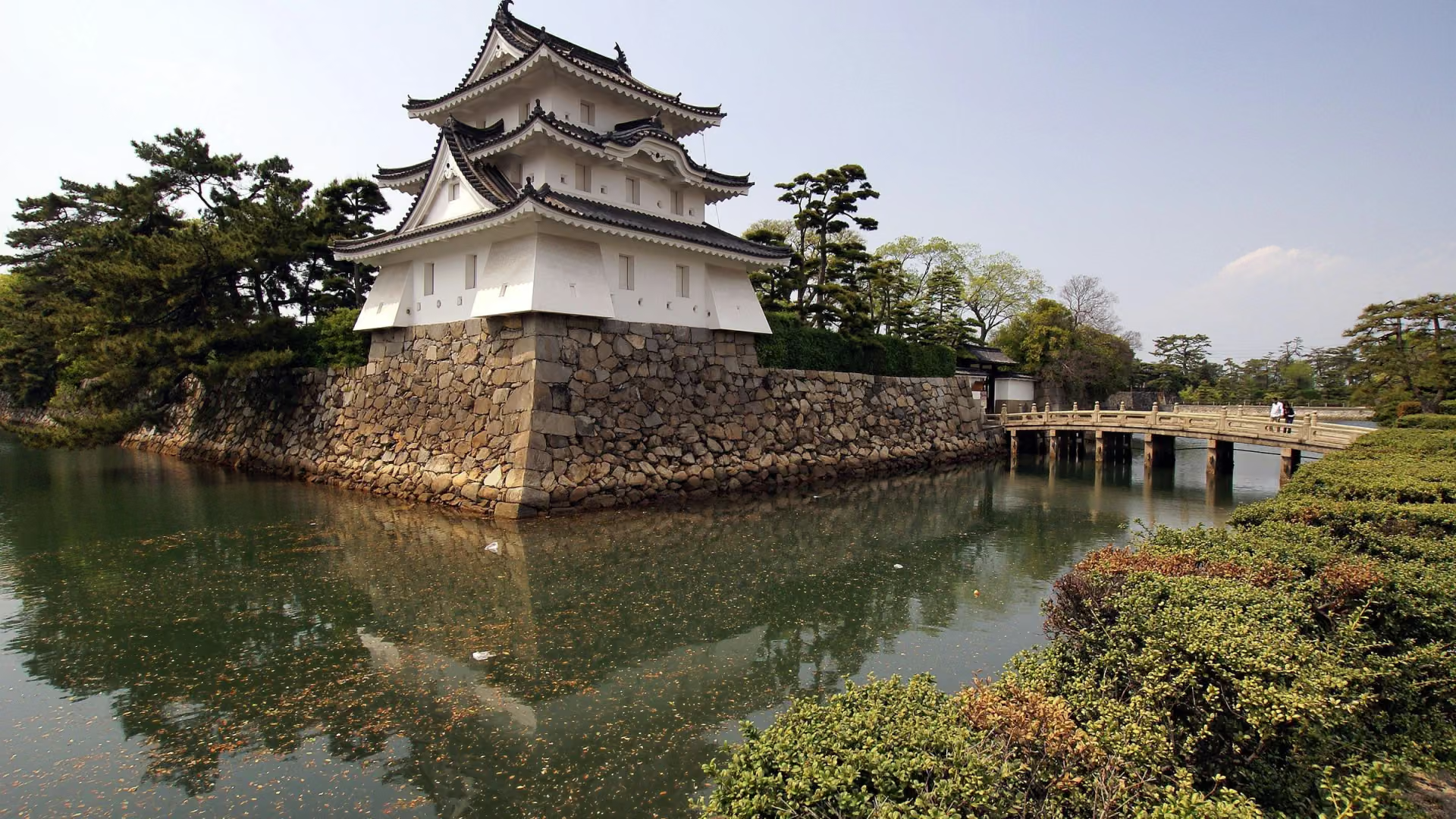
Takamatsu Castle
Sea castle on the Seto Inland Sea with three rings of seawater moats, counted among Japan's Three Great Water Castles, with four surviving castle buildings.
Takamatsu · Kagawa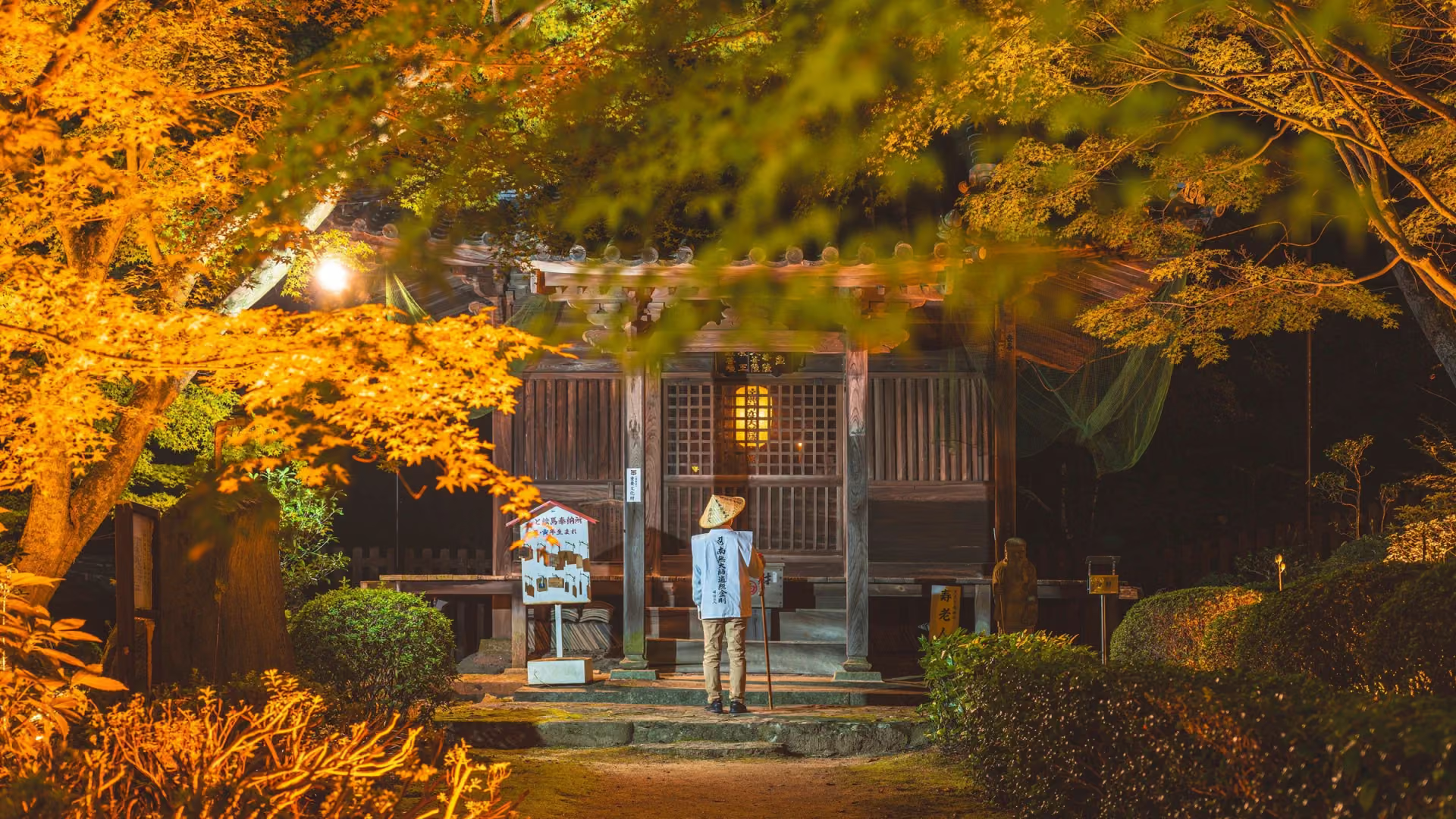
Shiromineji Temple
Temple 81 of the Shikoku pilgrimage, on Mt Shiromine in Kagawa, where the exiled Emperor Sutoku was laid to rest after his death in 1164.
Sakaide · Kagawa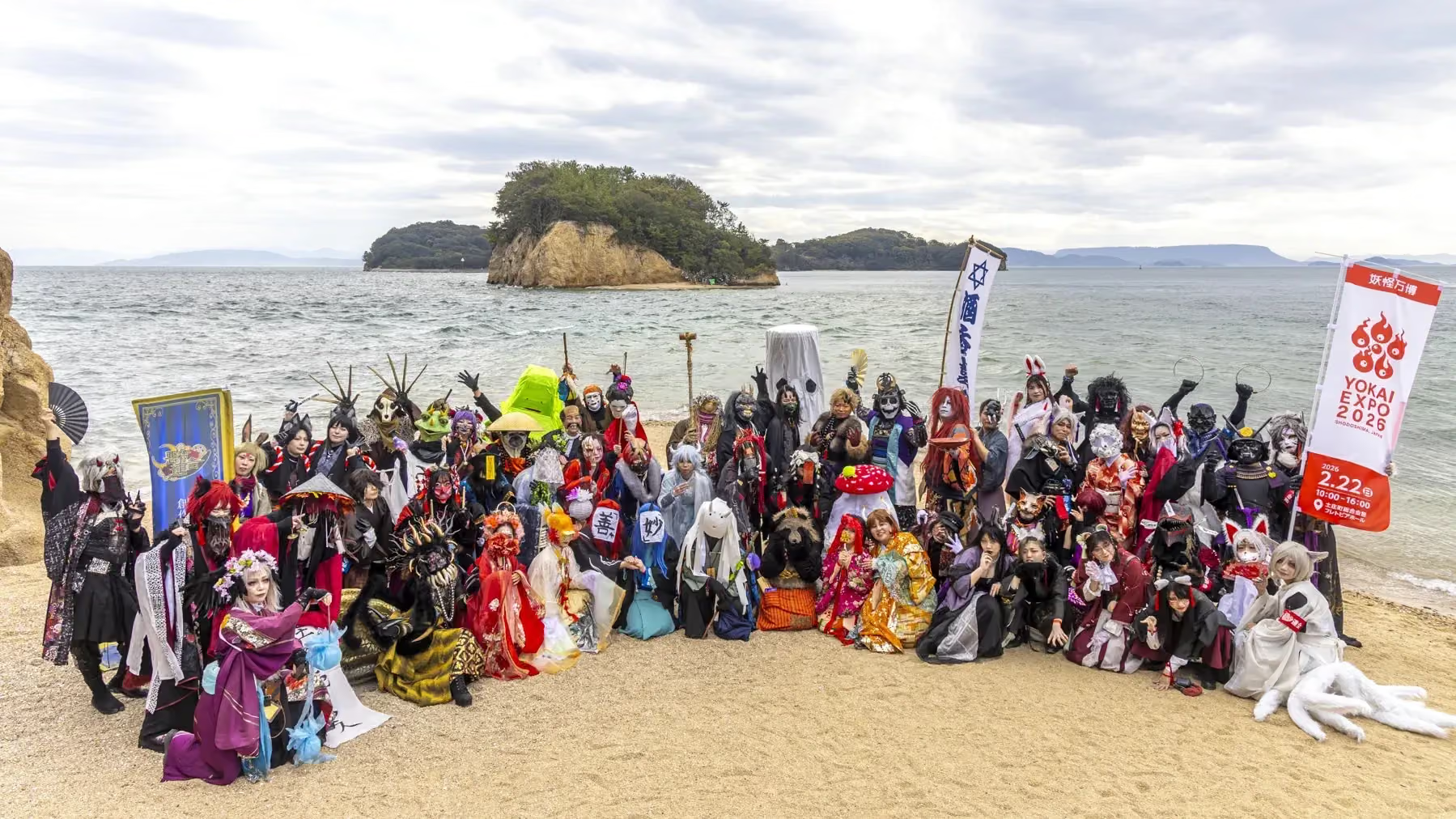
YOKAI EXPO
YOKAI EXPO is a festival of yokai culture with exhibitions, performances, workshops and a goods market of crafts and interactive activities from across Japan.
22 Feb 2027Tonosho · Kagawa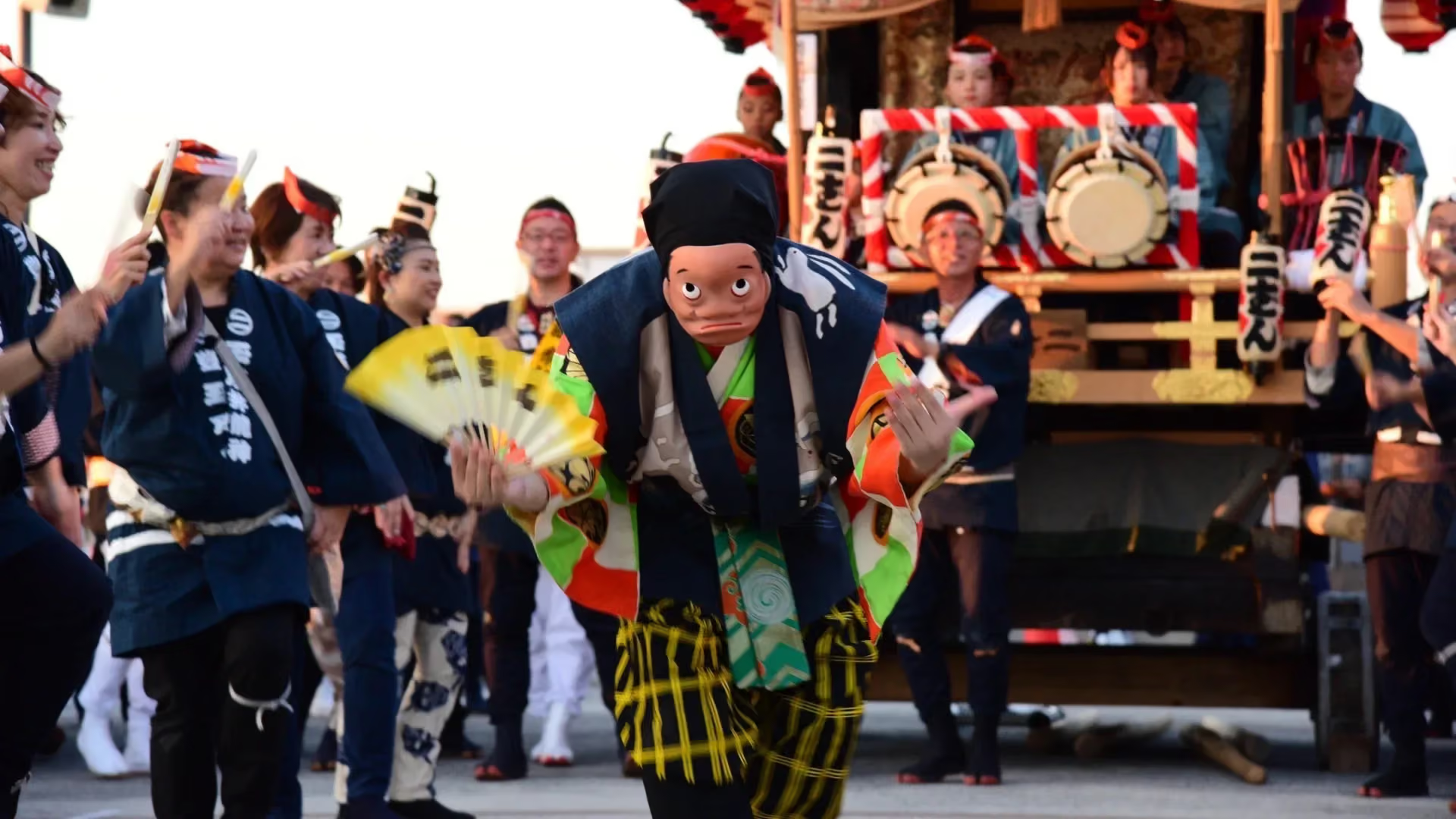
Sakura Autumn Festival
Each October the old castle town of Sakura fills with towering doll floats, portable shrines and Edo-descended music for three days of procession.
9–11 Oct 2027Exact date not confirmed yetSakura · Chiba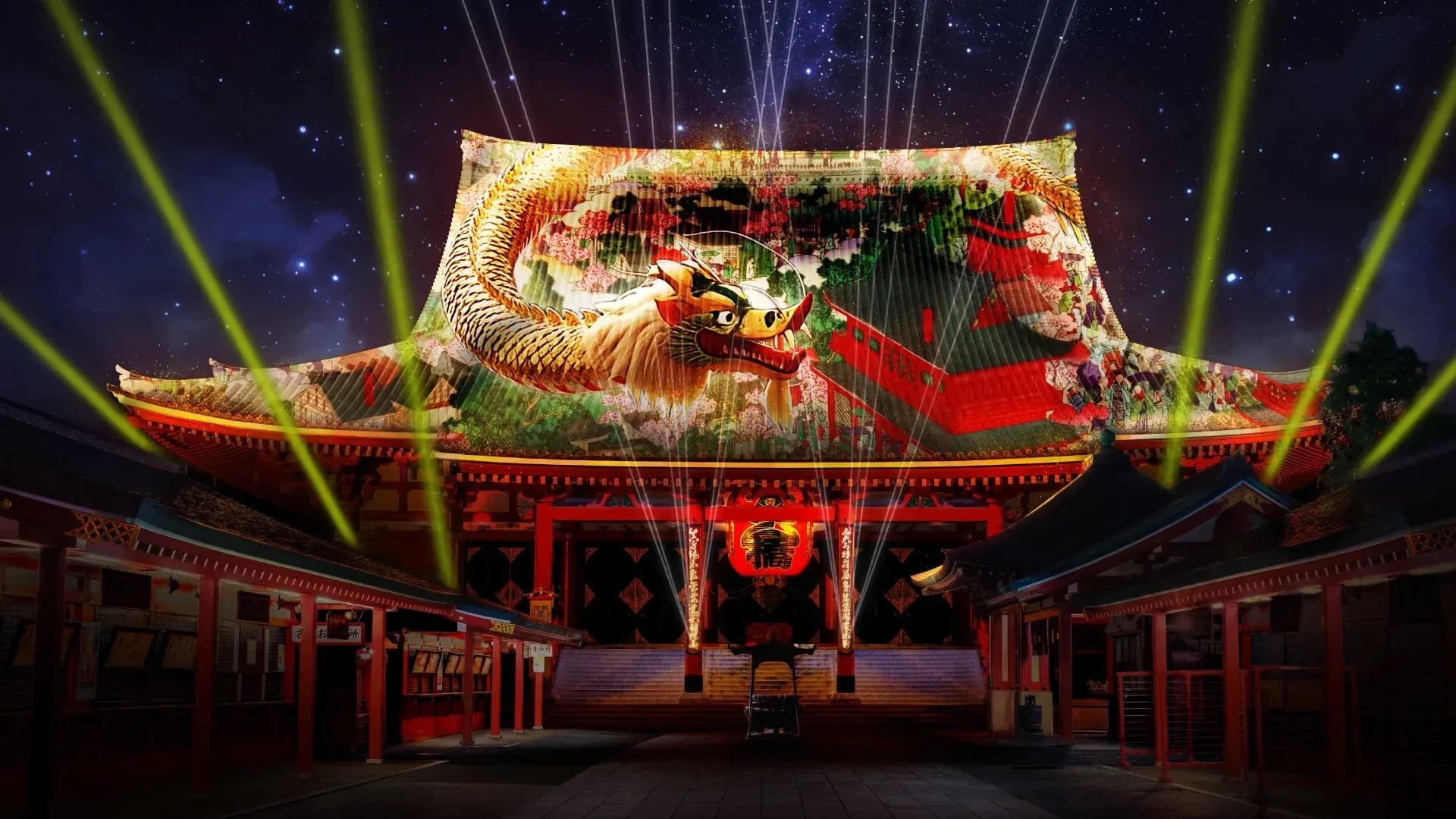
ASAKUSA CULTURE & LIGHTS
Five nights of projection mapping on the main hall and gate of Sensoji in Tokyo, with the temple's closed garden and its hall of ema open alongside.
30 Oct – 3 Nov 2027Exact date not confirmed yetTokyo