Kurashiki Bikan Historical Quarter
倉敷美観地区
A quarter of white-walled storehouses along a canal in Okayama, built on the rice trade and preserved since the 1960s.
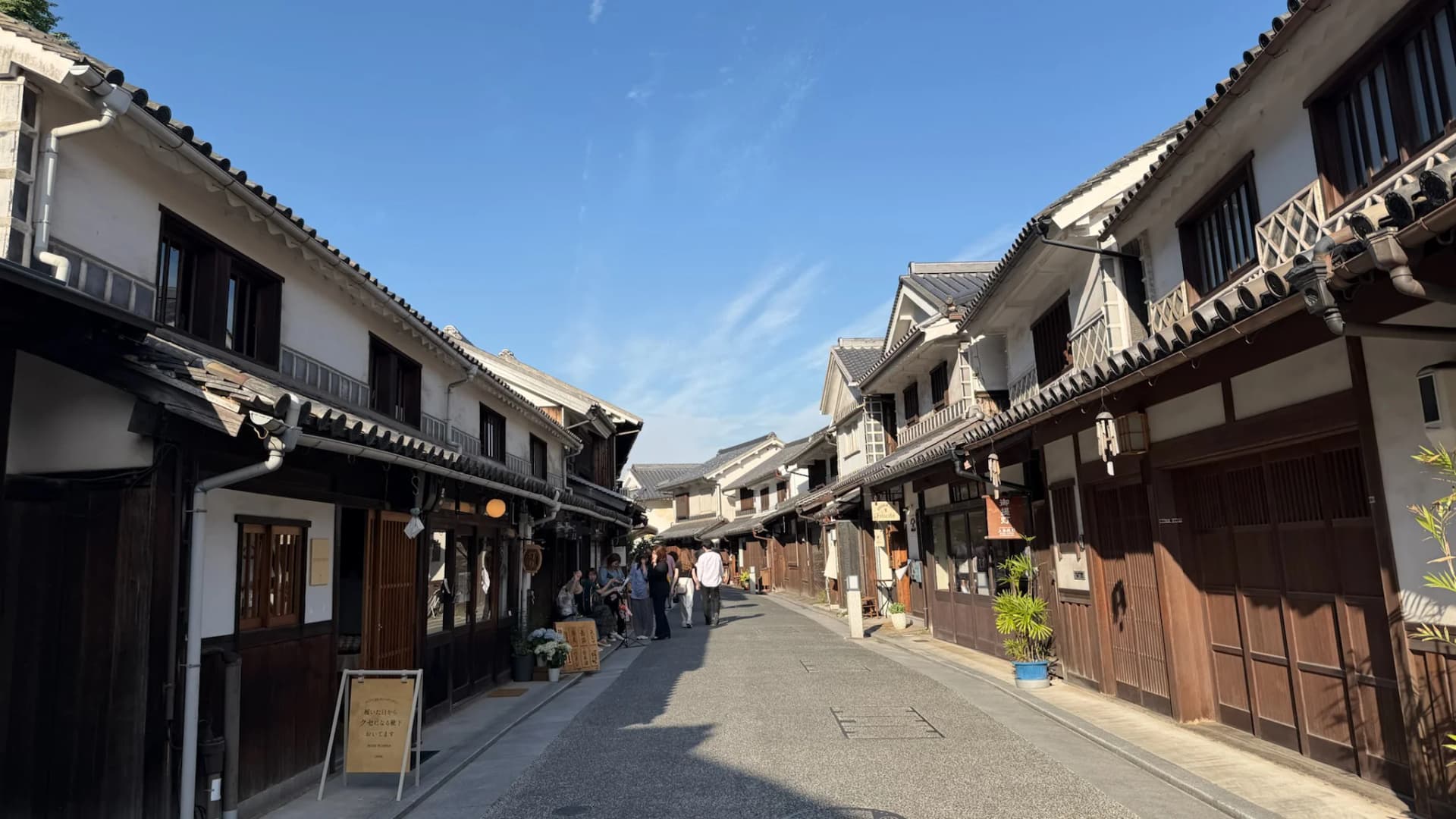
The Bikan quarter is the old merchant centre of Kurashiki, built along a canal cut from the Kurashiki River. Its white-walled storehouses and town houses were selected as an Important Preservation District in 1979, covering thirteen and a half hectares, since extended to fifteen.
Kurashiki became shogunal land in 1642 and had a magistrate placed in it. New fields were opened around the town, rice and cotton came in from the plain to be stored and shipped, and the canal was the working heart of that trade. The merchants who ran it built the storehouses that still line the water.
The magistrate's office was abolished in 1868, and with the changes of the Meiji Restoration the old traffic fell away.
The buildings are mostly town houses with plastered walls and heavy tiled roofs, and storehouses built in the same way, their walls patterned with squares of tile set in raised plaster. A few Western-style buildings went up after 1868 among them, including the former town hall and an art museum.
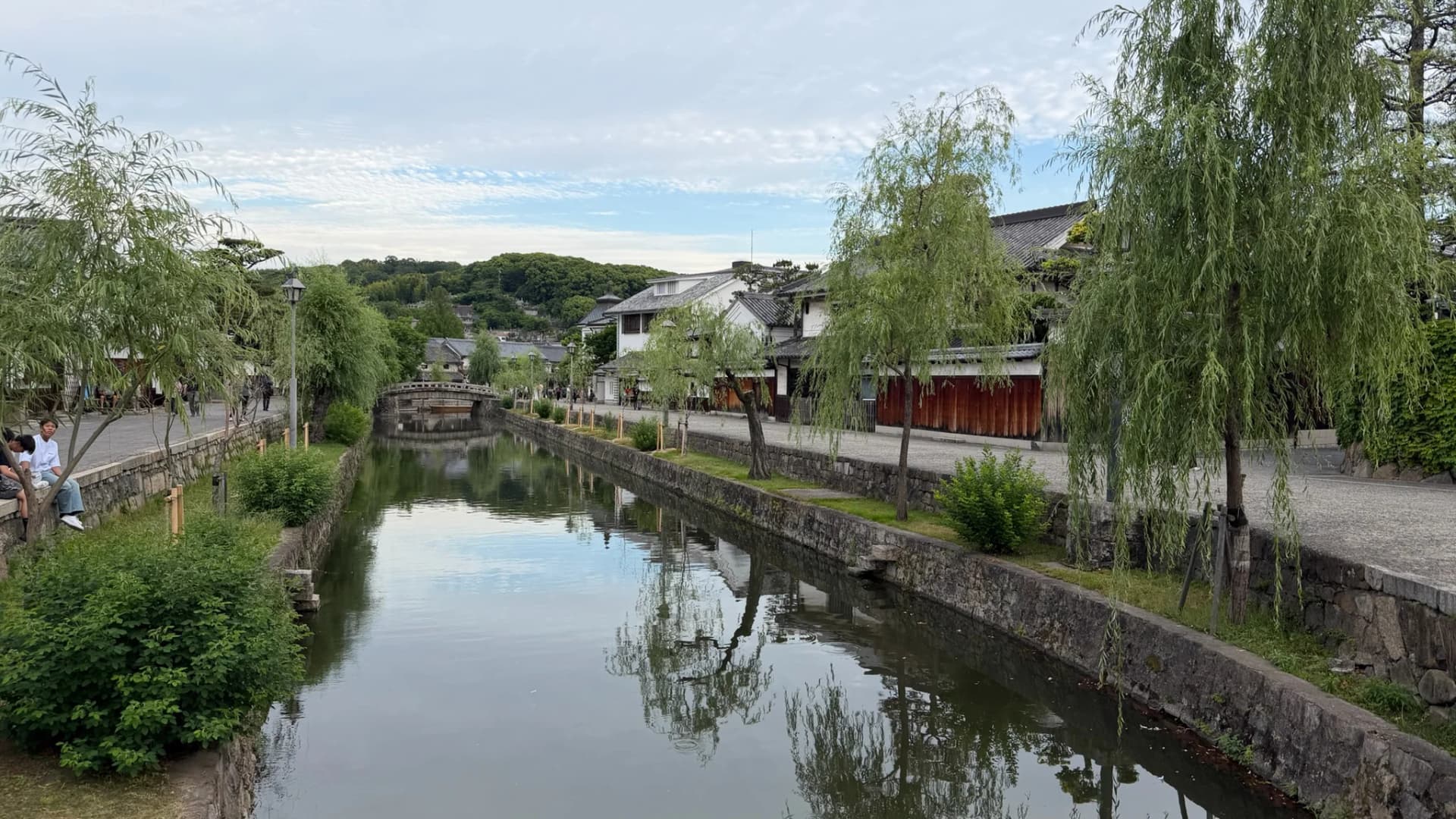
Willows line the canal, and flat-bottomed boats of the kind that once carried goods take passengers along it. After dark the quarter is lit and the white walls show in the water.
Kurashiki began protecting the quarter before most of Japan thought to. The town passed its own preservation ordinance in 1968, seven years before the national system for such districts existed, and added further ordinances in 1978 and 2000. The national selection followed in 1979.
Upcoming events at this place

Kurashiki Tenryo Summer Festival
A renowned summer festival features over 3,500 participants in the Daikan Bayashi-Odori dance, decorated floats, and traditional performances.
25 Jul 2027 · Dates not yet confirmedKurashiki · OkayamaYou might also like
Koishiki
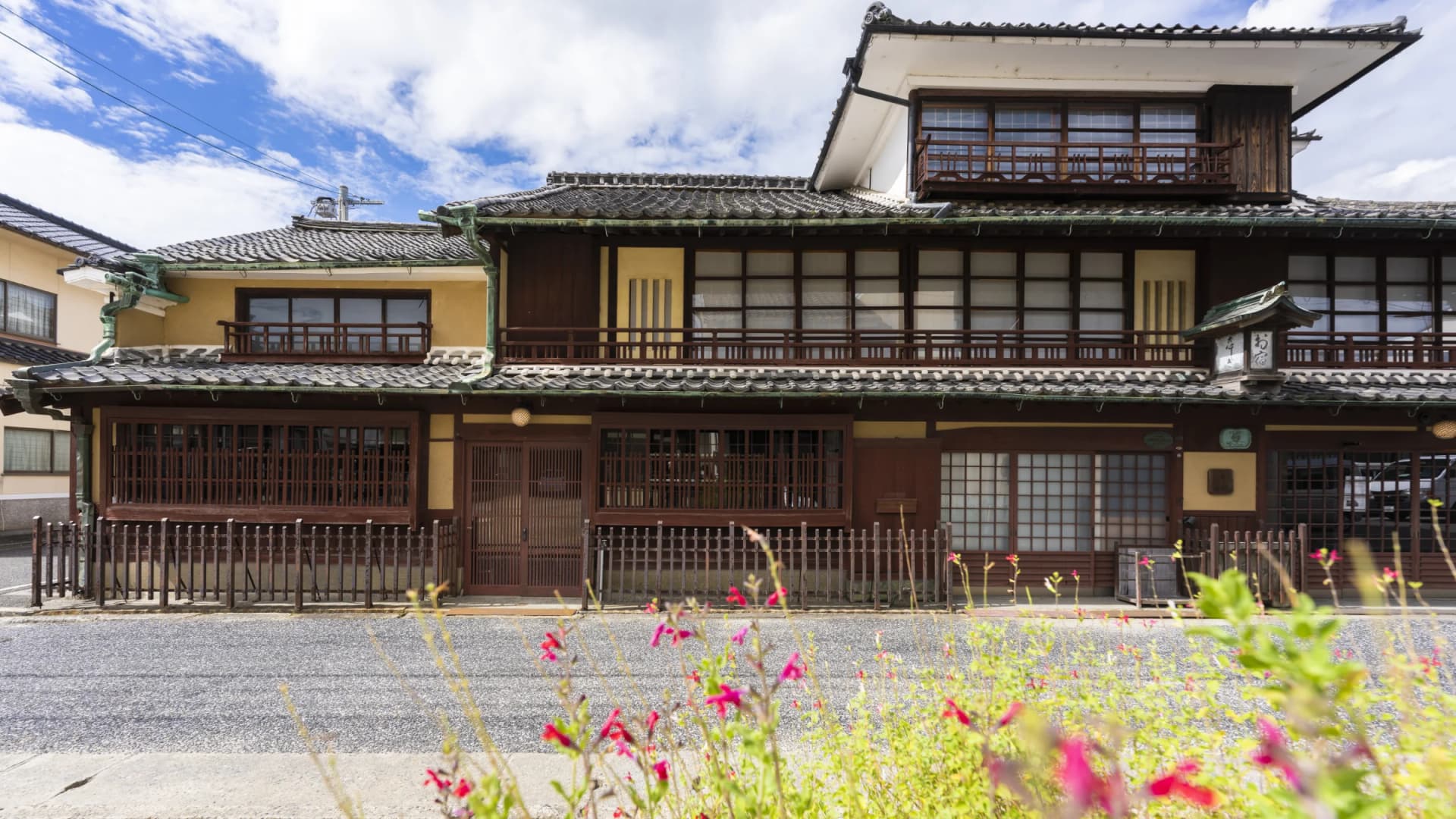
A restaurant inn of 1872 in Fuchu, Hiroshima, with a strolling garden of 1918, now on the national register and open to the public.
Fuchu · Hiroshima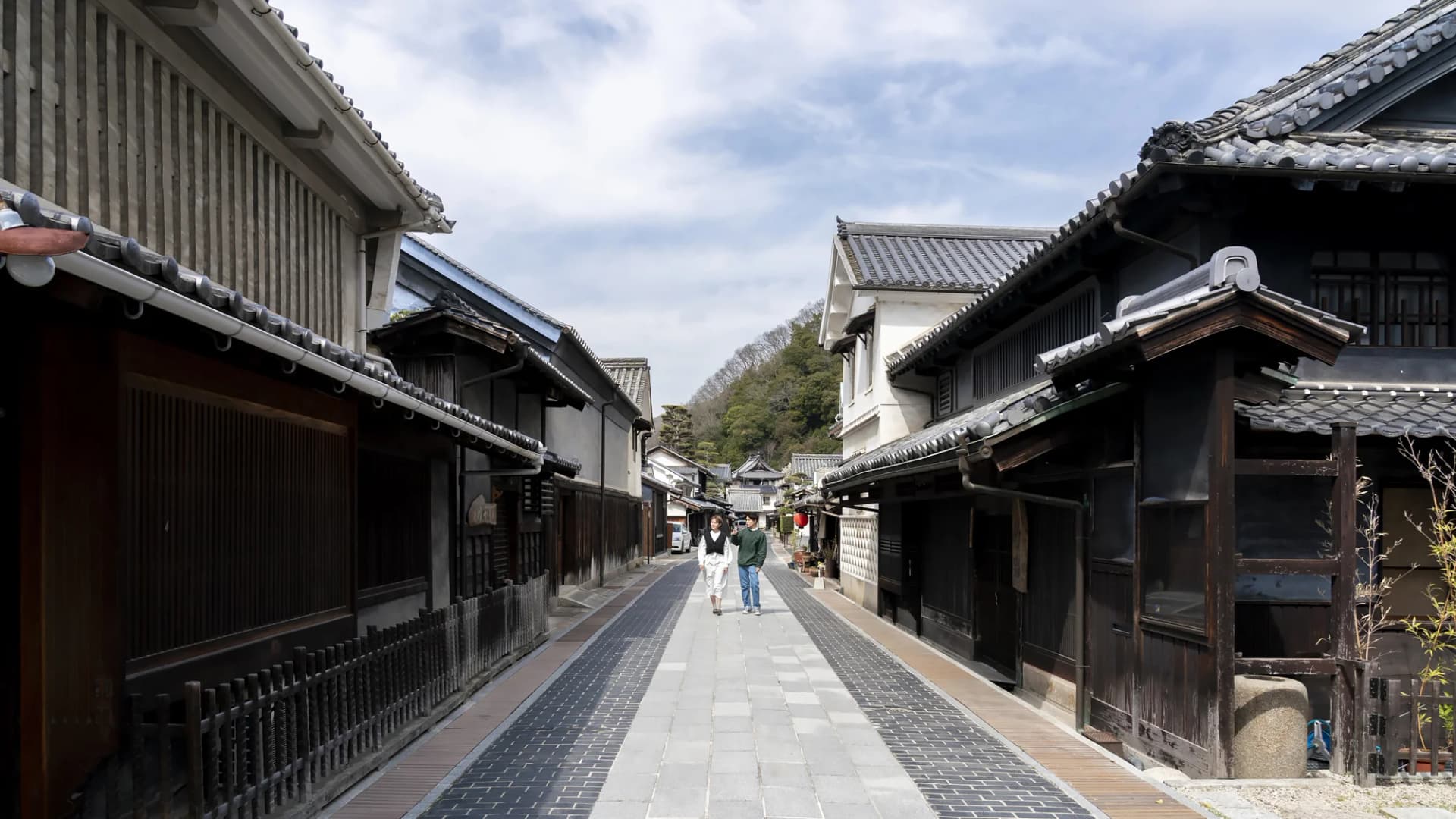
Takehara Historic Preservation District
A five-hectare quarter of Edo and Meiji merchant houses in Takehara, Hiroshima, built on the fortunes of salt and known as the Little Kyoto of Aki.
Takehara · Hiroshima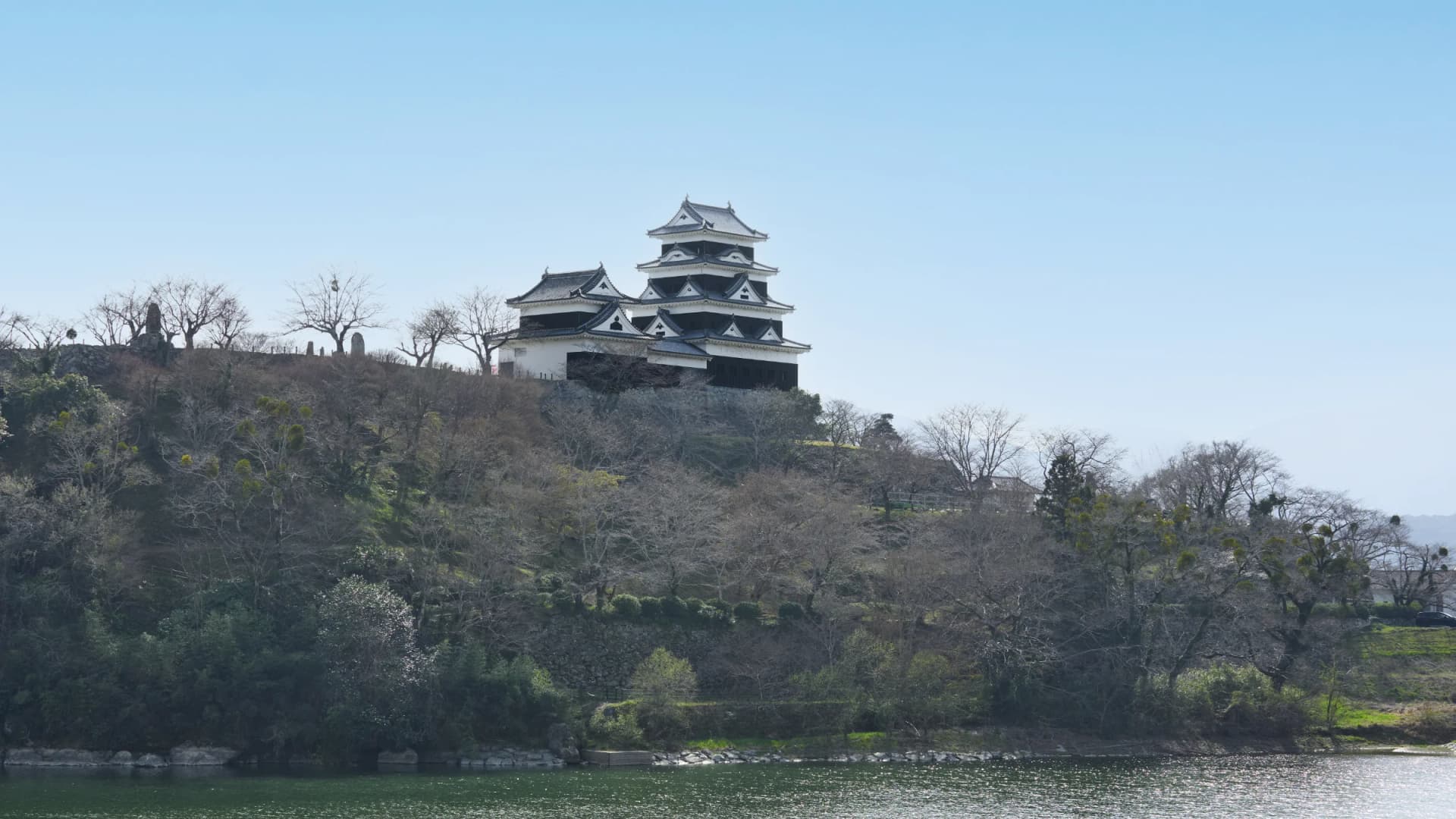
Ozu Castle
A castle above the Hiji River at Ozu whose keep was rebuilt in wood in 2004, using the old drawings and photographs, alongside four surviving turrets.
Ozu · Ehime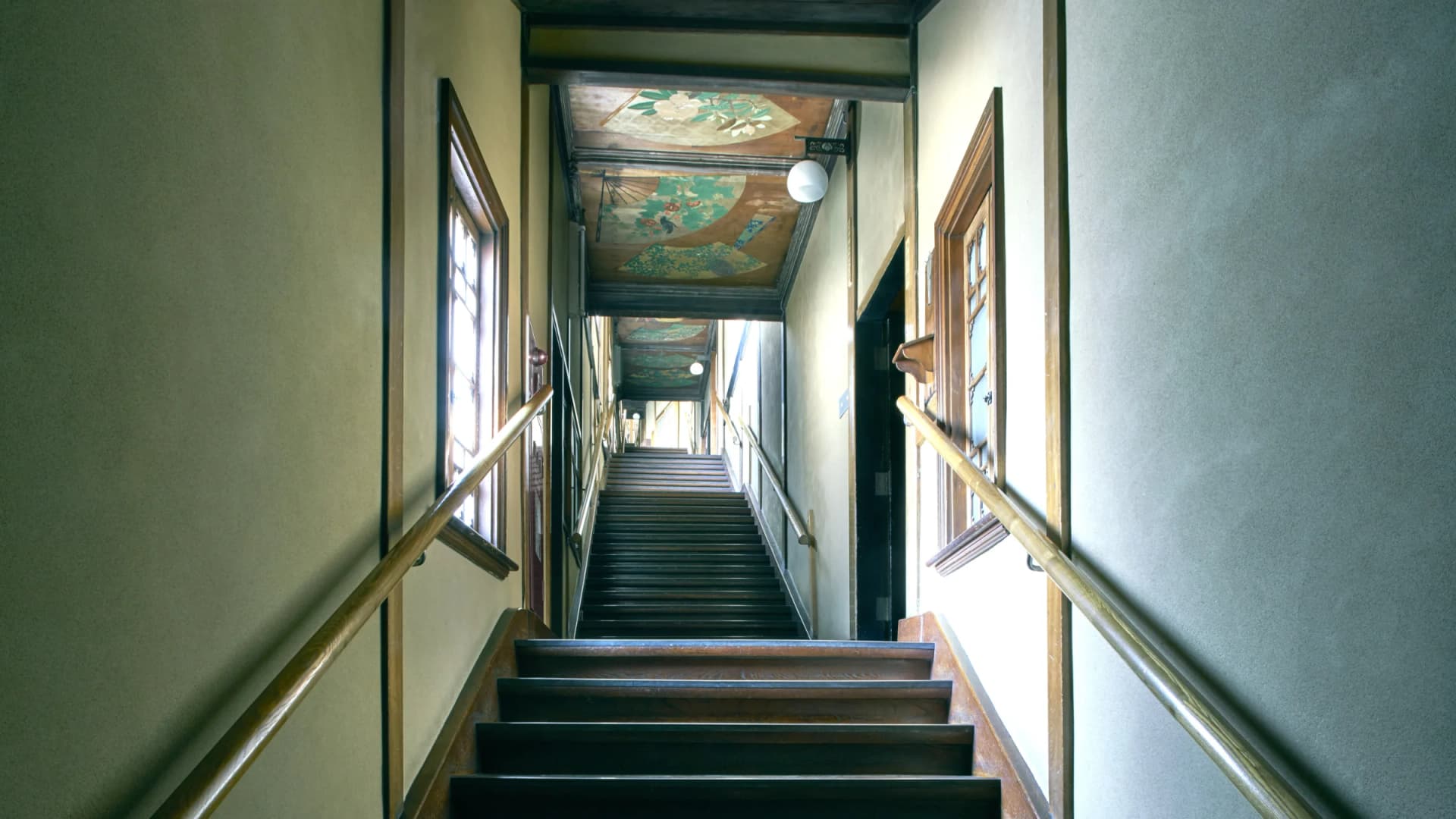
Hyakudan Kaidan Special Opening
A wooden building of 1935 in Meguro, Tokyo, with seven decorated banquet rooms up a staircase of 99 steps, opened for six months with almost nothing in it.
1 Oct 2026 – 30 Mar 2027Tokyo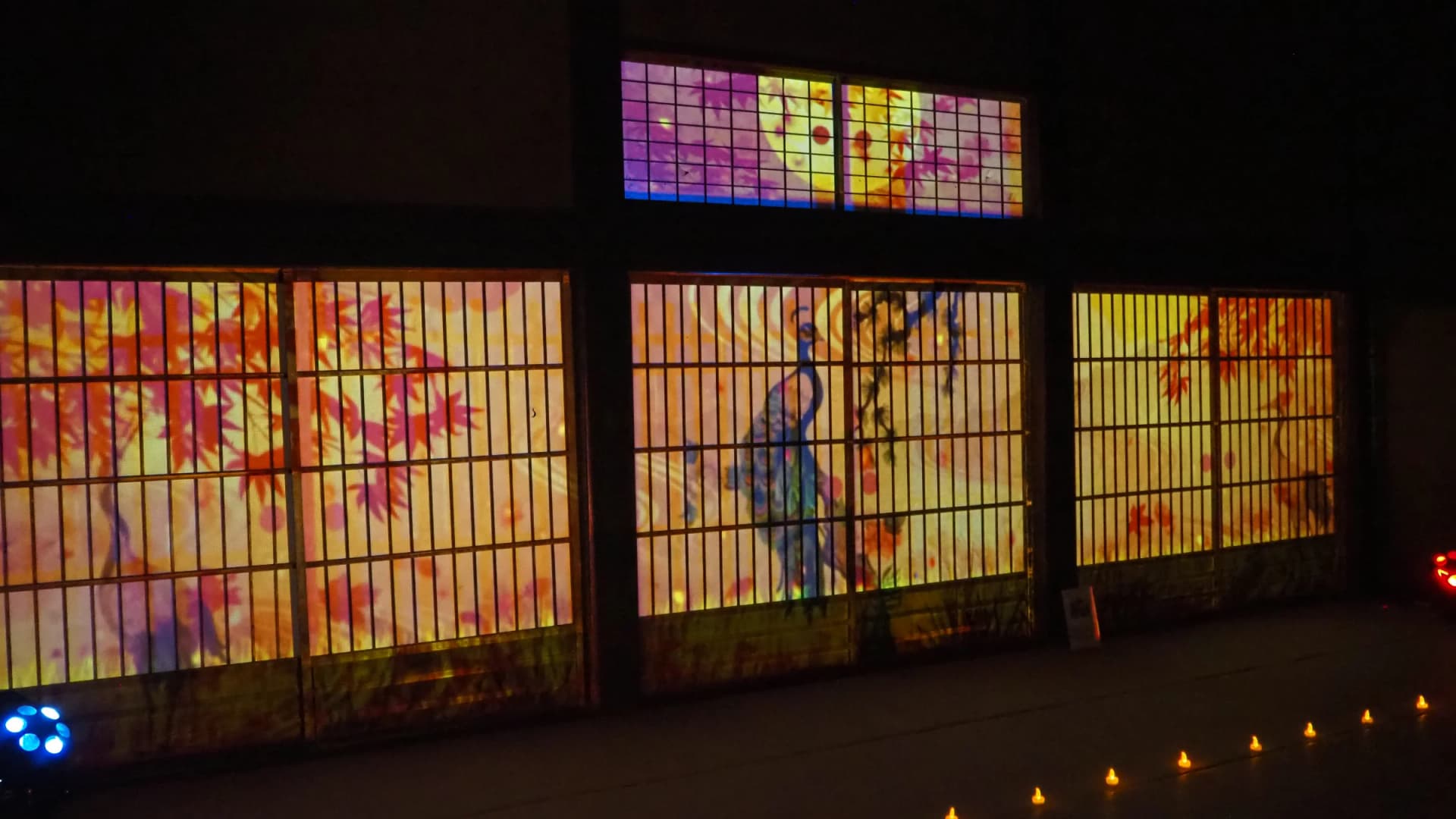
Wa no Hikari at Sasagawa-tei
A light display each autumn at the former Sasagawa residence near Niigata, with projections on an Edo-period house, a lit garden and works by local students.
26 Sep – 18 Oct 2026Niigata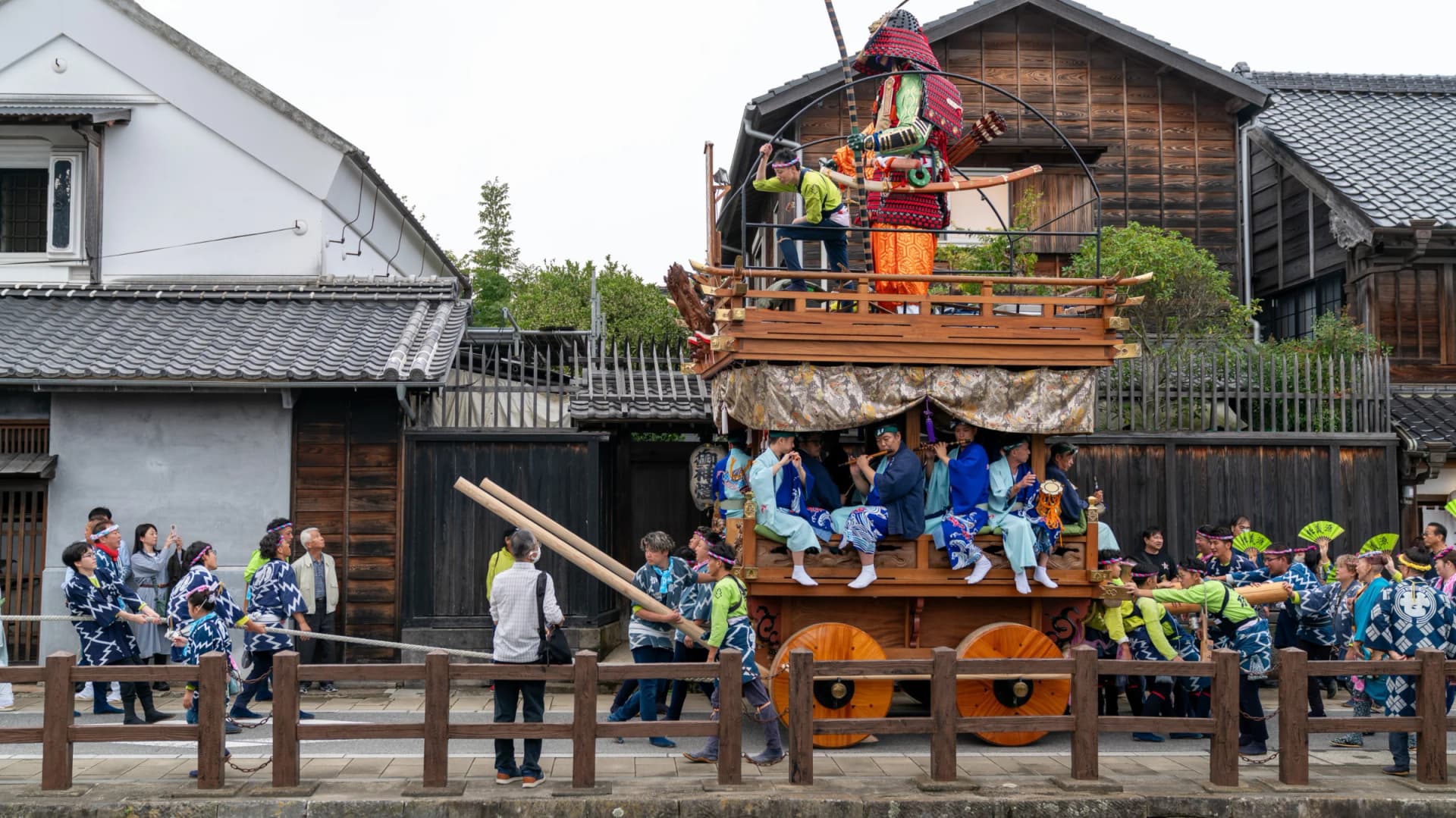
Sawara Grand Festival
Every July in Sawara, ten seven-metre floats crowned with giant dolls are spun through the streets of a preserved Edo-period merchant town, grazing the eaves.
10–12 Jul 2027Katori · Chiba