Okunoshima (Rabbit Island)
大久野島
A small island in the Inland Sea with about a thousand wild rabbits on it, which was the Japanese army's poison gas works until 1945.
〒 729-2311How to get there
忠海Kure Line51 min walk from the station
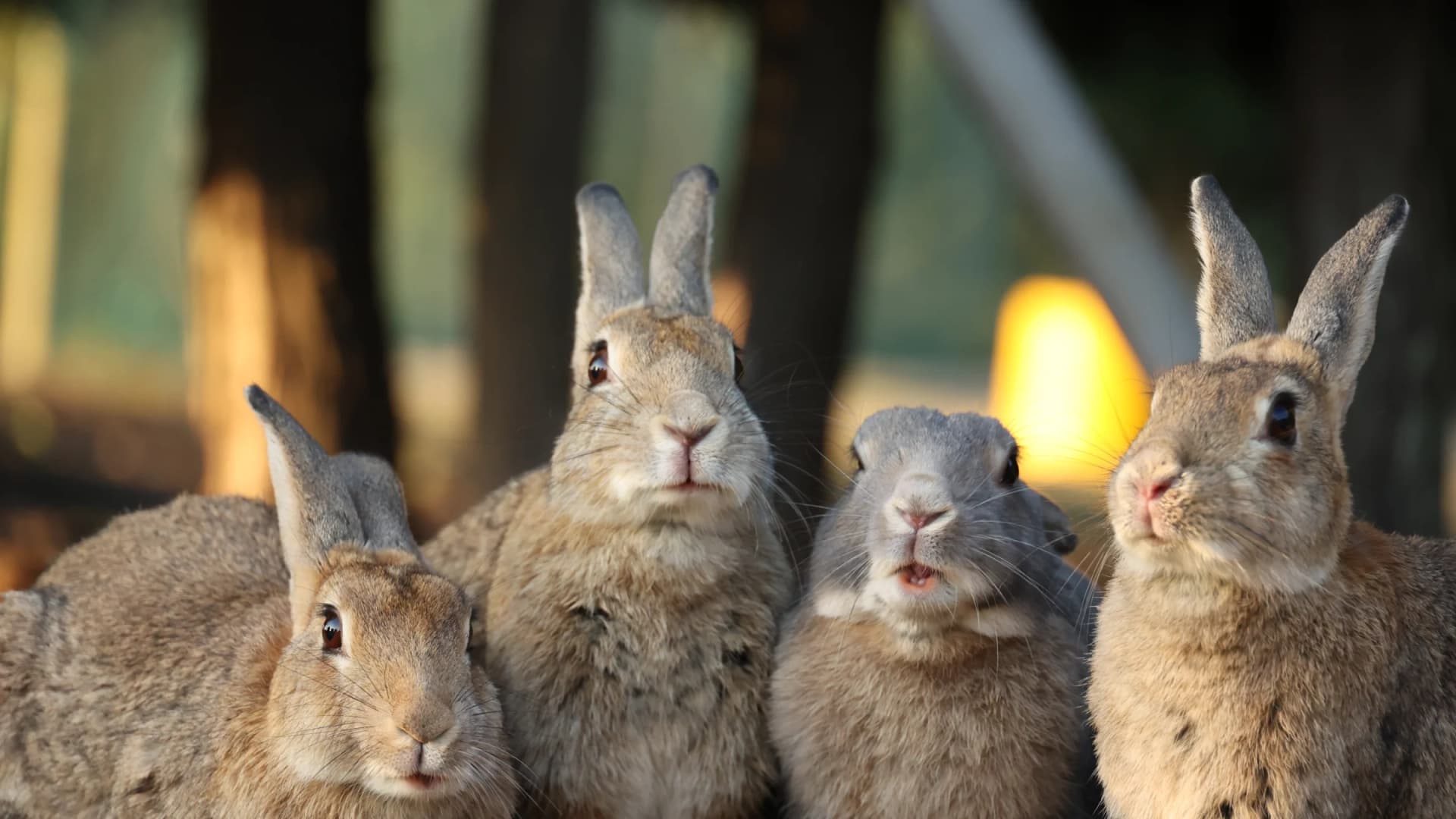
Okunoshima is a small island in the Inland Sea off Tadanoumi in Takehara, 4.3 kilometres around. About a thousand wild rabbits live on it, which is why it is known as the rabbit island. It also holds the remains of a poison gas works.
The rabbits
The rabbits are wild and live loose across the island. They are used to people and will come up to anyone carrying food, and pellets for them are sold at the port before the crossing.
They are not tame animals, and the island asks visitors to treat them accordingly: not to pick them up, since a frightened rabbit struggles and can break a bone in the fall, and there is no vet on the island; not to chase them; and not to feed them on the roads, where a rabbit intent on eating will not notice a bicycle or a car.
Human food makes them ill, bread and snacks included, and so do potatoes and sweet potatoes. Food left behind spoils and draws crows, which prey on the young rabbits.
The poison gas works
From 1929 until the end of the war the island was where the Japanese army made poison gas, among it mustard gas and lewisite. The work was kept secret, and the island was taken off published maps.
Buildings from that time are still standing: the stores where the gas was kept, air raid shelters, gun batteries and the power station.
The museum
A museum on the island, opened in 1988, sets out what was made here, the harm it did, and how the island came to be erased from the map.
The island is reached by ferry from Tadanoumi, about 15 minutes.
Getting There

You might also like
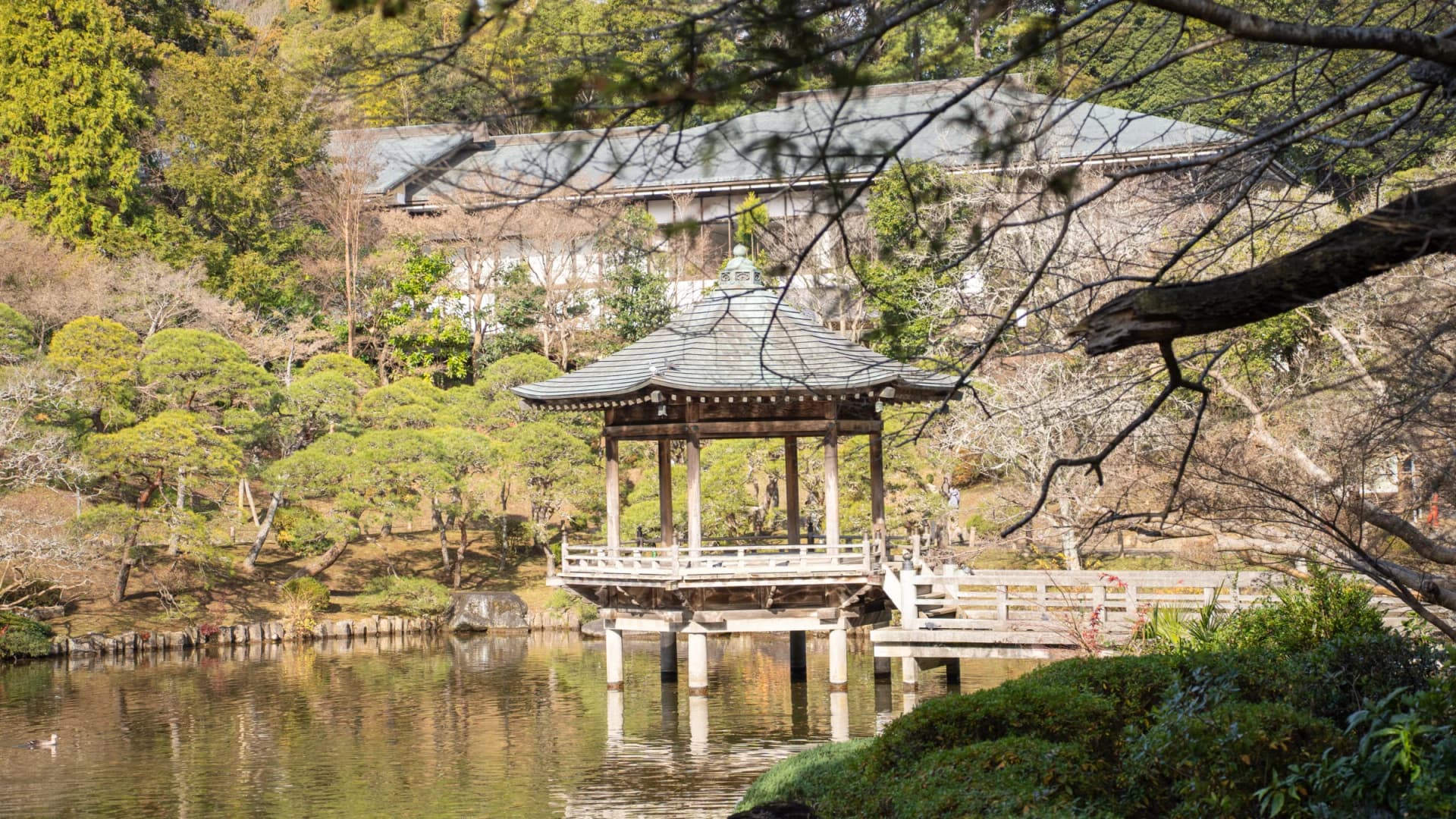
Naritasan Park
Behind Narita's great temple lies a hillside garden with ponds, waterfalls and poem-carved stones, free to walk and far quieter than the temple itself.
Narita · Chiba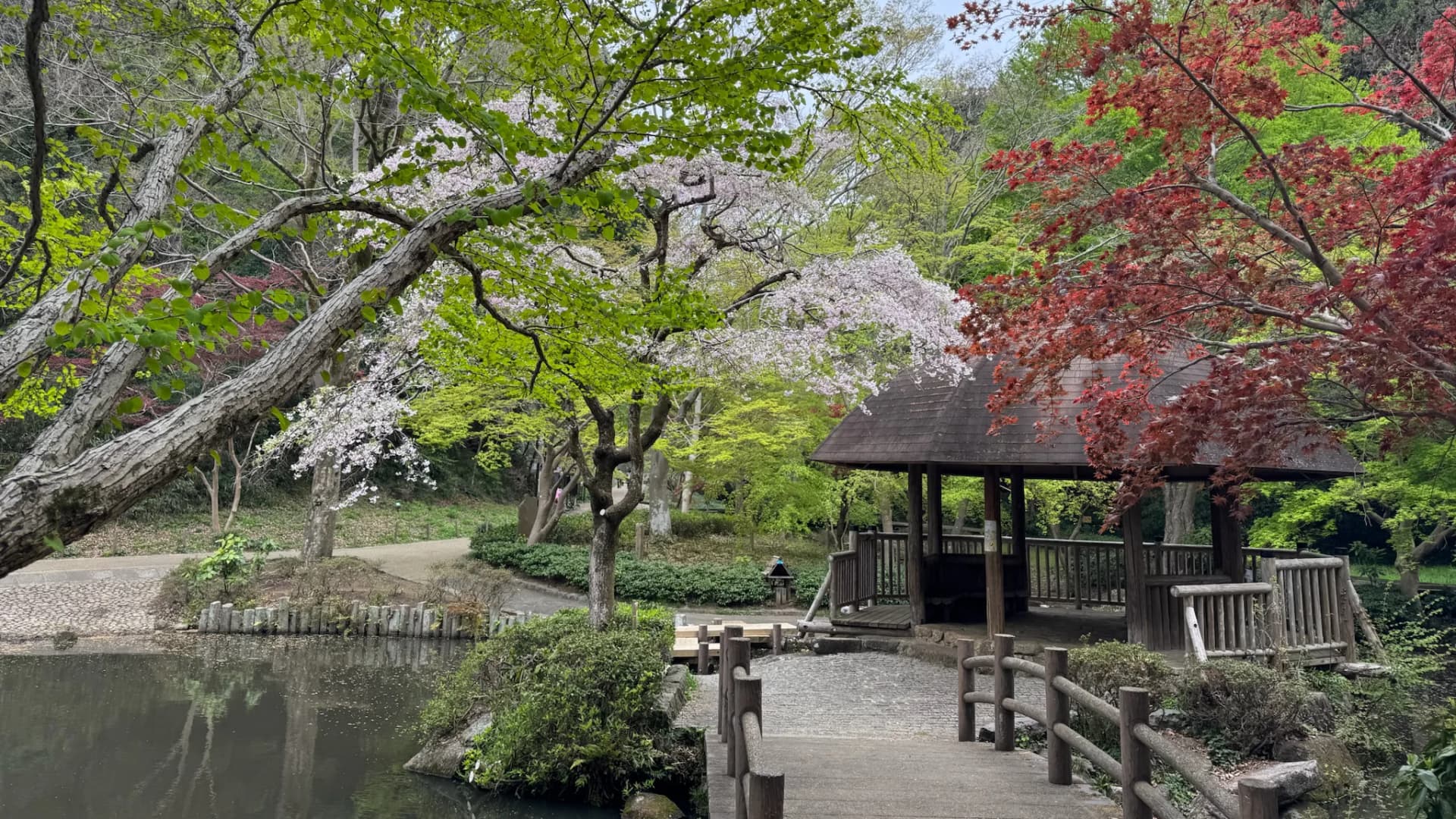
Higashitakane Forest Park
A forest park in central Kawasaki where a rare ancient oak wood, a working rice paddy, and a buried Yayoi settlement sit on top of one another.
Kawasaki · Kanagawa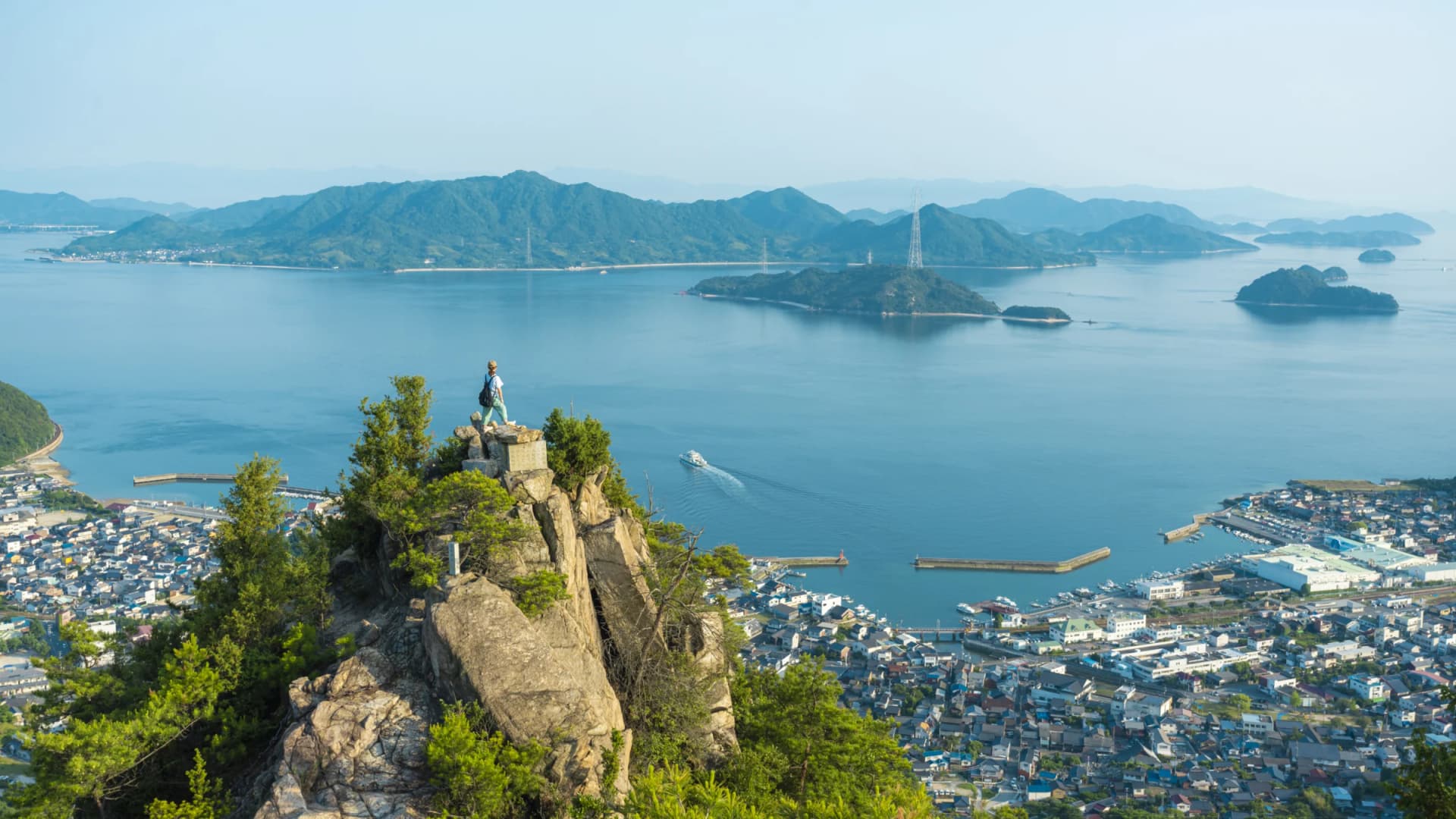
Mount Kurotaki
A 266-metre hill above Tadanoumi in Takehara, half an hour's walk to a view over Okunoshima and the islands of the Seto Inland Sea.
Takehara · Hiroshima
Rikugien Garden Night Autumn Viewing
Rikugien Garden opens for nighttime autumn foliage viewing, illuminating the garden's fall colours alongside projection mapping and carefully framed photographic vistas.
28 Nov – 9 Dec 2026 · Dates not yet confirmedTokyo
Yoyogi Forest of Lights
A 1.8 km walk-through illumination in Yoyogi Park, with 17 zones of light and music, modeled on the winter illuminations held in European parks.
13 Nov 2026 – 11 Jan 2027Tokyo
The Original Capybara Open-Air Bath
Each winter the capybaras of Izu Shaboten Zoo in Ito soak in an open-air hot bath, a custom that began at the zoo in 1982 and is now known across Japan.
21 Nov 2026 – 4 Apr 2027Ito · Shizuoka