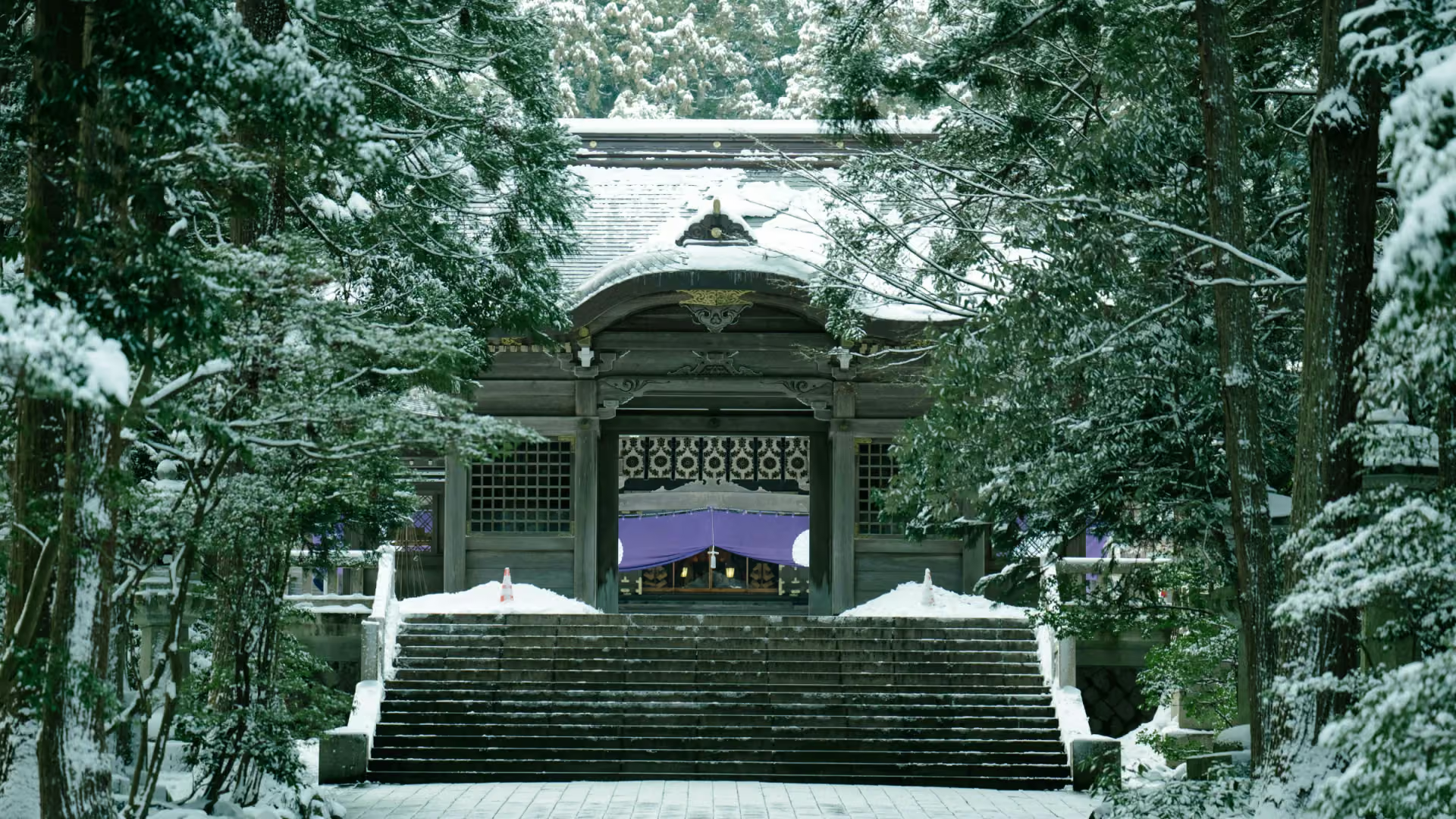
Okutateshina Onsen Shibu Tatsunokan
奥蓼科温泉 渋・辰野館
A century-old mountain inn at 1,700 metres in Okutateshina, Nagano, with a strong acidic spring told of as a secret bath of Takeda Shingen.
Day bathing by reservation only; last entry 15:00. Closed on irregular days, so check the official site before visiting. The outdoor bath, Mori no Onsen, is closed from 11/20 to mid-April.
〒 391-0213How to get there
Shibu Tatsunokan is a lone inn deep in the forest at 1,700 metres, in Okutateshina Onsen in the mountains of Chino, Nagano. It has been in business for about a hundred years, on a strong acidic spring known as Shingen no Yakuto (信玄の薬湯), Shingen's medicinal bath.
History
The oldest story of the spring, as the inn tells it, credits its discovery to Sukunahikona, the tiny god of Japanese myth who helped Okuninushi build the land. In the Sengoku period the warlord Takeda Shingen is said to have sent his wounded retainers and warhorses here in secret to heal, and old documents describe the water as a remedy.
The painter Higashiyama Kaii (東山魁夷), one of the leading Japanese-style painters of the Showa era, stayed at the inn for about a week and made the sketches for his painting Midori Hibiku (緑響く). Its subject, Mishaka Pond (御射鹿池), lies a short drive away.
The water
The spring is a simple acidic cold mineral spring, heated for bathing. It is so strong and so corrosive that coins left near it turn black, wiring and televisions break down without warning, and the light sockets in the baths are replaced at least once a year, which is why they are bare bulbs. The water can also be drunk, and tastes faintly bitter and sour.
The baths
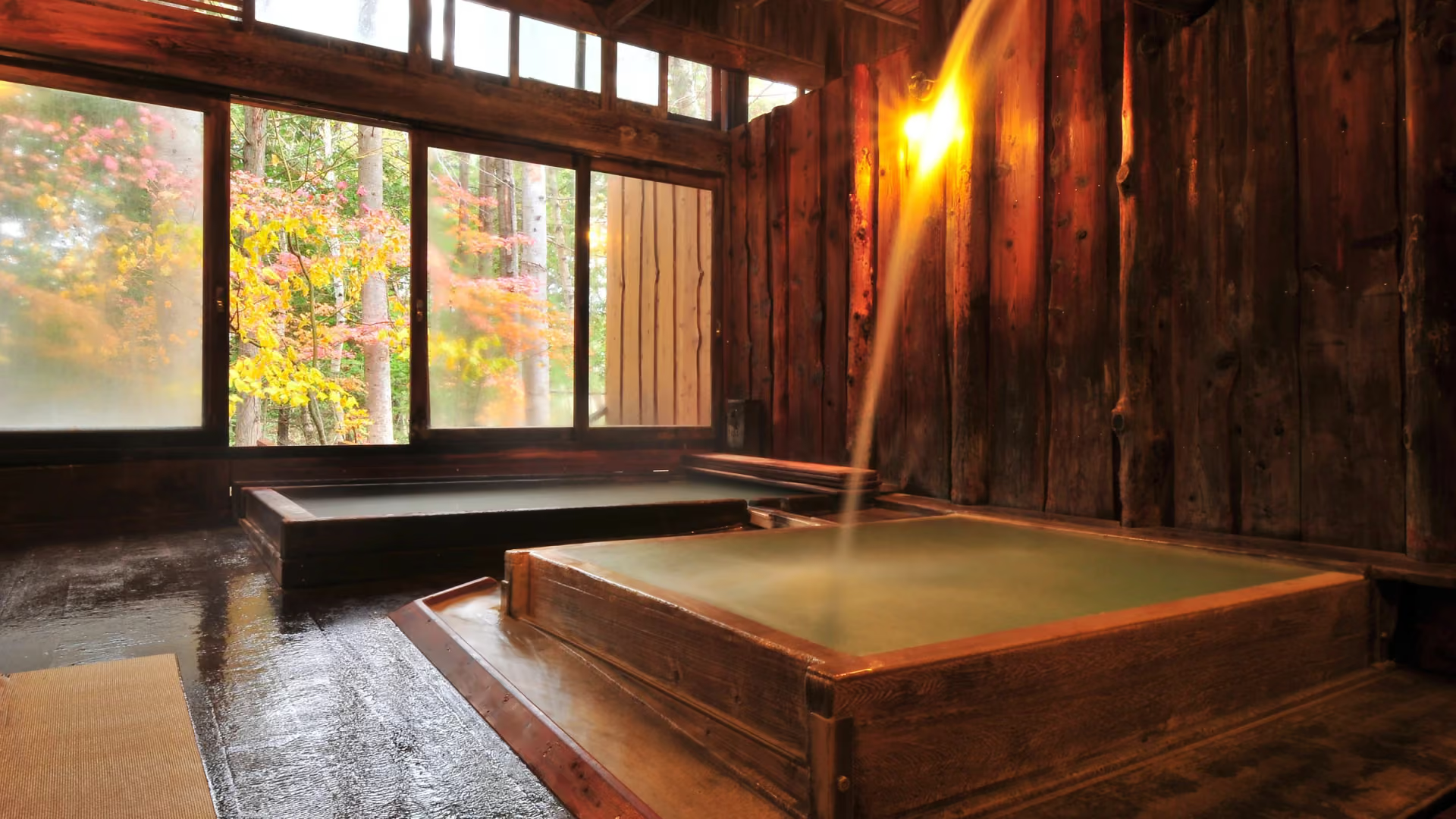
In Shingen no Yakuto the water falls into the tub like a cascade and turns it a bluish milky white. The tub is 90 centimetres deep, made so that bathers must half stand to be in up to the shoulders, which keeps soaks short. Mori no Onsen is an outdoor bath among the trees, and an indoor bath with taps is the only place to wash. Birch trees come close to all the baths, and the inn suggests moving between the cold spring and warm water.
The inn's requests
The water is strong enough to cause yuatari, the dizziness and fatigue of too much bathing, so the inn asks bathers to keep each soak to 15 minutes or less and to go by how they feel. Shingen no Yakuto and Mori no Onsen have no washing area; washing is done in the indoor bath. Day bathing is by reservation, and the inn closes on irregular days, so it asks visitors to check that it is open before they book. Mori no Onsen closes for the winter.
The inn is old and has few modern conveniences, and moving around it means taking stairs.
The Yuchelin rating
In 2026 Shibu Tatsunokan was among the first 21 onsen to receive three stars from Yuchelin (湯シュラン), a rating system that judges hot springs by the water in the bath. The Yuchelin association asks visitors to its rated baths to keep five rules for borrowing the water (湯をお借りする五か条), written under the supervision of Touristship, an association that promotes considerate travel:
After you. These baths are part of local people's daily lives. When locals come in, give them your place and your turn with an "after you". Avoid the busy hours, so as not to get in the way of local bathers.
Say hello. A simple "konnichiwa" or "ojama shimasu" (sorry to intrude) is where contact begins. Talking with the locals, you may learn the rules of that bath and how it is used.
Enjoy the day's temperature. Natural hot water is hard to manage, and some days it is hot and some days lukewarm. Enjoy the water as you meet it that day. If you want to change the temperature, ask the locals.
Do the basics, with care. No photos in the bath or the changing room. Pour hot water over yourself and wash before you get into the bath. Don't take over the spot by the spout or the washing area. Wash the bucket and stool you used and put them back. Take your rubbish home, and dry yourself before you go back into the changing room. Keep to these basics without fail.
Thanks and respect for the earth's gift. Hot spring water is an irreplaceable gift of nature, made by the earth over long ages. Treat every drop with thanks and respect, take care of the water, and enjoy your bath.
Getting There

Planning a trip? Fit this into a trip and Oni plans the rest around it.
You might also like
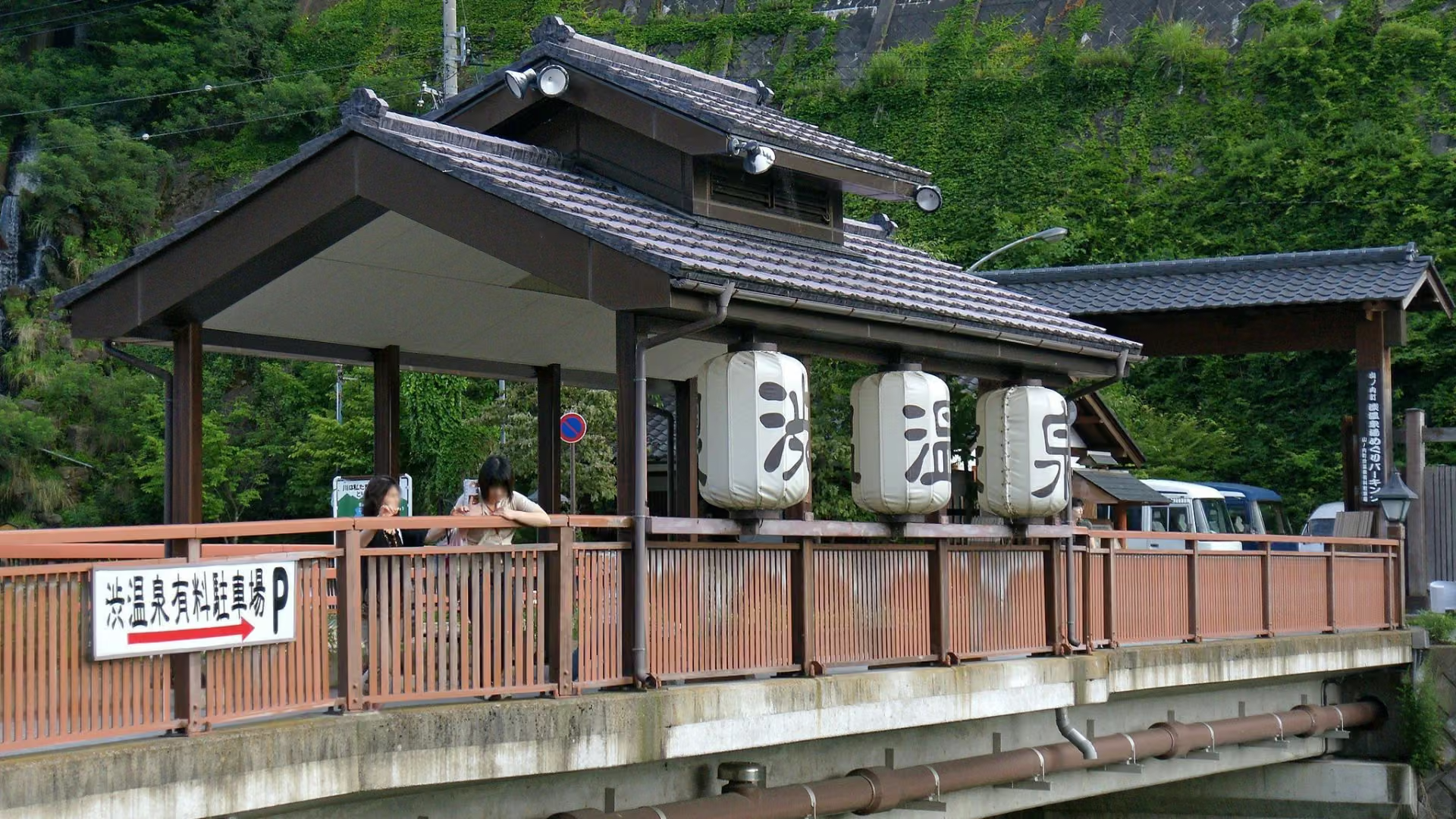
Shibu Onsen
Hot spring town with over 1,300 years of history and nine public baths fed by natural springs, each believed to bring its own distinct health benefits.
Yamanouchi · Nagano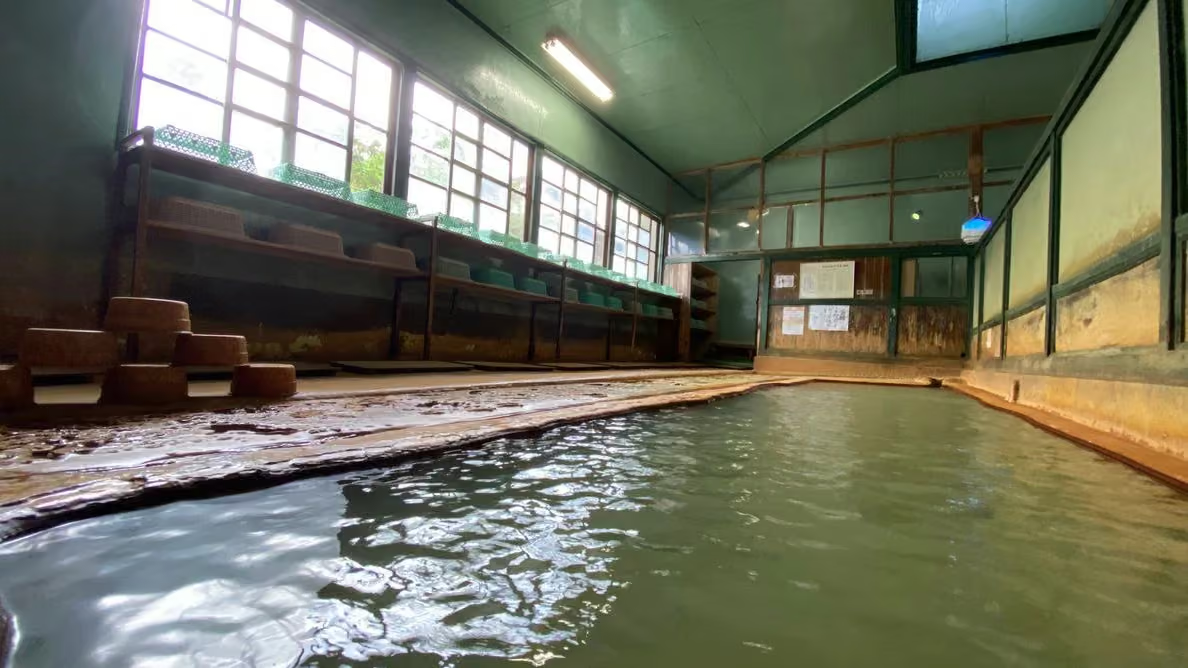
Kagai Onsen Ichiyokan
A toji bathhouse in Matsushiro, Nagano, open since 1930, where two carbonated, iron-rich springs rise on the grounds a few metres from the baths.
Nagano
Sakakibara Onsen
Hot spring area in Tsu, Mie, praised in The Pillow Book and once a place where pilgrims purified themselves before visiting Ise Jingu.
Tsu · Mie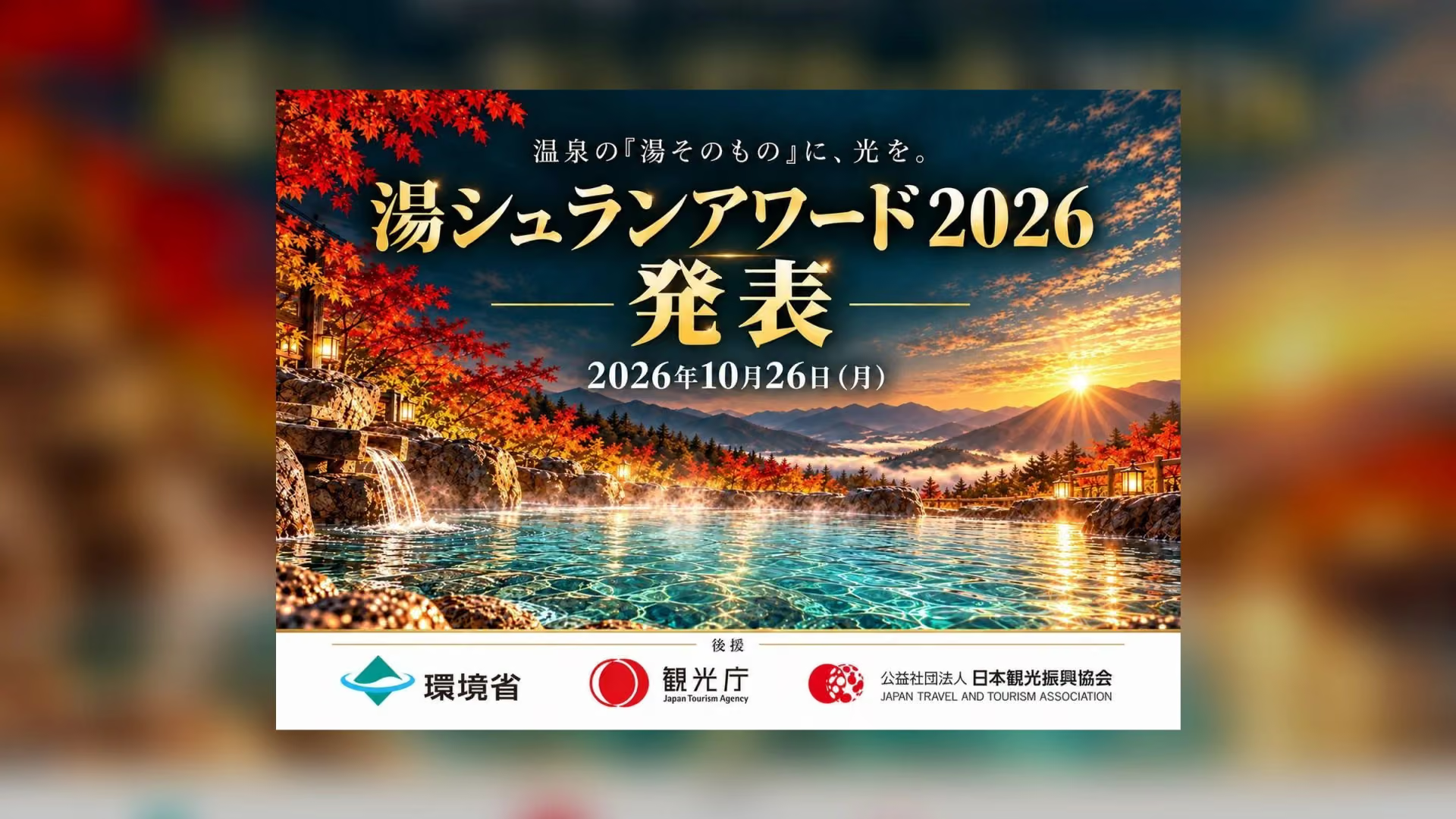
Yuchelin 2026: Japan's 21 Three-Star Onsen
Yuchelin, a new rating for Japanese hot springs, judges the water itself. Its first three-star list names 21 onsen, from Hokkaido to Yakushima.
2026/10/27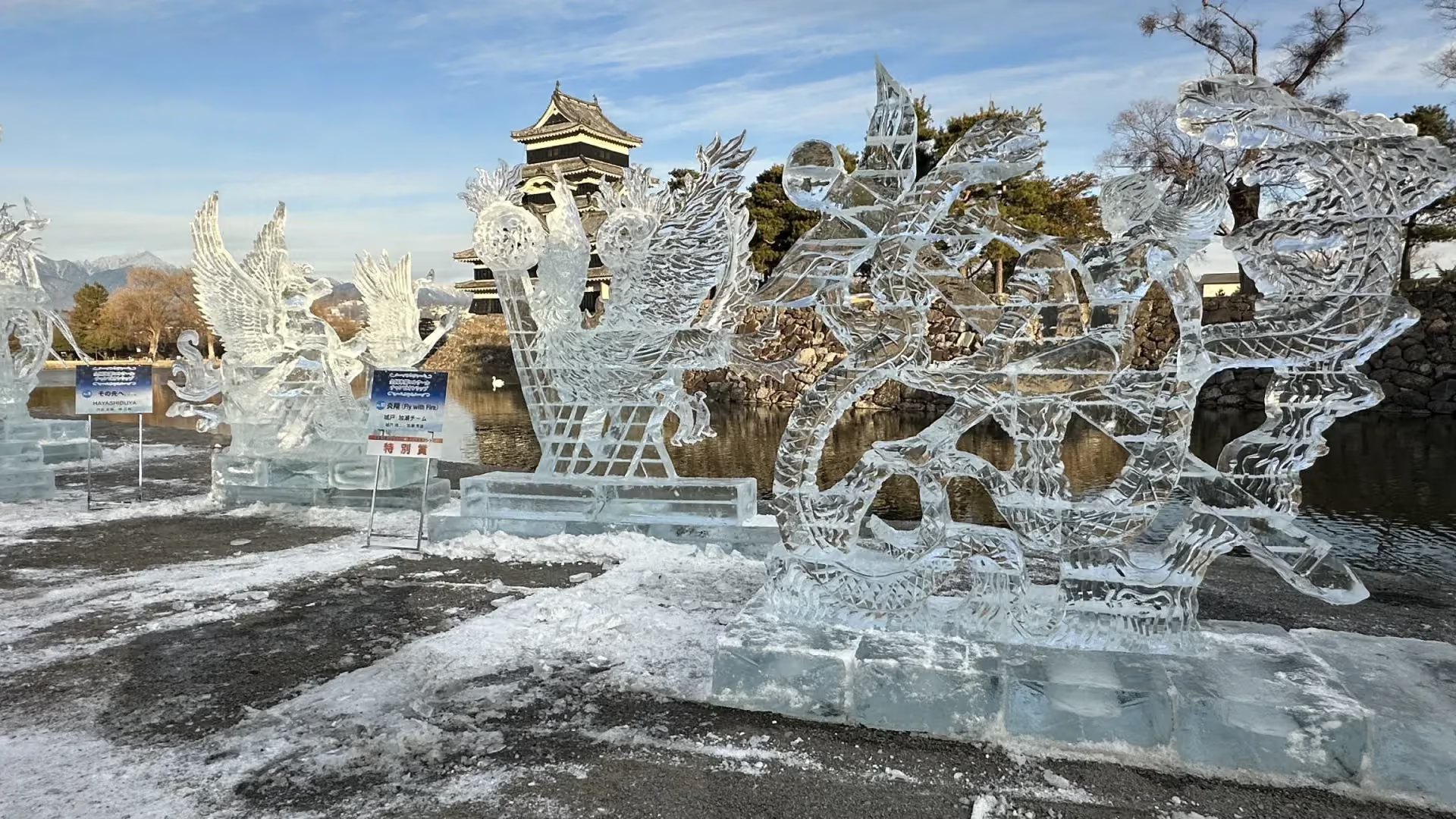
National Treasure Matsumoto Castle Ice Carving Festival
Ice carvers from across Japan compete overnight at Matsumoto Castle, with sculptures set against the castle and the Northern Alps, and a giant ice slide.
22–24 Jan 2027Matsumoto · Nagano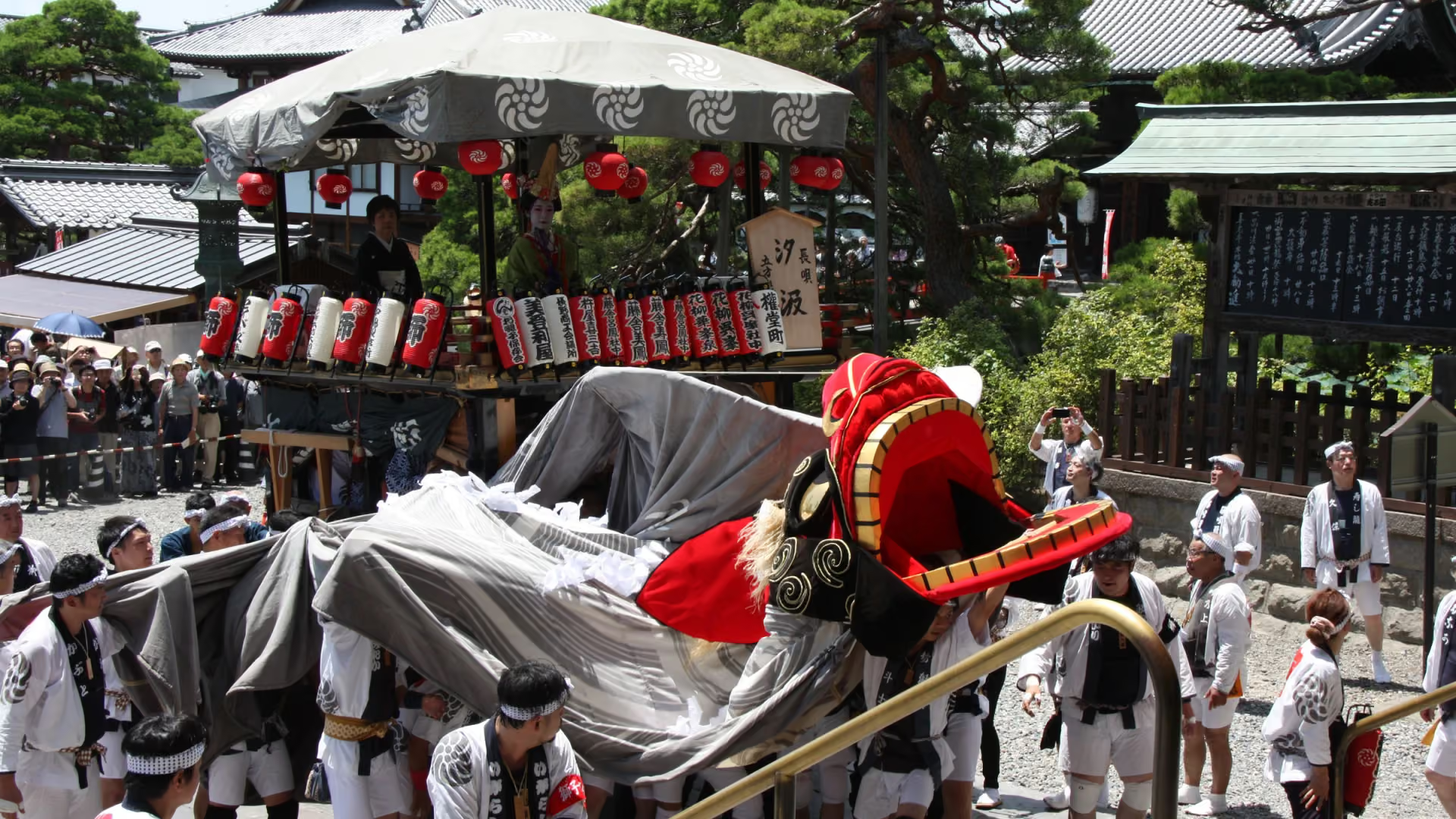
Nagano Gion Festival
The Nagano Gion Festival celebrates Susanoo-no-Mikoto, deity of storms and protection, with mikoshi processions at Yasaka Shrine near historic Zenkoji temple.
6 Jun 2027Exact date not confirmed yetNagano