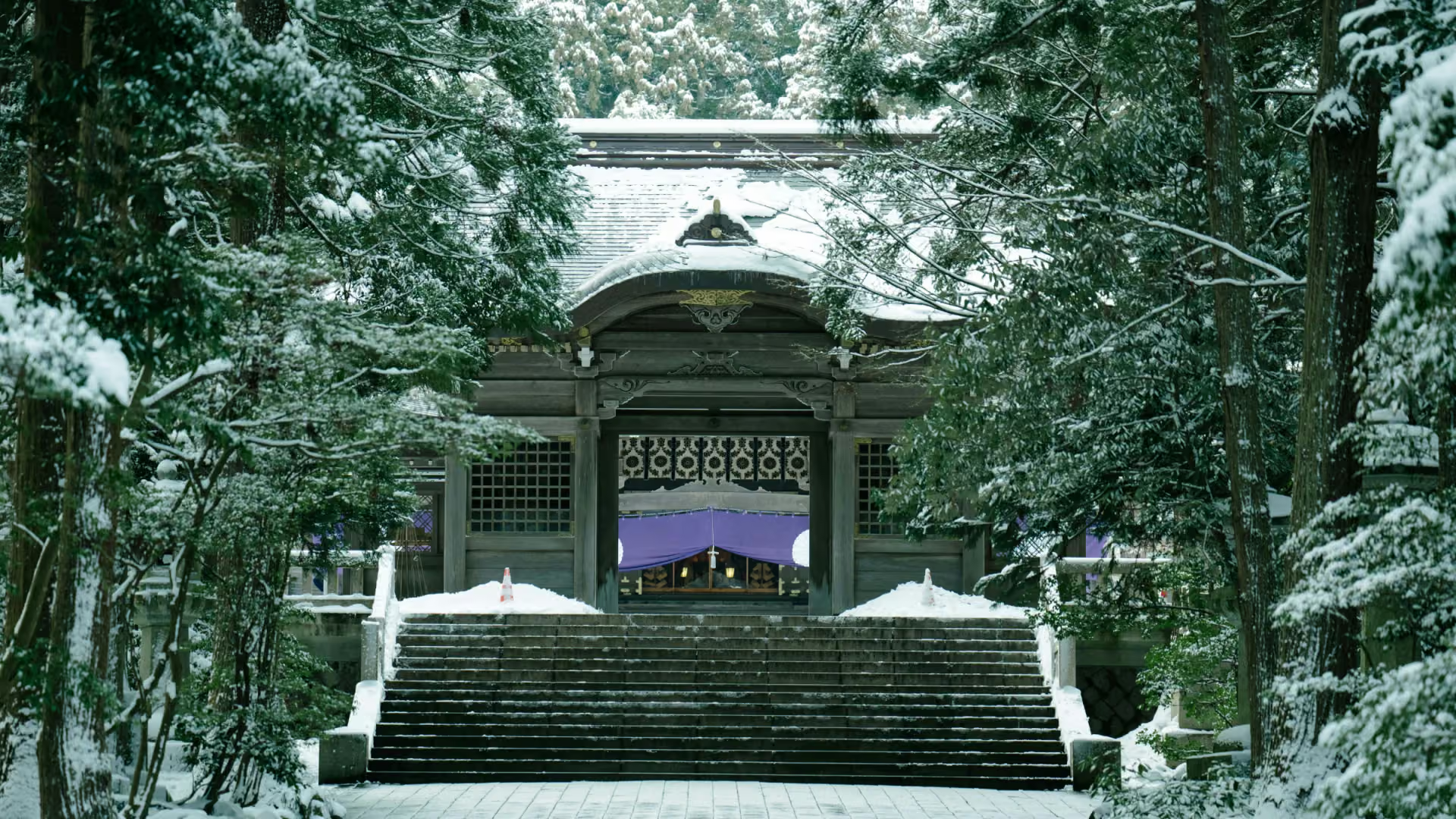
Nagano Gion Festival
ながの祇園祭
The Nagano Gion Festival celebrates Susanoo-no-Mikoto, deity of storms and protection, with mikoshi processions at Yasaka Shrine near historic Zenkoji temple.
〒 380-0851How to get there
善光寺下Nagano Line10 min walk from the station
The Nagano Gion Festival, once considered one of Japan’s three major Gion festivals - alongside those in Kyoto and Hiroshima - blends deep historical roots with vibrant community celebration, creating a uniquely local expression of faith and festivity.
A Festival Rooted in History and Spiritual Heritage
The festival centers around Yasaka Shrine, located on Kaminishinomon-dori, a historic street lined with shukubo (temple lodgings) near the gates of Zenkoji Temple. This Yasaka Shrine enshrines Susanoo-no-Mikoto, the deity of storms and protection from epidemics - the same deity as Kyoto’s famous Yasaka Shrine - linking Nagano’s festival to one of Japan’s most renowned Shinto traditions. Because of this close spiritual and cultural connection, and the shrine’s prominent location in the Zenkoji temple district, the Nagano Gion Festival is often called the "Gion Festival of Zenkoji".
Historically, the festival was so grand and prestigious that it was counted among Japan’s three major Gion festivals, alongside Kyoto’s Yasaka Shrine festival and Hiroshima’s Itsukushima Shrine festival.
Historical records such as the Zenkoji Gosairei Emaki (Illustrated Scroll of the Zenkoji Grand Festival), dating from the early 19th century, vividly depict scenes of lavish floats and townspeople celebrating with great enthusiasm.
Gosenori Menkyo Juyoshiki: Ceremony of the Divine Forerunner
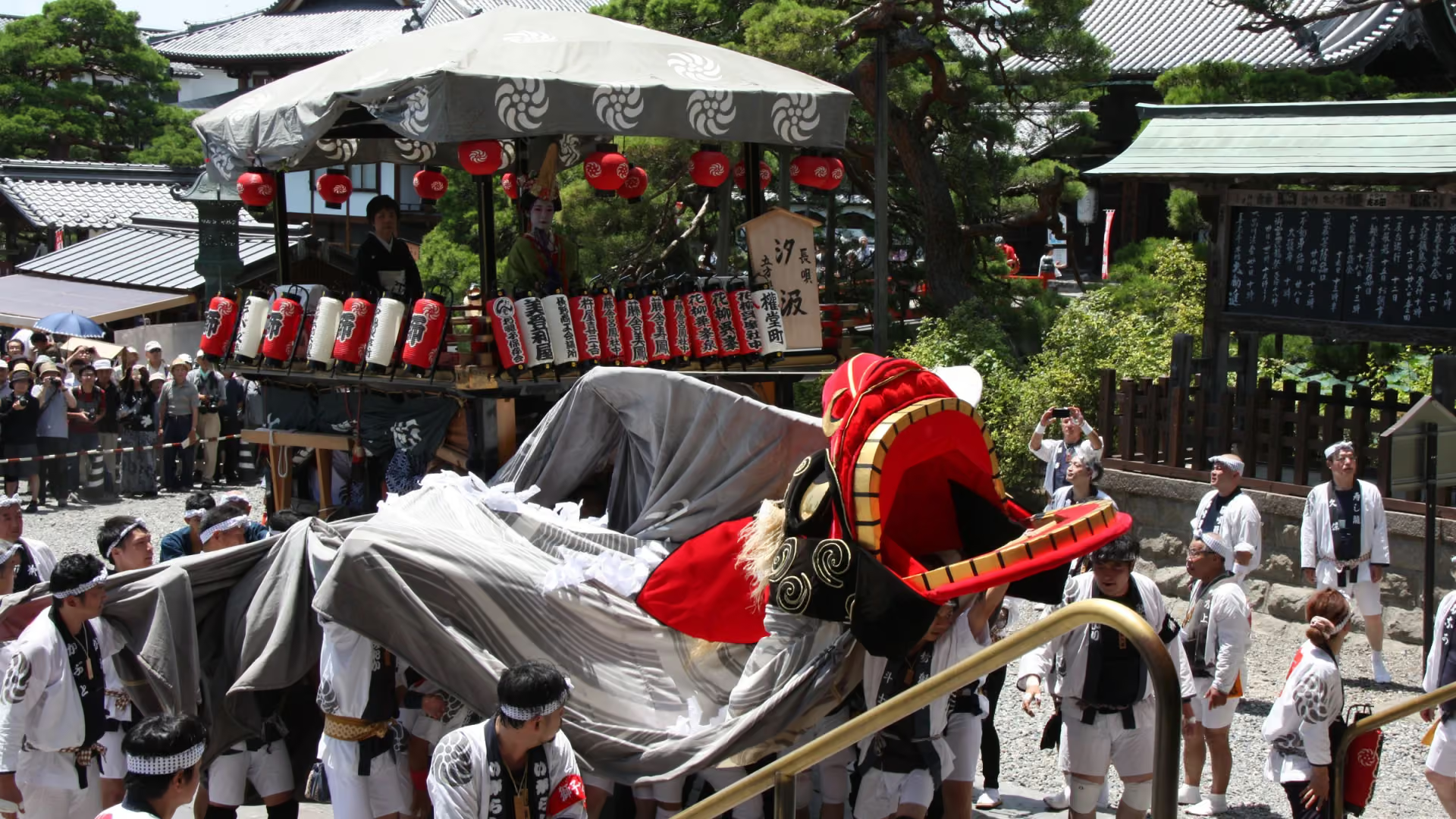
The festival begins with the Gosenori Menkyo Juyoshiki, or Ceremony of the Divine Forerunner. A boy is chosen from the host neighbourhood to act as the deity’s vessel, believed to be temporarily possessed by the god. Leading the procession of festival floats (yatai) through the streets, this divine forerunner’s march symbolises the warding off of summer plagues and misfortune, spiritually marking the start of the festival.
Yoiyama: The Eve of Festivities
On the evening before the main procession, the Yoiyama event brings an elegant and festive atmosphere to the temple town. The sounds of festival music (hayashi) drift through the streets, accompanied by graceful performances of classical Japanese dance. Visitors wander beneath lanterns, soaking in the serene and joyful early summer ambiance near Zenkoji Temple.
Yatai Junko: Majestic Float Procession
The festival’s highlight is the Yatai Junko, a grand procession of elaborately decorated floats from various neighbourhoods. The floats parade proudly through the city streets toward Zenkoji Temple, pausing at key points to present sacred dance performances. Along the route, spectators enjoy the historic scenery of temple lodgings, traditional buildings, and registered cultural properties that preserve the rich architectural heritage of the area.
Getting There

Planning a trip? Fit this into a trip and Oni plans the rest around it.
You might also like
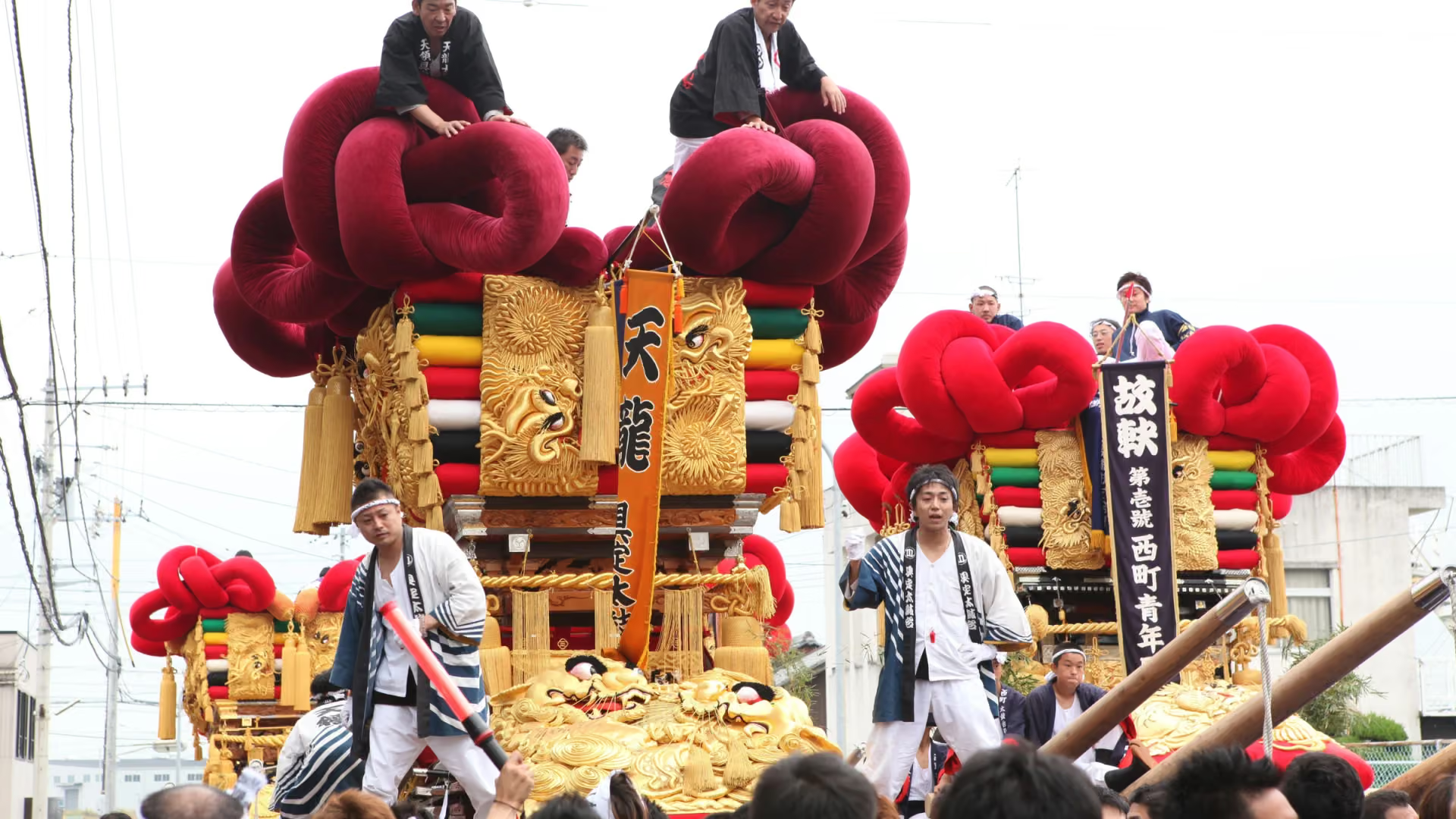
Niihama Taiko Festival
Towering drum-bearing floats parade through Niihama in this October celebration, drawing nearly 200,000 spectators each year.
16–18 Oct 2027Exact date not confirmed yetNiihama · Ehime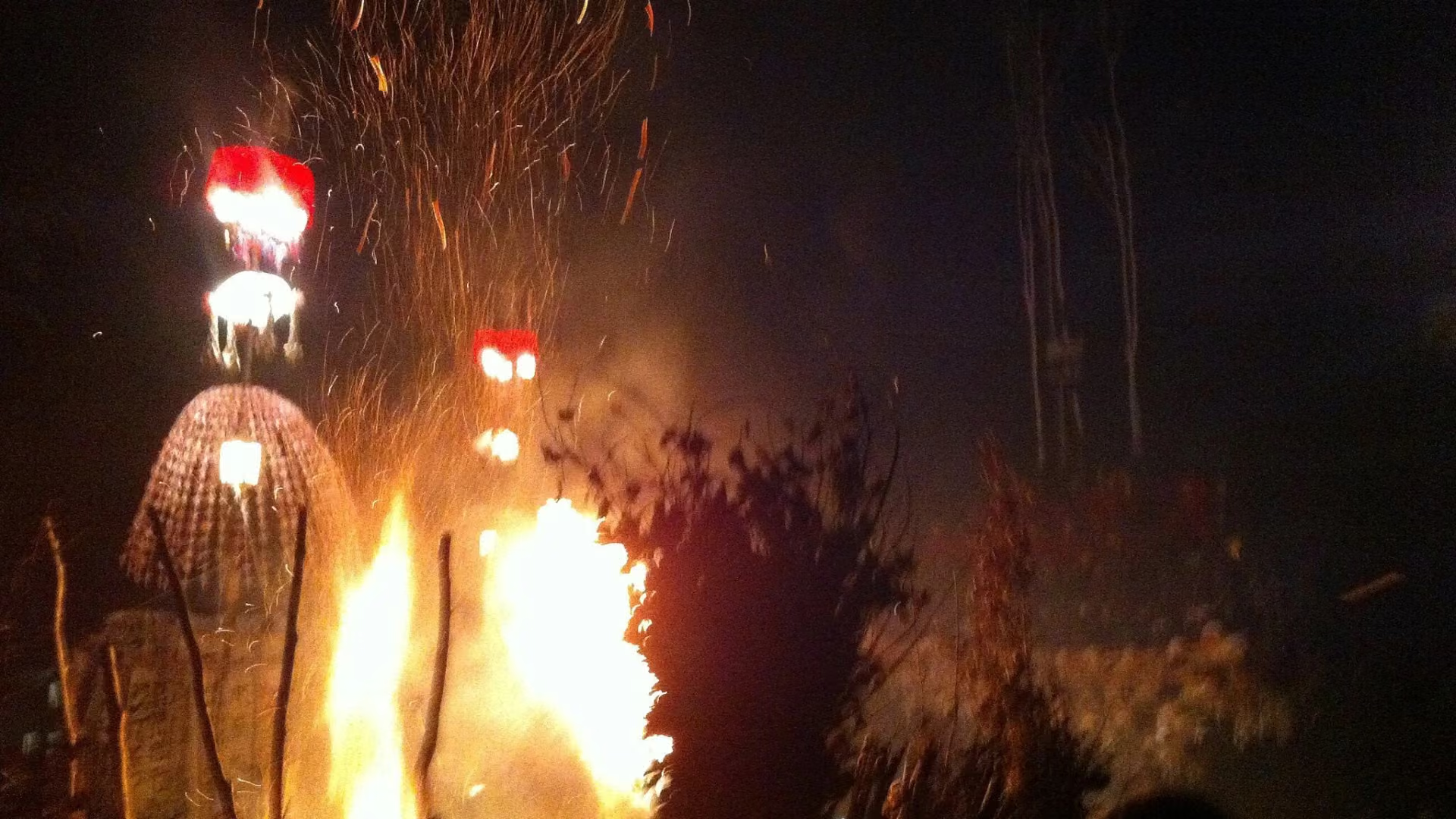
Nozawa Onsen Dosojin Festival
Dosojin, a folk deity protecting travelers and villages, is honored through this traditional festival featuring ceremonial fire and ritual.
15 Jan 2027Exact date not confirmed yetNozawaonsen · Nagano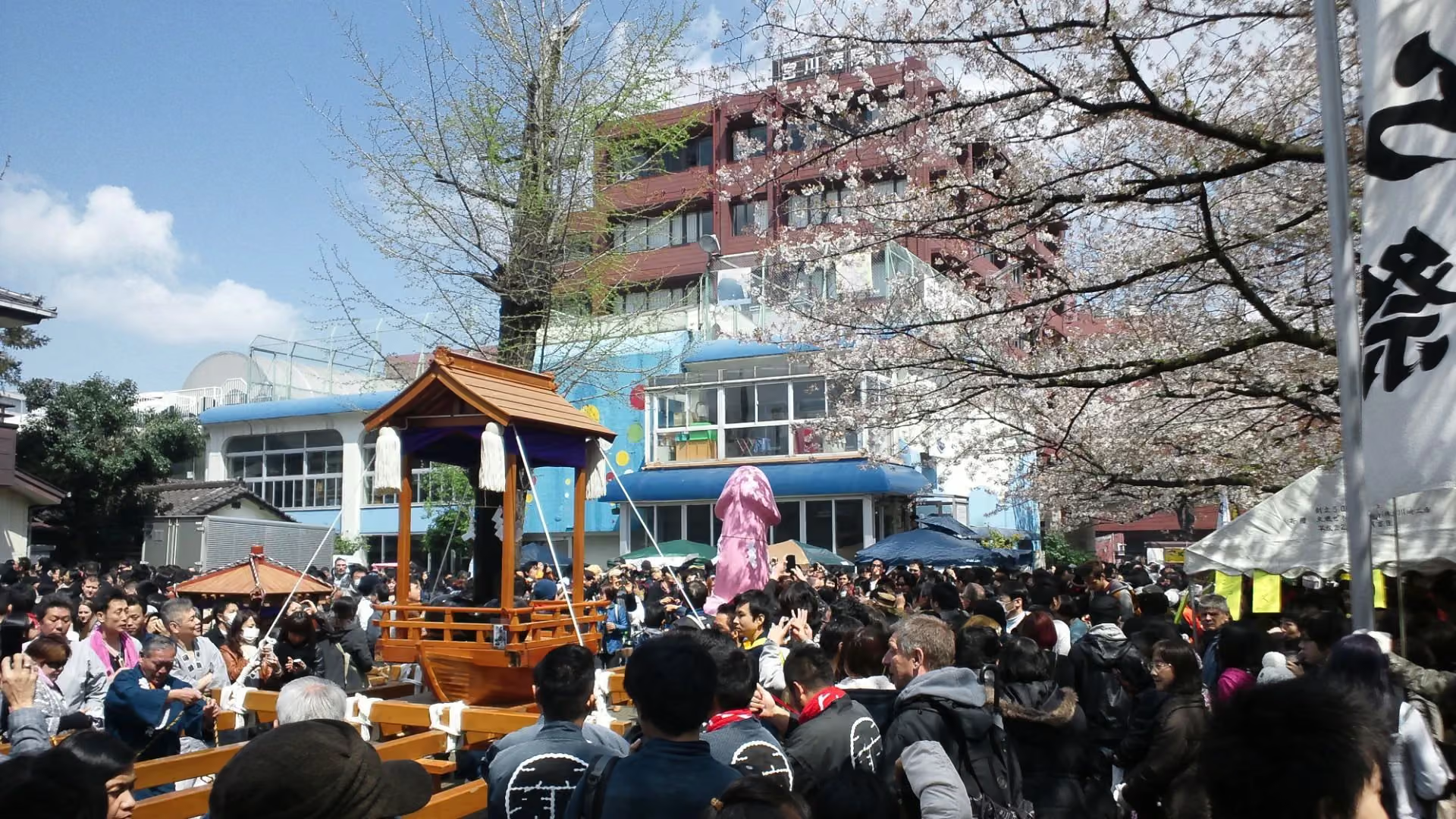
Kanamara Matsuri "Festival of the Steel Phallus"
An annual Shinto festival at Kanayama Shrine in Kawasaki featuring distinctive phallic imagery in decorations and parades while raising funds for HIV research.
5 Apr 2027Exact date not confirmed yetKawasaki · Kanagawa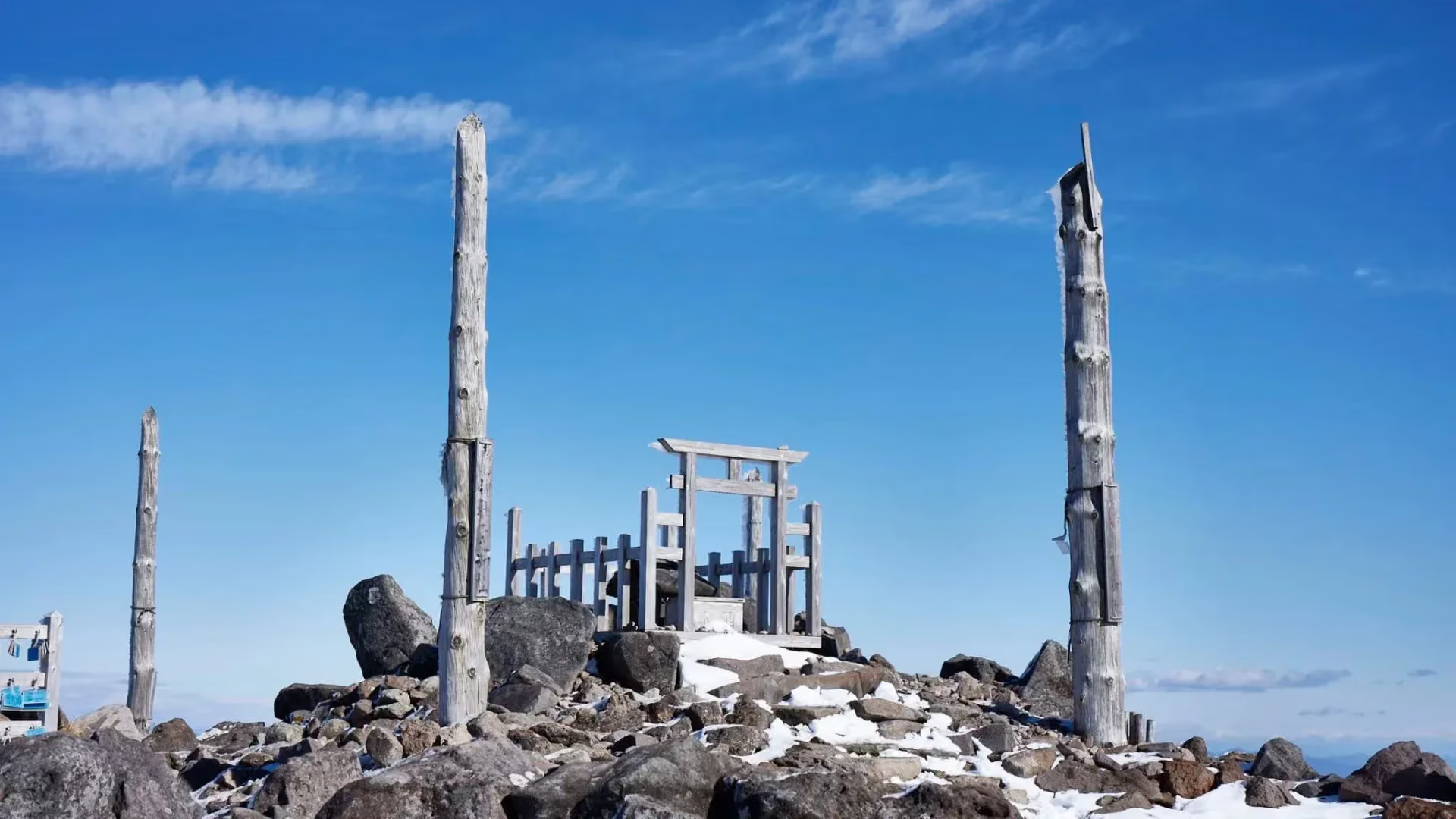
Kurumayama Shrine
Mountain shrine at 1,925 meters dedicated to the Shinto deity of mountains, regarded as sacred since the Jomon period and steeped in tengu folklore.
Chino · Nagano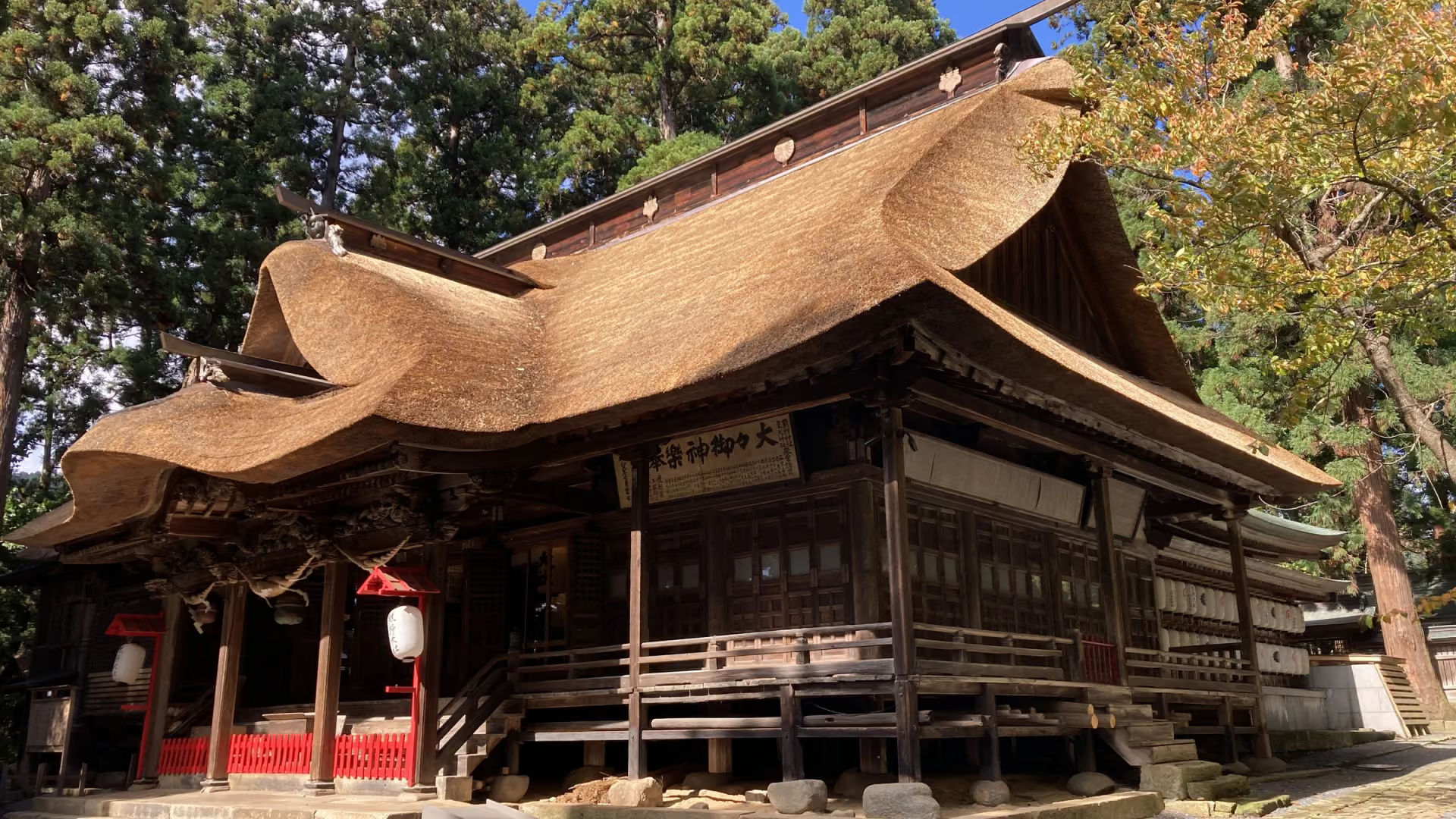
Kumano Taisha Shrine
One of three major Kumano shrines in Japan, Kumano Taisha was established in 806 and is known as the Ise Shrine of the North for its significance.
Nanyo · Yamagata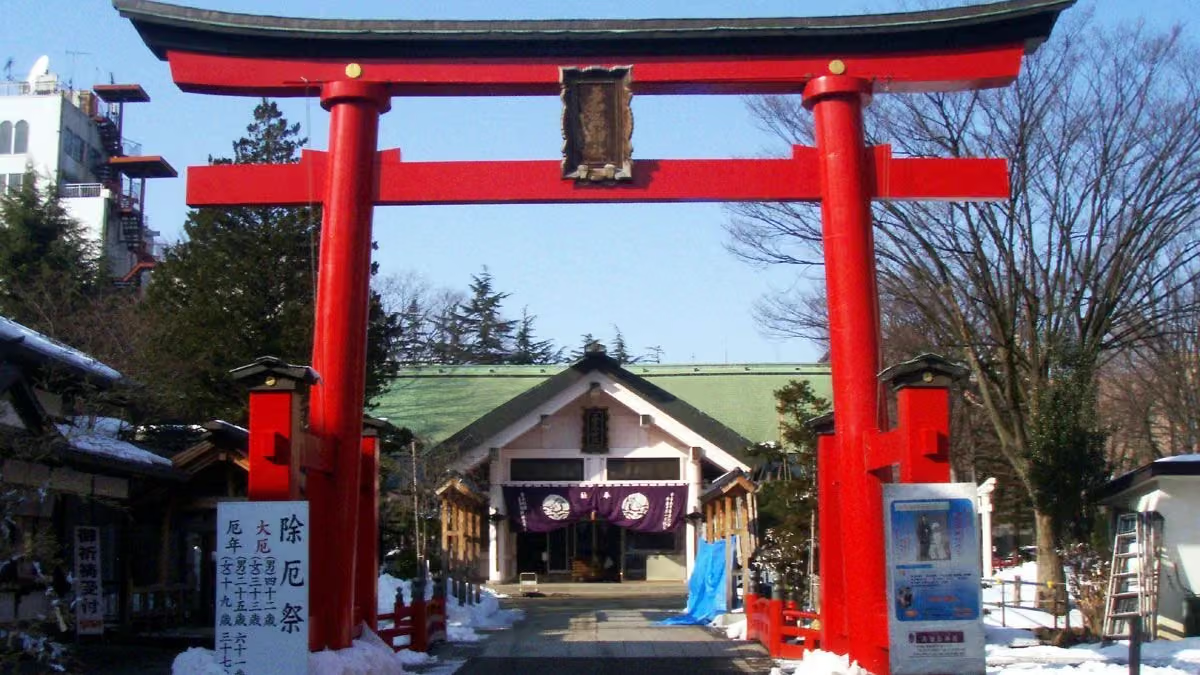
Uto Shrine
Guardian shrine of Aomori dedicated to the Three Goddesses of Munakata, with a sacred spring and historic remains including haiku stones by Matsuo Basho.
Aomori