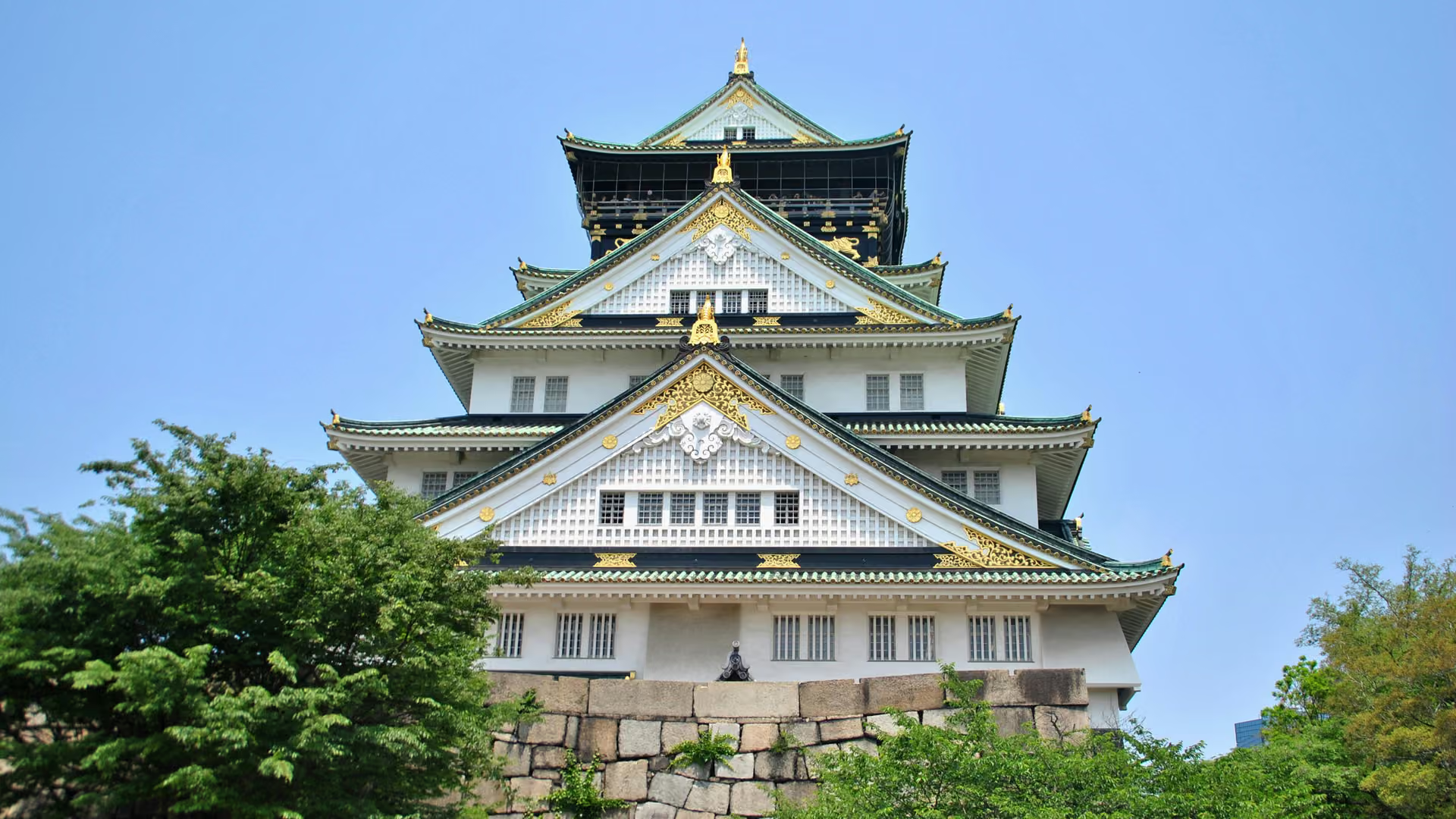
Open-Air Museum of Old Japanese Farmhouses
日本民家集落博物館
Japan's first open-air museum, opened in 1956, with 12 farmhouses from across the country built between the 17th and 19th centuries.
Last entry 16:30. When Monday is a public or substitute holiday, the museum opens and closes the next weekday instead. Closed over the New Year; check the official calendar.
〒 561-0873How to get there
緑地公園15 min walk from the station
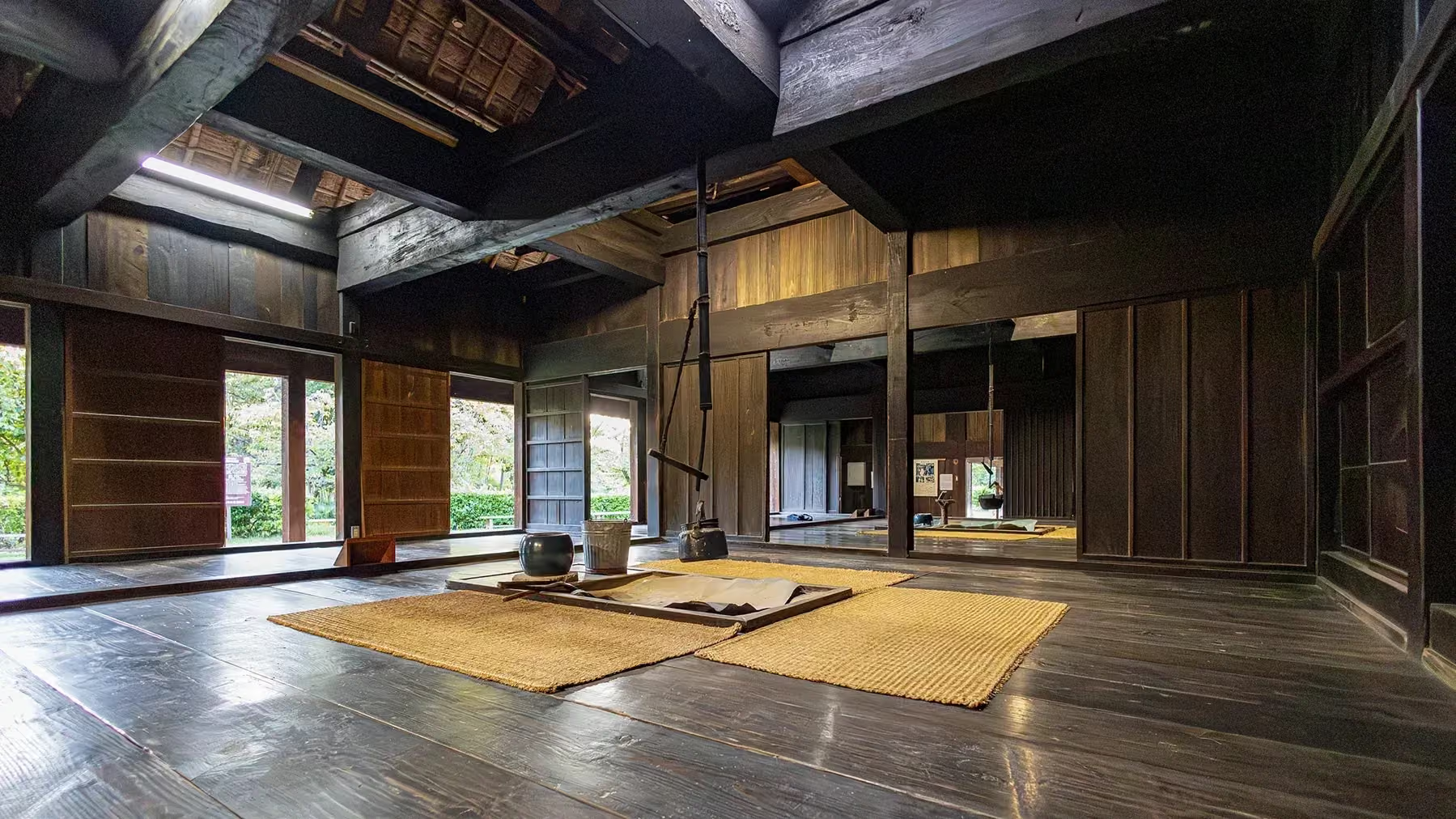
The Open-Air Museum of Old Japanese Farmhouses stands in a corner of Hattori Ryokuchi Park in Toyonaka, Osaka. Opened in 1956, it was the first open-air museum in Japan. Twelve farmhouses from regions between Iwate and Kagoshima, all built between the 17th and 19th centuries, were moved here and restored, and are shown with the tools their households used. The grounds cover about 36,000 square meters, planted with plum, cherry, bamboo and persimmon.
History
The museum opened to the public in October 1956 as the Toyonaka City Folk Museum (Toyonaka Shiritsu Minzokukan, 豊中市立民俗館). It became a registered museum in 1960 and took its present name in 1961. Since 2002 it has been run by the Osaka Prefecture Cultural Properties Center (Osaka-fu Bunkazai Center, 大阪府文化財センター).
Buildings
Nagayamon gate from Kawachi Fuse (Osaka): Registered Tangible Cultural Property, 2017
Farmhouse from Hyuga Shiiba (Miyazaki): Important Cultural Property, 1973
Farmhouse from Shinano Akiyama (Nagano): Important Cultural Property, 1964
Farmhouse from Yamato Totsukawa (Nara): Osaka Prefectural Tangible Cultural Property, 1974
Farmhouse from Echizen Tsuruga (Fukui): Osaka Prefectural Tangible Cultural Property, 1974
Tea room from Kitakawachi (Osaka): Registered Tangible Cultural Property, 2017
Magariya from Nambu (Iwate), an L-shaped farmhouse: Osaka Prefectural Tangible Cultural Property, 1974
Rural kabuki stage from Shodoshima (Kagawa): Osaka Prefectural Tangible Folk Cultural Property, 1974
Takakura storehouse from Amami Oshima (Kagoshima), raised on posts: Osaka Prefectural Tangible Cultural Property, 1974
Farmhouse from Settsu Nose (Osaka): Important Cultural Property, 1964
Gassho-zukuri farmhouse from Hida Shirakawa (Gifu): designated a national Important Folk Material in 1959, today an Important Tangible Folk Cultural Property
Rice storehouse from Dojima (Osaka): Registered Tangible Cultural Property, 2017
Windmill from Sakai (Osaka)
Activities
Hands-on activities in the grounds include tea gatherings, grinding with a stone mill, spinning tops and kimono dressing.
Getting There

Planning a trip? Fit this into a trip and Oni plans the rest around it.
You might also like
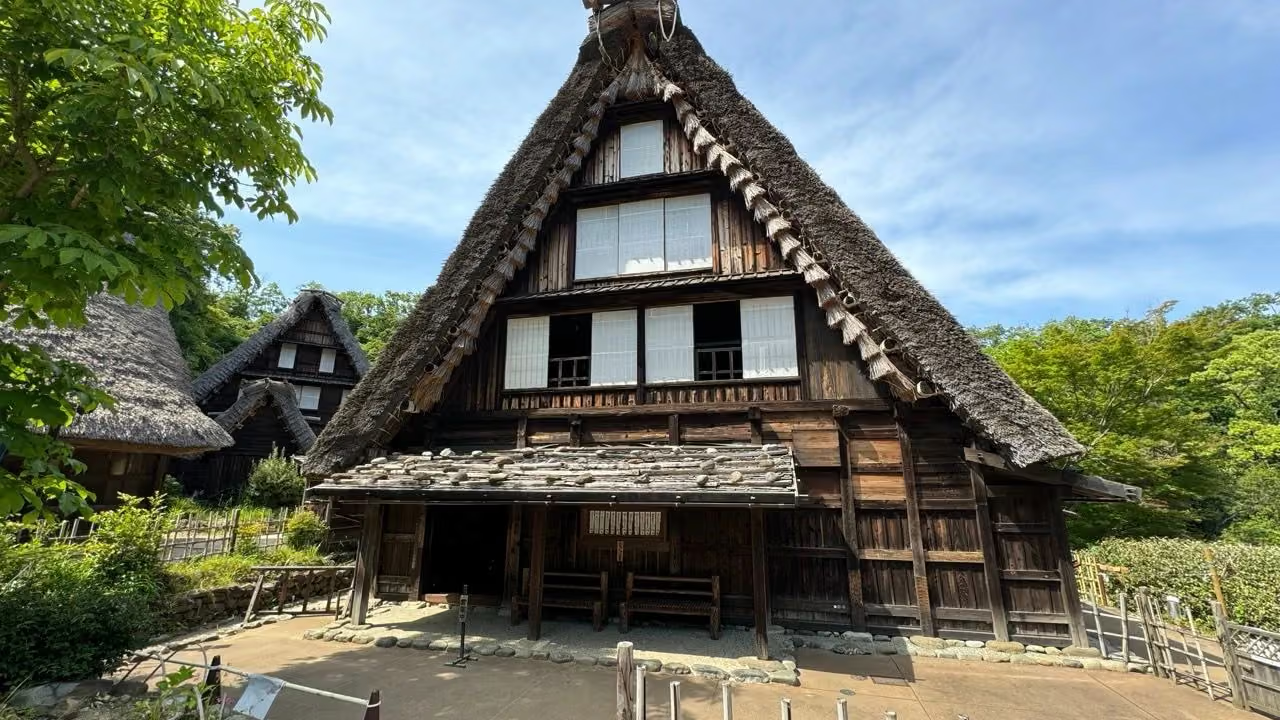
Japan Open-Air Folk House Museum
Open-air museum in Kawasaki with 25 traditional houses relocated from across Japan, plus indigo-dyeing sessions, a soba restaurant and craft displays.
Kawasaki · Kanagawa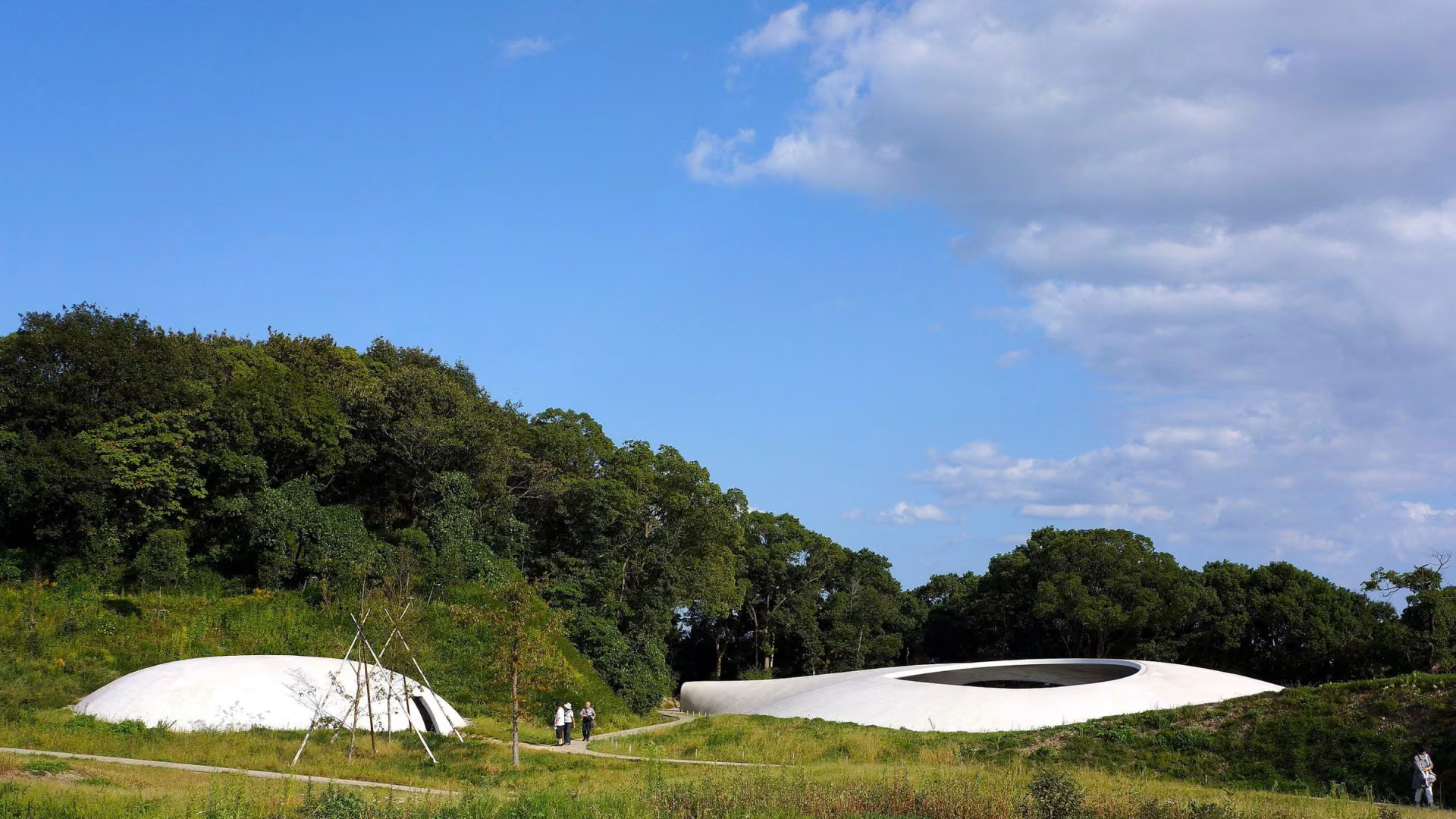
Teshima Art Museum
A water-droplet-shaped museum on Teshima Island by artist Rei Naito and architect Ryue Nishizawa, a pillar-free interior space open to wind, light and sound.
Tonosho · Kagawa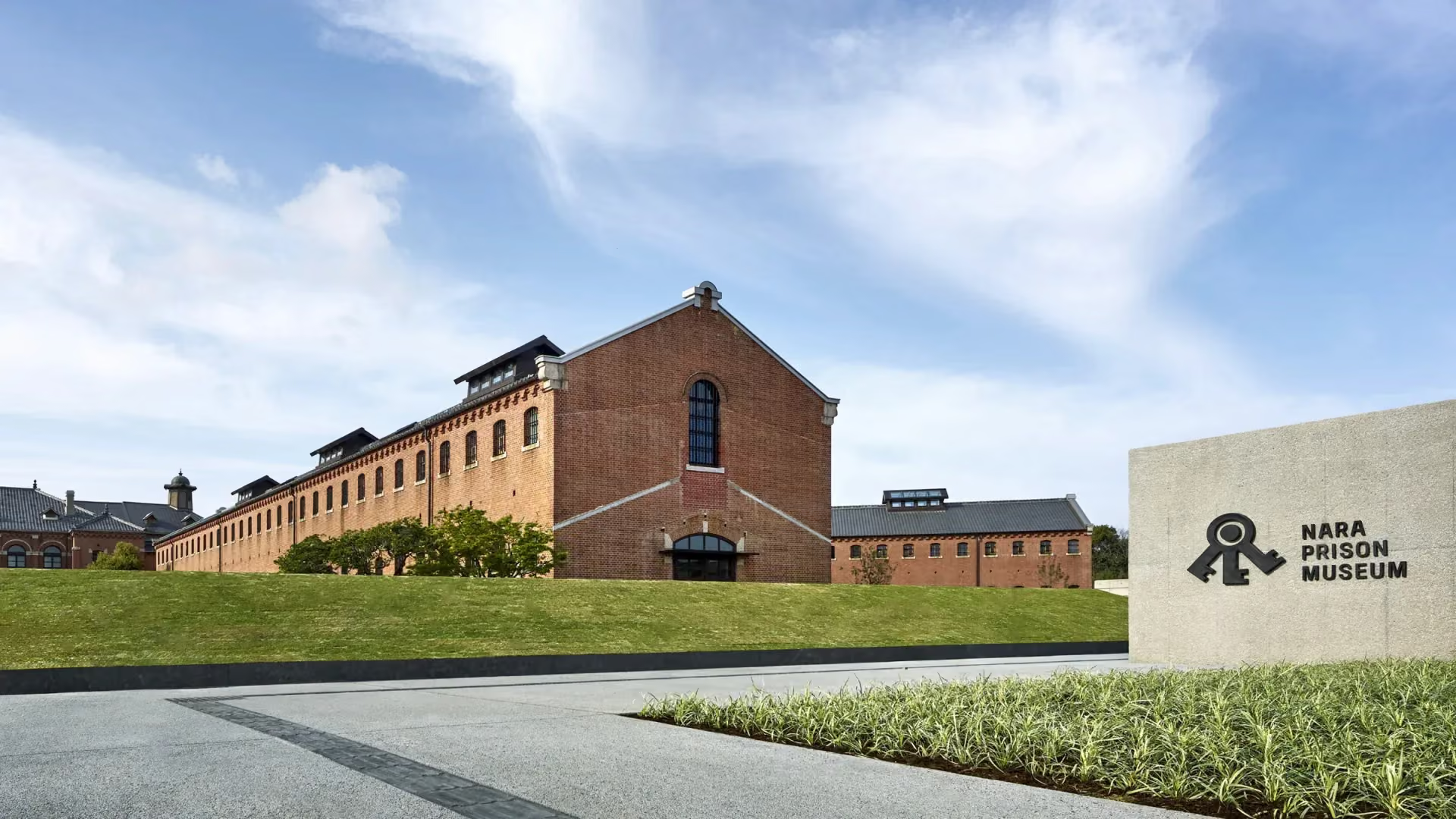
Nara Prison Museum
A Meiji-era red-brick prison (1908) and one of the Five Great Prisons with its original layout intact, now a museum operated by Hoshino Resorts.
Nara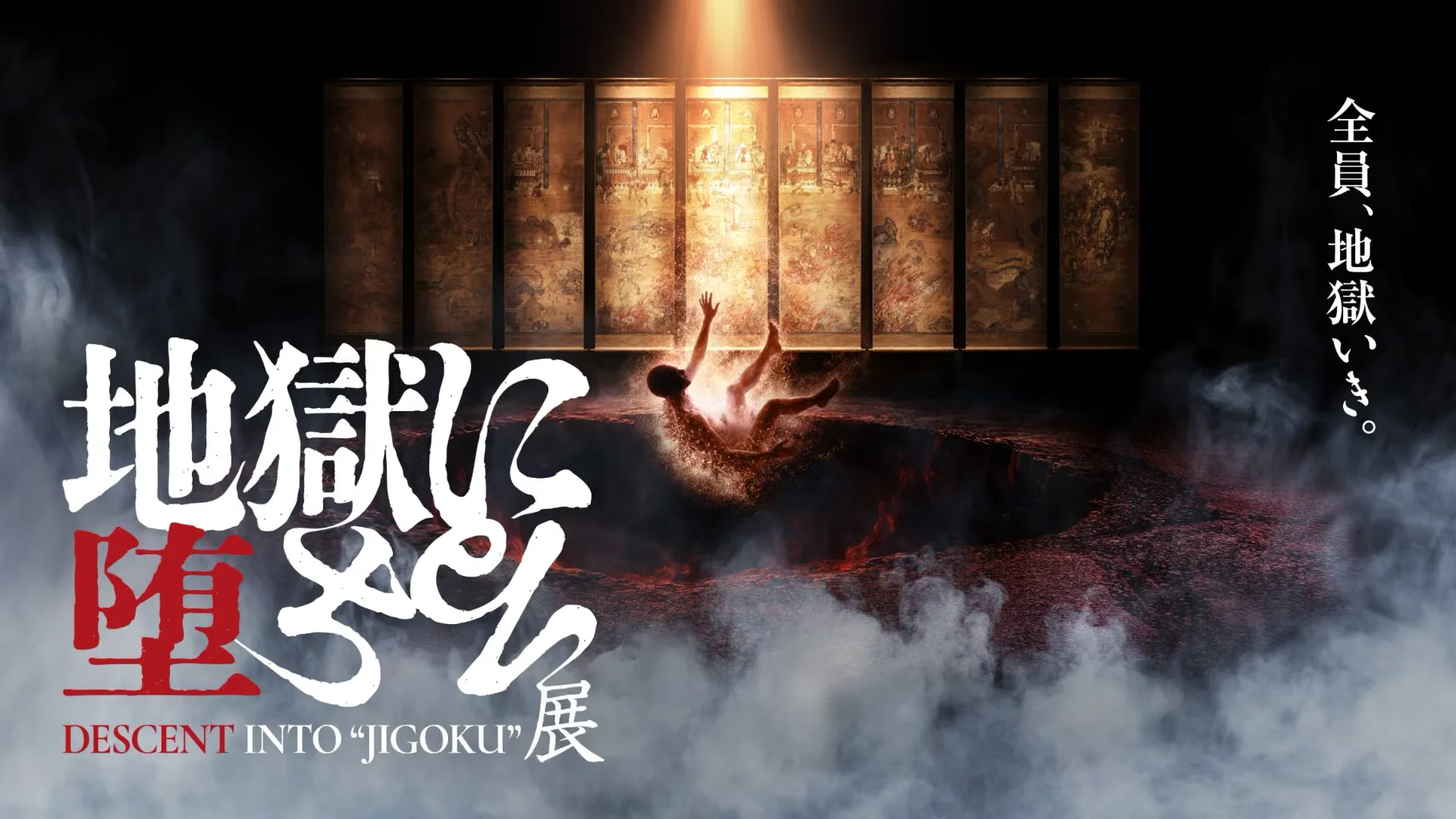
Descent into "Jigoku"
An exhibition in Osaka on the Japanese hell, following the path of the dead through full-size reproductions of painted scrolls and moving projections.
28 Nov – 27 Dec 2026Osaka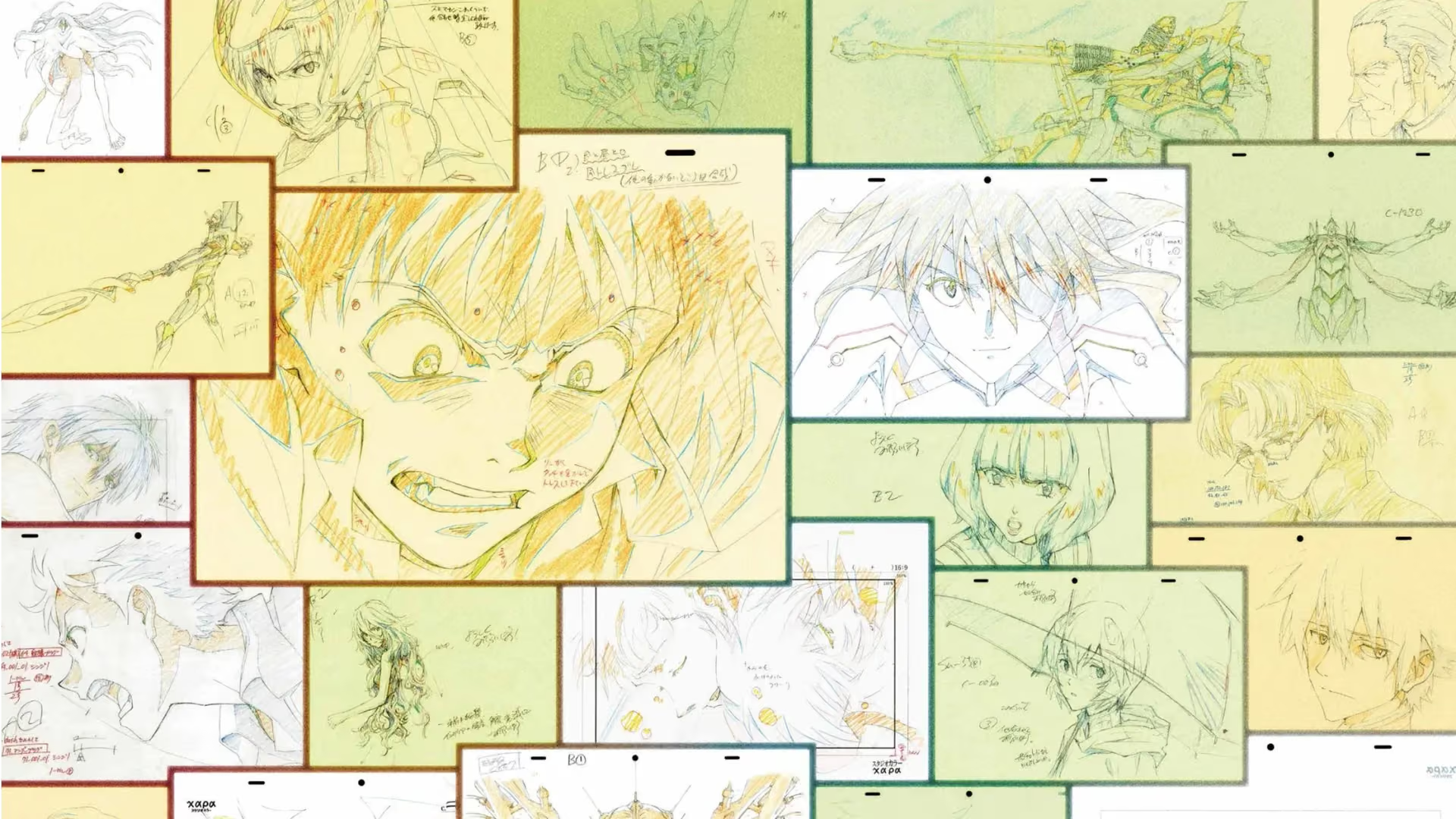
"ALL OF EVANGELION" 30th Anniversary Exhibition - Osaka
The Evangelion 30th anniversary exhibition comes to Hirakata Park in Osaka, with about 270 hand-painted cels, design material and film artwork.
18 Oct 2026 – 11 Jan 2027Osaka
Kimono EXPO Osaka
A yearly kimono fair at Shinsaibashi in Osaka, where weavers and dyers from across Japan show their work and short workshops teach the crafts behind it.
14–18 Oct 2027Exact date not confirmed yetOsaka