Japan Open-Air Folk House Museum
日本民家園
An open-air museum in Kawasaki with 25 traditional Japanese houses relocated from across the country, plus indigo-dyeing sessions, a soba restaurant, and craft displays.

Open Mondays that are public holidays. Closed the day after a public holiday.
〒 214-0032How to get there
向ヶ丘遊園Odakyu Odawara Line17 min walk from the station
The Japan Open-Air Folk House Museum, also known as Nihon Minka-en, is a captivating outdoor museum. It offers a unique glimpse into the traditional rural architecture and lifestyle of Japan. Established in 1967, the museum is nestled within the picturesque Ikuta Ryokuchi Park.
The museum brings together 25 traditional structures, relocated from across Japan and rebuilt on the park's wooded hillside. Most date from the Edo period (1603–1868) – the oldest thought to be the Kiyomiya House, with the Kitamura House dated by an ink inscription to 1687, among the earliest surviving folk dwellings in the country – while a handful reach into the Meiji and Taisho eras of the early 20th century. They come from a striking geographic spread, from the snow country of Iwate and Yamagata in the north to the Amami Islands off Kagoshima in the far south.
The collection is also far more than farmhouses. Alongside thatched minka you will find a samurai residence gate, merchant houses, a fishing net-master's home, a working water mill, an elevated island storehouse, and even a village kabuki stage complete with a revolving floor. Several buildings are grouped so that regional styles can be compared side by side. The most striking are the gassho-zukuri houses, with steep thatched roofs shaped like hands pressed together in prayer, brought from the Gokayama (Toyama) and Shirakawa-go (Gifu) districts now celebrated as UNESCO World Heritage villages; others show distinctive local forms, such as the L-shaped magariya of Iwate, where families lived under one roof with their horses.
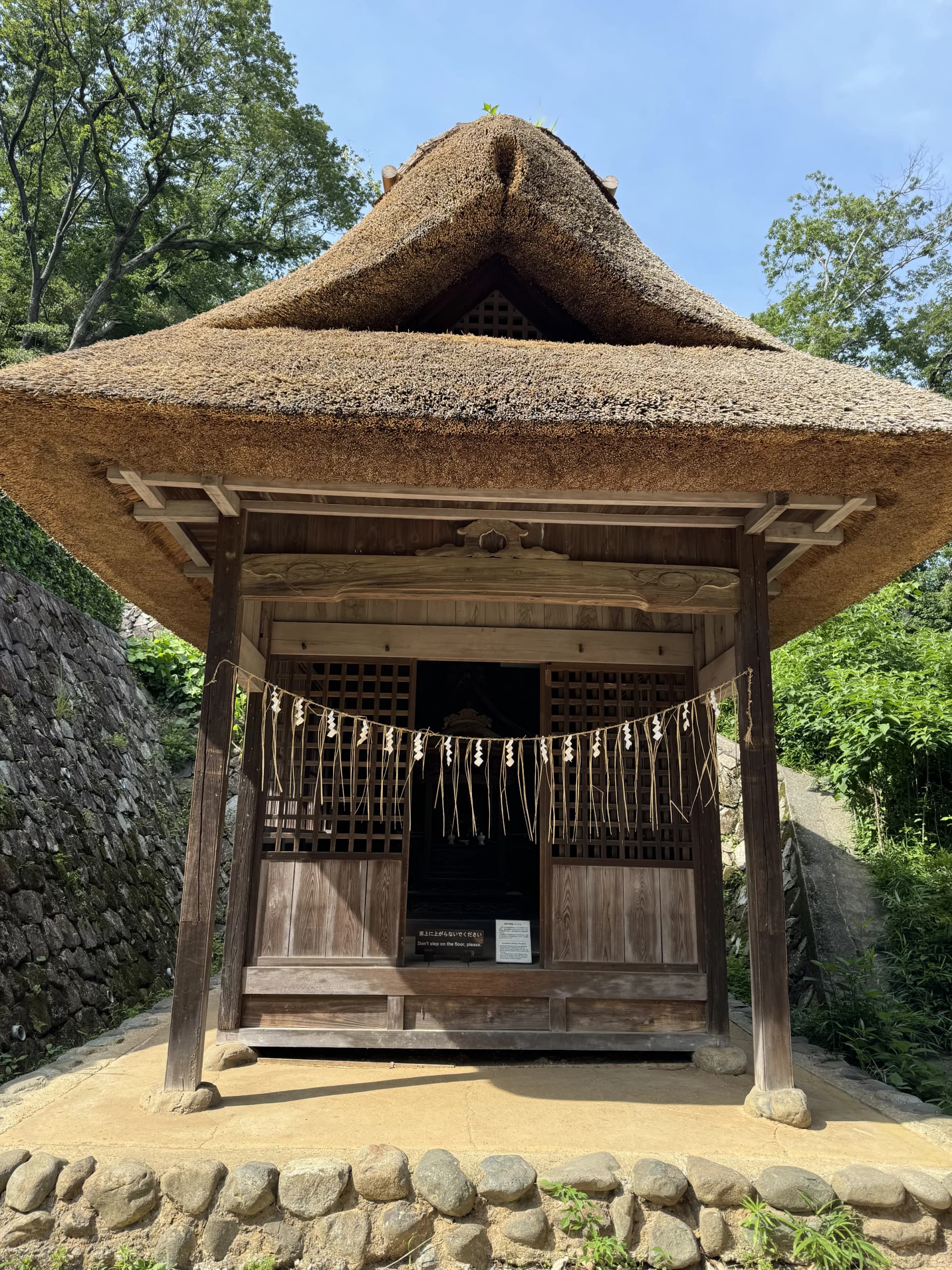
Seven of the houses are designated National Important Cultural Properties, and the kabuki stage from Mie is a National Important Tangible Folk Cultural Property, with many of the remaining buildings holding prefectural or municipal heritage status. Fittingly, it was the preservation of one of these – the Ito House, a farmhouse from Kawasaki itself – that first prompted the museum's founding in 1967.
The museum is designed to be an immersive experience. As visitors wander through the village-like setting, they can observe traditional crafts and activities, such as weaving, pottery, and indigo dyeing, often demonstrated by skilled artisans. Seasonal events and festivals are also held throughout the year, showcasing traditional music, dance, and customs, further enriching the cultural experience.
Traditional Indigo Dyeing
At the museum's west gate stands the Traditional Crafts Building, home to a working indigo-dyeing studio that carries on the techniques of Kawasaki's historic dye houses. Visitors can try the craft for themselves in a hands-on session, patterning and dyeing an item to take home – a handkerchief, bandana, tenugui hand towel, or tote bag – with no experience needed. Sessions take about an hour to ninety minutes and must be booked in advance.
Eating and shopping
Set inside one of the museum's most impressive buildings, the soba restaurant Shirakawago occupies the ground floor of the gassho-zukuri Yamashita House, near the centre of the grounds. The buckwheat noodles are made in-house using spring water from Oshino, a village at the foot of Mount Fuji in Yamanashi. The restaurant can be visited on its own via the side entrance beside the house, so you can stop for a bowl without touring the whole park.
The shop at the main building carries the museum's own publications and booklets alongside a range of original goods: postcards, letter paper, clear files and other stationery, original-design T-shirts, folk tools made by the museum's preservation society, and indigo-dyed products from the Traditional Crafts Building.
Getting There

Places nearby
Ikuta Ryokuchi Park
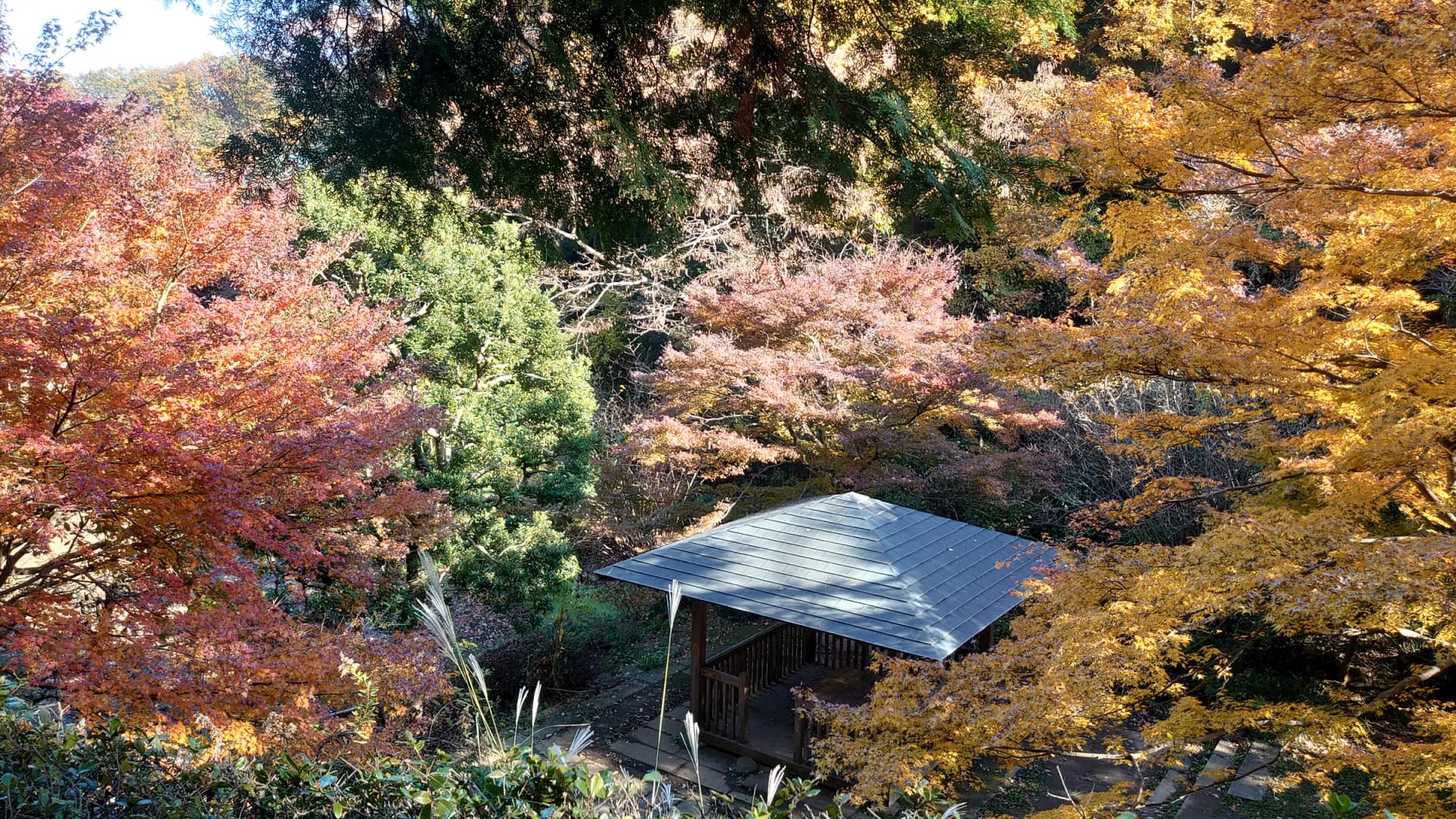
Kawasaki's largest green space, blending woodland and wetland with museums, a planetarium, indigo dyeing, and seasonal cherry blossom, irises, and autumn foliage.
Kawasaki · Kanagawa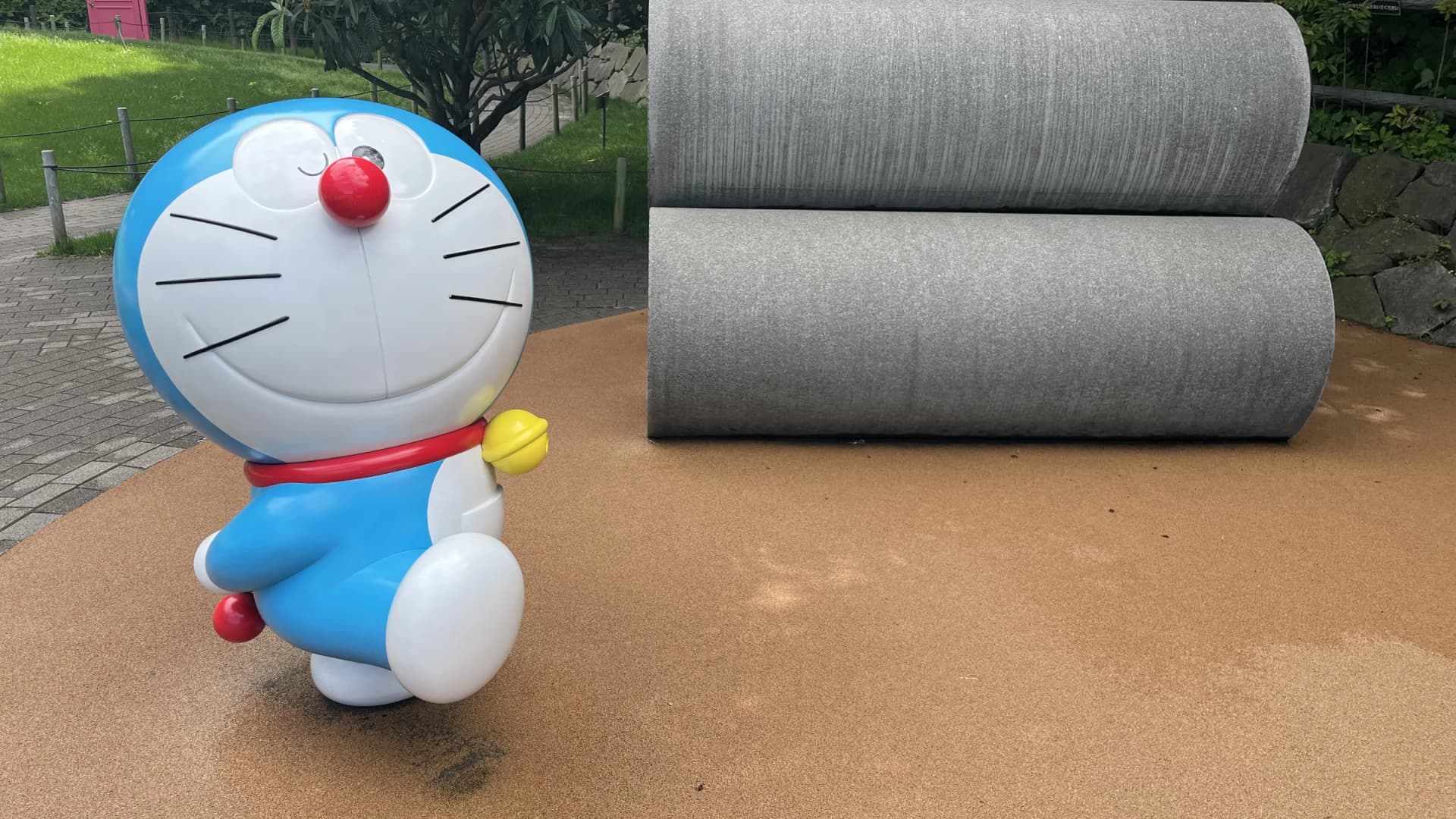
Fujiko・F・Fujio Museum
This museum celebrates Fujiko·F·Fujio, creator of Doraemon, displaying his original works, workspace, and interactive exhibits for manga fans.
Kawasaki · Kanagawa
Myorakuji Temple
A Tendai temple in the Nagao Hills of Kawasaki, known as the "hydrangea temple" for the 1,000 shrubs that fill its grounds each June, with a June festival.
Kawasaki · KanagawaYou might also like

Shin-Yokohama Ramen Museum
Opened in 1994 as the world's first ramen-themed food amusement park, this museum gathers famous ramen shops from across Japan in a single location.
Yokohama · Kanagawa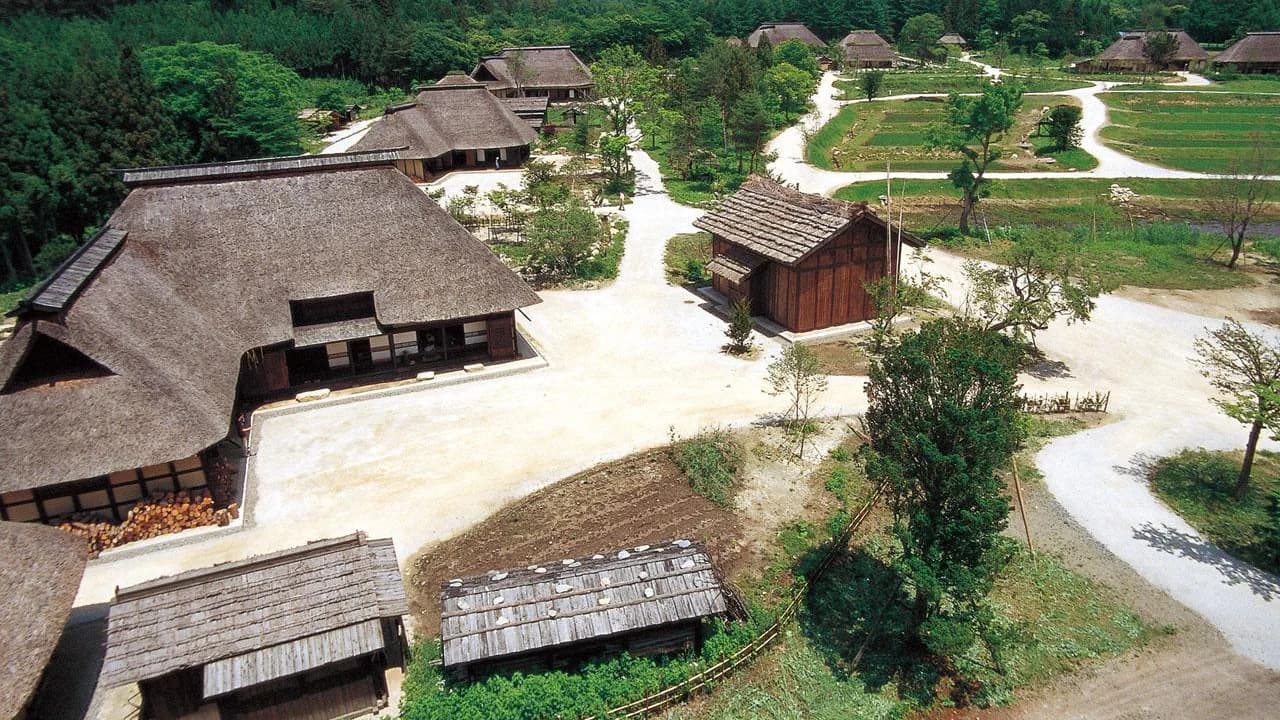
Tono Furusato Village
Seven old farmhouses of the Nanbu type moved to a valley in Iwate and kept as a working village, with horses, paddies and a water mill.
Tono · Iwate
Nighttime Special Opening: Autumn Foliage and Building Light-Up
This evening event illuminates historic buildings and autumn foliage at the museum while showcasing traditional Japanese lighting methods like paper lanterns and gas lamps.
22–23 Nov 2026Koganei · Tokyo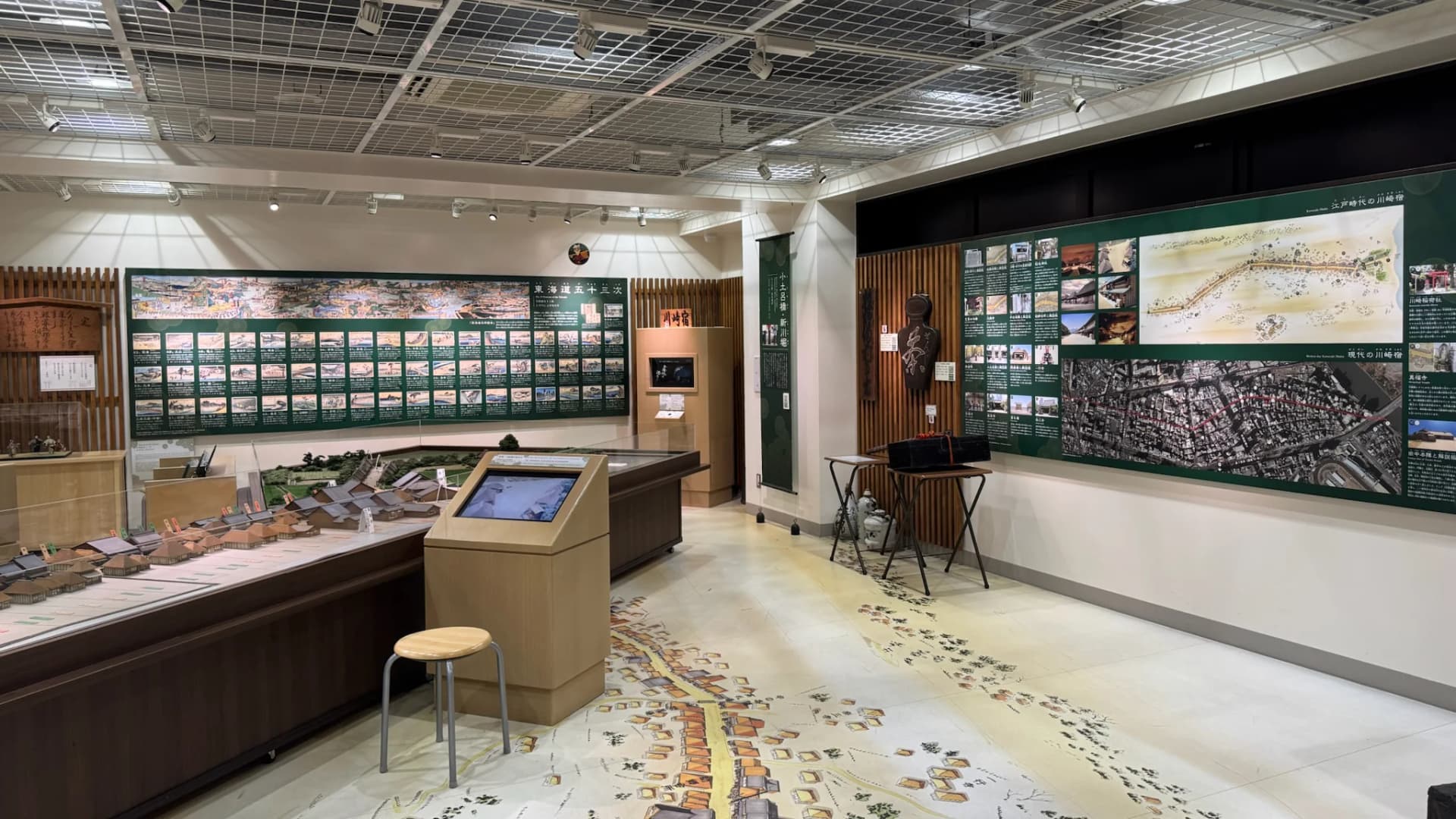
Tokaido Kawasaki Shuku Koryukan
A small, free museum near Kawasaki Station on the history of Kawasaki Shuku, the Edo-period post town on the old Tokaido highway between Edo and Kyoto.
Kawasaki · Kanagawa
Kimono EXPO 2026 Tokyo
A yearly kimono fair in Yurakucho, Tokyo, where weavers and dyers from across Japan show their work and short workshops teach the crafts behind it.
7–12 Oct 2026Tokyo
Fujiko F. Fujio Museum Autumn & Winter Fair 2026-27
Christmas trees, winter window art, evening lighting on the Harappa and warm seasonal drinks at the Fujiko F. Fujio Museum in Kawasaki.
From 7 Oct 2026Kawasaki · Kanagawa