Shokoku-ji
相国寺
Head temple of the Shokoku-ji branch of Rinzai Zen in Kyoto, founded by Ashikaga Yoshimitsu, with a Dharma Hall of 1605 and a dragon painted on its ceiling.
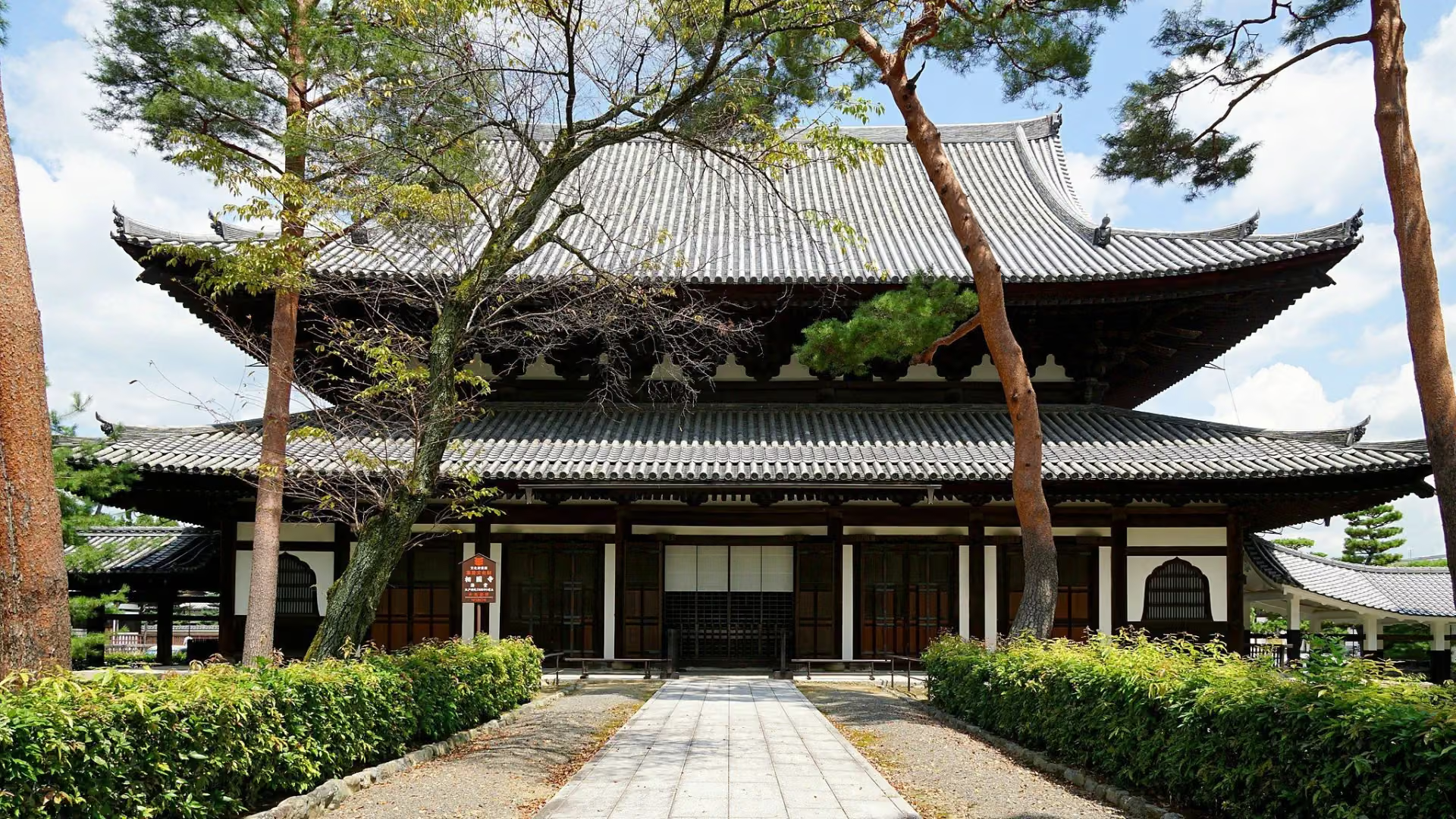
The Hatto, Hojo and Kaisando open only during the spring and autumn special viewings (about late March to early June and late September to mid December); some days close for ceremonies, so check the official calendar. Last entry 16:00.
〒 602-0898How to get there
今出川7 min walk from the station
Shokoku-ji is the head temple of the Shokoku-ji branch of Rinzai Zen Buddhism, on Imadegawa Street in Kamigyo, Kyoto. Its full name is Mannenzan Shokoku Jotenzenji (萬年山相國承天禅寺). Kinkaku-ji and Ginkaku-ji both belong to it as sub-temples outside its grounds, and monks of Shokoku-ji take turns running them.
History
The third Ashikaga shogun, Ashikaga Yoshimitsu, began building the temple in 1382, and it was completed in 1392. Muso Soseki (夢窓疎石) is honoured as its founding priest, and Shunoku Myoha (春屋妙葩) was its first abbot. It ranked second among the Kyoto Gozan (京都五山), the five leading Zen temples of the city.
Fire destroyed the main halls in 1394 and again in 1425, and the Onin War and later fighting brought more losses. A revival began in 1584 under the monk Saisho Jotai (西笑承兌). The great Tenmei fire of 1788 burned most of the temple once more; the Kaisando, Hojo and Kuri standing today were rebuilt in 1807.
The Hatto
The Hatto (法堂), the Dharma Hall, was rebuilt in 1605 with a donation from Toyotomi Hideyori and survived the 1788 fire. The temple describes it as the oldest Hatto in Japan, and it has been an Important Cultural Property since 1950. A coiled dragon about 9 m across, painted by Kano Mitsunobu, covers its ceiling and is known as the Nakiryu (鳴き龍), the crying dragon. The main image, a Shaka Nyorai, is traditionally attributed to Unkei.
Other buildings and the museum
The Hojo (方丈), the abbot's hall, has sliding-door paintings by Hara Zaichu, and the garden behind it is plain white sand. The Kaisando (開山堂) holds a wooden statue of Muso Soseki; its south garden joins raked sand with a sloping moss bank. The Hojo, Kaisando, Kuri, bathhouse, bell tower and gates are among nine buildings designated Tangible Cultural Properties of Kyoto Prefecture in 2007.
The Jotenkaku Museum (承天閣美術館), opened in 1984, keeps the treasures of the temple and its sub-temples, among them 5 National Treasures, 145 Important Cultural Properties and ink paintings by Ito Jakuchu.
Getting There

Planning a trip? Fit this into a trip and Oni plans the rest around it.
Places nearby
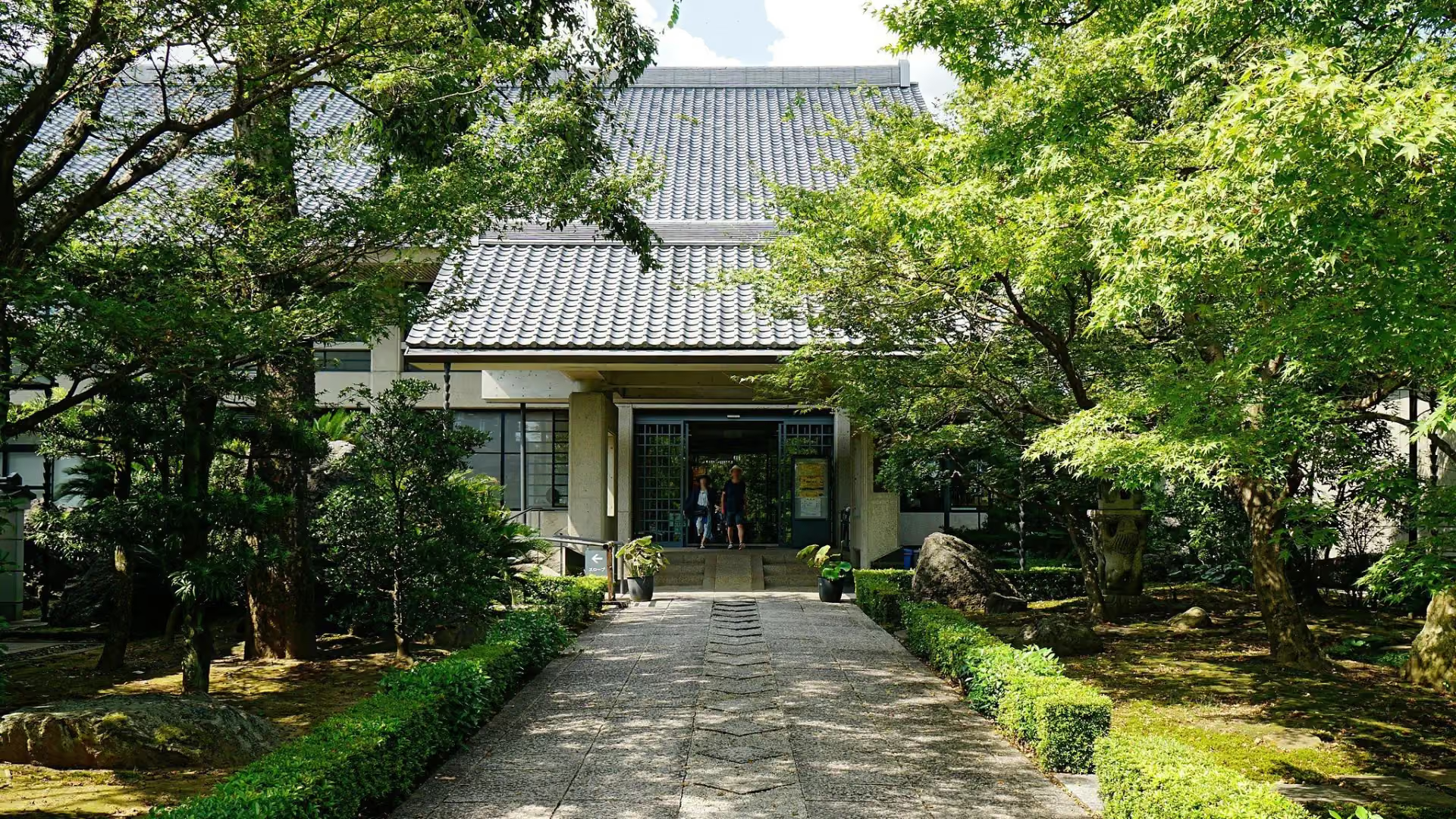
Jotenkaku Museum
Art museum of the Zen temple Shokoku-ji in Kyoto, holding five National Treasures and 145 Important Cultural Properties, with wall paintings by Ito Jakuchu.
Kyoto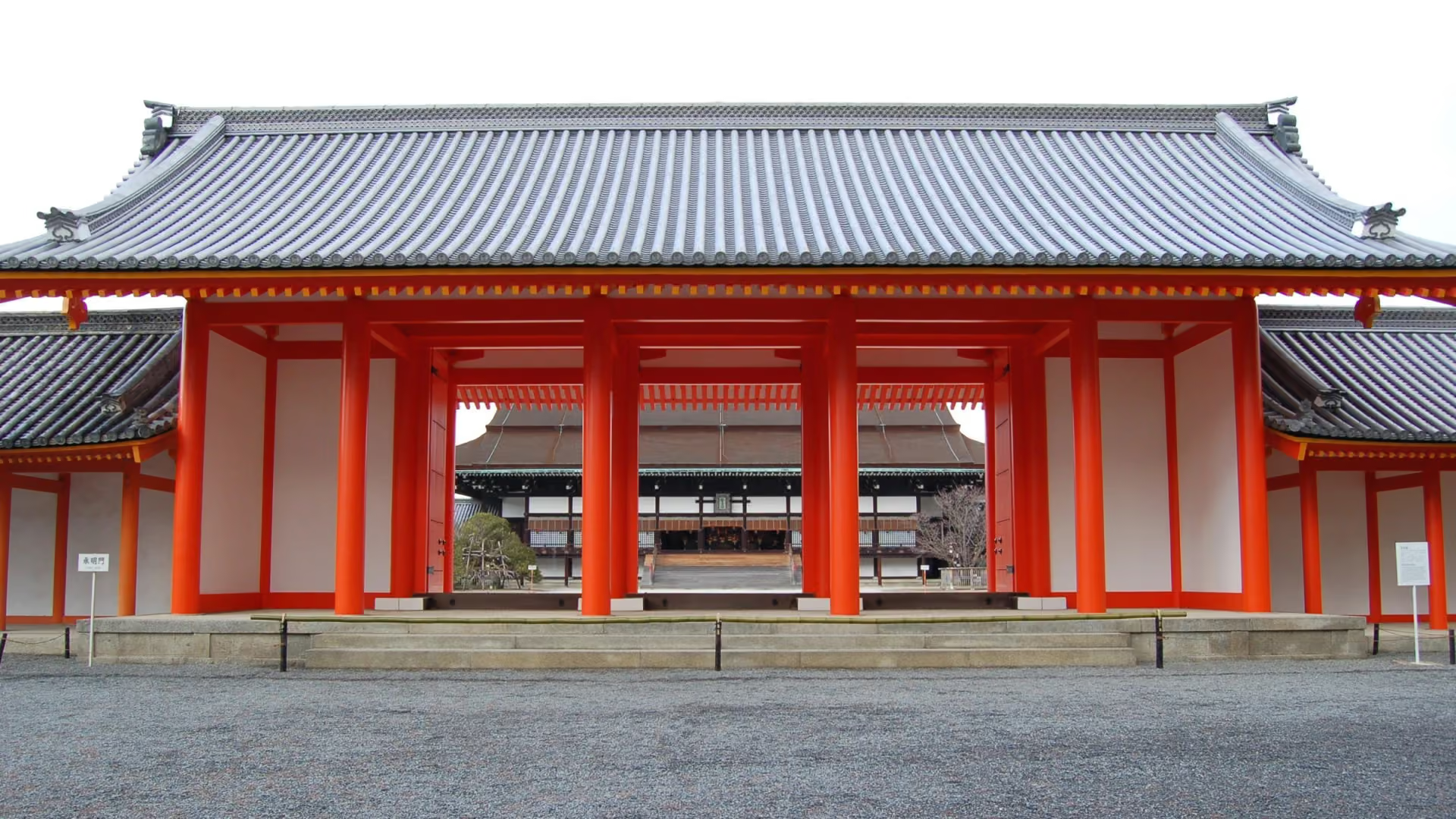
Kyoto Imperial Palace
The residence of the emperors in Kyoto from 1331 until 1869, its present halls built in 1855 in the style of the Heian court, open all year without booking.
Kyoto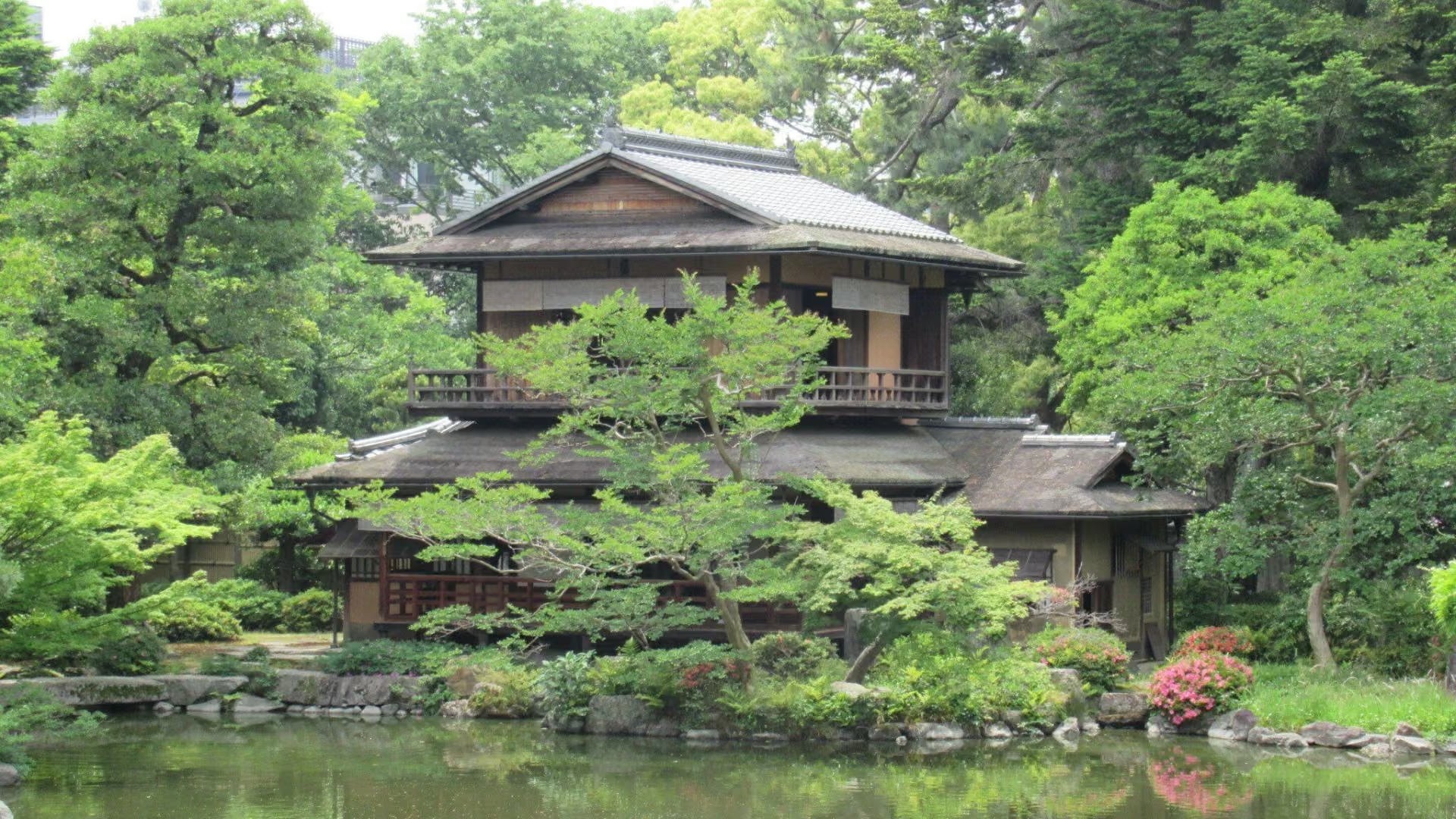
Kyoto Gyoen National Garden
National garden of about 65 hectares around the Kyoto Imperial Palace, laid out from 1877 on the cleared quarter of the court nobles' residences.
KyotoYou might also like
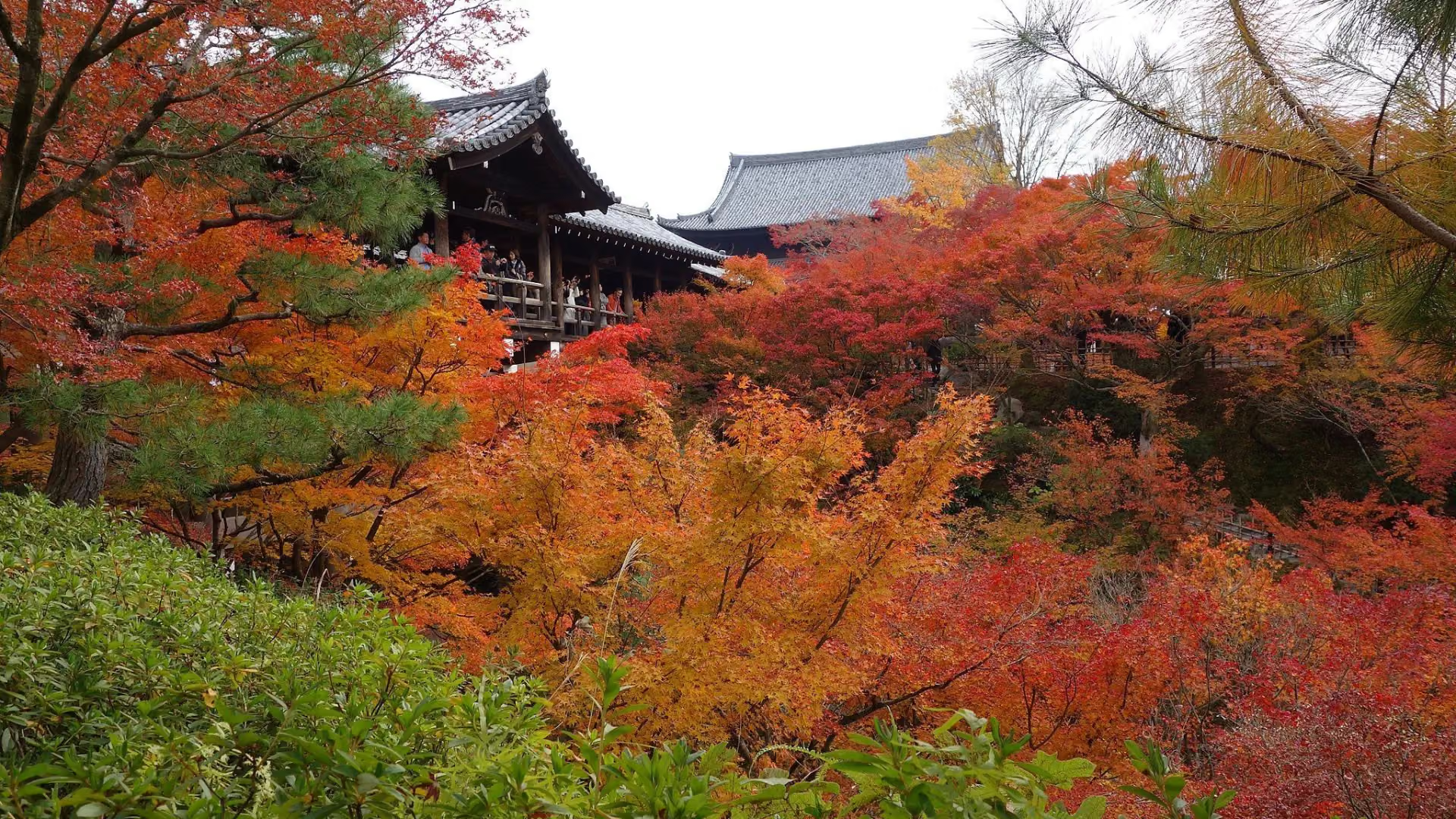
Tofukuji Temple
Head temple of a Rinzai Zen branch in Kyoto, known for the maple valley under the Tsutenkyo bridge and the 1939 garden around the abbot's quarters.
Kyoto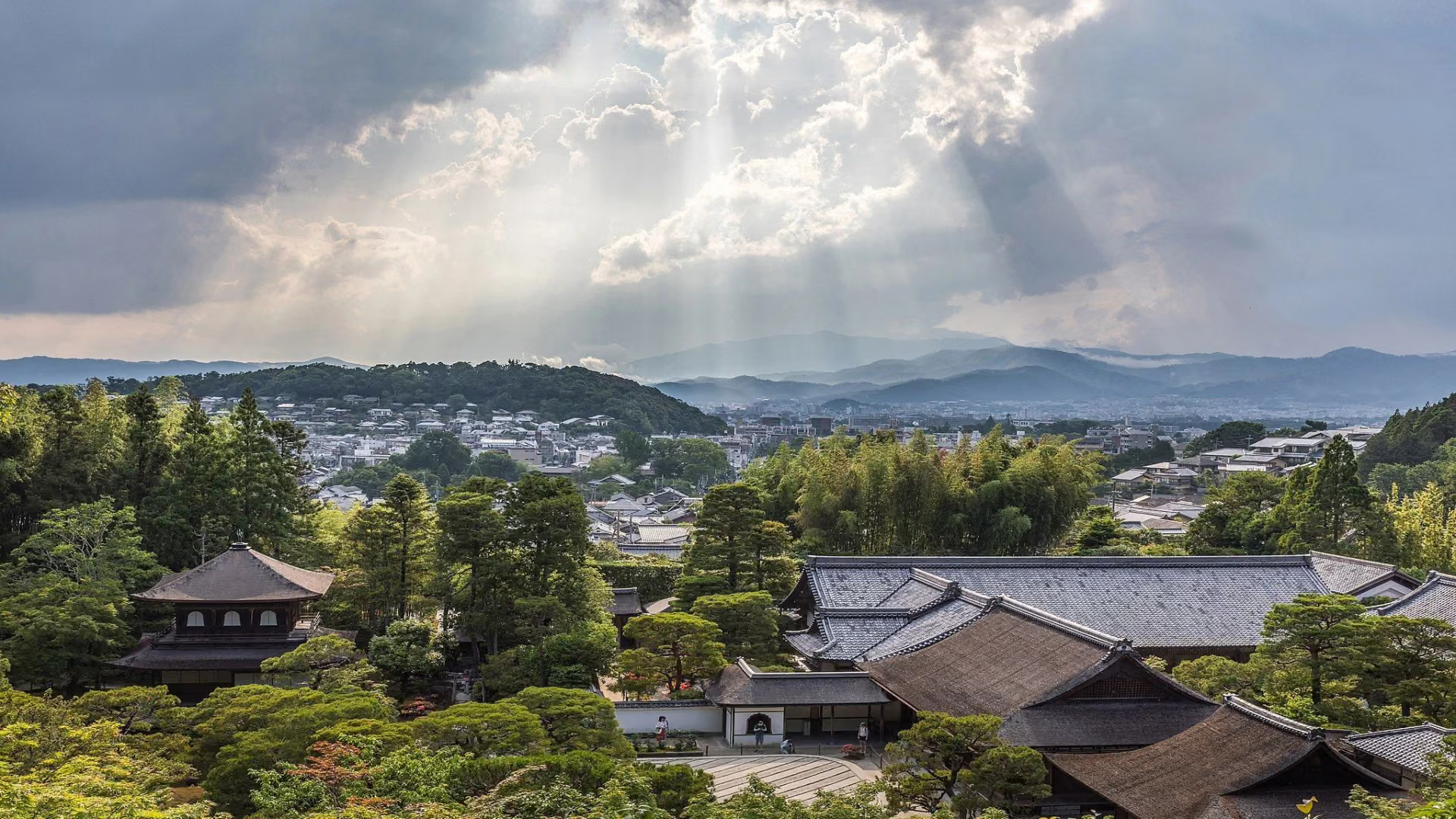
Ginkaku-ji
Zen temple in Kyoto that grew out of shogun Ashikaga Yoshimasa's villa, with the Silver Pavilion and the Togudo, both National Treasures, and a sand garden.
Kyoto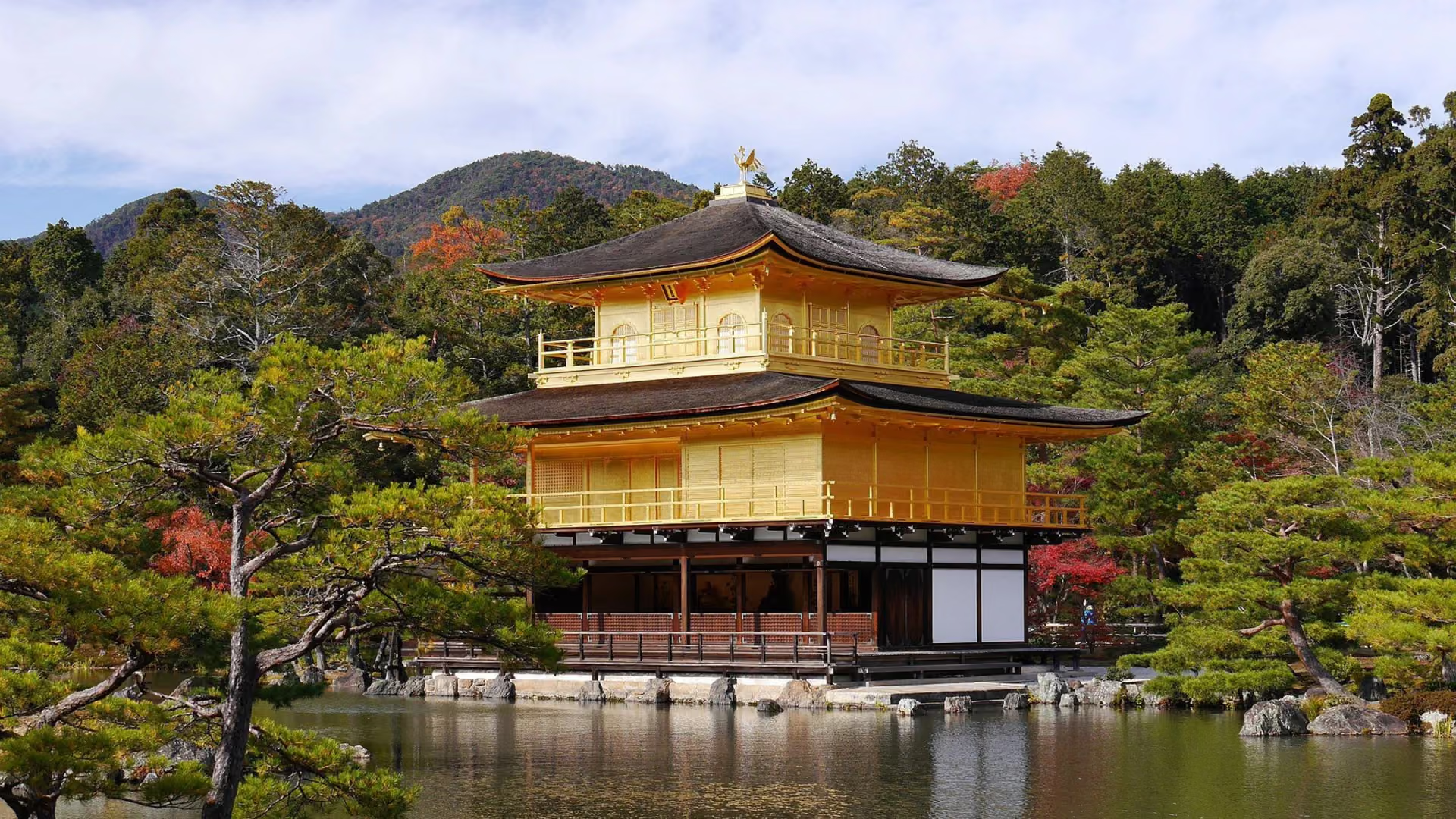
Kinkaku-ji
A Zen temple in Kyoto whose three-storey Golden Pavilion, covered in gold leaf, stands over a pond garden laid out for shogun Ashikaga Yoshimitsu.
Kyoto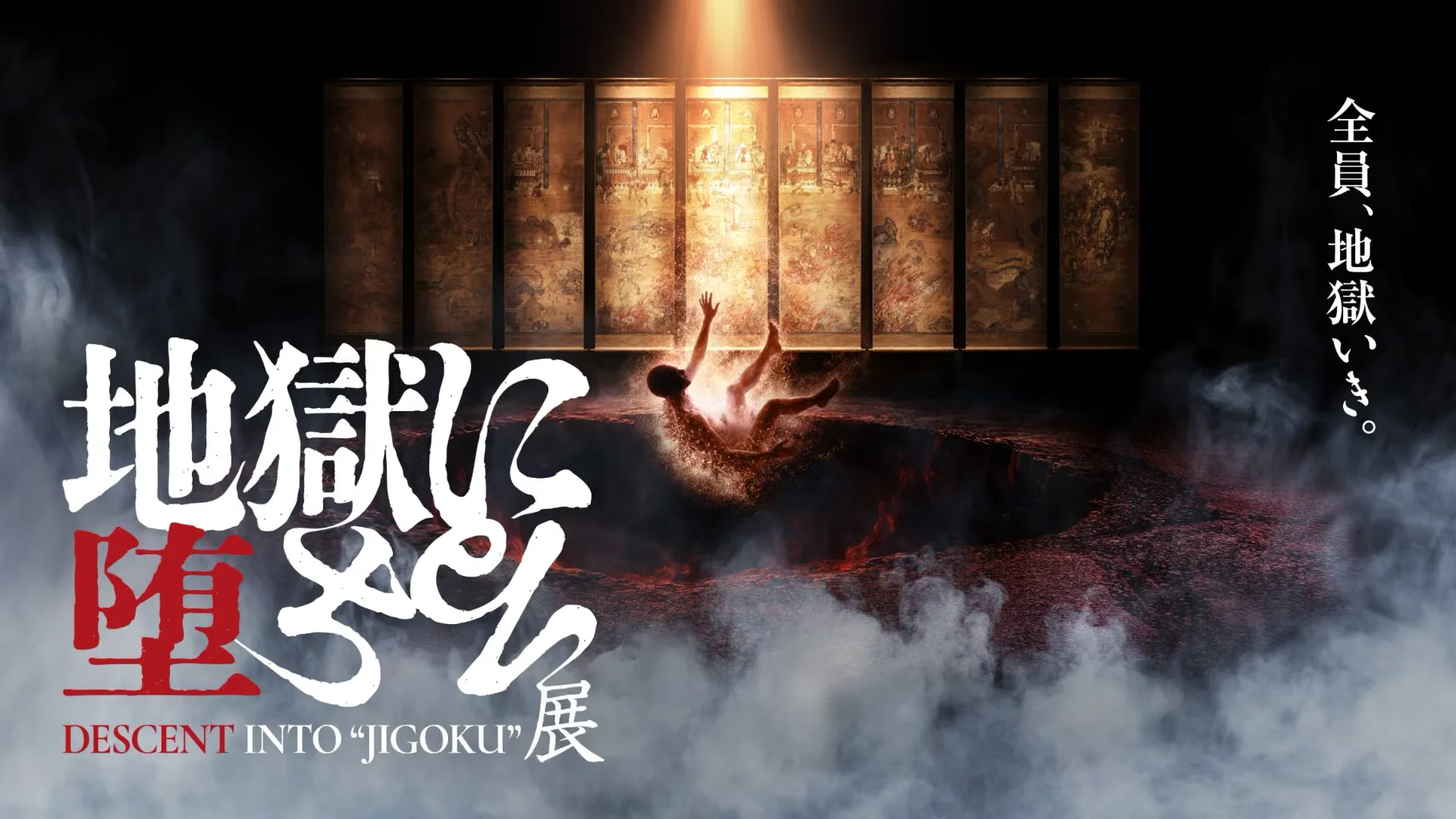
Descent into "Jigoku"
An exhibition in Osaka on the Japanese hell, following the path of the dead through full-size reproductions of painted scrolls and moving projections.
28 Nov – 27 Dec 2026Osaka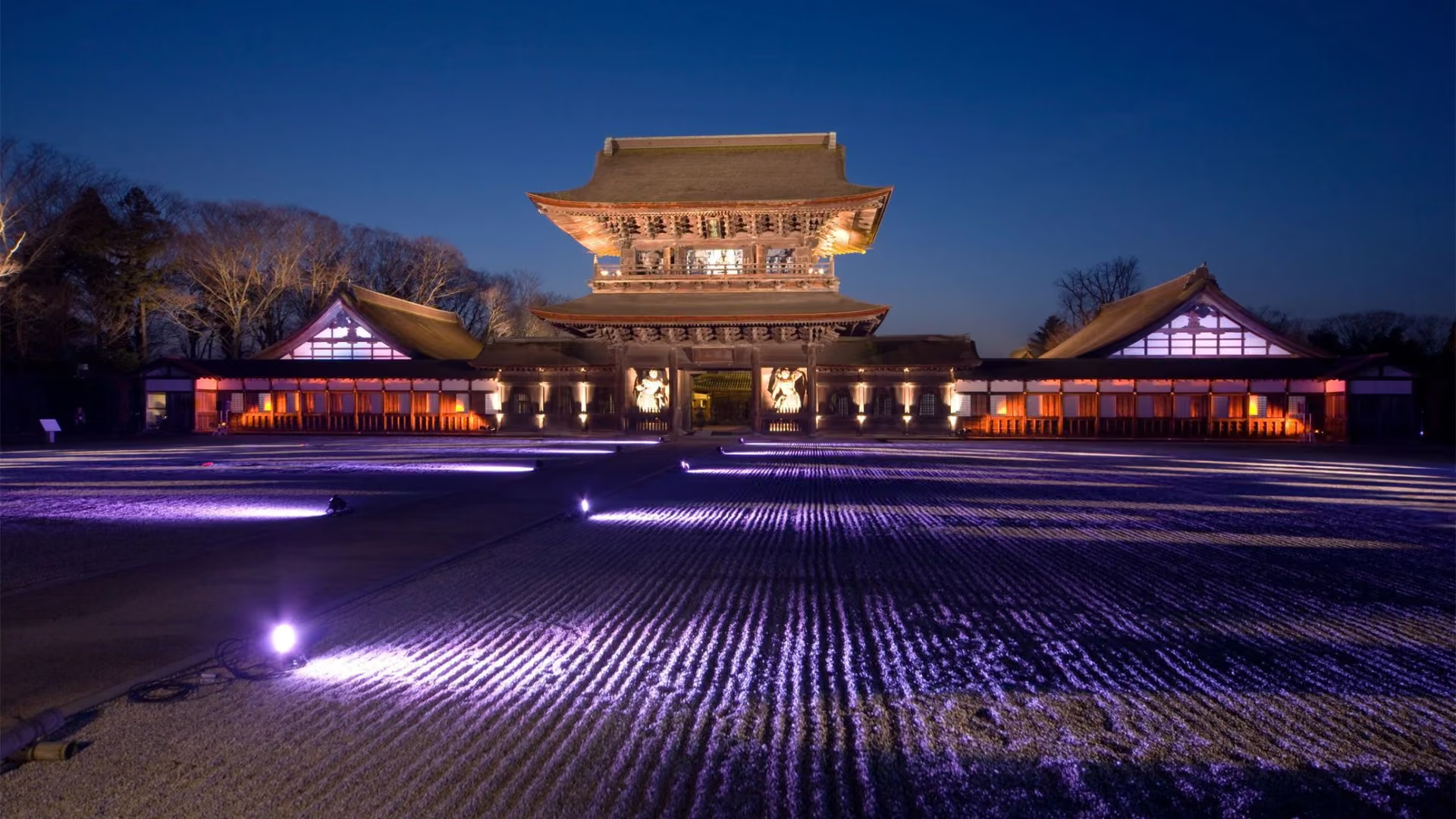
Zuiryuji Temple Spring Light-up
Spring evenings at Zuiryuji, where colored lights and music play over the National Treasure halls of the Maeda family temple.
22 Apr – 5 May 2027Exact date not confirmed yetTakaoka · Toyama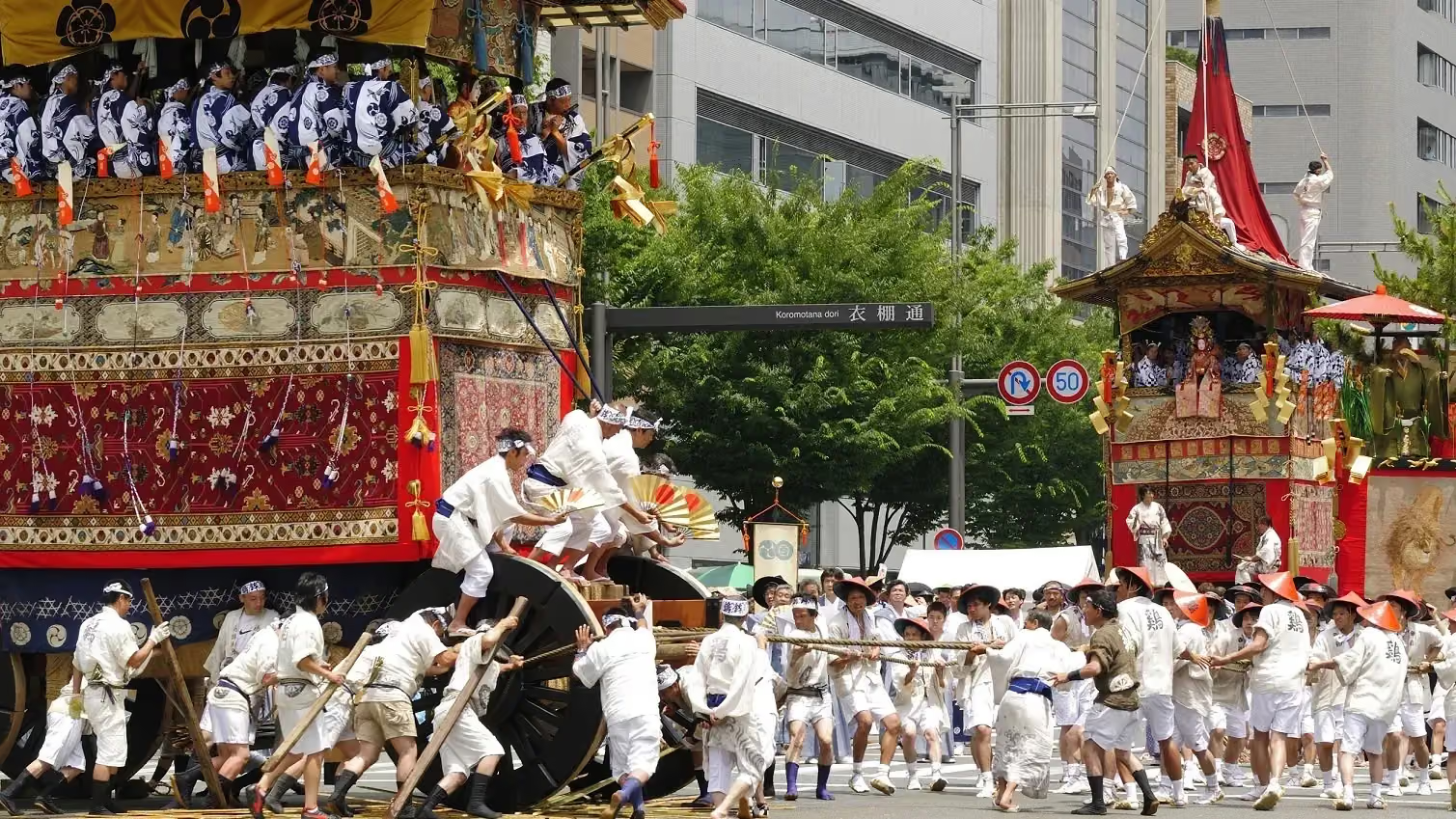
Gion Festival
Yasaka Jinja Shrine's month of rites in Kyoto, with lit floats on Yoiyama evenings, two float processions and three portable shrines carried through the city.
1–31 Jul 2027Kyoto