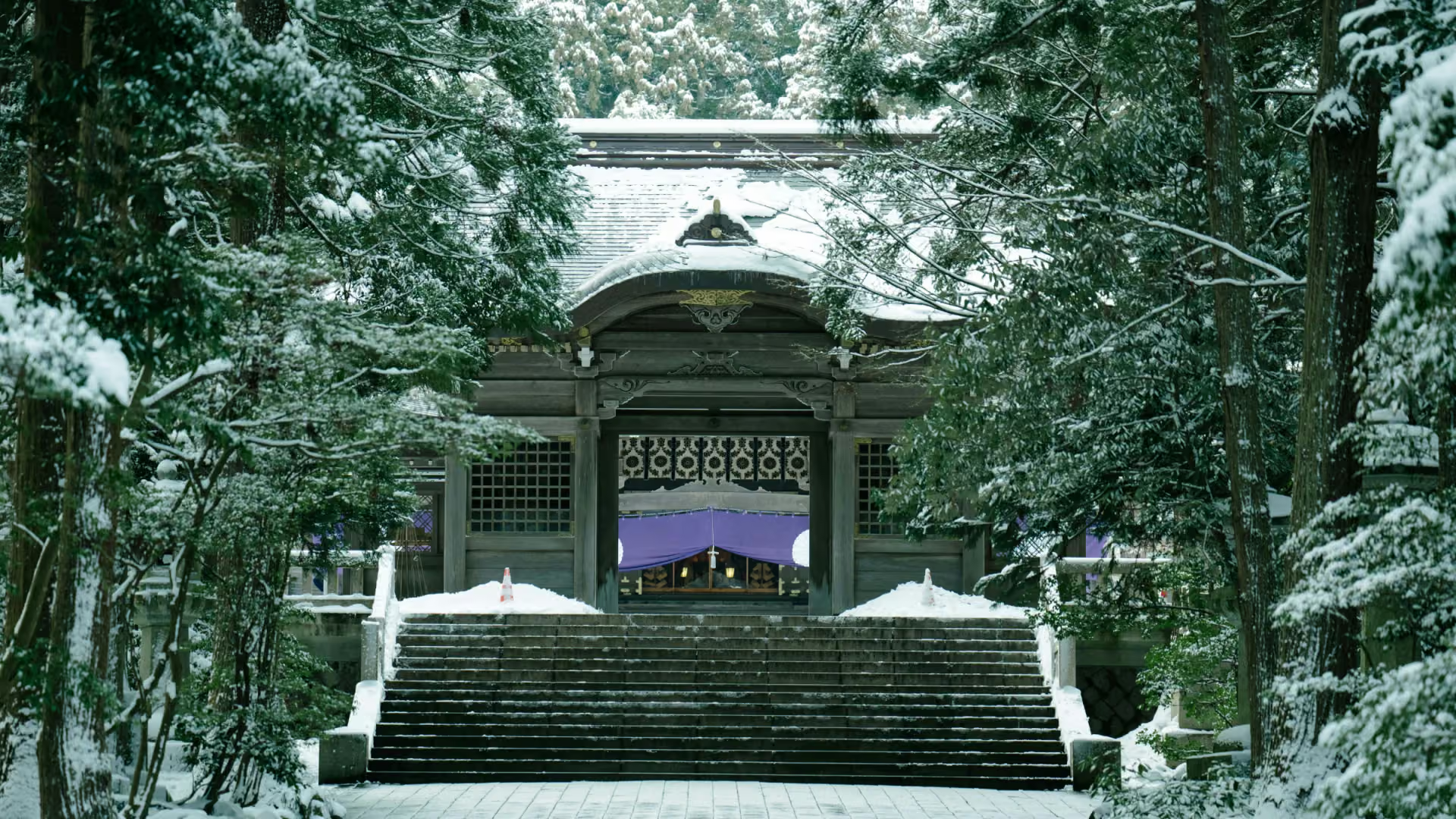
Tamagawa Onsen
玉川温泉
A toji inn in the mountains of Akita, on a strongly acidic spring that the inn says has the largest flow from a single source in Japan.
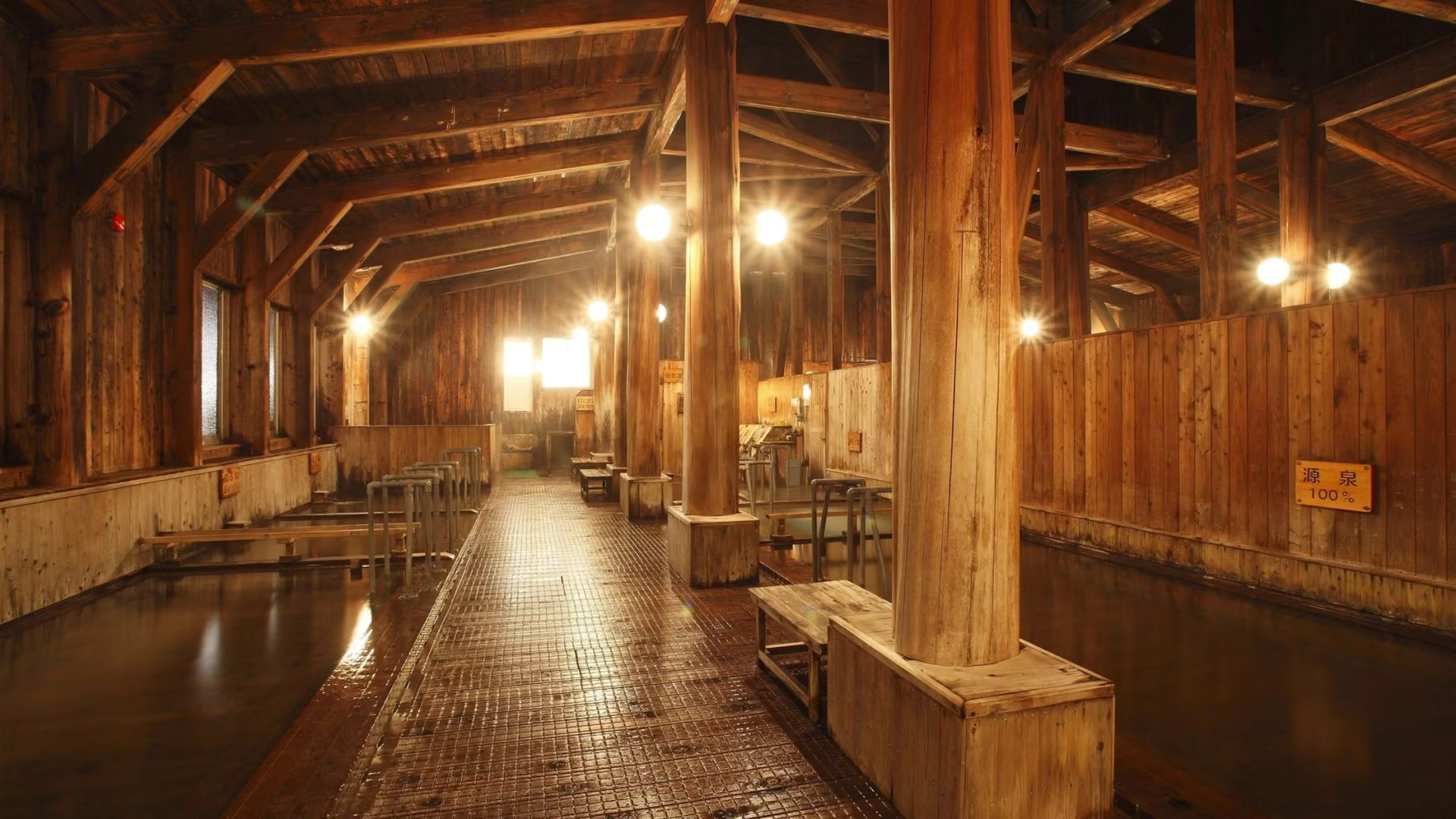
Day bathing; last entry 14:30. The inn is open from late April to late November and closed in winter (its sister inn Shin-Tamagawa Onsen stays open), so check the official site for the dates.
〒 014-1205How to get there
Tamagawa Onsen is an inn for toji (湯治), long stays at a hot spring to bathe as a cure, in the mountains of Semboku in Akita, inside Towada-Hachimantai National Park. Its spring is strongly acidic, with hydrochloric acid as its main component, and the inn calls itself the home of toji.
The spring
The water comes from Obuki (大噴), a source where water at 98°C bursts out at 9,000 litres a minute. The inn says this is the largest flow from a single source in Japan, and at pH 1.2 the most acidic water in the country. A spring with hydrochloric acid as its main component is rare anywhere in the world, and this one also contains radium. Below the source the water runs away down a channel as a river of hot water, among steaming vents.
The baths
The main bath hall is built of Aomori hiba, a cypress said to stand up well to acid. Its 11 kinds of bath let bathers choose by how they feel that day: a bath of pure source water, kept cooler because the water is so strong; baths of water diluted to half strength, hot and lukewarm; a weakly acidic bath; a bubble bath; hakomushi-yu (箱蒸し湯), a box steam bath; a standing bath and a bath to lie in; a fall of hot water and a steam bath. The water can also be drunk, diluted 38 times.
Overnight guests can stay with meals or in the self-catering wing, which has a shared kitchen. The inn sees a cure as the work of five things together: the water, the mountain climate, bathing itself, the heat of the ground, and guests caring for one another. A nurse is on duty in a toji consultation room for guests staying the night.
The nature trail and bedrock bathing
A stone-paved trail loops for about 30 minutes from the inn up to Jigokudani, through old forest of beech and Aomori fir, past the source, the hot river and the vents. The inn calls the area the birthplace of ganban-yoku (岩盤浴), bedrock bathing: people lie on rush mats on the warm ground, which reaches 40 to 50°C in places, under a blanket, for about 40 minutes once or twice a day. Nothing for it is lent, and the inn's yukata and slippers may not be used on the rocks.
The inn's requests: the water is strongly acidic, so bathers rinse it off after bathing, and take off jewellery and other precious metals, which it can discolour or corrode.
The Yuchelin rating
In 2026 Tamagawa Onsen was among the first 21 onsen to receive three stars from Yuchelin (湯シュラン), a rating system that judges hot springs by the water in the bath. The Yuchelin association asks visitors to its rated baths to keep five rules for borrowing the water (湯をお借りする五か条), written under the supervision of Touristship, an association that promotes considerate travel:
After you. These baths are part of local people's daily lives. When locals come in, give them your place and your turn with an "after you". Avoid the busy hours, so as not to get in the way of local bathers.
Say hello. A simple "konnichiwa" or "ojama shimasu" (sorry to intrude) is where contact begins. Talking with the locals, you may learn the rules of that bath and how it is used.
Enjoy the day's temperature. Natural hot water is hard to manage, and some days it is hot and some days lukewarm. Enjoy the water as you meet it that day. If you want to change the temperature, ask the locals.
Do the basics, with care. No photos in the bath or the changing room. Pour hot water over yourself and wash before you get into the bath. Don't take over the spot by the spout or the washing area. Wash the bucket and stool you used and put them back. Take your rubbish home, and dry yourself before you go back into the changing room. Keep to these basics without fail.
Thanks and respect for the earth's gift. Hot spring water is an irreplaceable gift of nature, made by the earth over long ages. Treat every drop with thanks and respect, take care of the water, and enjoy your bath.
Getting There

Planning a trip? Fit this into a trip and Oni plans the rest around it.
You might also like
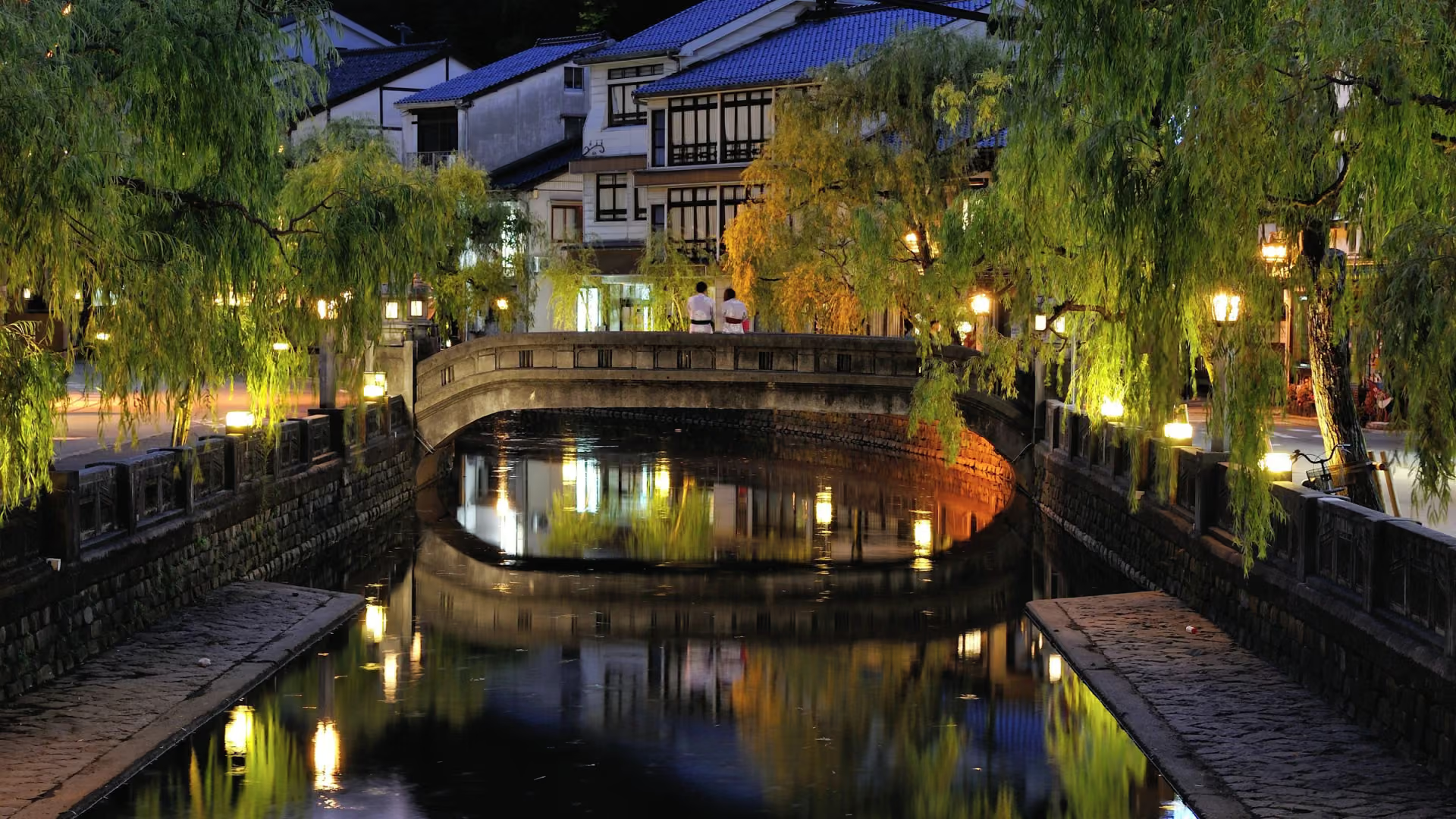
Kinosaki Onsen
A hot spring town in northern Hyogo with a recorded founding in 720, seven public bathhouses and streets where guests walk in yukata.
Toyooka · Hyogo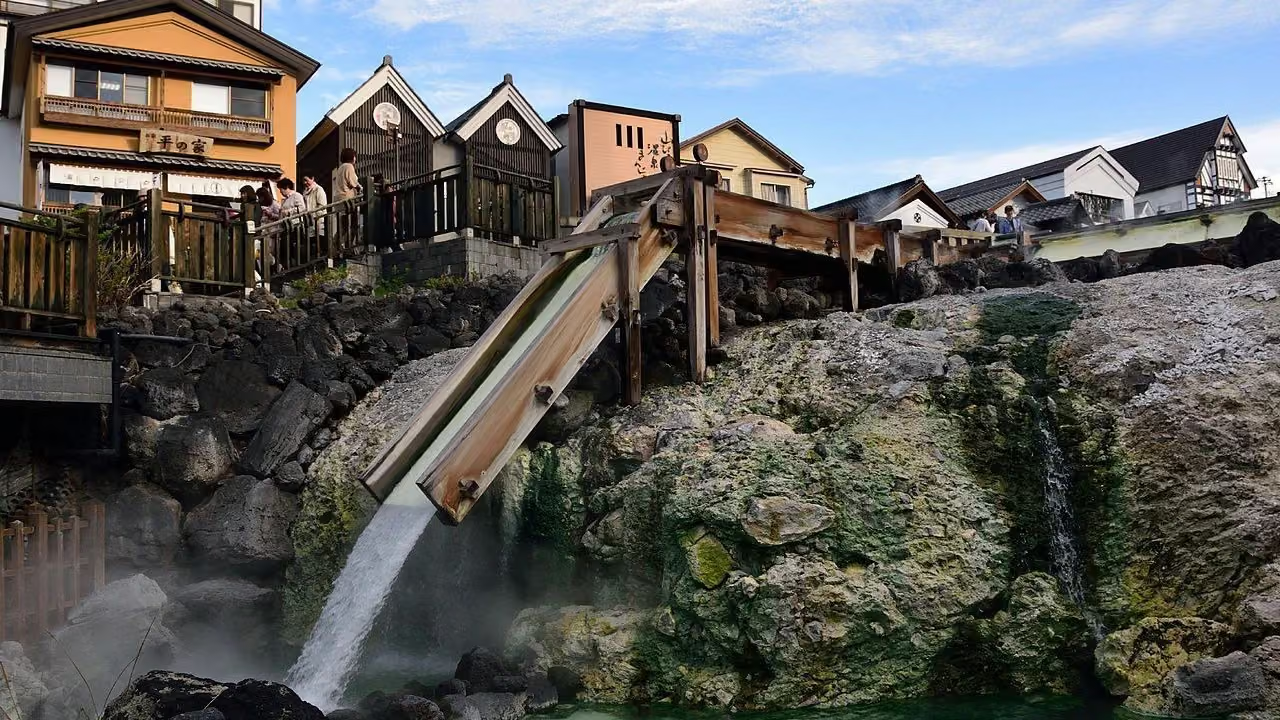
Kusatsu Onsen
A hot spring town on a highland at about 1,200 metres in Gunma, its springs fed by rain and snow falling on Kusatsu-Shirane.
Kusatsu · Gunma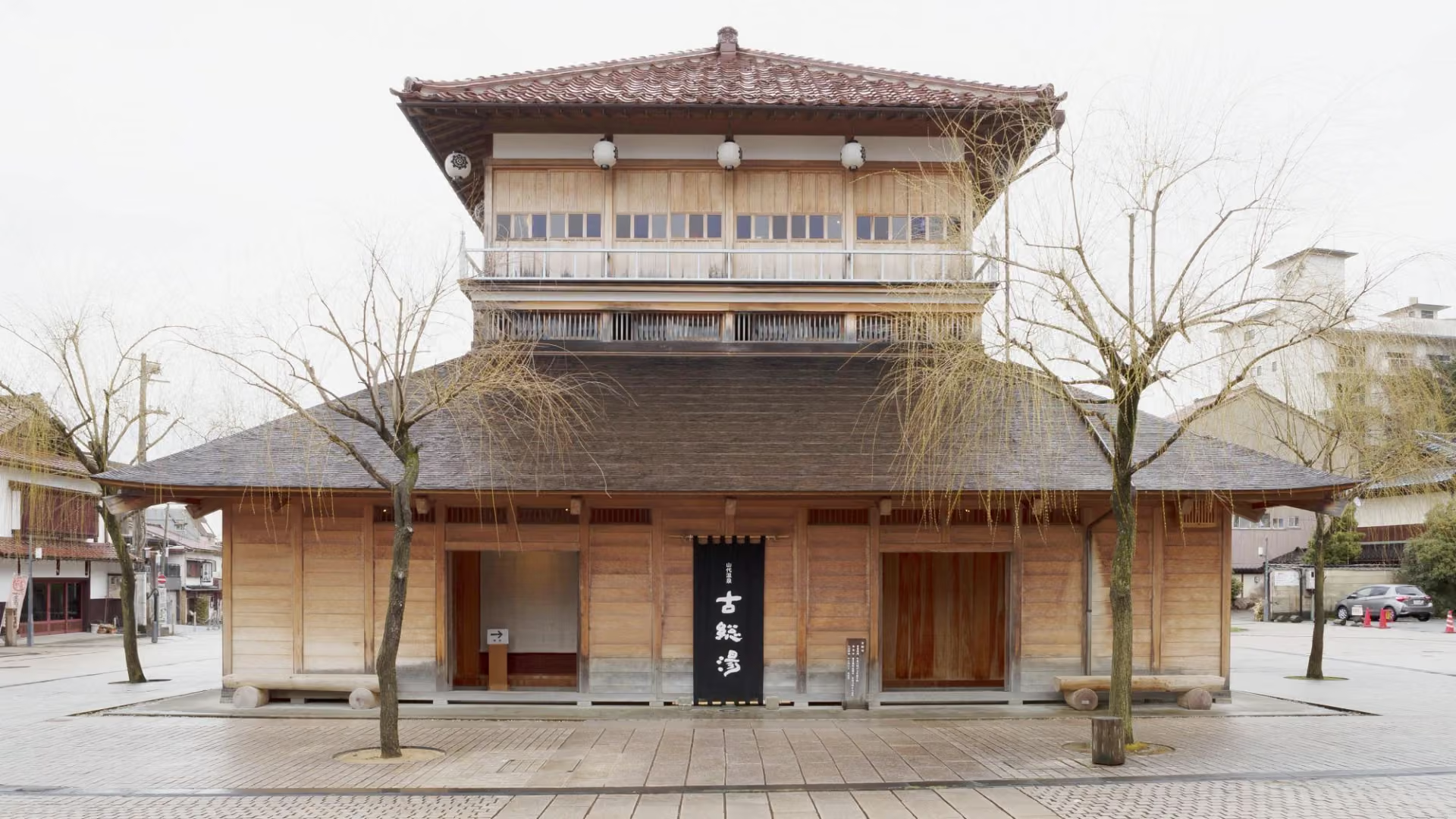
Yamashiro Onsen
Hokuriku hot spring town built around its public baths, keeping a traditional soyu bathhouse culture and the historic yunogawa town atmosphere.
Kaga · Ishikawa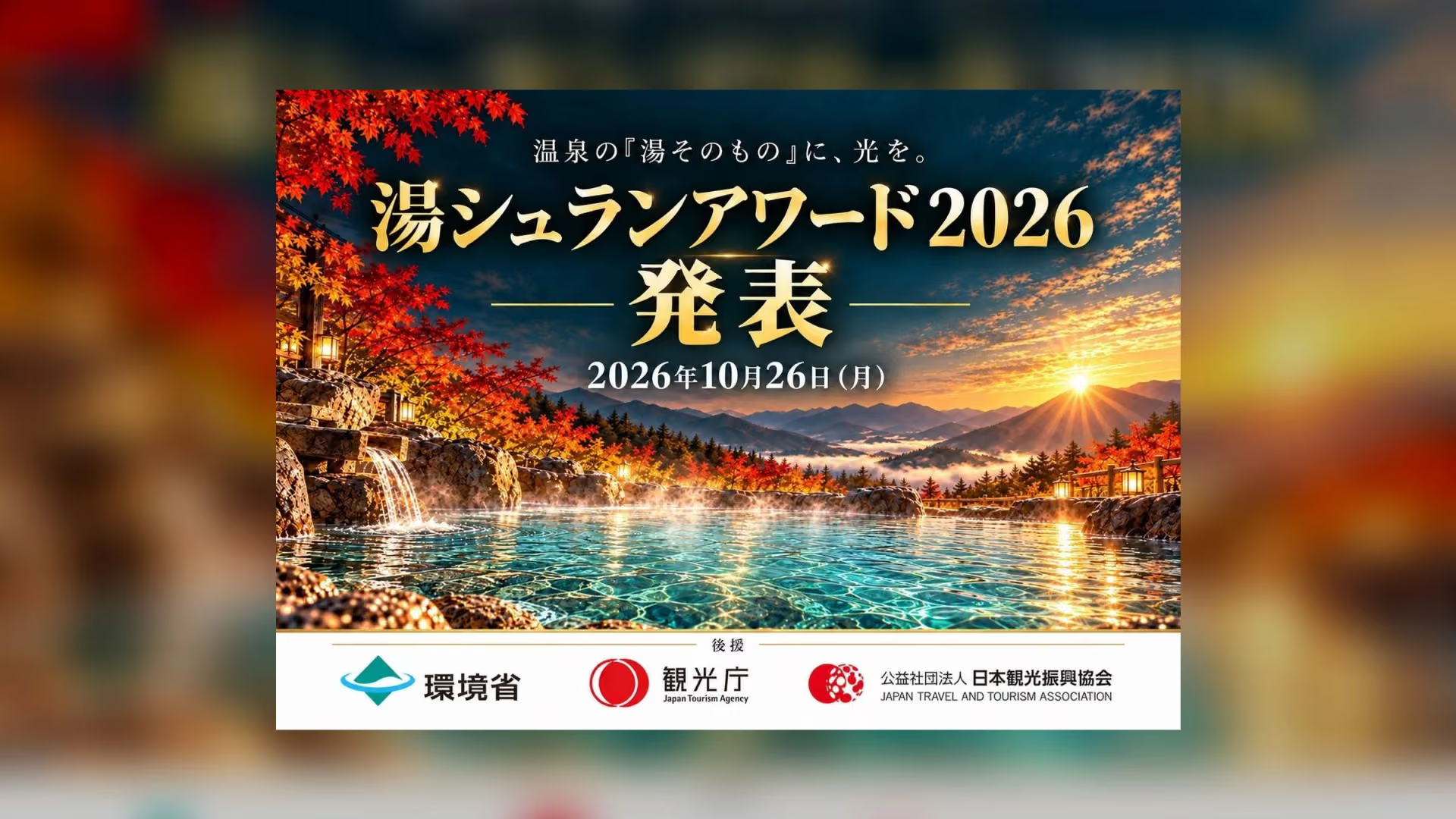
Yuchelin 2026: Japan's 21 Three-Star Onsen
Yuchelin, a new rating for Japanese hot springs, judges the water itself. Its first three-star list names 21 onsen, from Hokkaido to Yakushima.
2026/10/27
Namahage Sedo Festival
Winter festival at Shinzan Shrine in Oga where torch-carrying Namahage come down a snowy mountain, joining an old fire rite with a New Year's Eve tradition.
12–14 Feb 2027Oga · Akita
Kaikai Yokai Festival
Uzumasa Kyoto Village (Toei Kyoto Studio Park) fills with yokai every autumn: two evening parades, dance shows, daily yokai greetings and limited yokai food.
12 Sep – 29 Nov 2026Kyoto