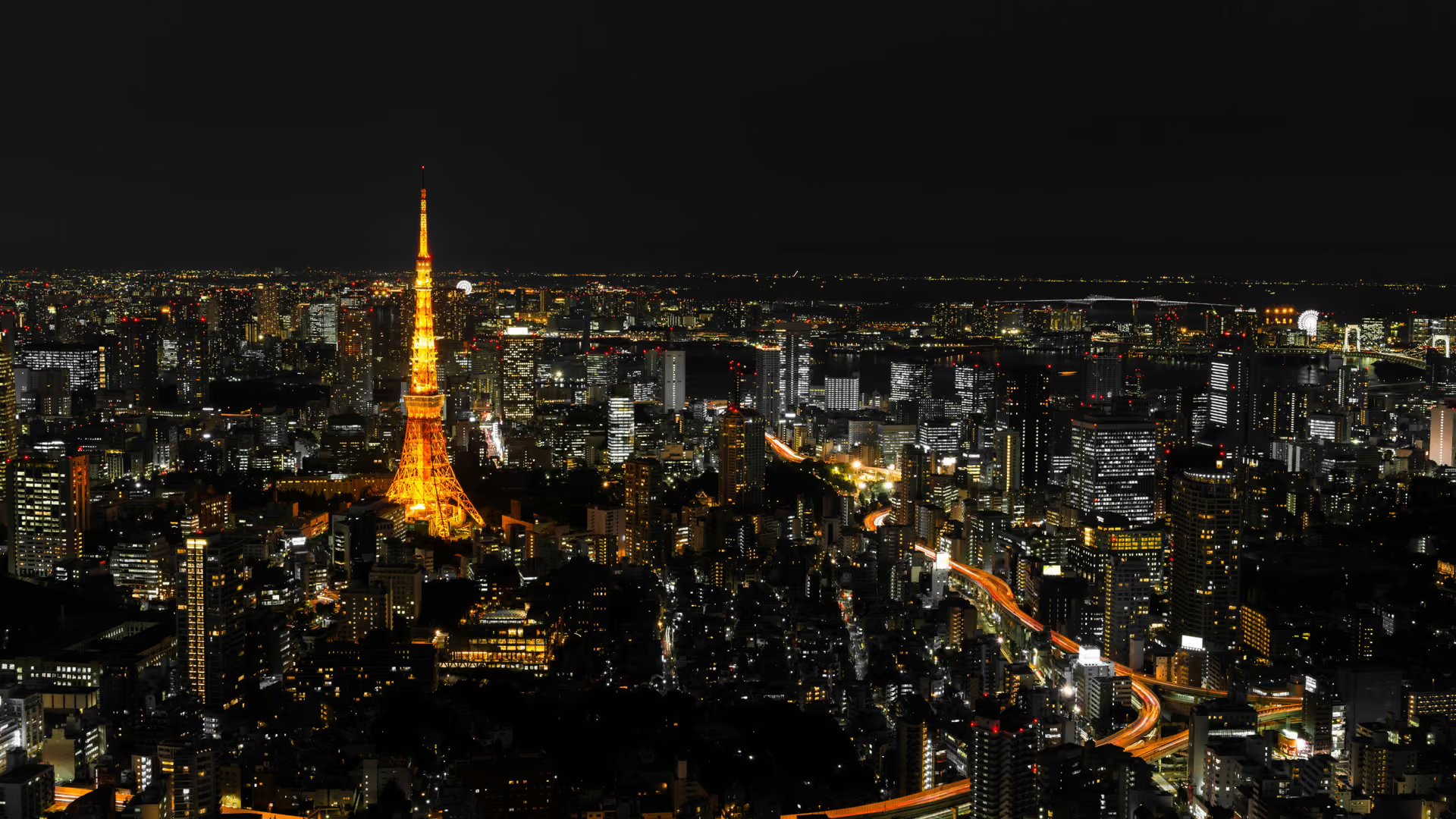
The East Gardens of the Imperial Palace
皇居東御苑
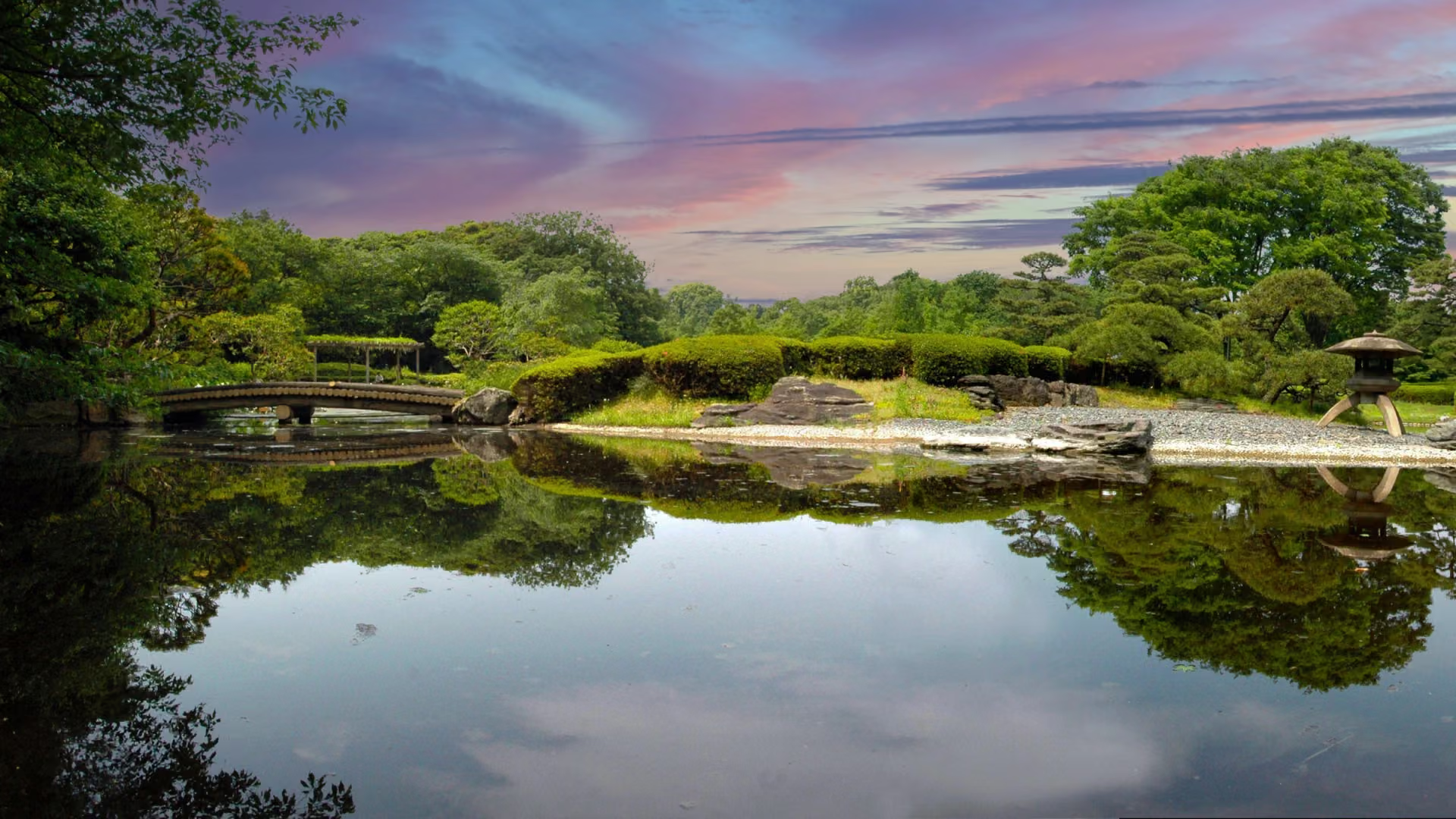
The East Gardens cover about 210,000 square metres of the former Edo Castle grounds, with the keep base, the Fujimi-yagura tower and the Ninomaru Garden.
Last entry 30 minutes before closing. Closed on Mondays and Fridays, but open on national holidays except the Emperor's Birthday (23 February); after a Monday holiday the Tuesday is closed. Also closed from 28 December to 3 January and on days of court events: check the official calendar.
〒 100-0001How to get there
竹橋Tozai Line5 min walk from the station
The East Gardens of the Imperial Palace are a public garden in Chiyoda, Tokyo, laid out on part of the Honmaru, Ninomaru and Sannomaru, the inner enclosures of the former Edo Castle. They cover about 210,000 square metres and have been open to the public since 1 October 1968.
History
Edo Castle was first built by Ota Dokan. According to tradition, in 1478 he set up a shrine to Sugawara no Michizane on the slope now called Bairinzaka and planted several hundred plum trees around it. Under the Tokugawa shoguns the Honmaru held the main palace, with the Ooku, the women's quarters, at its innermost end.
The gardens were made as part of the building of the new Imperial Palace. A Cabinet decision in January 1960 set aside this part of the old castle, and work ran from 1961 to September 1968. Before then the ground held the residences of the princesses, sisters of the present Emperor Emeritus, as well as storehouses, workshops and a large riding ground.
Castle remains
The Tenshudai is the stone base of the castle keep. The keep finished in 1638 under the third shogun, Tokugawa Iemitsu, had five roofs and stood 58 metres above the ground. It burned in the great fire of 1657. The base was rebuilt the next year, but the keep was not, after Hoshina Masayuki argued that a keep was not needed in a time of peace. A scale model of that keep stands in the Honmaru.
Fujimi-yagura, a 16-metre corner tower at the south end of the Honmaru, is the only tower with three roofs left at Edo Castle. It was rebuilt in 1659 after the 1657 fire. Also in the Honmaru is the site of the Matsu no Oroka (松の大廊下), the Pine Corridor, where Asano Naganori, lord of Ako, drew his sword on Kira Yoshinaka in 1701. The attack led to the vendetta of the Ako ronin, told as Chushingura (忠臣蔵).
Three guardhouses stand in the Sannomaru. The Doshin-bansho is an Edo-period building whose roof tiles carry both the Tokugawa hollyhock crest and the imperial chrysanthemum. The Hyakunin-bansho, 45 metres long, guarded the approach to the Honmaru and was kept day and night by four companies of gunners in turn. The Obansho was used as a workshop after the castle became the palace and was restored to its Edo-period form in 1968.
Gardens
The Ninomaru Garden is a strolling garden made for the 1968 opening, after a plan of the garden from about the mid-18th century. The Ninomaru wood was planted from 1983 to 1985 at the wish of Emperor Showa, to bring back the mixed woodland that was disappearing around Tokyo. The Honmaru holds a large lawn, a rose garden, a tea field, a bamboo grove and an orchard of old fruit varieties grown in the Edo period, and trees given by every prefecture grow in the Ninomaru.
About 30 kinds of cherry grow in the gardens and flower from February to April. Plum flowers on Bairinzaka from late December to February, and 84 varieties of iris bloom in the Ninomaru iris field from late May to mid June. The Museum of the Imperial Collections, Sannomaru Shozokan, stands near the Otemon gate.
Getting There

Planning a trip? Fit this into a trip and Oni plans the rest around it.
Places nearby

Extinct Media Museum
Hands-on museum of obsolete media and the machines that used them, from cine film and cassettes to pagers and PDAs, built through donations.
Tokyo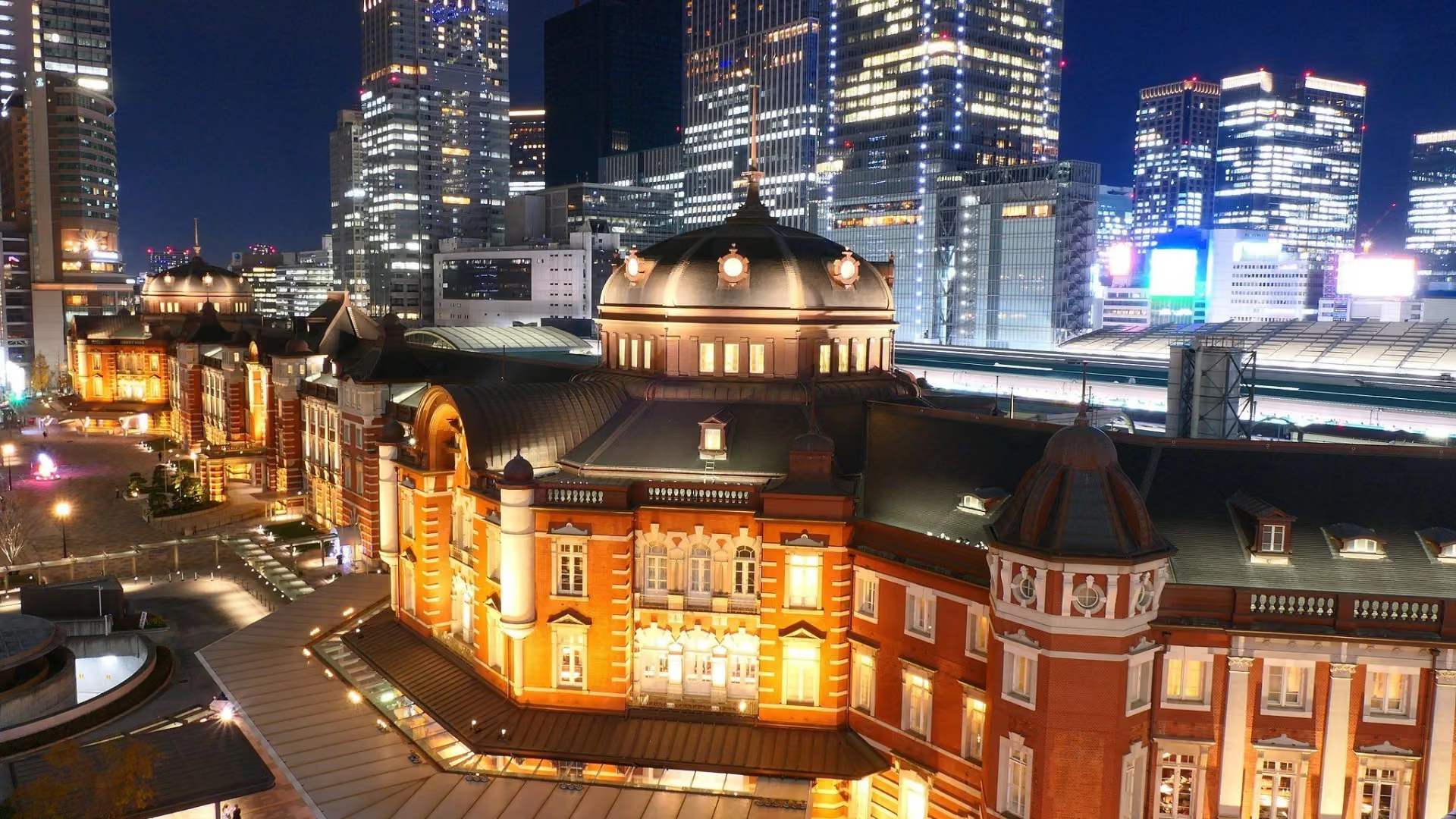
Tokyo Station
Railway station opened in 1914, with a red brick Marunouchi building by Tatsuno Kingo, an Important Cultural Property, and platforms for the Tokaido Shinkansen.
Tokyo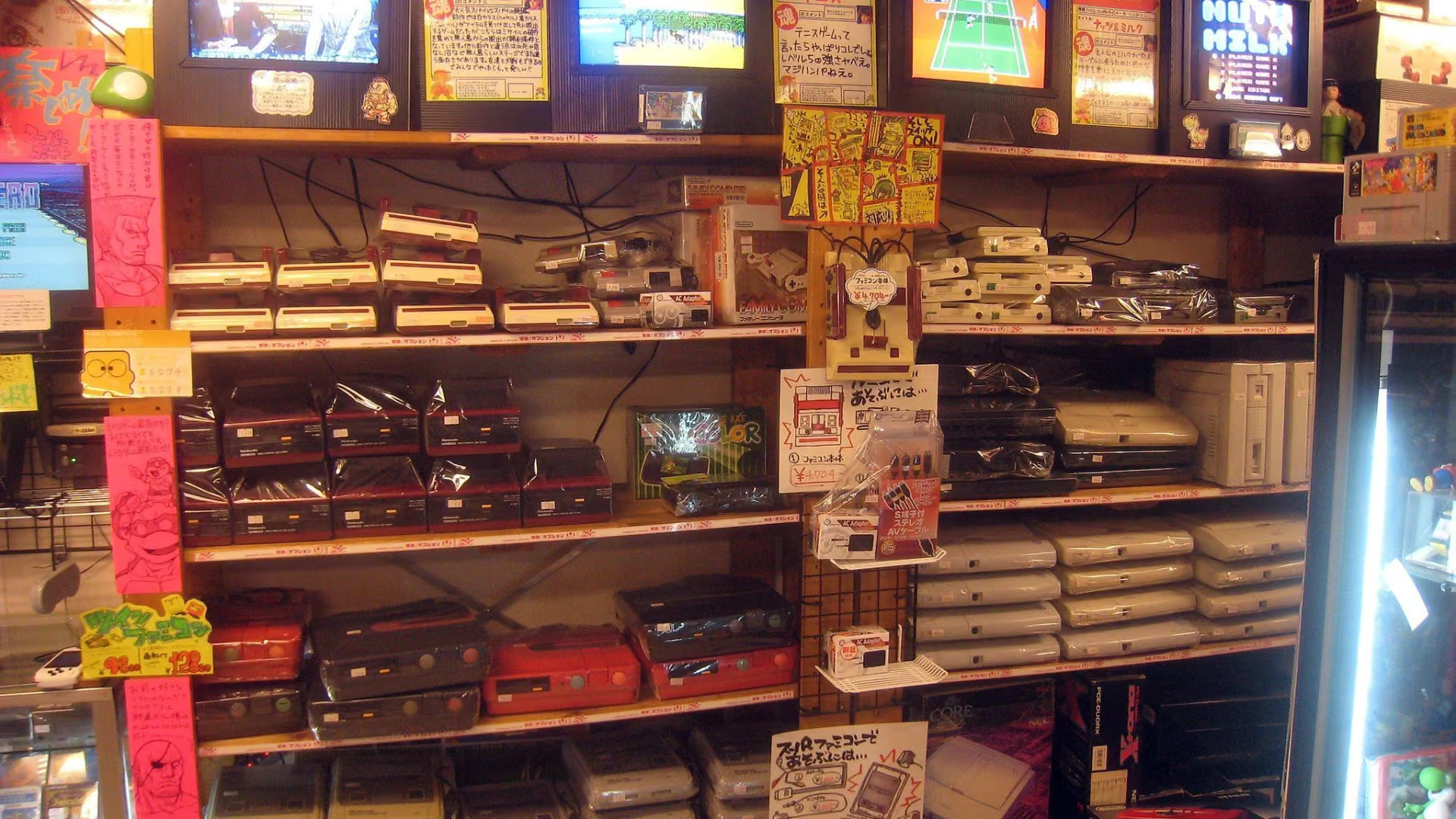
Super Potato
This Akihabara store specializes in retro Japanese games, particularly rare Famicom titles, alongside a video arcade and merchandise across three floors.
TokyoYou might also like
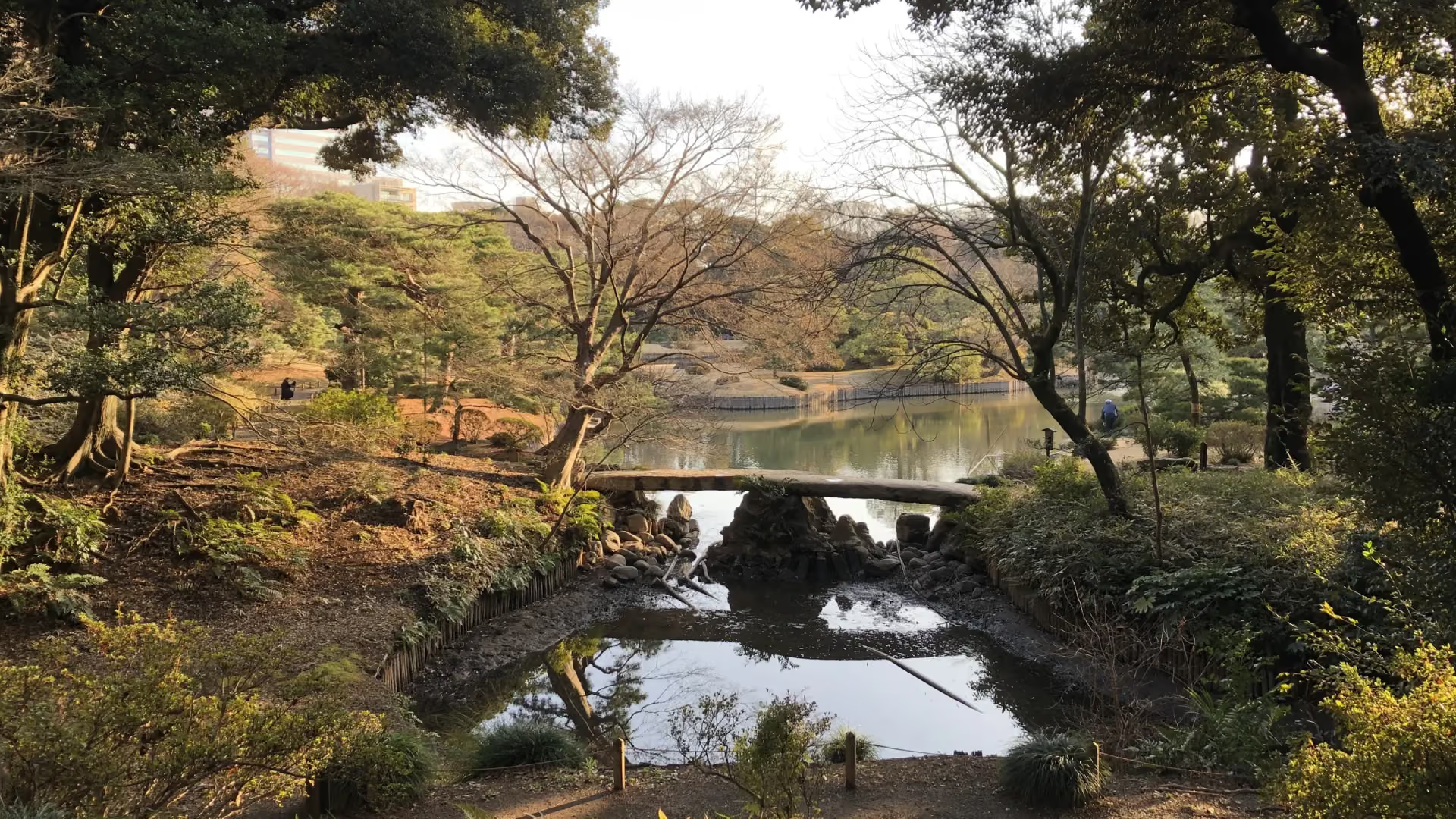
Rikugien Garden
One of Edo's two great gardens, built by Yanagisawa Yoshiyasu in Tokyo around a pond and hills, with 88 scenes drawn from waka poetry and Chinese classics.
Tokyo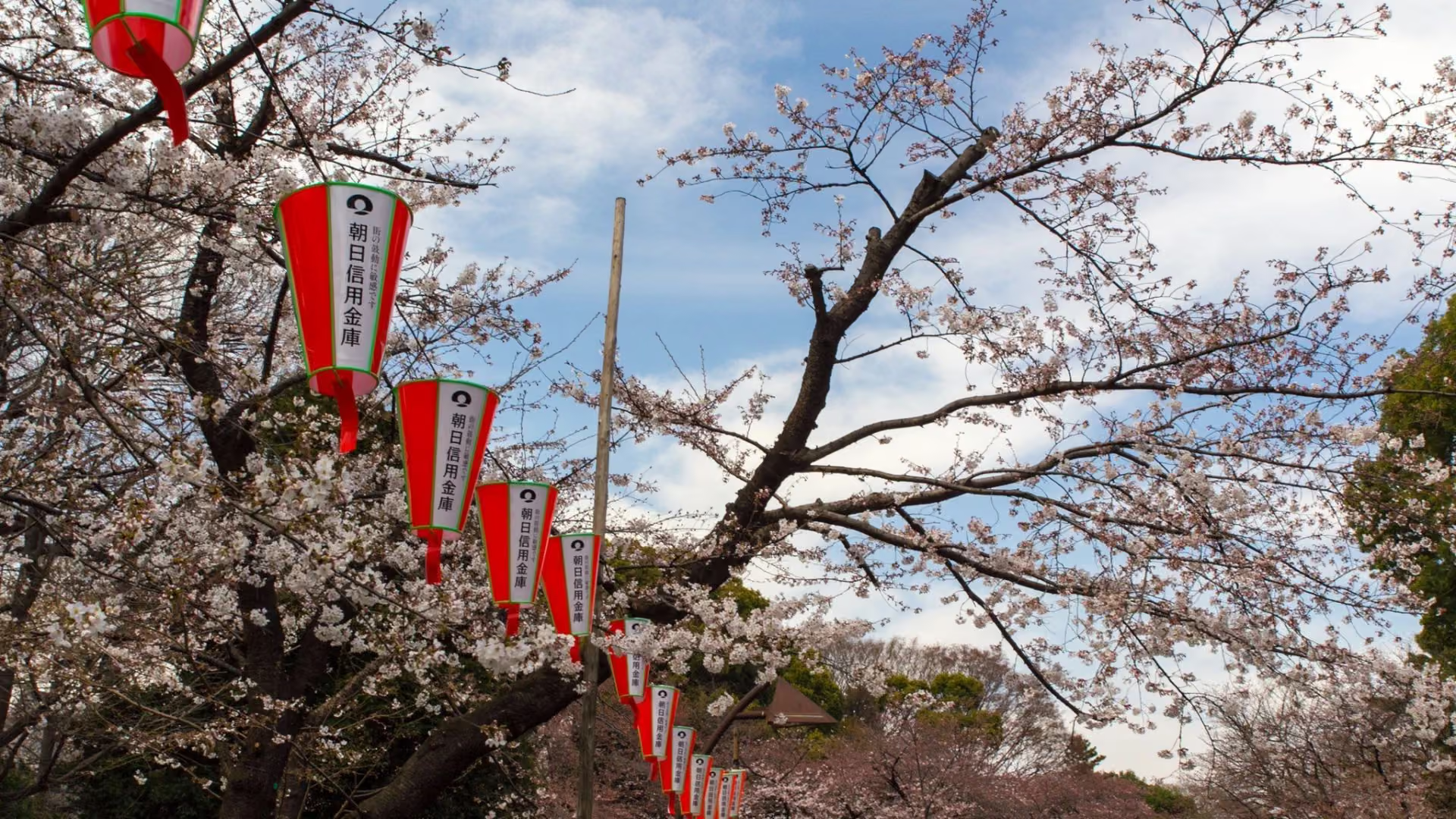
Ueno Park
Metropolitan park on the former grounds of Kan'ei-ji temple, opened in 1873 as one of Japan's first parks, with museums, a zoo and about 1,200 cherry trees.
Tokyo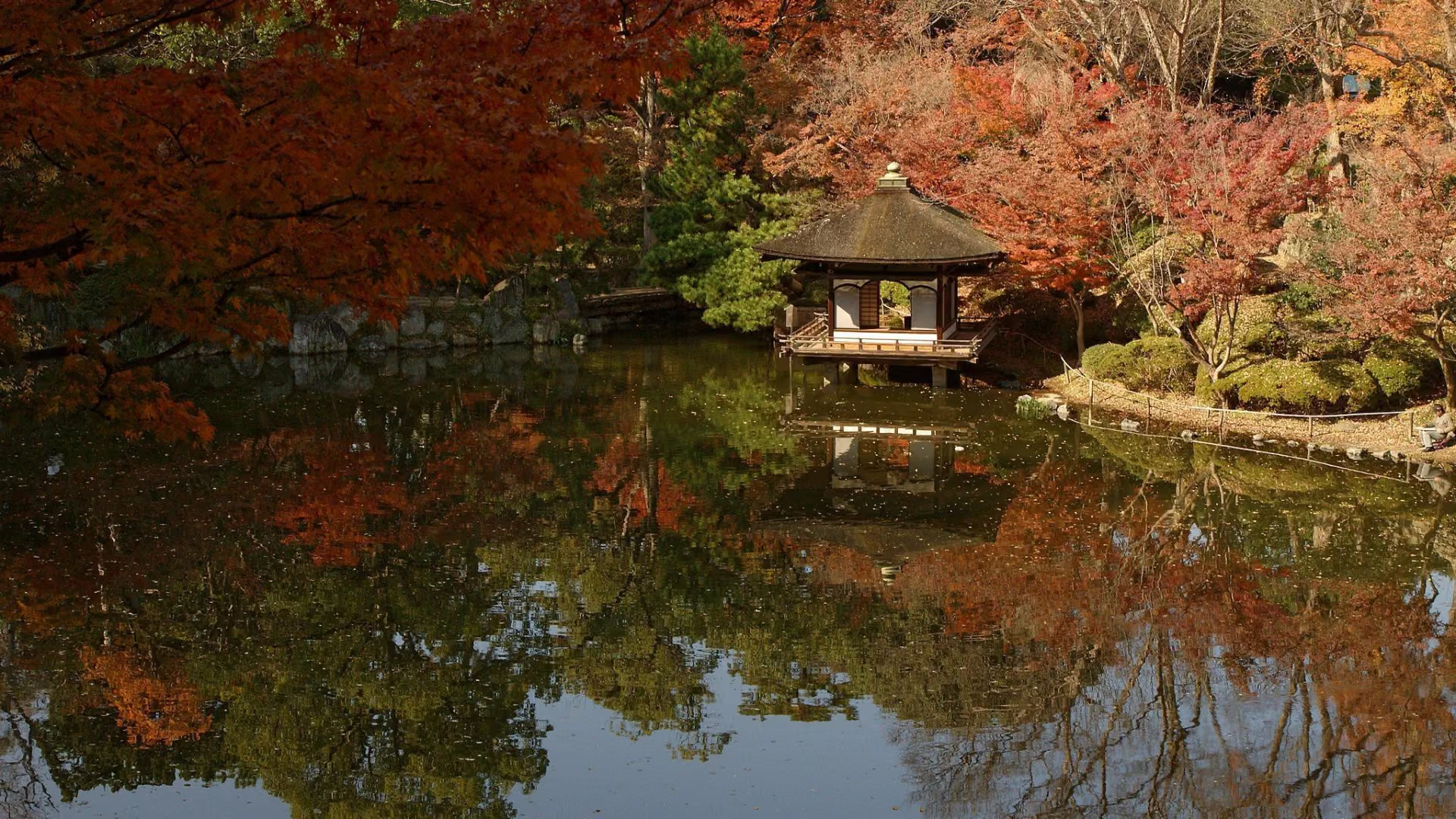
Nishinomaru Garden
Early Edo period daimyo garden on the slope of Wakayama Castle, built around a waterfall stone setting and the inner moat, and known for its autumn maples.
Wakayama
Tokyo International Audio Show
A yearly audio show at the Tokyo International Forum where importers and makers present hi-fi systems, turntables and streaming players in their own rooms.
23–25 Oct 2027Exact date not confirmed yetTokyo
Tokyo Toy Show
Japan's largest-scale toy fair, run by the Japan Toy Association at Tokyo Big Sight, with trade days for the industry and public days of hands-on exhibits.
27–30 Aug 2027Exact date not confirmed yetTokyo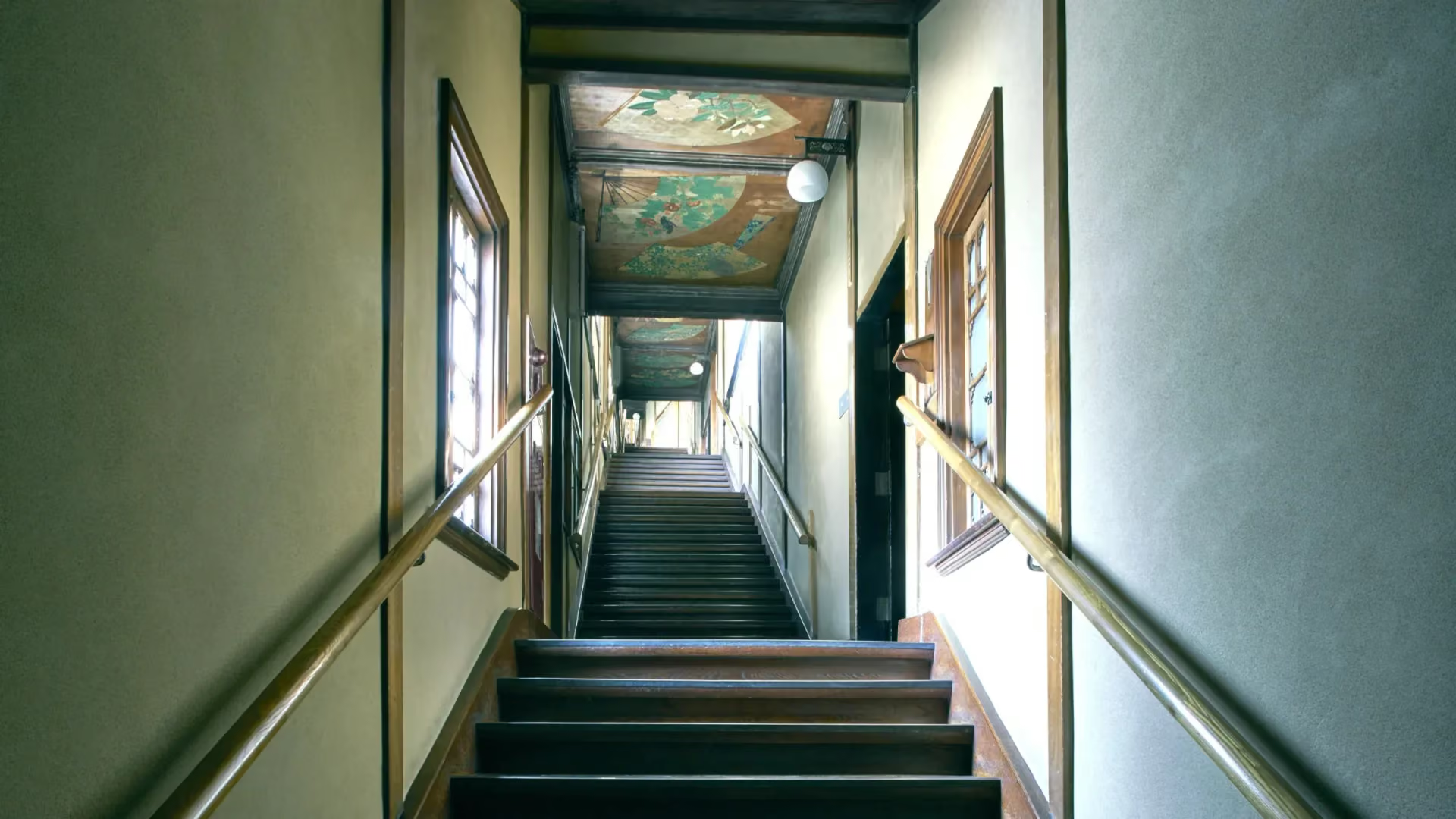
Hyakudan Kaidan Special Opening
A wooden building of 1935 in Meguro, Tokyo, with seven decorated banquet rooms up a staircase of 99 steps, opened for six months with almost nothing in it.
1 Oct 2026 – 30 Mar 2027Tokyo