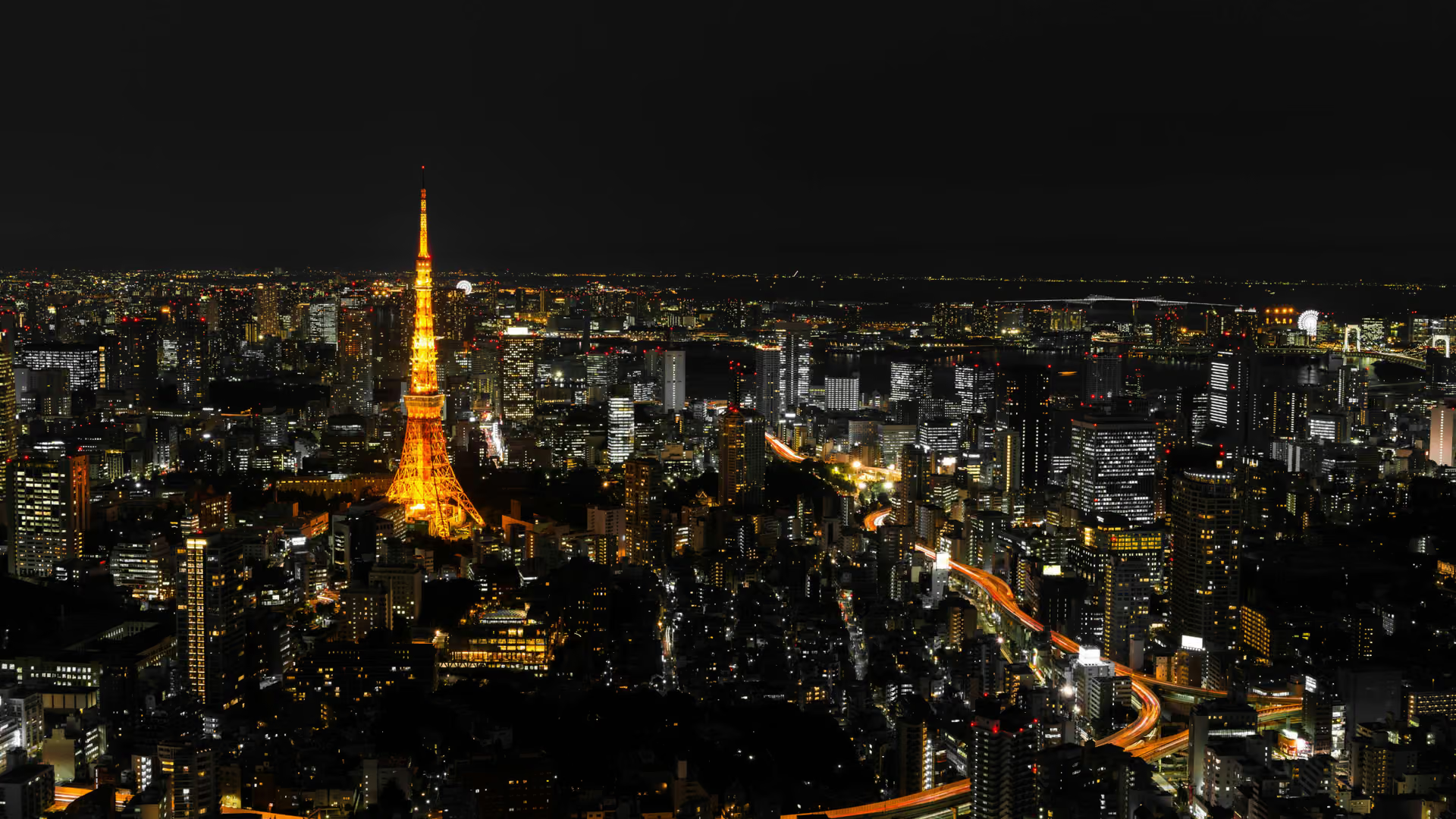
Tsukuba Space Center
筑波宇宙センター
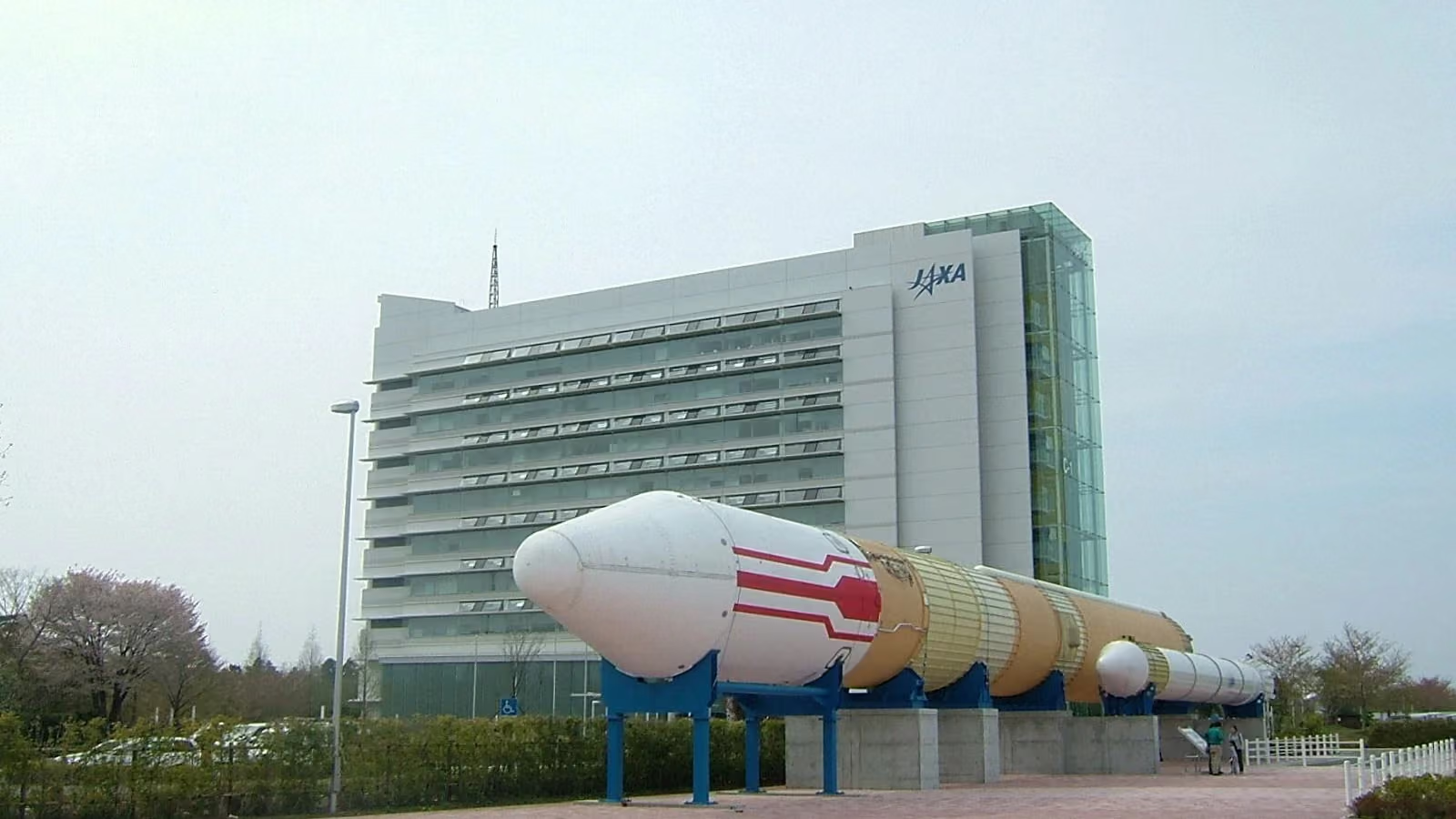
JAXA's space center in Tsukuba, with a real H-II rocket outside and an exhibition hall on Japan's satellites, rockets and human spaceflight.
Visitor reception 9:30 to 16:30. Closed on irregular days, on facility inspection days and from 12/29 to 1/3: check the official calendar.
〒 305-8505How to get there
つくばTsukuba Express10 min by taxi from the station
Tsukuba Space Center (TKSC) is a facility of the Japan Aerospace Exploration Agency (JAXA) in Tsukuba Science City, Ibaraki. It opened in 1972 on a site of about 530,000 m². Satellites are developed and operated here, along with launch vehicle research, astronaut training and the operation of Kibo (きぼう), the Japanese Experiment Module on the International Space Station.
A visitor area to the left of the main gate is open to the public without booking. The rest of the center can only be seen on a guided tour.
Highlights
The Rocket Square, just inside the main gate, displays a real H-II rocket, 50 meters long.
The Space Dome exhibition hall presents JAXA's work field by field: communication, positioning and Earth observation satellites, human spaceflight, rockets and transport systems, space science and planetary exploration, and satellite tracking and space debris observation. Exhibits include full-size satellites, real rocket engines, a full-size model of Kibo and test models of the data relay satellite Kodama and the land observation satellite Daichi. A curved LED screen 10 meters wide, first shown at Expo 2025 Osaka, plays films of the lunar surface. Audio guides in Japanese and English play on a visitor's own smartphone, and staff lead free walks through the hall several times a day.
The Planet Cube holds a space for exhibitions on current topics and a museum shop.
Guided tour
A paid guided tour, booked online in advance, takes visitors by bus into the working areas of the center. It usually begins with a film about the center and then visits the astronaut training building, where astronauts are selected and trained and space medicine is researched, and the Kibo control room, which runs the module and supports its crews around the clock. Both are seen through glass. One tour a week is guided in English.
Getting There

Planning a trip? Fit this into a trip and Oni plans the rest around it.
You might also like
Kyoto International Manga Museum
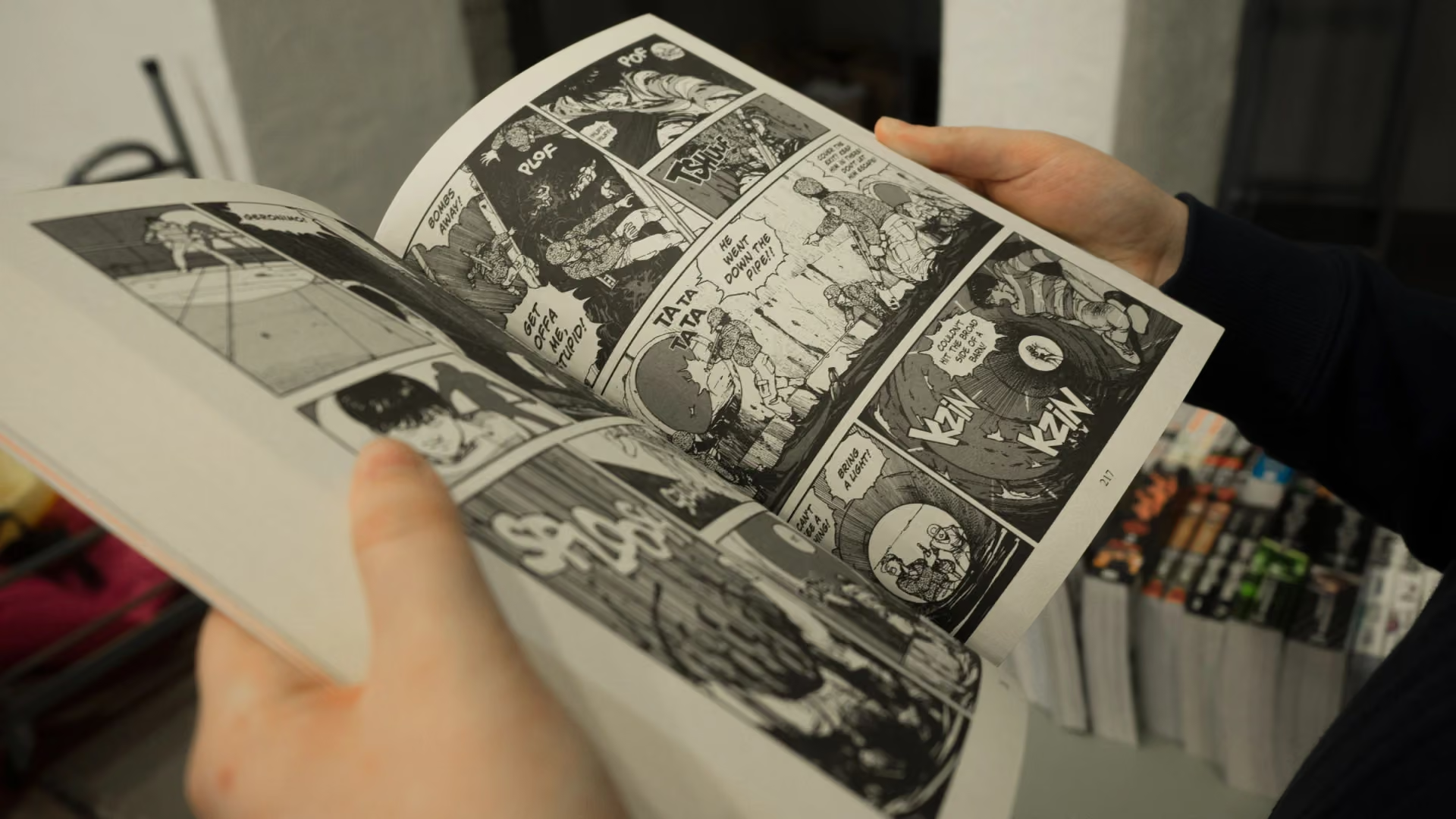
Kyoto museum and library opened in 2006, holding about 300,000 manga items from Edo-period prints to current series, with a 200-metre Wall of Manga.
Kyoto
Tokugawa Art Museum
Opened in 1935, the museum holds over 10,000 works of the Owari Tokugawa family, including nine National Treasures and the Tale of Genji Illustrated Scrolls.
Nagoya · Aichi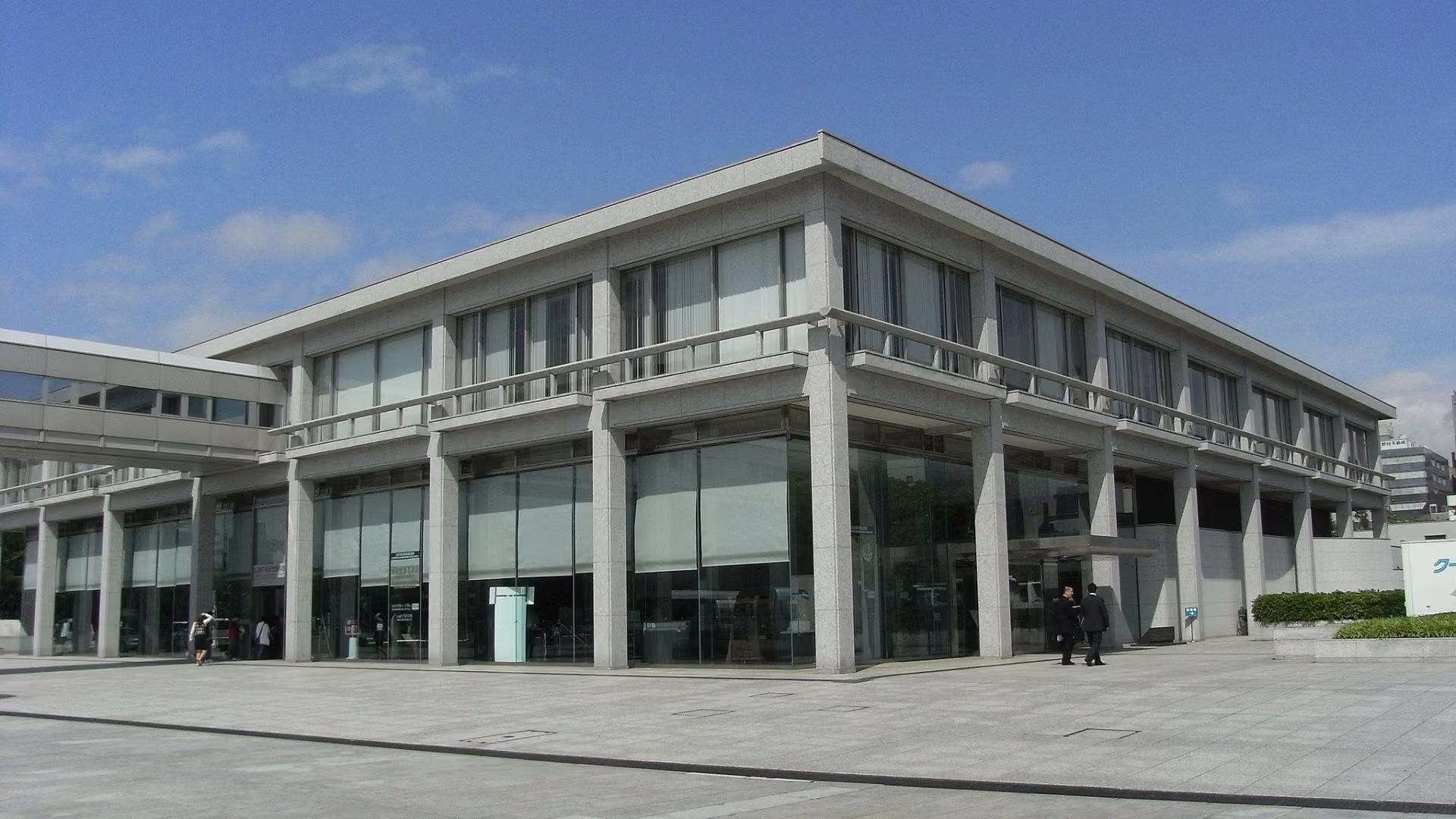
Hiroshima Peace Memorial Museum
The museum of the 1945 atomic bombing of Hiroshima, in a Main Building by Kenzo Tange that is an Important Cultural Property and an East Building from 1994.
Hiroshima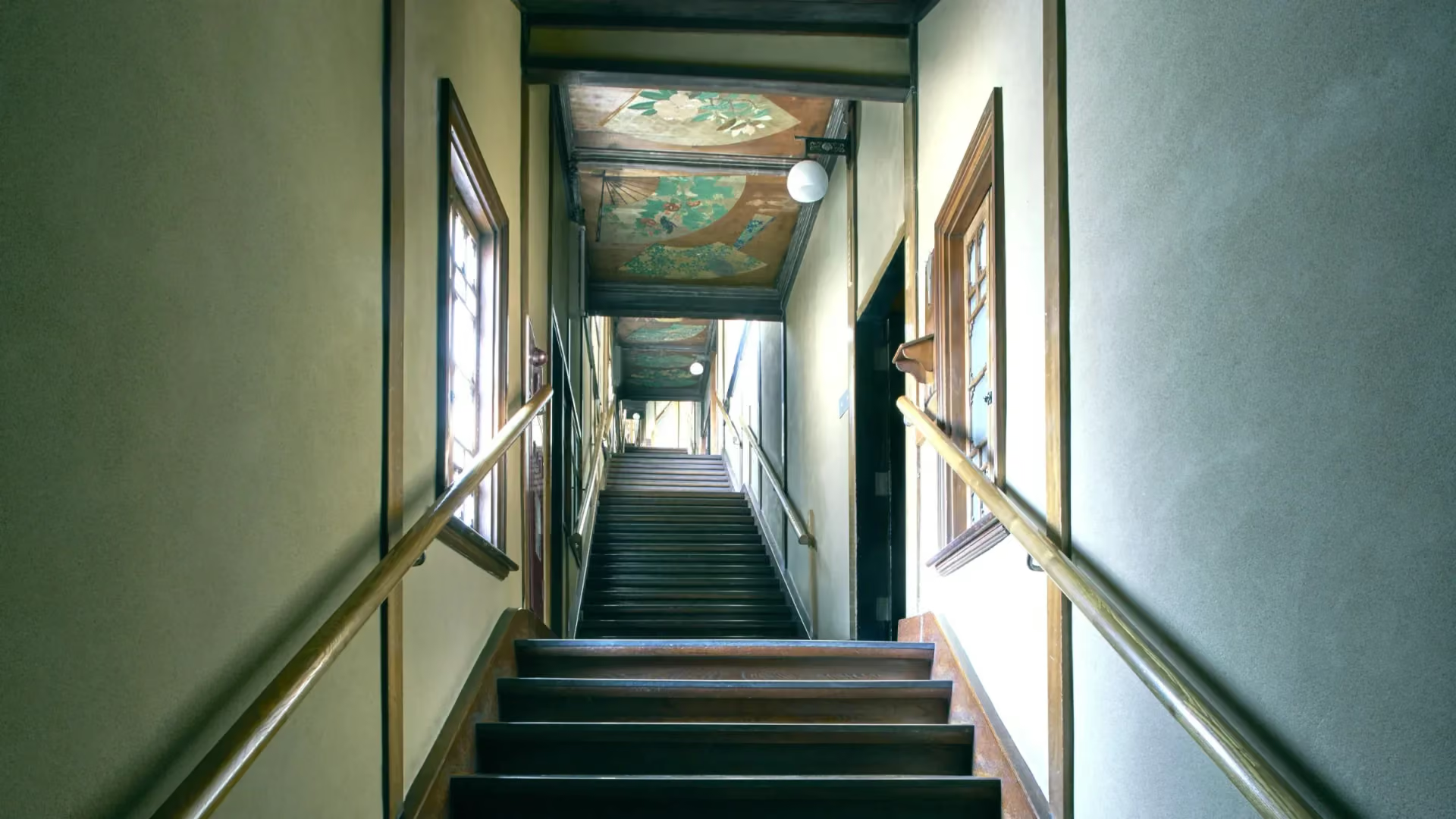
Hyakudan Kaidan Special Opening
A wooden building of 1935 in Meguro, Tokyo, with seven decorated banquet rooms up a staircase of 99 steps, opened for six months with almost nothing in it.
1 Oct 2026 – 30 Mar 2027Tokyo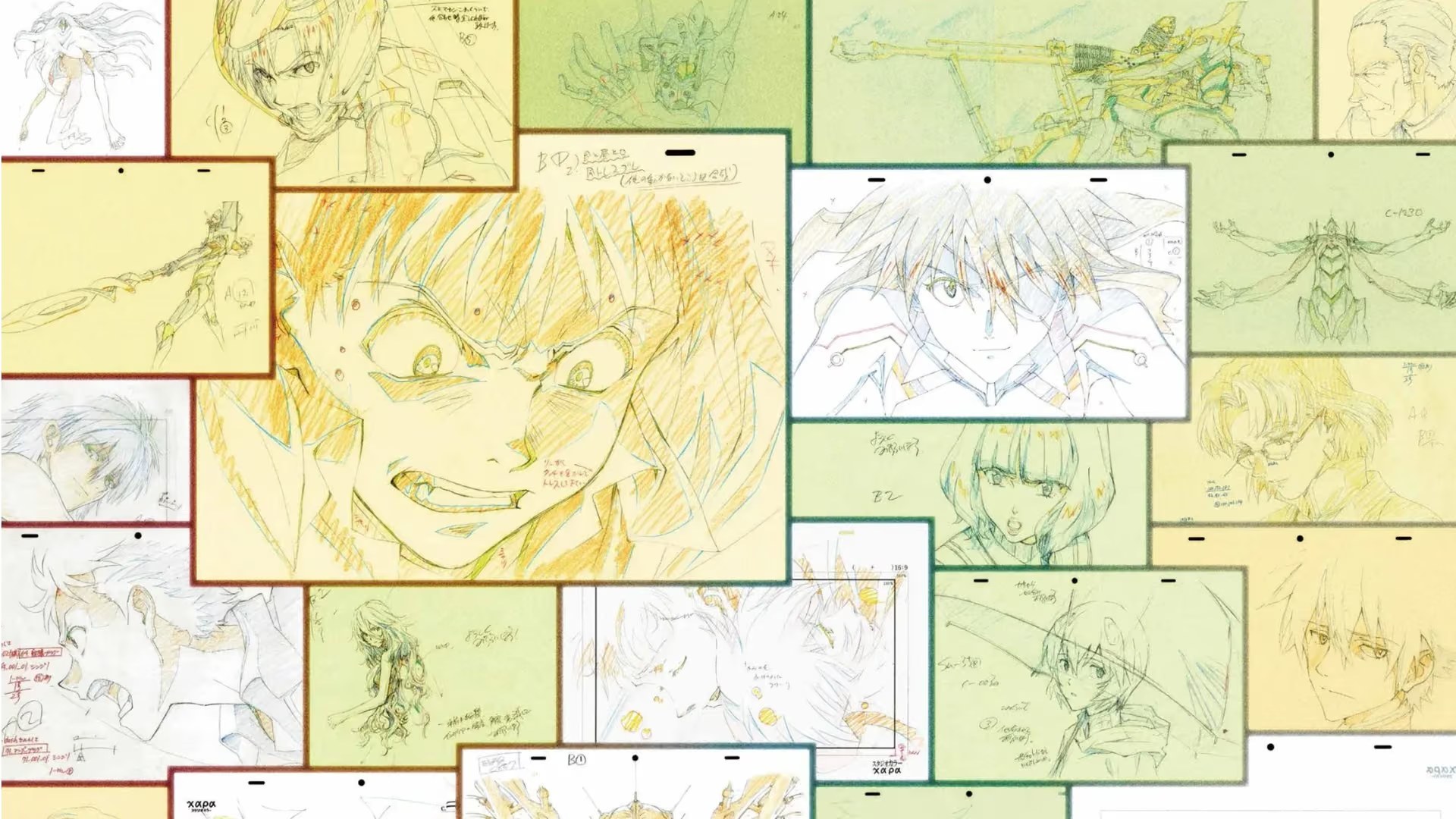
"ALL OF EVANGELION" 30th Anniversary Exhibition - Osaka
The Evangelion 30th anniversary exhibition comes to Hirakata Park in Osaka, with about 270 hand-painted cels, design material and film artwork.
18 Oct 2026 – 11 Jan 2027Hirakata · Osaka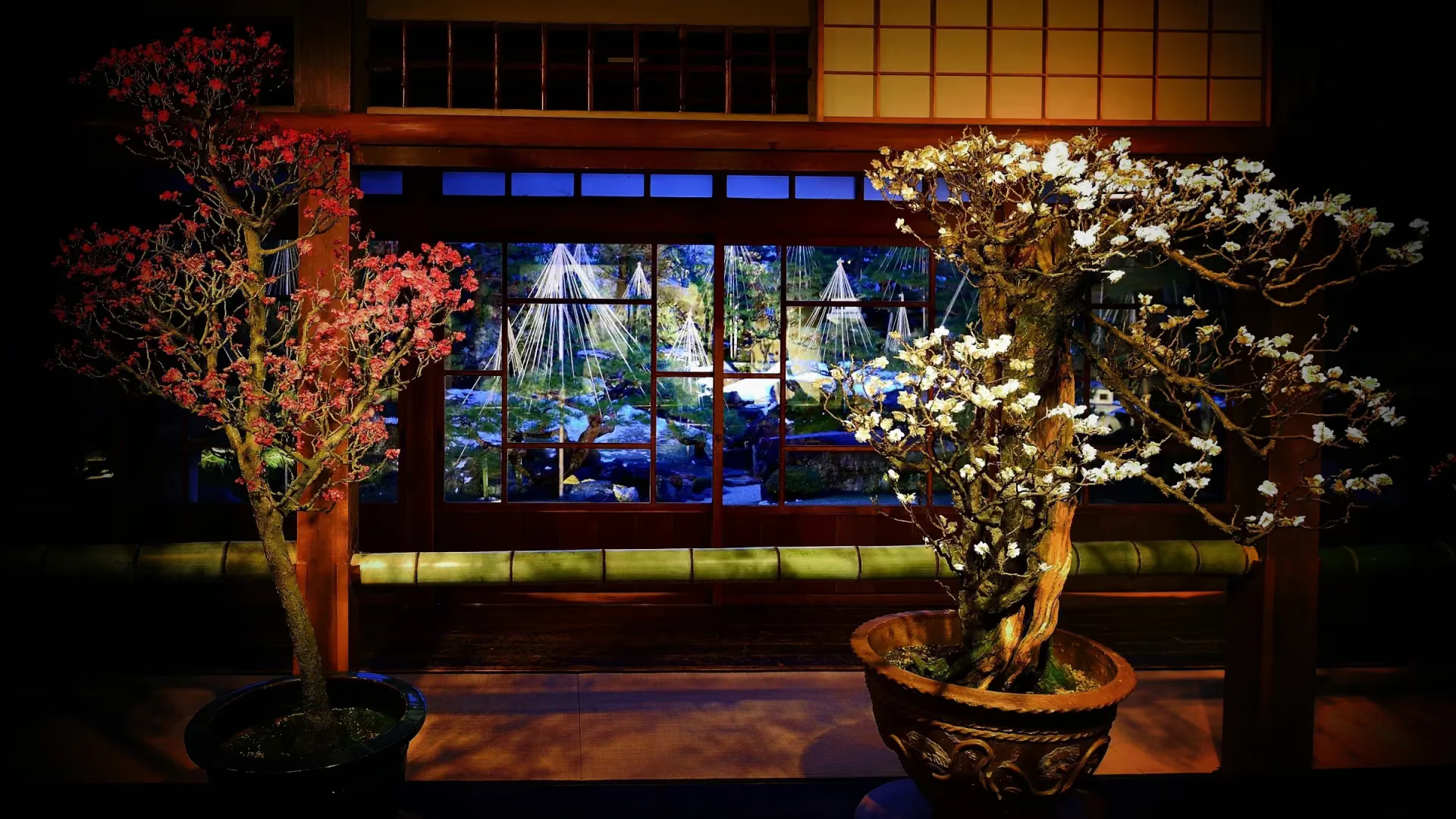
Nagahama Bonbai Exhibition
Plum trees grown as bonsai, some close to three metres tall, shown about 90 at a time in the tatami rooms of the Keiunkan guest house every winter.
10 Jan – 10 Mar 2027Nagahama · Shiga