

Yakushima Island
屋久島
Subtropical island with ancient cedar forests and moss-covered landscapes that inspired Hayao Miyazaki's Princess Mononoke, designated Japan's first UNESCO World Heritage Site.

Yakushima is a lush subtropical island located south of Kagoshima Prefecture in Japan, celebrated for its primeval cedar forests, some of which date back over 2,000 years—and, according to local lore, possibly even older than 7,000 years. The rugged, mountainous terrain and high annual rainfall foster multiple distinct climate zones, ranging from warm coastal areas to cool, mist-shrouded highlands. Its moss-covered forests, particularly Shiratani Unsuikyō Ravine, famously served as inspiration for the enchanting woodland scenes in Hayao Miyazaki’s film "Princess Mononoke." In 1993, Yakushima was officially recognized as Japan’s first UNESCO World Heritage Site, highlighting its exceptional biodiversity and stunning natural landscapes. Often described as a “miniature Japan” due to its variety of habitats, Yakushima offers visitors opportunities for long hikes under towering canopies, encounters with wild deer and monkeys, and tranquil experiences among an ancient, awe-inspiring ecosystem.
You might also like

Shiretoko National Park
UNESCO World Heritage site on Hokkaido's remote peninsula with steep cliffs, ancient forests, and wildlife including brown bears and sea eagles.
Shari · Hokkaido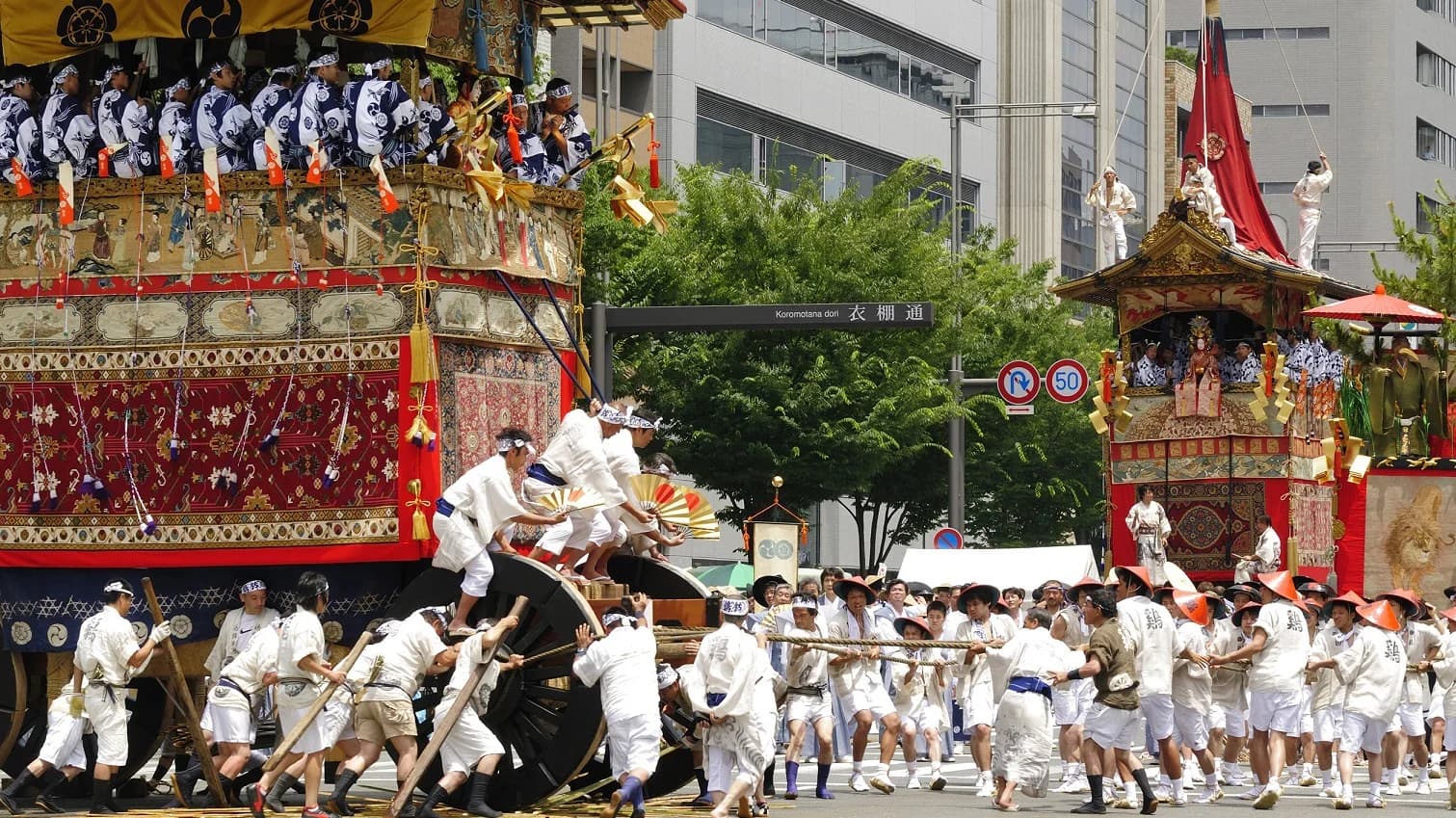
Gion Festival
A month-long Kyoto festival centered on Yasaka Jinja Shrine features sacred rituals, food stalls, illuminated floats, and culminates in a grand procession and parade.
1–31 Jul 2027Kyoto
Tomioka Silk Mill
A historic silk mill built by the Japanese government in 1872 that transformed the country into the world's leading raw silk exporter.
Tomioka · Gunma
Kasuga-taisha
A major shrine with over 3,000 affiliated shrines nationwide, maintained through a tradition of structural renewal held every 20 years.
Nara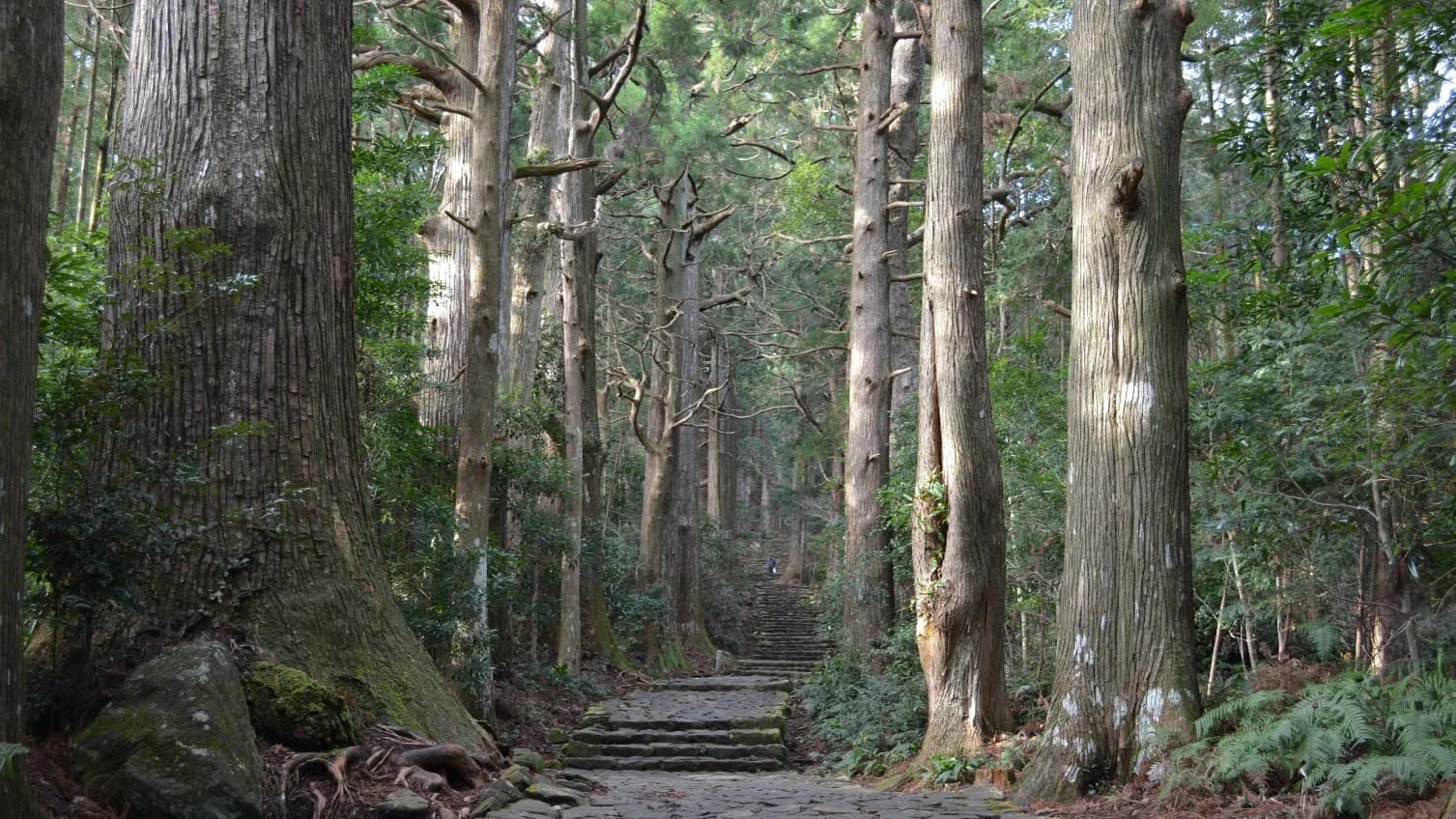
Kumano Kodo
For over a thousand years, the Kumano Kodo has led pilgrims through the mountains of Kii to the sacred Kumano Sanzan shrines – now a UNESCO World Heritage Site.
Wakayama · Kansai
Motsu-ji Temple Hatsukayasai Festival
The final day of this week-long Buddhist observance at a UNESCO World Heritage temple features torchlit processions and prayers for good fortune.
14–20 Jan 2027Hiraizumi · Iwate