Naruko Gorge
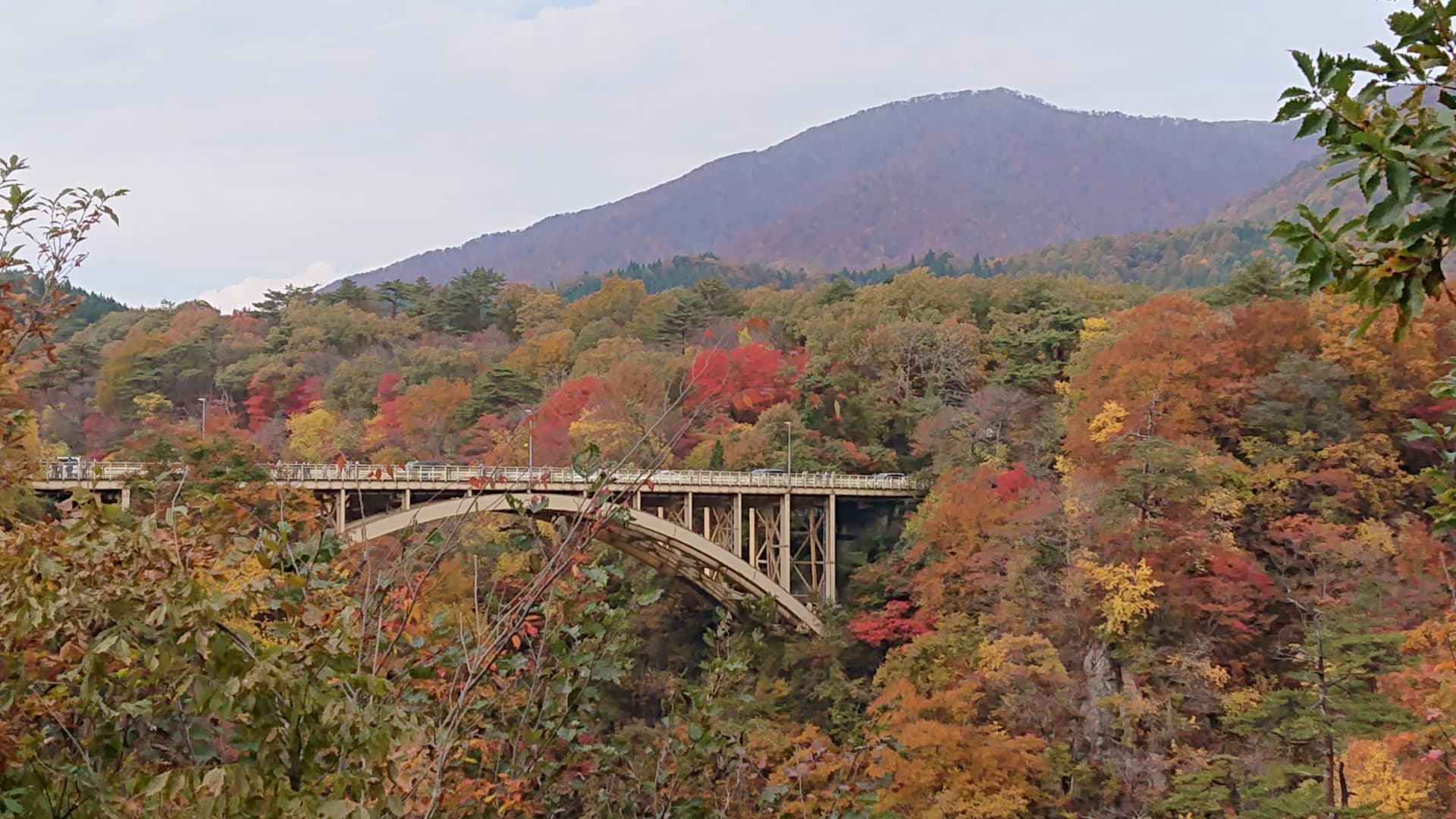
A gorge in Miyagi cut a hundred metres deep by the Otani River, walled with pale rock and walked by riverside paths from spring to late autumn.
Osaki · Miyagi

Shrines, museums, parks, and the spots in between, with the access details worked out.
A gorge in Miyagi cut a hundred metres deep by the Otani River, walled with pale rock and walked by riverside paths from spring to late autumn.
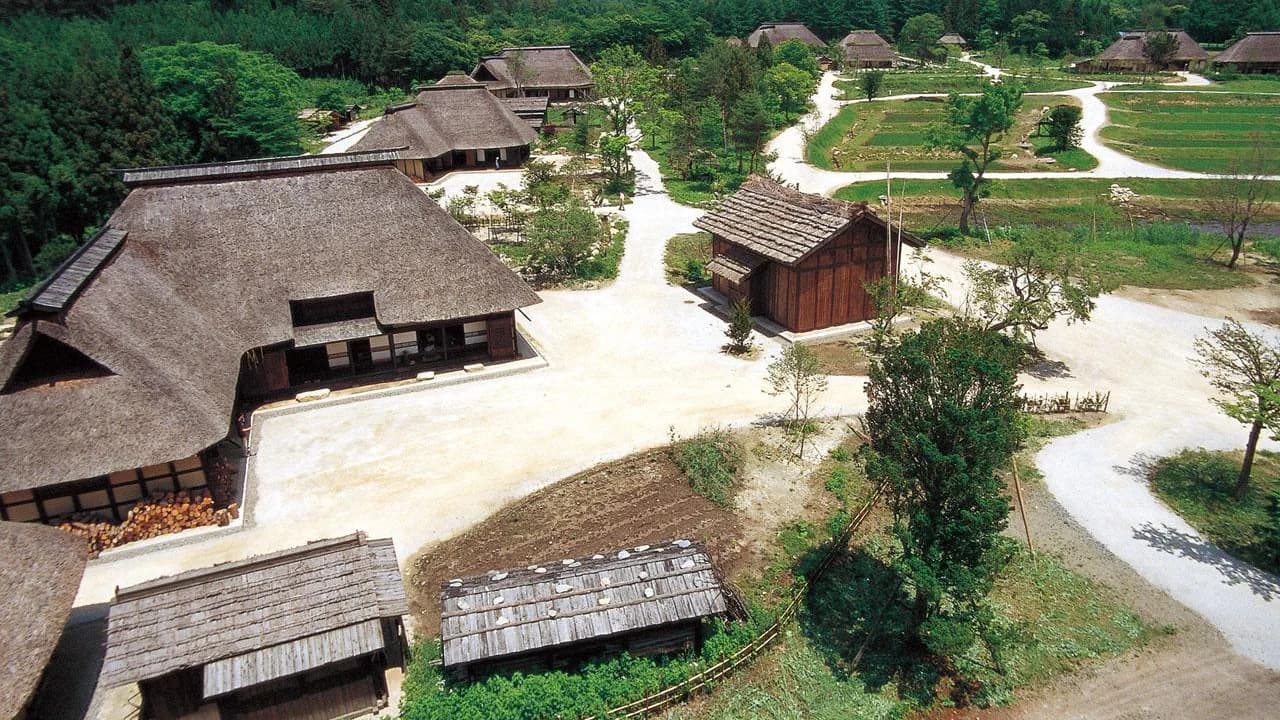
Osaki · MiyagiSeven old farmhouses of the Nanbu type moved to a valley in Iwate and kept as a working village, with horses, paddies and a water mill.
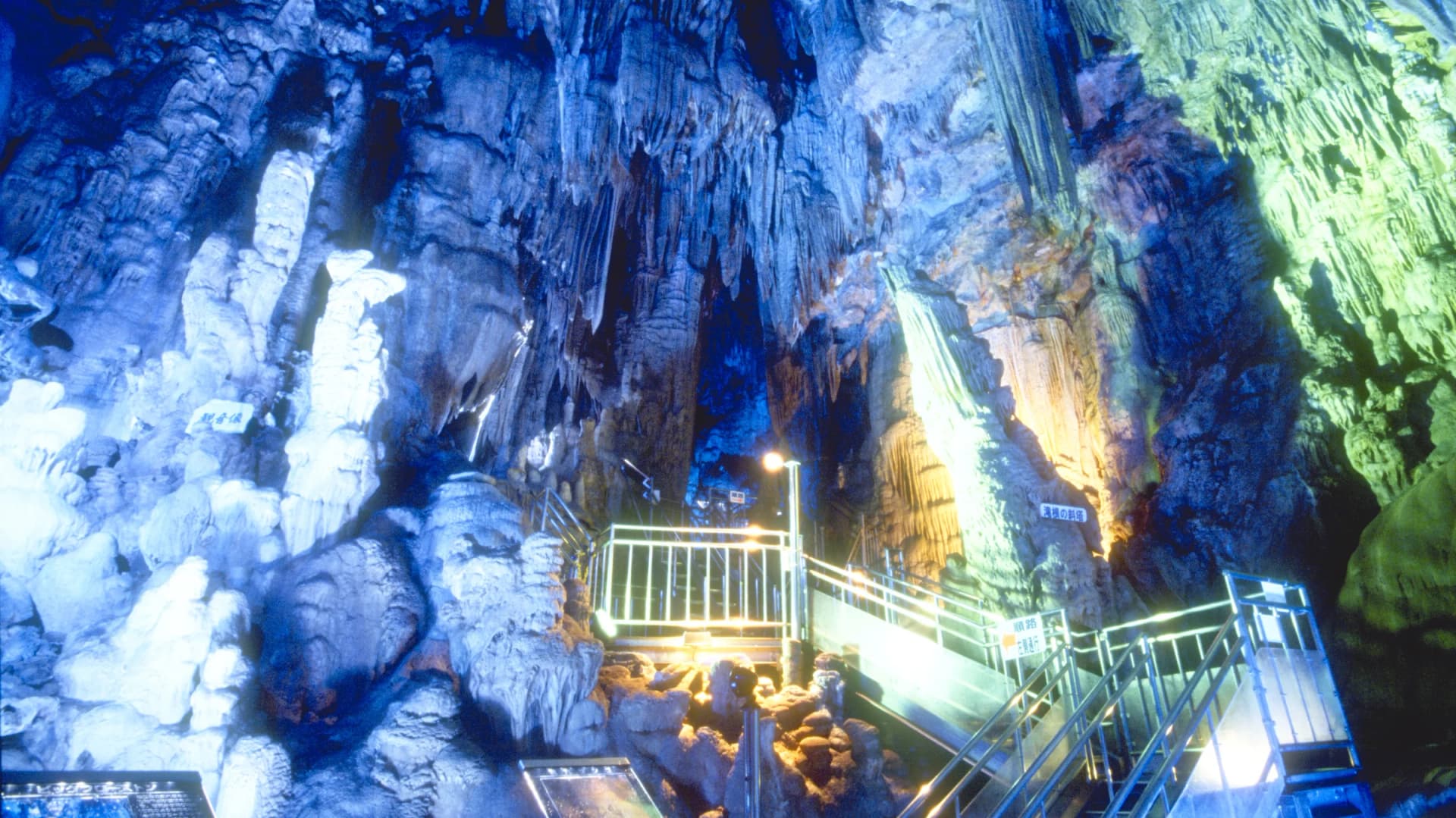
Tono · IwateA limestone cave in Fukushima with 600 metres open to walk, holding an unusual range of formations, including a rare disc-shaped shield.
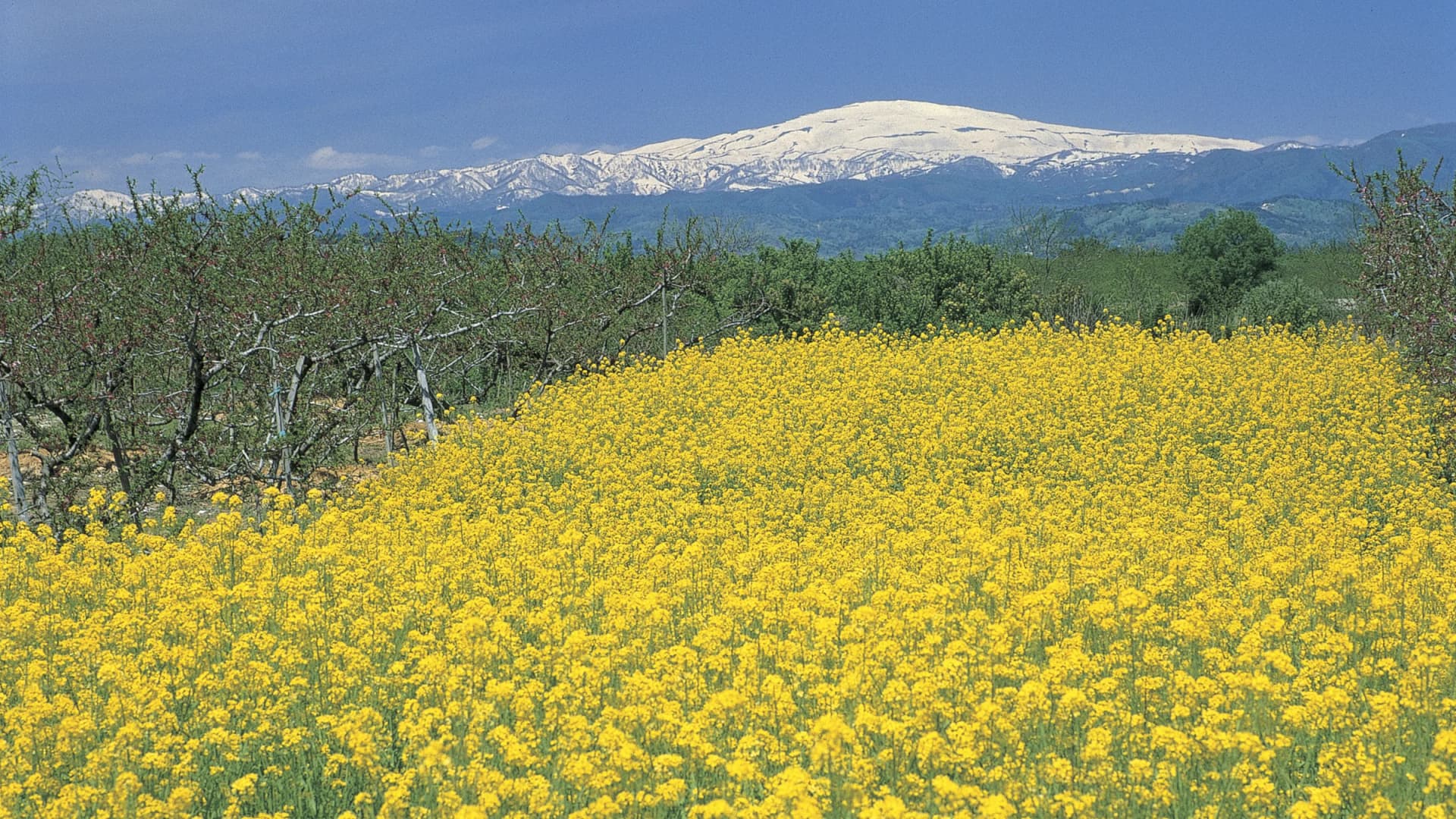
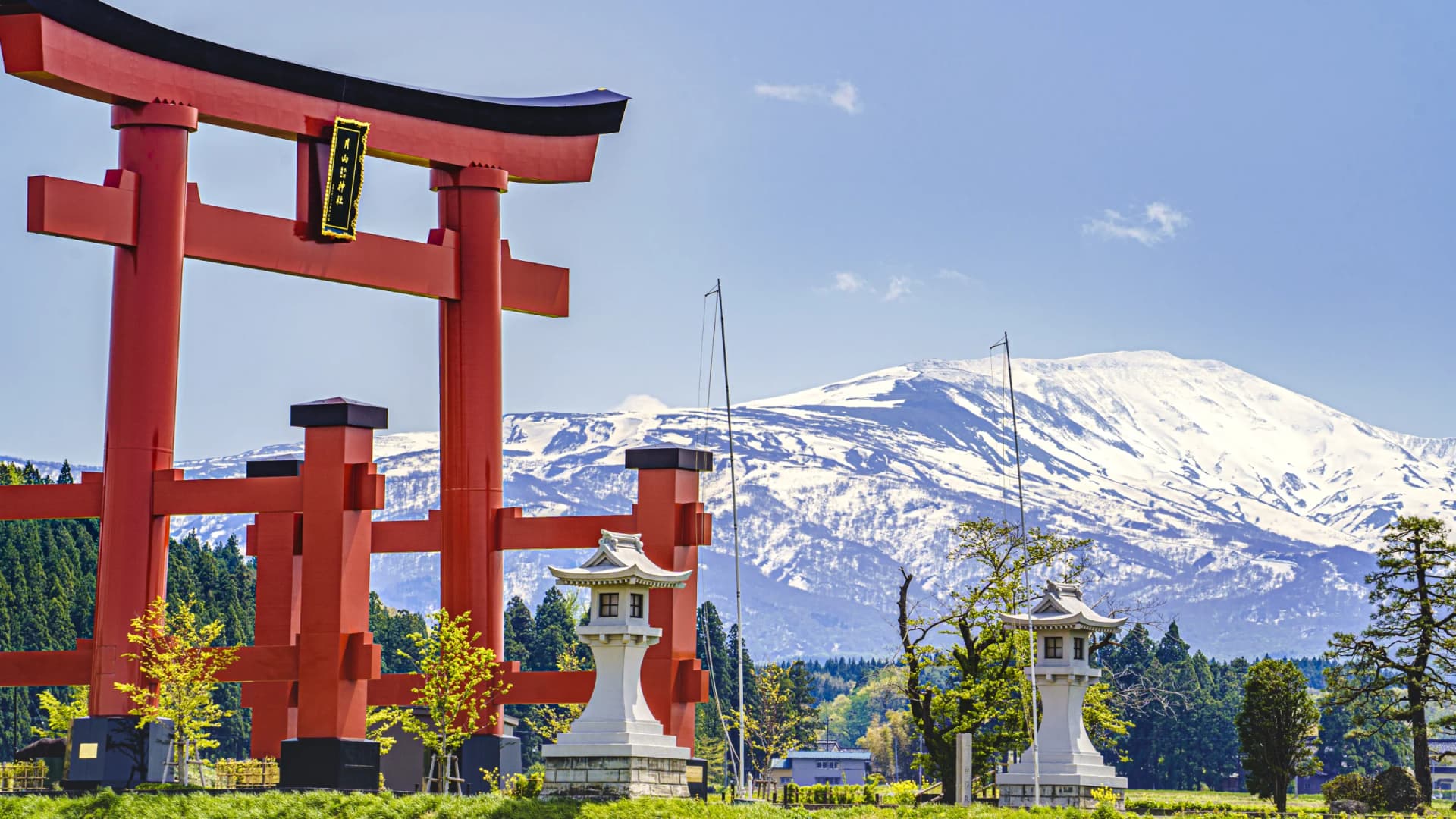
Tamura · FukushimaThe highest of the three mountains of Dewa in Yamagata, sacred to the moon god, with a shrine at the summit that opens only in high summer.
Tsuruoka · YamagataThe lowest of the three mountains of Dewa in Yamagata, climbed by a stone stair through old cedars, with a five-storey pagoda that is a National Treasure.
Tsuruoka · YamagataA Tendai temple of 860 built up a rock face in Yamagata, its halls reached by a stone stairway, and the place of Basho's poem about cicadas.
YamagataOne of three major Kumano shrines in Japan, Kumano Taisha was established in 806 and is known as the Ise Shrine of the North for its significance.
Nanyo · YamagataGuardian shrine of Aomori dedicated to the Three Goddesses of Munakata, featuring grounds with a sacred spring and historic remains including haiku stones by Matsuo Basho.
AomoriYamagata's main administrative center offering public services, local event information, and a gallery featuring works by regional artists and photographers.
YamagataHirosaki Municipal Tourist Center offers information on local attractions and events in a traditional Japanese building with a garden, providing maps, bookings, and free Wi-Fi.
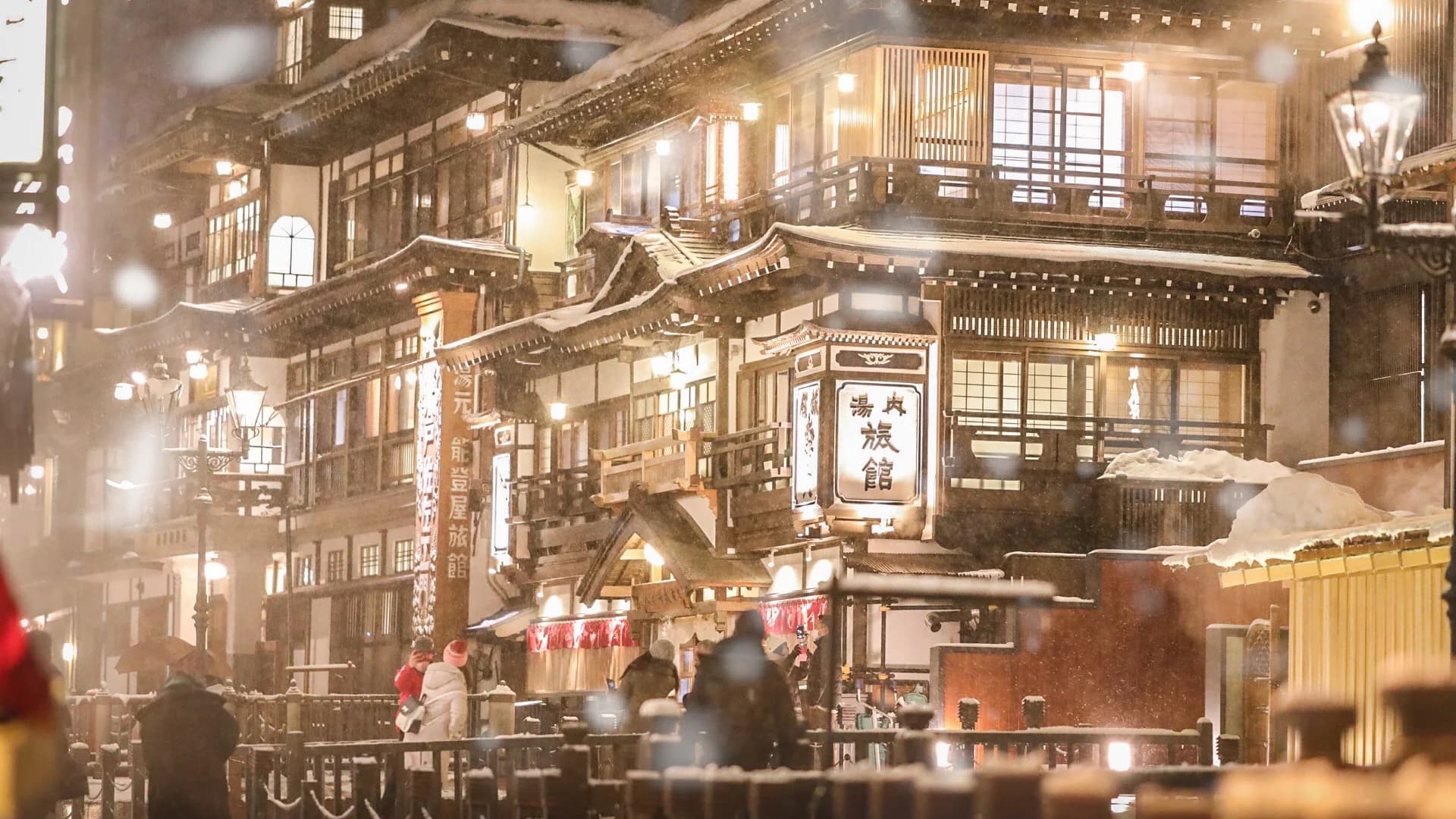
Hirosaki · AomoriA nostalgic Taisho-era hot-spring town in the Yamagata mountains, lined with wooden inns along a gas-lit river – at its most magical under snow.
Obanazawa · YamagataAlso known as Tsuruga Castle, this 14th century Fukushima fortress was destroyed in the 1868 Boshin War and later reconstructed as a museum.
Aizuwakamatsu · FukushimaFortress without a traditional keep, reflecting Tokugawa political order and built as a luxurious residential palace to demonstrate authority and wealth.
Sendai · MiyagiAn ancient fortress built in 724 CE that served as the northern capital of the Yamato Empire and administrative center for Mutsu Province.
Tagajo · MiyagiCastle ruins built in 1597 at a strategic river confluence, serving as a northern sentinel monitoring trade routes for over 700 years.
Morioka · IwateA reconstructed fortress in Aomori Prefecture built in 1334 that controlled regional trade routes and served as a base for the Southern Court.
Hachinohe · AomoriA Japanese castle built in 1611 that remains the only surviving Edo-period castle keep in the entire Tohoku region, originally featuring a five-story tower.
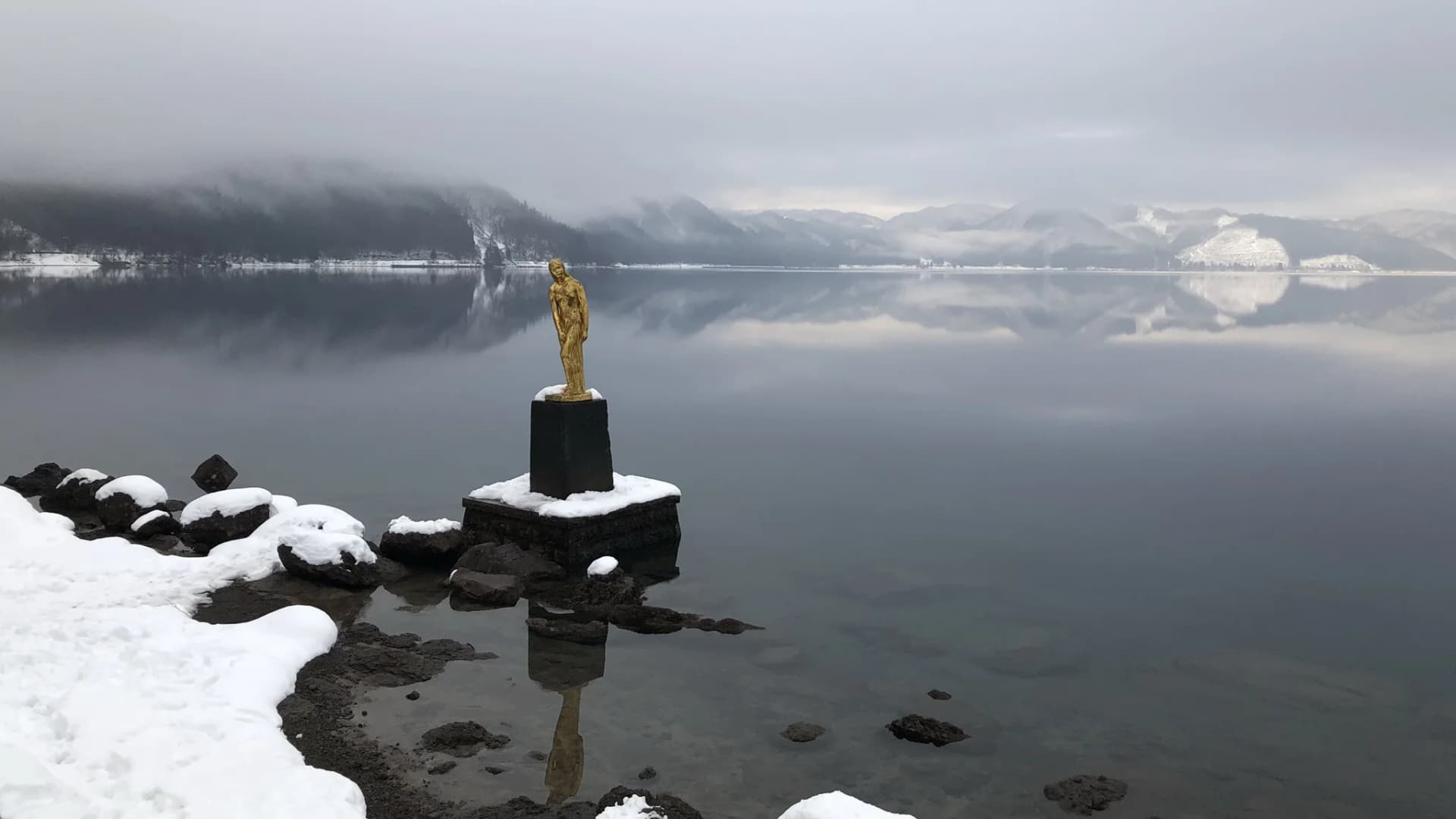
Hirosaki · AomoriLake Tazawa, Semboku, Akita, is Japan's deepest lake at 423 meters, a caldera lake known for its clear blue waters and the golden statue of Tatsuko.
Semboku · Akita