Tsutsujigaoka Tenmangu Shrine
榴岡天満宮
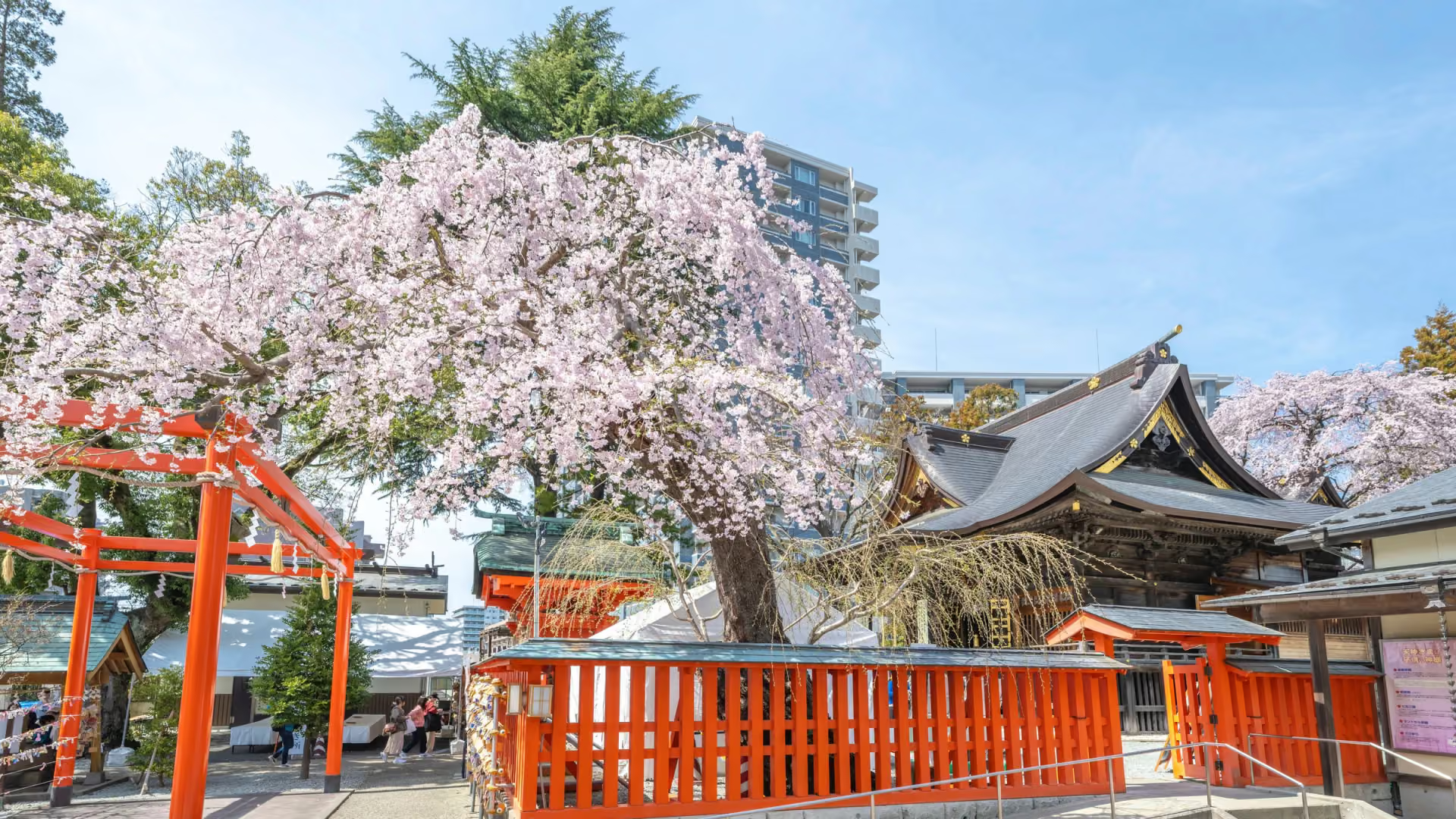
Dedicated to Sugawara no Michizane, this shrine was established in 974 and relocated to Sendai, rebuilt in 1667 with striking vermilion colors.
〒 983-0851How to get there
榴ケ岡Senseki Line4 min walk from the station
Tsutsujigaoka Tenmangu Shrine, nestled in the heart of Sendai’s Tsutsujigaoka area - famous for its cherry blossoms - has a long and storied history rooted in devotion to Sugawara no Michizane, the deified patron of scholarship known as Tenjin.
Originally founded in 974 during the Heian period in Yamashiro Province (present-day Kyoto), the shrine was successively relocated by Taira no Shigeharu to present-day Fukushima, then to Miyagi Prefecture, and finally to Sendai. When Date Masamune, founder of the Sendai domain, used sacred shrine trees to build Sendai Castle, he later atoned by reconstructing the shrine in 1611. In 1667, under the direction of the third lord Date Tsunamune, the shrine was moved to its current site in Tsutsujigaoka and rebuilt in vivid vermilion, complete with a karamon gate and a dedication of Michizane's own calligraphy.
The shrine building, crafted entirely from Japanese zelkova wood, is also known as Shoseikaku (Pavilion of True Sincerity). It gained further prestige when Emperor Meiji visited in 1876. The poet Matsuo Basho also stopped here in 1689, recording his visit in "The Narrow Road to the Deep North", highlighting the deep local reverence for Tenjin.
In 1795, a fire caused by lightning destroyed many of the shrine’s historical structures. Yet, Tsutsujigaoka Tenmangu is believed to be the only Tenmangu Shrine where Michizane is said to have descended directly from the heavens - a unique legend adding spiritual depth to its legacy.
More recently, the shrine was severely damaged in the 2011 Great East Japan Earthquake. After extensive restoration, it resumed full function in 2013. Recognized for its historical and cultural significance, it was designated a National Scenic Site in 2015 and a Japan Heritage Site in 2016. In 2017, the shrine celebrated 350 years at its present location.
Today, Tsutsujigaoka Tenmangu continues to be revered as the guardian of scholarship, children, and safe travel - serving as a spiritual and cultural anchor in the city of Sendai.
Getting There

Planning a trip? Fit this into a trip and Oni plans the rest around it.
Places nearby
Rakuten Mobile Park Miyagi
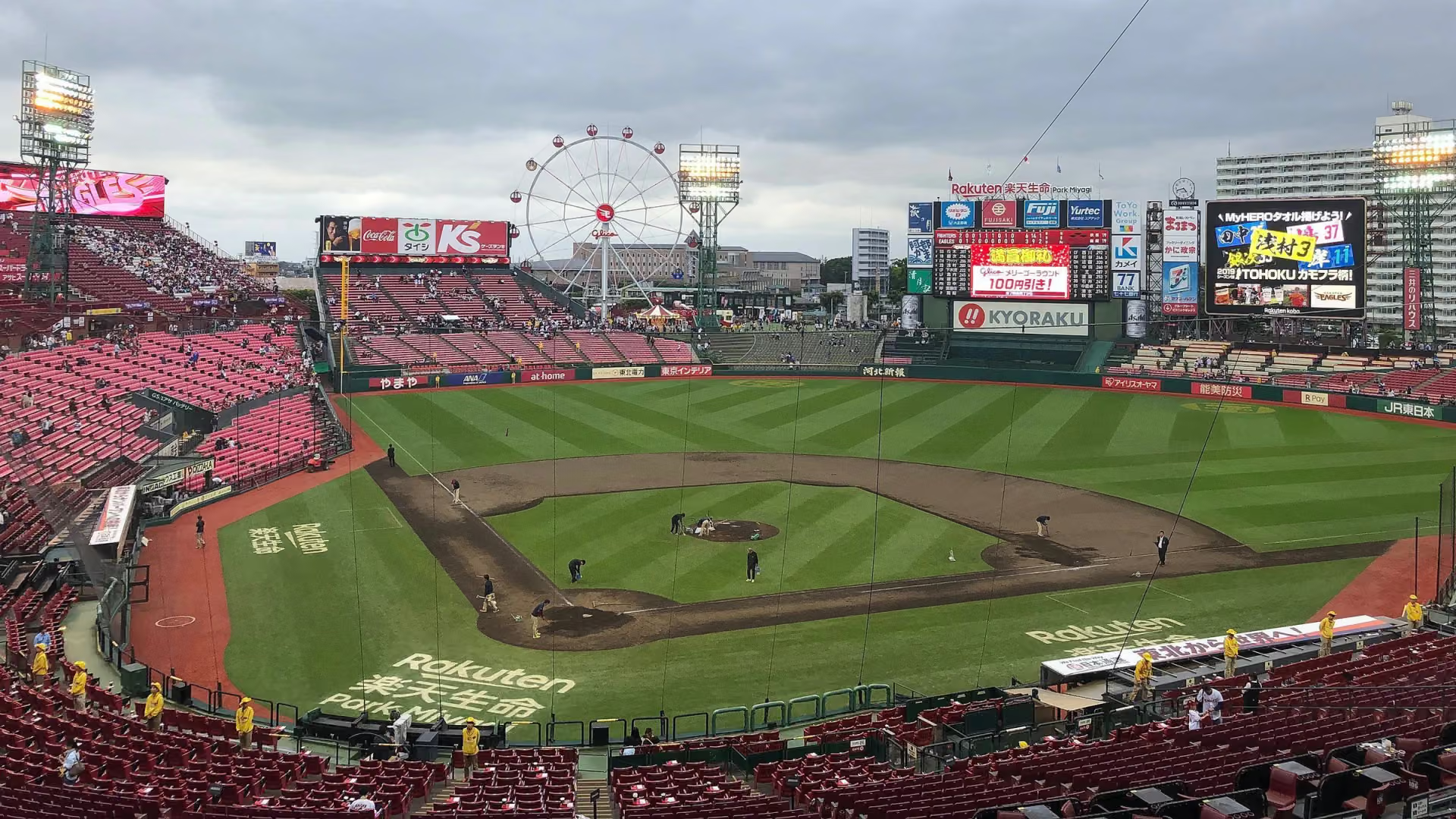
Baseball stadium in Miyagi, home of the Tohoku Rakuten Golden Eagles since 2005, with the Pacific League's only natural turf field and an amusement park.
Sendai · Miyagi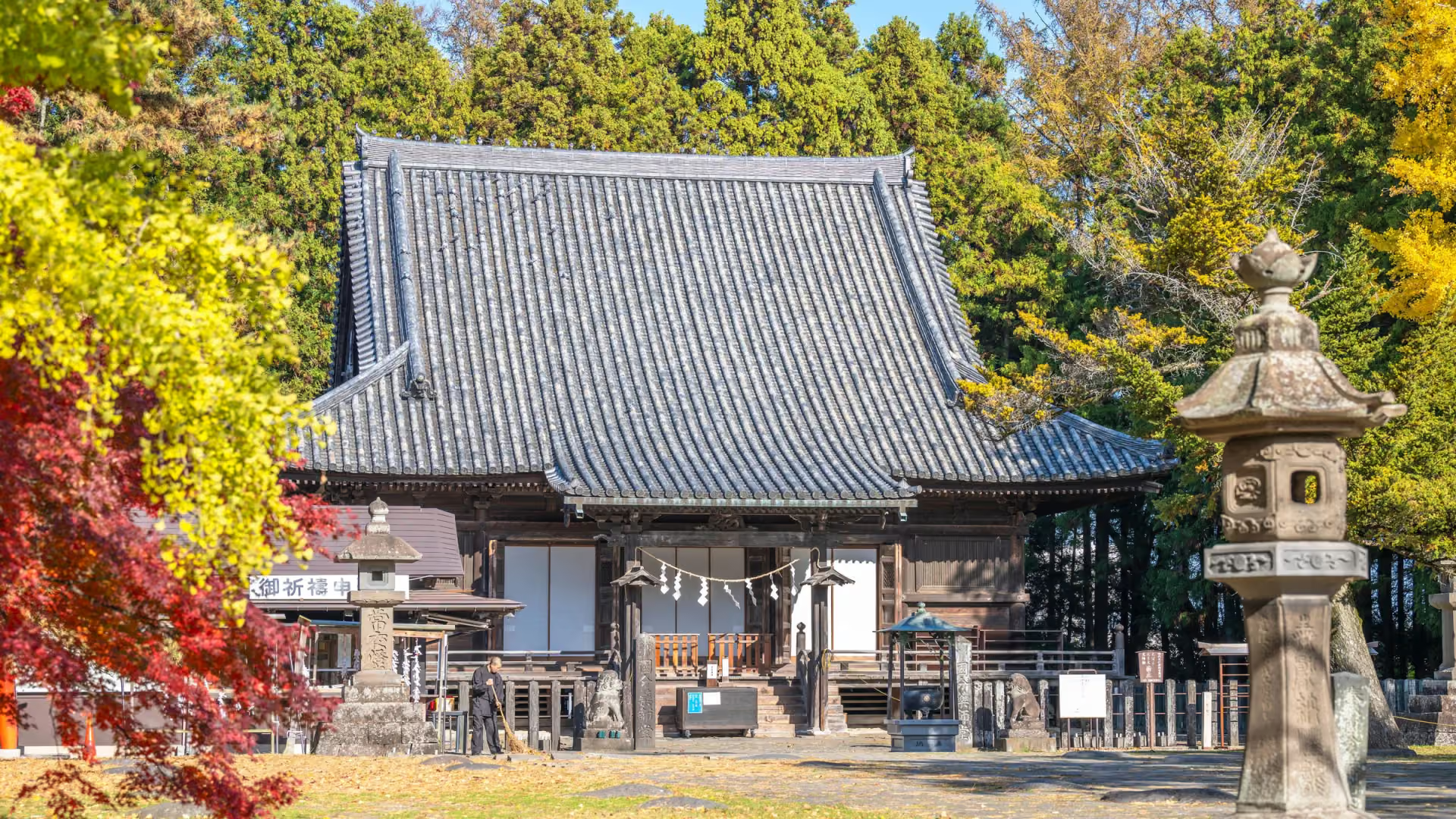
Mutsu Kokubun-ji
A provincial Buddhist temple founded in 741 as part of an imperial initiative, now housing Edo-period structures and archaeological remains.
Sendai · Miyagi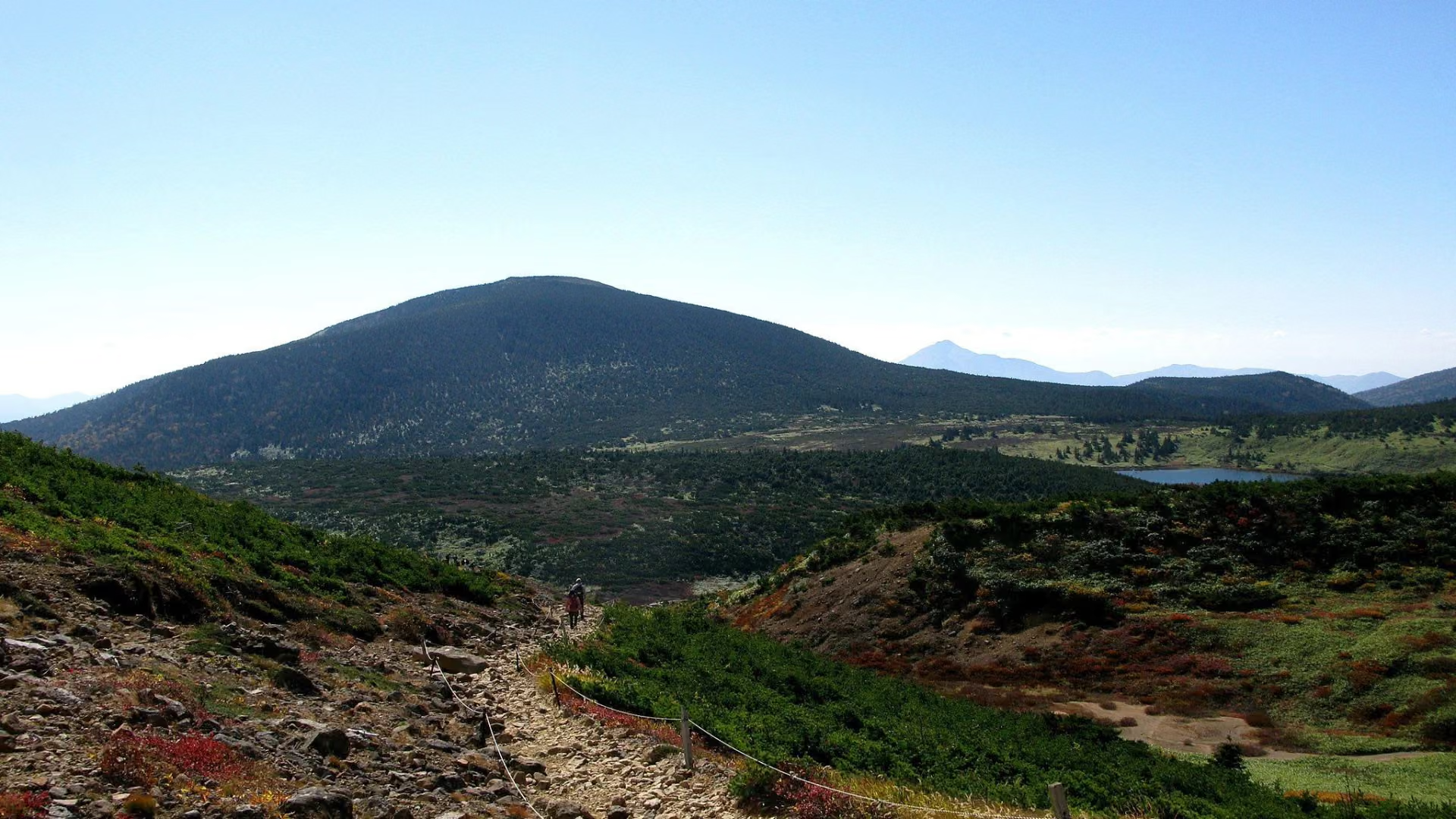
Bandai-Asahi National Park
This national park spanning three prefectures offers majestic mountains, forests, lakes including Japan's fourth largest, and hot springs popular in autumn.
You might also like
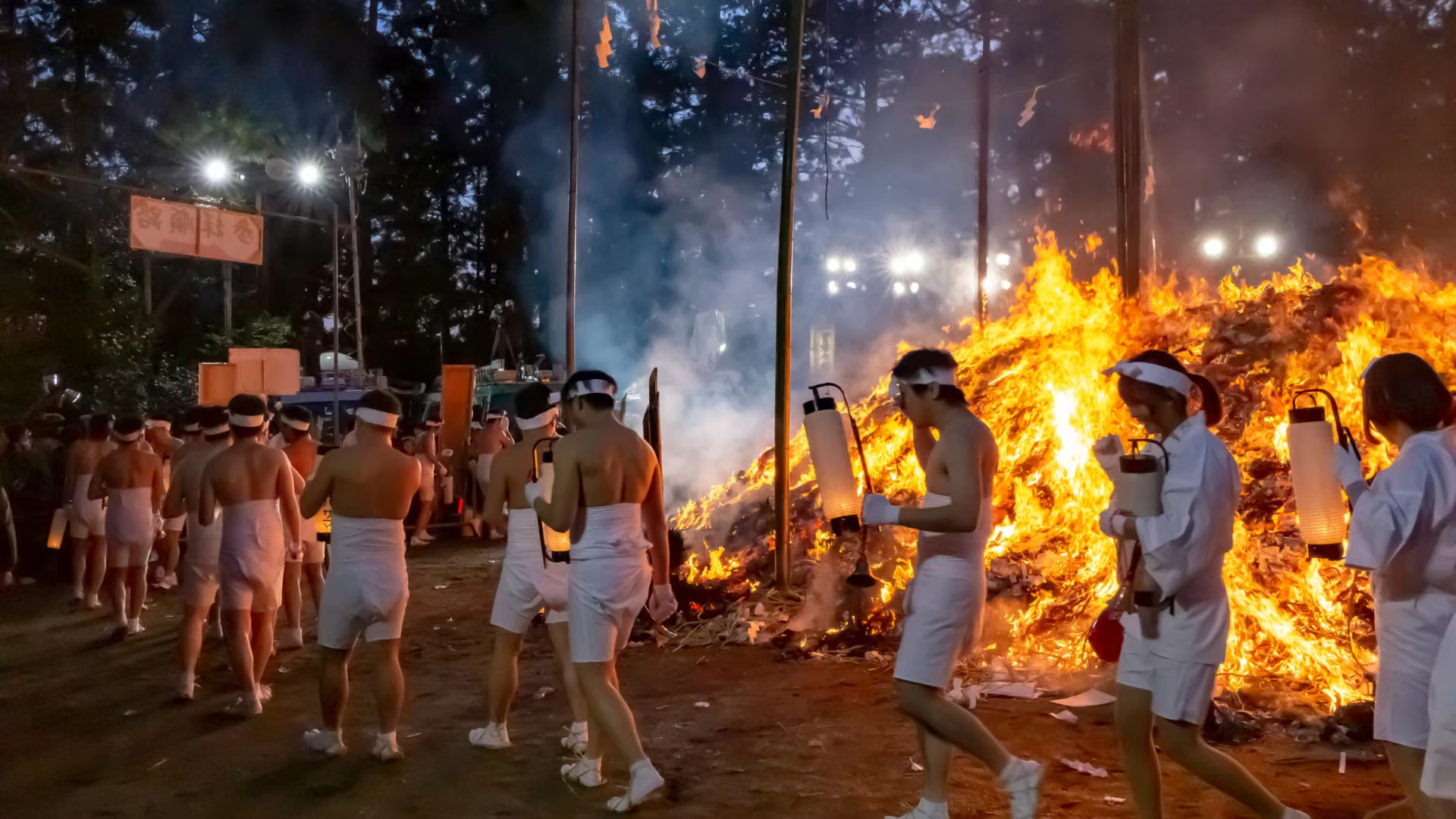
Dontosai Festival
An annual winter ritual in Sendai features the ceremonial burning of New Year decorations followed by a sacred pilgrimage procession in traditional attire.
14 Jan 2027Exact date not confirmed yetSendai · Miyagi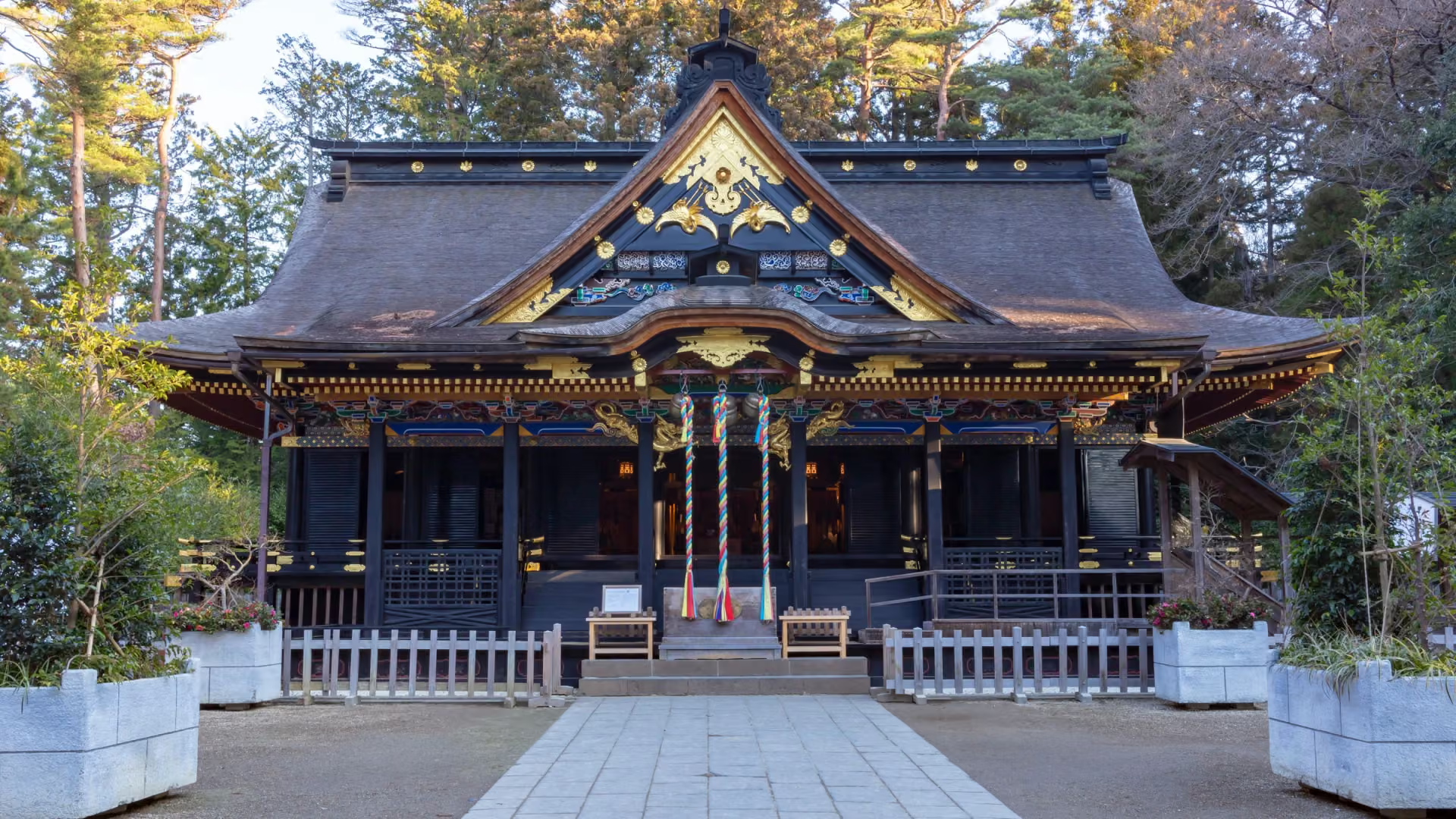
Osaki Hachimangu Shrine
Built between 1604 and 1607 under Date Masamune, this shrine showcases Momoyama-era architecture with an intricate main hall designated as a National Treasure.
Sendai · Miyagi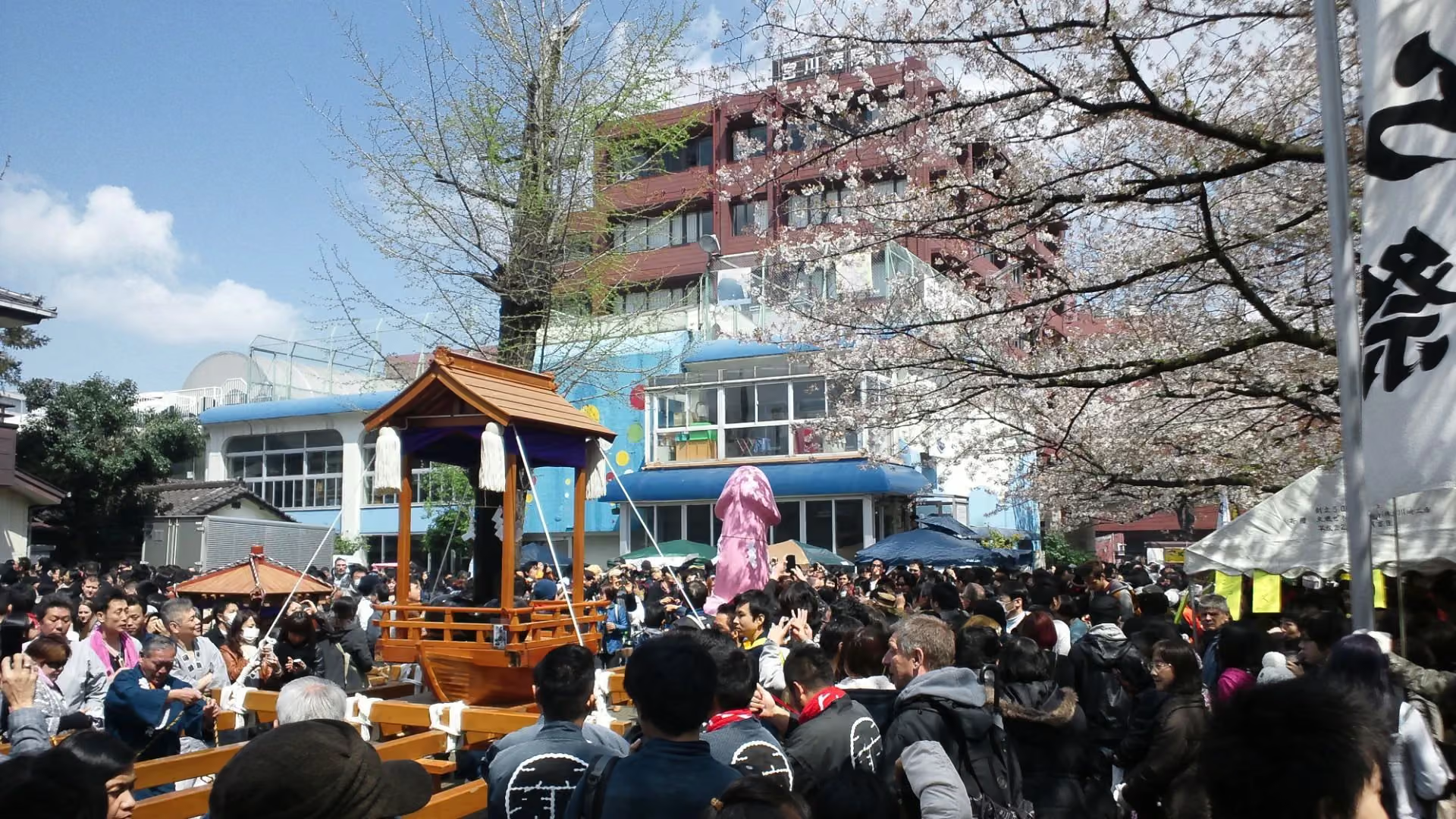
Kanamara Matsuri "Festival of the Steel Phallus"
An annual Shinto festival at Kanayama Shrine in Kawasaki featuring distinctive phallic imagery in decorations and parades while raising funds for HIV research.
5 Apr 2027Exact date not confirmed yetKawasaki · Kanagawa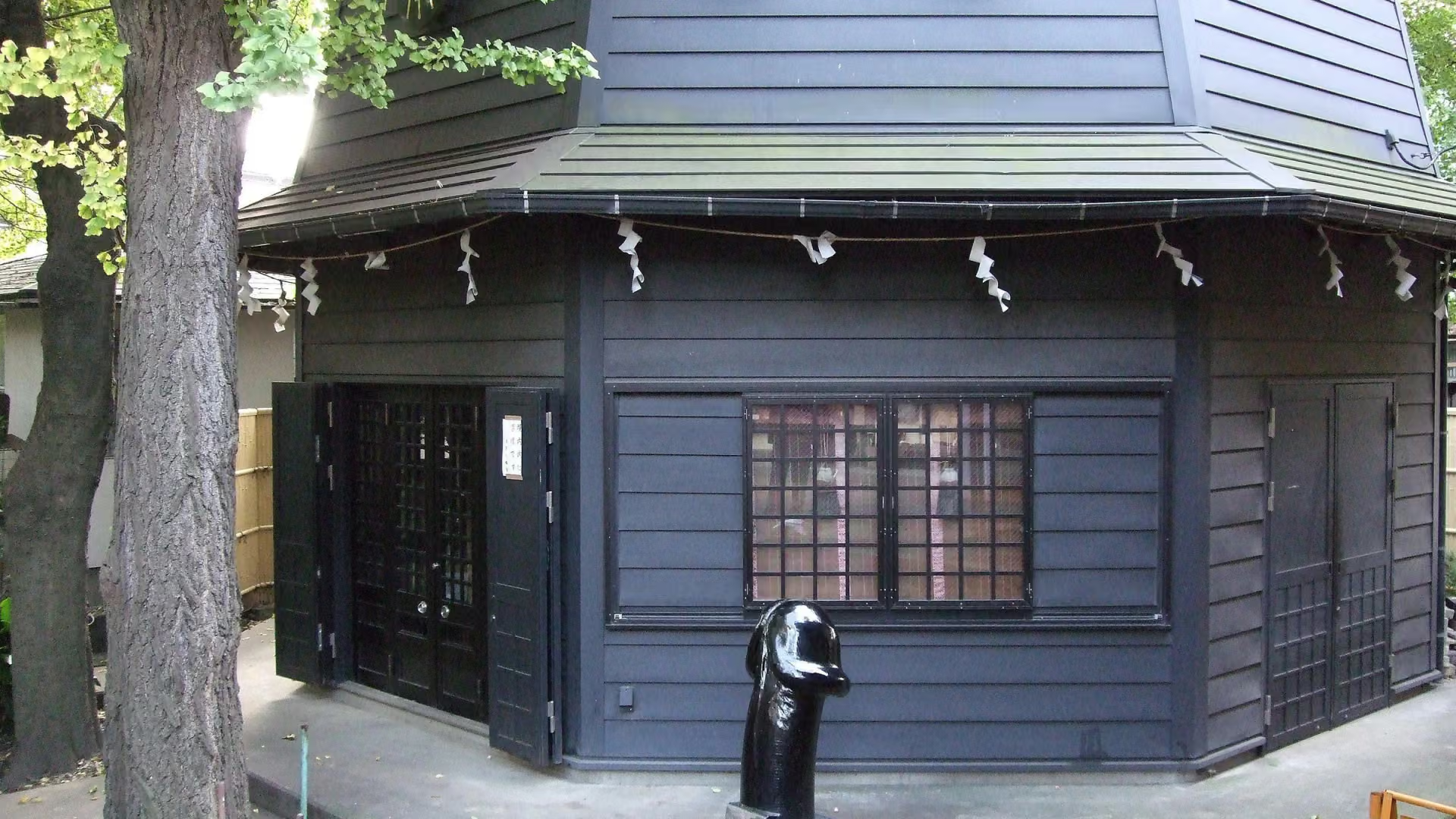
Kanayama Shrine
Shrine dedicated to metalworking deities, famous for the annual Kanamara Matsuri celebrating fertility and well-being, with origins in the Edo period.
Kawasaki · Kanagawa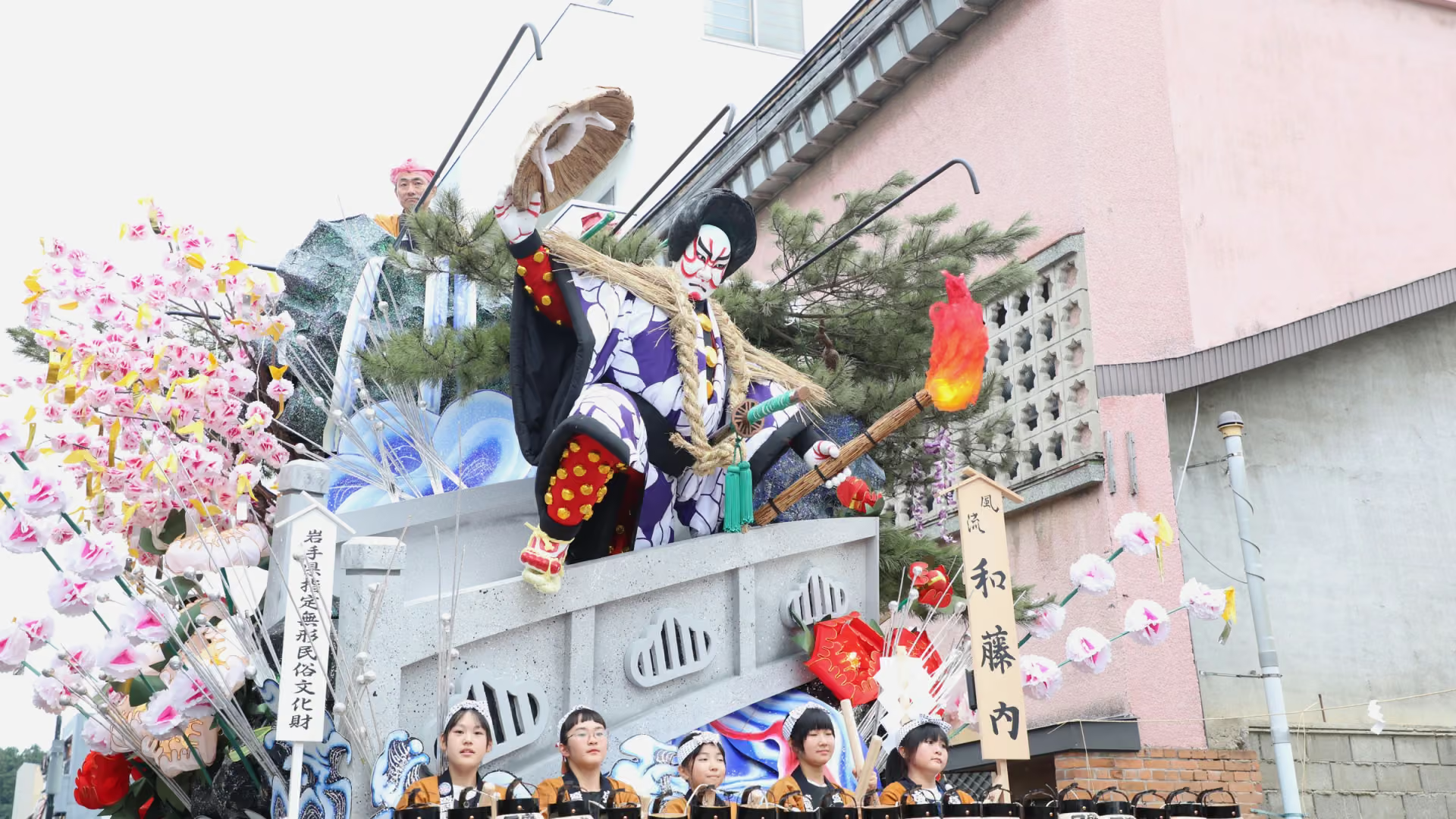
Morioka Fall Festival
One of Iwate's most enduring celebrations, this autumn festival originated as prayers for harvest, now featuring ornate floats and traditional parades.
14–16 Sep 2027Exact date not confirmed yetMorioka · Iwate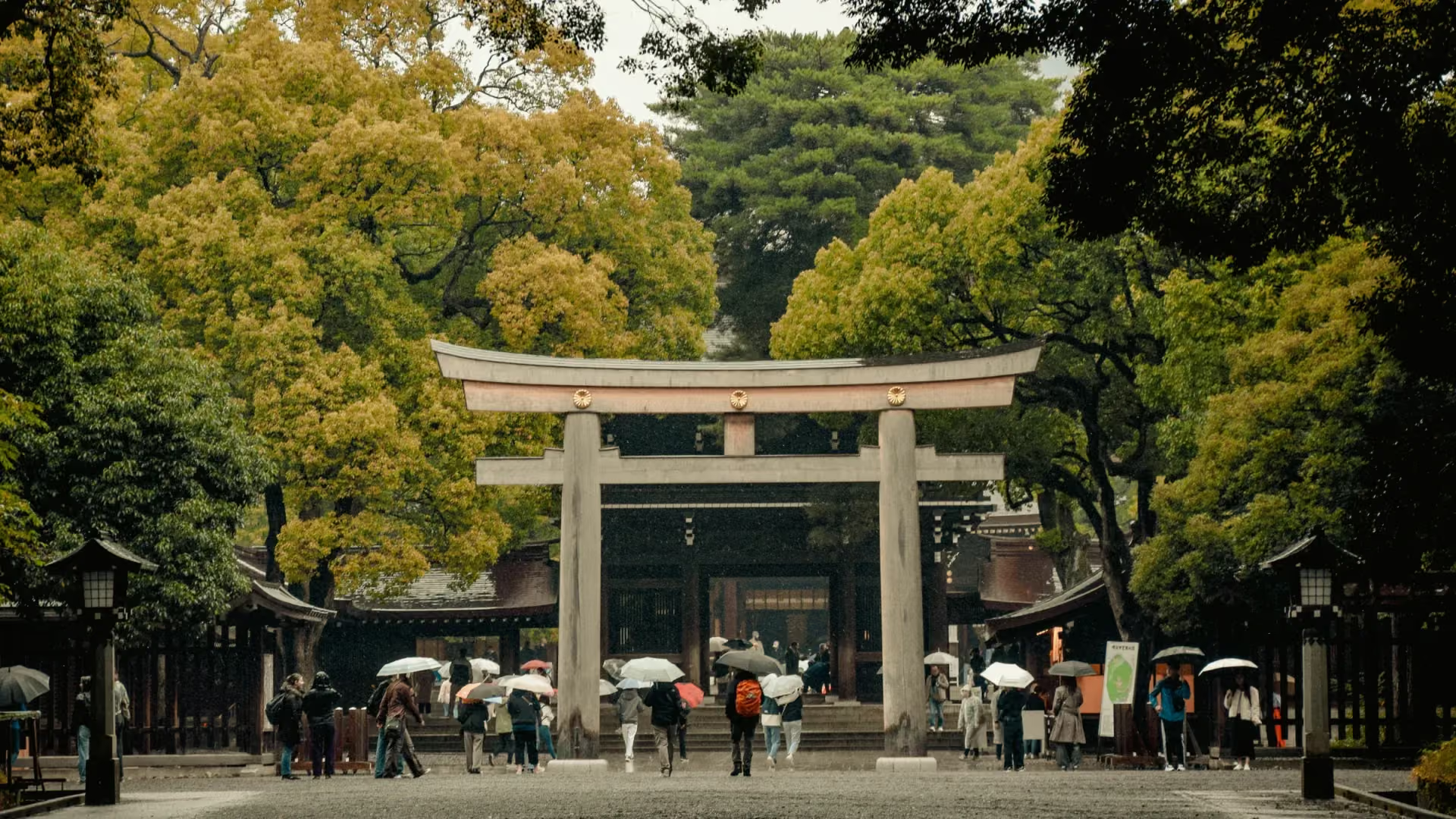
Meiji Jingu
Meiji Jingu is a Shinto shrine in Shibuya, Tokyo, dedicated to Emperor Meiji and Empress Shoken, set within a vast man-made forest of around 100,000 trees
Tokyo