Ishinomori Manga Museum
石ノ森萬画館
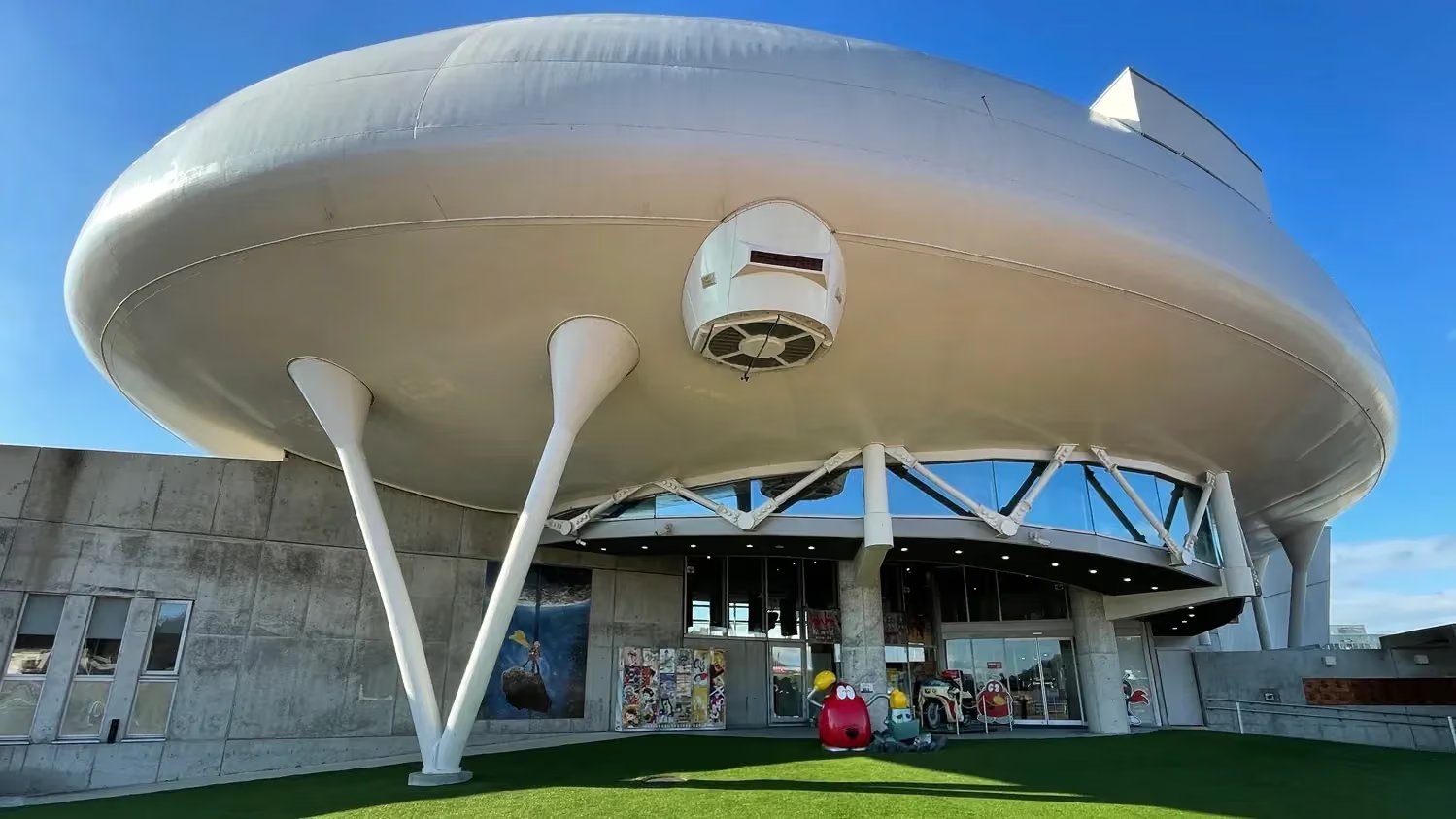
A museum on Nakaze island for manga artist Ishinomori Shotaro, creator of Cyborg 009 and Kamen Rider, in a spaceship-shaped building based on his design.
Open on Tuesdays during Golden Week (04/29 to 05/05) and the summer (07/21 to 08/24), winter (12/24 to 01/07) and spring (03/25 to 04/07) breaks. When a Tuesday is a public holiday, the museum closes on the next business day instead. Closes at 15:00 on 12/31.
〒 986-0823How to get there
石巻Ishinomaki Line · Senseki Line12 min walk from the station
The Ishinomori Manga Museum is a manga museum on Nakaze, a small island at the mouth of the Kitakami River in Ishinomaki. It is dedicated to the life and work of manga artist Ishinomori Shotaro, and to the possibilities of manga as a means of expression. Its logo reads Ishinomaki Mangattan Museum, a name chosen to honour Ishinomori's attachment to Nakaze.
Born in 1938 in what is now Tome City, Miyagi Prefecture, Ishinomori made his debut in 1954 with Nikyu Tenshi (二級天使). From 1964 he produced a run of hit works, including Cyborg 009 and Kamen Rider, and his work extended into tokusatsu, live-action special-effects drama, and animation. In 1989 he issued his Manga Declaration (Manga Sengen, 萬画宣言), proposing that manga be written with the character 萬, meaning all things, since the medium can express anything. He died in 1998 at the age of 60. In 2008, Kadokawa's complete edition of his works, Ishinomori Shotaro Manga Daizenshu, was certified by Guinness World Records for the most comics published by a single author.
History of the Museum
The museum grew out of a talk between Ishinomori and the mayor of Ishinomaki in July 1995, in which the idea arose of building a manga museum on Nakaze to bring life back to the city center. As a student, Ishinomori is said to have cycled about three hours to watch films at a cinema on Nakaze. He embraced the project, sketching the spaceship-shaped building himself and coining the name Mangattan for the area, after the island's likeness in shape to Manhattan. He wanted a place that would never be finished: one that kept changing through exhibitions and events, nurtured people of all ages and spread Japanese culture to the world.
Ishinomori died in 1998 before the museum was built, and citizens of Ishinomaki campaigned with petitions and other efforts to carry his plan forward. The museum opened on 23 July 2001.
On 11 March 2011, the Great East Japan Earthquake flooded the building's ground floor to a depth of 6.5 meters, and everything on that floor was swept into the river. Visitors and staff had already been evacuated, and none of them died. Staff and volunteers from across Japan cleared the rubble and sludge, and about 10,000 messages of support were written on the plywood boarding up the broken entrance. The museum reopened on 17 November 2012.
True to Ishinomori's original vision, the museum presents his body of work from many angles and holds special exhibitions and events through the year. Its yearly events carry the Mangattan name: the Mangattan Thanksgiving Festival in March, the Spring Mangattan Festival during Golden Week, and the Mangattan Culture Festival on Culture Day in November. A sister facility, the Ishinomori Shotaro Hometown Memorial Museum, stands in his birthplace, Nakada-cho in Tome City.
Getting There

Planning a trip? Fit this into a trip and Oni plans the rest around it.
You might also like

Ikebukuro Halloween Cosplay Festival
A large Halloween cosplay festival centered on Ikebukuro's East Exit features stage performances, parades, and gathering spaces for participants of all ages.
30 Oct – 1 Nov 2027Exact date not confirmed yetTokyo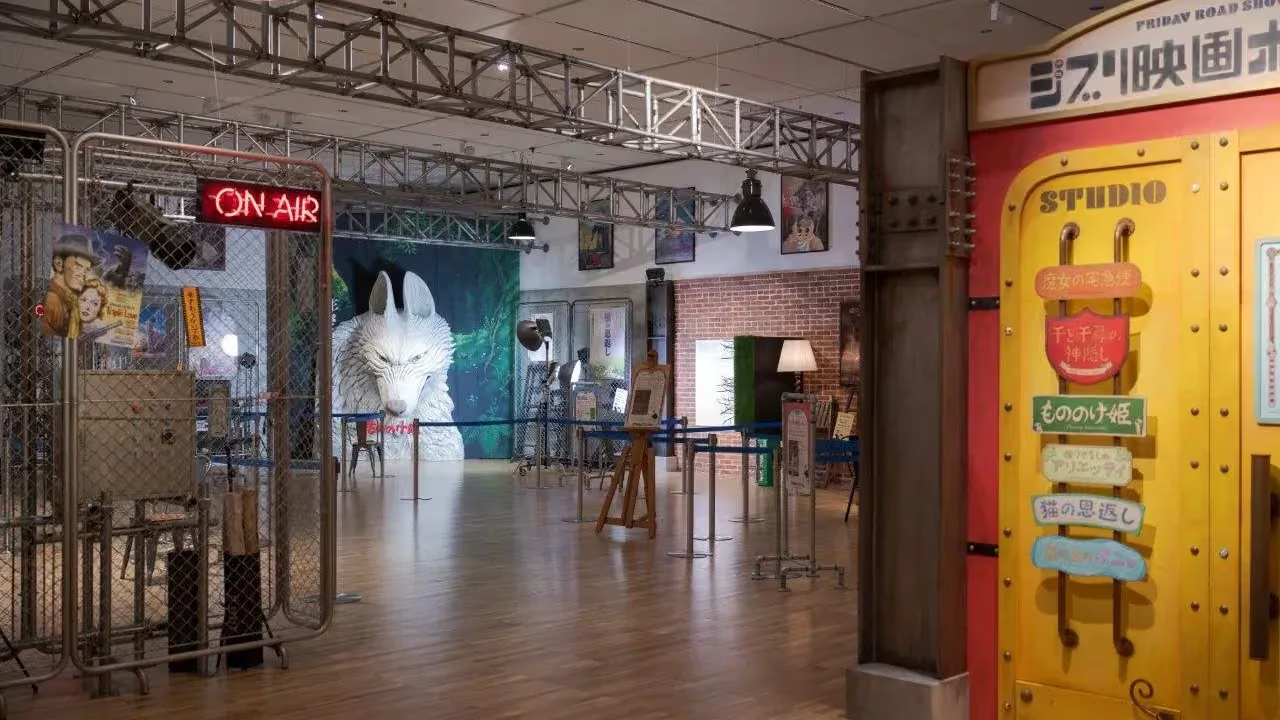
Friday Road Show and Ghibli Exhibition
A touring exhibition on the long partnership between Friday Road Show, Nippon TV's weekly film slot, and Studio Ghibli, with storyboards, photo spaces and AR.
3 Nov 2026 – 14 Feb 2027Saga
Shuga-ten: Shohin Bonsai Fair
Small bonsai up to about 20 cm tall, shown in display seats by members of the Japan Shohin-Bonsai Association, with dealers selling trees, pots and tools.
30 Oct – 1 Nov 2027Exact date not confirmed yetTokyo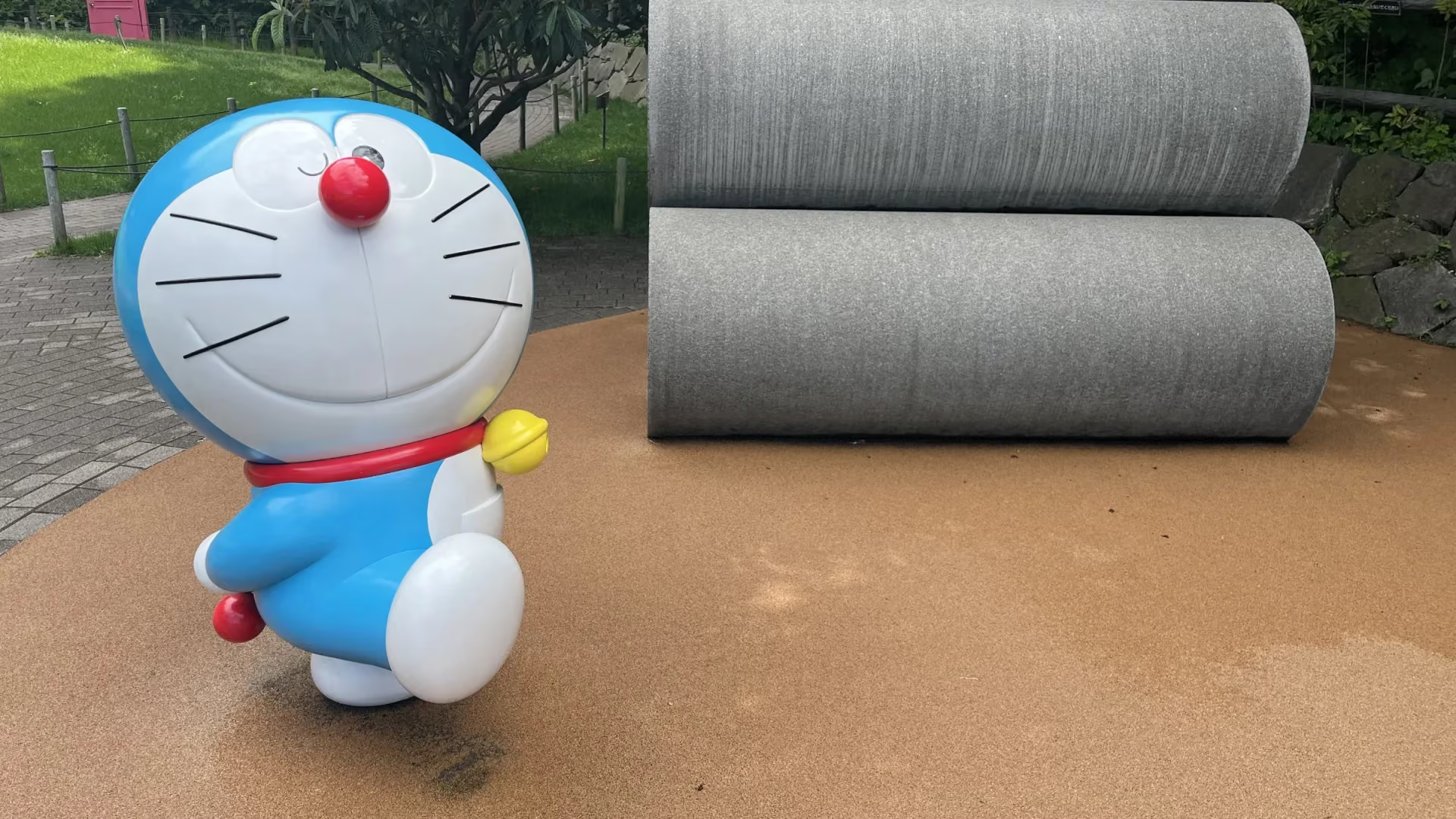
Fujiko・F・Fujio Museum
Museum in Kawasaki on the manga artist Fujiko F. Fujio, creator of Doraemon, with his original artwork, his desk and library, and a theater of short films.
Kawasaki · Kanagawa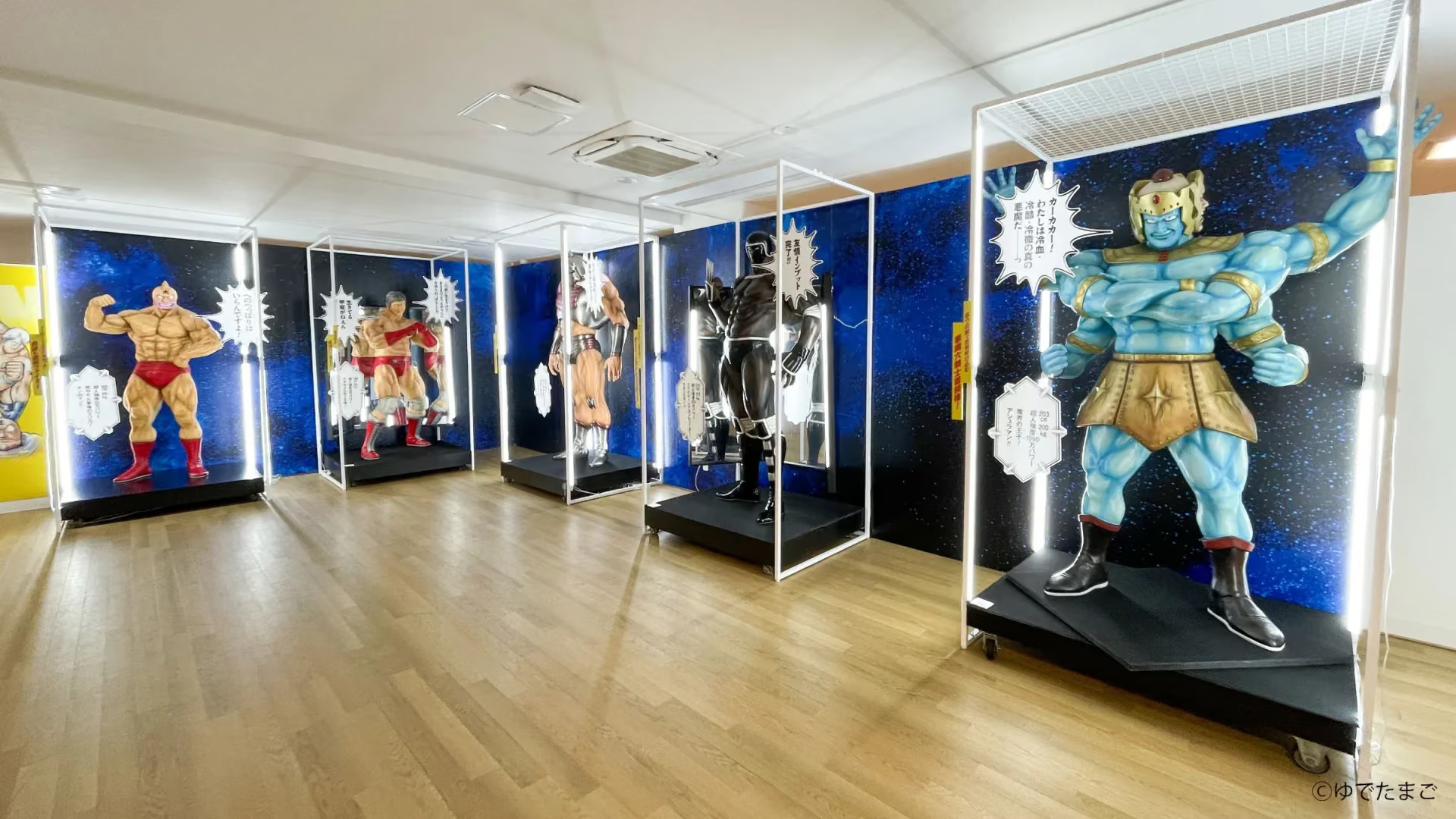
Kinnikuman Museum
Japan's first permanent museum dedicated to the Kinnikuman manga series, opened in 2024 in Numazu, with 45 replica drawings and life-size figures.
Numazu · Shizuoka
PARCO Enta Park
The entertainment concept of Nagoya PARCO, centred on a West Building floor of character shops, a collaboration cafe and the PARCO HALL exhibition space.
Nagoya · Aichi