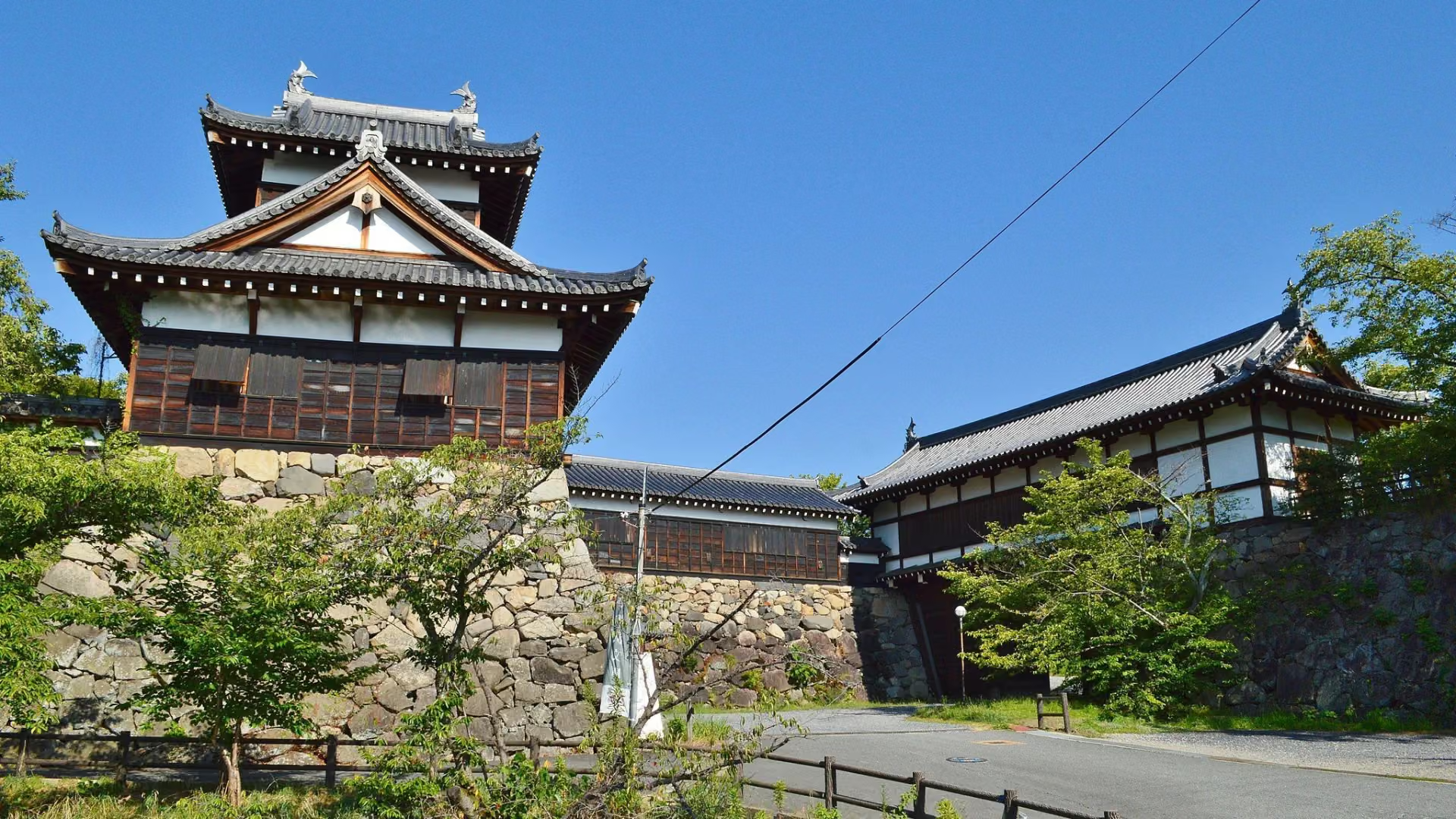
Koriyama Castle Ruins
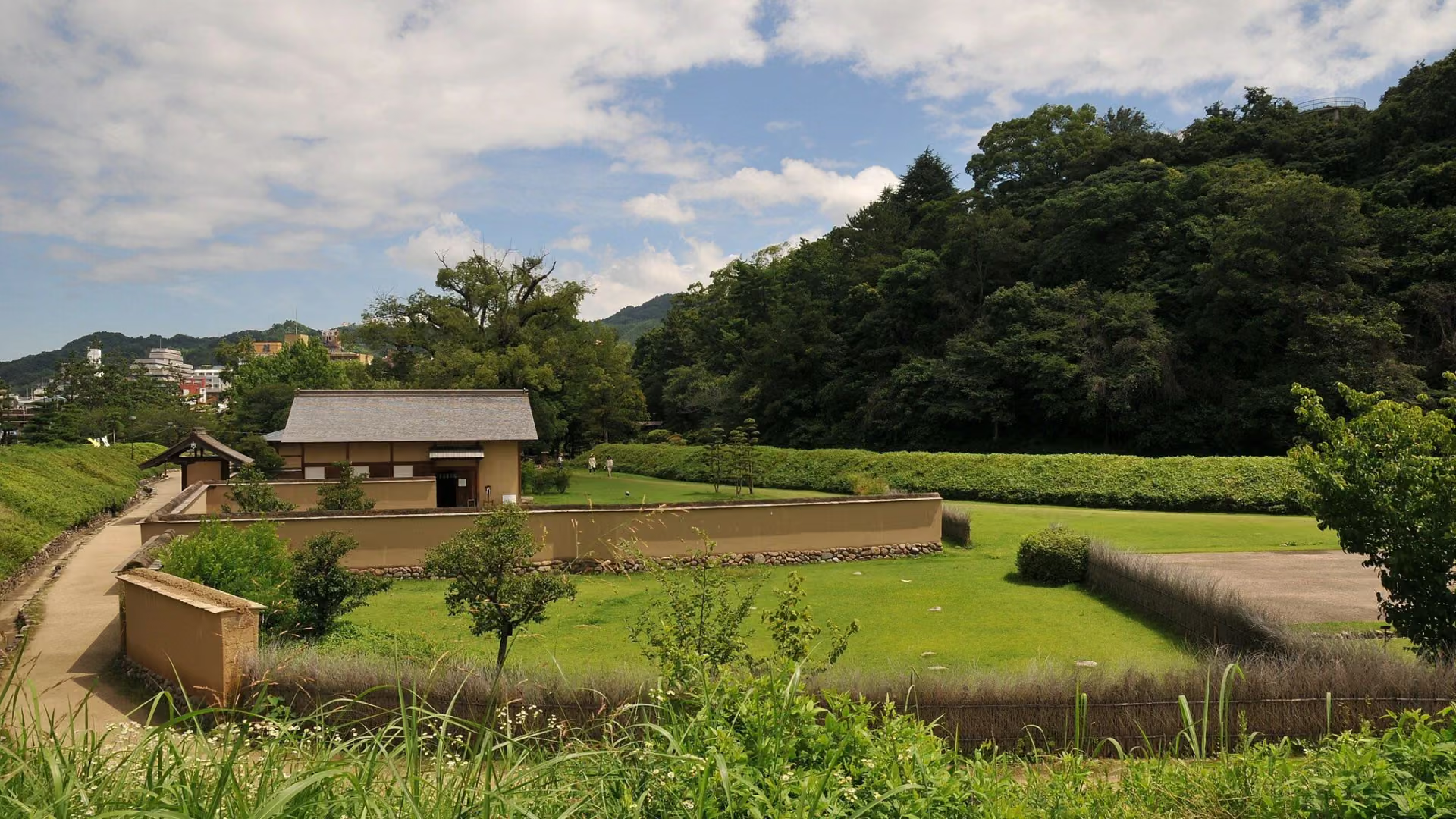
Castle ruins in Yamatokoriyama, Nara, with stone walls, moats, rebuilt gates and turrets, a keep-base lookout and one of Japan's top cherry blossom spots.
Yamatokoriyama · Nara

Castle ruins in Yamatokoriyama, Nara, with stone walls, moats, rebuilt gates and turrets, a keep-base lookout and one of Japan's top cherry blossom spots.
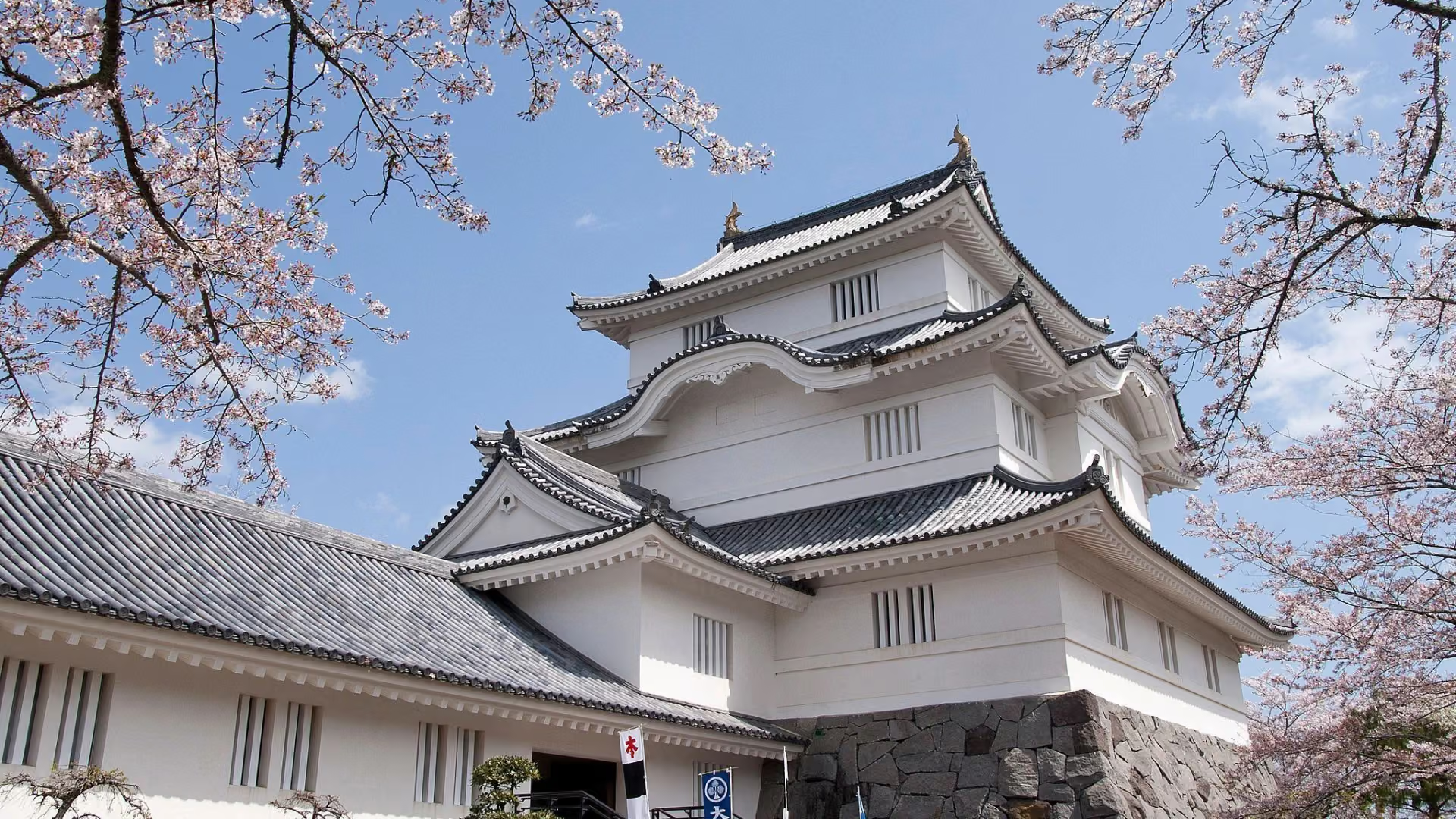
Yamatokoriyama · NaraOtaki Castle, a castle in Otaki, Chiba, from the 16th-century Sengoku period, with a reconstructed keep, stone walls and a museum of feudal history.
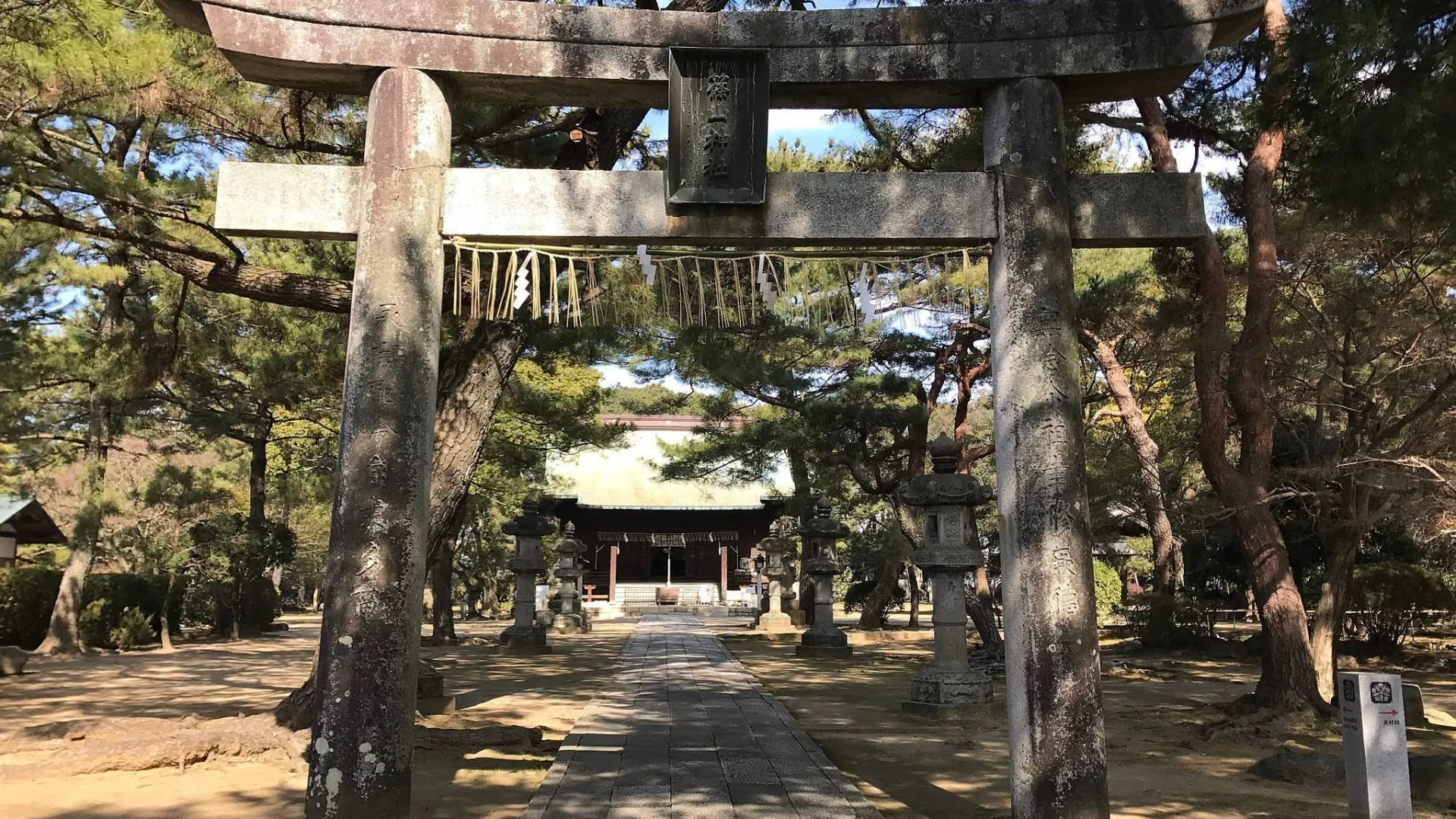
Otaki · ChibaSasayama Shrine, dedicated to the god of martial arts and war, sits within Kurume Castle in Fukuoka with a main hall in traditional Edo period style.
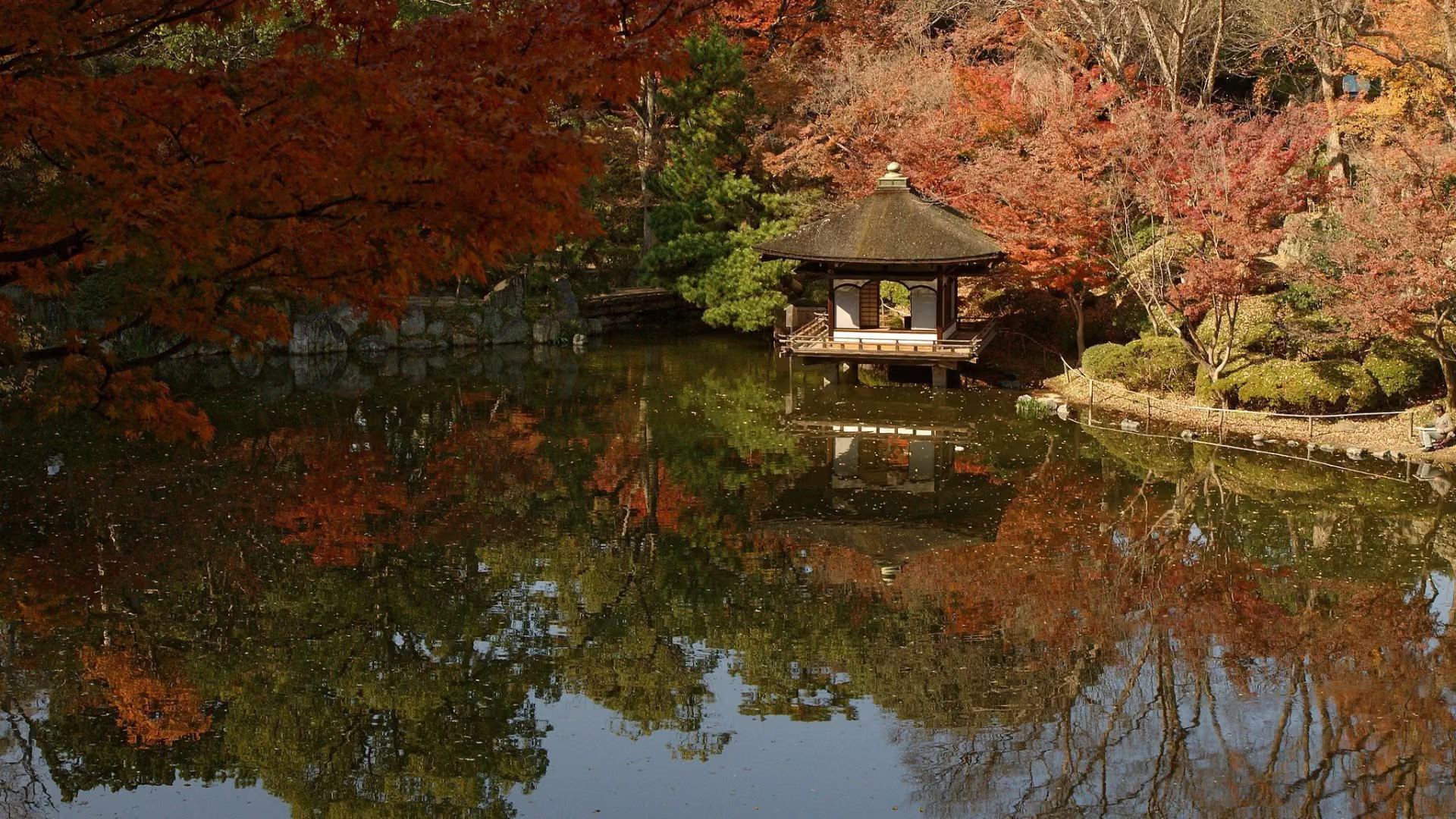
Kurume · FukuokaPublic garden within Wakayama Castle grounds featuring thousands of cherry blossom trees, a central pond, and a traditional tea house.
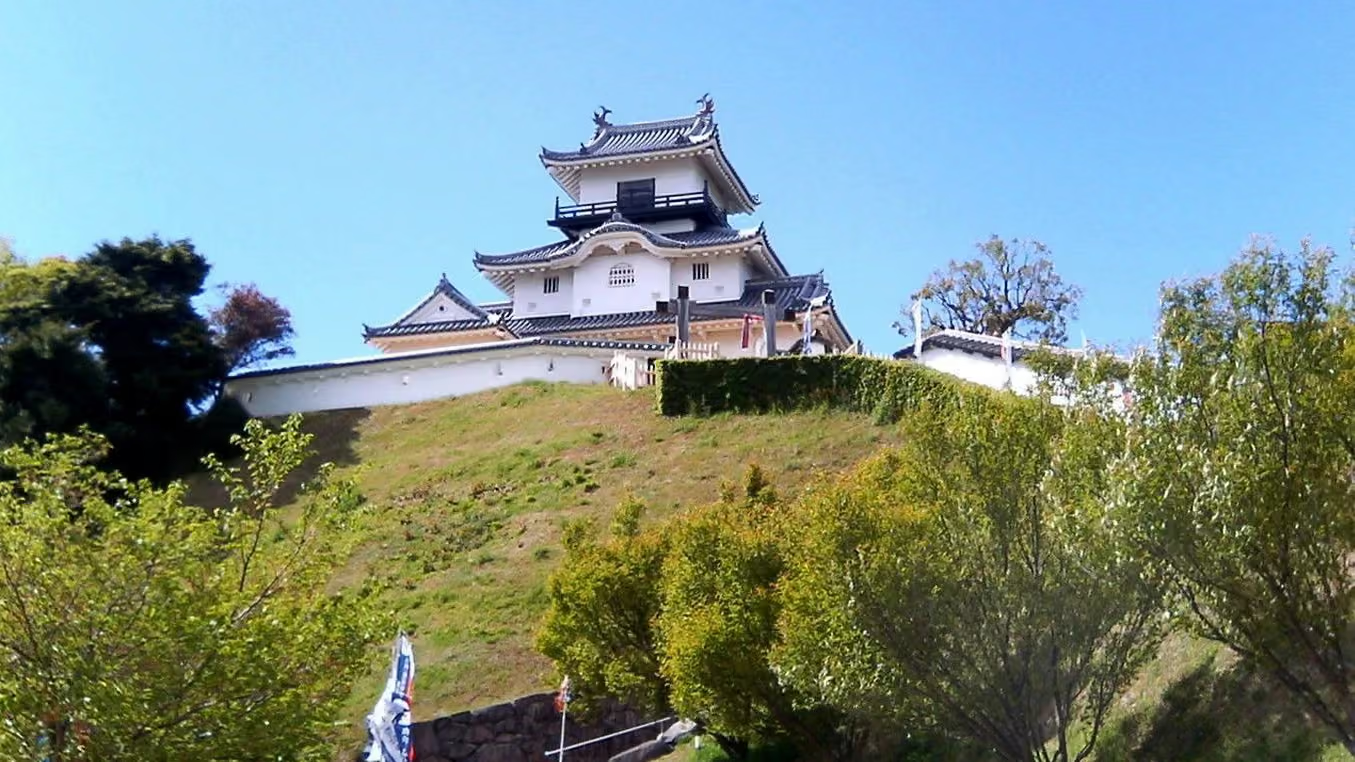
WakayamaKakegawa Castle served as a strategic fortress for the Tokugawa vassal clans along the Tokaido highway connecting Kyoto and eastern Japan.
Kakegawa · ShizuokaFukui castle known as the Mist Castle, whose keep is claimed to be the oldest in Japan, now overlooking a public park popular for cherry blossoms.
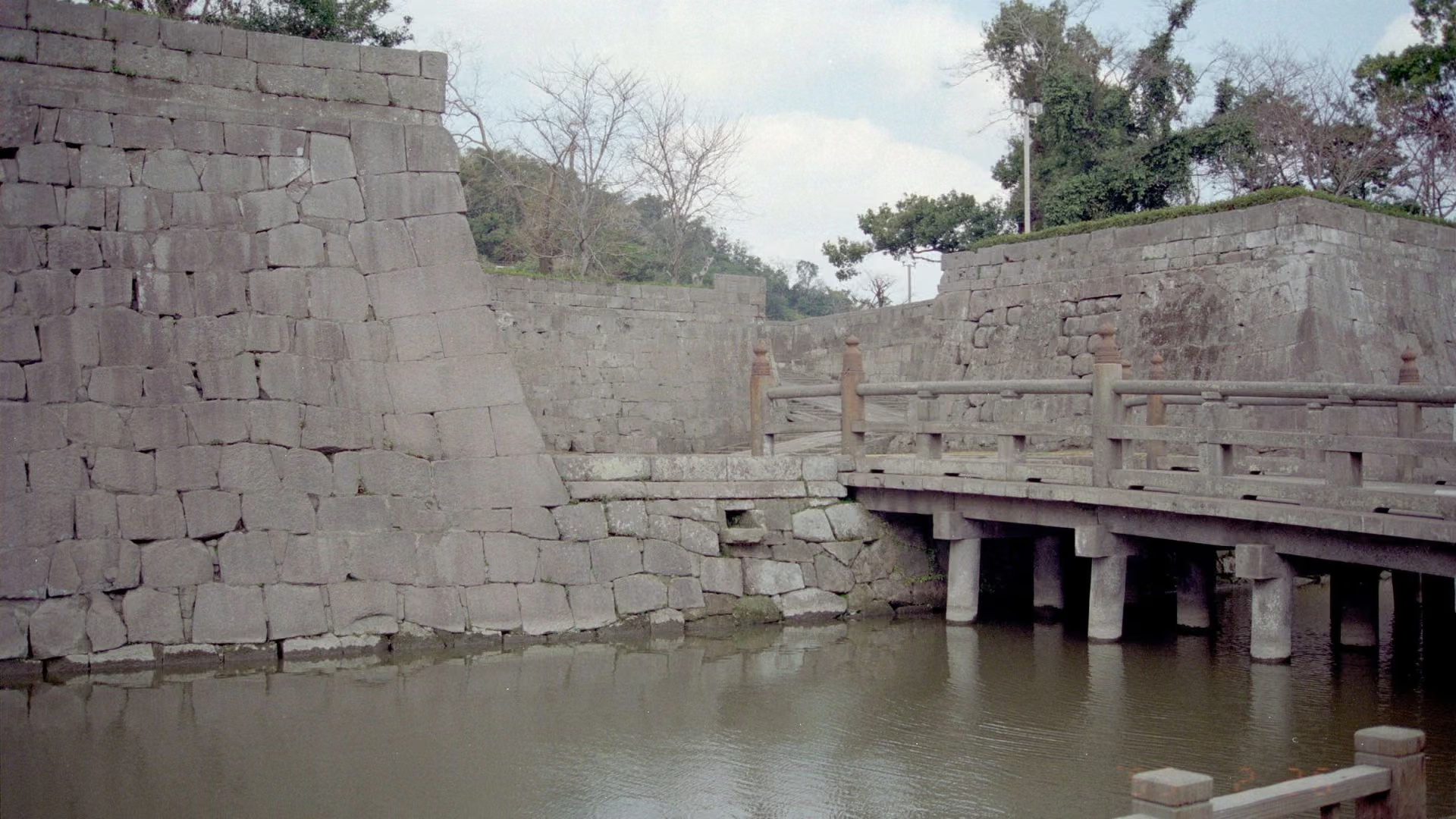
Sakai · FukuiBuilt in 1601 by the Shimazu clan, this castle was notably small by design, with only its moat, walls, and the recently reconstructed Otemon Gate remaining.
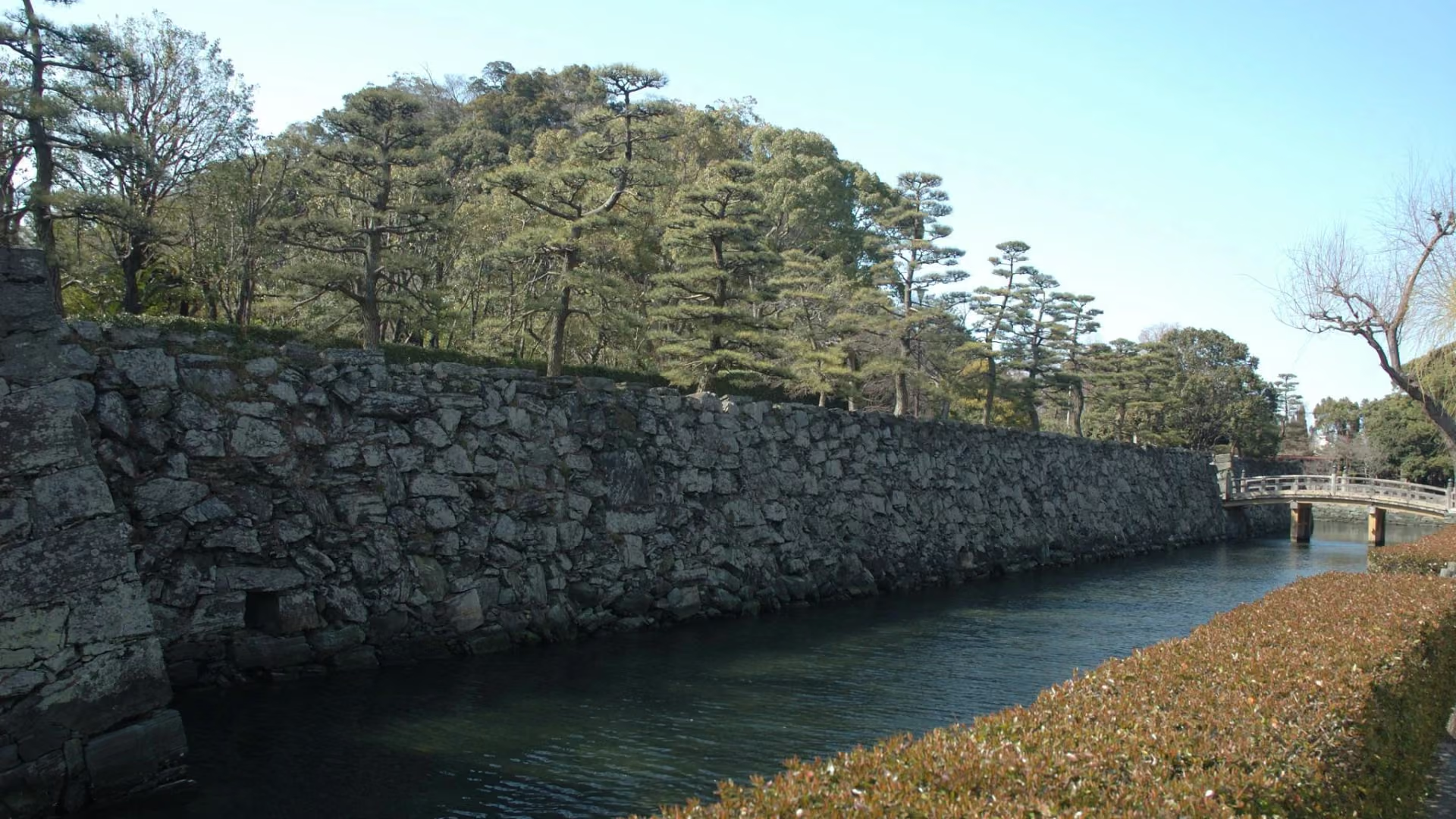
KagoshimaEdo-era castle ruins by the Yoshino River, built by Hachisuka Iemasa with a keep on a 60-meter hill, demolished in the Meiji period and a park since 1905.
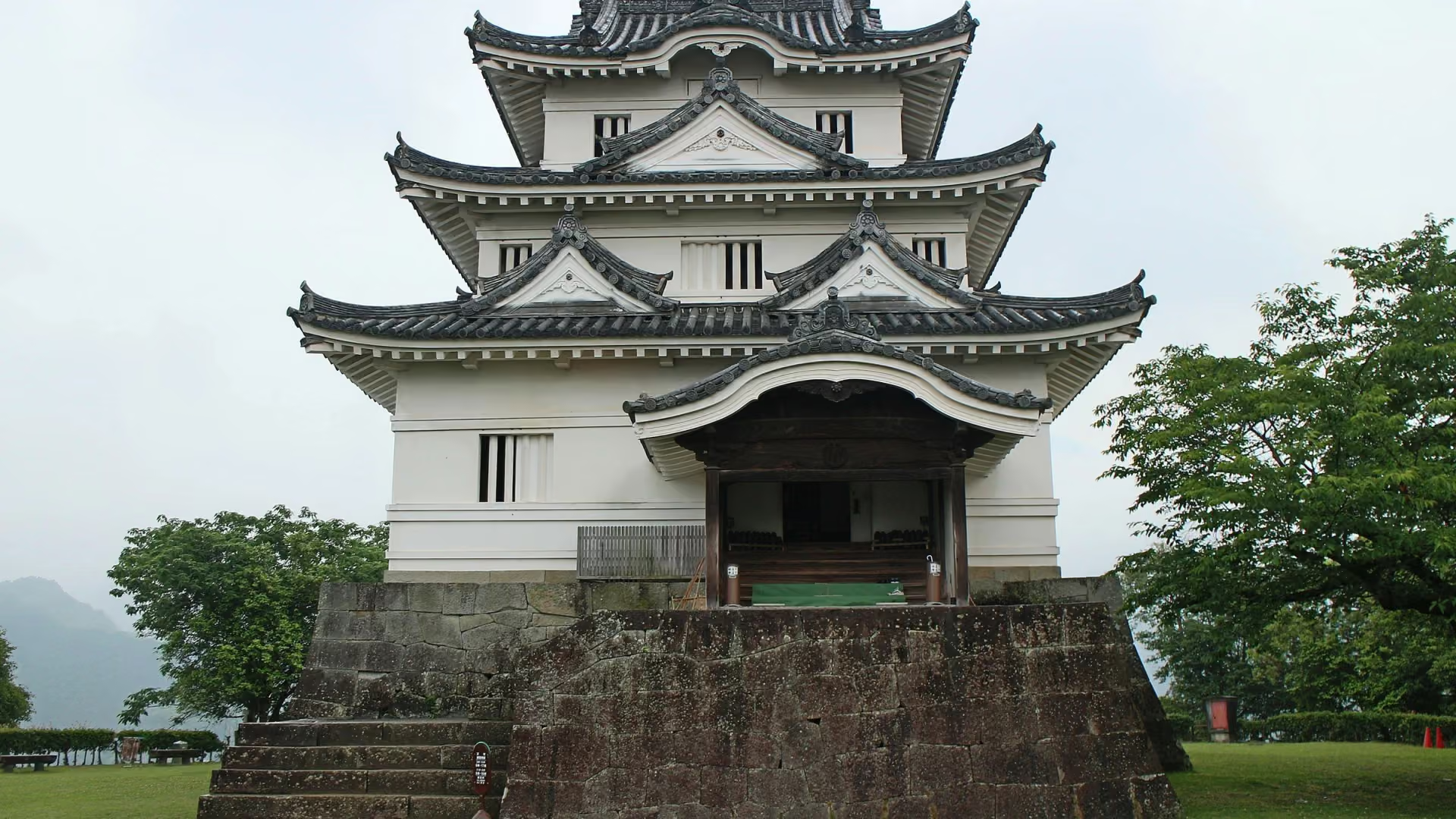
TokushimaCastle in Uwajima held by the Date clan, with a pentagonal moat layout that left blind spots for attackers, and damaged by earthquakes over the centuries.
Uwajima · EhimeMedieval castle ruins in Matsuyama linked to the Kono clan, with double moats, listed among the Top 100 Castles for their rare early castle architecture.
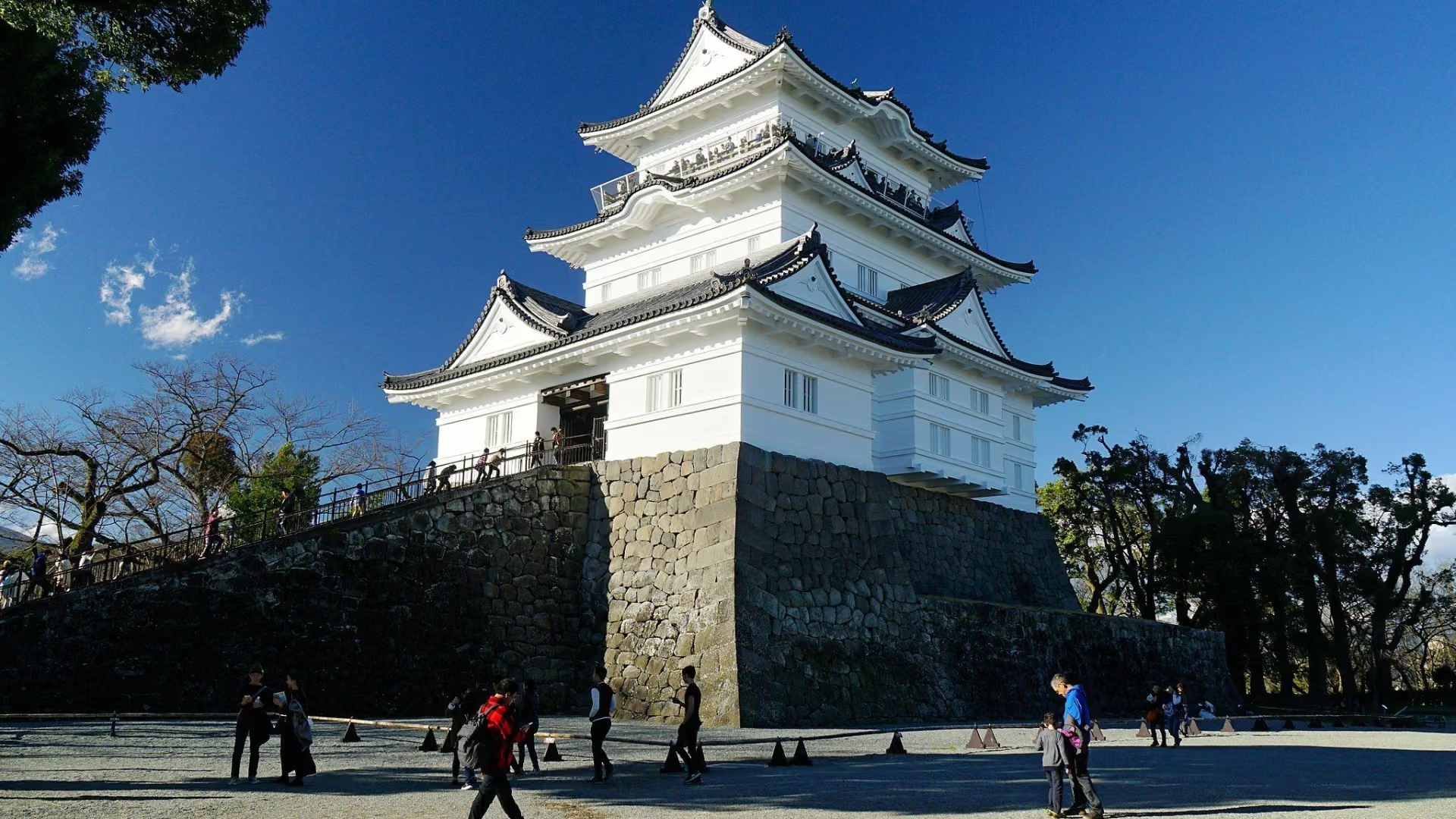
Matsuyama · EhimeLate fifteenth-century stronghold that served as the seat of the Hojo clan, rebuilt in the 1960s as a museum and observation point.
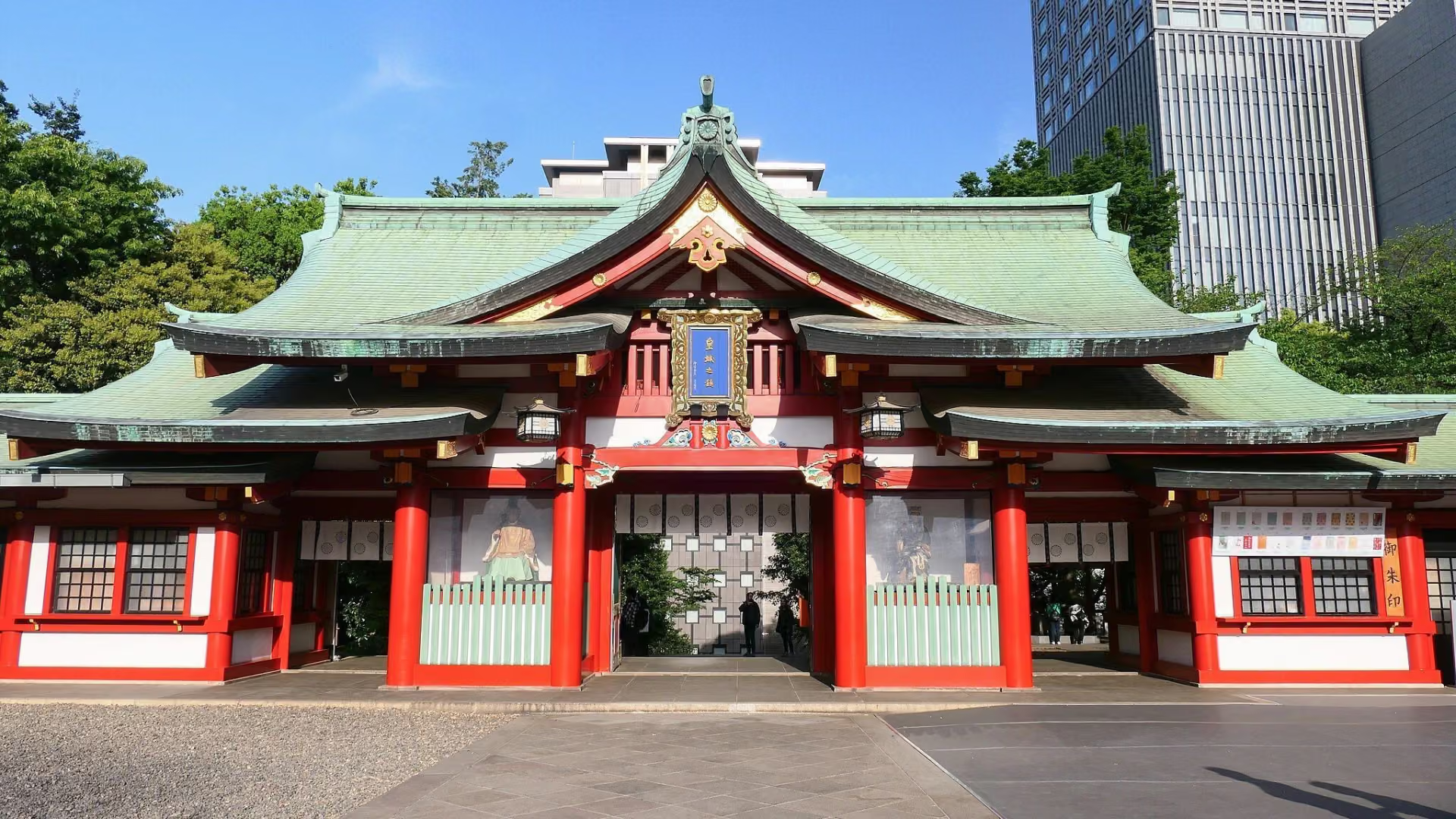
Odawara · KanagawaHie Shrine in Tokyo's Nagatacho district dates to the Kamakura period and served as guardian deity of Edo Castle and the Imperial Palace.
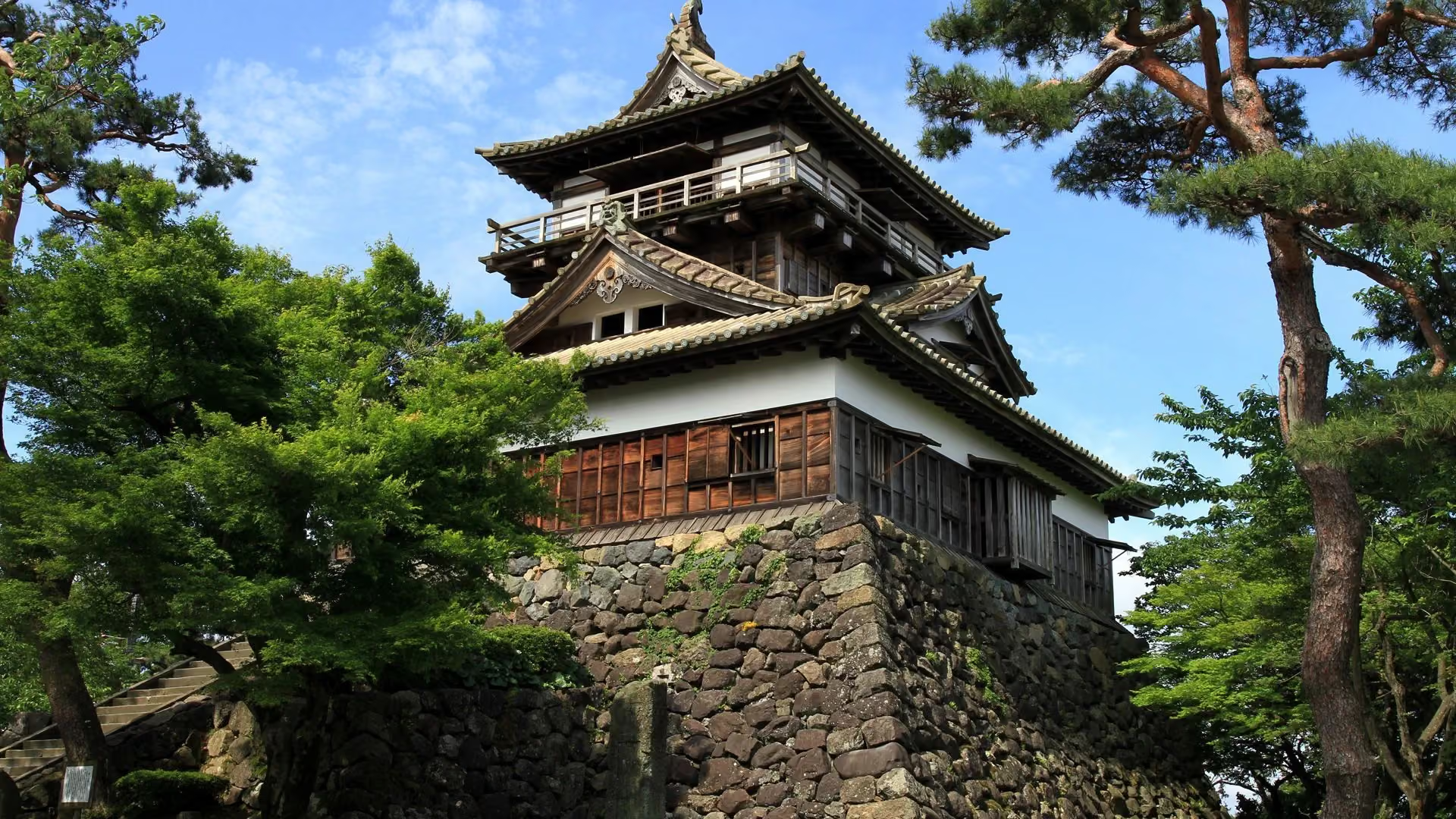
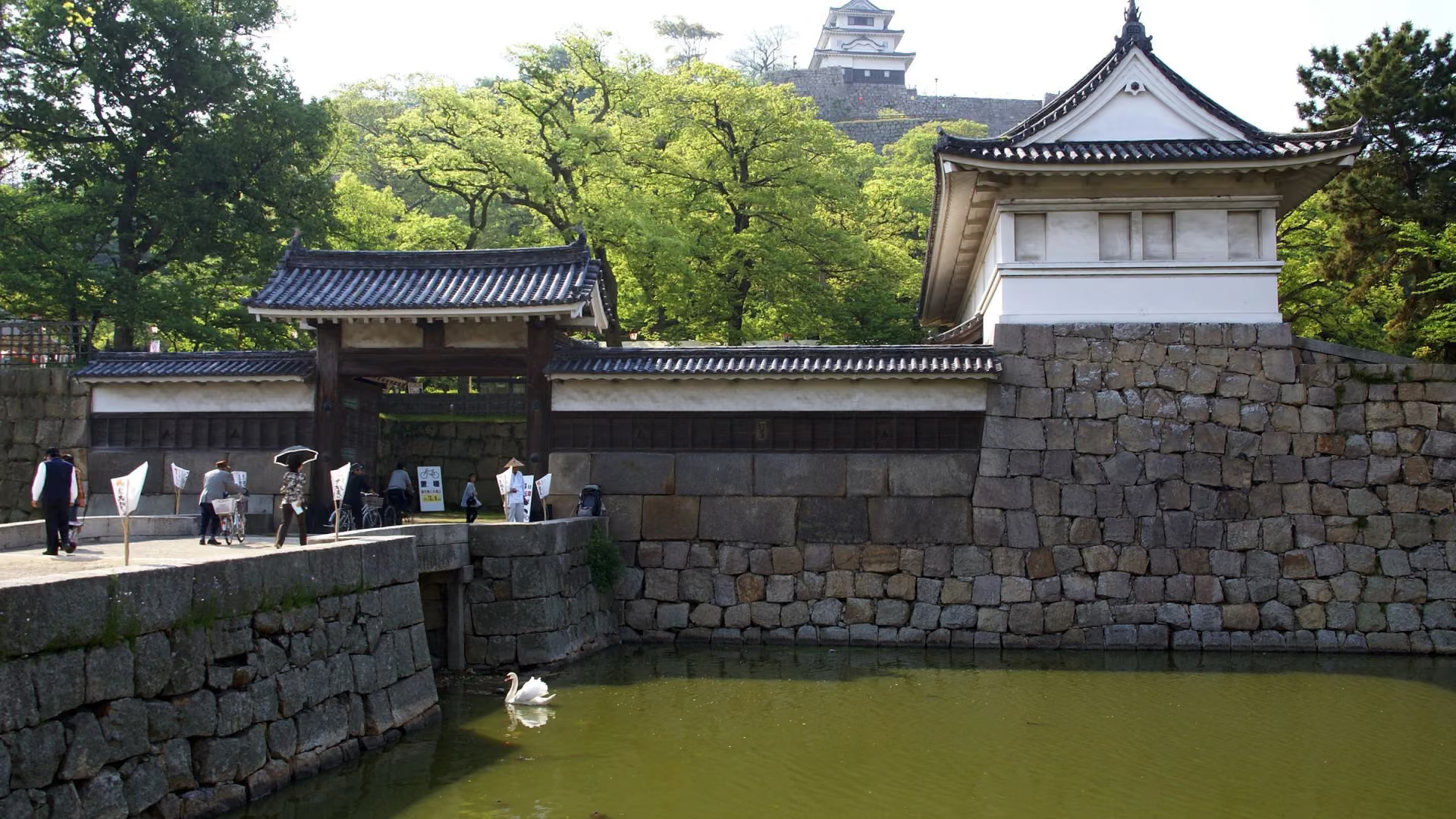
TokyoSeventeenth-century castle with distinctive 20-meter stone walls, rebuilt in 1640 and completed in 1670, ranked among Japan's Top 100 Castles.
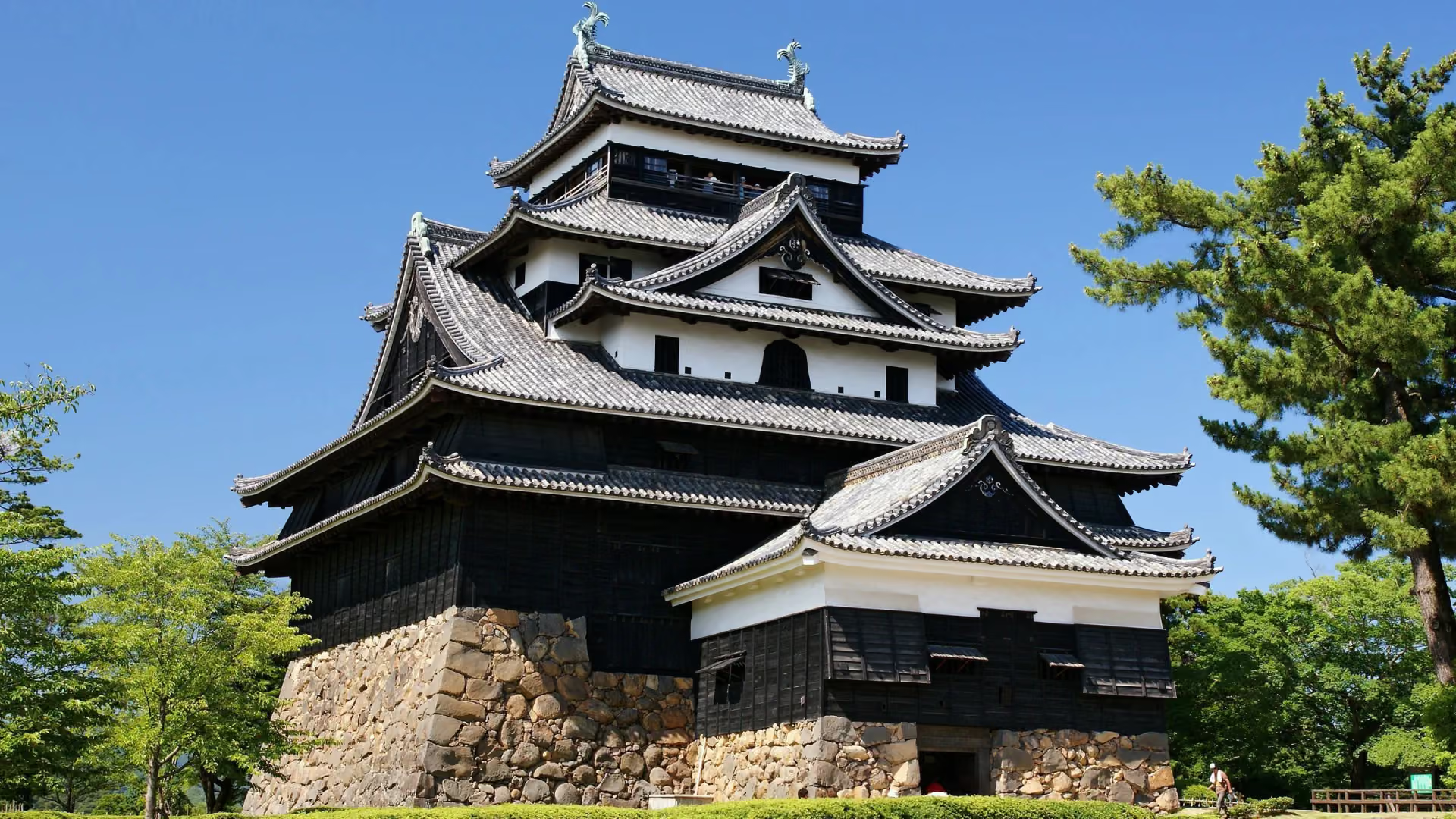
Marugame · KagawaOriginal wooden fortress built 1607-1611, one of Japan's few surviving castles and one of the Three Great Lake Castles in its architectural category.
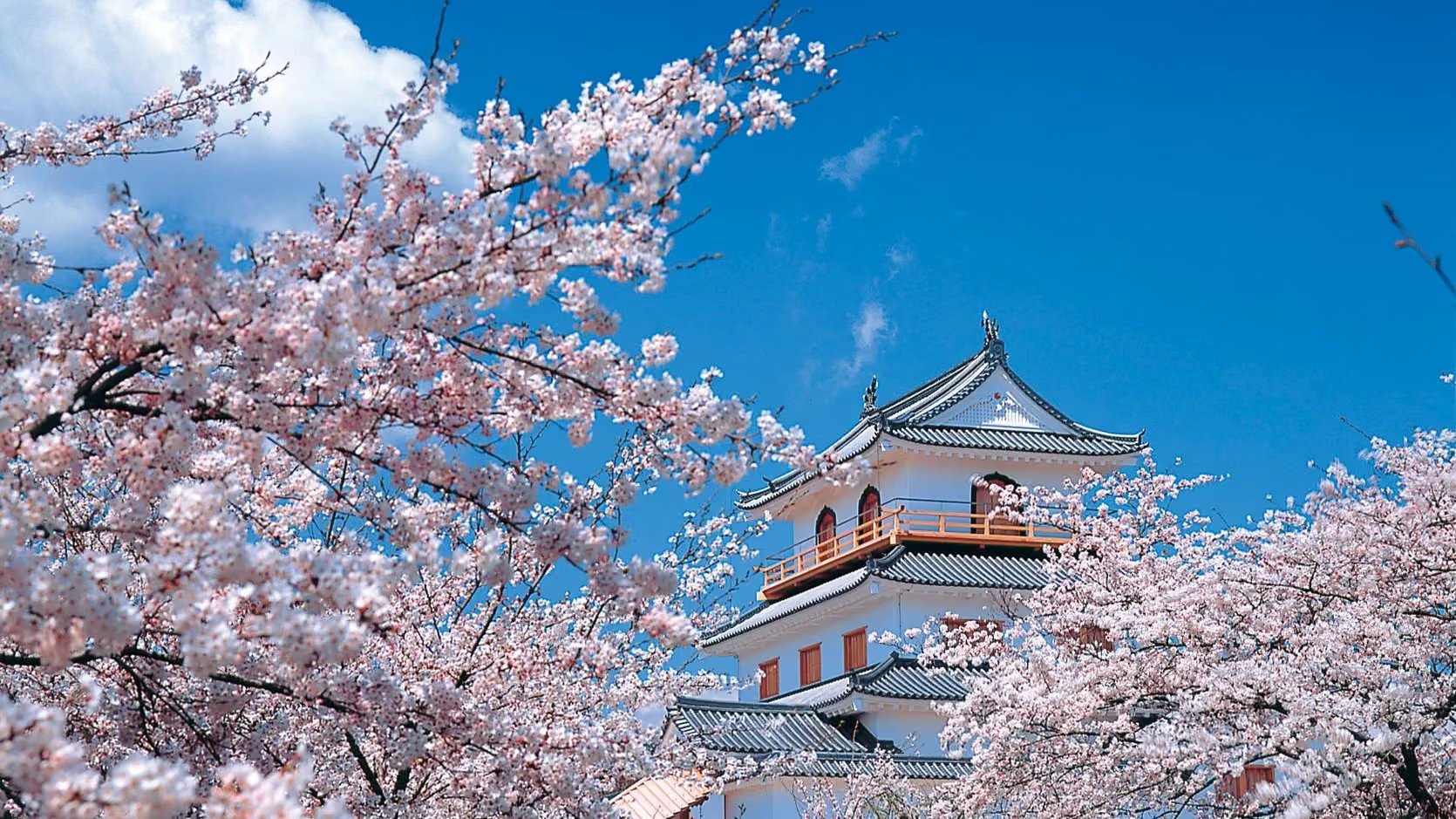
Matsue · ShimaneA hilltop fortress from 1591 that served as the Katakura clan seat for over 260 years and later became a regional government headquarters.
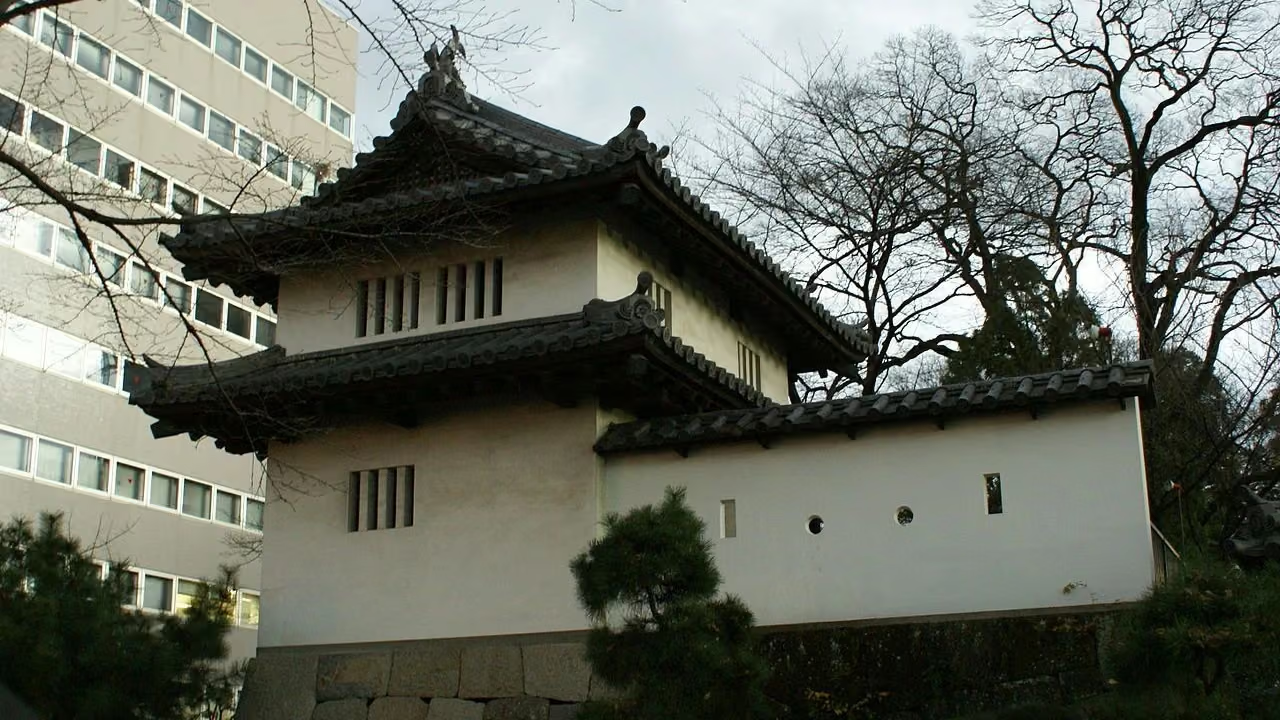
Shiroishi · MiyagiFlatland castle whose grounds now host city hall and library, with surviving structures including towers and gates relocated and preserved from the Edo period.
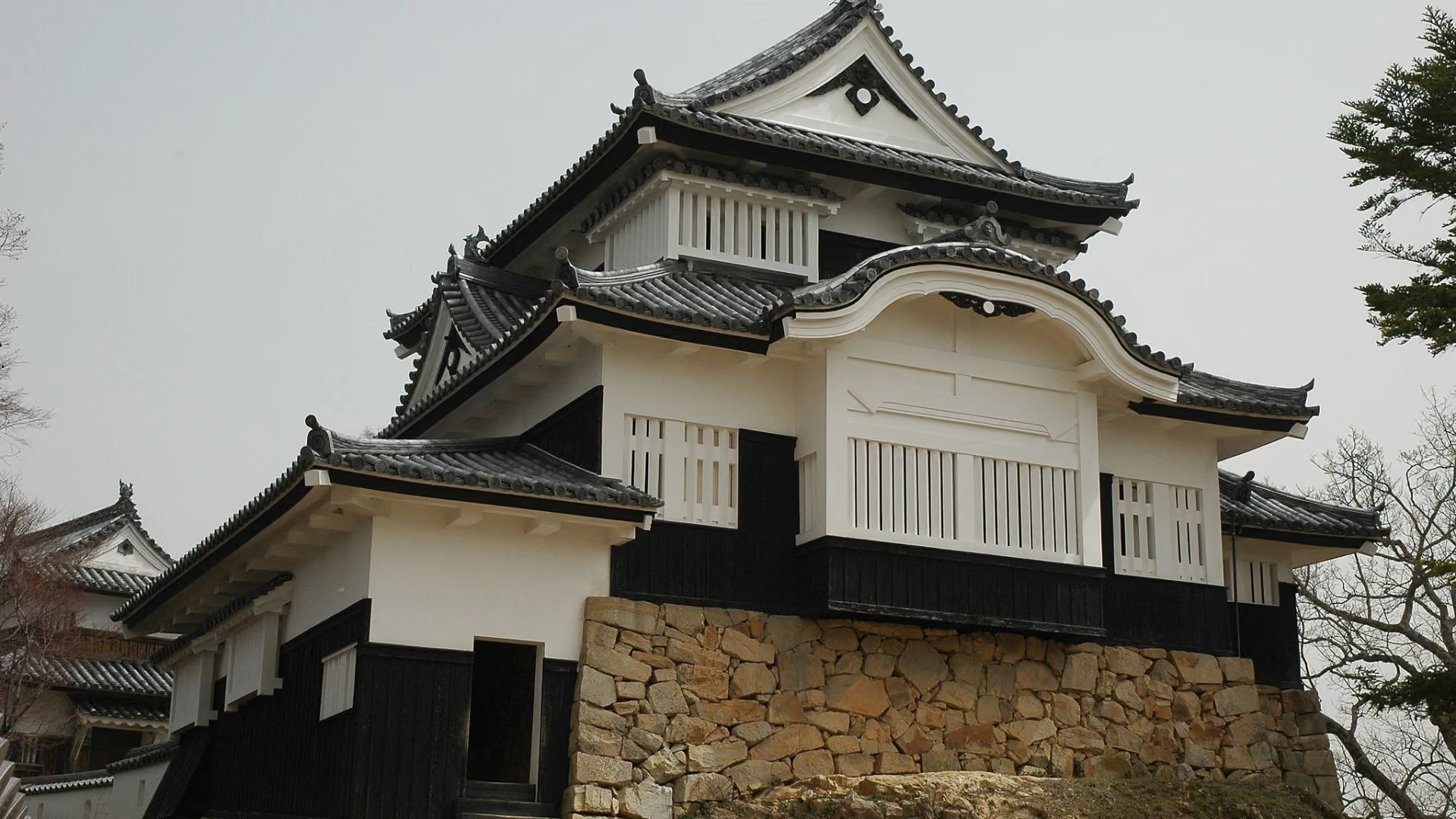
Takasaki · GunmaMountain castle built in 1240 and rebuilt in 1331 on its current location, retaining its tenshu, Niju yagura, and section of defensive walls.
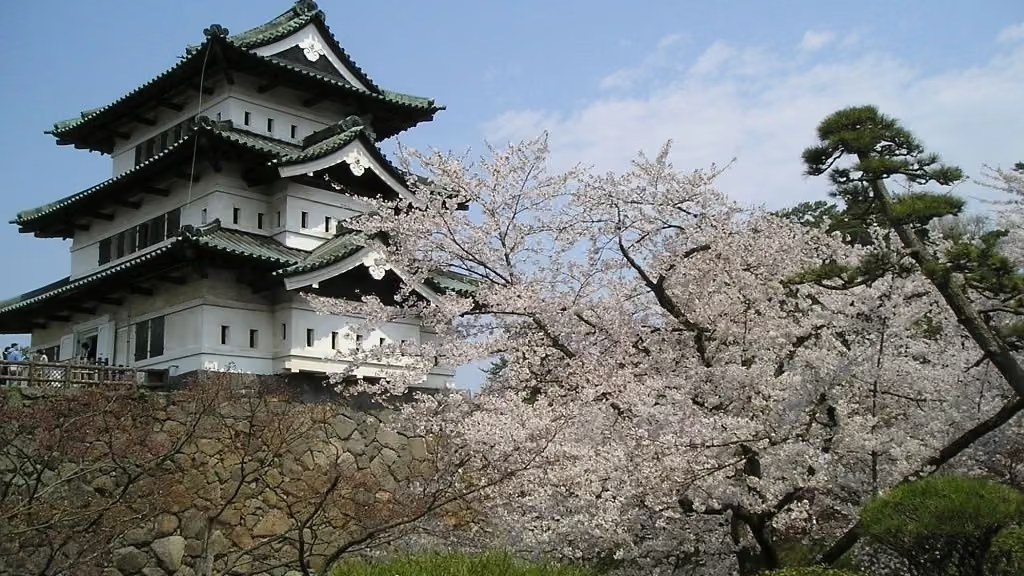
Takahashi · OkayamaA Japanese castle built in 1611 that remains the only surviving Edo-period castle keep in the entire Tohoku region, originally featuring a five-story tower.
Hirosaki · Aomori