Ozu Castle
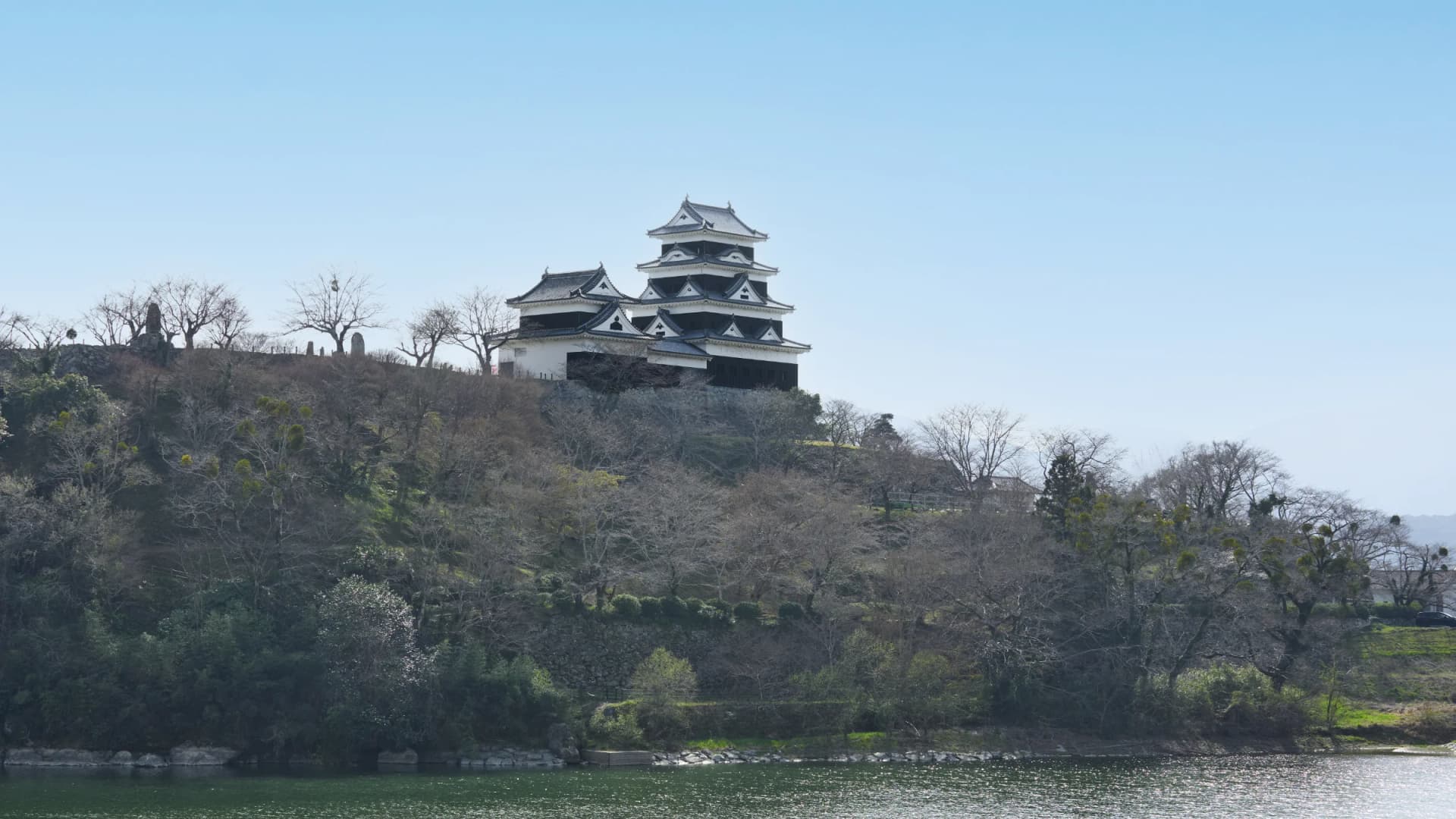
A castle above the Hiji River at Ozu whose keep was rebuilt in wood in 2004, using the old drawings and photographs, alongside four surviving turrets.
Ozu · Ehime

A castle above the Hiji River at Ozu whose keep was rebuilt in wood in 2004, using the old drawings and photographs, alongside four surviving turrets.
Ozu · EhimeCastle constructed in 1612 as the center of a major Edo-era post station, destroyed in World War II bombing but reconstructed since 1957.
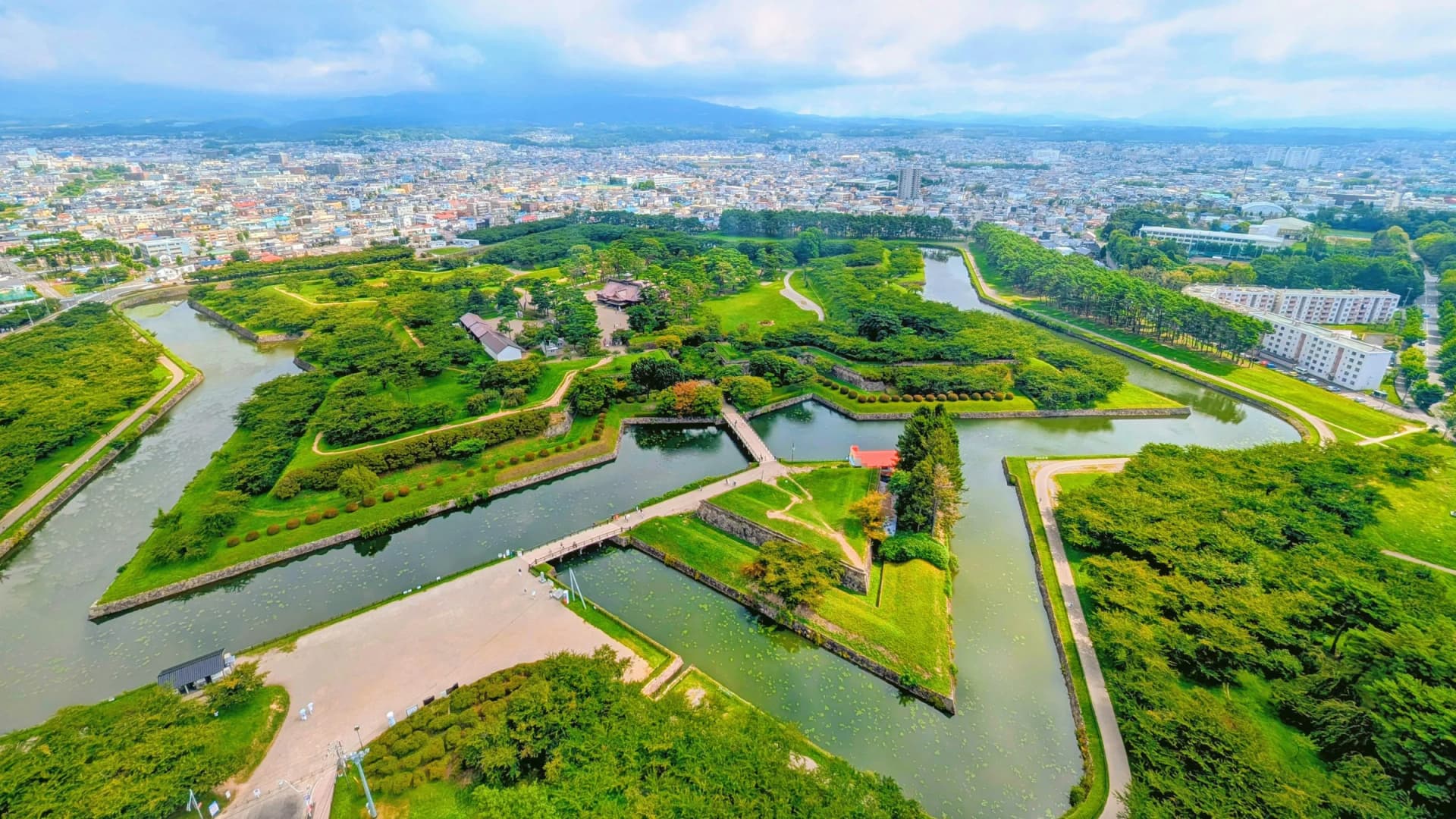
Nagoya · AichiJapan's first Western-style fortress, this five-pointed star fort was completed in 1866 and witnessed the final battle of the Boshin War.
Hakodate · HokkaidoIconic castle with brilliant white exterior, designated UNESCO World Heritage Site and National Treasure, fully restored to its original appearance in 2015.
Himeji · HyogoCastle in Okinawa symbolizing Ryukyu Kingdom history, featuring mixed Chinese and Japanese architecture and serving as royal residence and religious center.
Naha · OkinawaBuilt in 1601 by the Shimazu clan, this castle was notably small by design, with only its moat, walls, and the recently reconstructed Otemon Gate remaining.
KagoshimaObi Castle, ruled by the Ito clan for centuries, was completely refurbished in the late 1970s along with its surrounding castle town.
Nichinan · MiyazakiKumamoto Castle, known as the Black Castle, features impressive stone walls and architecture and now welcomes visitors following its complete restoration after earthquake damage.
KumamotoOriginally built in the late sixteenth century to control highway crossroads, Saga Castle served as the Saga Domain's residence and was reconstructed in 1989.
SagaA historical castle in Uwajima city with an innovative pentagonal moat system, damaged by earthquakes during its centuries of use and occupation by the Date clan.
Uwajima · EhimeA medieval fortress in Matsuyama designated a Top 100 Castle, preserving rare early Japanese castle architecture that influenced later fortifications throughout the country.
Matsuyama · EhimeSeventeenth-century castle with distinctive 20-meter stone walls, rebuilt in 1640 and completed in 1670, ranked among Japan's Top 100 Castles.
Marugame · KagawaThis Edo-era castle overlooked the Yoshino River with a central keep atop a 60-meter hill before Meiji-period demolition; the grounds reopened as a park in 1905.
TokushimaA 16th-century castle destroyed in the atomic bombing of Hiroshima in 1945, reconstructed in 1958 and now serving as a museum documenting the city's history.
HiroshimaMountain castle built in 1240 and rebuilt in 1331 on its current location, retaining its tenshu, Nijū yagura, and section of defensive walls.
Takahashi · OkayamaOriginal wooden fortress built 1607-1611, one of Japan's few surviving castles and one of the Three Great Lake Castles in its architectural category.
Matsue · ShimaneSixteenth-century castle with traditional Japanese architecture, surrounded by moat and stone walls, featuring a museum and scenic garden.
WakayamaBuilt in just one year starting 1617, this fortress commanded the Seto Inland Sea with 20 towers and 27 gates as a backup to Himeji Castle.
Akashi · Hyogo