Aoba Castle (Sendai Castle)
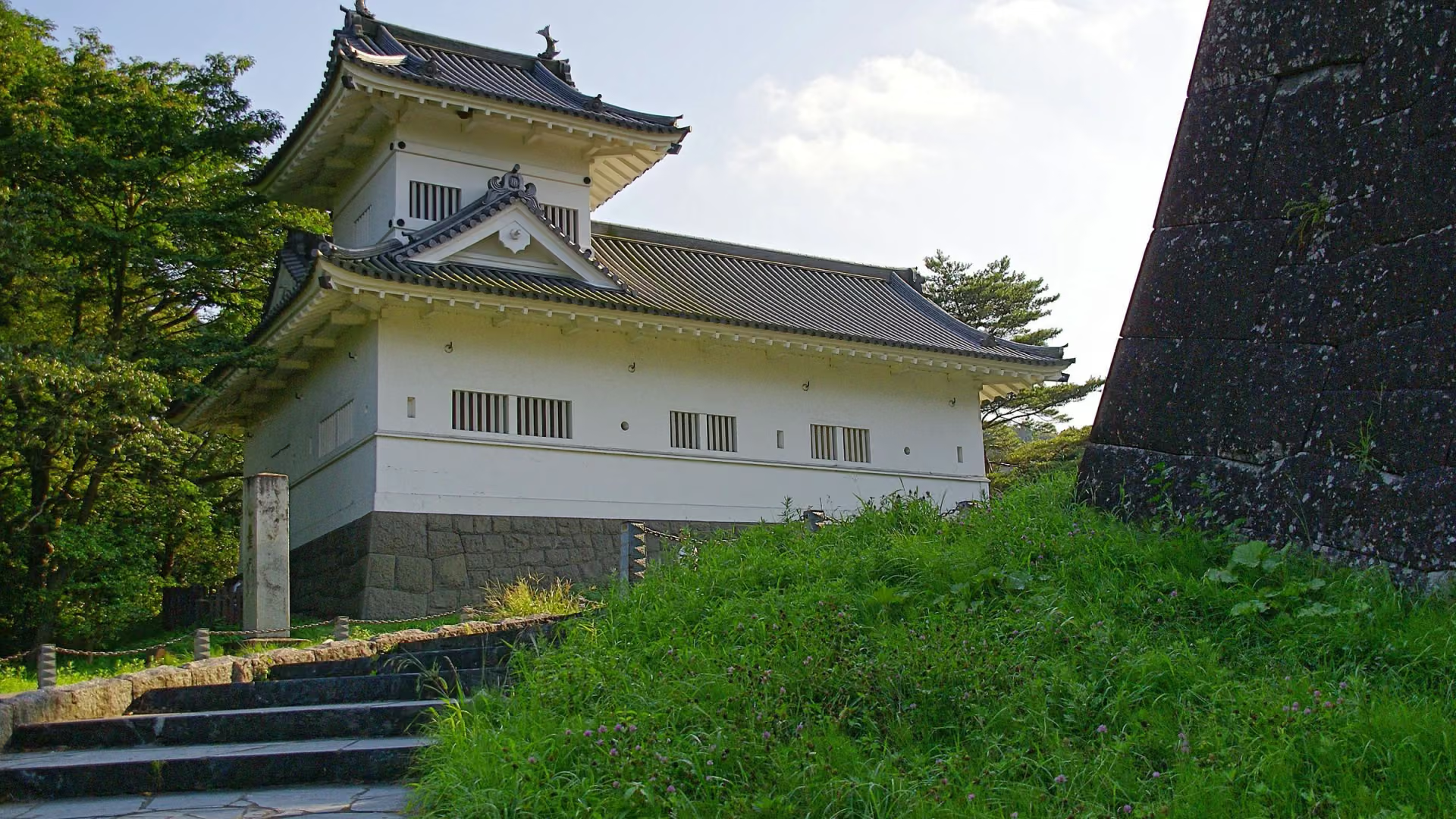
Site of Date Masamune's castle on Mount Aoba in Sendai, begun in 1601 without a keep, with stone walls, a rebuilt gate turret and his equestrian statue.
Sendai · Miyagi

Site of Date Masamune's castle on Mount Aoba in Sendai, begun in 1601 without a keep, with stone walls, a rebuilt gate turret and his equestrian statue.
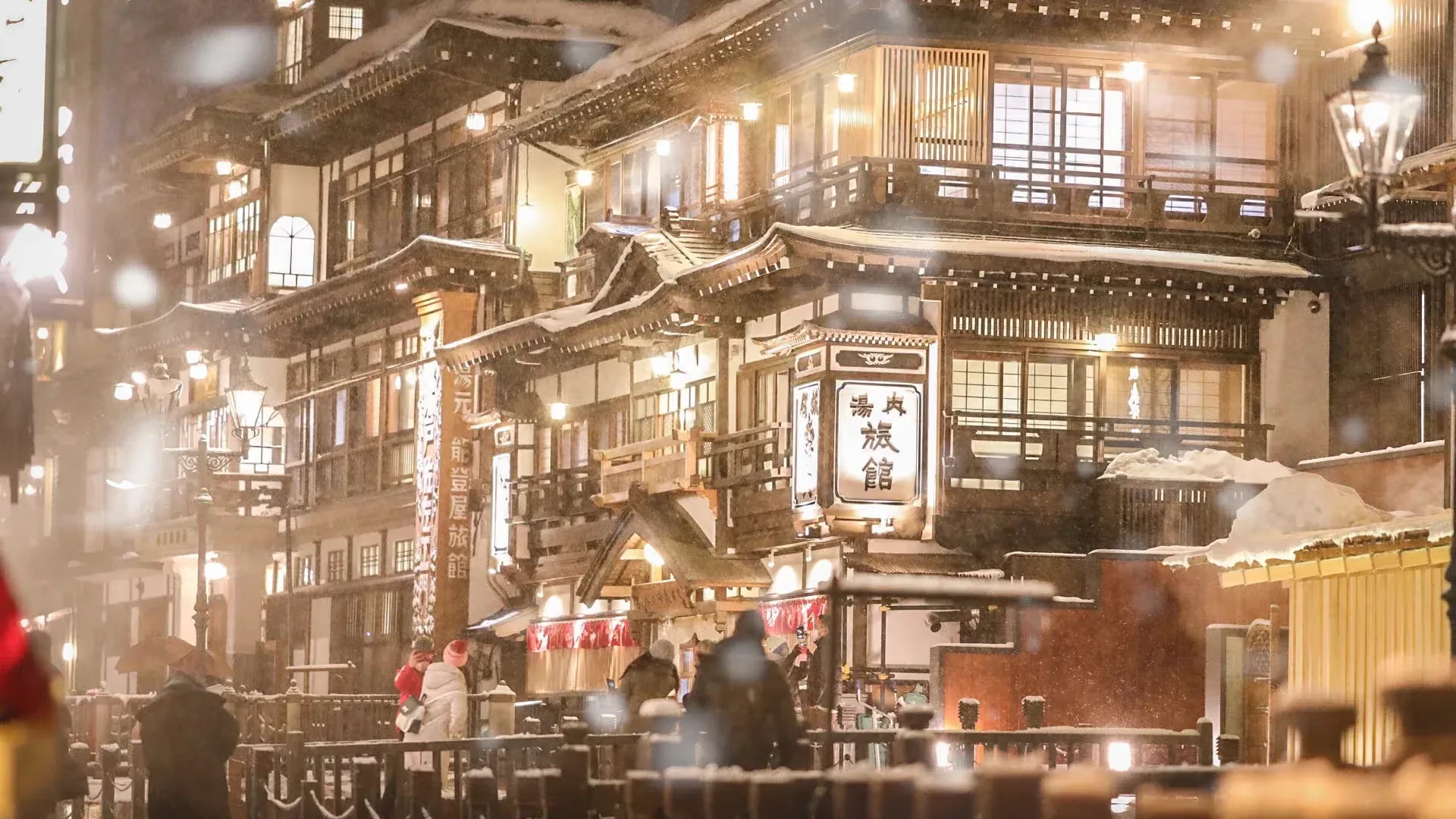
Sendai · MiyagiHot-spring town in the Yamagata mountains known for its Taisho-era mood, with wooden inns of three and four storeys and gas lamps along the Ginzan River.
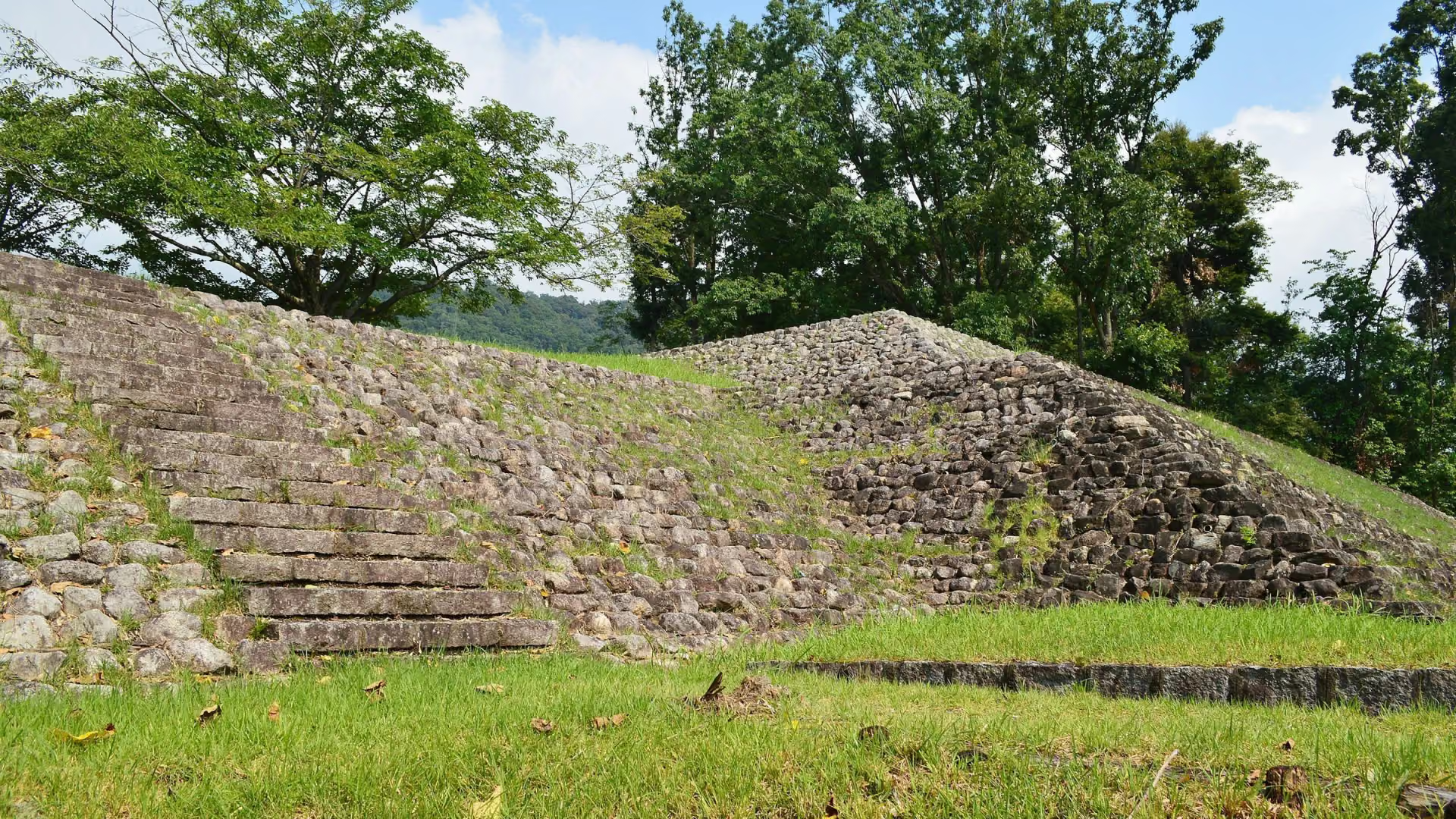
Obanazawa · YamagataLate 4th century keyhole-shaped burial mound about 60 m long on the top of Mt. Ojiyama above Lake Biwa, a National Historic Site.
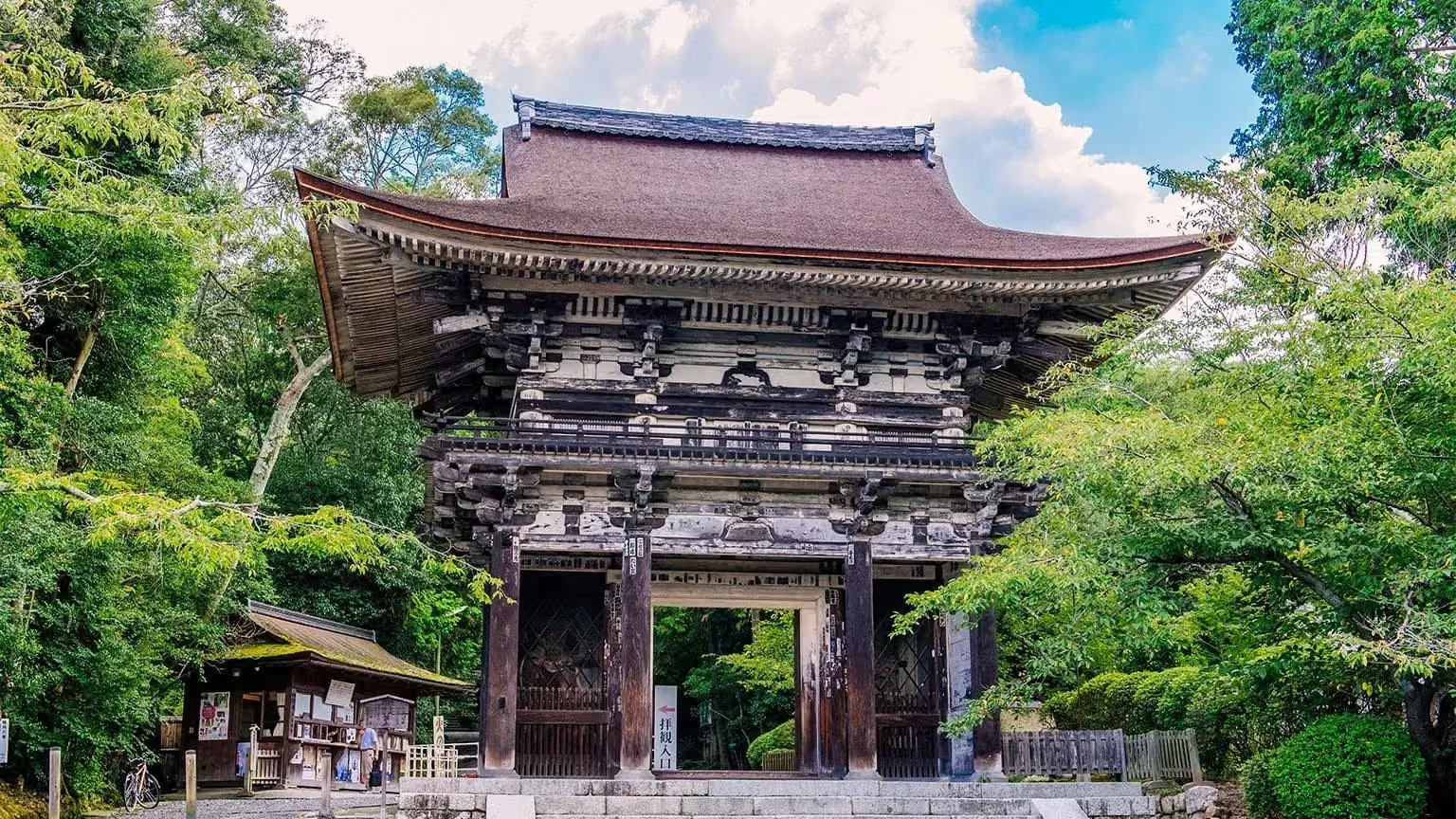
Otsu · ShigaHead temple of the Tendai Jimon sect, Miidera was founded in the seventh century and has survived repeated destruction, earning the name Phoenix Temple.
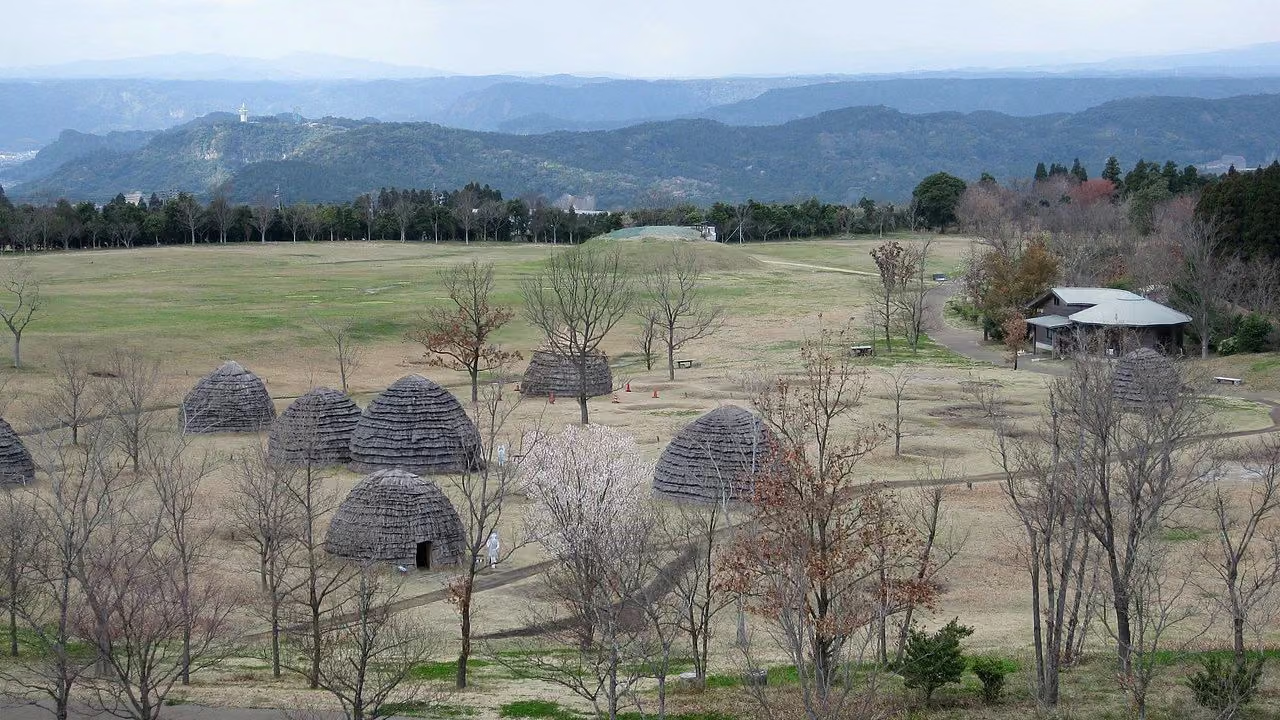
Otsu · ShigaJomon-period site on a plateau above Kagoshima Bay, with a village of pit dwellings from about 10,600 years ago, now a 36-hectare park and museum.
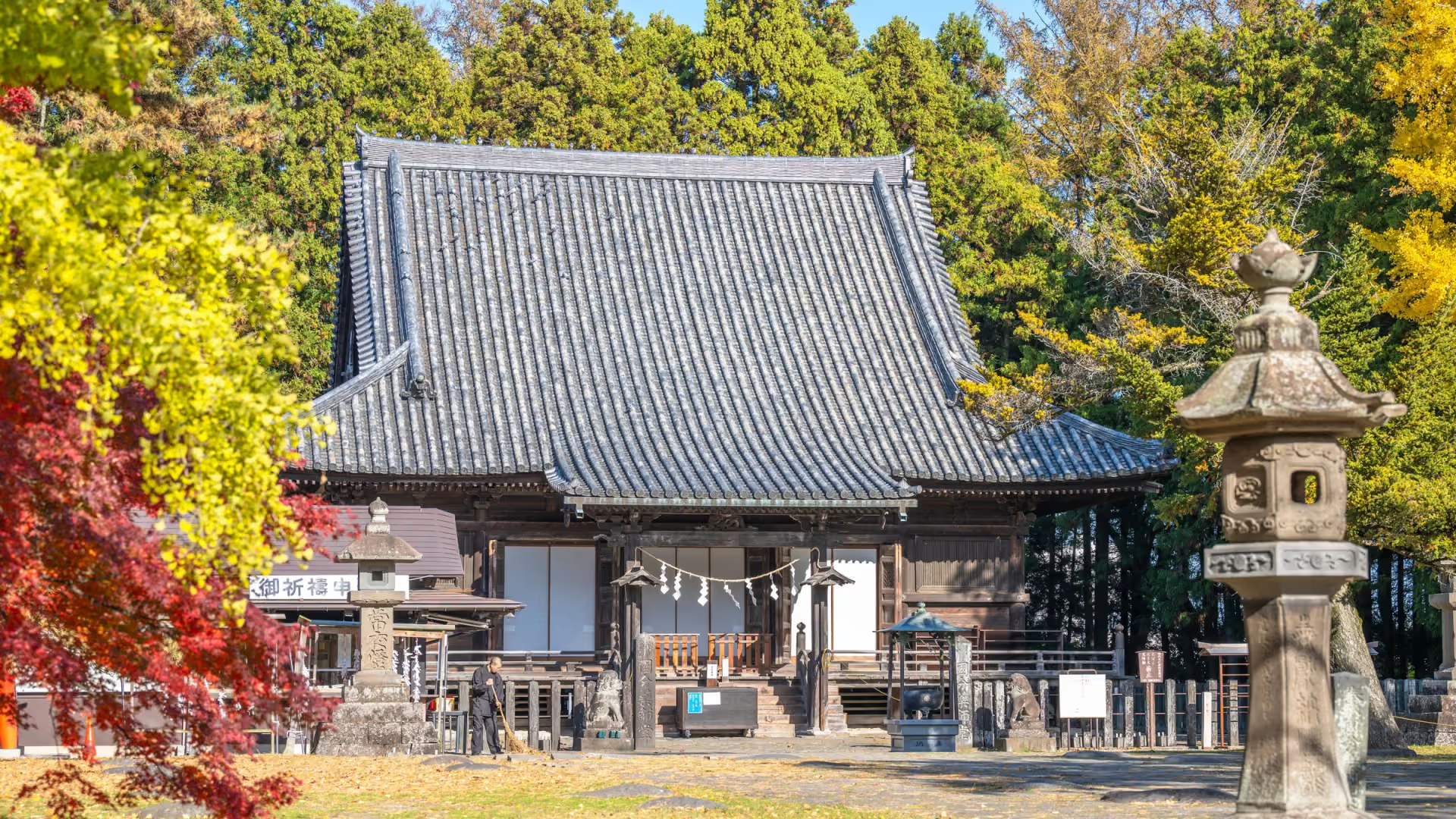
Kirishima · KagoshimaA Shingon temple in Sendai on the site of the northernmost provincial temple of the Nara period, with a Yakushi-do hall built by Date Masamune in 1607.
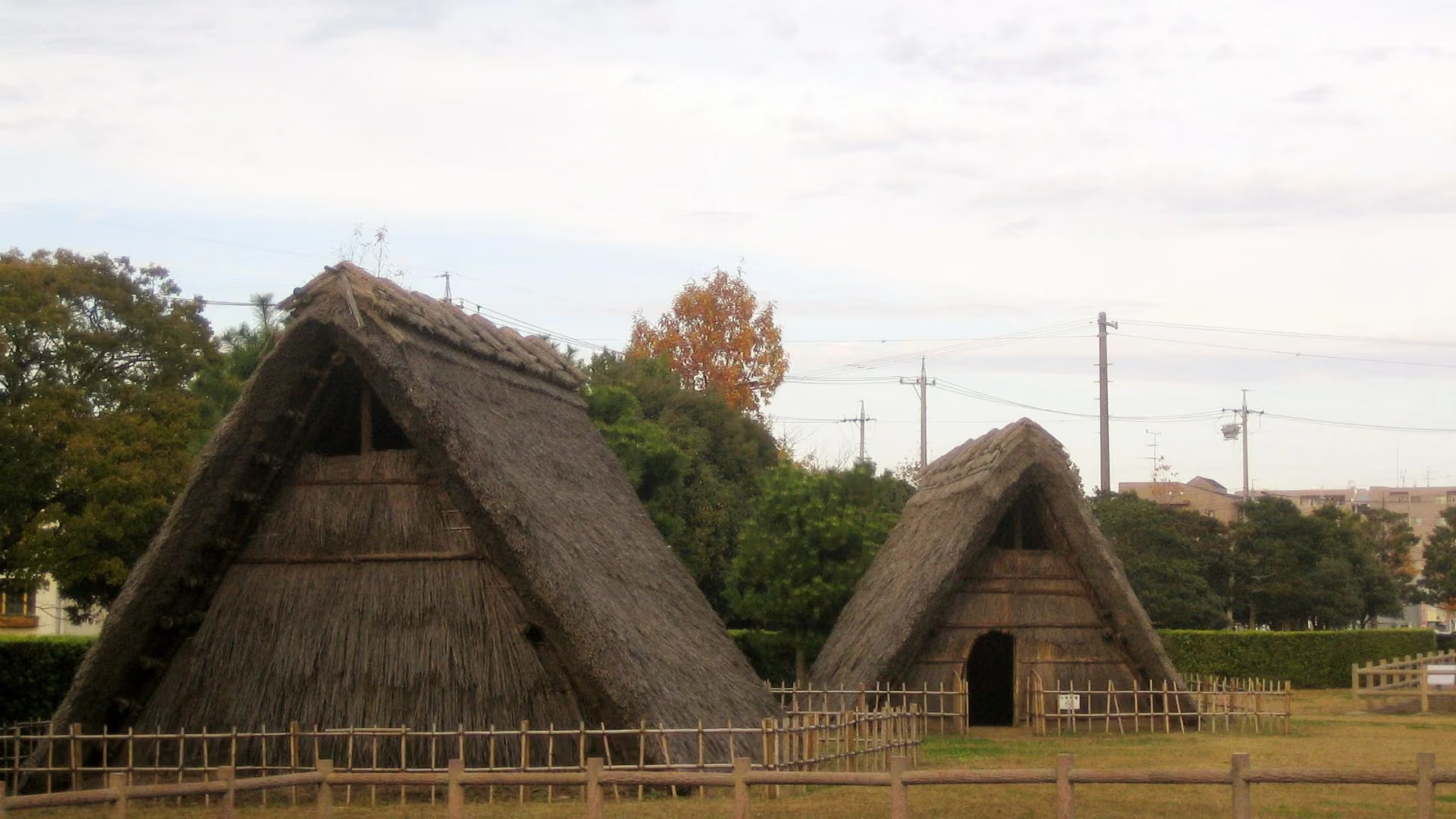
Sendai · MiyagiA Jomon-period village site and National Historic Site in Hamamatsu, with shell middens, house sites and graves from about 4,000 to 3,000 years ago.
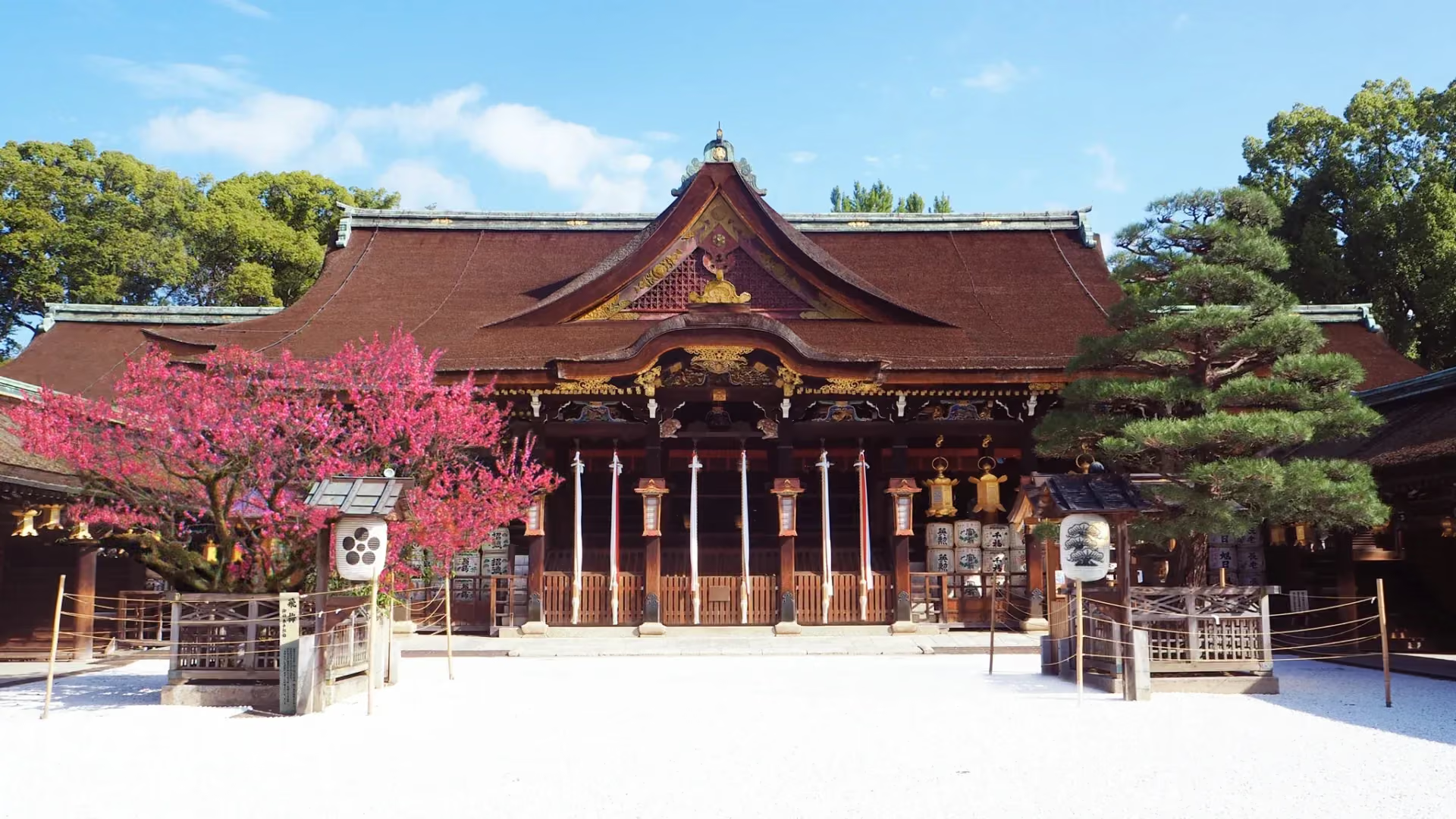
Hamamatsu · ShizuokaThe head shrine of approximately 12,000 Tenmangu and Tenjin shrines throughout Japan, Kitano Tenmangu is dedicated to the deity of learning and culture.
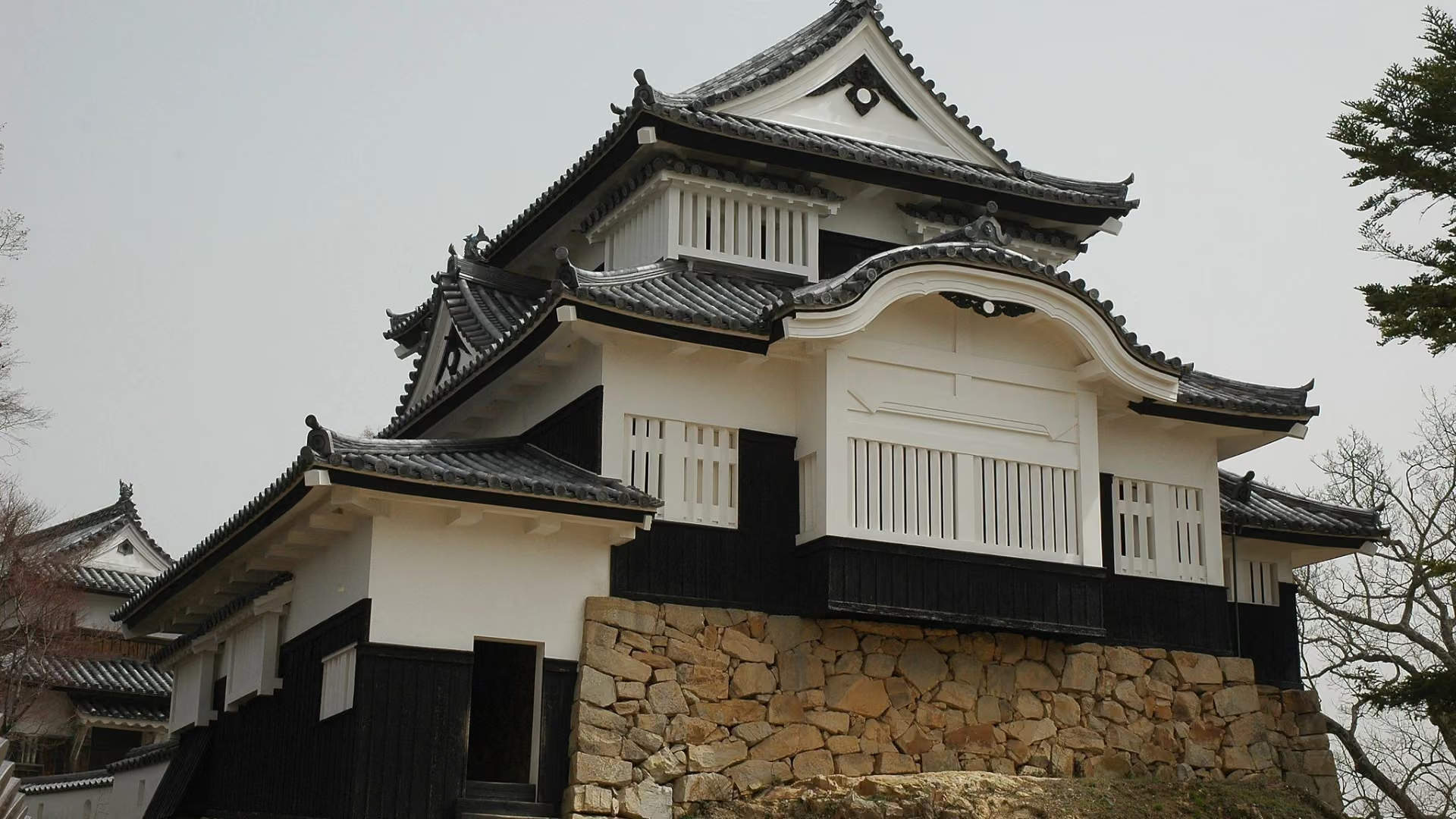
KyotoMountain castle above Takahashi with the only original keep of any mountain castle in Japan, rebuilt in the 1680s and known as the castle in the sky.
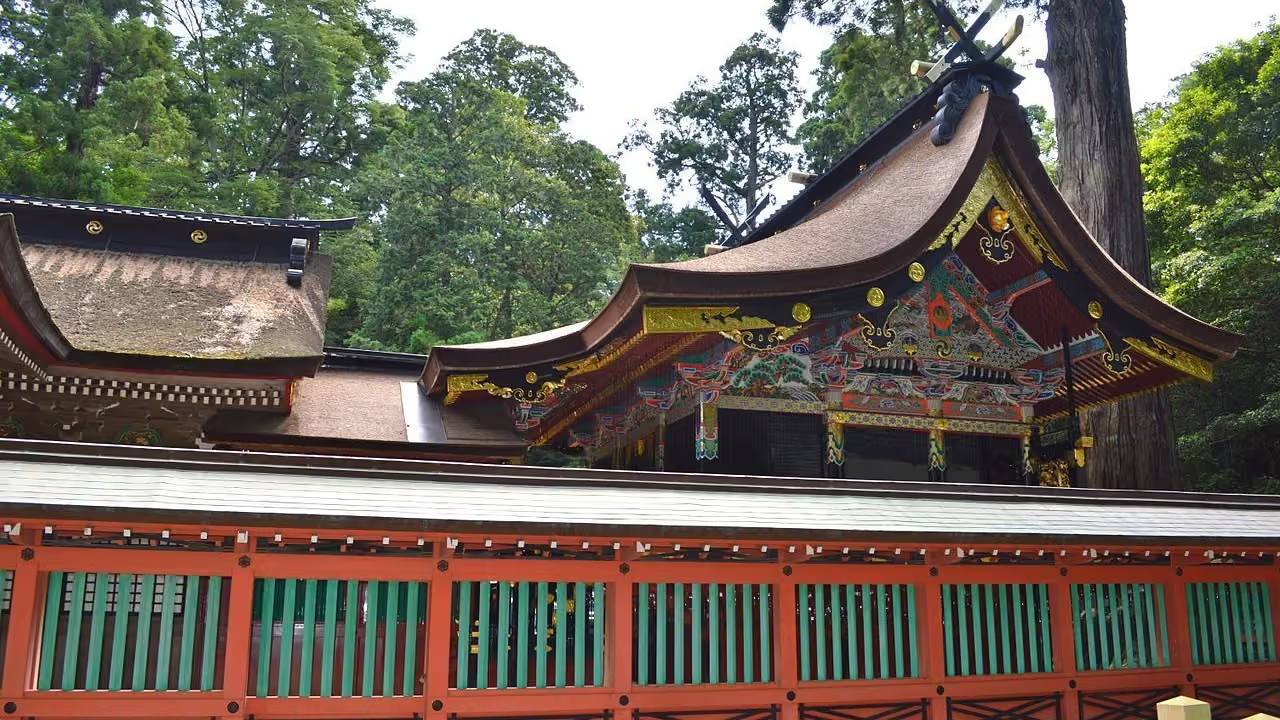
Takahashi · OkayamaShrine of the war god Takemikazuchi, traced by tradition to Emperor Jimmu, with Edo period halls given by the Tokugawa and a deer park in its forest.
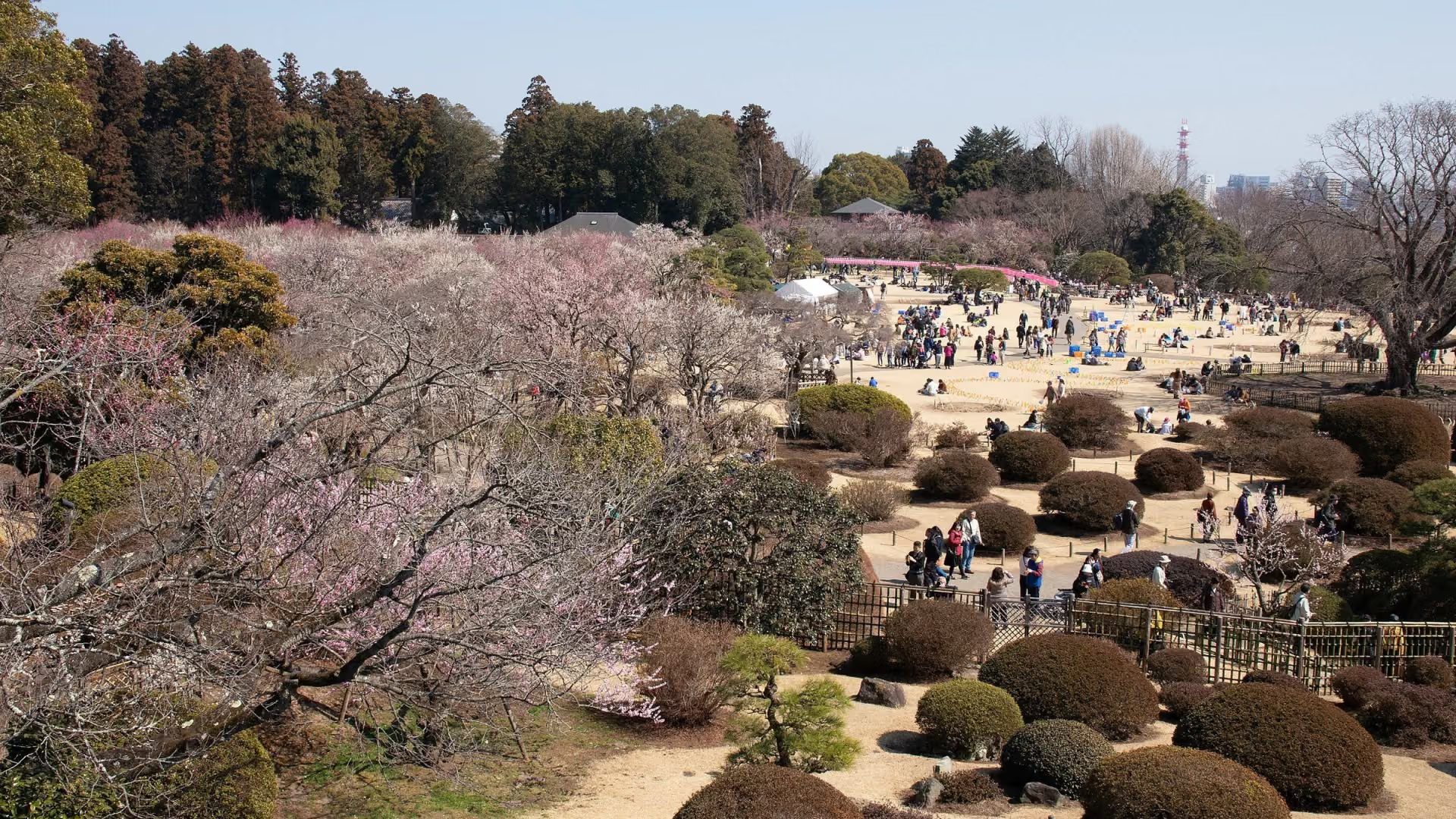
Kashima · IbarakiOne of the Three Great Gardens of Japan, opened in 1842 by Tokugawa Nariaki, with about 3,000 plum trees of about 100 varieties and the Kobuntei pavilion.
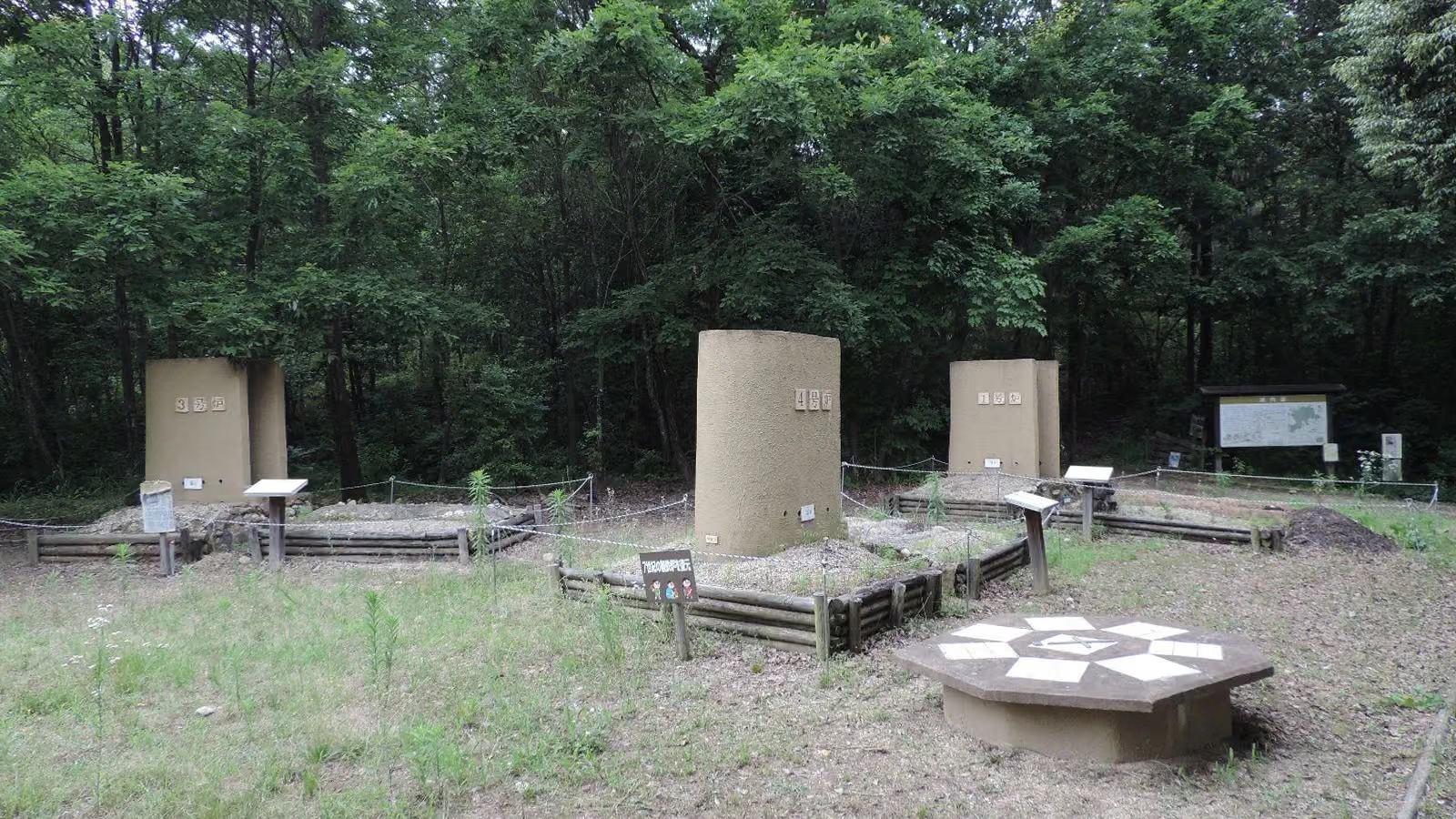
Mito · IbarakiAncient iron-making and casting sites of the late 7th and 8th centuries in the Seta Hills, a National Historic Site since 1985.
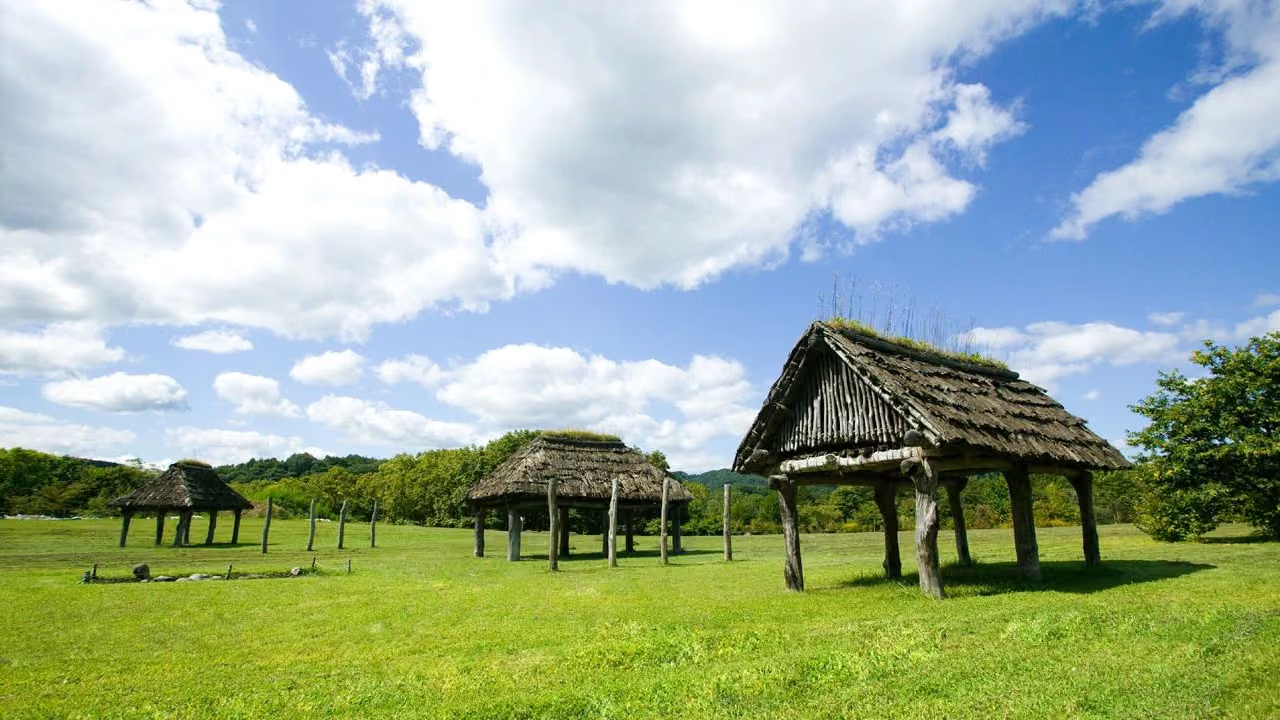
Otsu · ShigaA Jomon village of about 5,000 to 4,200 years ago in Ichinohe, with earth-roofed pit dwellings rebuilt where they stood, in a UNESCO World Heritage listing.
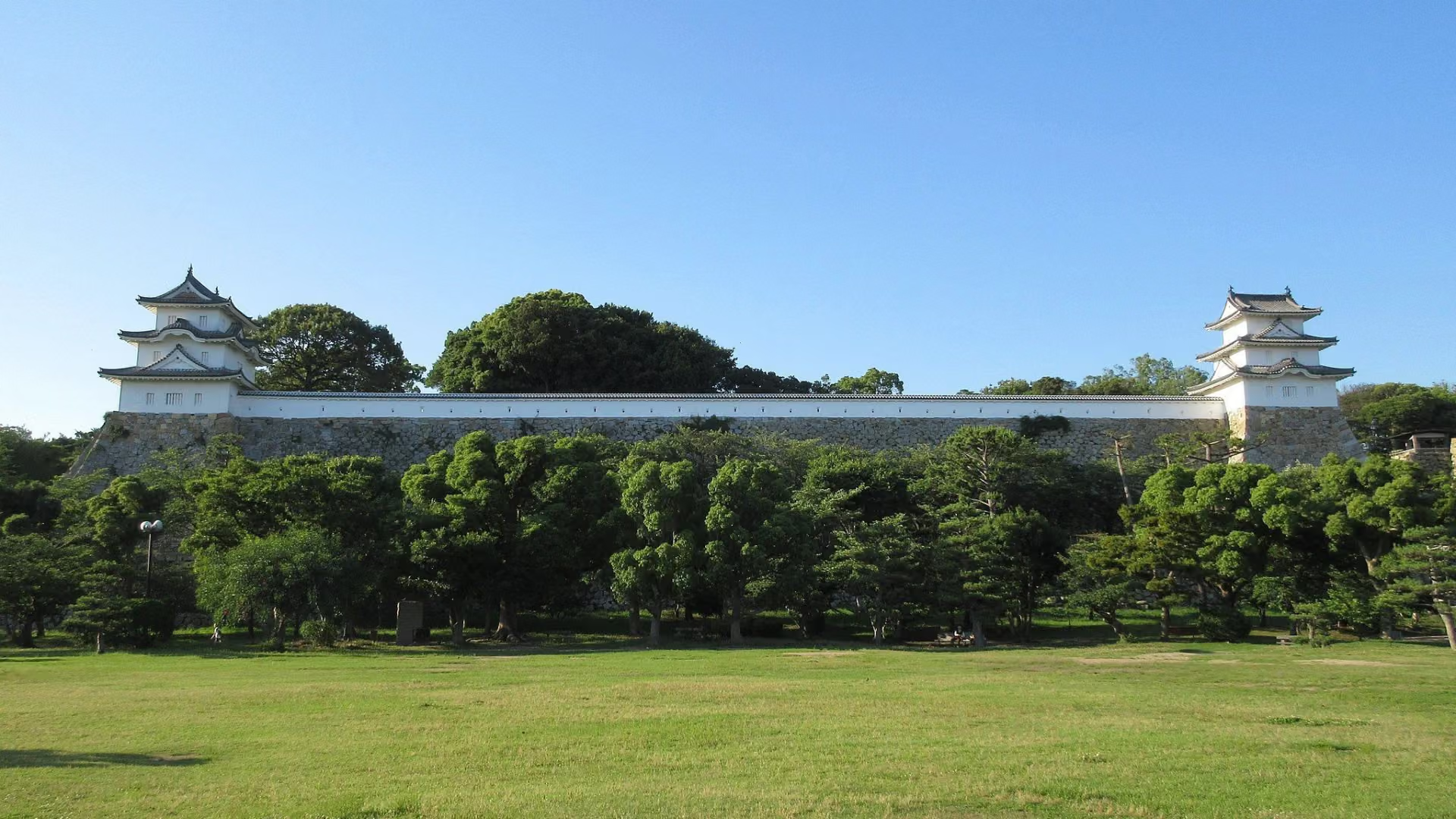
Ichinohe · IwateAn Edo period castle built from 1619 to guard Kyoto and Osaka from the west, with two surviving three-storey towers and long high stone walls.
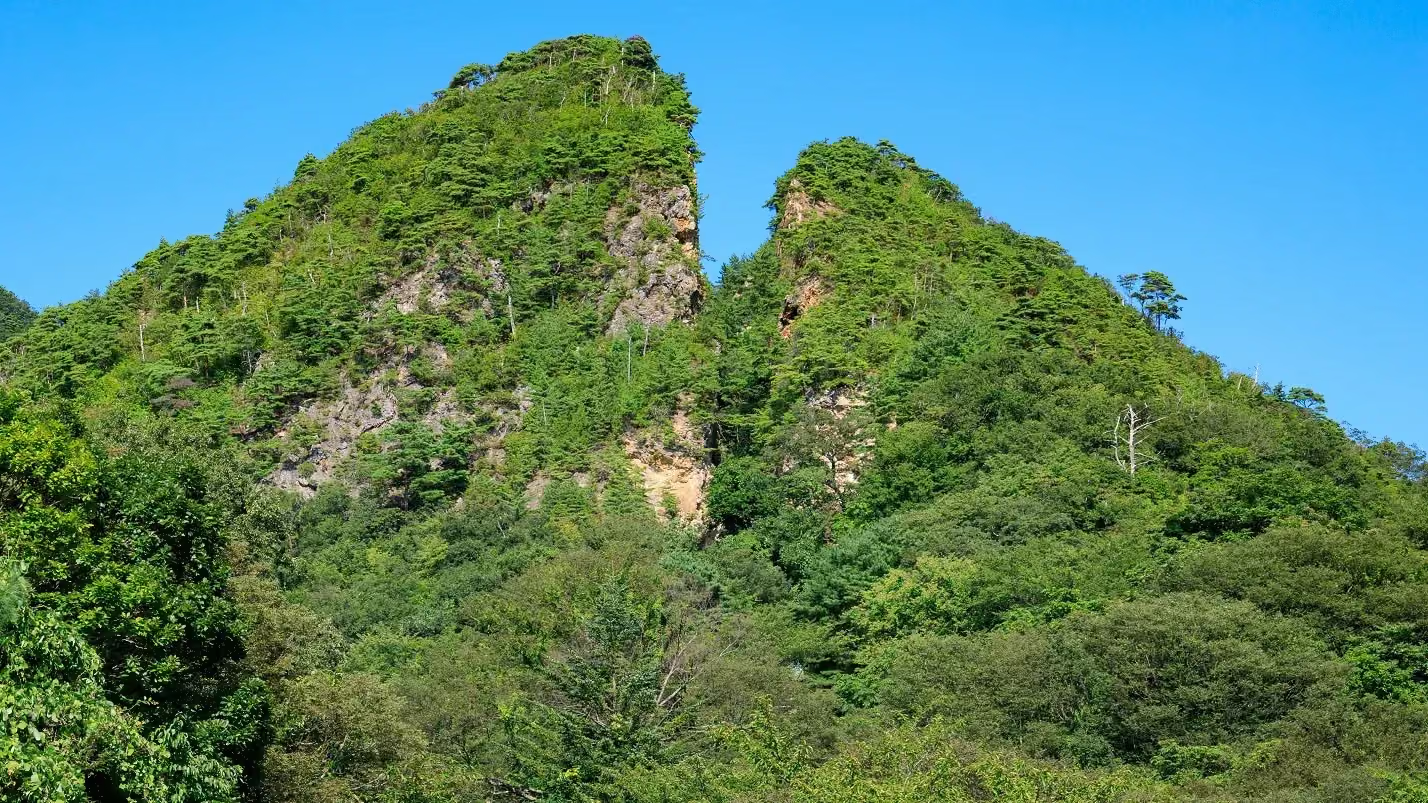
Akashi · HyogoThe Aikawa Gold and Silver Mine on Sado Island operated for nearly four centuries as a key pillar of the Tokugawa shogunate's finances.
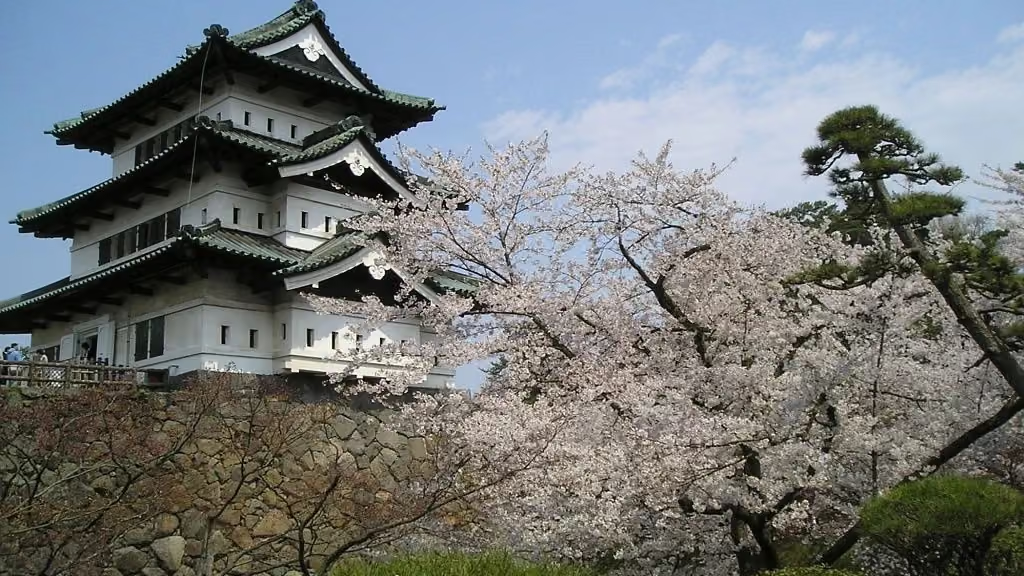
Sado · NiigataCastle of the Tsugaru lords, completed in 1611, whose 1810 keep is the only Edo-period castle keep still standing in the Tohoku region.
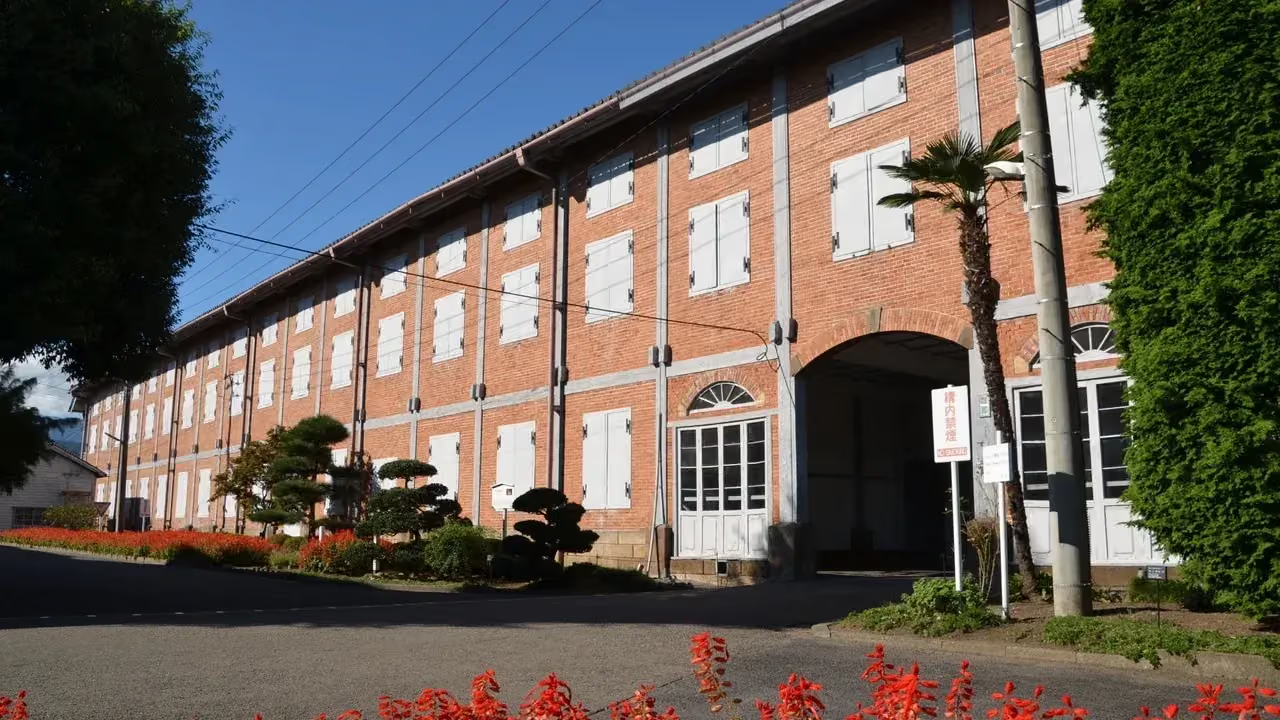
Hirosaki · AomoriA model silk mill opened by the Meiji government in 1872, its brick buildings almost all intact, with three buildings designated National Treasures.
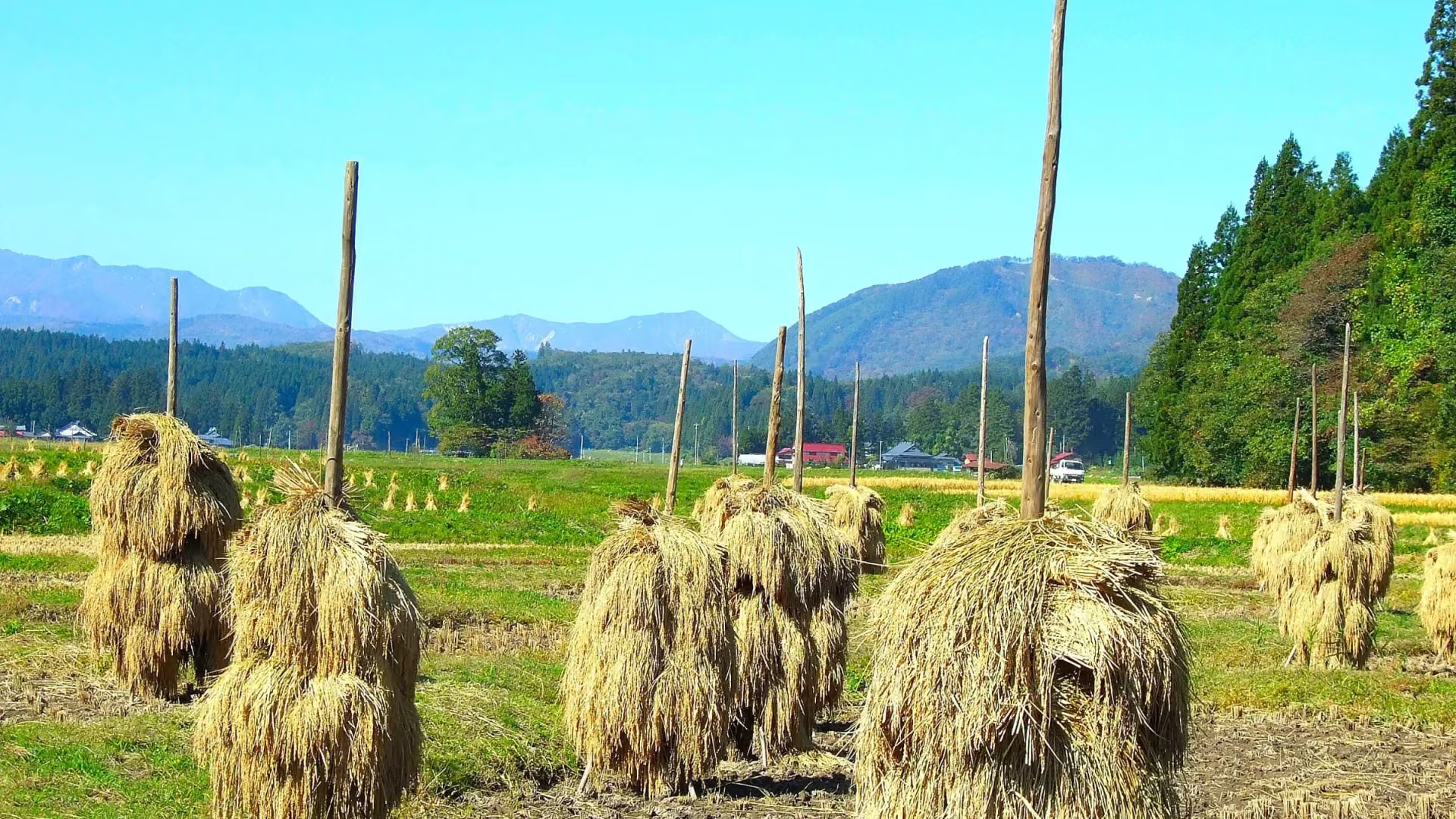
Tomioka · GunmaRemains of a medieval estate of Chuson-ji whose rice fields, channels and farmhouses still follow the layout drawn on two Kamakura-period maps.
Ichinoseki · Iwate