Ginzan Onsen
A nostalgic Taisho-era hot-spring town in the Yamagata mountains, lined with wooden inns along a gas-lit river - at its most magical under snow.
Obanazawa · Yamagata

In Japan, National Historic Sites and Historic Sites are designated cultural properties, including buildings, structures, and other artifacts, that have been recognized by the Japanese government for their cultural and historical significance. The distinction between the two types of sites refers to the level of significance assigned to a particular site.
A nostalgic Taisho-era hot-spring town in the Yamagata mountains, lined with wooden inns along a gas-lit river - at its most magical under snow.
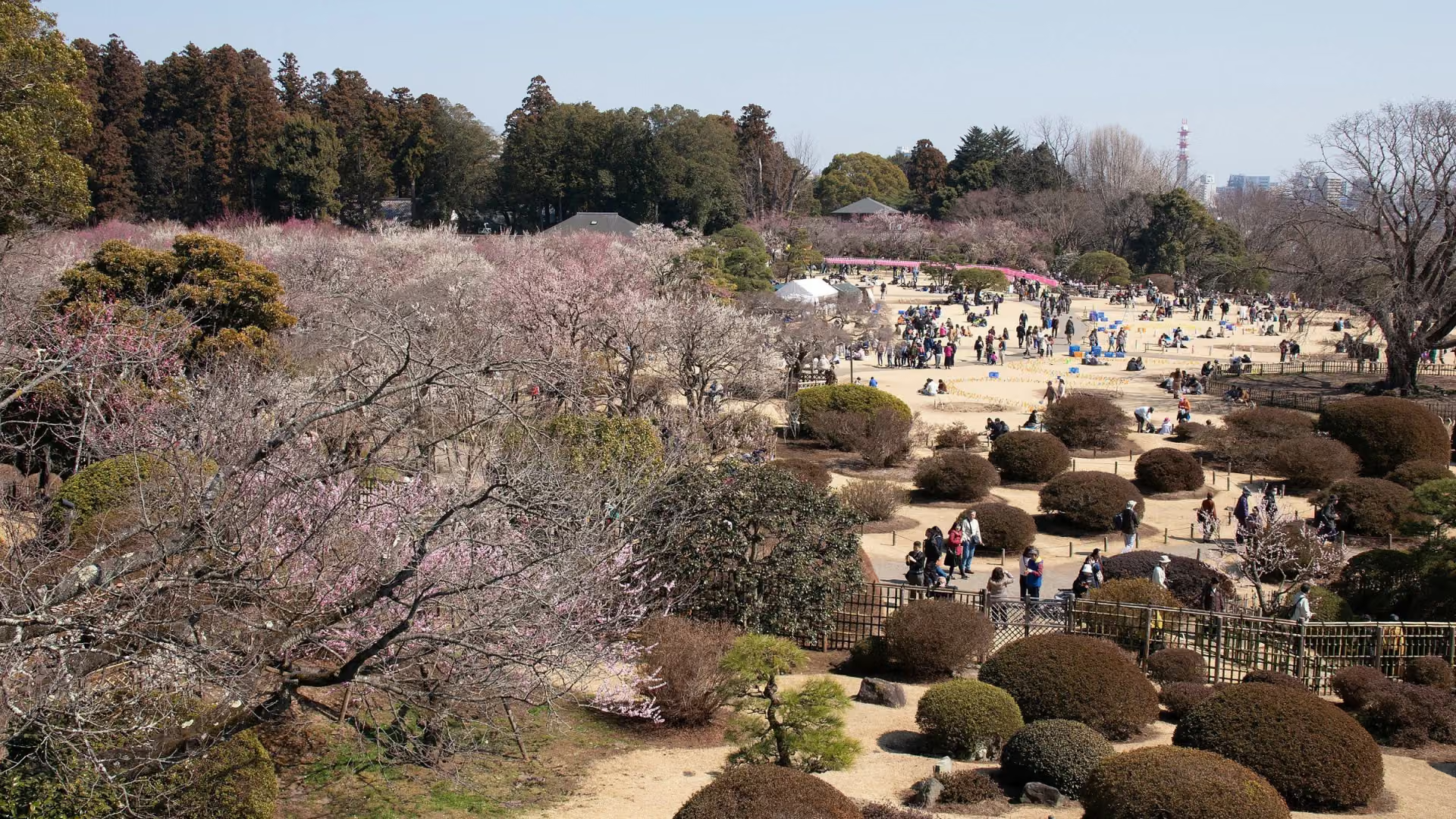
Obanazawa · YamagataOne of Japan's Three Great Gardens spanning 300 hectares, built in 1842 and renowned for its plum trees and cherry blossoms that bloom seasonally.
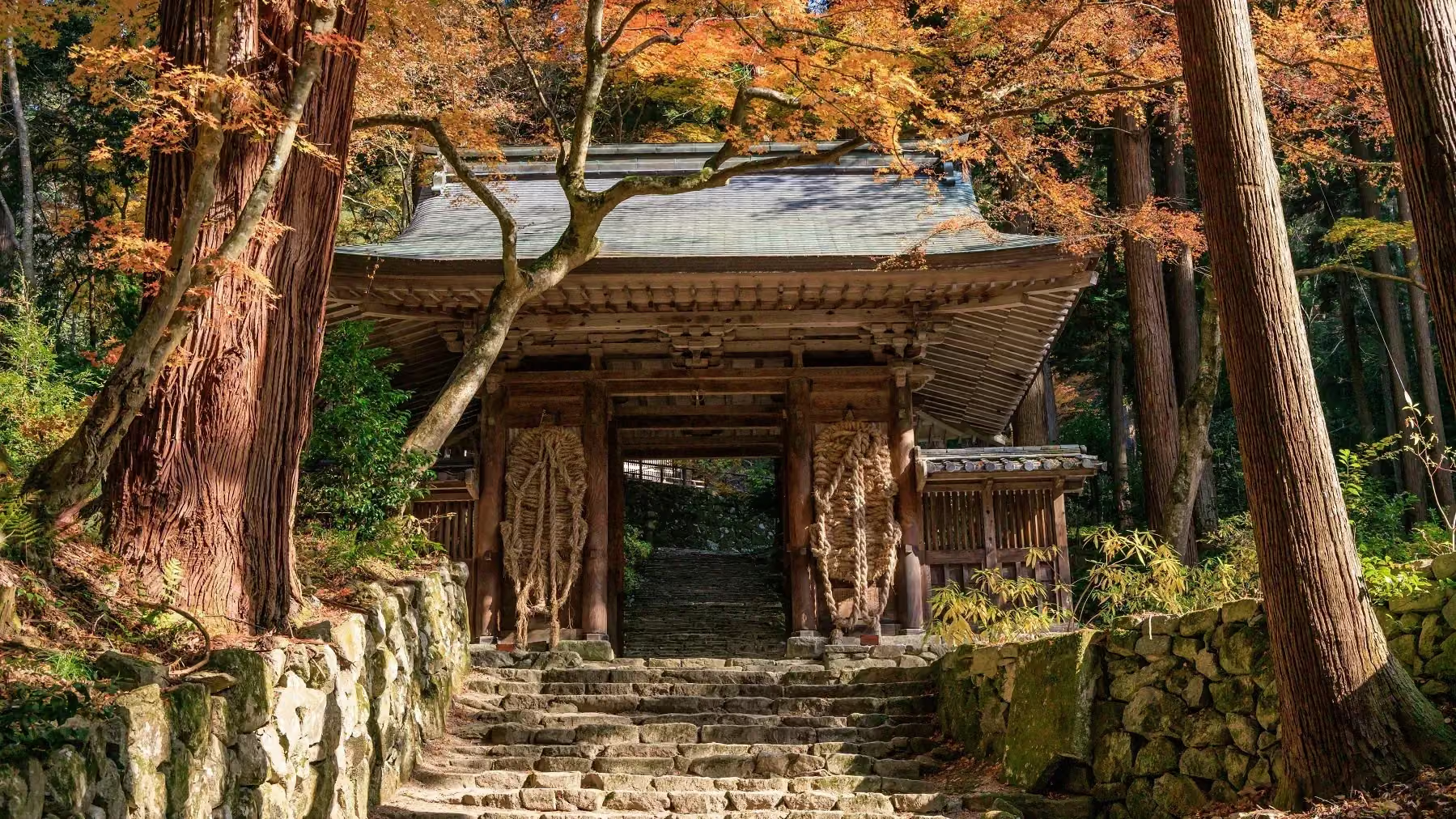
Mito · IbarakiTendai Buddhist temple and National Historic Site, one of the three great temples east of Lake Biwa, with buildings dating to the 17th century.
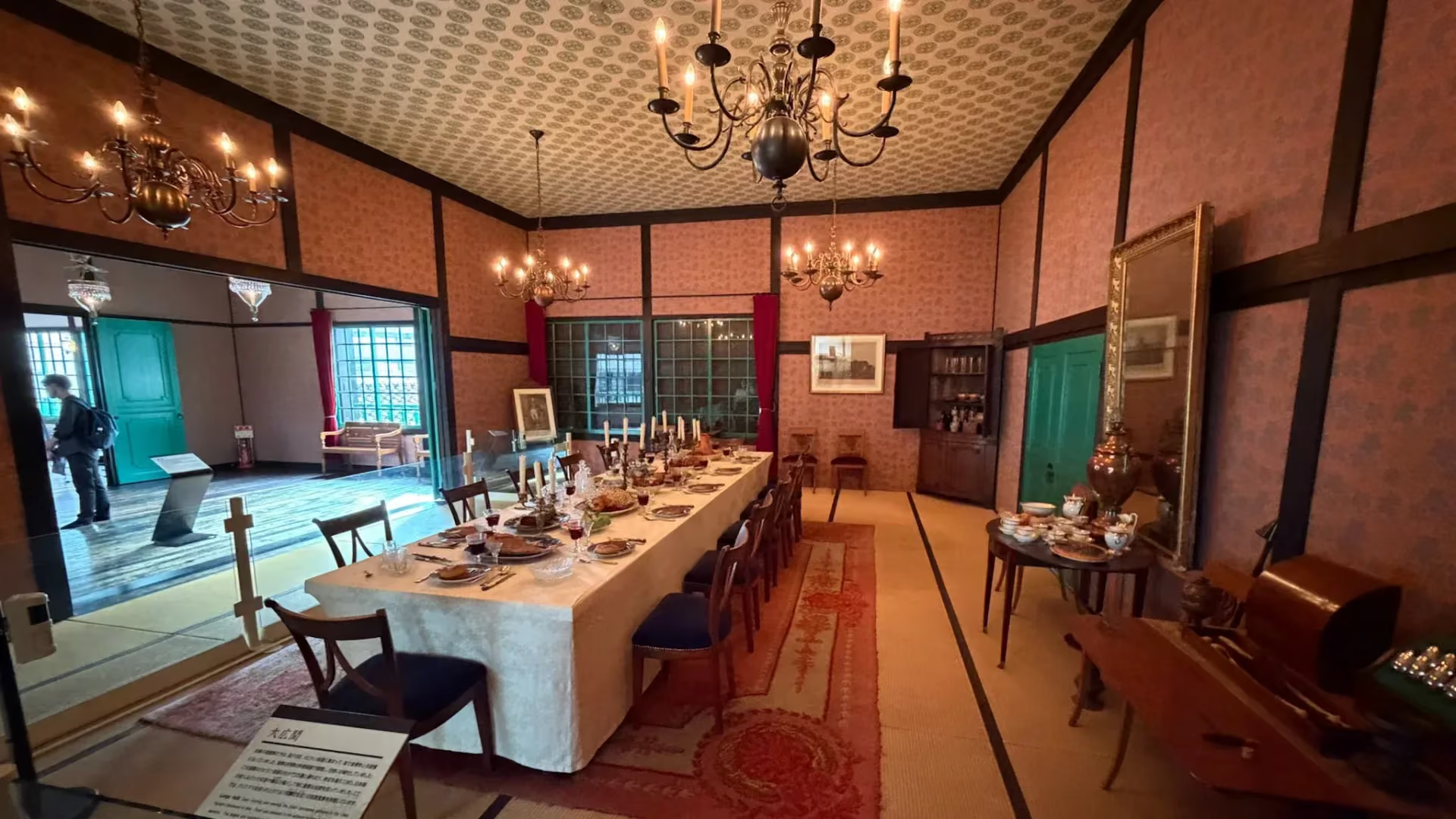
Higashiomi · ShigaThe fan-shaped island in Nagasaki that was Japan's only opening to the West for more than two centuries, now rebuilt street by street.
NagasakiThe site of a seventh-century mountain fortress in Kumamoto, built against invasion from the mainland, with four buildings reconstructed.
Yamaga · KumamotoThe guest hall of a Shingon temple at Tomonoura, built around 1690, whose view over the Seto Inland Sea a Korean envoy called the finest in Japan.
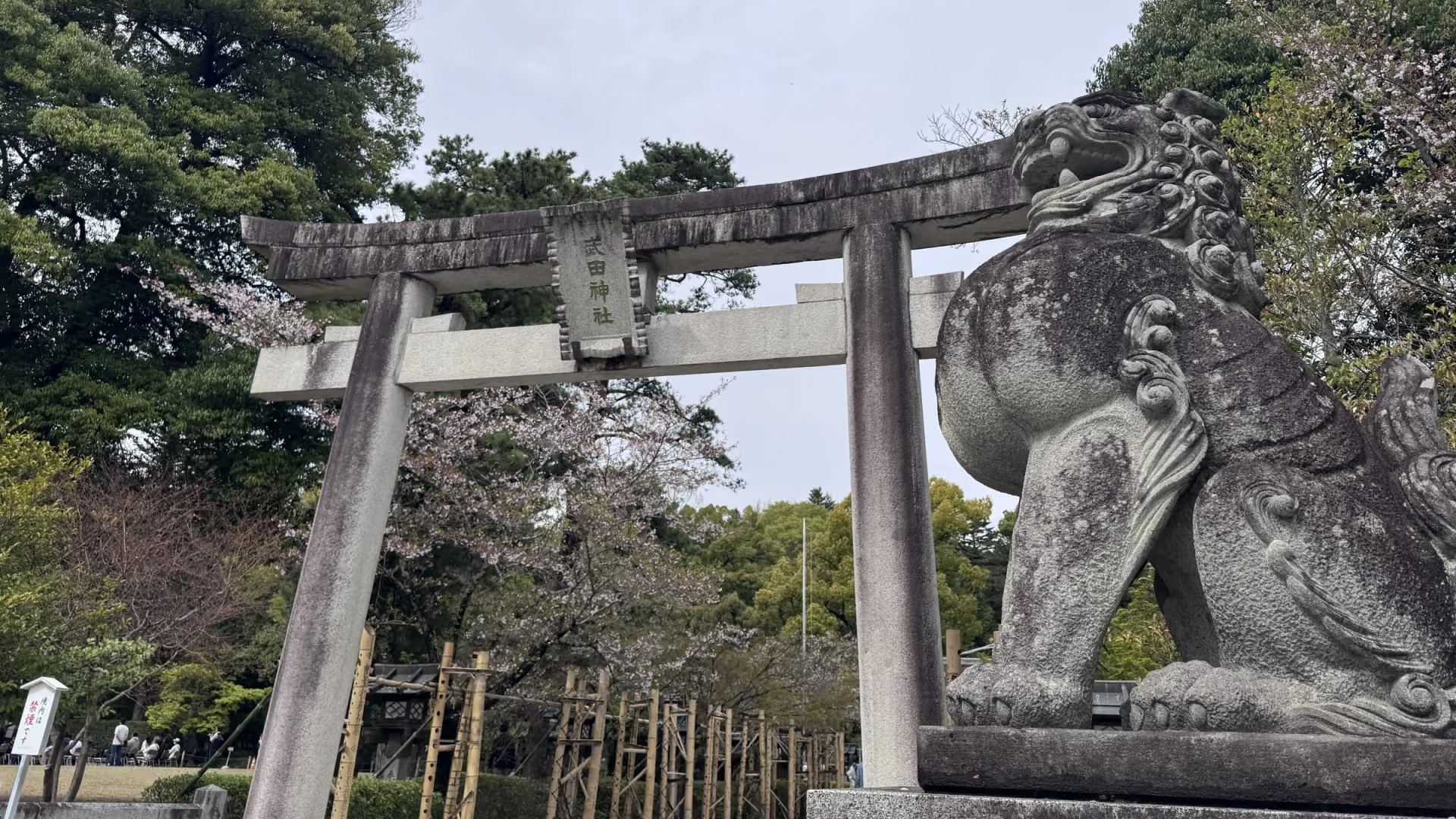
Fukuyama · HiroshimaThis shrine honors Takeda Shingen, a Sengoku-period general remembered for both military prowess and regional development in the domain he ruled.
Kofu · Yamanashi