Hifuri Shinji Fire Swinging Ritual
火振り神事
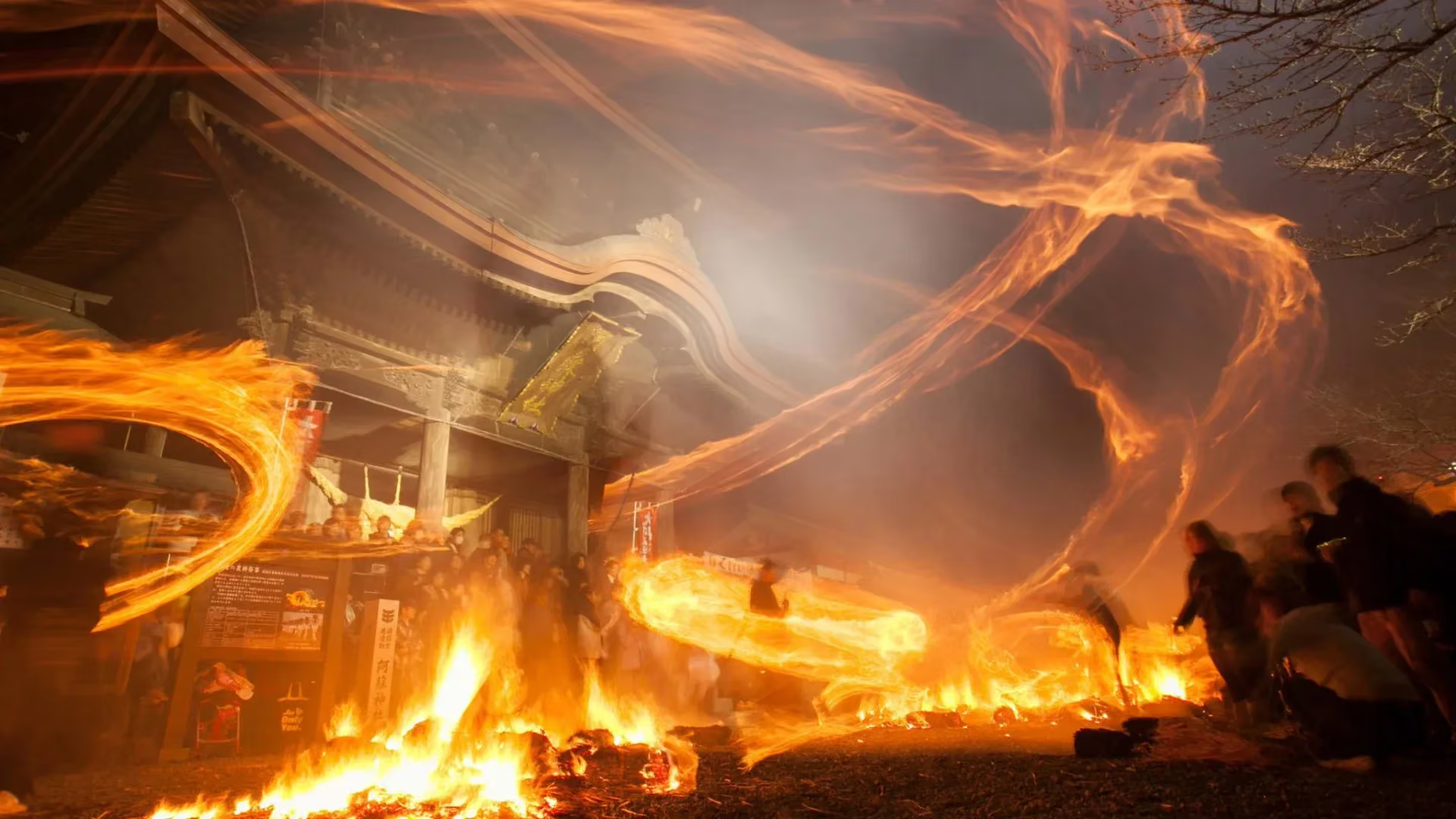
Each spring at Aso Shrine, priests perform the Hifuri Shinji fire-swinging ritual, a mesmerizing ceremony rooted in ancient agricultural tradition.
〒 869-2612How to get there
宮地Hohi Main Line23 min walk from the station
Each spring in Aso, Kumamoto, a mesmerising spectacle of fire lights up the night sky: the Hifuri Shinji, or Fire-Swinging Ritual. This dramatic ceremony is one of the highlights of the Tatsukuri Festival a sacred event that has been passed down for centuries at Aso Shrine.
Rooted in ancient agricultural traditions, the Tatsukuri Festival is a seven-day ritual that dramatises the divine wedding of Kunitatsu-no-Kami, the ancestral deity of the shrine families. The ceremony, celebrated in March from the Day of the Snake (Mi no Hi) to the Day of the Boar (I no Hi) according to the traditional zodiac calendar, symbolises the promise of fertility and an abundant harvest.
During the seven days of the festival, Kunitatsu-no-Kami rides in a mikoshi (portable shrine), visiting a different shrine family’s residence each night. Each home hosts a morning and evening ritual with sacred kagura music and dance, and the deity symbolically shares meals with the household - a practice known as the home festival (takumatsuri).
The most spectacular moment comes on the fourth day - the Day of the Monkey (Saru no Hi) - when the priests perform the ritual of Gozen-mukae, or “Welcoming the Goddess Bride”. From dawn, a procession travels about 10 kilometres west to Aka-mizu to receive the sacred symbol of the bride goddess, carved from an oak tree, and escort her back to Aso Shrine.
Along the way, the bride undergoes purification and ceremonial adornment before arriving at the shrine by dusk - and it is here that the night ignites in fire and reverence.
As the divine wedding ceremony begins, the approach to Aso Shrine glows with hundreds of flaming bundles of dried grass, swung in great circles by local residents. This is the Hifuri Shinji, the Fire-Swinging Ritual - a breathtaking act of purification, celebration, and divine illumination.
The whirling flames are said to light the path for the gods and purify the sacred grounds, symbolising the union of heaven and earth through the marriage of the deities. The sight of countless fire trails swirling in the darkness transforms the shrine into a living sea of light - a vision both awe-inspiring and deeply spiritual. In ancient times, it was said that the entire Aso Basin shimmered like a vast ocean of fire, reflecting the collective faith of the people and their prayers for renewal.
On the seventh and final day, known as Manganbi (“Day of Fulfillment”), the divine couple’s marriage is complete. Before them, priests perform Ta-asobi, a ritual reenactment of rice cultivation - also called Tatsukuri Shinji - to bless the coming agricultural season with fertility and abundance.
Getting There

Planning a trip? Fit this into a trip and Oni plans the rest around it.
You might also like
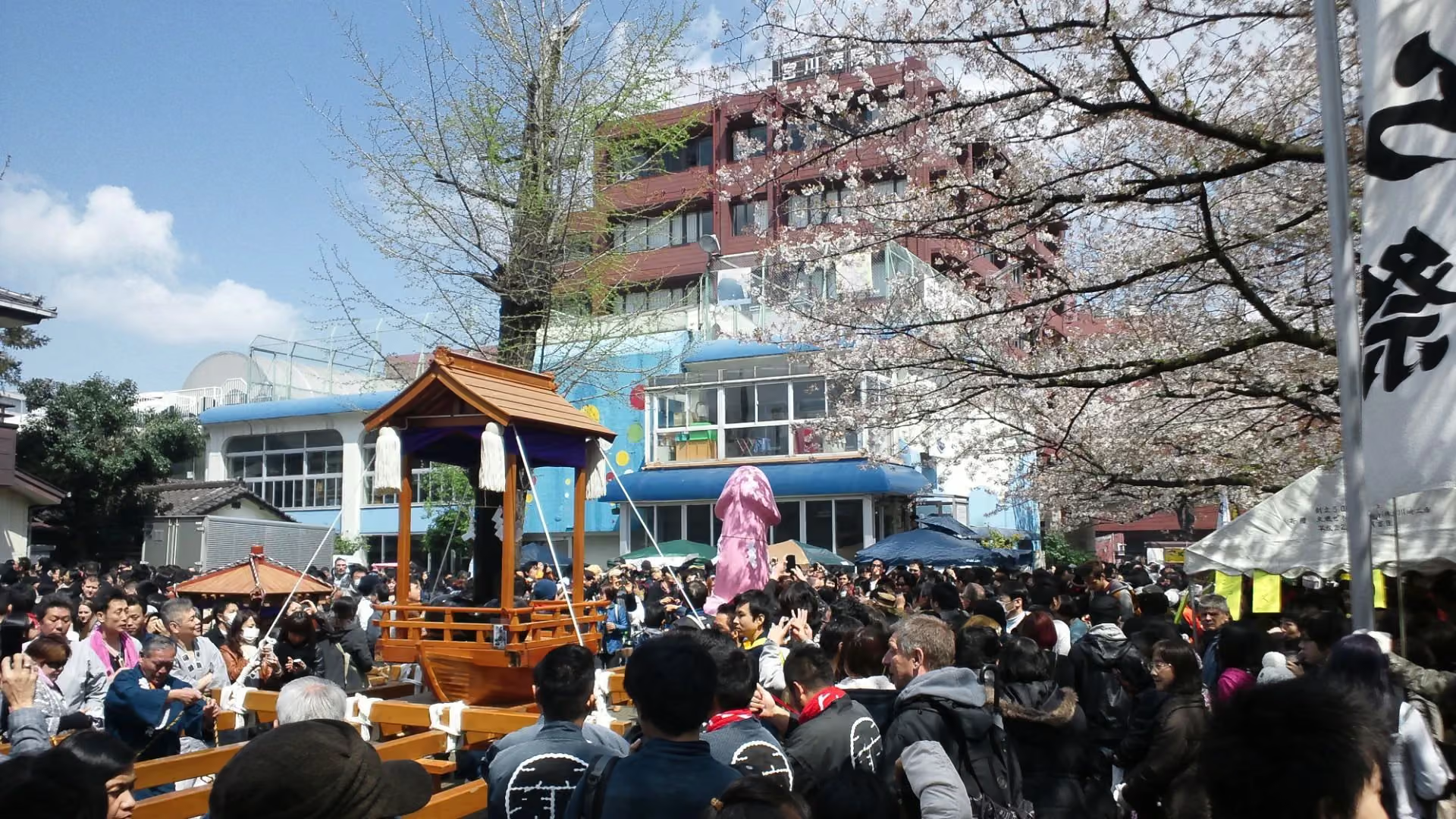
Kanamara Matsuri "Festival of the Steel Phallus"
An annual Shinto festival at Kanayama Shrine in Kawasaki featuring distinctive phallic imagery in decorations and parades while raising funds for HIV research.
5 Apr 2027Exact date not confirmed yetKawasaki · Kanagawa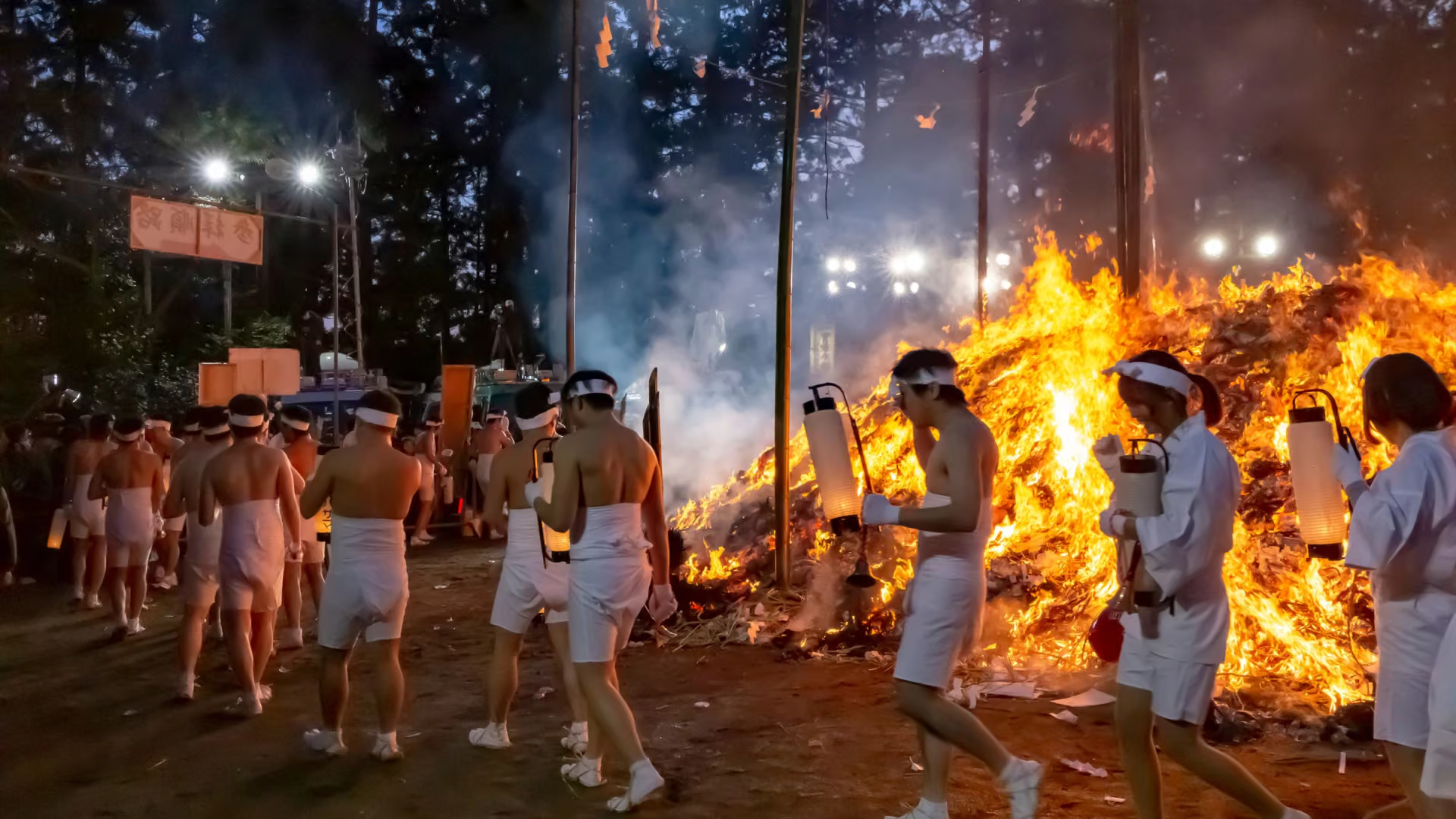
Dontosai Festival
An annual winter ritual in Sendai features the ceremonial burning of New Year decorations followed by a sacred pilgrimage procession in traditional attire.
14 Jan 2027Exact date not confirmed yetSendai · Miyagi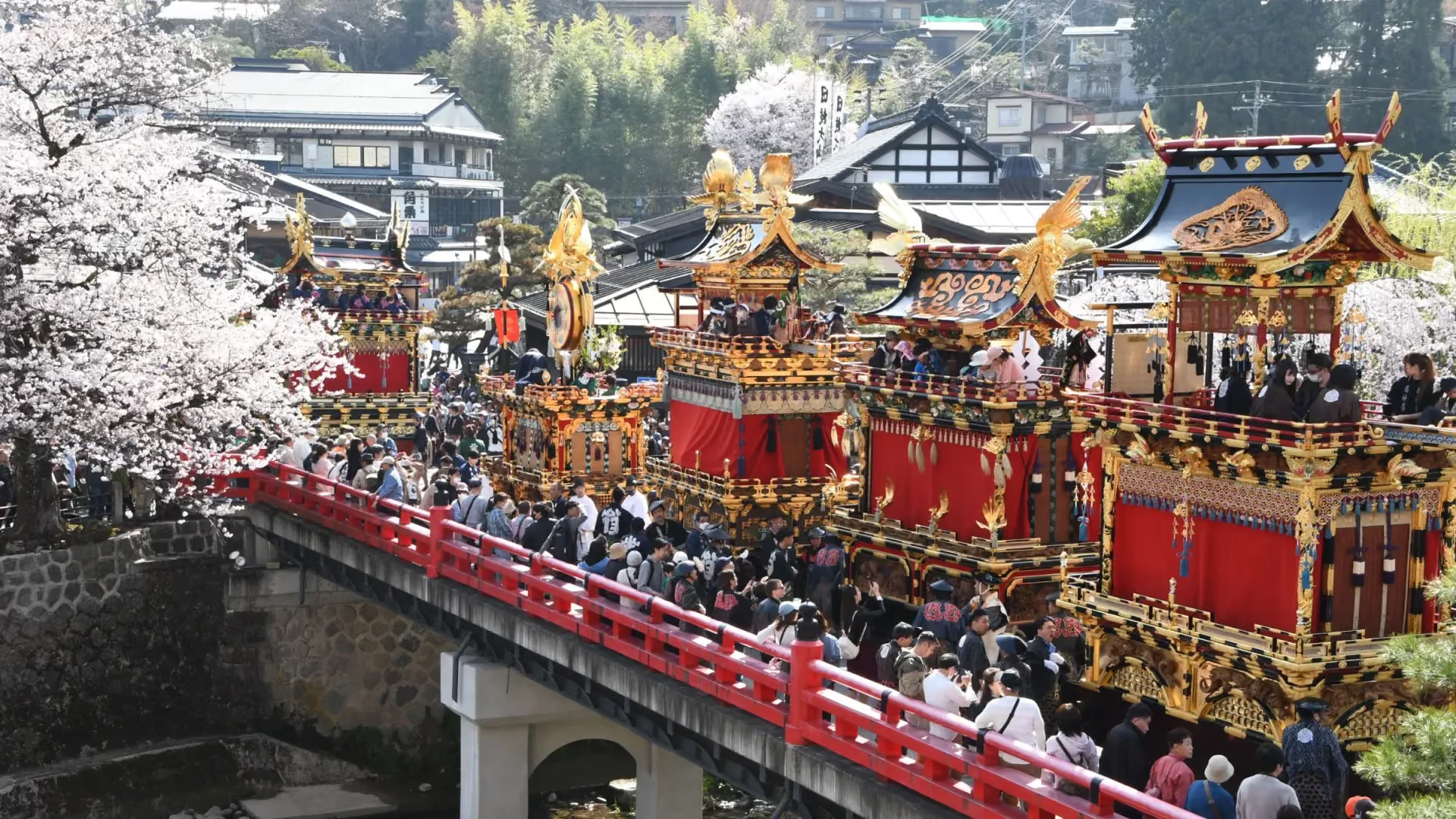
The Spring Takayama Festival
A spring festival in Takayama showcases ornate floats with mechanical dolls and centuries-old craftsmanship, illuminated by lanterns during evening processions.
14–15 Apr 2027Takayama · Gifu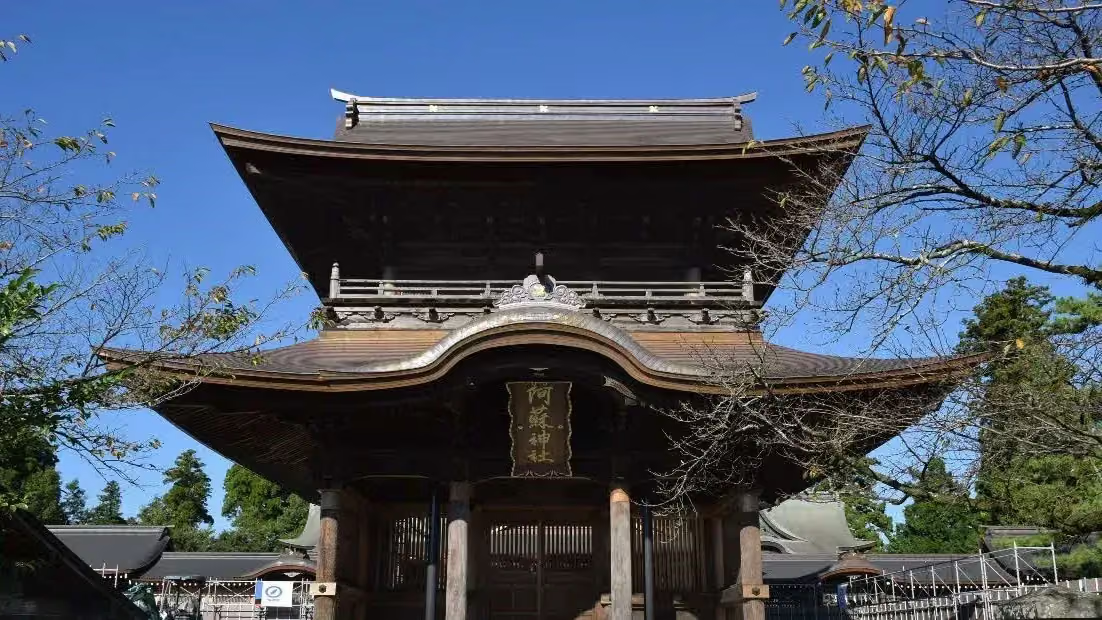
Aso Shrine
Shrine said to date back over 2,000 years, honoring a grandson of Emperor Jimmu and joining Shinto practice with worship of Mount Aso's sacred crater.
Aso · Kumamoto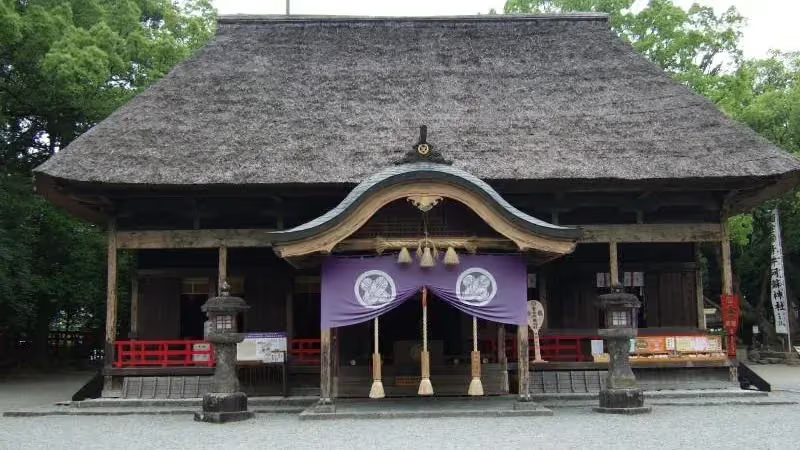
Aoi Aso Shrine
Shrine dedicated to three protective deities founded 1,200 years ago as a guardian of the Hitoyoshi-Kuma basin and Mount Aso region.
Hitoyoshi · Kumamoto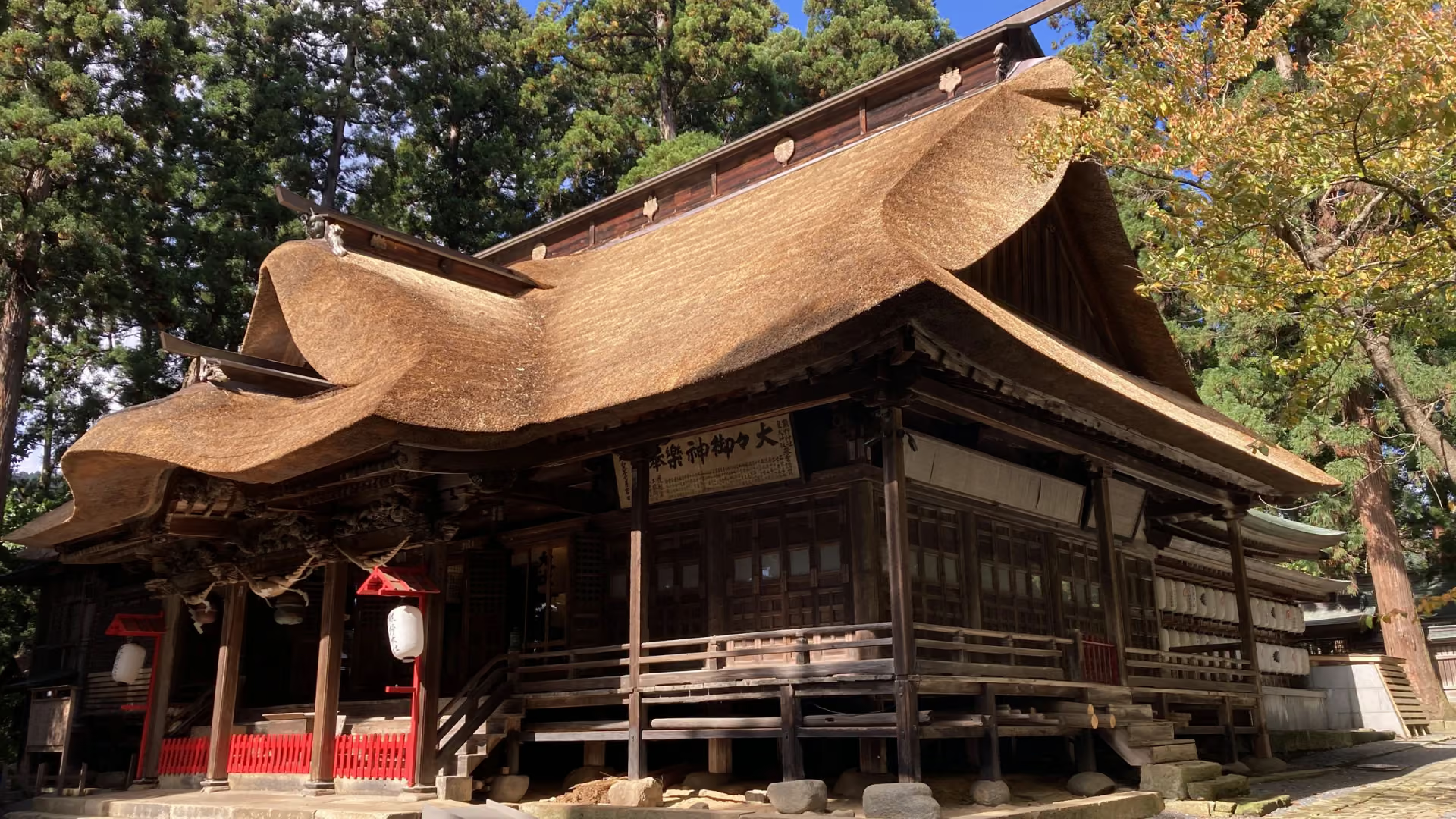
Kumano Taisha Shrine
One of three major Kumano shrines in Japan, Kumano Taisha was established in 806 and is known as the Ise Shrine of the North for its significance.
Nanyo · Yamagata