Miho Museum
ミホ ミュージアム
A museum of 1997 in the mountains of Shiga, designed by I. M. Pei and mostly buried in the hillside, holding ancient art of the world alongside Japanese art.
Last entry 16:00. Open only in the spring, summer and autumn seasons; when Monday is a holiday the museum opens and closes the next weekday instead. Also closed between exhibitions: check the official calendar.
〒 529-1814How to get there
勅旨93 min walk from the station
MIHO MUSEUM stands in the mountains at Shigaraki, in Koka, and opened in November 1997. It holds ancient art from Egypt, western Asia, Greece and Rome, south Asia and China alongside Japanese art, and the building that holds it was designed by I. M. Pei, the architect of the glass pyramid at the Louvre.
The approach
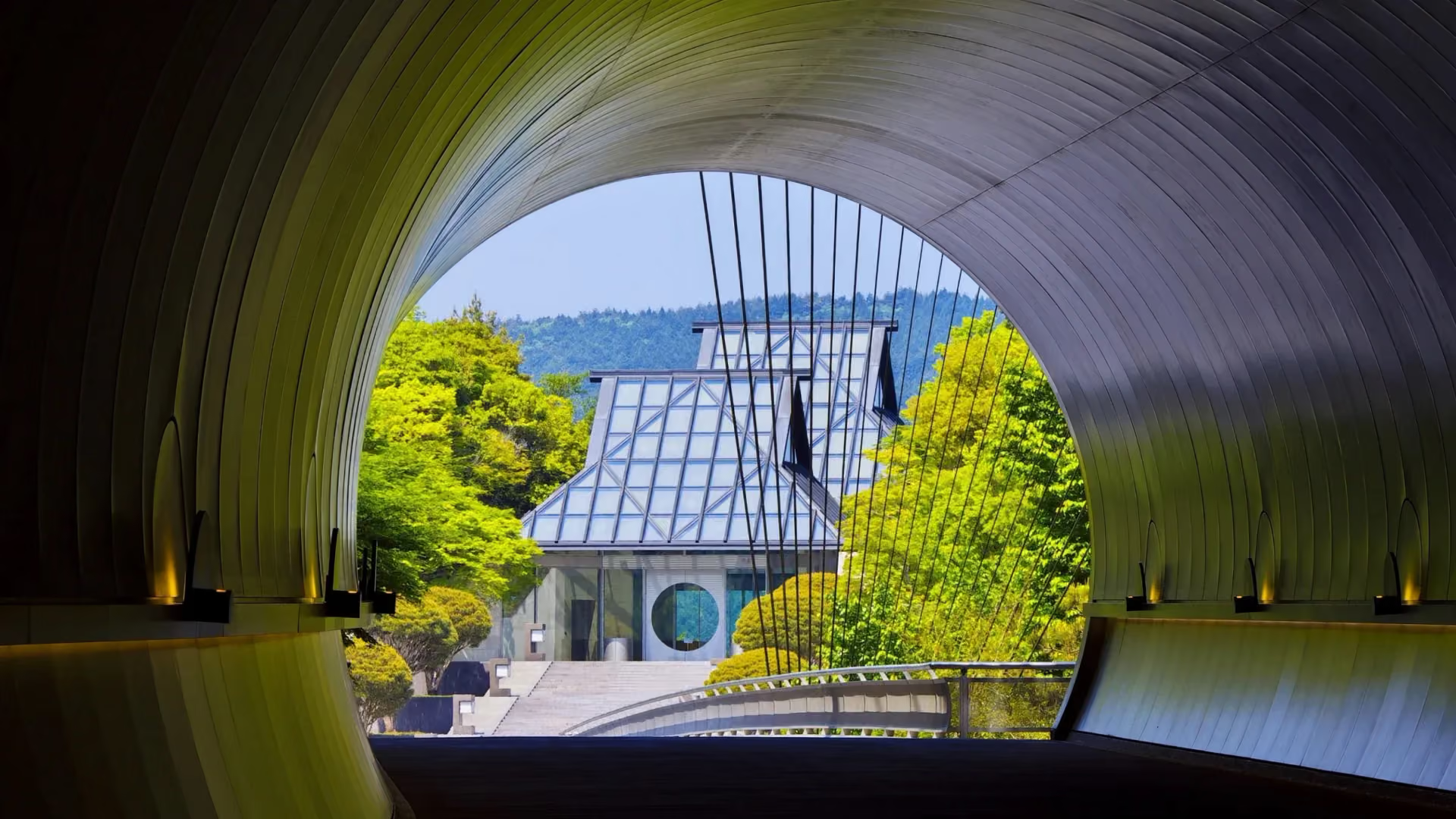
The museum is not entered directly. A path lined with weeping cherries leads to a curving tunnel, and the tunnel gives on to a suspension bridge over a valley. Only then does the entrance appear, under a roof in the irimoya form, the hip-and-gable roof of Japanese temples and farmhouses.
That sequence was built on a Chinese story. In The Peach Blossom Spring, written by Tao Yuanming, a fisherman follows a wood of flowering peach trees into a cave and comes out in a hidden country where everyone lives contentedly. The museum was laid out to be reached the same way.
The building
About eighty per cent of the building is buried in the hillside, because the site lies inside a protected zone of a prefectural natural park.
Inside, light falls through a glass roof onto walls of pale limestone, and the roof itself is carried on a space frame. The main hall opens onto a view of the hills, which is the effect Pei was after: he said he wanted people to understand that a building merged into nature was the result of very deliberate design.
The collection
The collection was begun by Koyama Mihoko, who founded the museum and gathered Japanese art over more than forty years: tea utensils, Shinto and Buddhist art, calligraphy and painting, ceramics and lacquer. It widened into the ancient art of the world as the museum took shape with Pei.
It now runs to about 3,000 works, of which between 250 and 500 are on show at any time. The south wing holds the ancient art of the world; the north wing is given to the special exhibition of the season.
Eating there
A restaurant sits in the reception building and a cafe in the museum building, and a free electric shuttle runs the five hundred metres between the two for anyone not walking it.
What's on here
| Date | Event | Details |
|---|---|---|
| September 2026 | ||
| 26 Sep – 6 Dec 2026 | Hyakusaiji Temple and the Buddhist Art of Omi | |
Getting There

Planning a trip? Fit this into a trip and Oni plans the rest around it.
You might also like
Lake Biwa Museum
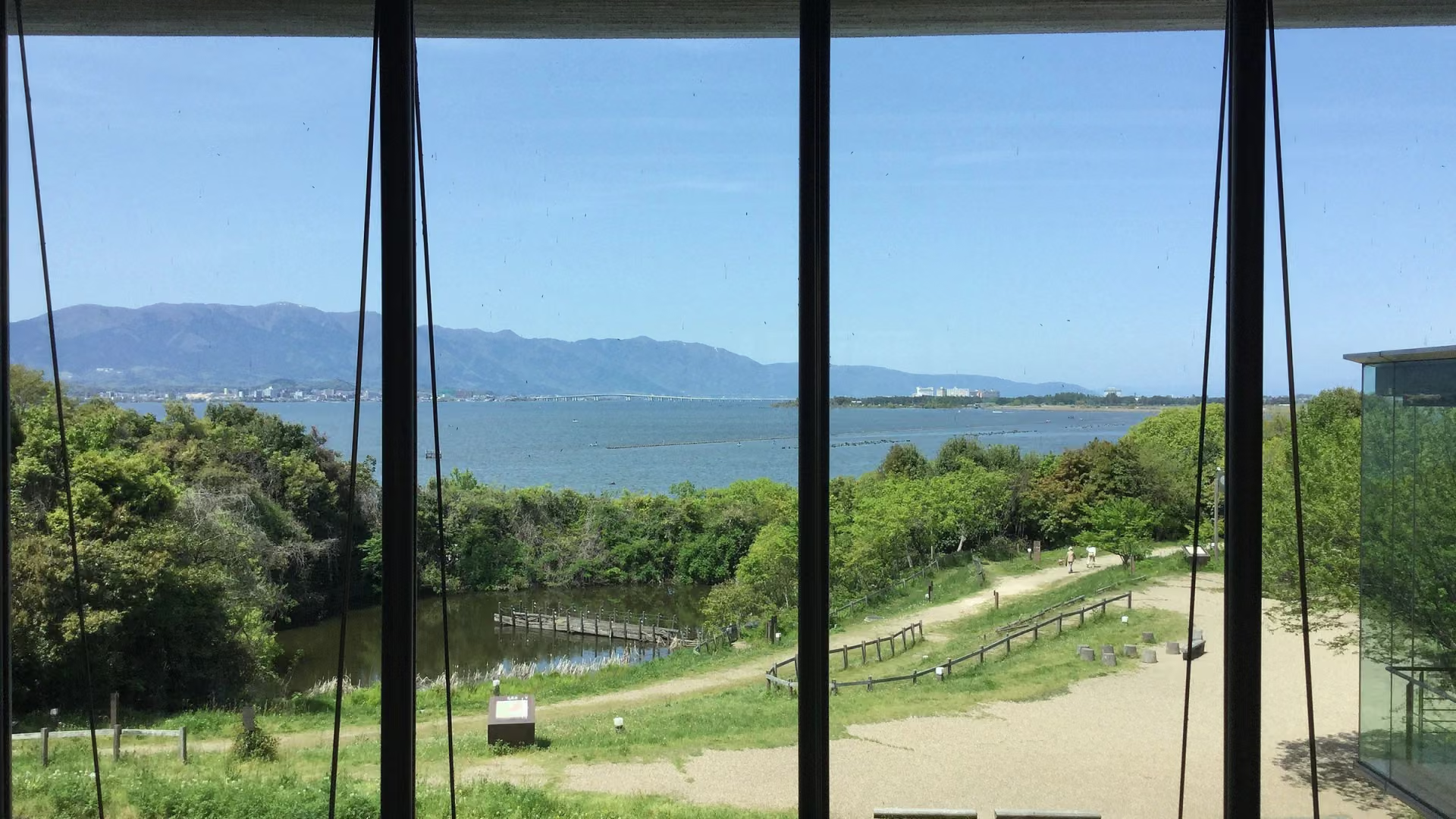
A museum on Lake Biwa, Japan's largest and oldest lake, and its relationship with people, with a tunnel aquarium of rare freshwater fish species.
Kusatsu · Shiga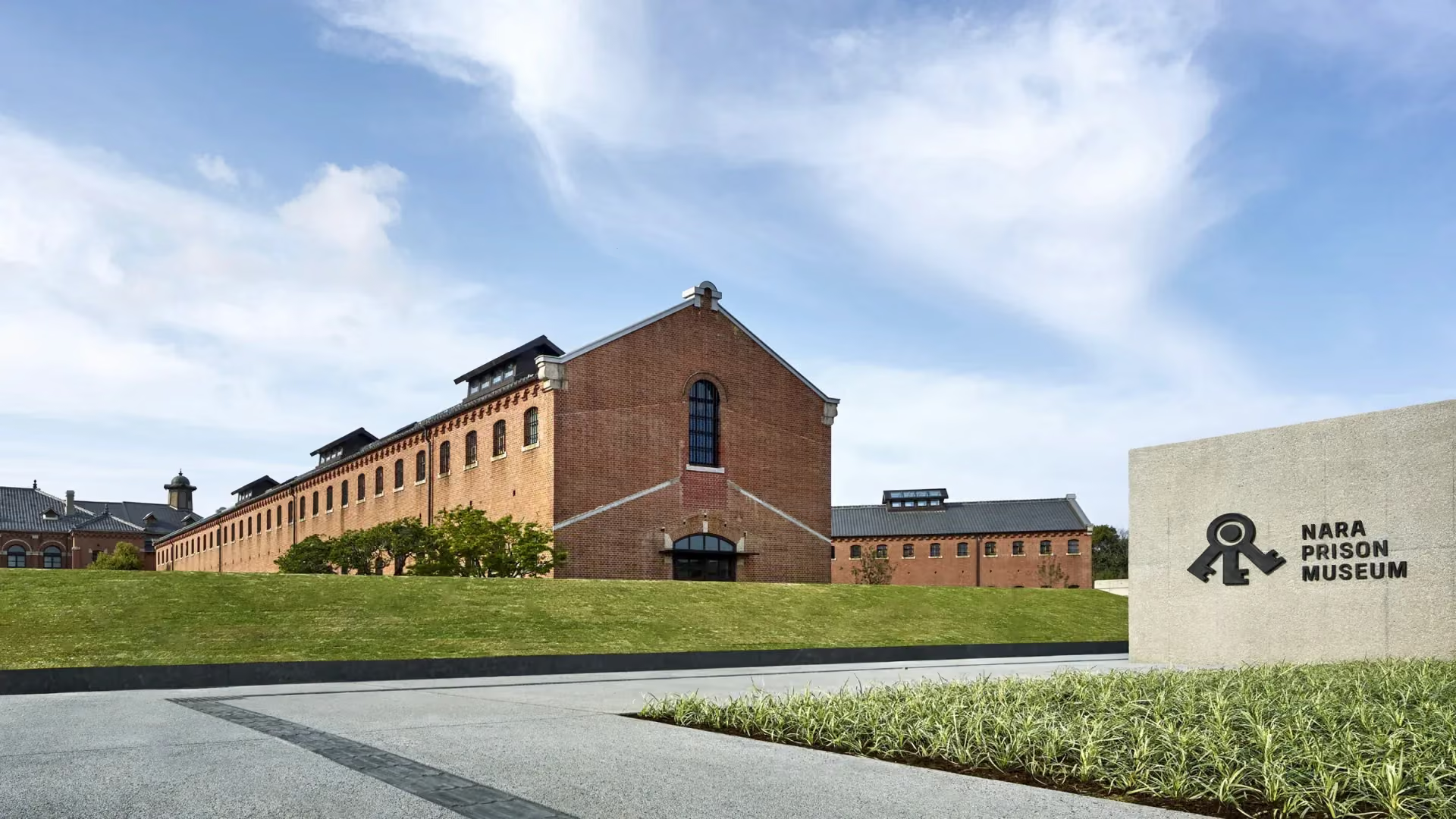
Nara Prison Museum
A Meiji-era red-brick prison (1908) and one of the Five Great Prisons with its original layout intact, now a museum operated by Hoshino Resorts.
Nara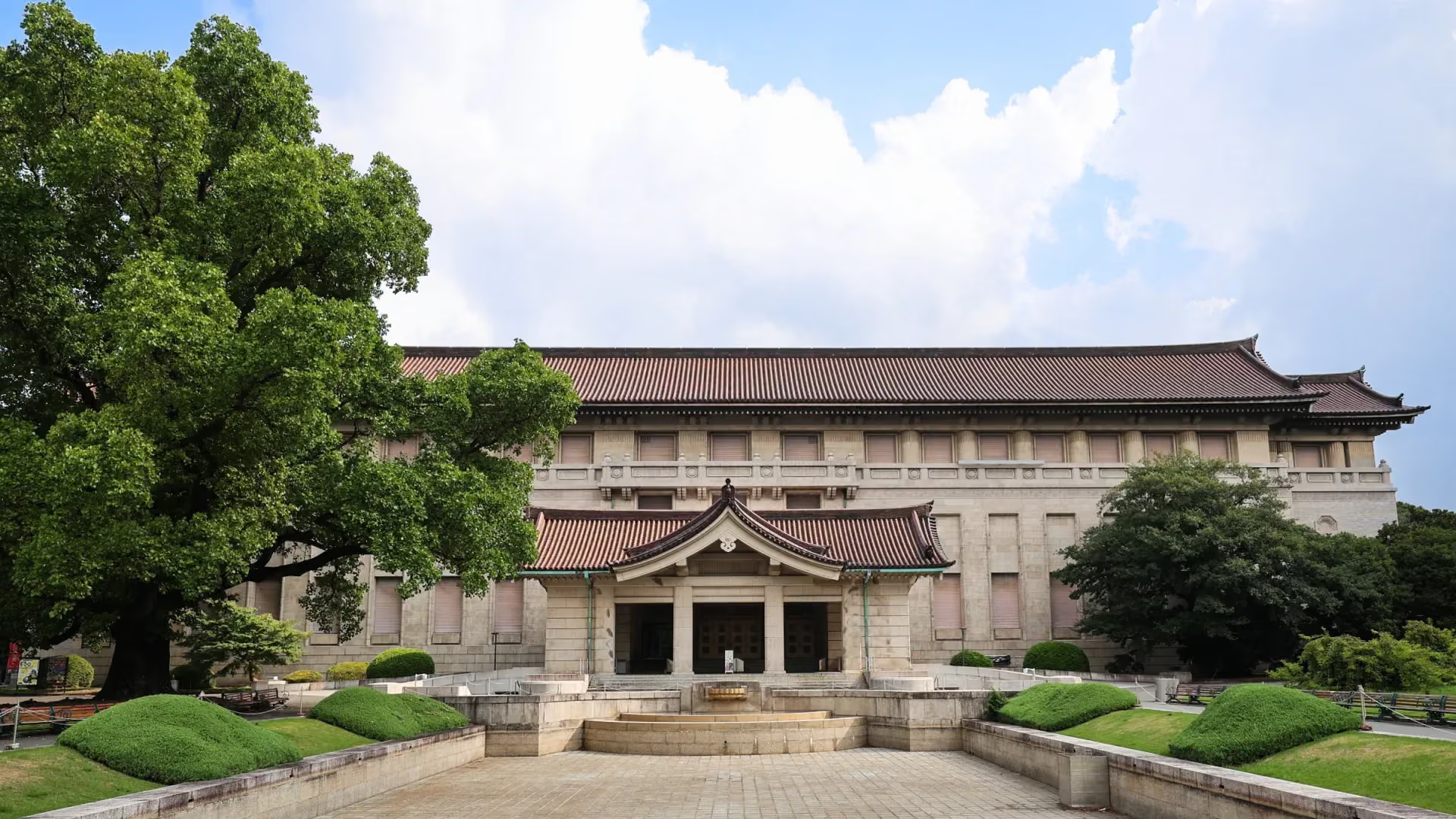
Tokyo National Museum
Japan's oldest museum, the Tokyo National Museum has collected around 120,000 cultural properties since 1872, preserving Japanese and Asian heritage.
Tokyo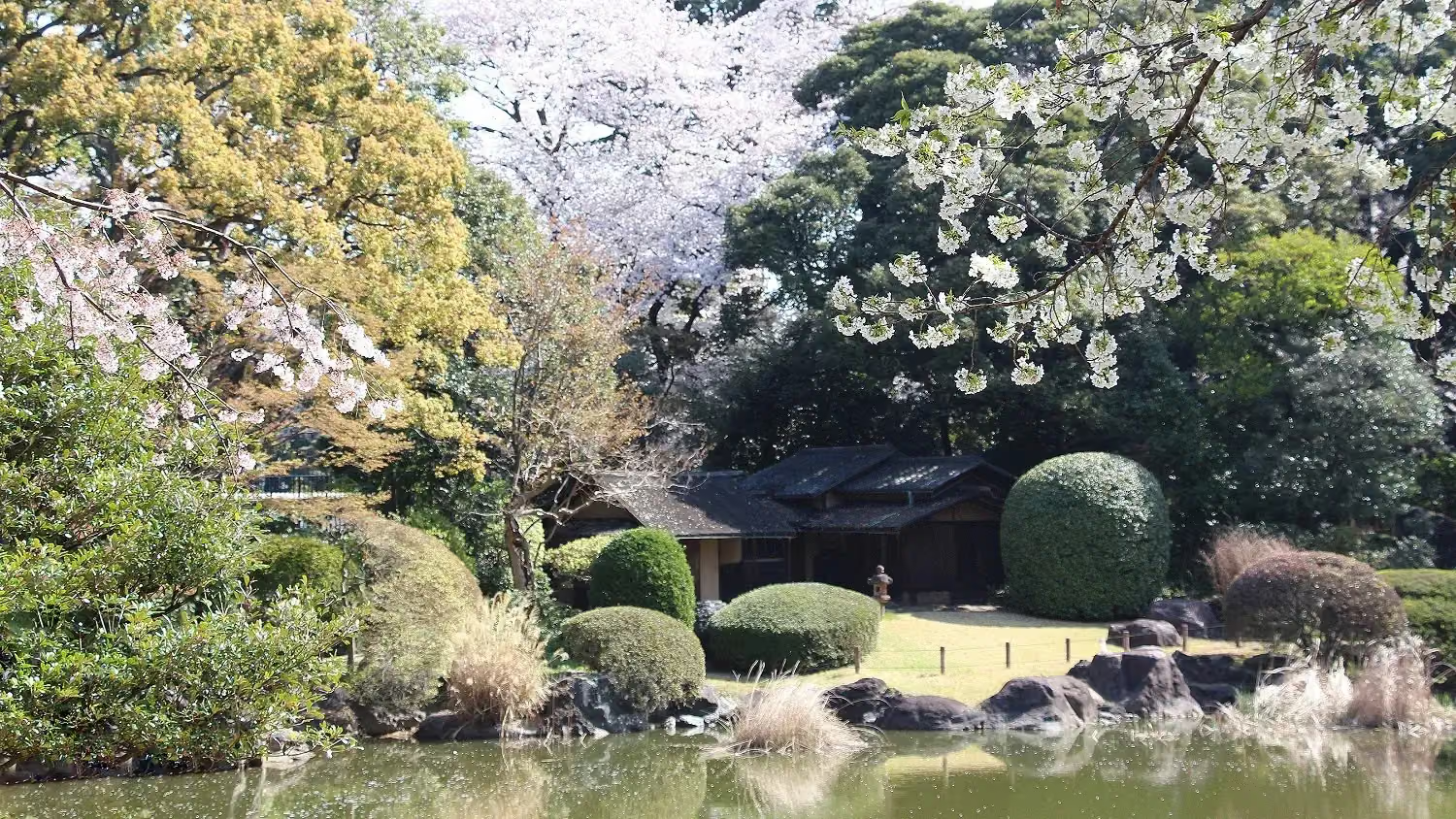
Cherry Blossom Viewing at the Tokyo National Museum
Tokyo National Museum's Cherry Blossom Viewing pairs art with garden walks, showing cherry blossom masterpieces while the museum's trees are in bloom.
10 Mar – 5 Apr 2027Exact date not confirmed yetTokyo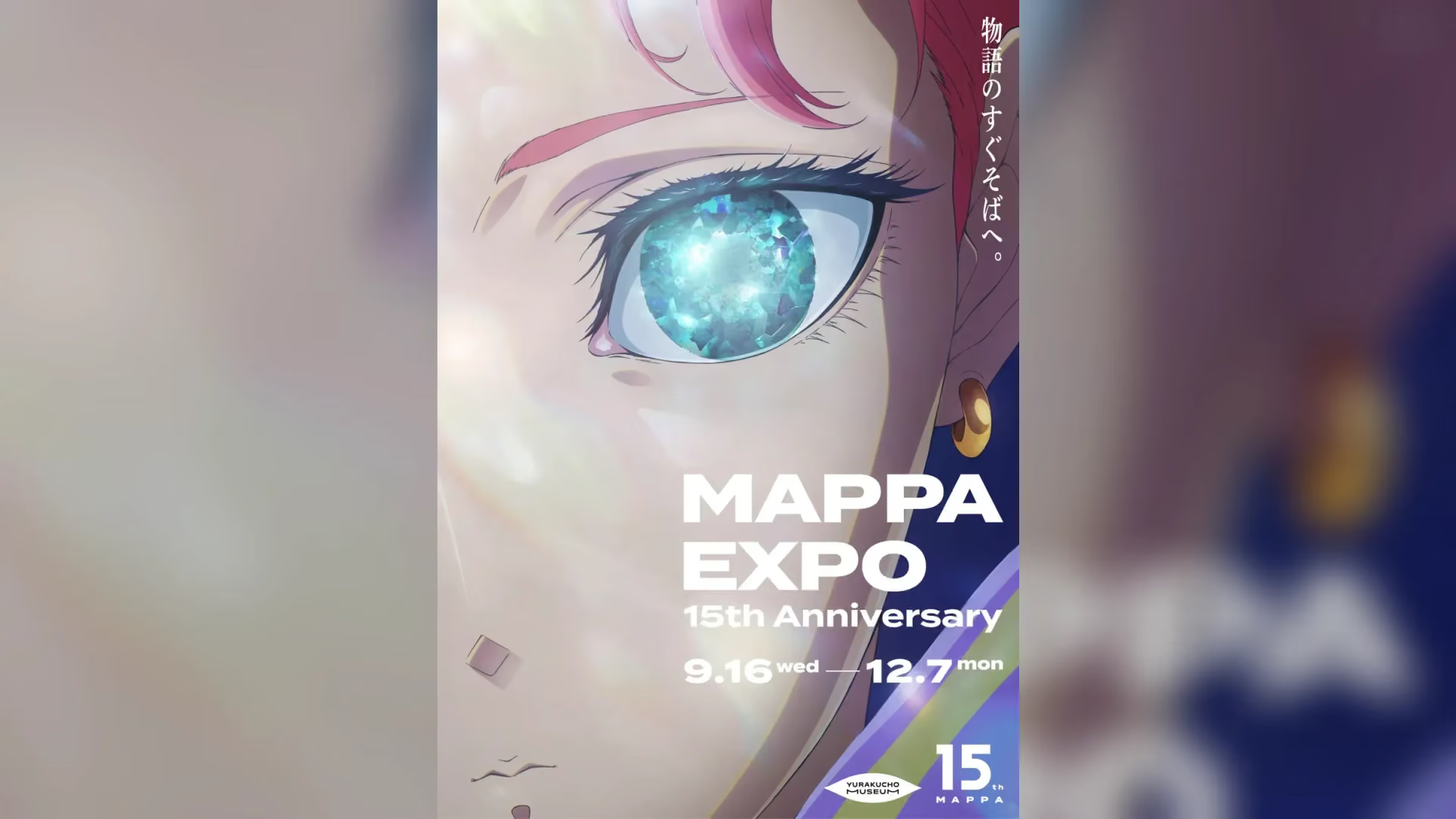
MAPPA EXPO 15th Anniversary
Fifteen years of MAPPA at the Yurakucho Museum this autumn, with original drawings and production art from 23 titles, three of them given their own areas.
16 Sep – 7 Dec 2026Tokyo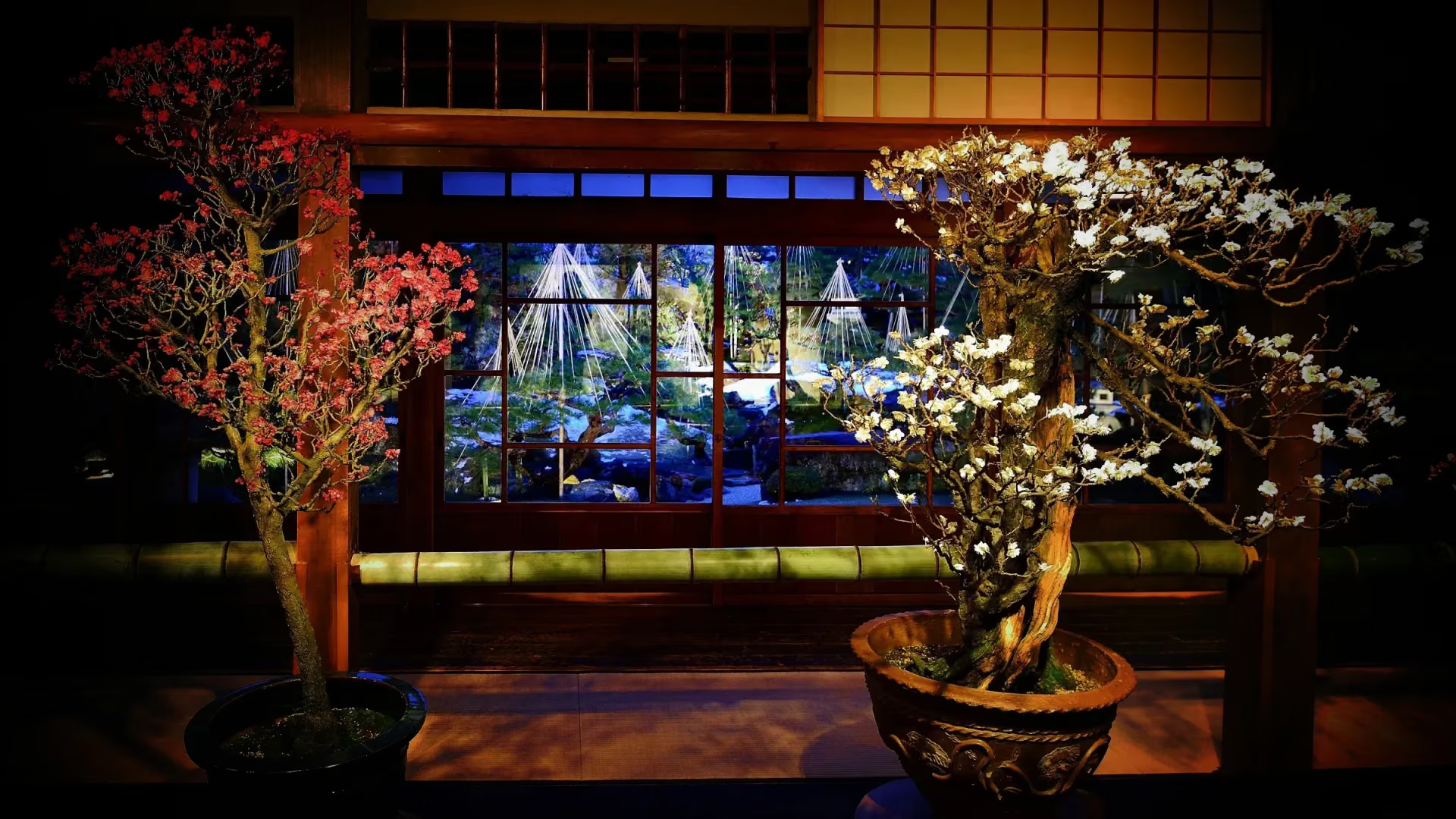
The 76th Nagahama Bonbai Exhibition
Japan's largest exhibition of bonbai, plum trees artistically cultivated in pots, showing about 90 specimens rotated by blooming stage over 60 days.
10 Jan – 10 Mar 2027Exact date not confirmed yetNagahama · Shiga