

Ishiyamadera
石山寺
A Shingon Buddhist temple in Otsu traditionally founded in 747, preserving numerous important cultural properties and National Treasures of traditional architecture.

Ishiyamadera is a Shingon Buddhist temple in Otsu, traditionally said to have been founded by the monk Rōben in 747. The temple preserves numerous important cultural properties. Among its most notable holdings are two fragments of the Records of the Grand Historian (Shiji), the first of China’s Twenty-Four Histories; these are the only known surviving fragments that predate the Tang dynasty.
The temple complex includes significant architectural works such as the Hondō (Main Hall) and the two-story Tahōtō pagoda, both designated National Treasures as outstanding examples of traditional Japanese temple architecture. Ishiyamadera also preserves important paintings, Buddhist scriptures, statues, and other cultural assets. The guardian statues at the Sanmon (also called Tōdaimon) are attributed to the Kamakura-period sculptors Unkei and Tankei, active in the late 12th and early 13th centuries.
According to temple tradition, Murasaki Shikibu began writing The Tale of Genji at Ishiyamadera during a full moon in 1004. The temple commemorates this association with the “Genji no Ma” (Genji Room), which includes a life-size figure of Murasaki Shikibu and a statue in her honor.
The Hondō is considered the oldest wooden structure in Shiga Prefecture and incorporates elements rebuilt during the Heian period (794–1185). The Tahōtō pagoda, constructed in 1194 with a donation from Minamoto no Yoritomo, is regarded as one of the oldest surviving examples of its type in Japan. It enshrines a statue of Dainichi Nyorai (Vairocana) dating to the Kamakura period (1185–1333).
Places nearby

Takebe Shrine
Takebe Shrine in Otsu enshrines Yamato Takeru and Onamuchi and served as the principal shrine of the ancient Ōmi Province.
Otsu · ShigaYou might also like

Miidera Temple
Head temple of the Tendai Jimon sect, Miidera was founded in the seventh century and has survived repeated destruction, earning the name Phoenix Temple.
Otsu · Shiga
Kongobu-ji (Koyasan)
Mount Koya is a sacred temple complex where the entire mountain is treated as one unified holy domain dedicated to Shingon Esoteric Buddhism.
Koya · Wakayama
Daigo-ji Temple
Over 1,100-year-old Buddhist temple complex and head temple of the Daigo branch of Shingon Buddhism, centered on an ancient natural spring.
Kyoto
Special Exhibition: Kobo Daishi Kukai — Treasures of Koyasan and the Spread of the Faith
An exhibition at the Kyushu National Museum on Kukai, who brought esoteric Buddhism from Tang China, with treasures of Koyasan and of western Japan.
24 Apr – 20 Jun 2027Dazaifu · Fukuoka
Zuiryuji Temple "Spring Light-up"
Colored lights and music illuminate this National Treasure temple in spring, accompanied by a market featuring local goods and specialties.
22 Apr – 5 May 2027Takaoka · Toyama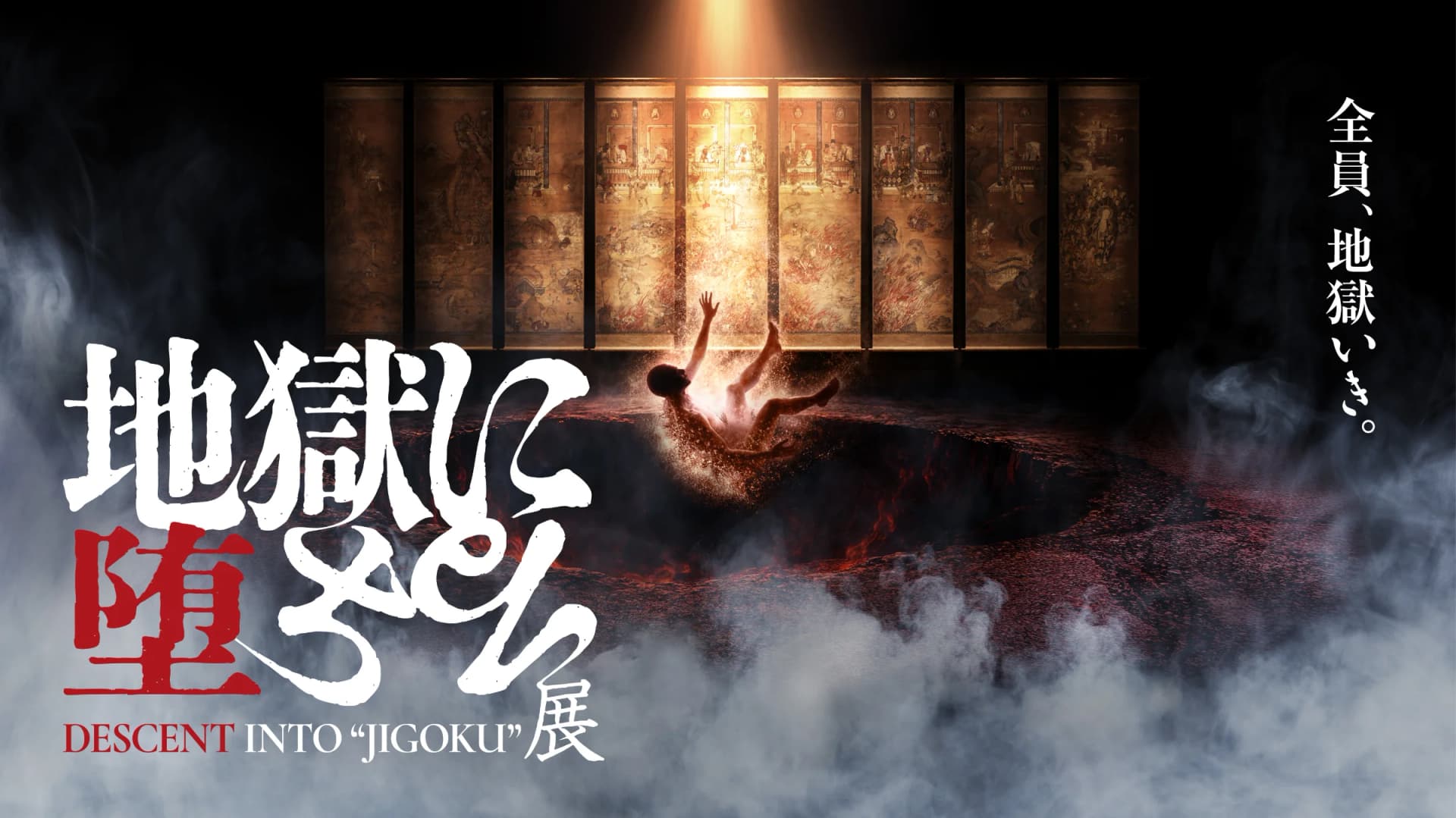
Descent into "Jigoku"
An exhibition in Osaka on the Japanese hell, following the path of the dead through full-size reproductions of painted scrolls and moving projections.
28 Nov – 27 Dec 2026Osaka