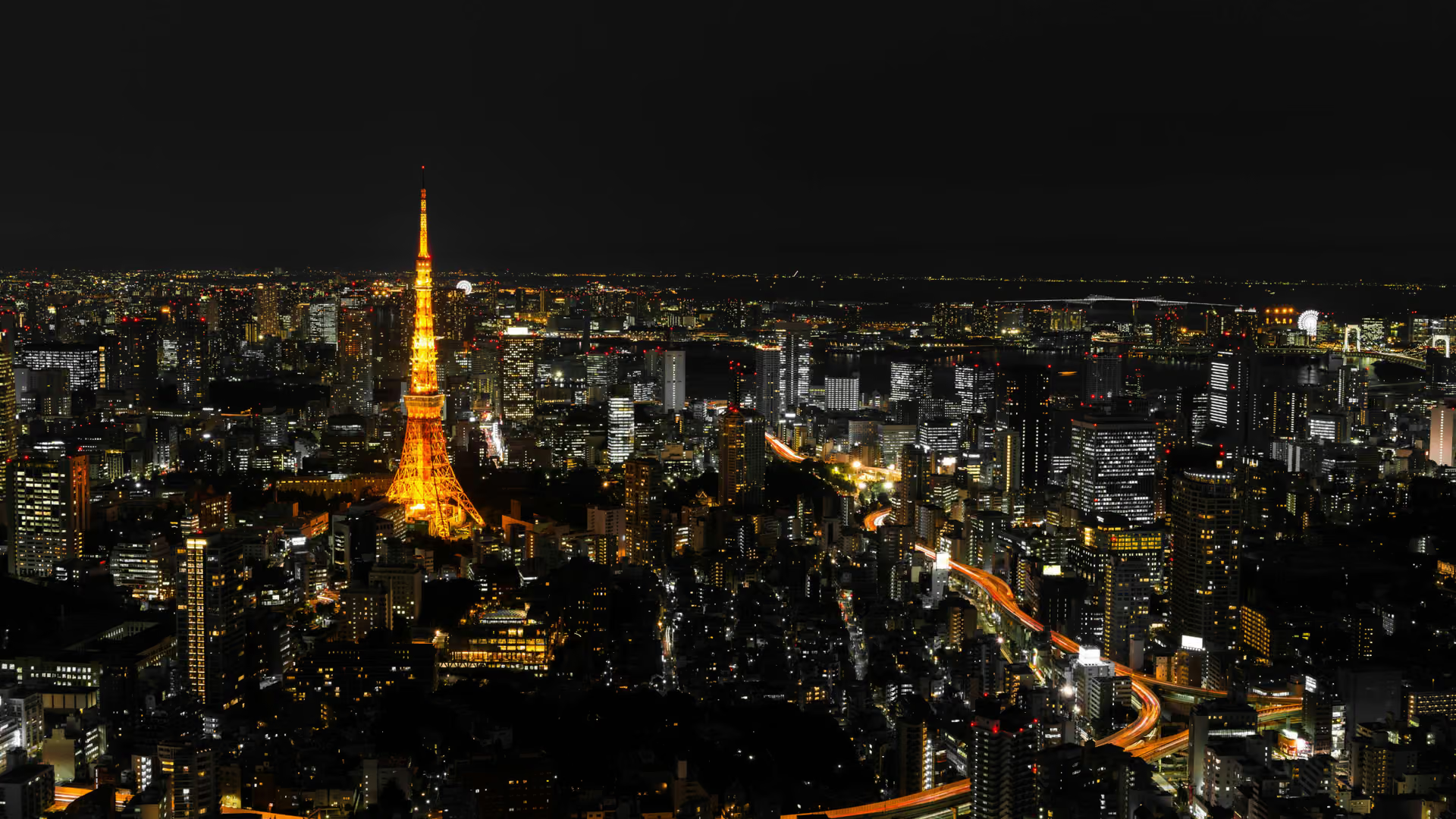
Ikebana Ryusei Exhibition
いけばな龍生展
The yearly flower show of the Ryuseiha school of ikebana in Shibuya, held in three periods, with almost every work changed between them.
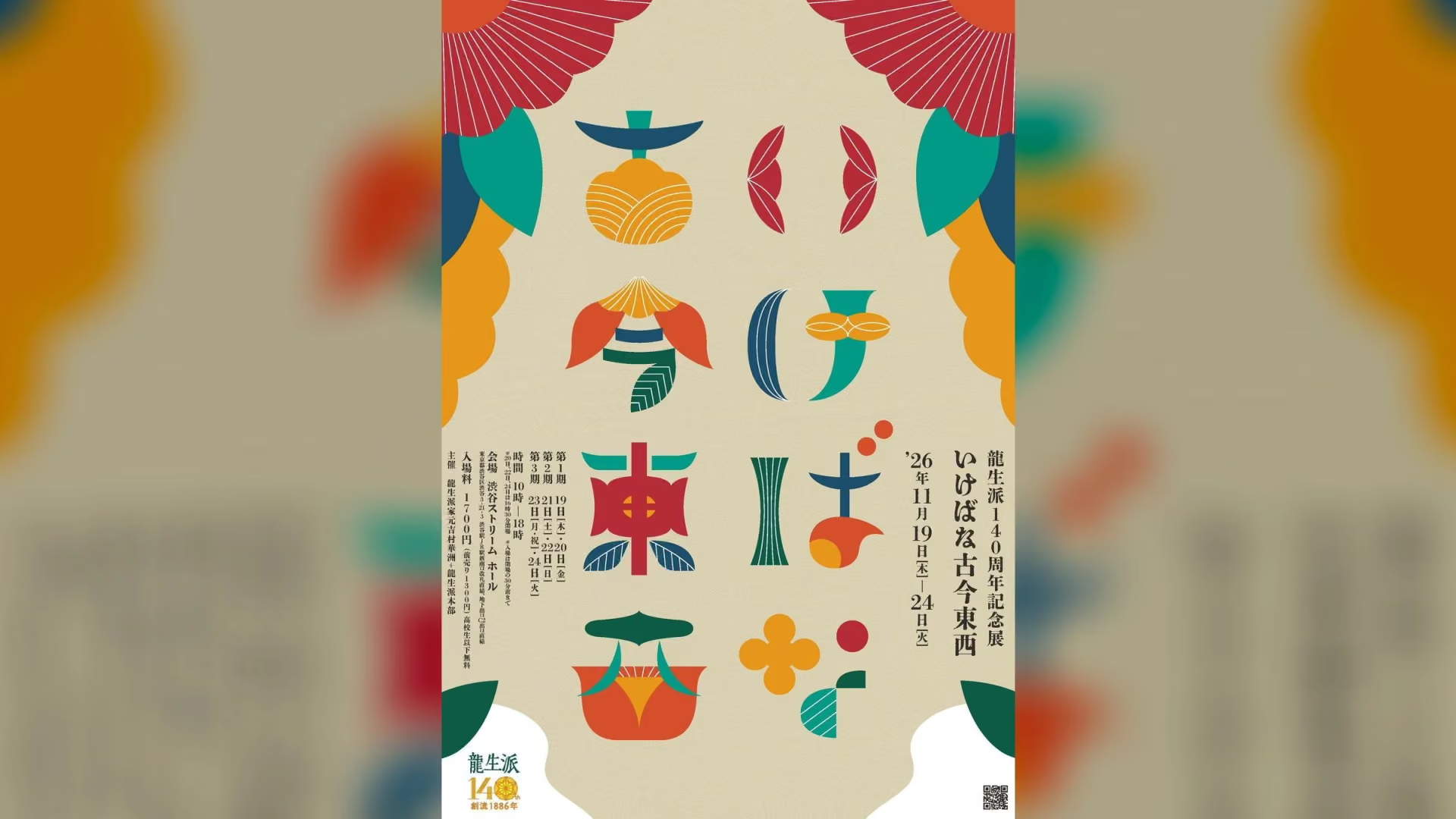
Last entry 30 minutes before closing. Period 1: 2026/11/19 and 11/20; period 2: 11/21 and 11/22; period 3: 11/23 and 11/24.
〒 150-0002How to get there
渋谷Fukutoshin Line · Ginza Line · Hanzomon Line · Keio Inokashira Line · Saikyo Line · Shonan-Shinjuku Line · Sotetsu Direct Connection Line · Tokyu Den-en-toshi Line · Tokyu Toyoko Line · Yamanote Line2 min walk from the station
The Ryusei exhibition is the yearly flower show of Ryuseiha, a school of ikebana, held at Shibuya Stream Hall in Tokyo. It is organized by the school's headmaster, Yoshimura Kashu, and the school's headquarters.
Ryuseiha
Ryuseiha was founded in 1886, when its first headmaster, Yoshimura Kagei (吉村華芸), broke away from the Ikenobo school. The name comes from Okazaki Castle in Aichi, in Kagei's home town: the castle was also known as Ryu ga Jo (龍が城), the dragon castle, and the school took its dragon character for its own name.
The school teaches two kinds of ikebana. Jiyuka, free-style ikebana, is arranged by feel once the plants are in hand. Its basis is what the school calls shokubutsu no kao (植物の貌), the faces of plants: the expression each flower and branch carries, which the arranger looks for and brings out. Kotenka, the classical flowers passed down since the school was founded, takes two forms. Rikka descends from tatehana, a style established in the Muromachi period whose roots lie in flower offerings stood upright in a vase, and it rises straight up from its vessel. Seika developed from nageire, a freer way of placing flowers, and has a lighter, more relaxed air; its form was largely settled in the Edo period. The school's newest form is hibika, small arrangements that show the finer details of a plant. They are made to fit modern ways of living, and their size also allows them to be taught online.
The 2026 edition: Ikebana Kokon Tozai
The 2026 exhibition marks 140 years since the school's founding and takes the title Ikebana Kokon Tozai, given in English as Ikebana: Across Time and Place. Kokon tozai is a Japanese phrase for past and present, east and west. The show runs over six days in three periods, and almost every work is changed from one period to the next. Its starting point is the faces of plants, carried into the hall by contemporary arrangers, each looking at plants in a way of their own.
On two evenings after closing, the headmaster leads a paid night tour of the hall, walking visitors through the works and explaining how ikebana can be looked at. The school's ikebana calendar is on sale at the venue.
Getting There

Planning a trip? Fit this into a trip and Oni plans the rest around it.
You might also like

Ikebukuro Halloween Cosplay Festival
A large Halloween cosplay festival centered on Ikebukuro's East Exit features stage performances, parades, and gathering spaces for participants of all ages.
30 Oct – 1 Nov 2027Exact date not confirmed yetTokyo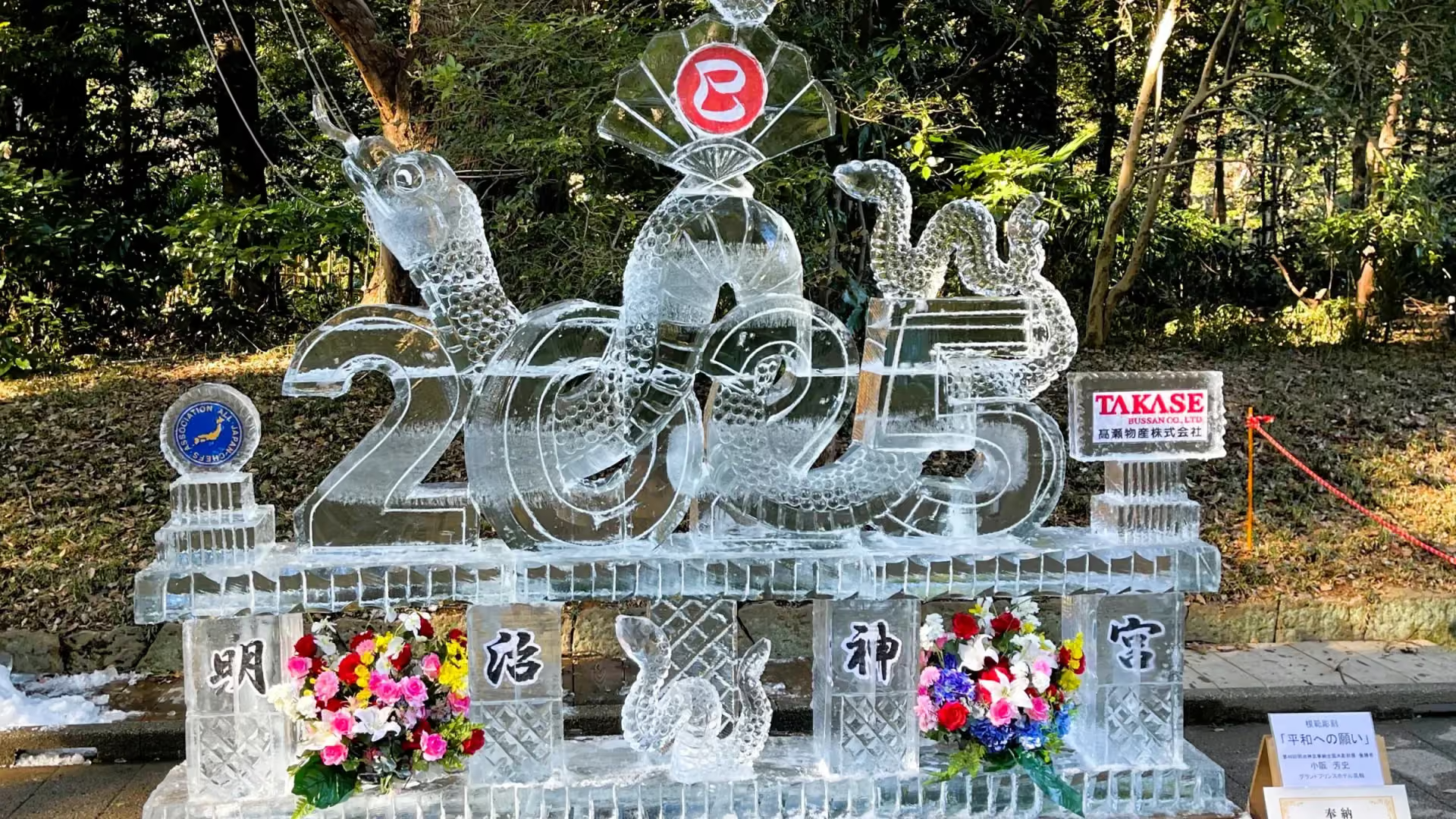
National Ice Sculpture Exhibition at Meiji Jingu
An ice sculpture competition with works by professional carvers, displayed in the grounds of Meiji Jingu, a Tokyo shrine.
17–18 Jan 2027Exact date not confirmed yetTokyo
Shuga-ten: Shohin Bonsai Fair
Small bonsai up to about 20 cm tall, shown in display seats by members of the Japan Shohin-Bonsai Association, with dealers selling trees, pots and tools.
30 Oct – 1 Nov 2027Exact date not confirmed yetTokyo
teamLab Borderless: MORI Building DIGITAL ART MUSEUM
A permanent digital art museum by teamLab at Azabudai Hills, Tokyo, where artworks move between spaces and mix with one another, with no map to follow.
Tokyo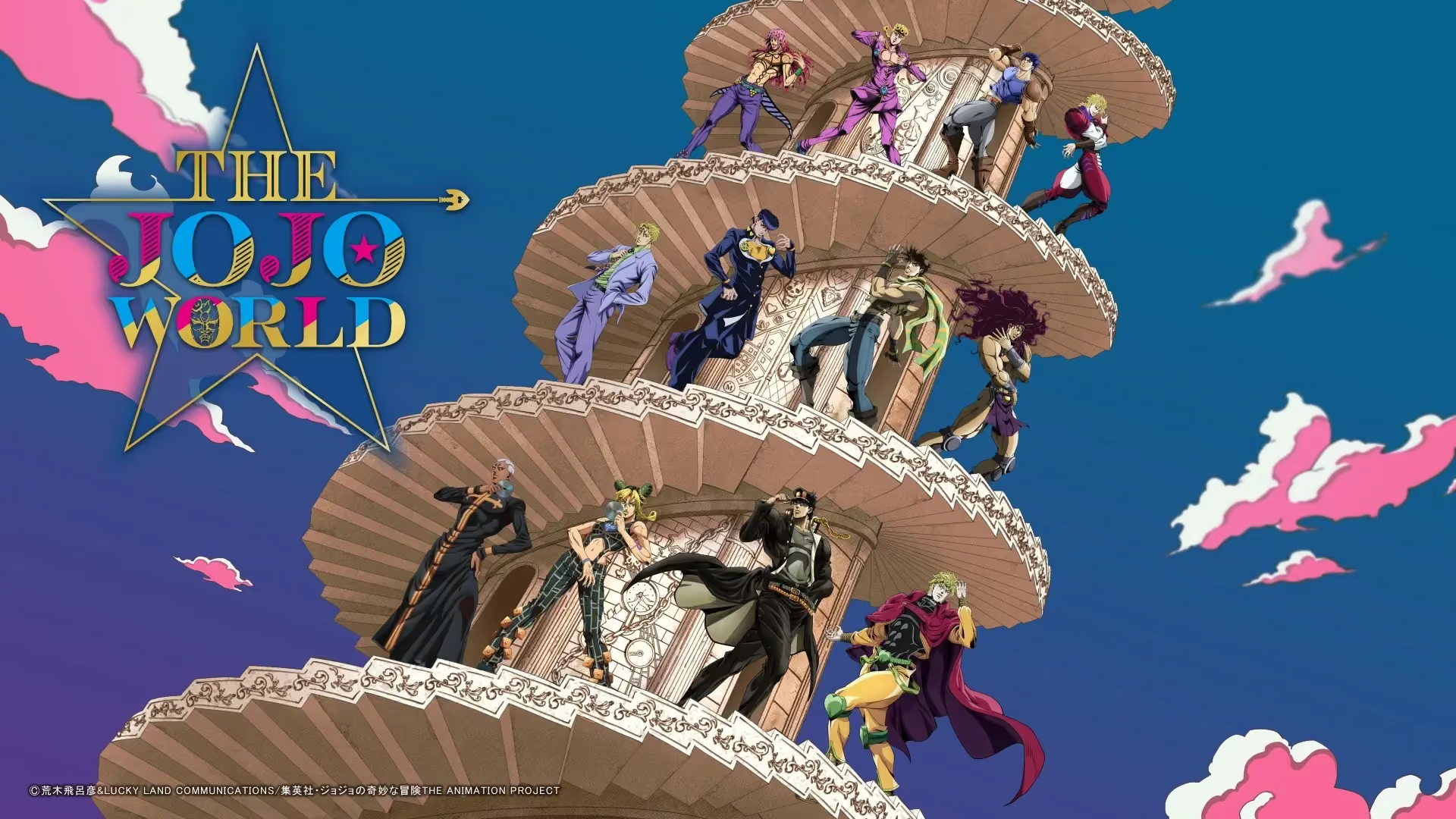
THE JOJO WORLD
Official JoJo's Bizarre Adventure destination in Tokyo with interactive games, the Stand Ability Research Institute, themed cafe, and exclusive collectibles.
Tokyo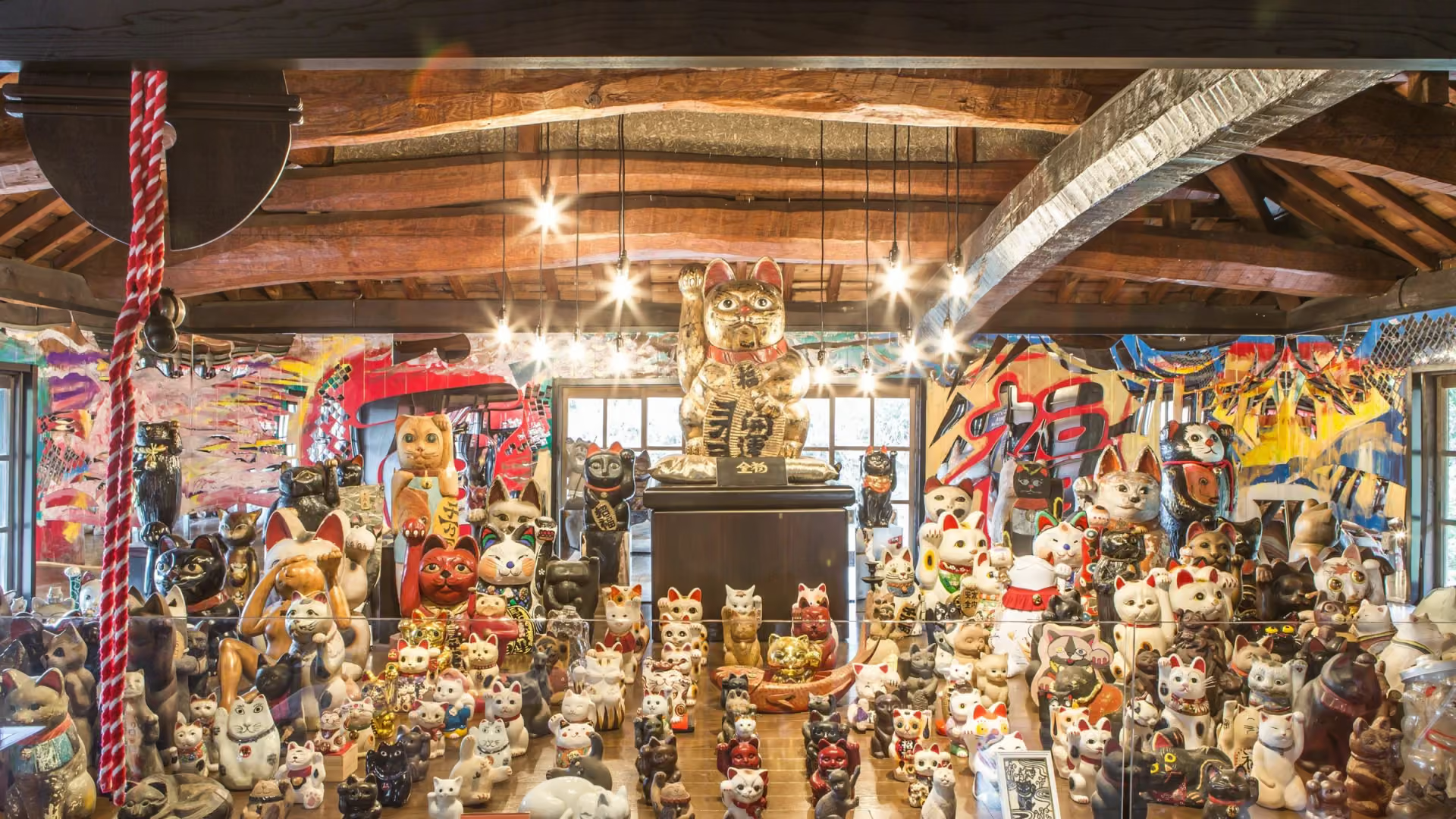
Manekineko Art Museum
Japan's first museum devoted to the maneki neko, the beckoning cat, with about 800 figures from the Meiji era to the present and a painting workshop.
Okayama