Owara Kaze no Bon (Harvest Wind Festival)
おわら風の盆
A harvest festival in Yatsuo: lantern-lit dancers in matching happi coats move through the streets to shamisen and kokyu music over three September days.
〒 939-2353How to get there
越中八尾Takayama Main Line20 min walk from the station
〒 939-2343How to get there
越中八尾Takayama Main Line29 min walk from the station
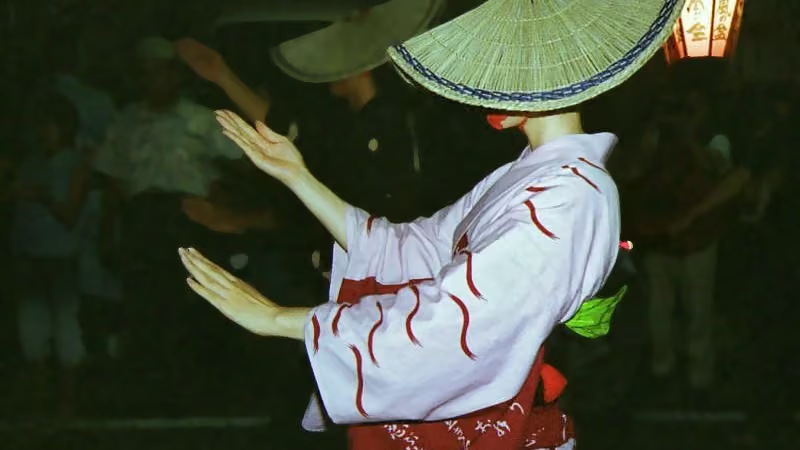
Owara Kaze no Bon is a traditional folk festival held annually from September 1 to 3 in Yatsuo, Toyama City. During the festival, the town is softly illuminated by paper lanterns, and dancers wearing matching happi coats or yukata and woven hats (amigasa) move through the streets in quiet procession. Their dances are performed to the accompaniment of shamisen and kokyu, creating a calm and atmospheric scene that is distinctive to the festival.
The festival takes place around September 1, which corresponds to the 210th day after the beginning of spring in the traditional calendar. This period has long been regarded as a time when typhoons are likely to occur, posing a serious threat to crops. Owara Kaze no Bon developed as a ritual to pray for a good harvest and protection from wind-related disasters, and the name “Kaze no Bon”, with kaze meaning “wind,” is said to reflect this purpose.
The origin of the term “Owara” is not definitively established, and several theories exist. One explanation traces it to the Edo period, when local performers inserted the phrase owarai (“great laughter”) into seven-and-five-syllable songs while parading through the town. Other theories suggest a connection to “owara” (large bundles of straw) as a symbol of agricultural abundance, or to a nearby village named Obara, from which the songs may have originated.
The word “Bon” in the festival’s name is also believed to have local significance. In addition to referring to ritual observances, “bon” has historically been used in the region to mean a day of rest, such as those associated with sowing or planting. Together with the belief in calming the wind deities, this background shaped the festival’s name and meaning.
Owara Kaze no Bon is characterised by its processional style, with dancers moving continuously through the town rather than performing only on fixed stages. The narrow streets, slopes, and stairways of Yatsuo form an integral part of the festival setting, reinforcing its intimate connection to the local landscape.
Getting There


Planning a trip? Fit this into a trip and Oni plans the rest around it.
You might also like
Jantokoi Uozu Festival
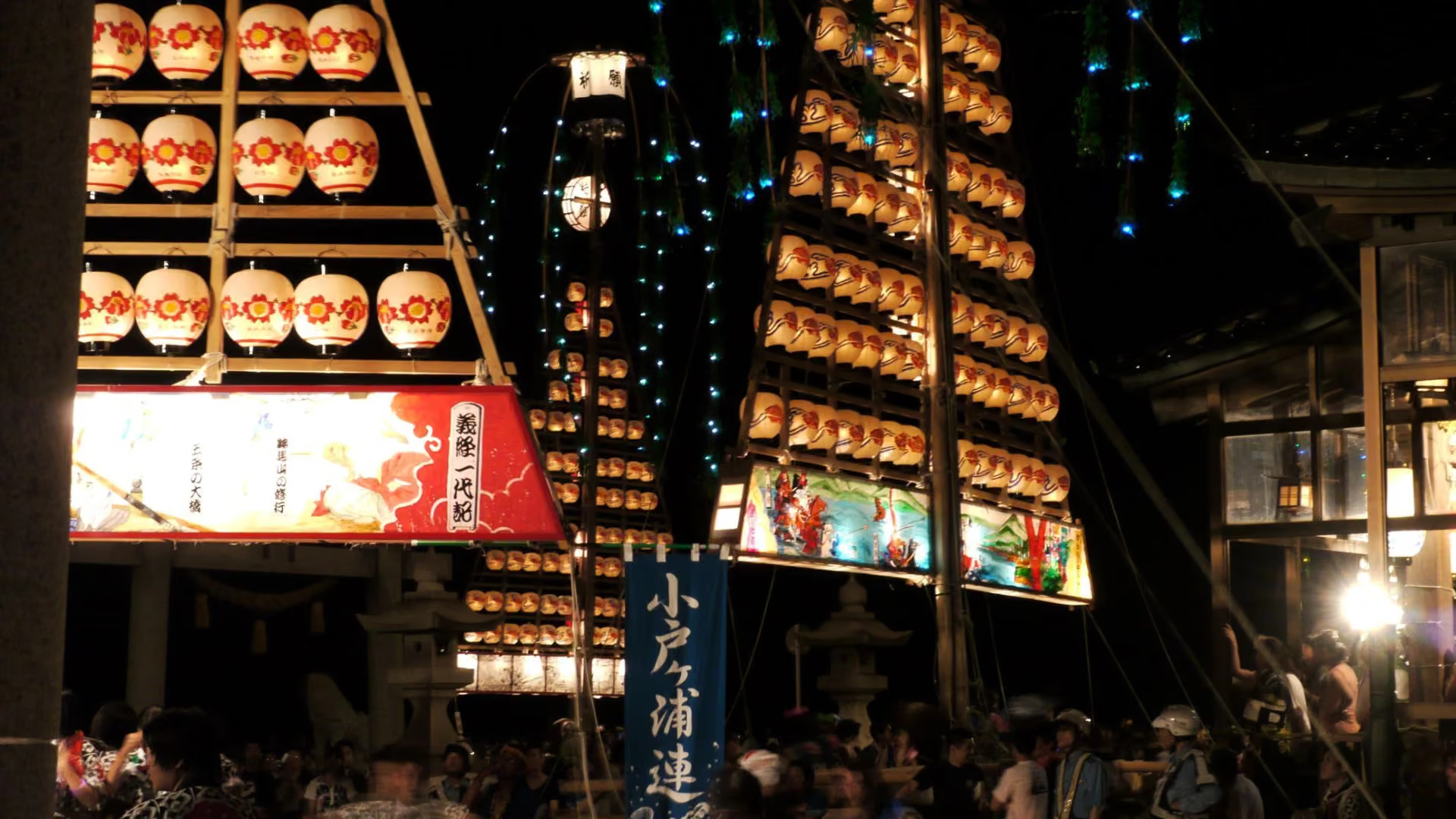
Uozu's biggest summer event, the Jantokoi Uozu Festival brings UNESCO-listed Tatemon floats, folk dance, seaside fireworks, and jazz.
7–9 Aug 2027Exact date not confirmed yetUozu · Toyama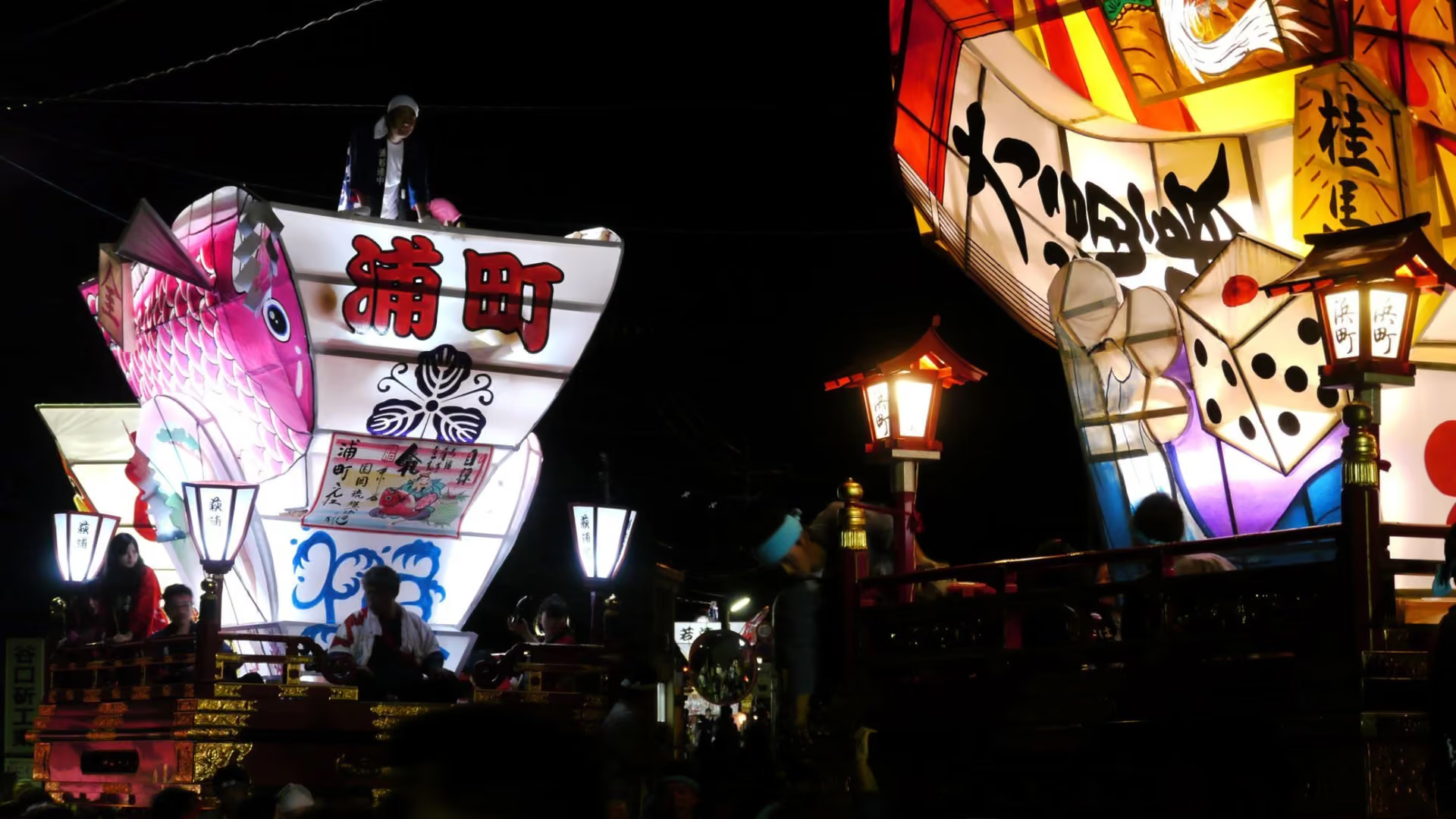
Iwase Hikiyama Festival (The Fighting Floats Festival)
Annual spring festival featuring ornate floats with elaborate wooden tatemon decorations pulled through streets with traditional music.
17–18 May 2027Exact date not confirmed yetToyama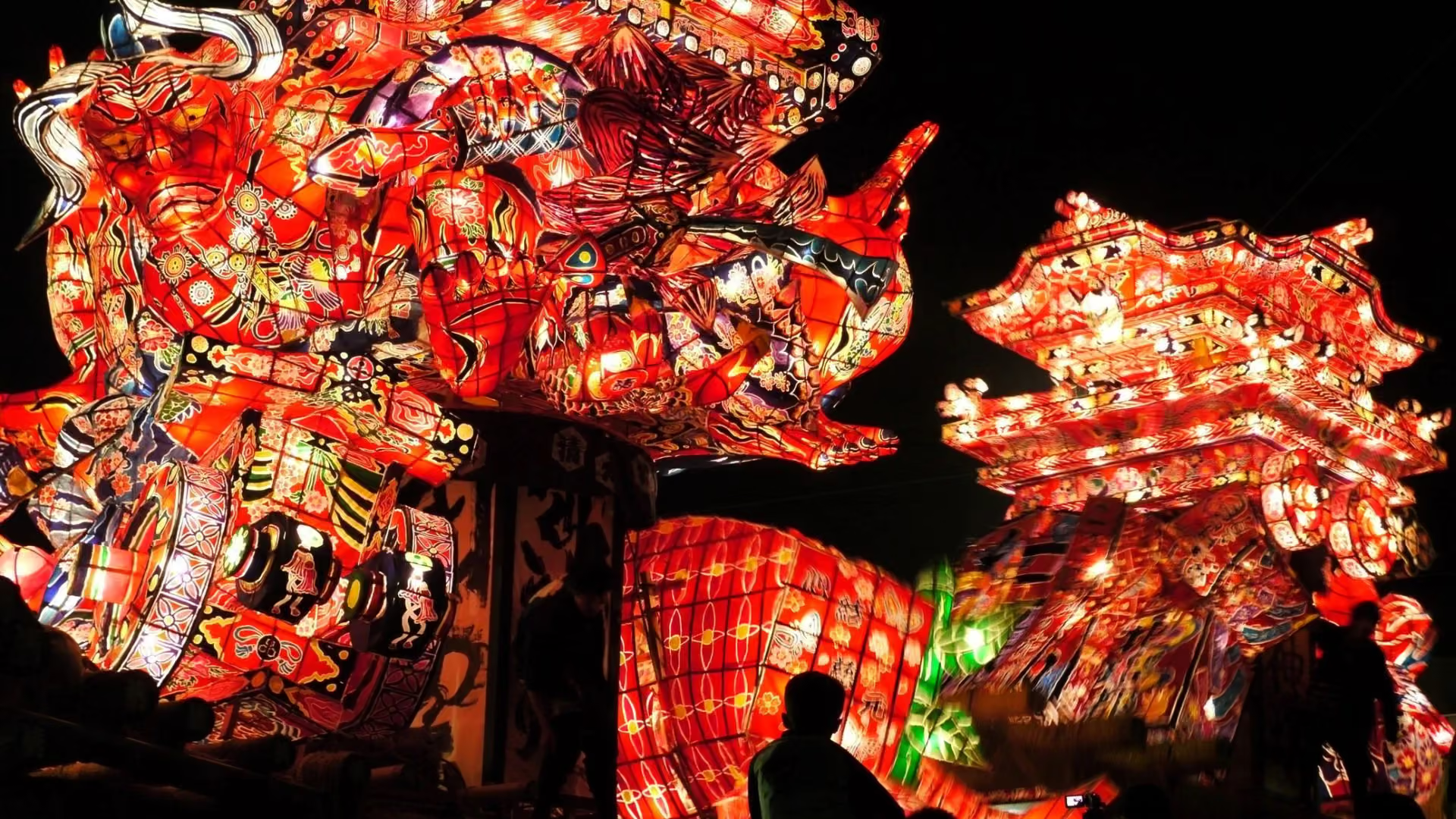
Tsuzawa Yotaka Andon Festival
A lantern festival in Toyama Prefecture where 7-meter-high floats decorated with warrior illustrations collide in ritualized clashes to taiko drumming.
5–6 Jun 2027Exact date not confirmed yetOyabe · Toyama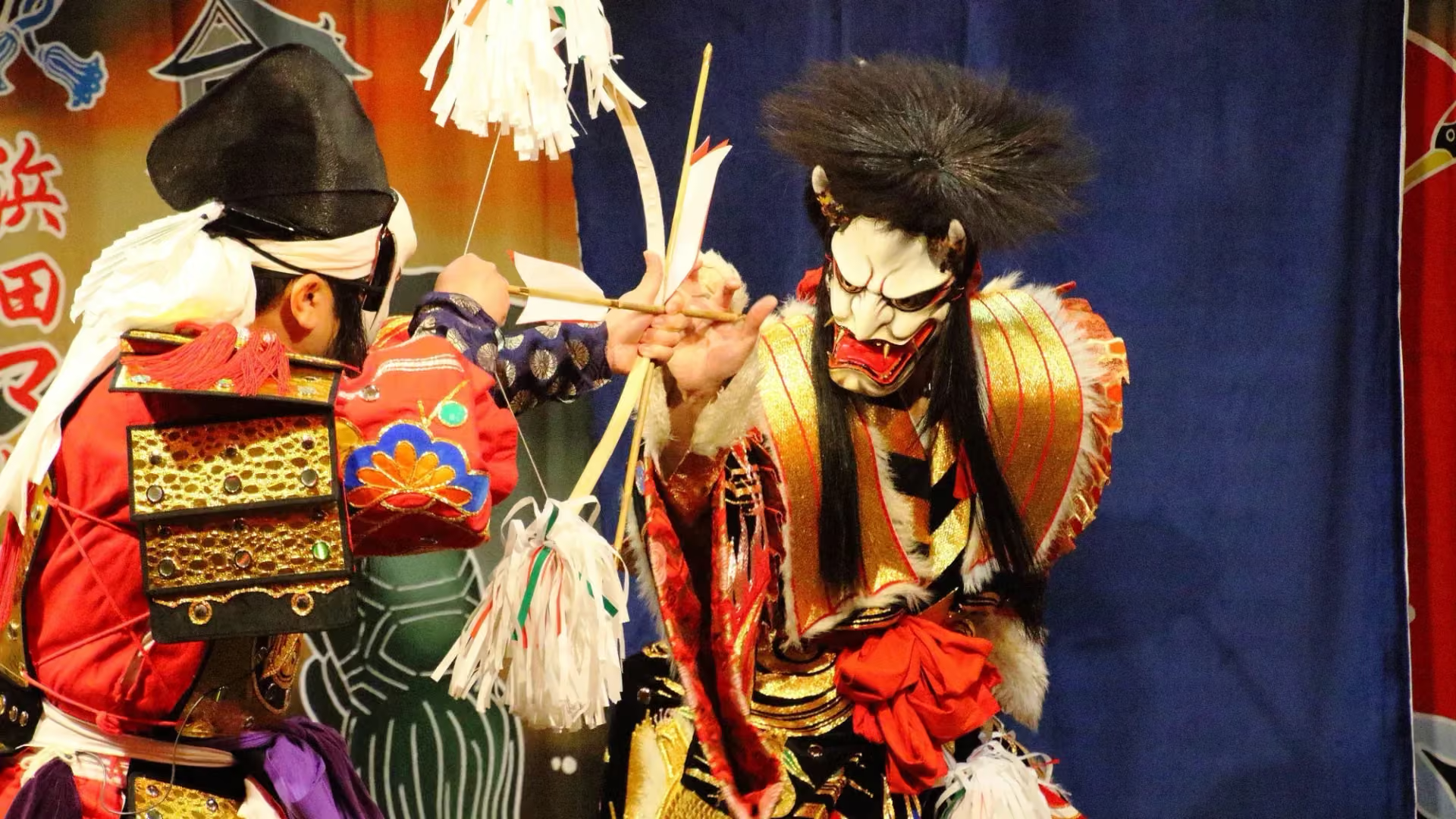
Iwami Kagura
Each autumn in western Shimane, shrine stages host Iwami Kagura - sacred dances performed through the night, from ceremonial pieces to a battle with a serpent.
Shimane · Chugoku
Ninja+Kabuki Tokyo
This nonverbal stage experience blends traditional kabuki and taiko drumming to tell a mythological tale of rival ninja, opening in August 2024.
Tokyo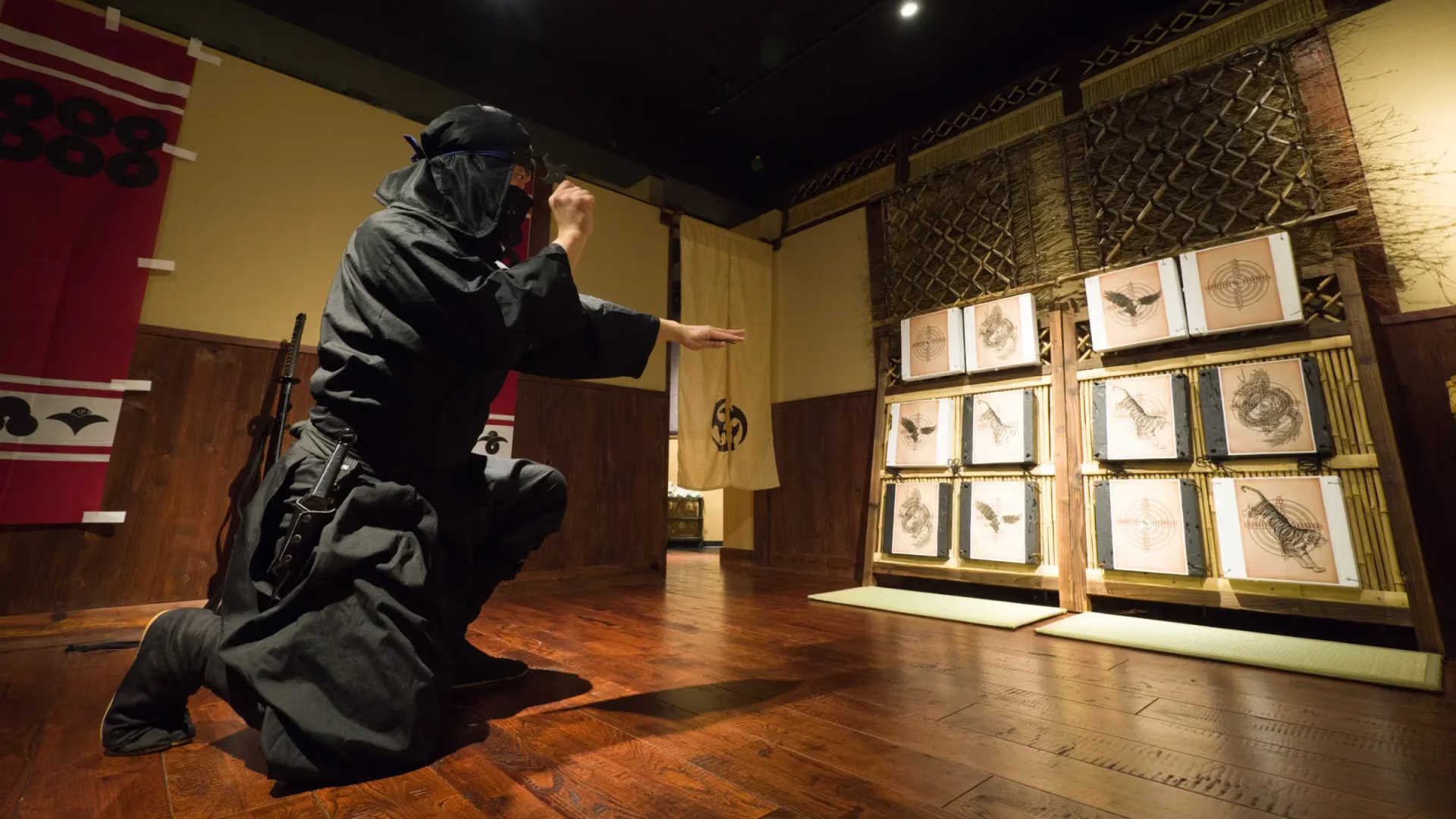
Ninja Trick House in Tokyo
A small ninja house in Kabukicho where visitors throw iron shuriken, draw a wooden sword and hunt for the tricks built into the walls.
Tokyo