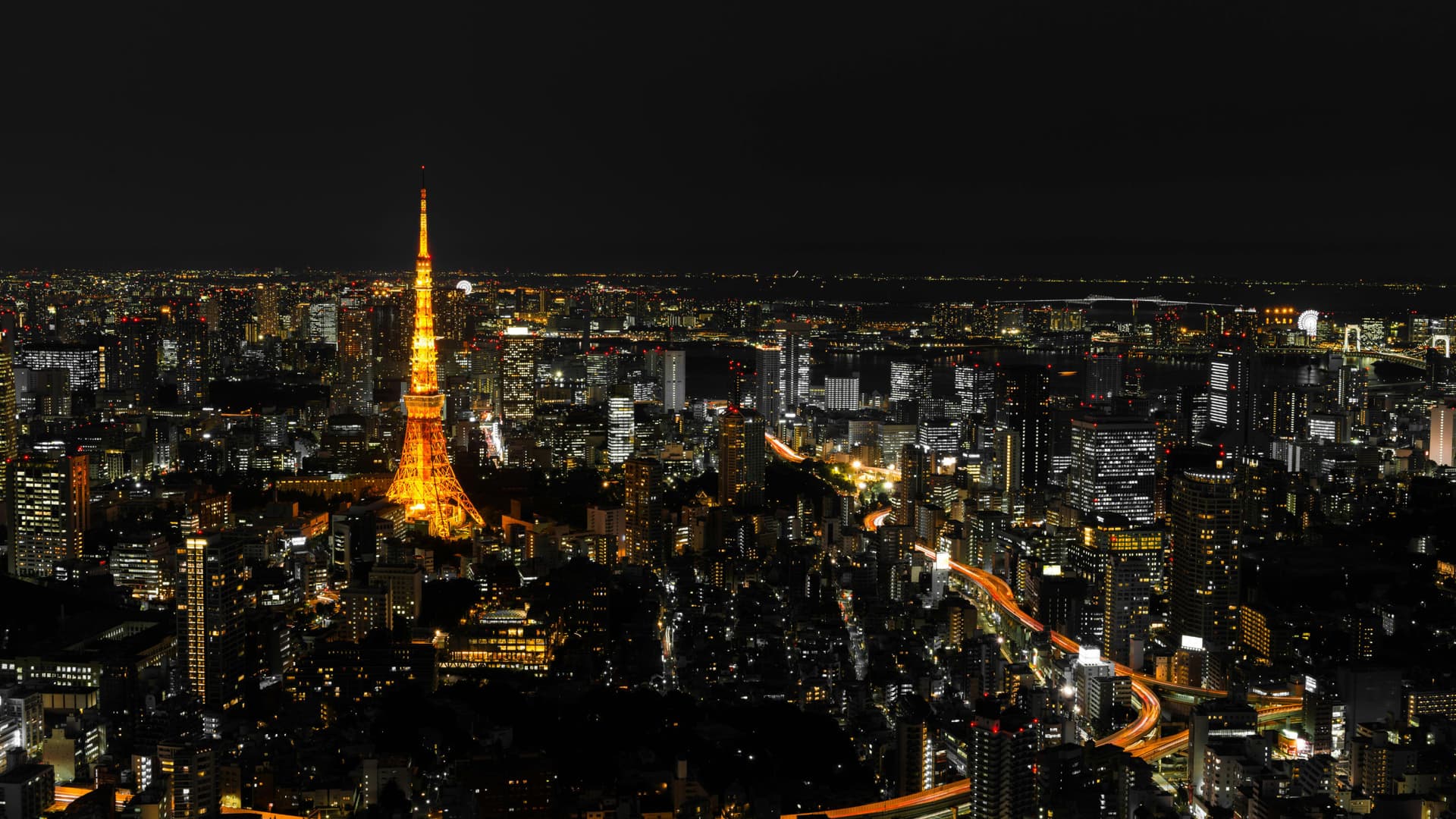
Sanno Matsuri
山王祭
Sanno Matsuri, held annually in June at Hie Shrine, ranks among Japan's three great festivals and was historically viewed by Tokugawa shoguns, earning the title Festival of the Realm.

〒 100-0014How to get there
溜池山王Ginza Line · Namboku Line4 min walk from the station
Sanno Matsuri is one of Japan's most prestigious festivals, held annually in June at Hie Shrine in Tokyo. During the Tokugawa period, the festival's portable shrines entered Edo Castle, where successive shoguns from the third shogun Iemitsu onward would view and pay respects to the procession, earning it the designation "Tenka Matsuri" (Festival of the Realm).
The festival holds the distinguished position of being one of the three great festivals of Tokyo (alongside Kanda Matsuri and Fukagawa Matsuri) and is counted among Japan's three great festivals alongside Kyoto's Gion Matsuri and Osaka's Tenjin Matsuri. This recognition underscores its cultural and historical importance in Japanese society.
Origins and Imperial Connection
Hie Shrine served as the protector shrine of Edo Castle and was revered by the Tokugawa shogun family. The connection deepened when the third shogun Iemitsu was born in Edo Castle on August 12, 1604, leading him to hold deep faith in the shrine.
The festival became known as "Joran Matsuri" (Upper Viewing Festival) because shoguns would observe the procession from the castle. The tradition of shogun viewing became formalized when Iemitsu observed the procession from the castle in 1635. This practice continued throughout the Edo period.
Festival Components and Evolution
The festival's procession historically consisted of both portable shrine processions and float processions. However, accompanying festival floats and performance pieces became increasingly elaborate, leading to periodic restrictions for being too extravagant.
After the Meiji Restoration, the installation of electrical lines made it difficult for tall floats and banners to pass through, gradually leading to their replacement by portable shrines.
Modern Festival Features
The contemporary Sanno Matsuri offers visitors several distinctive experiences, including the following:
Elephant Float: A massive elephant float is specially displayed within the shrine grounds, allowing visitors to appreciate its impressive scale and craftsmanship.
Shrine Ground Activities: A wide range of events take place throughout the shrine grounds, including children’s processions, traditional performing arts such as kagura-bayashi and sato-kagura, tea ceremony demonstrations, and various stage performances. Together, these activities showcase colorful and diverse cultural traditions.
Community Celebrations: Folk dance events are held alongside food stalls, creating a lively early-summer atmosphere where visitors can enjoy music, local flavours, and a sense of community.
Every other year (in even-numbered years), the festival features a grand Shinko Festival where a 300-meter divine procession of approximately 500 participants winds through central Tokyo. This procession still follows the traditional route through the former Edo Castle grounds (present-day Imperial Palace grounds), maintaining the historical connection to Japan's feudal past.
Getting There

You might also like

Sanja Matsuri
Sanja Matsuri is one of Tokyo's largest traditional festivals, honouring enshrined figures through mikoshi processions and an Intangible Folk Cultural Property ritual dance.
15–17 May 2027Tokyo
Fukagawa Matsuri
One of Tokyo's three greatest Shinto festivals, this mid-August celebration centers on water-splashing processions with portable shrines through the city.
15 Aug 2027Tokyo
Kanda Festival
A festival held at Kanda Shrine in Tokyo dating back to the 17th century, featuring processions of participants in Heian-period clothing and sacred ceremonies.
13–15 May 2027Tokyo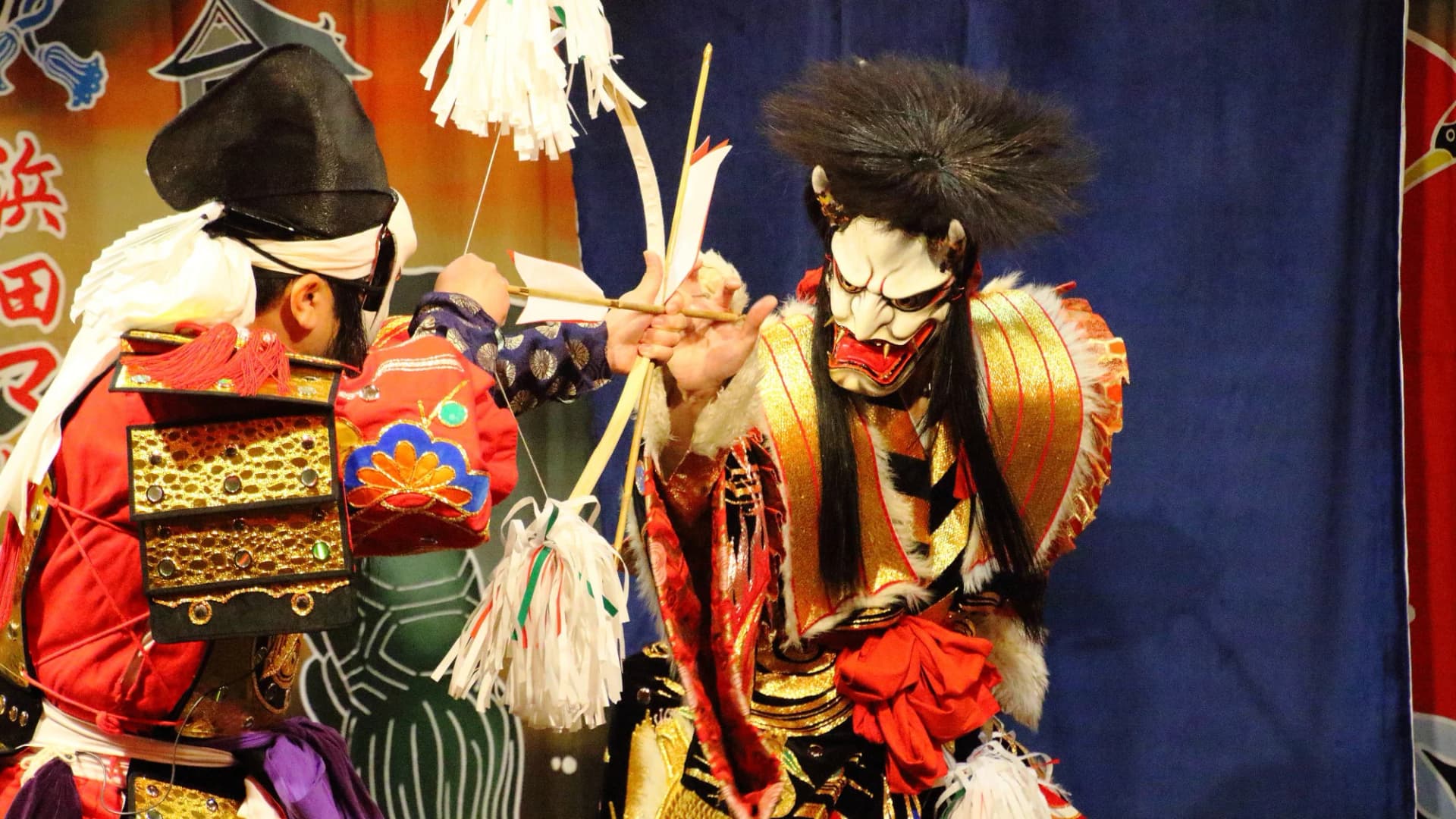
Iwami Kagura
Each autumn in western Shimane, shrine stages host Iwami Kagura – sacred dances performed through the night, from ceremonial pieces to a battle with a serpent.
Shimane · Chugoku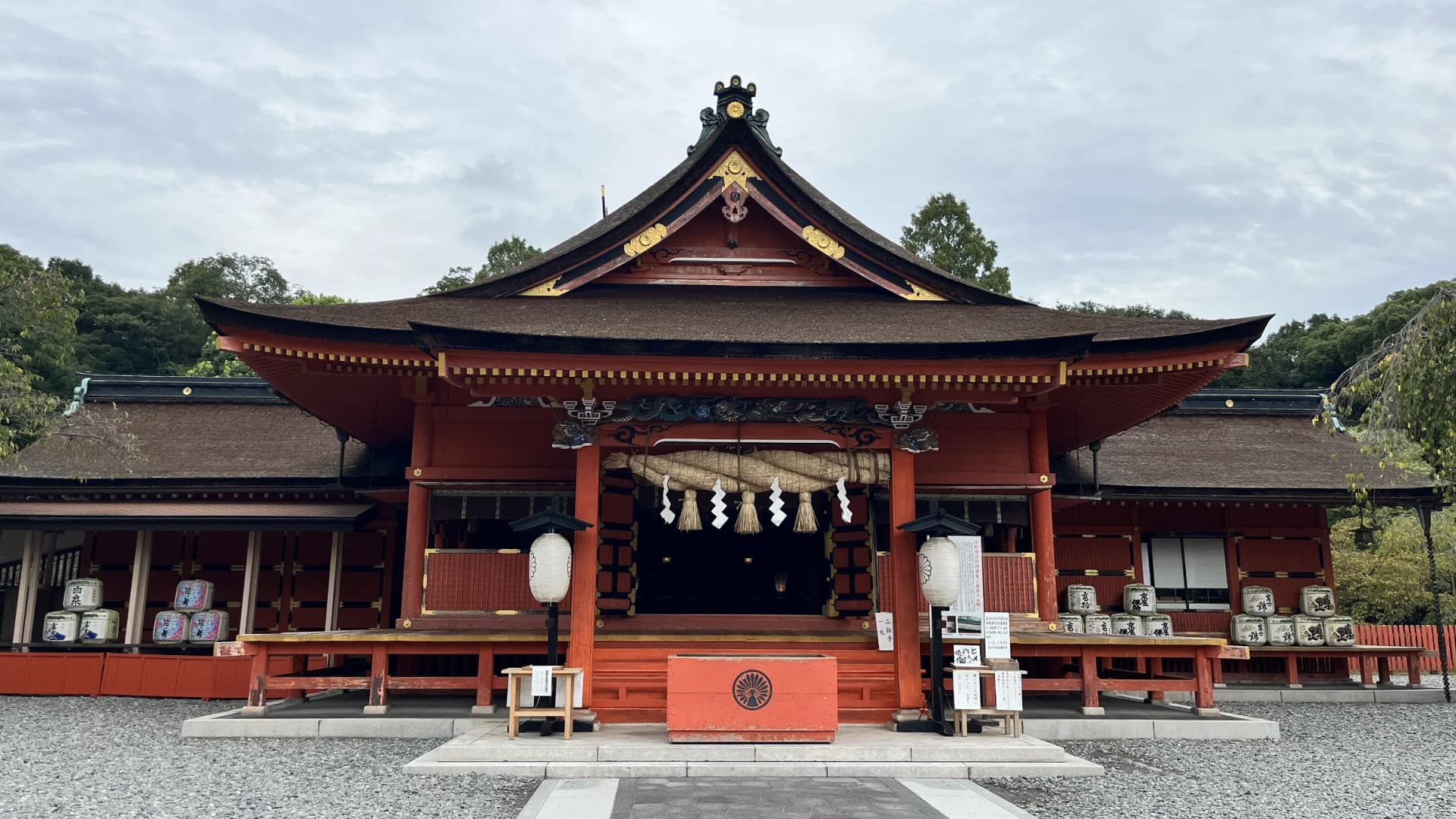
Fujisan Hongu Sengen Taisha
A shrine at the foot of Mount Fuji that worships the mountain itself, and the head of more than 1,300 Sengen shrines across Japan.
Fujinomiya · Shizuoka
KAWAII MONSTER LAND – HARAJUKU
KAWAII MONSTER LAND is a 60-minute immersive experience beneath Takeshita Street featuring themed zones, performances, and interactive installations.
Tokyo