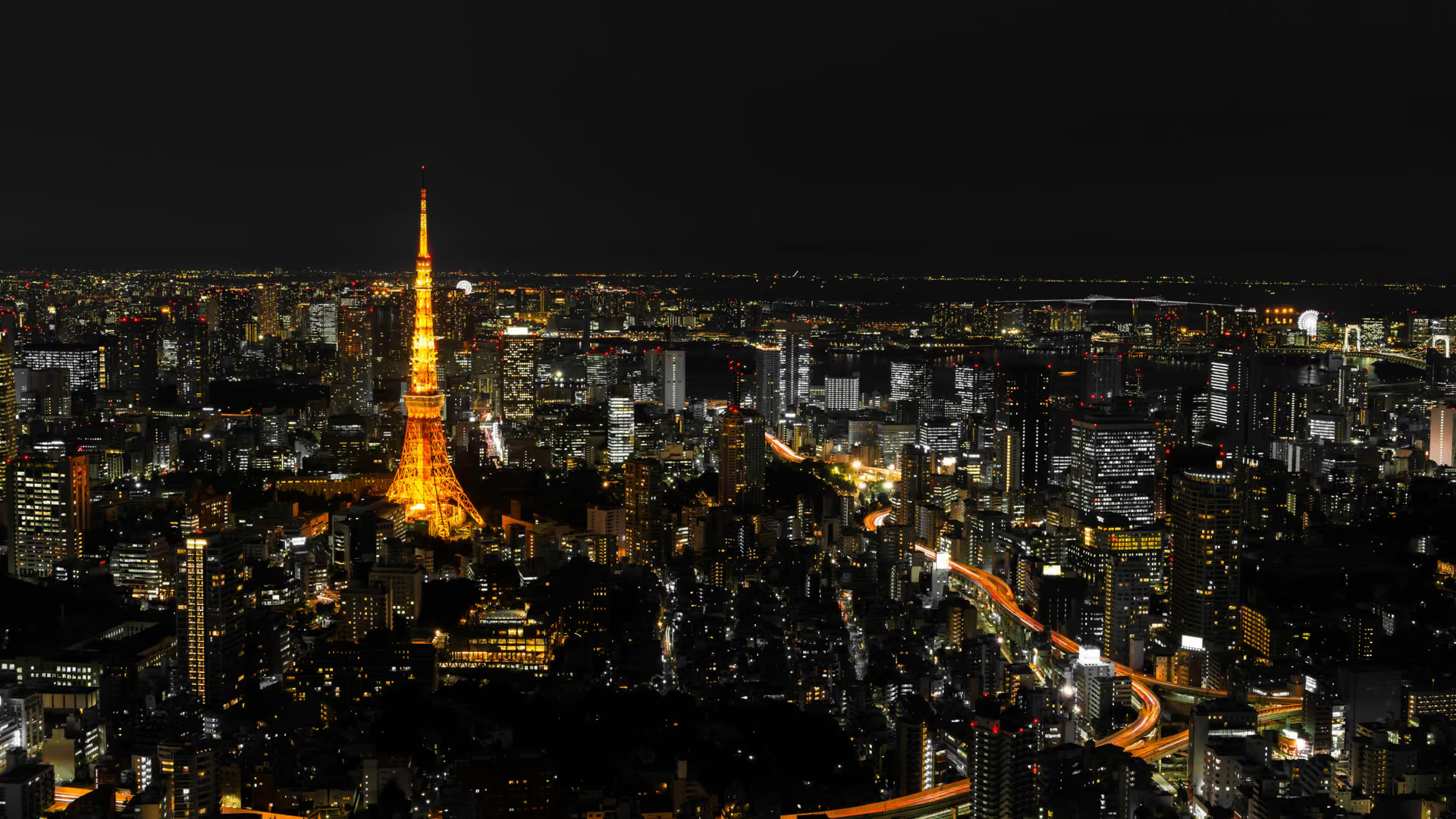
Kanda Festival
神田祭
The main festival of Kanda Myojin in Tokyo, held in full every other year, with a day-long procession of palanquins and floats and over 200 mikoshi.
〒 101-0021How to get there
末広町Ginza Line5 min walk from the station
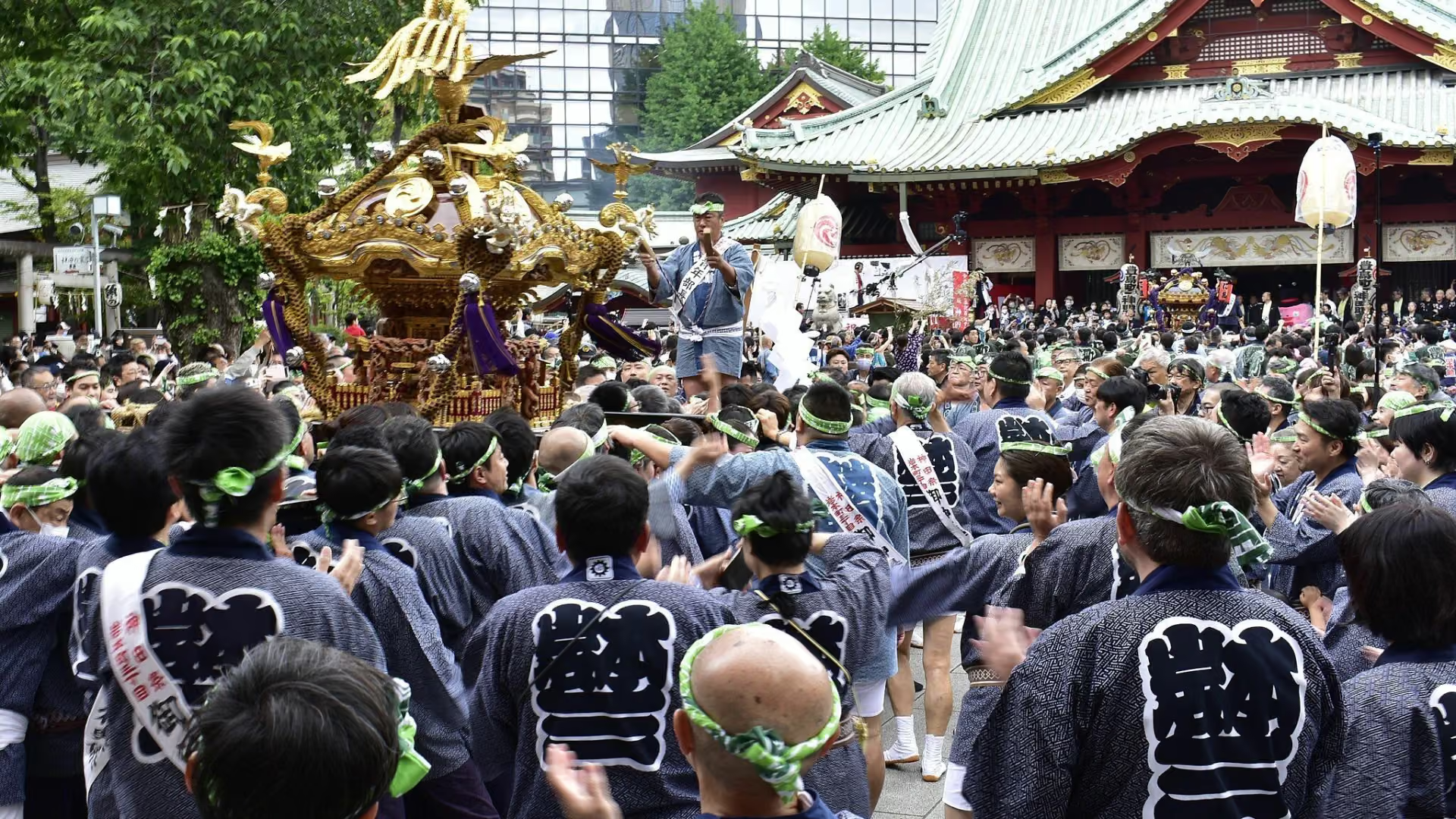
The Kanda Festival is the main festival of Kanda Myojin (Kanda Shrine) in Chiyoda, Tokyo. It is held in full every other year; in the years between, a smaller kagematsuri (陰祭) is held without the procession or the arrival of the neighbourhood mikoshi. It is counted among Japan's Three Great Festivals and the Three Great Festivals of Edo.
History
In the Edo period the procession, with two mikoshi and around 45 floats, entered the grounds of Edo Castle and was watched by the shogun, so townspeople came to call it the Tenka Matsuri (天下祭), the festival of the realm. It was held every year until the Enpo era, then began to alternate with the Sanno Festival of Hie Shrine, and it has been held every other year ever since. The most popular part was the Tsuke Matsuri (附け祭), costumed groups and huge papier-mache figures that took up the fashions of the day.
In 1892 the festival moved from September to May, partly because of typhoons, and with overhead electric wires the floats stopped going out into the streets. In the Taisho era the procession of the shrine's palanquins took over, and each neighbourhood built its own mikoshi. After the Second World War it was renamed Shinkosai; the first, in 1952, brought a new hoeren, a palanquin crowned with a phoenix, pulled by an ox, and the neighbourhoods' joint mikoshi arrival at the shrine began the same year.
What happens
The Shinkosai (神幸祭) carries the spirits of the shrine's three deities in two hoeren and a mikoshi: Onamuchi, known as Daikoku-sama, in the first; Sukunahikona, known as Ebisu-sama, in the second; and Taira no Masakado in the third. With floats and attendants in traditional dress, the procession travels about 30 kilometres through Kanda, Nihonbashi, Otemachi, Marunouchi and Akihabara. Rites are held on the way at the Masakado mound in Otemachi, the shrine's original site, and at its former resting place at Ryogoku in Nihonbashi. In front of the Mitsukoshi main store in Nihonbashi it is joined by the Tsuke Matsuri, and it returns to the shrine in the evening.
The next day is the Mikoshi Miyairi (神輿宮入), when more than 200 neighbourhood mikoshi, large and small, are carried through their districts and into the shrine grounds. The Reitaisai (例大祭), the festival's most important rite, closes the run: every priest of the shrine takes part, and shrine maidens perform the Myojin Kocho no Mai (明神胡蝶の舞), a dance of Kanda Myojin's own.
Kanda Bayashi (神田囃子), the Edo festival music designated an Intangible Cultural Property by the Tokyo Metropolitan Government, is played at the shrine's kagura hall and in the procession. Other events of the festival week include a tea offering by the head of the Omotesenke school and Myojin Noh, a Noh performance by firelight.
Getting There

Planning a trip? Fit this into a trip and Oni plans the rest around it.
You might also like
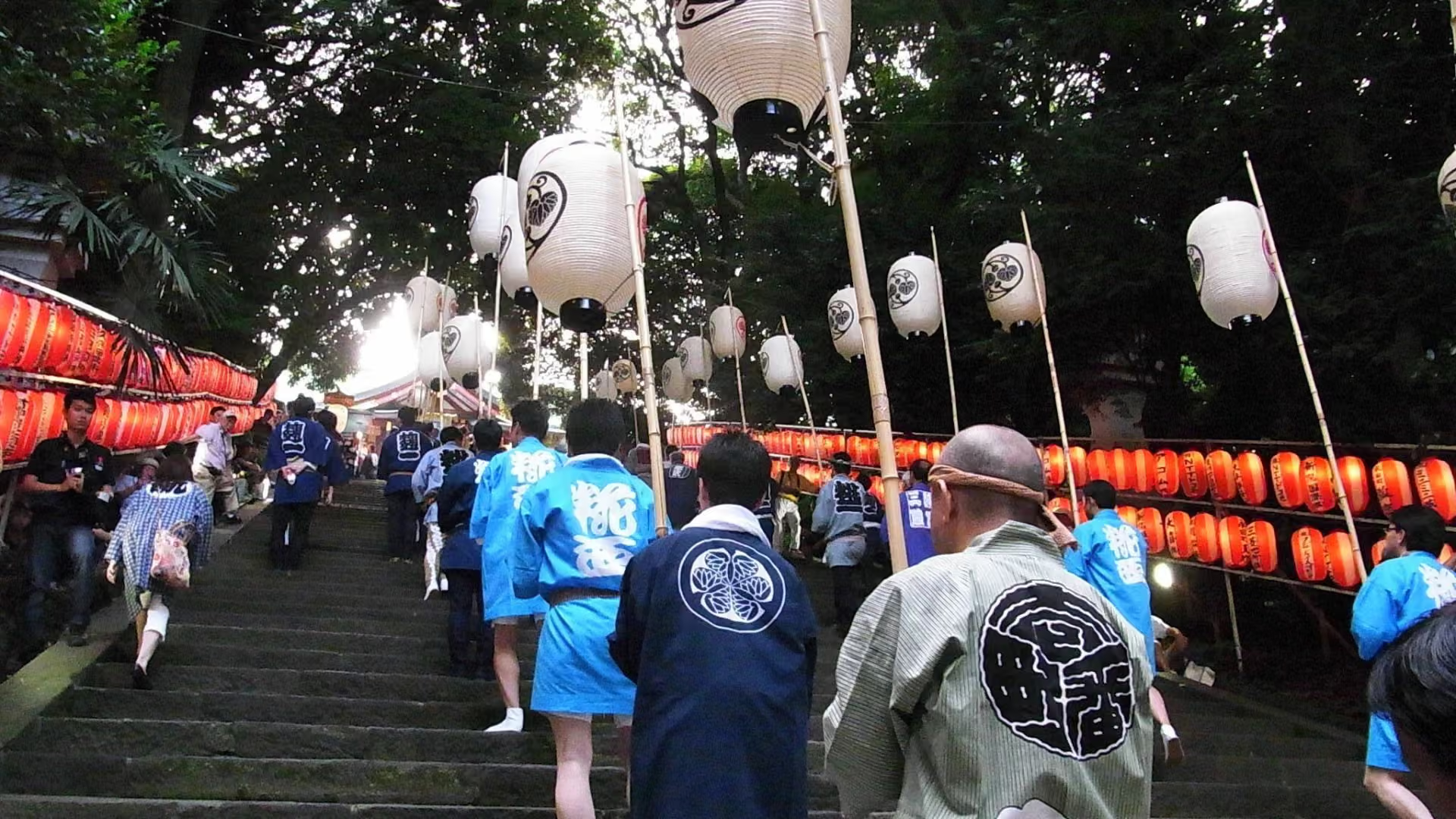
Sanno Matsuri
Sanno Matsuri at Hie Shrine each June ranks among Japan's three great festivals; once viewed by Tokugawa shoguns, it is known as the Festival of the Realm.
7–17 Jun 2027Exact date not confirmed yetTokyo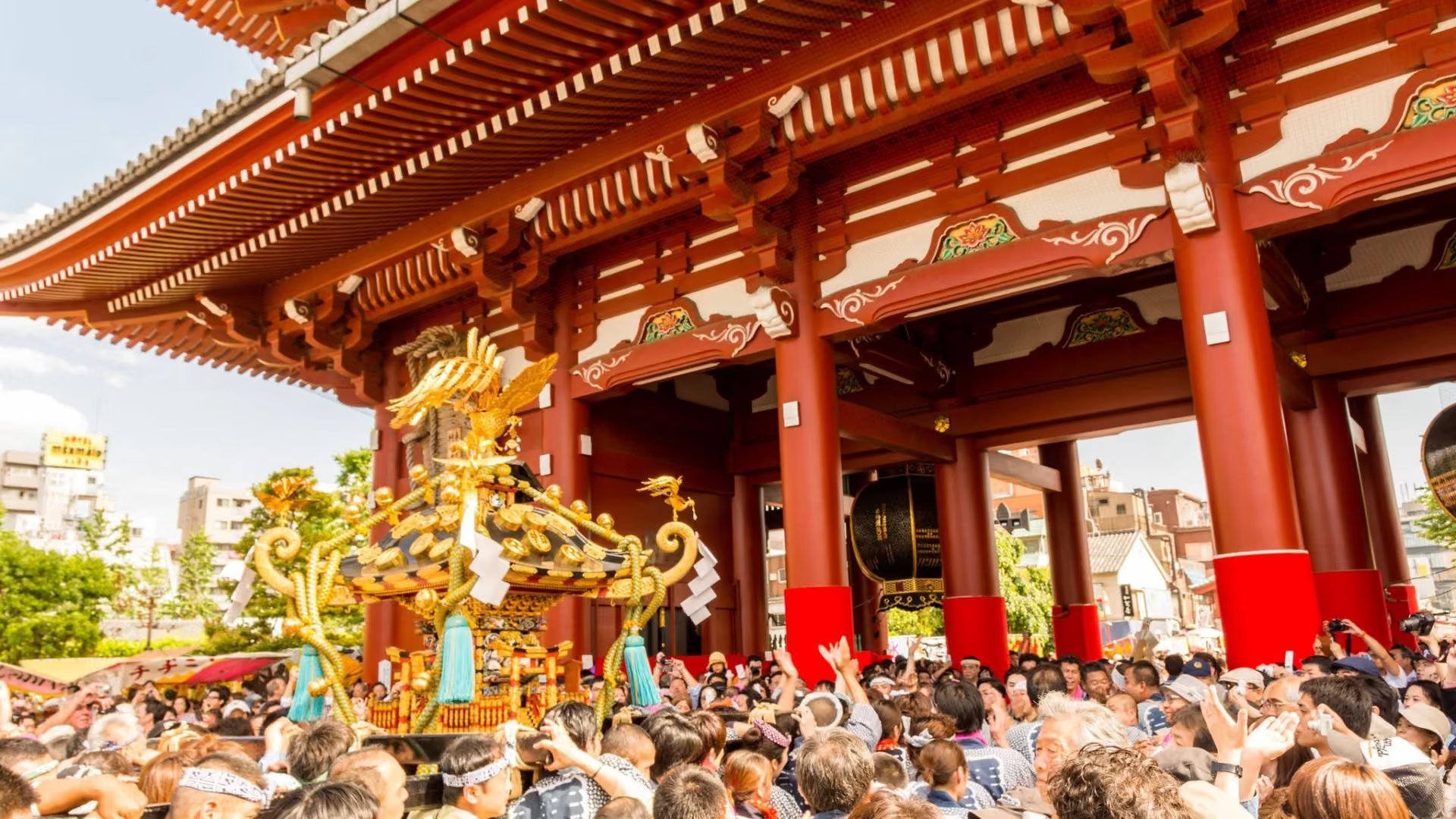
Sanja Matsuri
The grand festival of Asakusa Shrine, honouring the three founders of Senso-ji with the Binzasara Mai dance and about 100 portable shrines.
14–16 May 2027Tokyo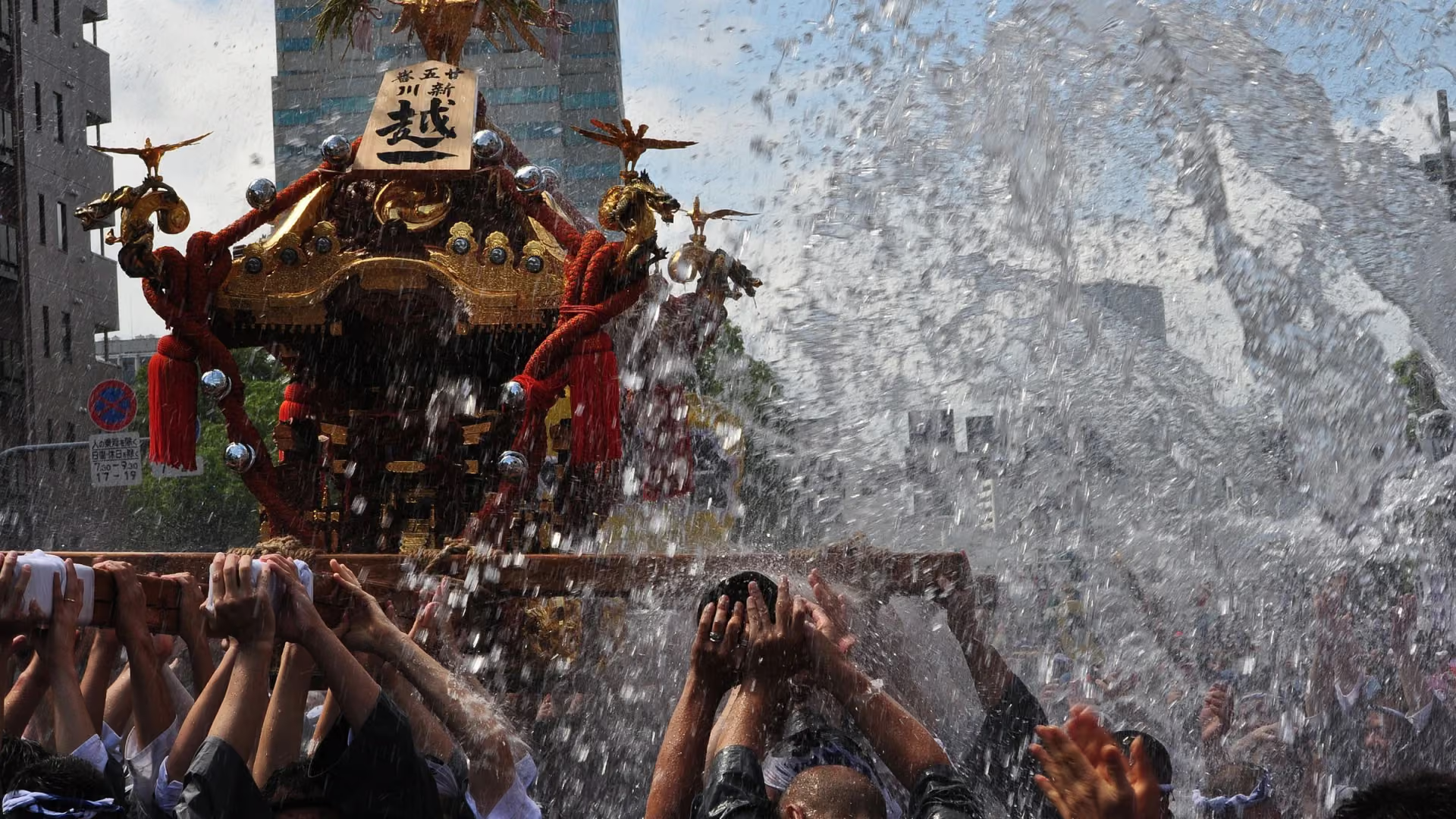
Fukagawa Matsuri
One of the Three Great Festivals of Edo, where onlookers throw purifying water over mikoshi bearers; every third year 53 parish mikoshi parade together.
15 Aug 2027Exact date not confirmed yetTokyo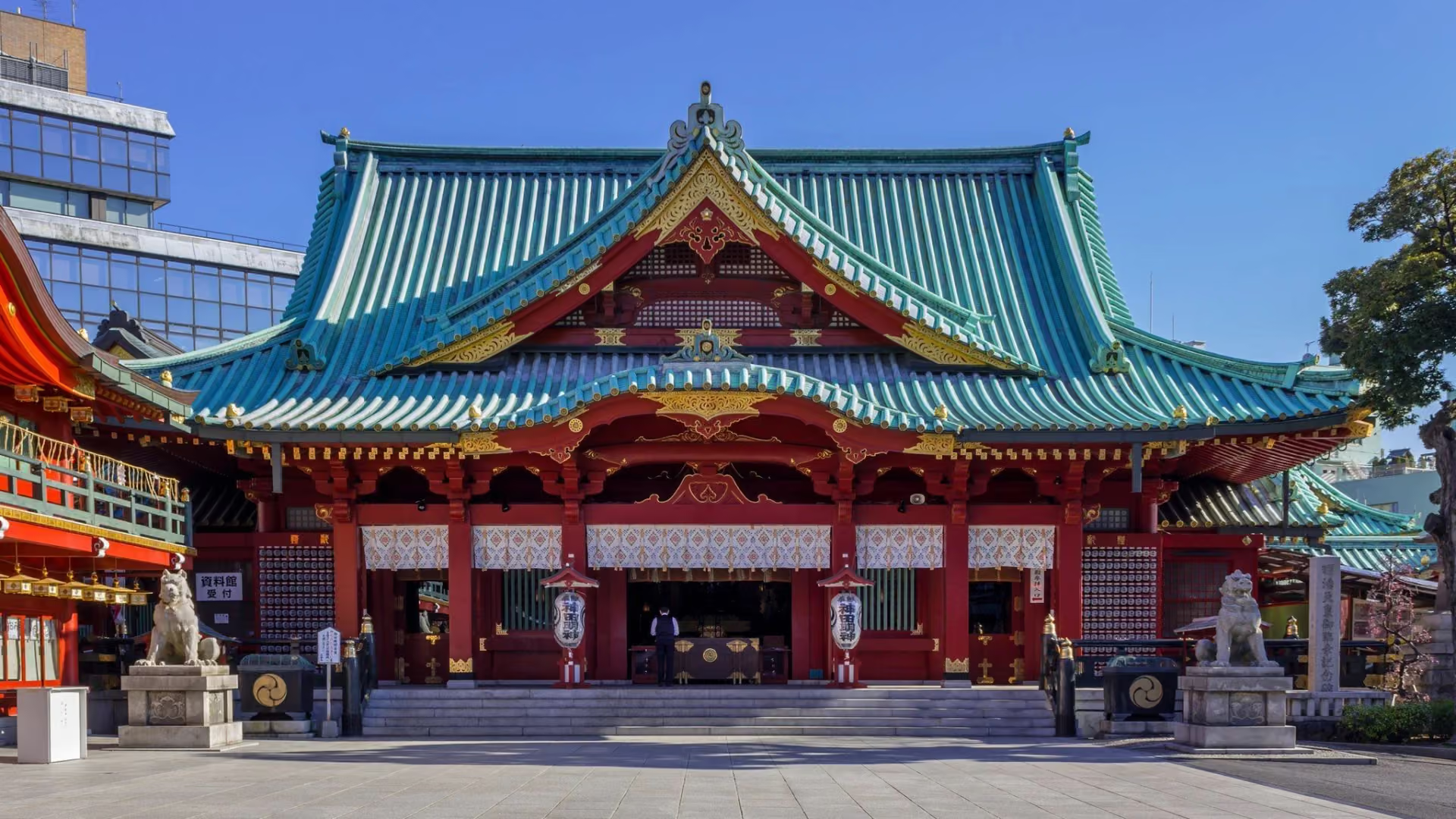
Kanda Shrine
Shrine founded in 730 and on its present site since 1616, enshrining Daikoku, Ebisu and Taira no Masakado, revered in the Edo period as guardian of all Edo.
Tokyo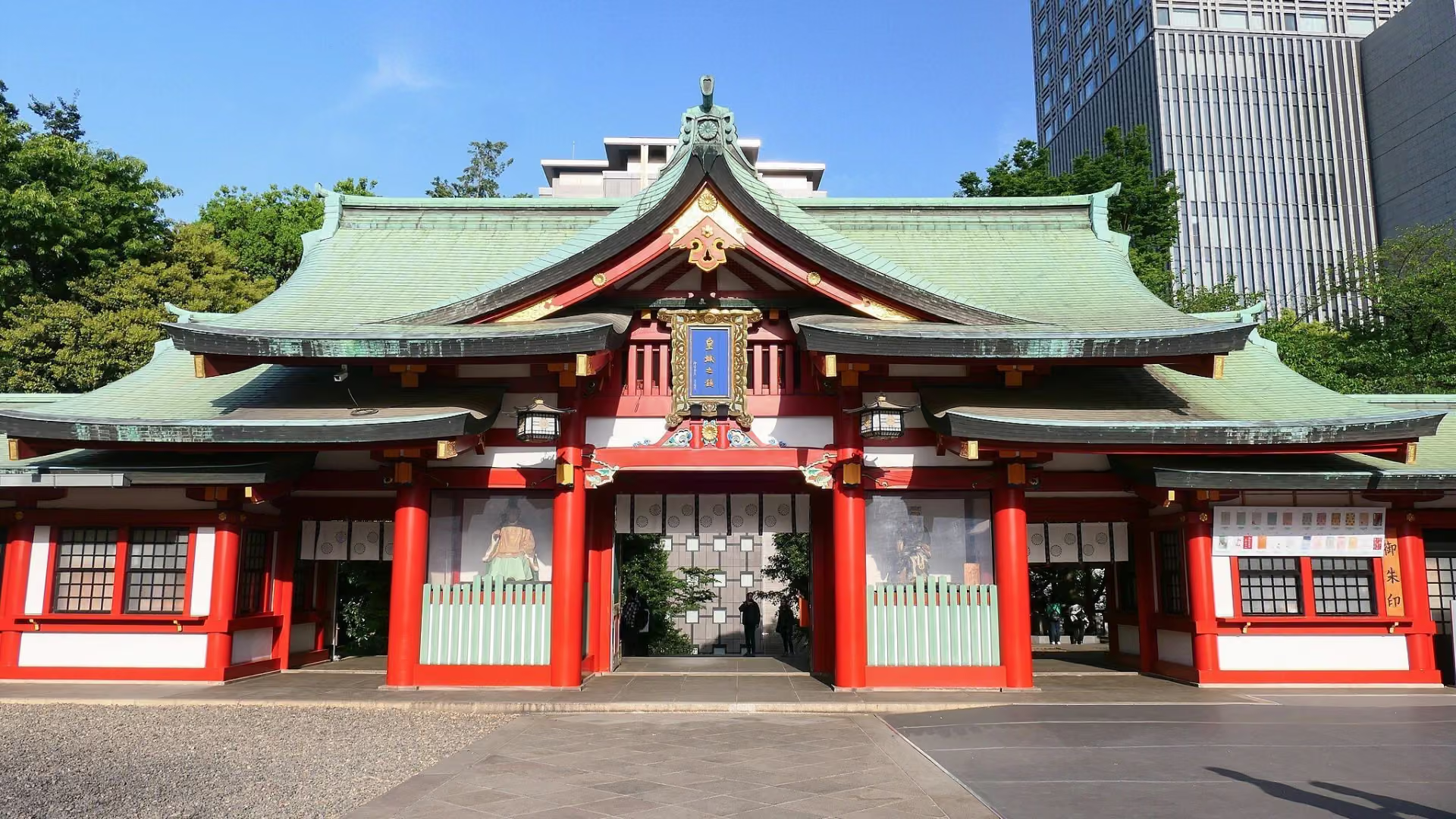
Hie Shrine
A shrine in Nagatacho that guarded Edo Castle and the Tokugawa shoguns, rebuilt after 1945, with a treasure hall holding 31 swords.
Tokyo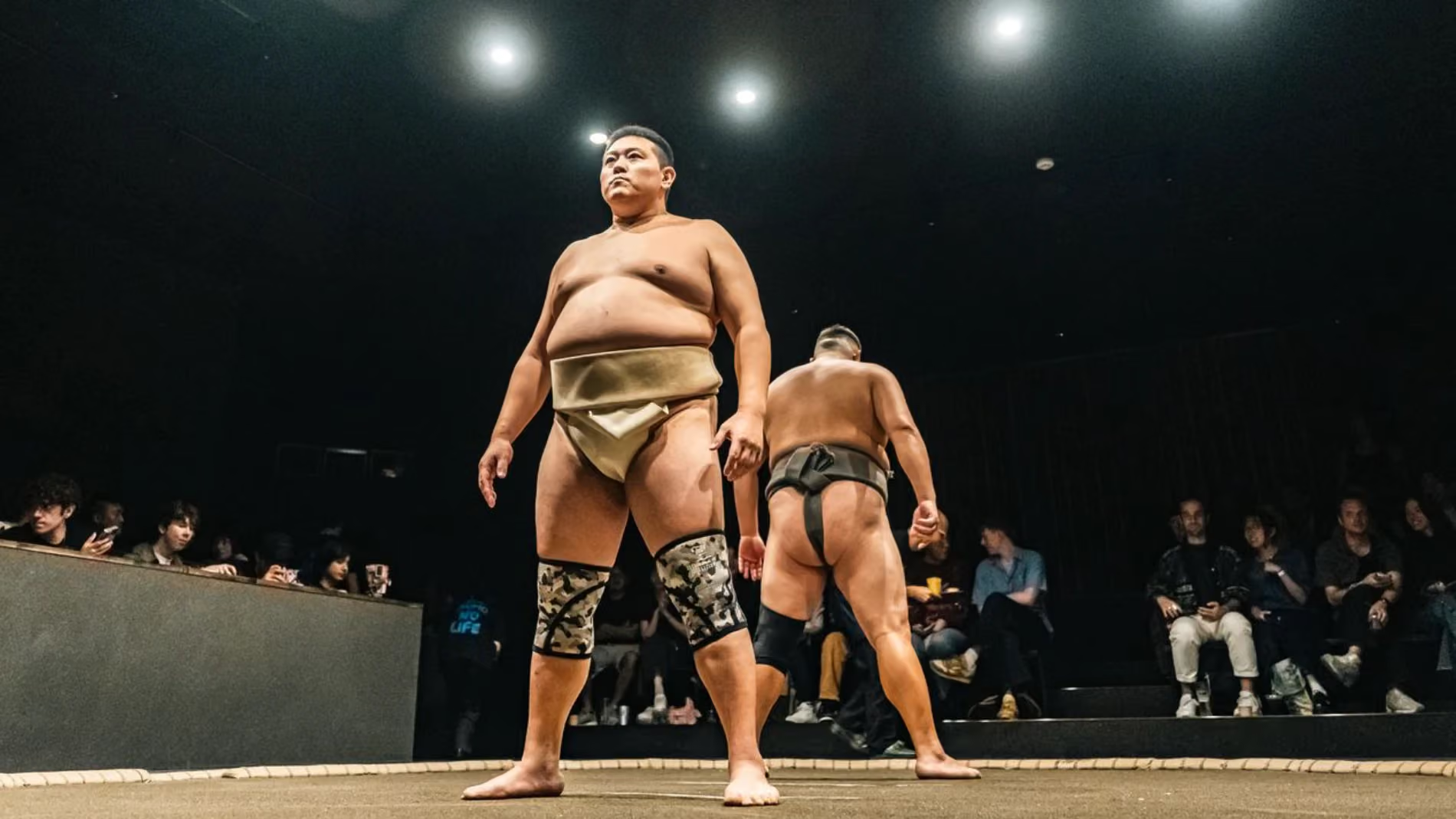
Shinjuku Sumo Club Kabukicho
A sumo show in Kabukicho, Shinjuku, with live bouts by former wrestlers, an English-speaking MC and a chance to step into the ring.
Tokyo