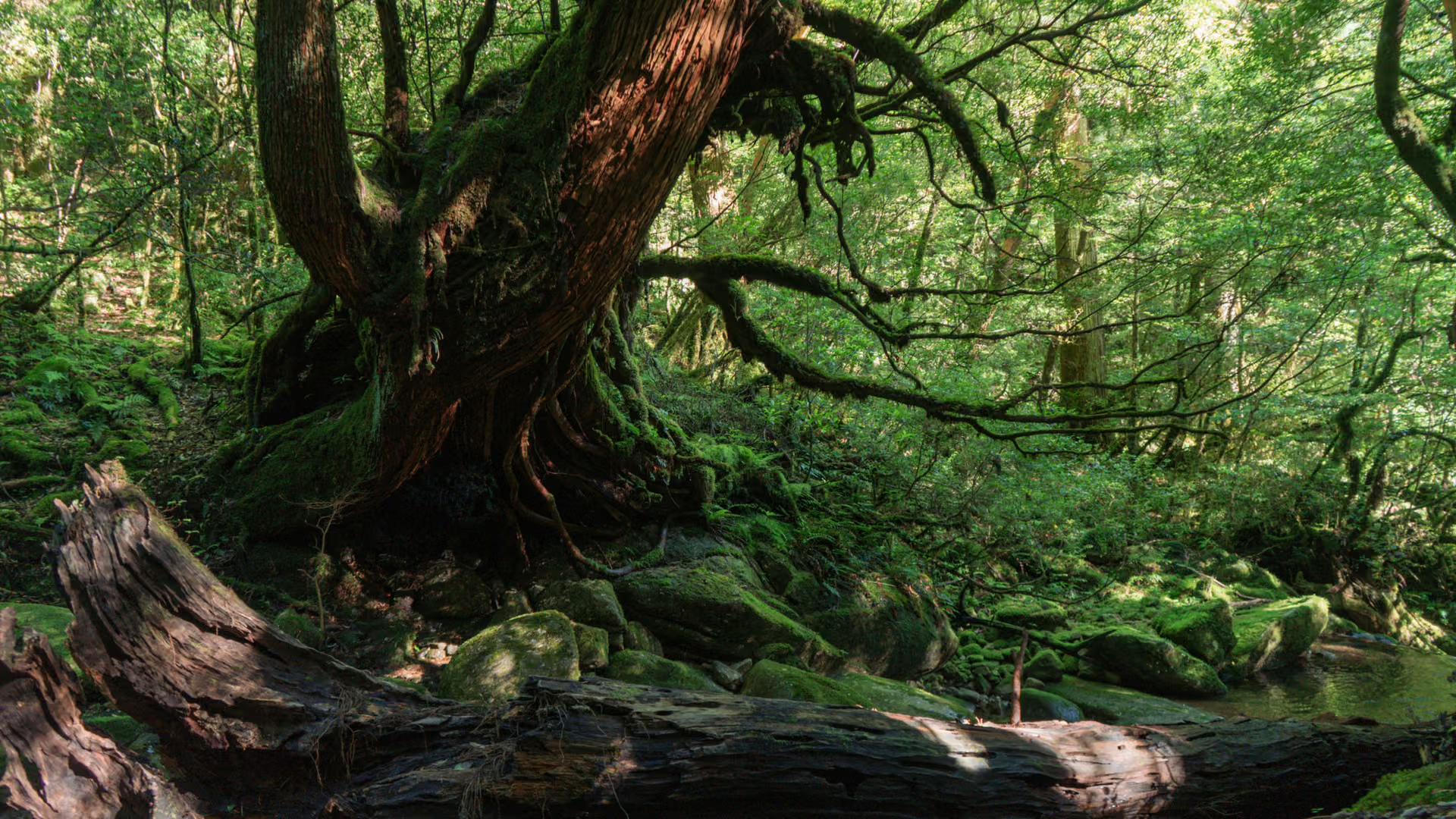
Amano Iwato Shrine
天岩戸神社
A shrine at Takachiho that worships the cave where the sun goddess is said to have hidden, leaving the world in darkness.
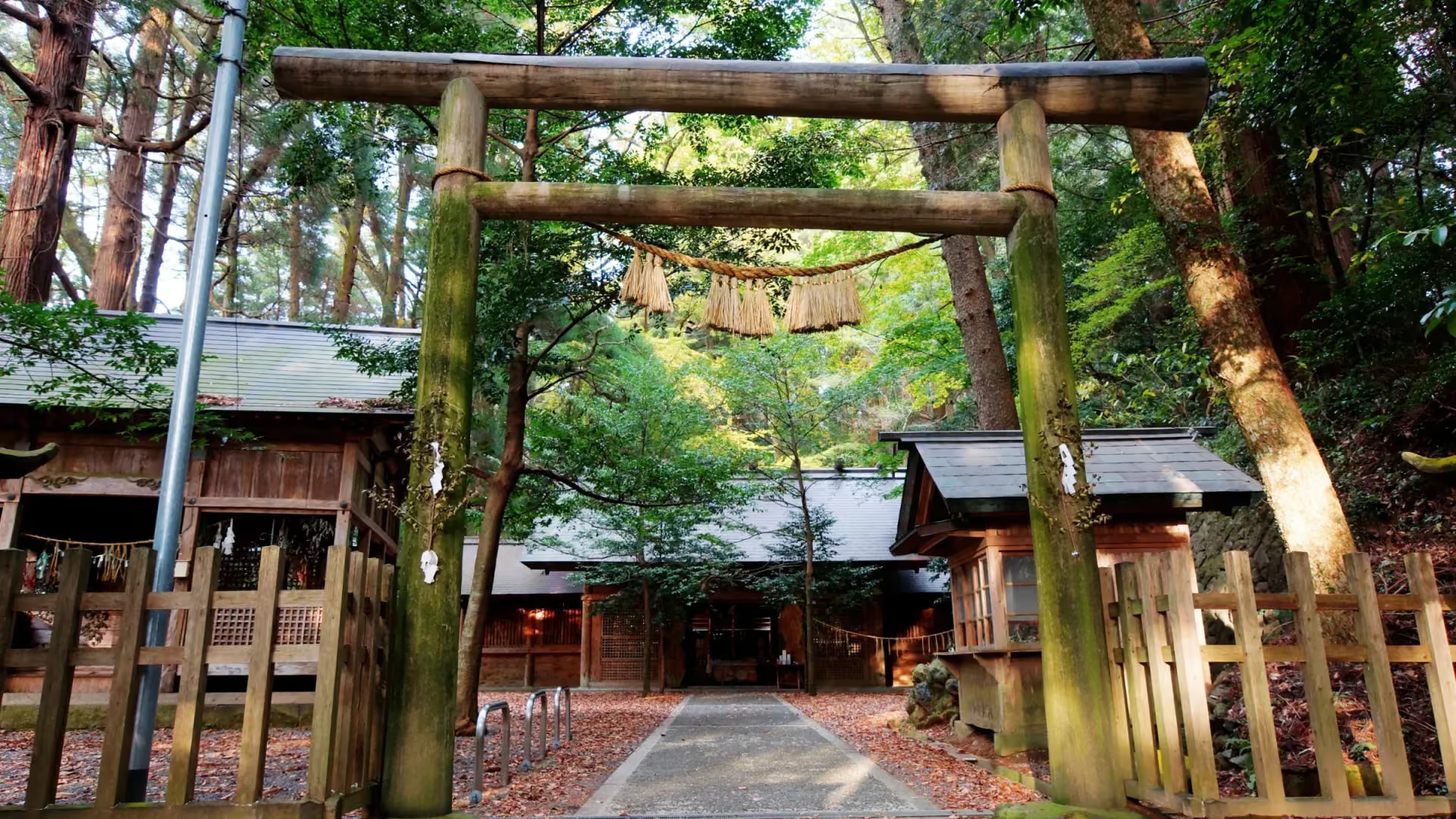
The cave can be viewed only on a guided tour with a priest, starting every 30 minutes from 9:00 to 16:30, with the last at 16:40 (about 20 minutes, free). The shrine office is open from 8:30 to 17:00.
〒 882-1621How to get there
Amano Iwato Shrine stands at Iwato in Takachiho, in the north of Miyazaki Prefecture. What it worships is a cave in the cliff on the far side of the gorge, held to be the one the sun goddess shut herself into.
The story
In the Kojiki and the Nihon Shoki, Amaterasu withdrew into a cave to escape the violence of her brother Susanoo. The sun went with her, crops failed and sickness spread. The other gods gathered on the riverbed nearby to decide what to do.
They tried first with long-crowing birds, the ancestors of the cockerel, whose call brings the sun up. The door stayed shut. Then Ame-no-Uzume danced with a branch in her hand while the rest made an uproar, and Amaterasu, wondering how anyone could be enjoying themselves in the dark, opened the door to look. The gods held up a mirror. Taking her own reflection for a finer god than herself, she leaned out for a better view, and at that moment Omoikane took her hand while Tajikarao pulled the door wide.
The two halls
The shrine is in two parts, facing each other across the Iwato River. The West Hongu looks directly at the cave, and behind its hall of worship is a platform from which the cave can be seen. Visitors are taken there by a priest rather than going alone.
The East Hongu stands on the other bank, on the ground where Amaterasu is said to have been settled after she was brought out of the cave.
Kagura
The dances known as Iwato kagura, thirty-three in number, have been handed down within the shrine's priestly families. Parishioners chosen by the shrine learn them and perform them at its grand festivals in May and September. Around the eleventh month of the old lunar calendar they are danced through the night in parishioners' homes, with the opening of the rock door near the end. The full set takes about sixteen hours. At the shrine, a selection of four of the dances, about 45 minutes long, can be booked in advance.
Getting There

You might also like
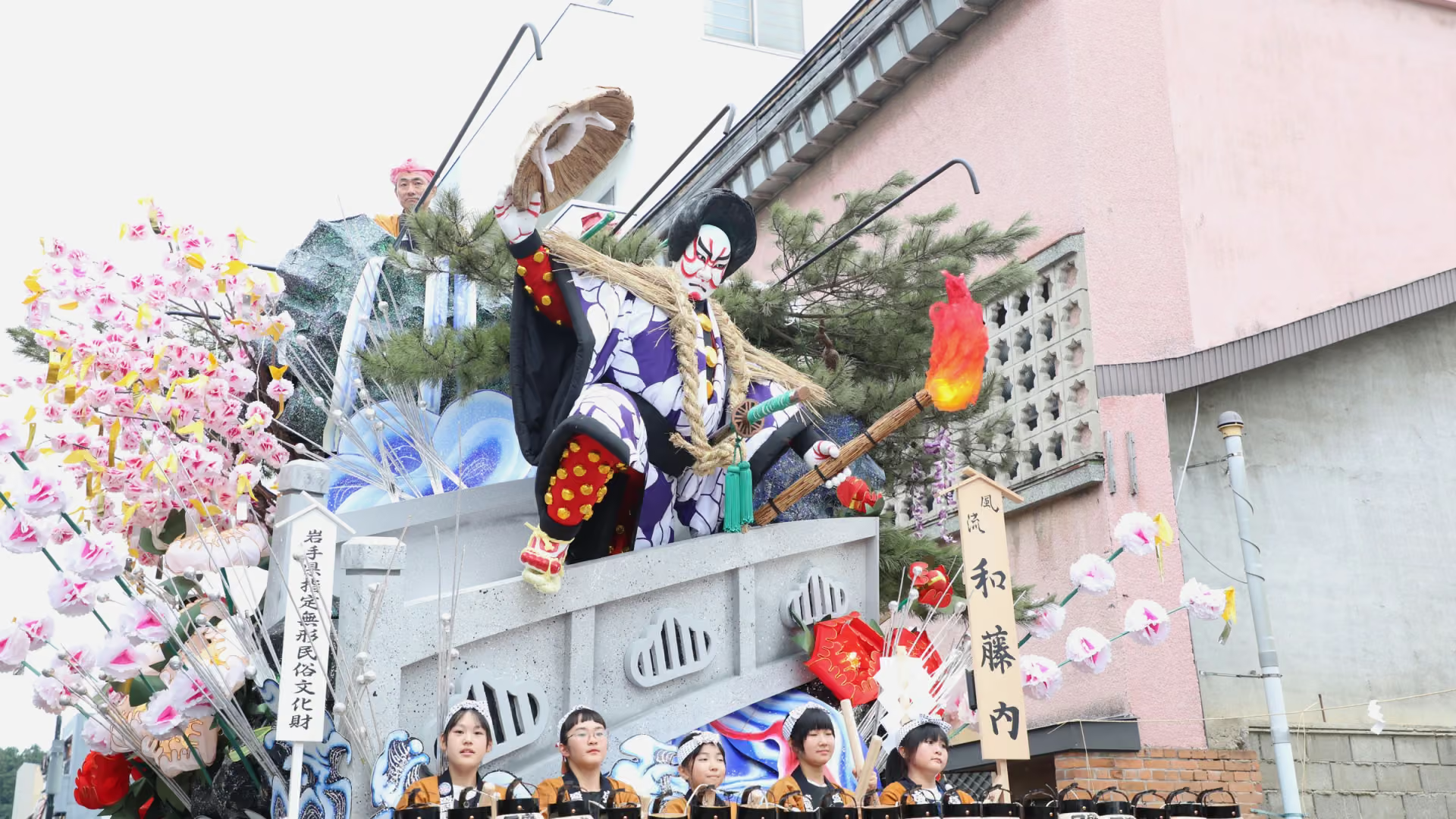
Morioka Fall Festival
Neighbourhood floats with kabuki scenes parade through Morioka by day and lit at night, and Morioka Hachimangu Shrine ends its festival with horseback archery.
14–16 Sep 2027Morioka · Iwate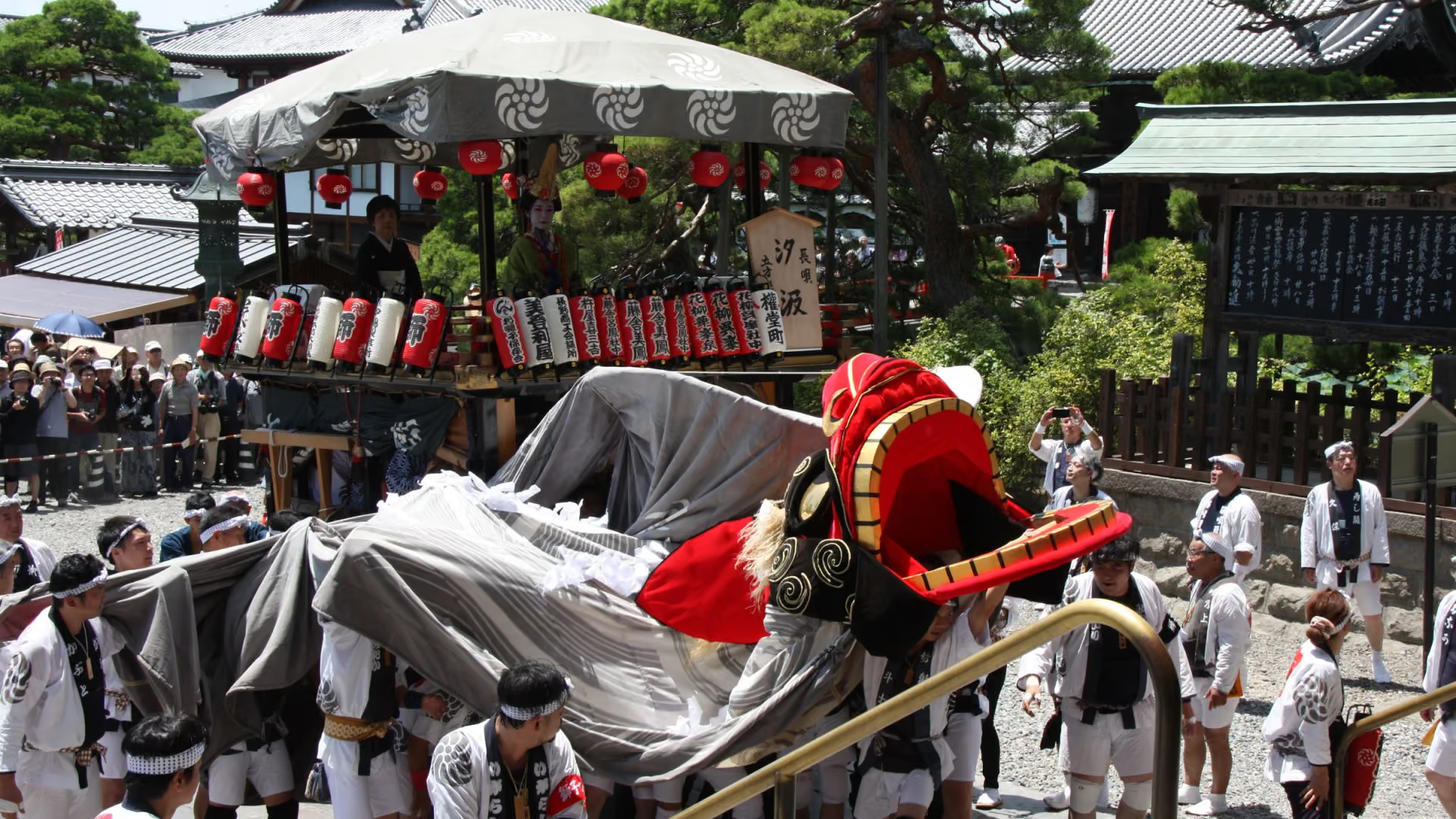
Nagano Gion Festival
The Nagano Gion Festival celebrates Susanoo-no-Mikoto, deity of storms and protection, with mikoshi processions at Yasaka Shrine near historic Zenkoji temple.
6 Jun 2027Exact date not confirmed yetNagano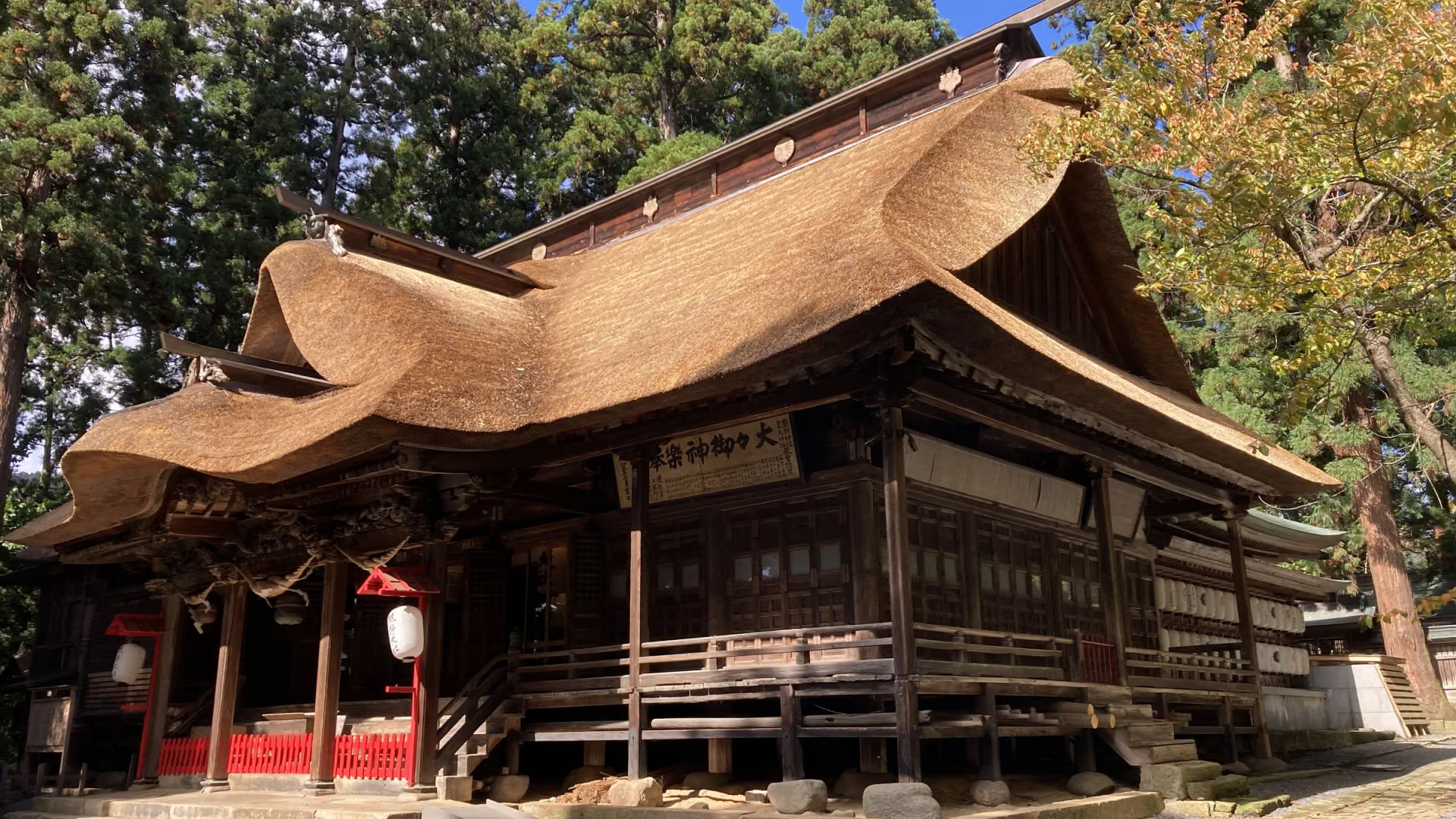
Kumano Taisha Shrine
One of the Three Kumano of Japan, said to have been rebuilt in 806, known as the Ise of Tohoku and as a shrine of matchmaking deities.
Nanyo · Yamagata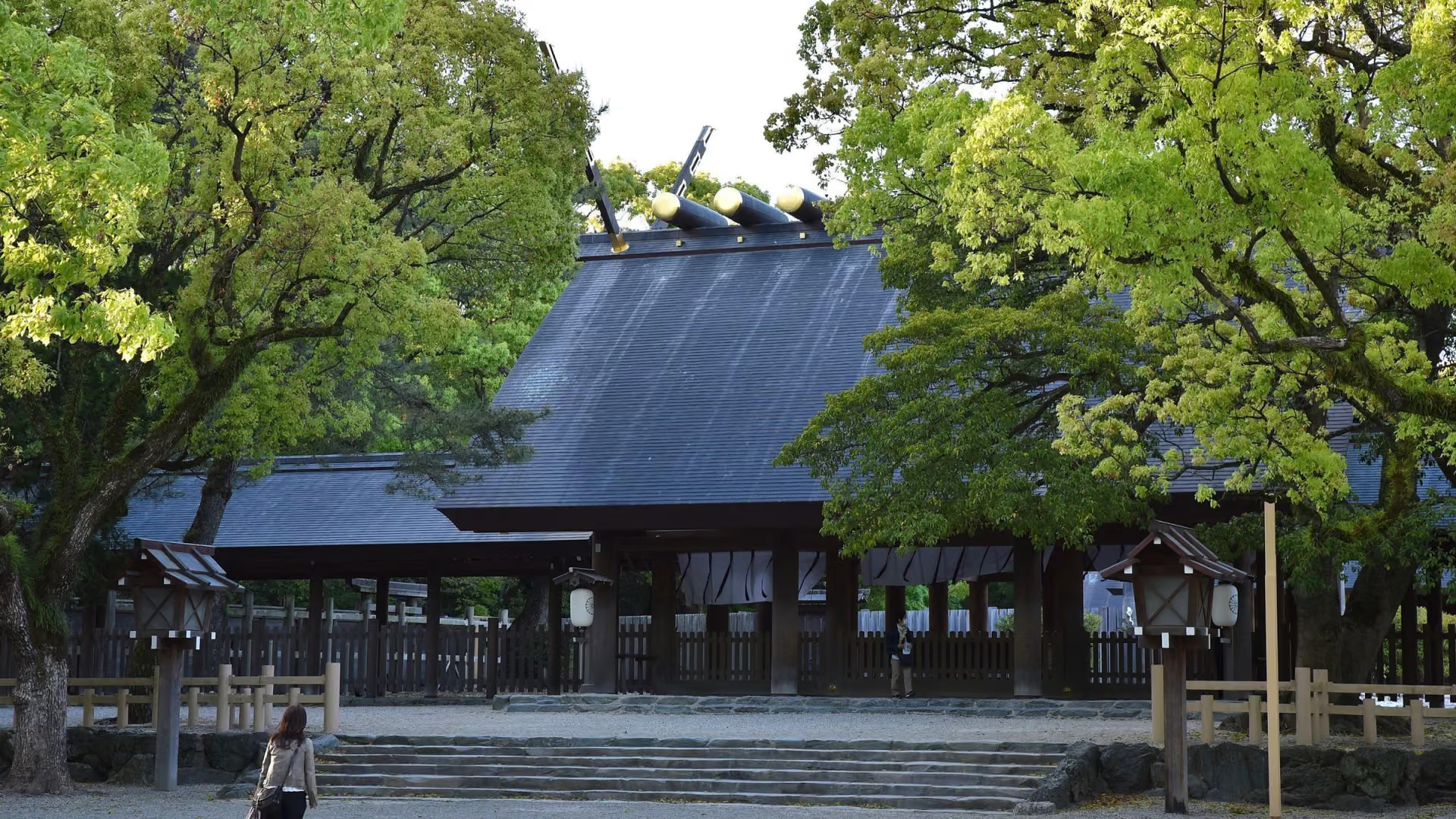
Atsuta Shrine
Nagoya shrine believed to date from the reign of Emperor Keiko, housing the Kusanagi no Tsurugi, one of the three symbols of the Imperial throne.
Nagoya · Aichi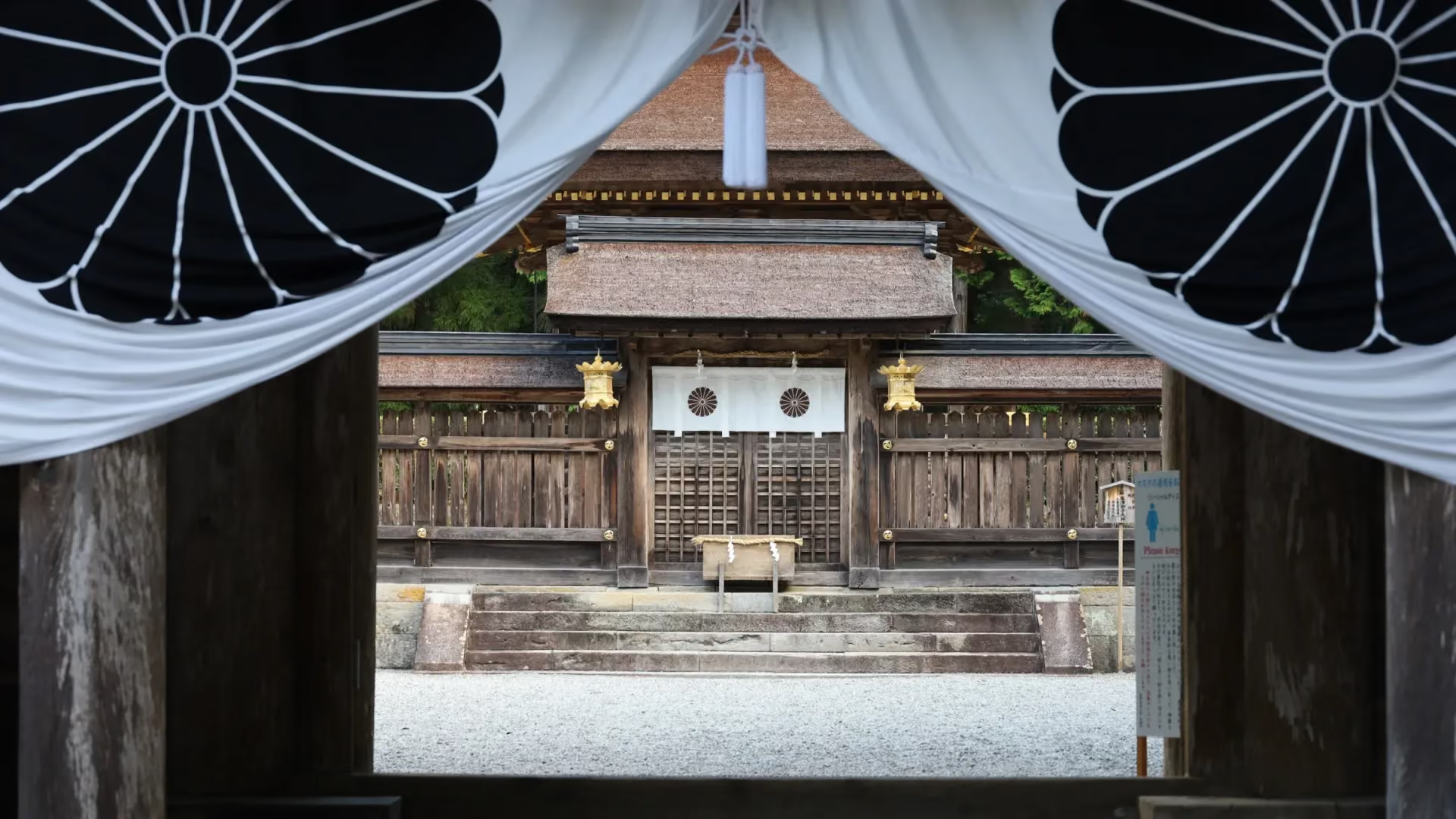
Kumano Hongu Taisha
Kumano Hongu Taisha, heart of the Kumano Sanzan, is said to have stood before Emperor Jinmu's time; legend tells of three moons descending at its old site.
Tanabe · Wakayama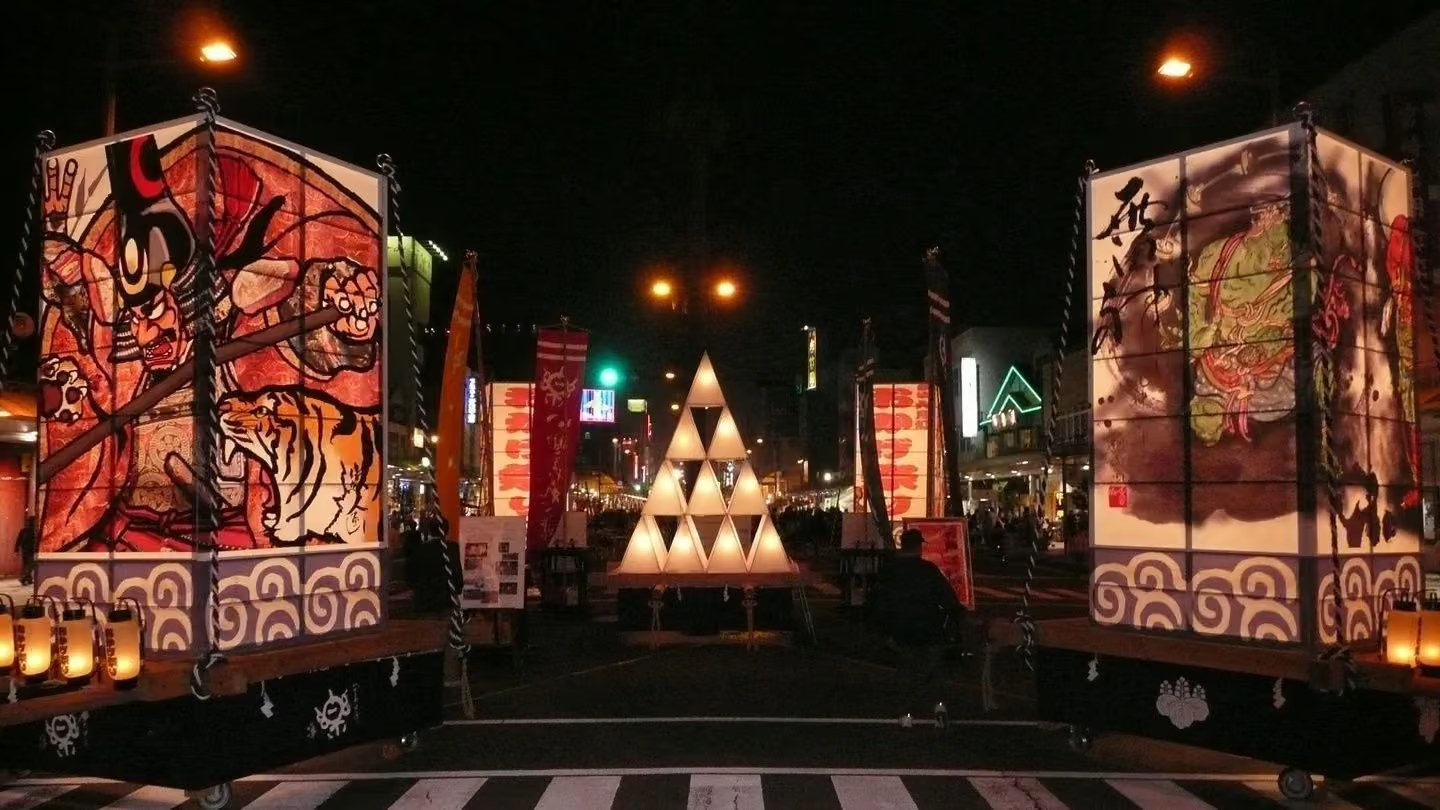
Miyazaki Jingu Grand Festival
Miyazaki's largest festival honors Emperor Jimmu with a grand autumn procession of portable shrines and floats reenacting the legendary emperor's journey.
31 Oct – 1 Nov 2027Exact date not confirmed yetMiyazaki