Seihakusai Festival
青柏祭
This Ishikawa festival of over 1,000 years parades three huge wheeled floats with life-size Kabuki figures, recognised as UNESCO Intangible Cultural Heritage.
〒 926-0052How to get there
七尾Nanao Line11 min walk from the station
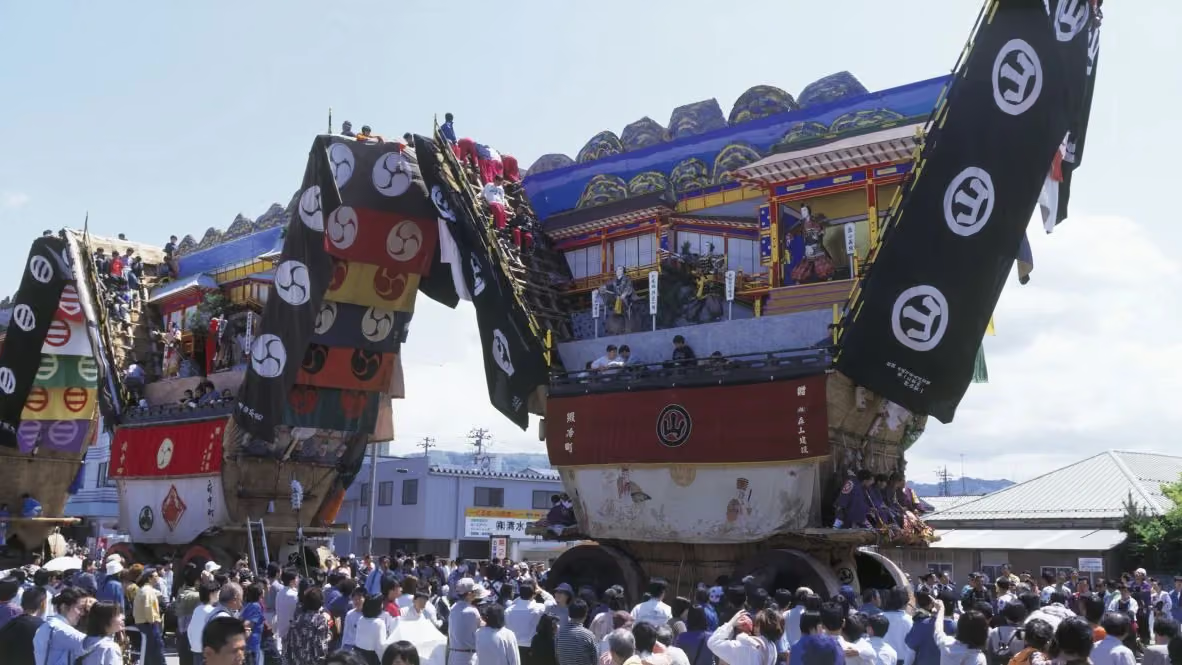
Seihakusai is the spring festival of Otokonushi Shrine, also called Sanno Shrine, in Nanao, Ishikawa. Its three huge floats, the dekayama (でか山), are hauled through the centre of Nanao, and it is the largest festival on the Noto Peninsula.
History
The festival is said to have been established in 981 by Minamoto no Shitago, then governor of Noto, as a festival of the province. The floats are said to date from 1473, when Hatakeyama Yoshimune, the third Hatakeyama lord of Noto and a keen importer of Kyoto culture, offered floats to the festival on the model of those of the Gion Festival in Kyoto. For a time in the Edo period the floats stood as high as 18 metres.
The float event was designated an Important Intangible Folk Cultural Property of Japan in 1983. In 2016 it was inscribed on the UNESCO Intangible Cultural Heritage list as one of the 33 Yama, Hoko, Yatai float festivals of Japan.
The dekayama
Each dekayama stands about 12 metres high, weighs about 20 tonnes and runs on wheels 2 metres across. Its stage carries life-size dolls in a scene from kabuki or history, and a young pine is set somewhere in the scene to call down the gods. The three floats belong to the districts of Kajimachi, Fuchumachi and Uomachi.
The floats move to the chant of kiyari (木遣り), work songs. At narrow corners the young men crowd onto an 8-metre lever to lift the front wheels and swing the float round on a smaller wheel, a manoeuvre called tsujimawashi (辻廻し).
What happens
On the evening before the festival, the dolls for the floats are displayed in the homes of the float districts that had a celebration that year, a custom called ningyo-mi (人形見). The floats set out on the first night, gather at Otokonushi Shrine on the second day and line up near the Noto Shokusai Market and Sentai Bridge on the third.
Getting There

Planning a trip? Fit this into a trip and Oni plans the rest around it.
You might also like

Utasu Jinja Shrine Setsubun Festival
A Setsubun festival at a shrine by Kanazawa's Higashi Chaya District, where geisha throw beans and perform dances and free sake is handed out.
3 Feb 2027Exact date not confirmed yetKanazawa · Ishikawa
Summer Grand Festival
The Summer Grand Festival takes Onominato Shrine's deities back to Kanaiwa in one of Kanazawa's largest mikoshi processions, recorded since the 1600s.
30 Jul – 1 Aug 2027Exact date not confirmed yetKanazawa · Ishikawa
Hassaku Festival
An autumn festival at Hatori Shrine in Yamashiro Onsen, with a large lion paraded through the town and the Urayasu dance offered as a prayer for peace.
1 Sep 2027Exact date not confirmed yetKaga · Ishikawa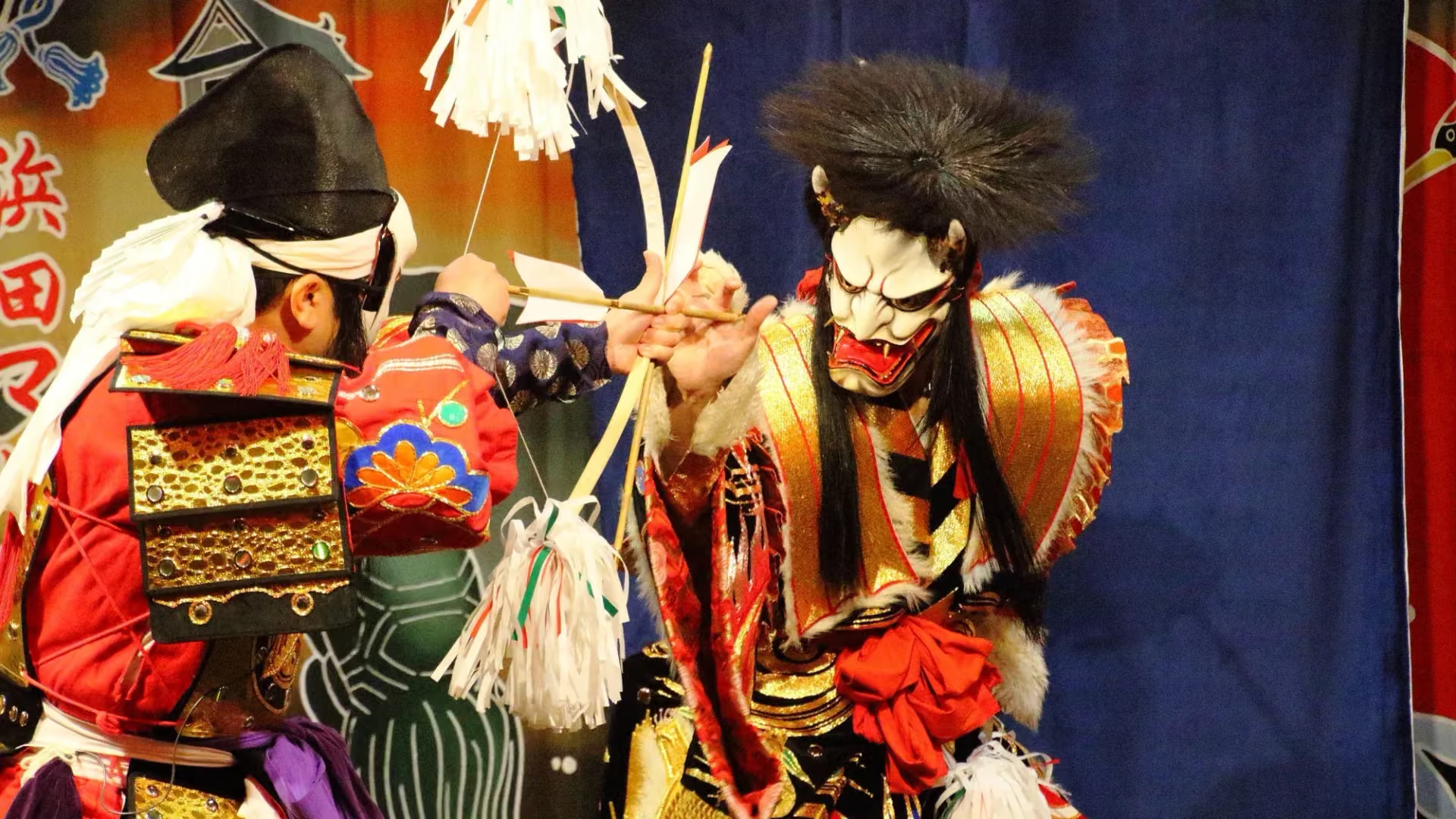
Iwami Kagura
Each autumn in western Shimane, shrine stages host Iwami Kagura - sacred dances performed through the night, from ceremonial pieces to a battle with a serpent.
Shimane · Chugoku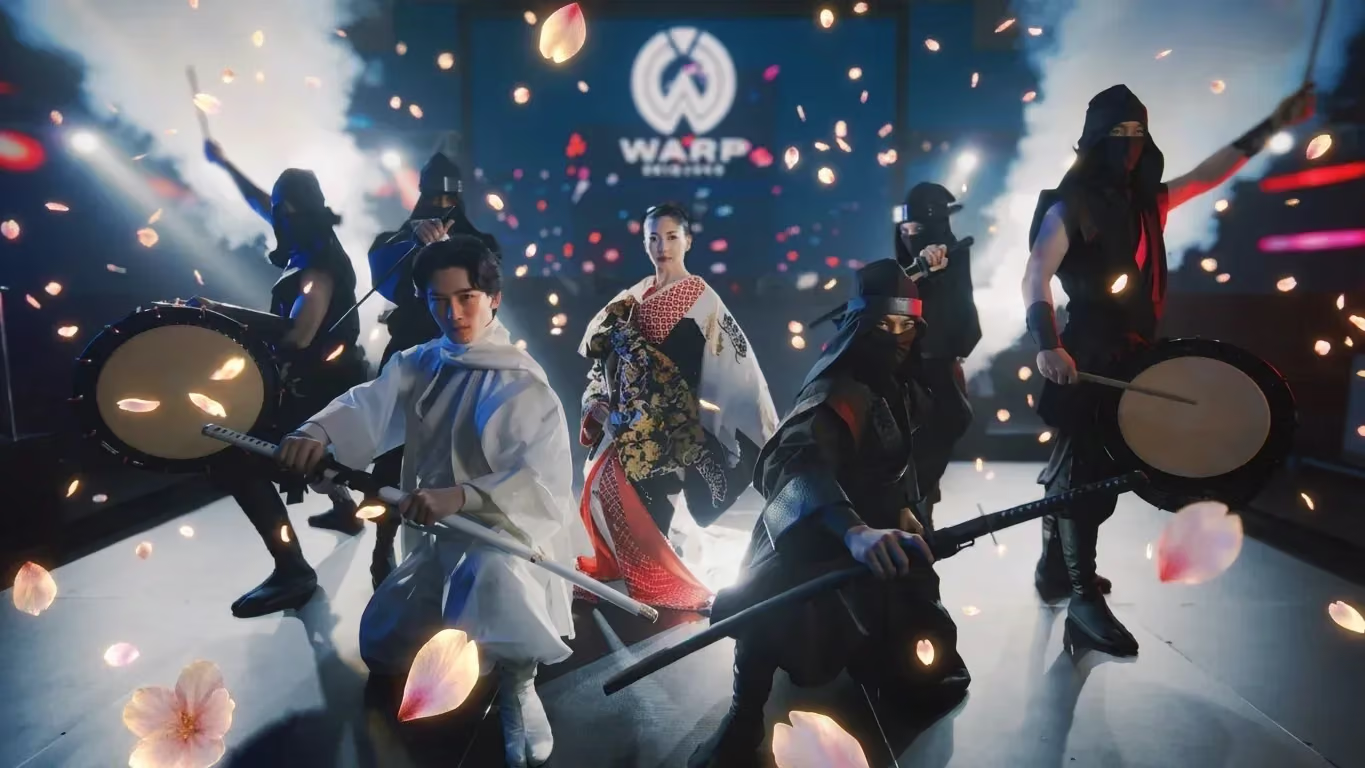
Ninja + Kabuki Tokyo
A nonverbal stage show in Kabukicho, Shinjuku, that tells a tale of two rival ninja through kabuki staging, live taiko drumming and Japanese dance.
Tokyo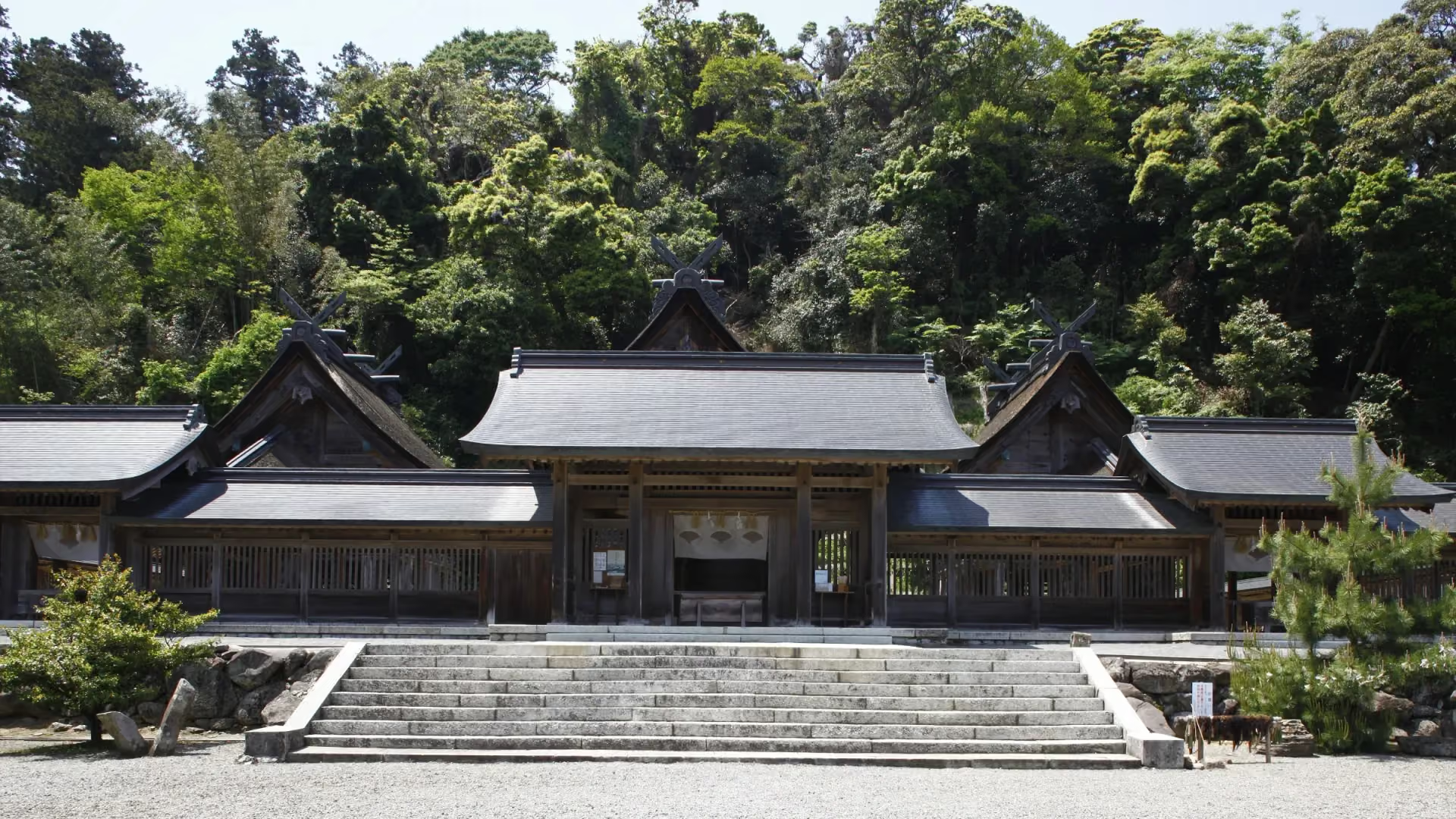
Sada Shrine
Shrine near Matsue with three halls side by side, where the gods gather each November to remember Izanami, and home of the UNESCO-listed Sada Shinno dance.
Matsue · Shimane