Takaoka Mikuruma-yama Festival
高岡御車山祭
A traditional spring festival in Takaoka features ornate wheeled floats originating from a 16th-century court carriage.

〒 933-0929How to get there
片原町3 min walk from the station
The Takaoka Mikuruma-yama Festival is a traditional cultural event held annually in Takaoka City, centred around the city’s ornate wheeled floats known as Mikuruma-yama. The festival takes place on May 1st, coinciding with the spring festival at Sekino Shrine, which enshrines Toshinaga Maeda, the second lord of the Kaga Domain. The floats are paraded through the historic city centre, following streets that have been part of Takaoka since its founding in the early 17th century. On the evening of April 30th, a portion of the floats is displayed with illumination for the public.
The Mikuruma-yama floats are believed to have originated from a court carriage used by Toyotomi Hideyoshi in 1588to welcome Emperor Go-Yozei and Retired Emperor Ogimachi to Jurakudai. The carriage was later received by Toshiie Maeda, the first lord of the Kaga Domain, and passed to his son Toshinaga Maeda, who donated it to the townspeople when constructing Takaoka Castle in 1609. Over time, a roof structure and decorative elements were added, transforming the carriage into the present-day floats.
These floats are recognised as some of Japan’s most elaborate and elegant, decorated with local craftsmanship including metalwork, lacquer, and textile dyeing, reflecting the artistry and pride of Takaoka’s residents. Seven floats were completed by master craftsmen during the Edo period, and the festival today is a living continuation of that heritage.
The festival is formally designated as both a National Important Tangible Folk Cultural Property and a National Important Intangible Folk Cultural Property, making it one of only five such dual-designated events in Japan. The others include the Kyoto Gion Matsuri, Takayama Festival, Chichibu Night Festival, and Hitachi Fūryūbutsu.
The floats are owned by ten historic districts, known as Yamamachi, which were established around Takaoka Castle when it was first built. Six districts each maintain one float, three districts share a float along a main street, and one district preserves a ceremonial lion head (Gendai-shishi) that leads the parade. Each float is carefully maintained and displayed on a rotating schedule at the Takaoka Mikuruma-yama Hall, where visitors can view the floats throughout the year.
The festival not only showcases the city’s historical craftsmanship but also celebrates the civic pride and cultural identity of Takaoka, maintaining a tradition that spans over 400 years.
Getting There

You might also like

Tsuzawa Yotaka Andon Festival
Traditional lantern festival in Toyama Prefecture featuring 7-meter-high floats decorated with warrior illustrations that collide in ritualized clashes accompanied by taiko drumming.
5–6 Jun 2027Oyabe · Toyama
Iwase Hikiyama Festival (The Fighting Floats Festival)
Annual spring festival featuring thirteen ornate floats with elaborate wooden tatemon decorations pulled through streets with traditional music.
17–18 May 2027Toyama
Marumage Festival
An annual festival in Himi centers on Senju-ji Temple, where unmarried women pray for happiness using a traditional married woman's hairstyle in ritual.
17 Apr 2027Himi · Toyama
Ashikaga Flower Park
The park features wisteria in pink, purple, and white, a walkable wisteria tunnel, rose and tulip gardens, and nightly illuminations recognized among Japan's Three Great Illuminations.
Ashikaga · Tochigi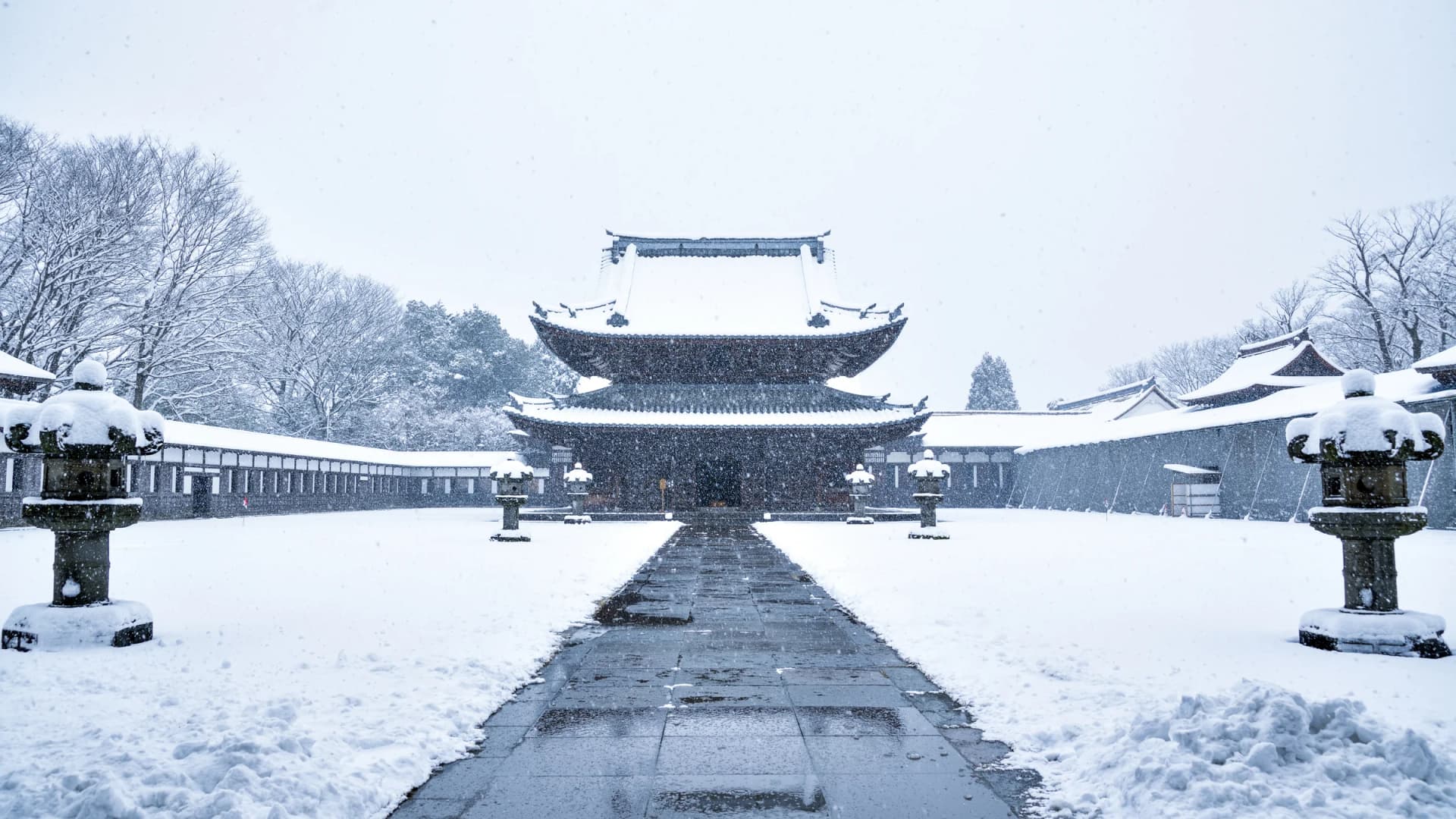
Zuiryuji Temple
A 17th-century Soto-school Buddhist temple in Takaoka houses several buildings designated as national treasures and important cultural properties.
Takaoka · Toyama
Daiju-ji
A Pure Land Buddhist temple founded in 1475 by Matsudaira Chikayoshi, built to honor fallen war dead and serving as the ancestral temple of the Tokugawa shoguns.
Okazaki · Aichi