

Takewari Festival (Gogan Shinji)
竹割り祭り(御願神事)
An ancient Shinto ritual held on February 10 features young men in white ceremonial clothing splitting bamboo stalks to symbolize strength and readiness.

The Takewari Festival, formally known as Gongan Shinji, is a traditional Shinto ritual held annually on February 10 at Sugo Isobe Shrine in Kaga City. Widely known among locals as “Gongan-san” or the “Bamboo-Splitting Festival”, the event is a distinctive winter ritual with origins dating back more than 1,300 years.
According to shrine tradition, the ritual began in 677 during the reign of Emperor Tenmu, when prayers were offered for national peace and stability. The ceremony draws inspiration from the legendary conflict between the divine brothers Hohodemi-no-Mikoto (Yamasachihiko) and Suseri-no-Mikoto (Umisachihiko). Through this symbolism, the festival emphasises the importance of maintaining strength, discipline, and readiness even in times of peace, and it is sometimes associated with the early foundations of Japanese martial traditions.
In preparation for the festival, parishioners create a large rope shaped like a serpent, along with 300 to 400 stalks of fresh green bamboo. On the day of the ritual, young men dressed in white ceremonial clothing enter the shrine grounds and vigorously strike the bamboo against stone steps and paving stones, splitting it apart. The sharp cracking sounds and energetic movements form the central visual and auditory elements of the festival, symbolising the expulsion of evil and impurity.
After most of the bamboo has been broken, the serpent-shaped rope is pulled from the worship hall and carried throughout the shrine grounds before being thrown into the Daishoji River from a nearby bridge. This final act represents purification and is believed to ensure protection from disease and misfortune.
The bamboo split during the ritual may be taken home by visitors as lucky charms. It is traditionally believed to bring various forms of good fortune, including protection from illness, success in kite flying, and safeguarding against natural disasters.
You might also like

The Spring Takayama Festival
A spring festival in Takayama showcases ornate floats with mechanical dolls and centuries-old craftsmanship, illuminated by lanterns during evening processions.
14–15 Apr 2027Takayama · Gifu
Hassaku Festival
An autumn festival at Yamashiro Onsen features a parade with a large lion and traditional Urayasu Dance of gratitude performed at Hatori Shrine for the harvest.
1 Sep 2027Kaga · Ishikawa
Yamashiro Daidengaku Festival
The Yamashiro Daidengaku Festival revives the ancient dengaku dance form rooted in Shintoism, through performances by local talents and renowned actors in period costumes.
8–9 Aug 2027Kaga · Ishikawa
Kibitsu Jinja
Major Okayama shrine dedicated to Kibitsuhiko-no-Mikoto, a legendary prince credited with defeating an ogre and bringing peace to the region, foundations of the Momotaro folktale.
Okayama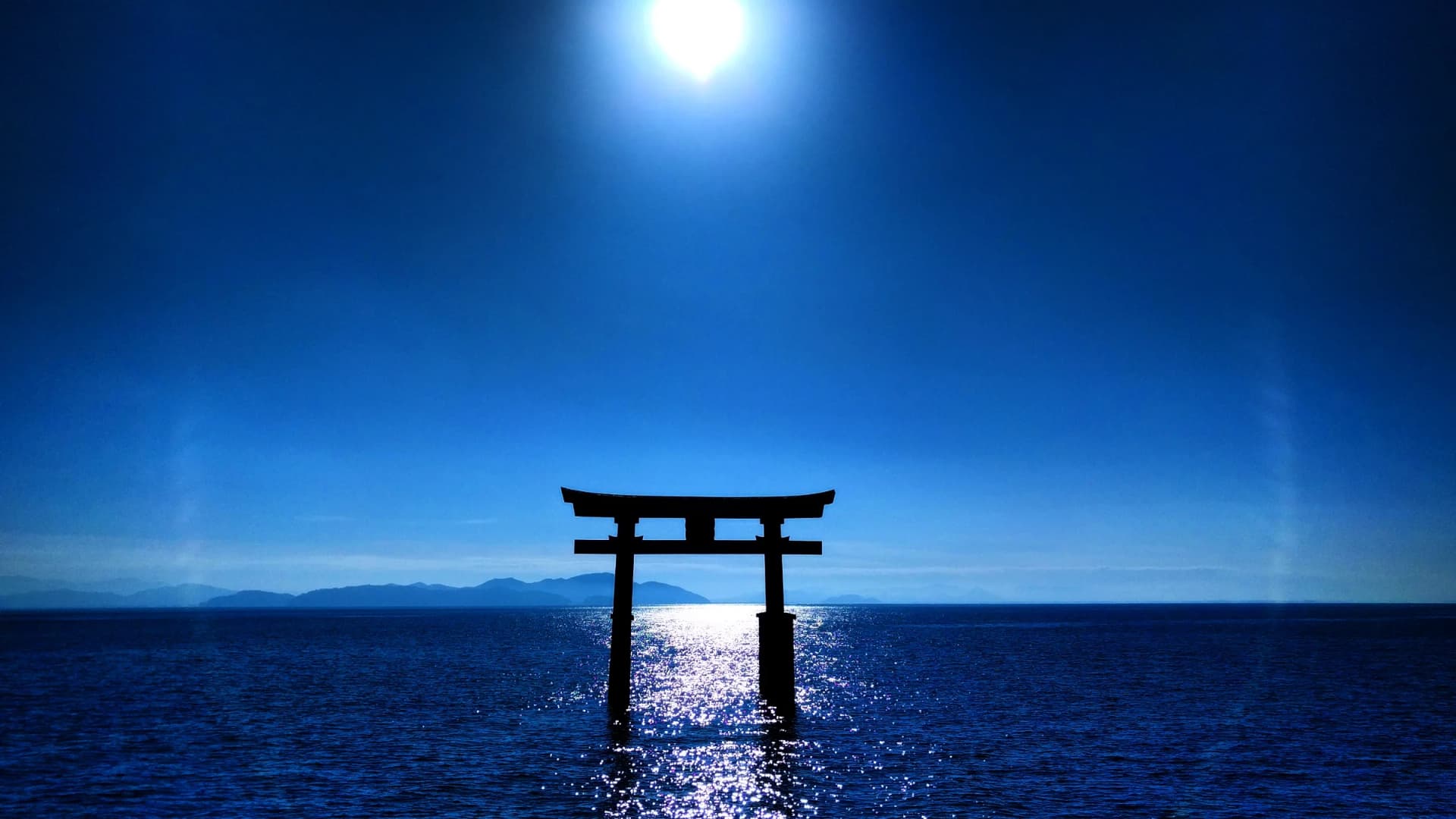
Shirahige Shrine
A shrine on the western shore of Lake Biwa with a torii standing in the water, dedicated to Sarutahiko and known as a shrine of long life.
Takashima · Shiga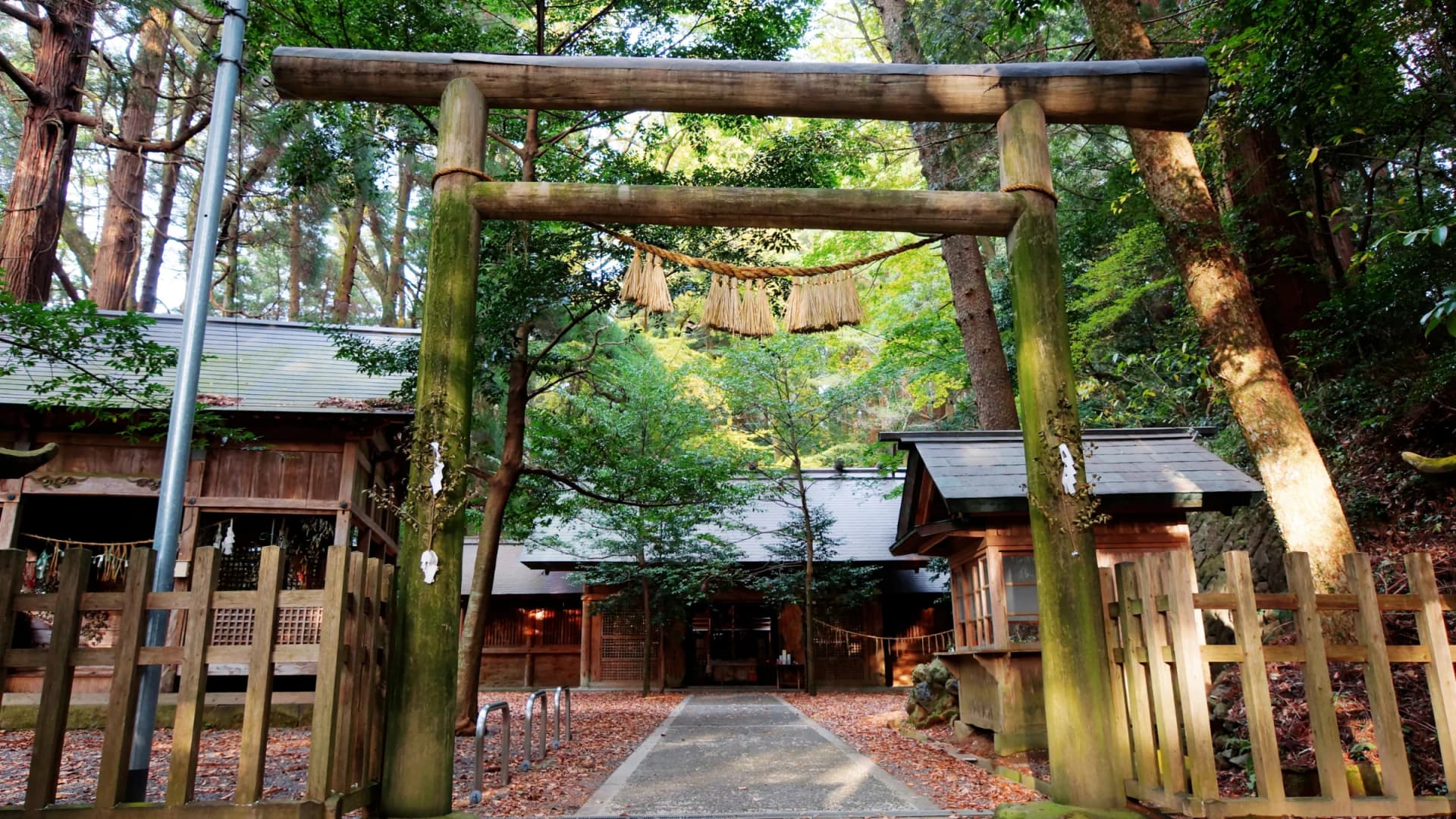
Amano Iwato Shrine
A shrine at Takachiho that worships the cave where the sun goddess is said to have hidden, leaving the world in darkness.
Miyazaki