Toyotomi Onsen Fureai Center
豊富温泉ふれあいセンター
The town bathhouse of Toyotomi Onsen in northern Hokkaido, where yellowish spring water rises with crude oil and a cool bath is kept for long cure stays.
Last entry 20:30. Closed every other Thursday, on 1 January and for five days in the second week of April, with shorter hours over the New Year, so check the official calendar.
〒 098-4132How to get there
豊富Soya Main Line103 min walk from the station
Toyotomi Onsen Fureai Center is the town-run bathhouse at the centre of Toyotomi Onsen, the northernmost hot spring area in Japan, in the north of Hokkaido. Its water rises together with crude oil and natural gas, and besides an ordinary bath it keeps a cooler bath for toji (湯治), long stays at a hot spring to bathe as a cure.
History
The spring was found by people looking for oil. Test drilling began in 1925, and in May of the following year water at 43°C burst out with high-pressure natural gas from about 960 metres down. By around 1927 local people were bathing in a thatched hut over the spring, and soon eight inns had opened, Kawashima Ryokan among them. The town says that hot springs containing oil are known in only two places in the world, and that this is the only one in Japan.
The water
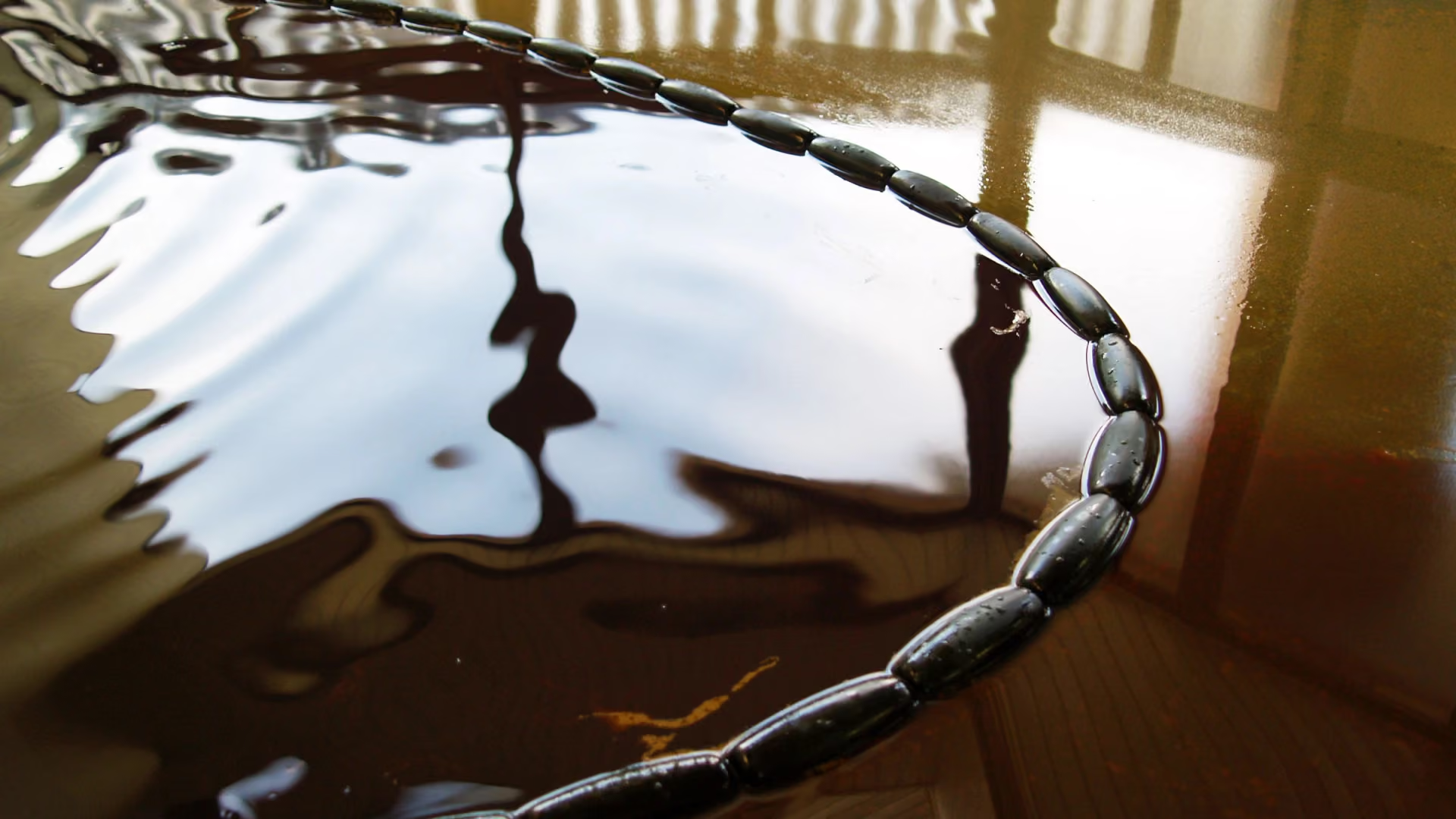
The center's water is a salt spring containing iodine, weakly alkaline and hypertonic, denser than the fluids of the body, at 34.2°C at the source. It is pale yellow and cloudy, tastes salty and smells of oil, and a thin film of oil floats on the surface. It flows into the baths straight from the source. The onsen credits its bicarbonate and boron with cleansing the skin, and says a tar component of the oil works much like tapinarof, a non-steroid drug for atopic dermatitis and psoriasis.
The toji bath
Toyotomi Onsen has long been known as a bath for burns and skin disease, and people with psoriasis and atopic dermatitis come from all over Japan for toji; the town says some have moved here after one. The toji bath is kept at about 38 to 39°C, cool enough to stay in for a long time, and a concierge desk upstairs answers questions about toji.
According to the onsen's site, the water in the toji bath carries the most oil just after the center opens. That suits people with psoriasis, but it can be too strong for people with atopic dermatitis, who may find the ordinary bath gentler at that hour. Crude oil from the source is also set out in the toji bath; the onsen suggests getting used to the water for a day or two before trying it, and keeping it off the scalp and face.
House rules
Many bathers in the toji bath are there because of a painful skin condition, and the onsen asks for quiet: no jumping in, no swimming and no noisy play with toys. Smartphones and tablets are not to be used in the baths. Towels stay out of the water, long hair is tied up, and the plugs of the baths, which overflow with fresh source water, are not to be pulled. Children aged 7 and over may not bathe on the side of the other sex.
The Yuchelin rating
In 2026 the center's toji bath was among the first 21 baths to receive three stars from Yuchelin (湯シュラン), a rating system that judges hot springs by the water in the bath. The Yuchelin association asks visitors to its rated baths to keep five rules for borrowing the water (湯をお借りする五か条), written under the supervision of Touristship, an association that promotes considerate travel:
After you. These baths are part of local people's daily lives. When locals come in, give them your place and your turn with an "after you". Avoid the busy hours, so as not to get in the way of local bathers.
Say hello. A simple "konnichiwa" or "ojama shimasu" (sorry to intrude) is where contact begins. Talking with the locals, you may learn the rules of that bath and how it is used.
Enjoy the day's temperature. Natural hot water is hard to manage, and some days it is hot and some days lukewarm. Enjoy the water as you meet it that day. If you want to change the temperature, ask the locals.
Do the basics, with care. No photos in the bath or the changing room. Pour hot water over yourself and wash before you get into the bath. Don't take over the spot by the spout or the washing area. Wash the bucket and stool you used and put them back. Take your rubbish home, and dry yourself before you go back into the changing room. Keep to these basics without fail.
Thanks and respect for the earth's gift. Hot spring water is an irreplaceable gift of nature, made by the earth over long ages. Treat every drop with thanks and respect, take care of the water, and enjoy your bath.
Getting There

Planning a trip? Fit this into a trip and Oni plans the rest around it.
You might also like
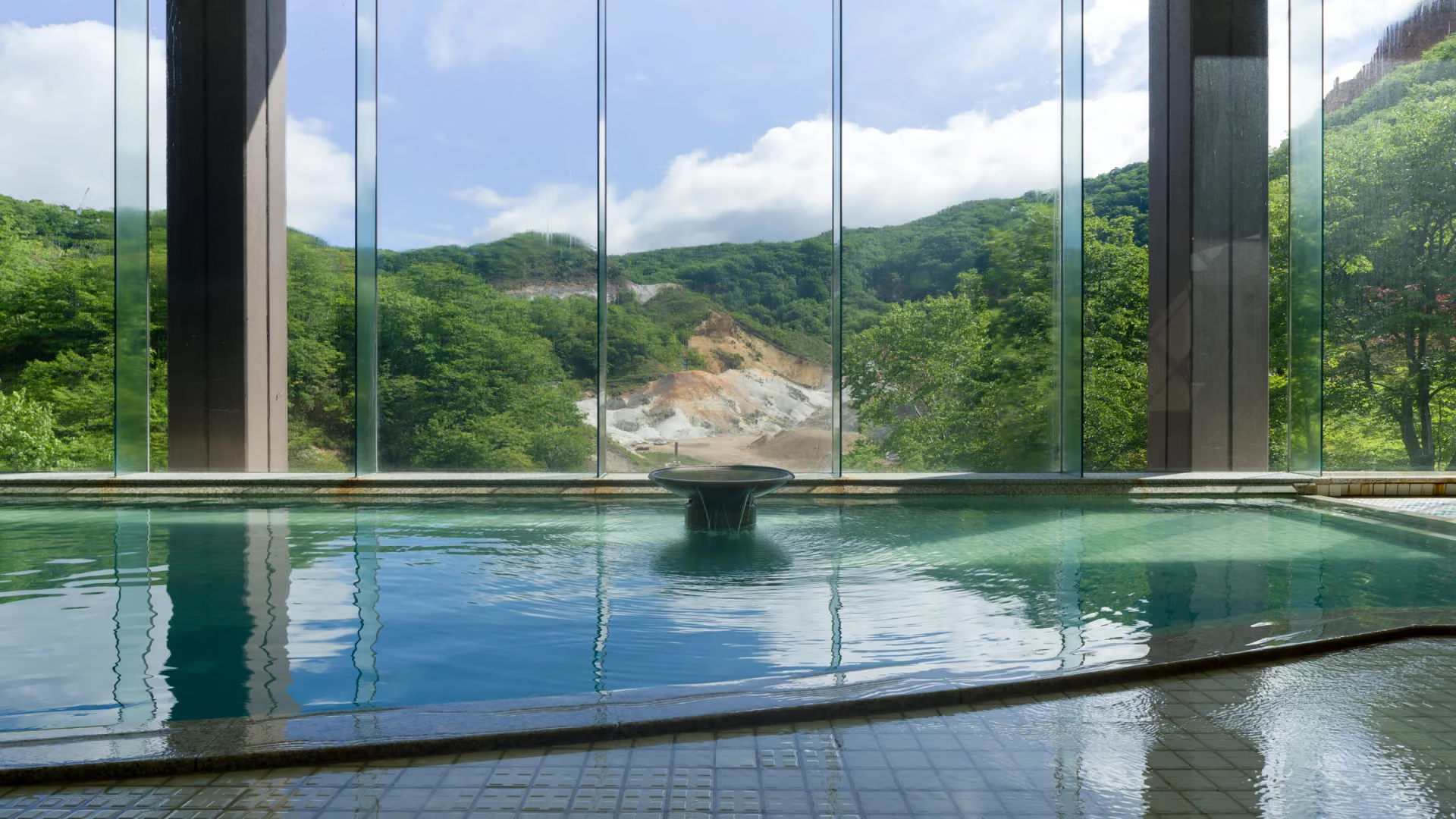
Dai-ichi Takimotokan
A hot spring inn at the edge of Jigokudani in Noboribetsu Onsen, with five types of spring water flowing straight from the source into its baths.
Noboribetsu · Hokkaido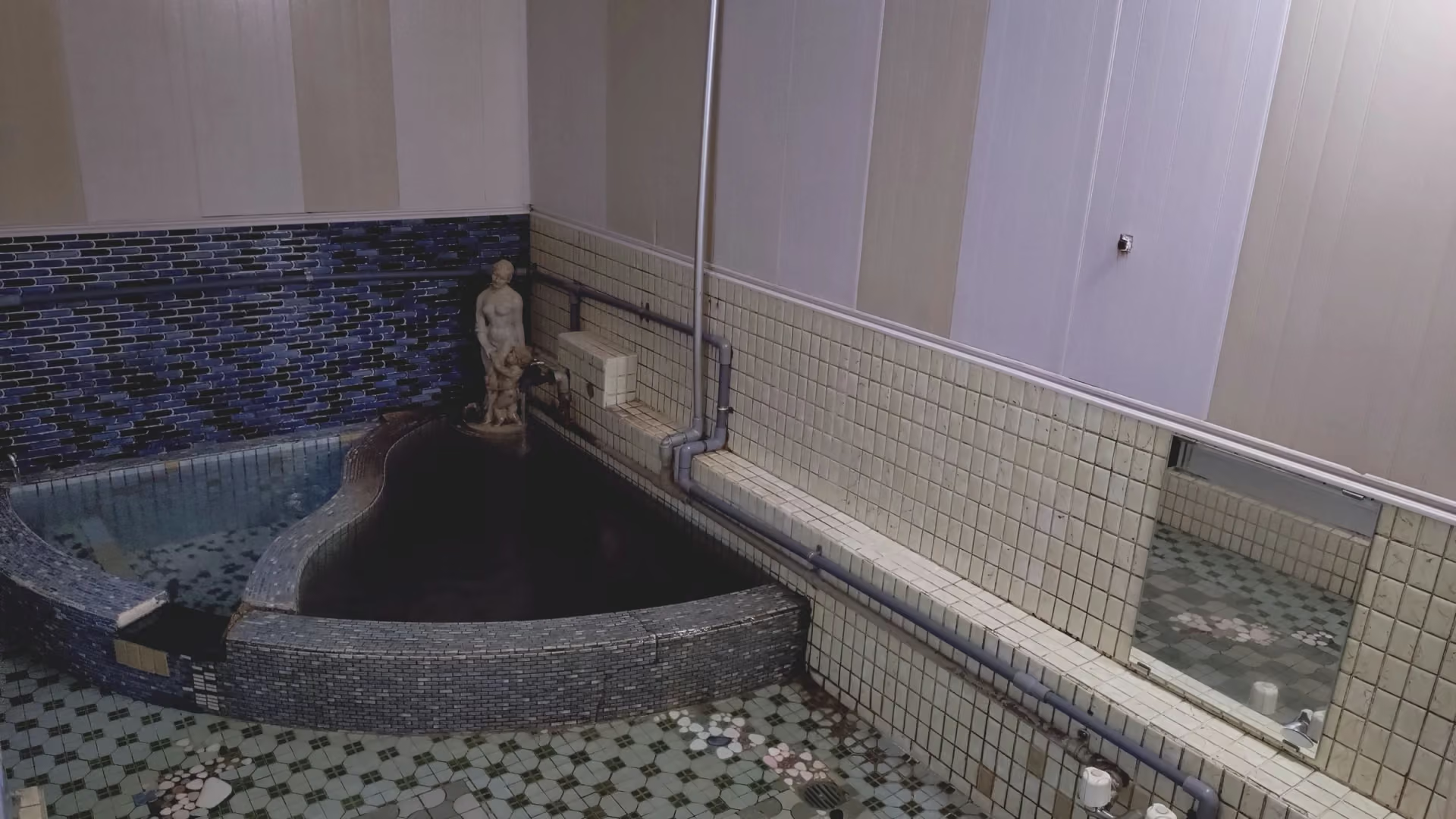
Roma no Izumi
A bathhouse in Obihiro, unchanged since 1976, with private family baths and a public bath upstairs, all filled with brown moor water straight from the source.
Obihiro · Hokkaido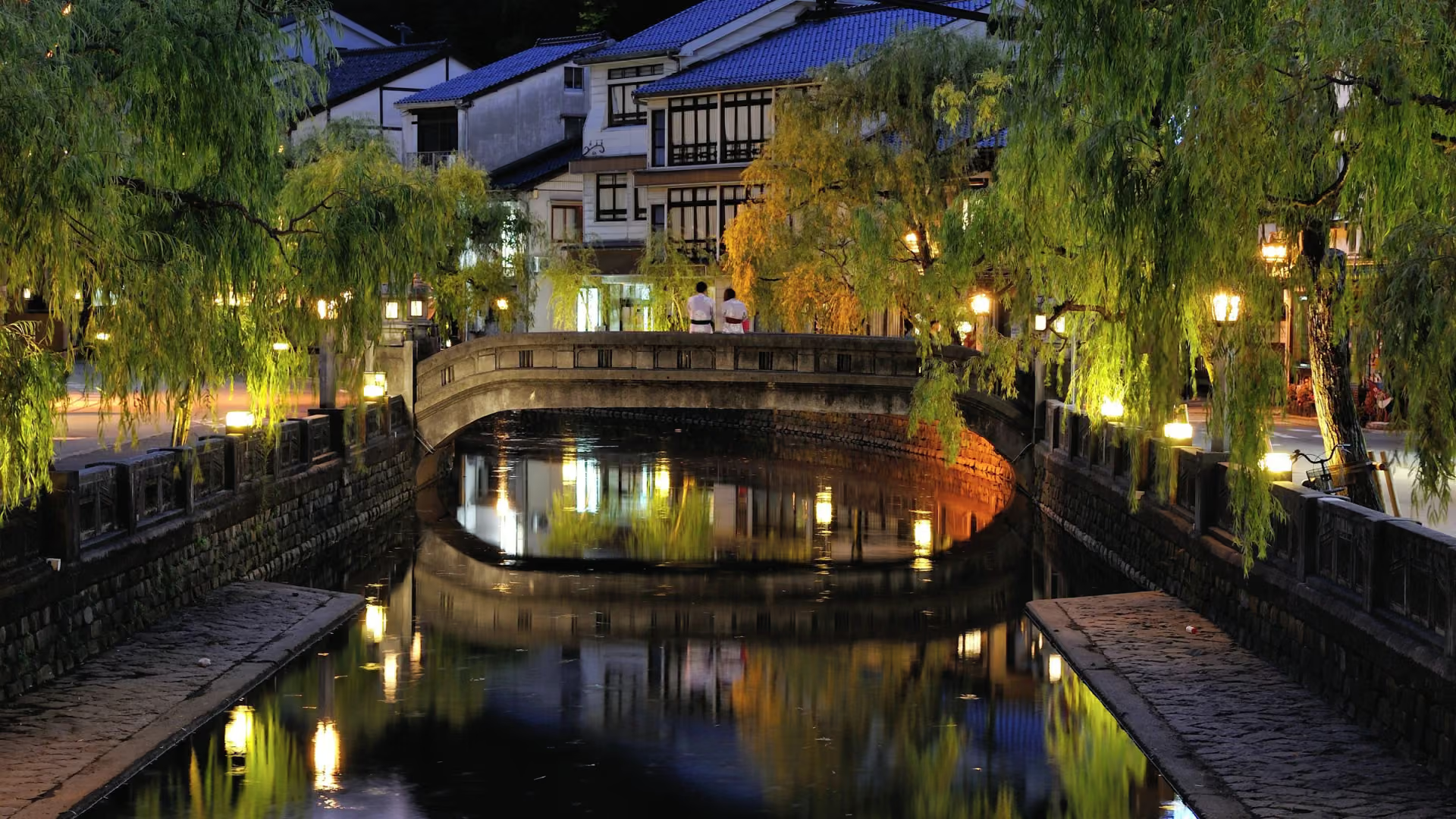
Kinosaki Onsen
A hot spring town in northern Hyogo with a recorded founding in 720, seven public bathhouses and streets where guests walk in yukata.
Toyooka · Hyogo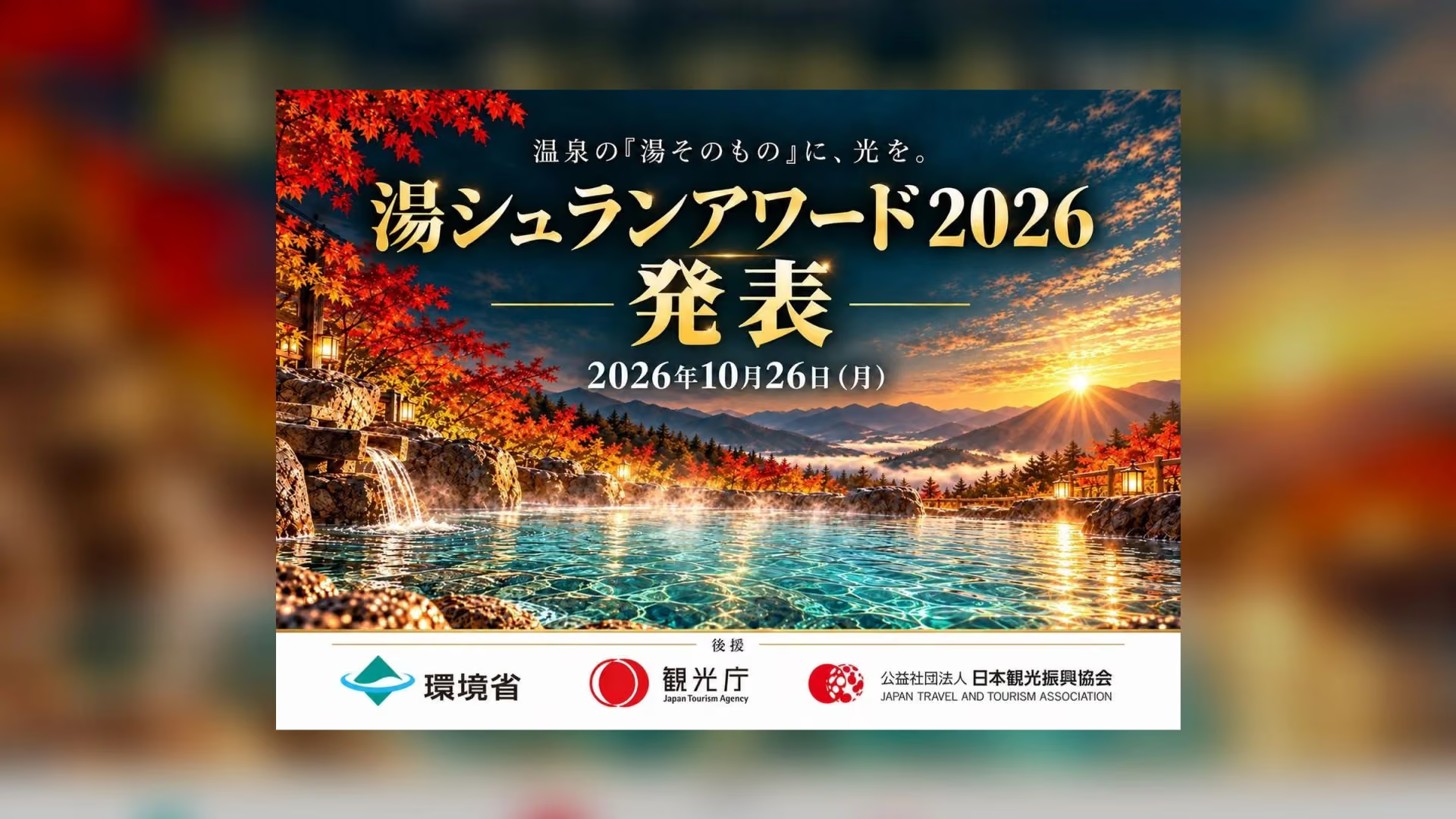
Yuchelin 2026: Japan's 21 Three-Star Onsen
Yuchelin, a new rating for Japanese hot springs, judges the water itself. Its first three-star list names 21 onsen, from Hokkaido to Yakushima.
2026/10/27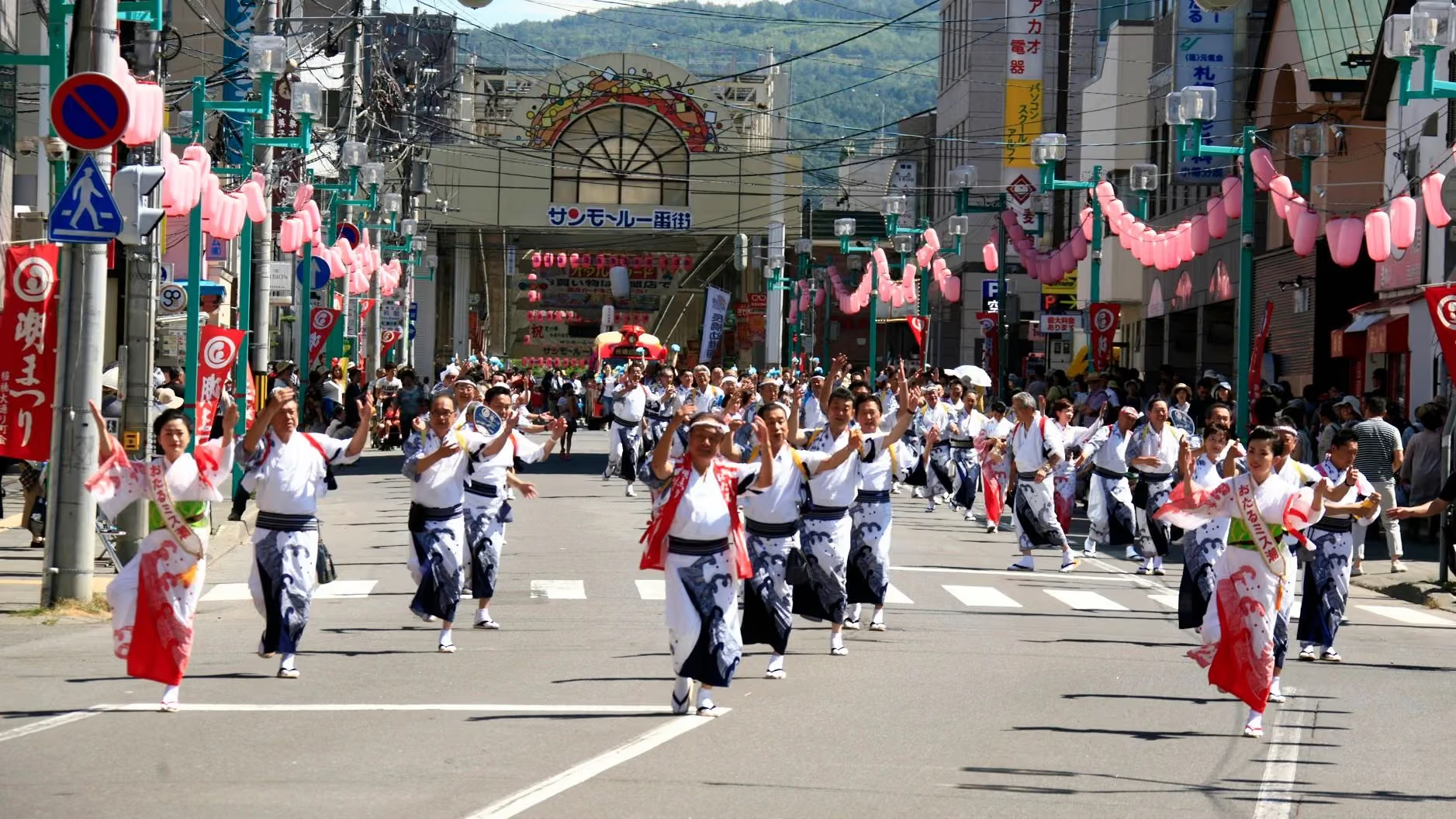
Otaru Ushio Festival
This coastal festival celebrates Otaru's maritime heritage with parades, fireworks, and cultural activities honoring the harbour's role in the city's growth.
24–26 Jul 2027Exact date not confirmed yetOtaru · Hokkaido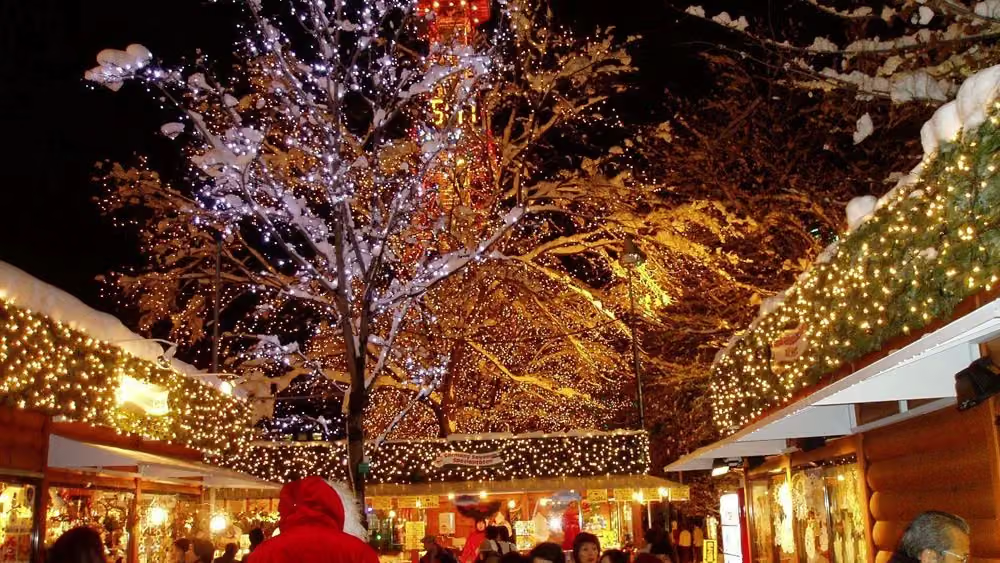
Munich Christmas Market in Sapporo
The Munich Christmas Market brings German Christmas food and crafts to Sapporo, a sister-city celebration held every year since 2002.
20 Nov – 25 Dec 2026Sapporo · Hokkaido