Roma no Izumi
ローマの泉
A bathhouse in Obihiro, unchanged since 1976, with private family baths and a public bath upstairs, all filled with brown moor water straight from the source.
Closed on Mondays.
〒 080-0809How to get there
帯広Nemuro Main Line23 min walk from the station
Roma no Izumi is a hot spring bathhouse in Obihiro, in the Tokachi plain of Hokkaido, with private family baths on the ground floor and a public bath, Romano Fuku no Yu (ローマノ福の湯), upstairs. Both are filled with moor water, a hot spring coloured brown by ancient plant matter, and the building has kept the look it had when it opened in 1976.
History
In 1976 the builder Satora Kengyo took over Roma no Izumi, then a sauna with family baths heated with ordinary water. To save on fuel the owners drilled for hot water, and in July 1980 a spring came up from 1,200 metres down at 720 litres a minute. It was piped into the family baths the same year, and there was so much of it that a public bath opened upstairs in the summer of 1981.
The name looks back to the thermae of ancient Rome: Japan once had many western-style baths called Roman, after the great public baths of the empire. The building has never been renovated, and its only long closure came in September 1994, when old pipes under the floor were repaired for a month. A men's sauna room closed in November 2013.
The water
The water is an alkaline simple spring of the kind called moor water (moru-sen, モール泉), with carbonate and sulphur among its contents. It is neither heated nor diluted, and flows straight from the source. Brown as coffee, it spills over the edges of the tubs onto the washing floor, a faint smell of sulphur fills the room, and within seconds of getting in, small bubbles gather on the skin. Moor water is known as a bath for the skin, for the moisturising substances it takes from plants.
The baths
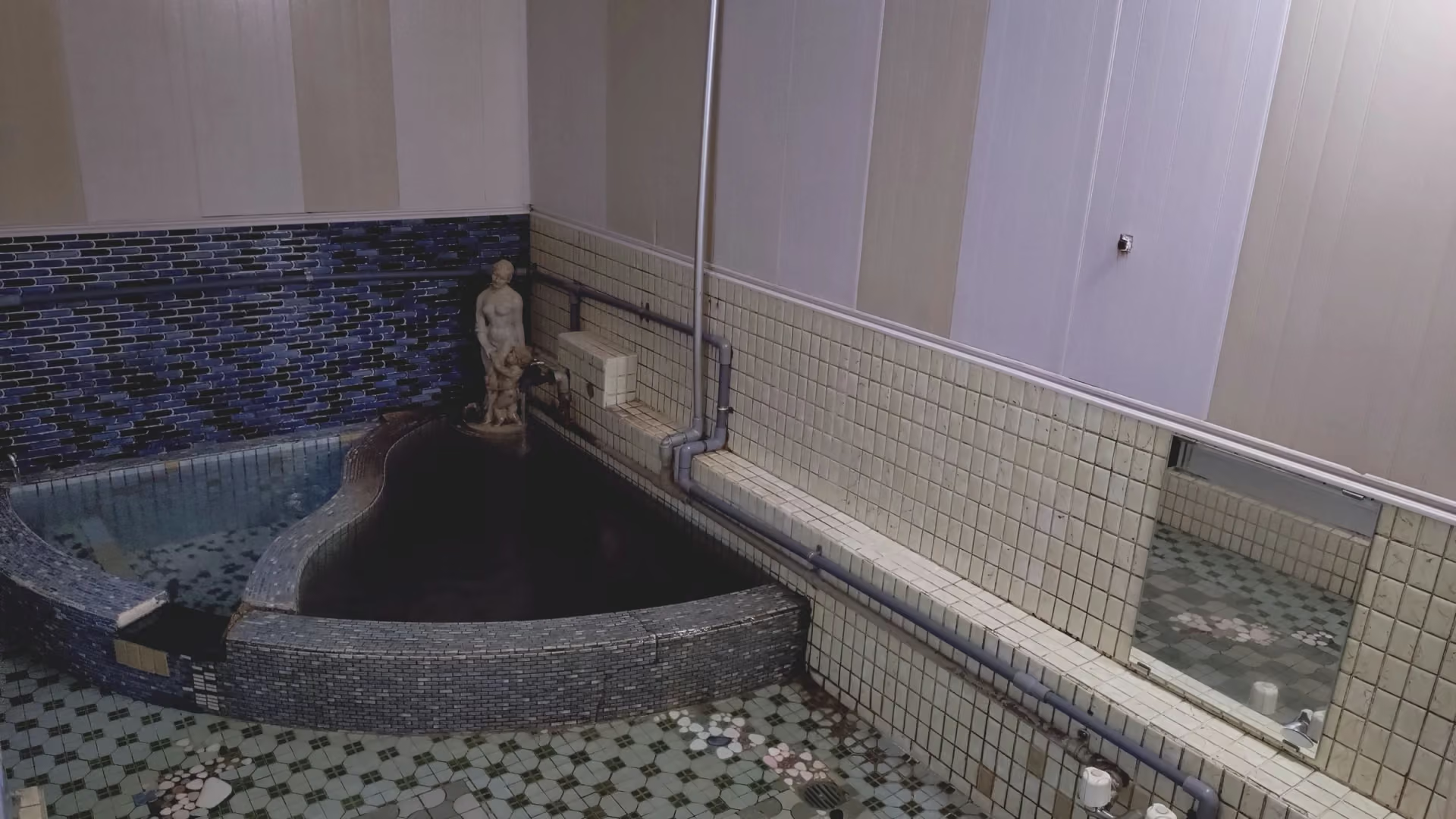
Roma no Izumi has 11 family baths and 3 family baths with their own sauna, each rented by the hour by a family or a group. Romano Fuku no Yu, up a narrow staircase, has separate baths for men and women, the women's with a fan-shaped tub. Between the two changing rooms stands a bandai (番台), the raised counter of an old public bath, where the attendant sits facing the bathers and bottled milk is sold. The tubs are drained and cleaned every day before opening.
A small diner in the building, with its own entrance, serves ramen, katsu curry and butadon, the pork rice bowl of Obihiro, to bathers and passers-by alike.
The bathhouse's request: pouring water on the sauna stones in the family saunas, to make steam, is not allowed, as it damages them.
The Yuchelin rating
In 2026 the family baths of Roma no Izumi were among the first 21 baths to receive three stars from Yuchelin (湯シュラン), a rating system that judges hot springs by the water in the bath. The Yuchelin association asks visitors to its rated baths to keep five rules for borrowing the water (湯をお借りする五か条), written under the supervision of Touristship, an association that promotes considerate travel:
After you. These baths are part of local people's daily lives. When locals come in, give them your place and your turn with an "after you". Avoid the busy hours, so as not to get in the way of local bathers.
Say hello. A simple "konnichiwa" or "ojama shimasu" (sorry to intrude) is where contact begins. Talking with the locals, you may learn the rules of that bath and how it is used.
Enjoy the day's temperature. Natural hot water is hard to manage, and some days it is hot and some days lukewarm. Enjoy the water as you meet it that day. If you want to change the temperature, ask the locals.
Do the basics, with care. No photos in the bath or the changing room. Pour hot water over yourself and wash before you get into the bath. Don't take over the spot by the spout or the washing area. Wash the bucket and stool you used and put them back. Take your rubbish home, and dry yourself before you go back into the changing room. Keep to these basics without fail.
Thanks and respect for the earth's gift. Hot spring water is an irreplaceable gift of nature, made by the earth over long ages. Treat every drop with thanks and respect, take care of the water, and enjoy your bath.
Getting There

Planning a trip? Fit this into a trip and Oni plans the rest around it.
You might also like
Toyotomi Onsen Fureai Center
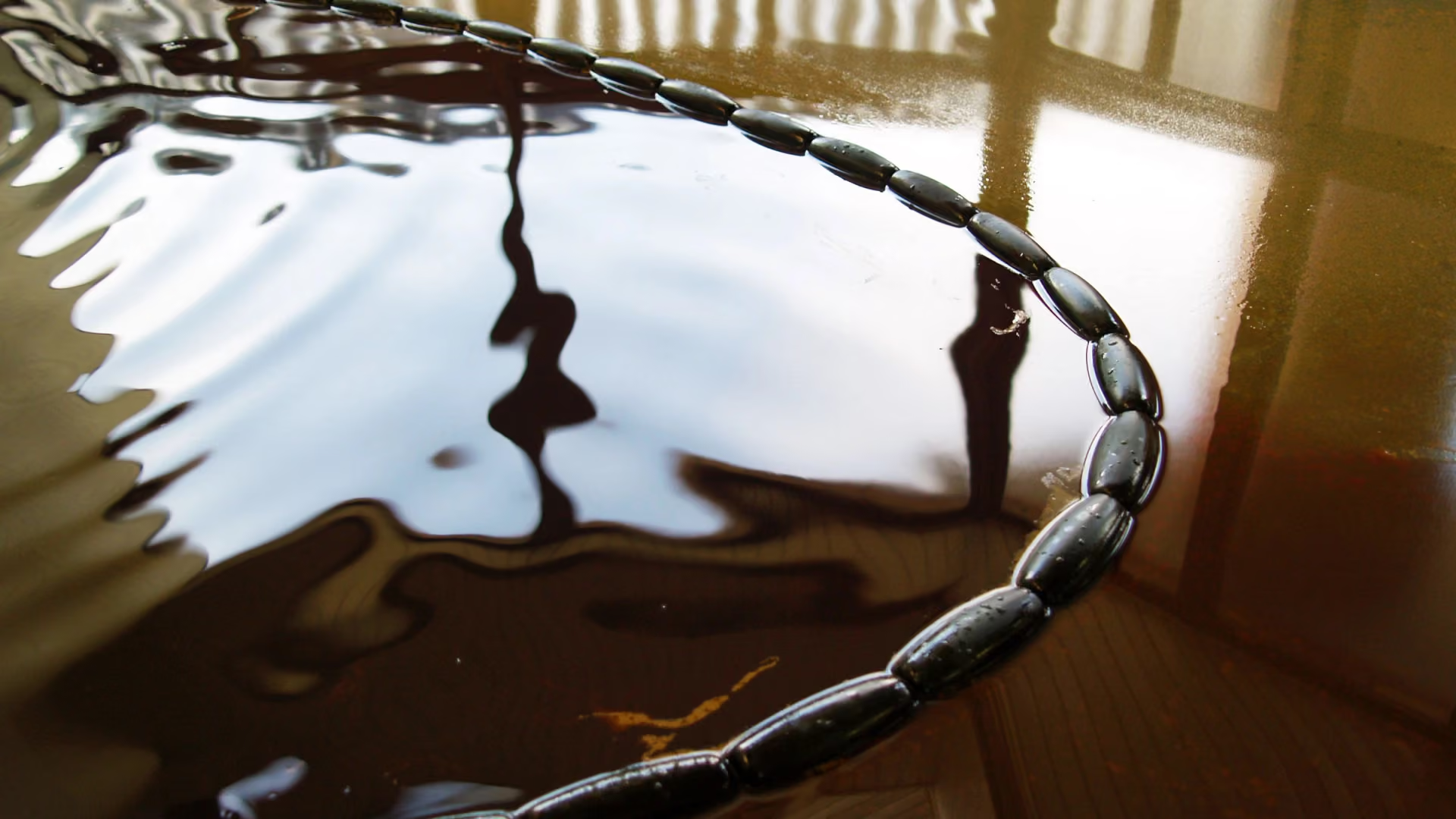
The town bathhouse of Toyotomi Onsen in northern Hokkaido, where yellowish spring water rises with crude oil and a cool bath is kept for long cure stays.
Toyotomi · Hokkaido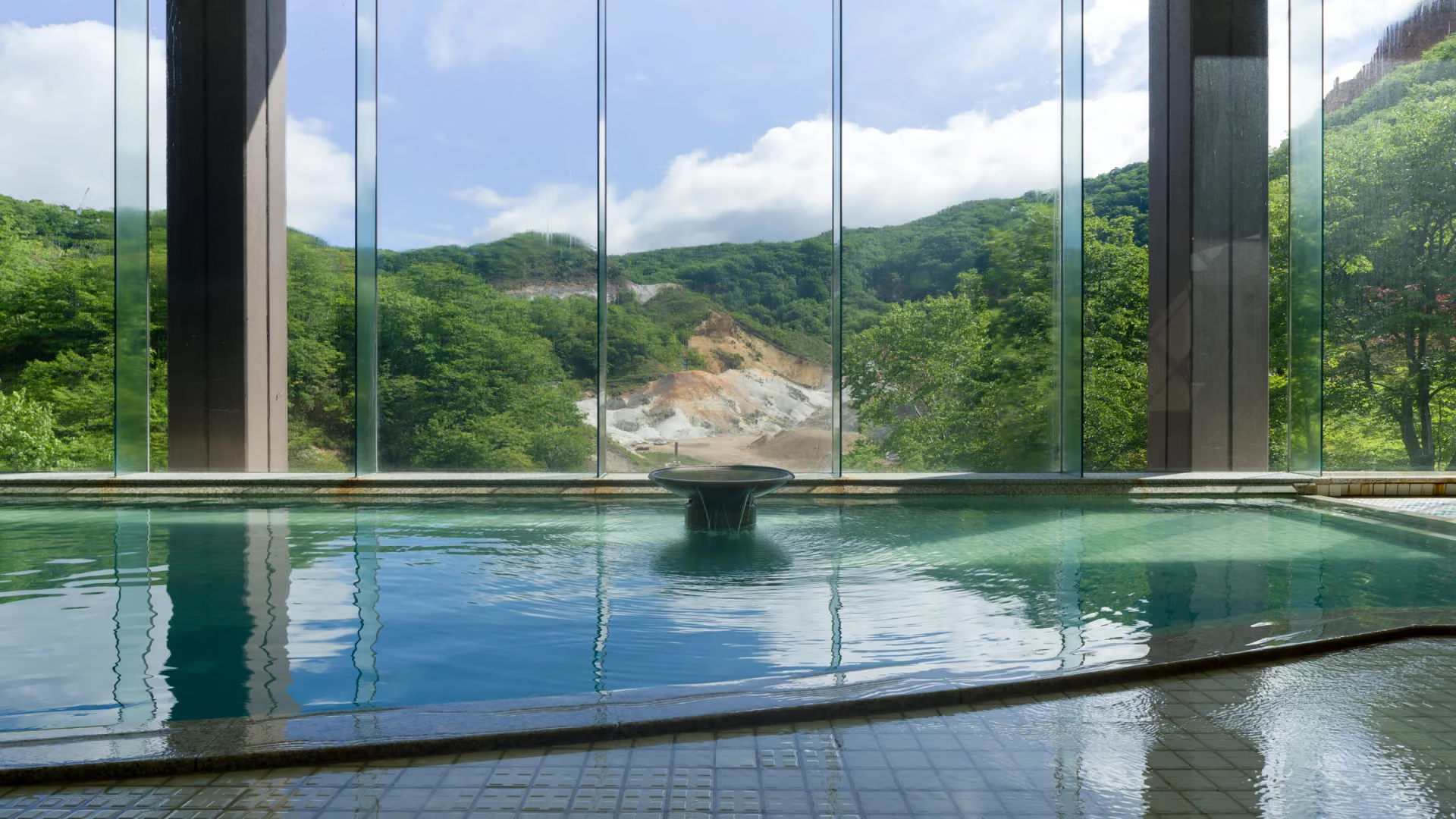
Dai-ichi Takimotokan
A hot spring inn at the edge of Jigokudani in Noboribetsu Onsen, with five types of spring water flowing straight from the source into its baths.
Noboribetsu · Hokkaido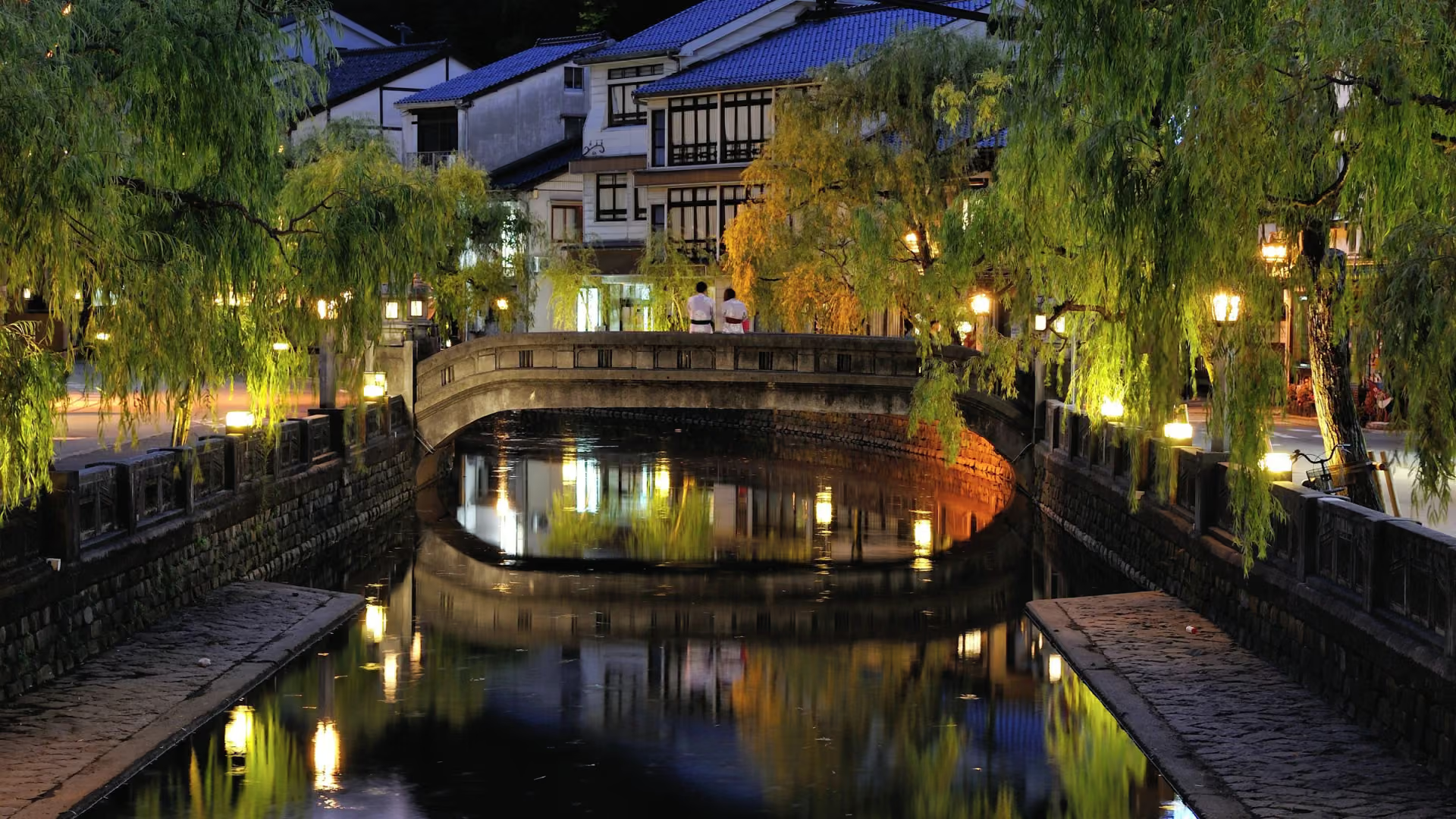
Kinosaki Onsen
A hot spring town in northern Hyogo with a recorded founding in 720, seven public bathhouses and streets where guests walk in yukata.
Toyooka · Hyogo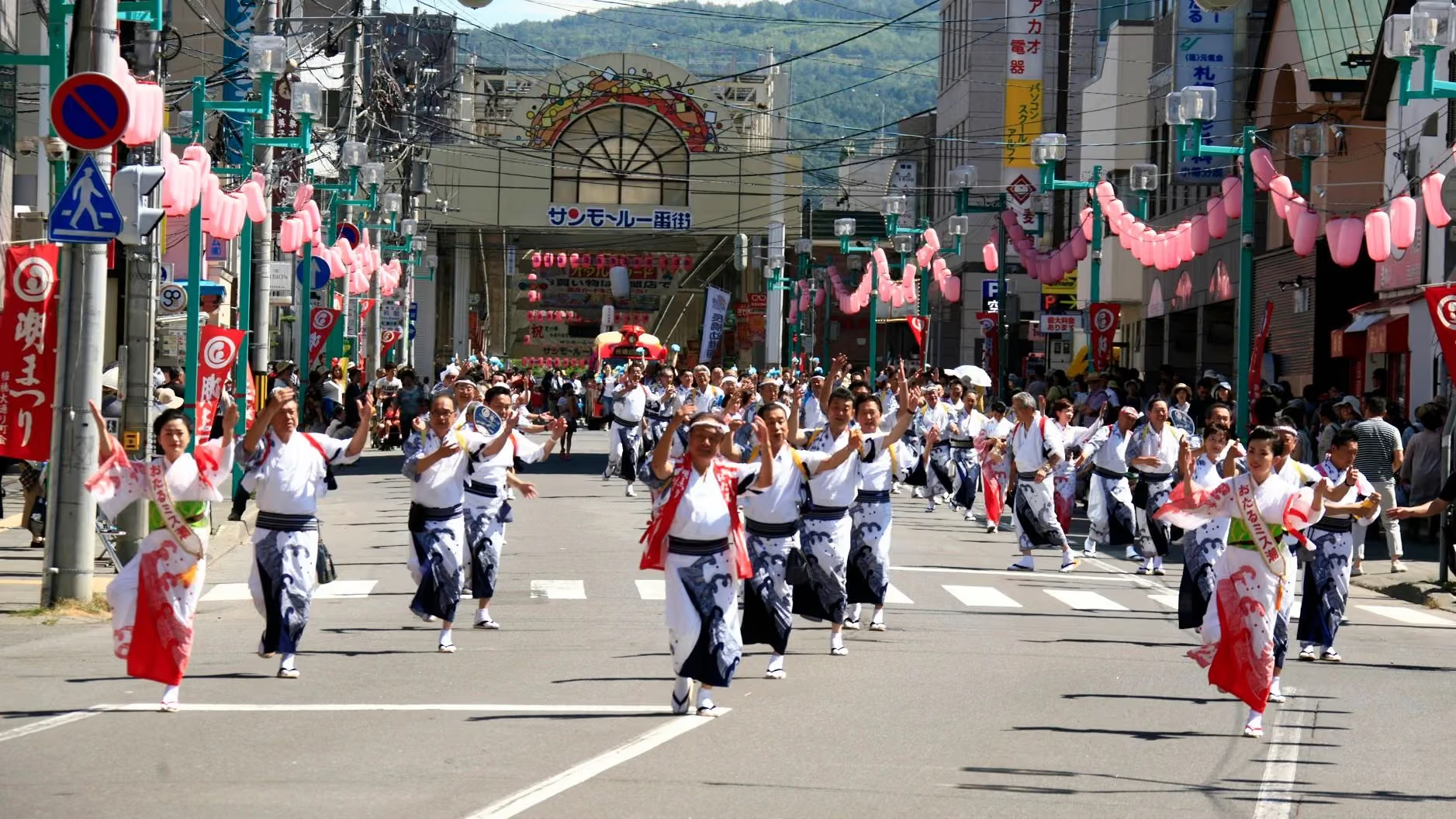
Otaru Ushio Festival
This coastal festival celebrates Otaru's maritime heritage with parades, fireworks, and cultural activities honoring the harbour's role in the city's growth.
24–26 Jul 2027Exact date not confirmed yetOtaru · Hokkaido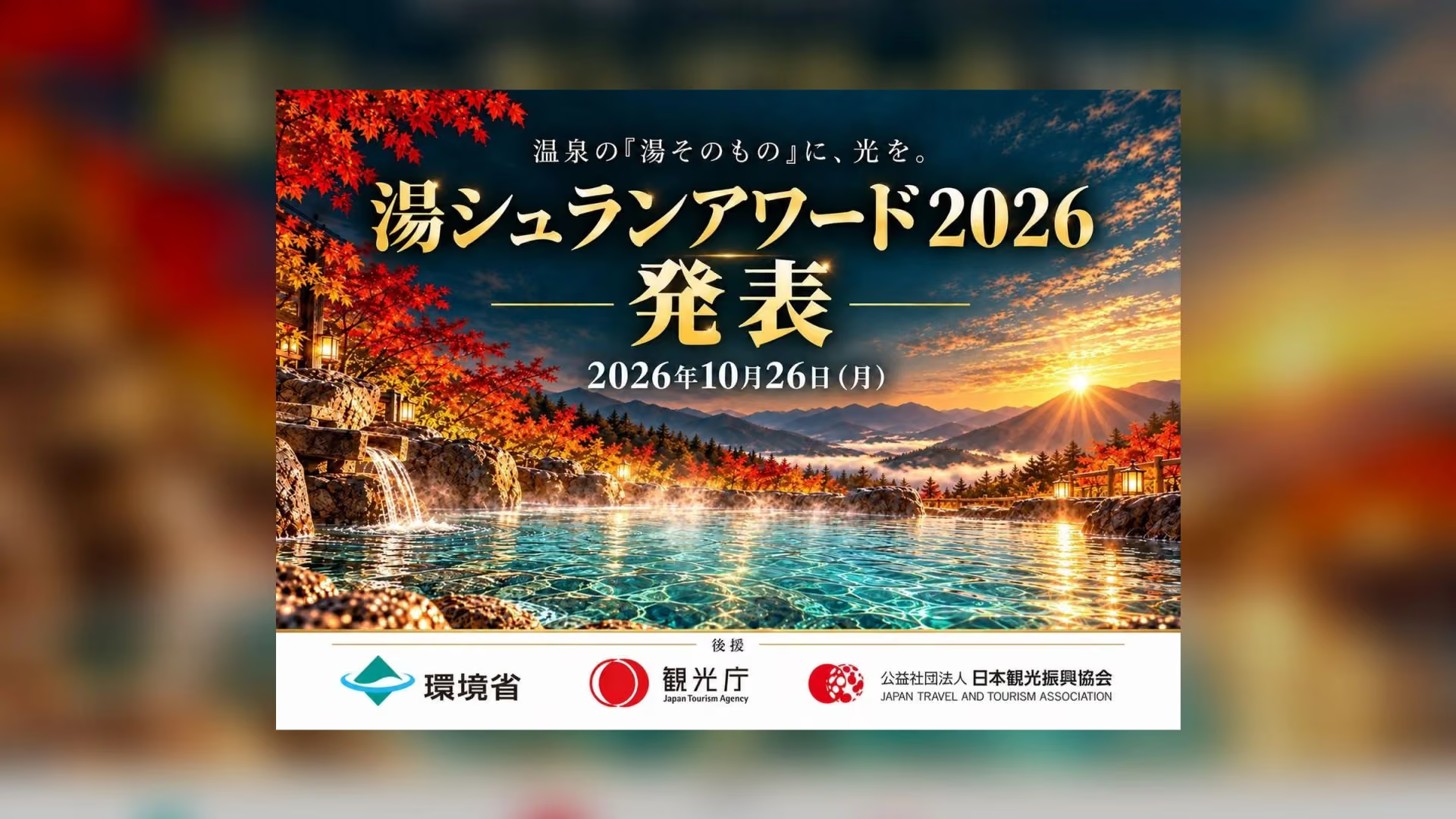
Yuchelin 2026: Japan's 21 Three-Star Onsen
Yuchelin, a new rating for Japanese hot springs, judges the water itself. Its first three-star list names 21 onsen, from Hokkaido to Yakushima.
2026/10/27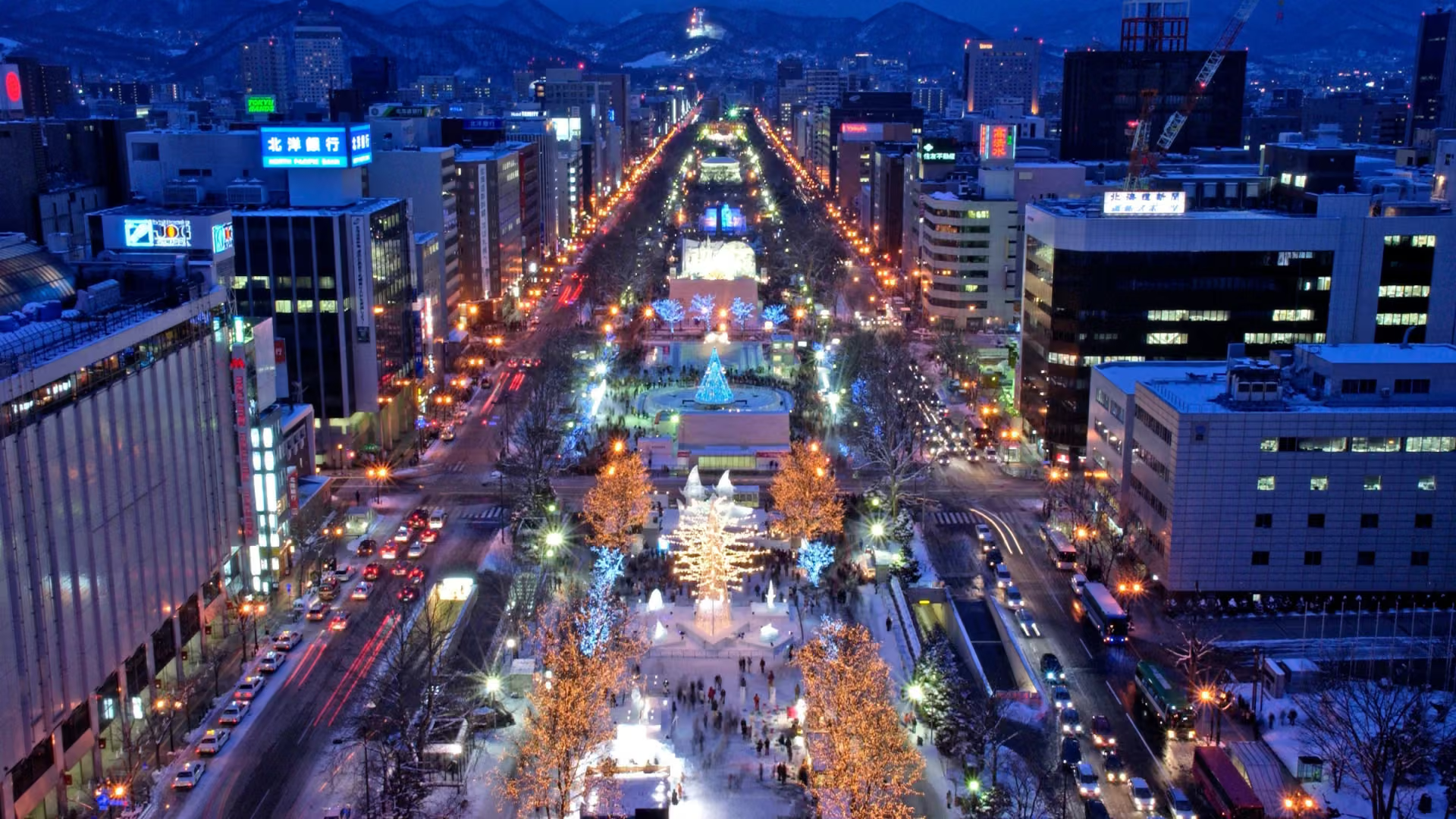
Sapporo Snow Festival
Snow sculptures in Odori Park, ice sculptures in Susukino and snow attractions at Tsudome fill three sites in Sapporo every February.
4–11 Feb 2027Sapporo · Hokkaido