Former Nokubi Church
旧野首教会堂
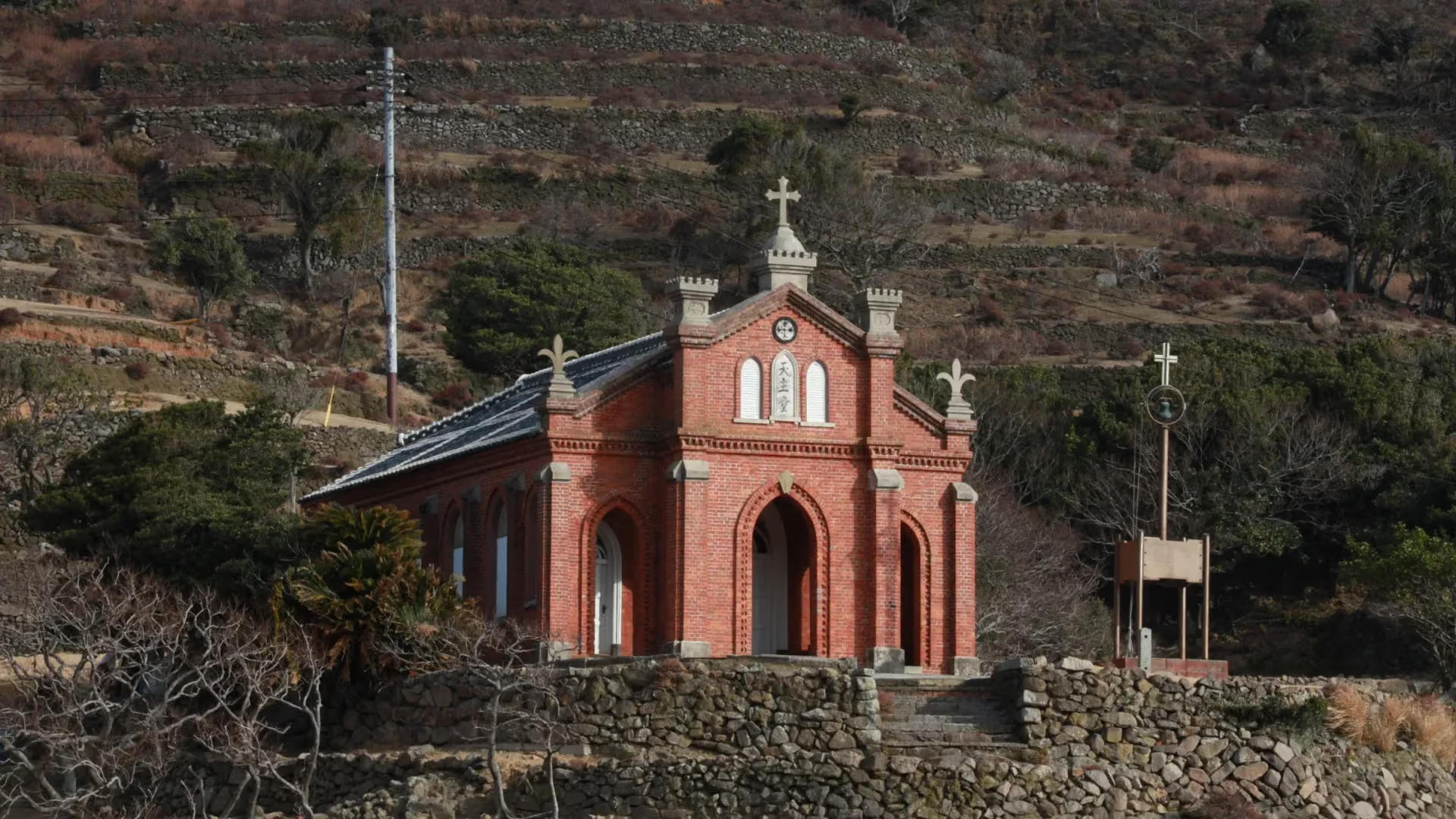
A brick church of 1908 on an island in Nagasaki that now has no inhabitants, built by seventeen households of former hidden Christians.
The interior is locked on days the town boat Hamayu to Nozakijima does not run. A visit to the island must be notified to Ojika Island Tourism in advance.
〒 857-4709How to get there
The church stands on a rise above the sea at the middle of Nozakijima, an island east of Ojika. Nobody lives on the island now. In 2018 it was listed as part of the World Heritage site covering the hidden Christian places of Nagasaki and Amakusa.
The steep ground at Nokubi was cleared in 1716 by a merchant family from Ojika, but nobody stayed. Eighty years later the Goto domain asked for people to work the land, and about a hundred crossed from the Sotome district on the mainland. Most were Christians, hoping that the islands would be a safer place to keep a forbidden faith.
Nozakijima suited them because it was a Shinto island, with a shrine, its priest and his parishioners. The Christians who settled at Nokubi and at Funamori, further south, passed as parishioners of the shrine, and kept their own religion out of sight.
In 1865 the news reached them that Christians had made themselves known to a French priest at Nagasaki, and some crossed to the city and were baptised. The authorities on Ojika found out. All fifty or so people from the two settlements were taken to Hirado and tortured until they gave up their faith, and when they were allowed home the following year their houses had been stripped.
The ban ended in 1873. The Nokubi families built a wooden church in 1882, then set out to replace it with one of brick. Ojika would not lend them the money once it was known what it was for, so the seventeen households lived together, ate two meals a day and fished to raise the sum themselves, and carried the materials up when the work began.
The church was finished in October 1908, designed and built by Tetsukawa Yosuke. It was the first church in brick that he built.
Funamori was abandoned in 1966 and Nokubi in 1971, when the last six families left. The church stood empty in a deserted village until the town of Ojika restored it in 1985. It is a Cultural Property of Nagasaki Prefecture, and the island is part of the Ojika Islands cultural landscape.
Some four hundred deer live on Nozakijima. By grazing they keep the island as grassland rather than forest, and so keep the terraced fields and the stone walls of the old villages in sight.
Getting There

Planning a trip? Fit this into a trip and Oni plans the rest around it.
You might also like
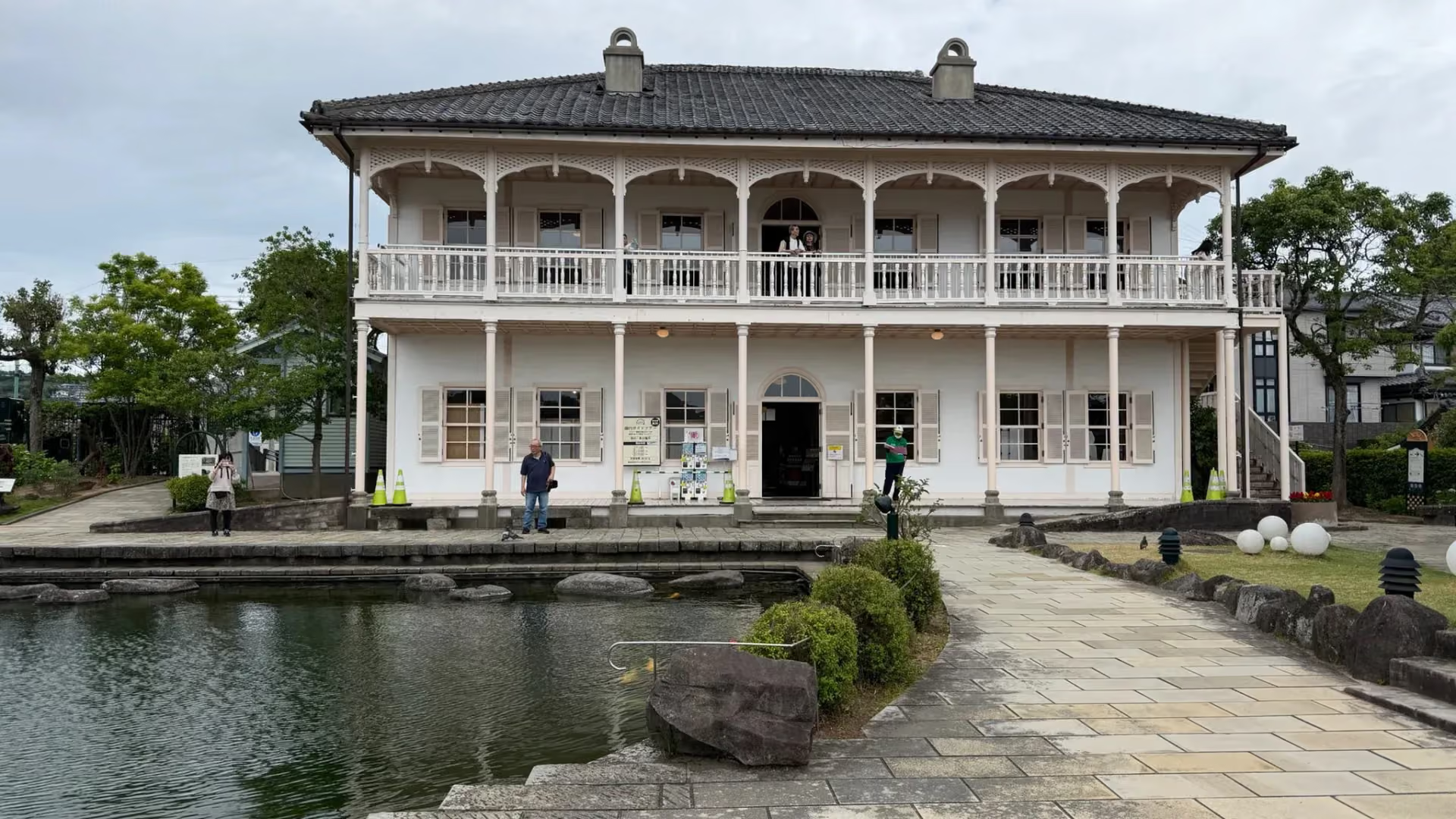
Glover Garden
A hillside park in Nagasaki holding the Western houses of the foreign settlement, among them the oldest wooden Western building in Japan.
Nagasaki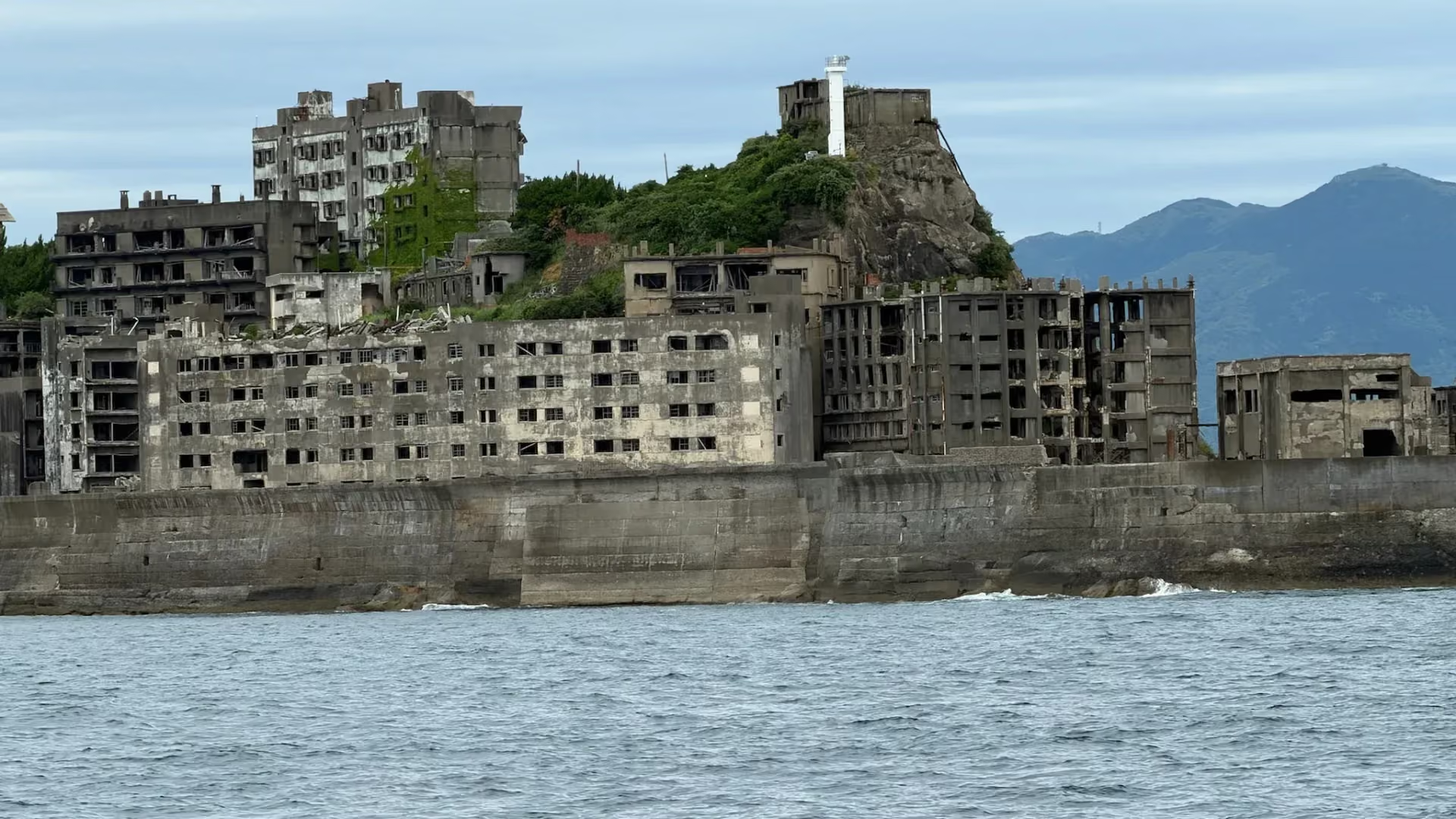
Gunkanjima
An abandoned coal mining island off Nagasaki, once the most crowded place in Japan, left empty since the mine closed in 1974.
Nagasaki
Iwami Ginzan Silver Mine
Silver mine in Oda worked from 1527 to 1923, whose silver reached world trade in the 16th century. UNESCO World Heritage site since 2007.
Oda · Shimane
Doronko Festival
A rice-planting rite of the Doi district in Seiyo, Ehime, in the paddy of Mishima Shrine: oxen in the mud, comic bean planting and saotome dances.
4 Jul 2027Exact date not confirmed yetSeiyo · Ehime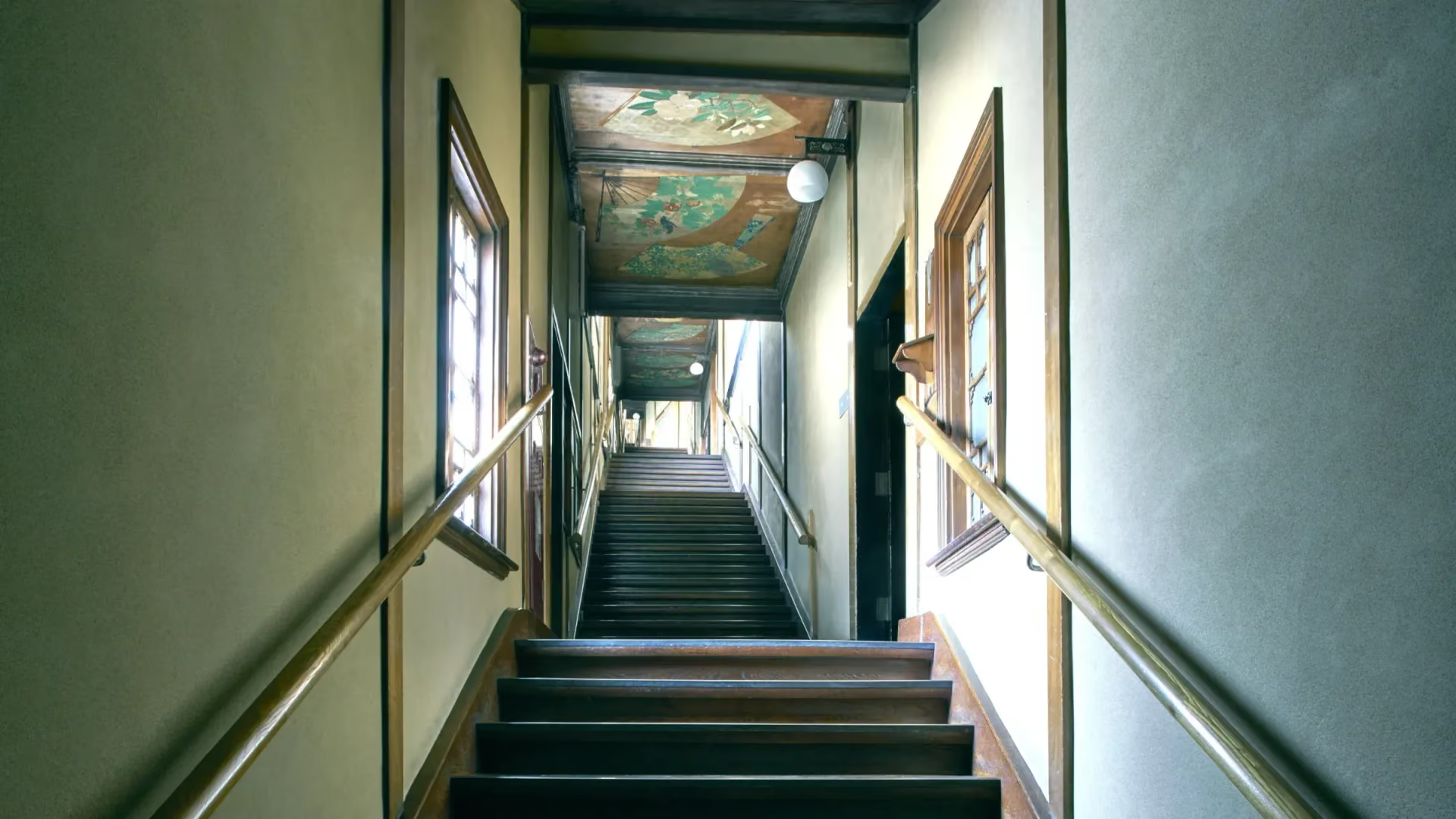
Hyakudan Kaidan Special Opening
A wooden building of 1935 in Meguro, Tokyo, with seven decorated banquet rooms up a staircase of 99 steps, opened for six months with almost nothing in it.
1 Oct 2026 – 30 Mar 2027Tokyo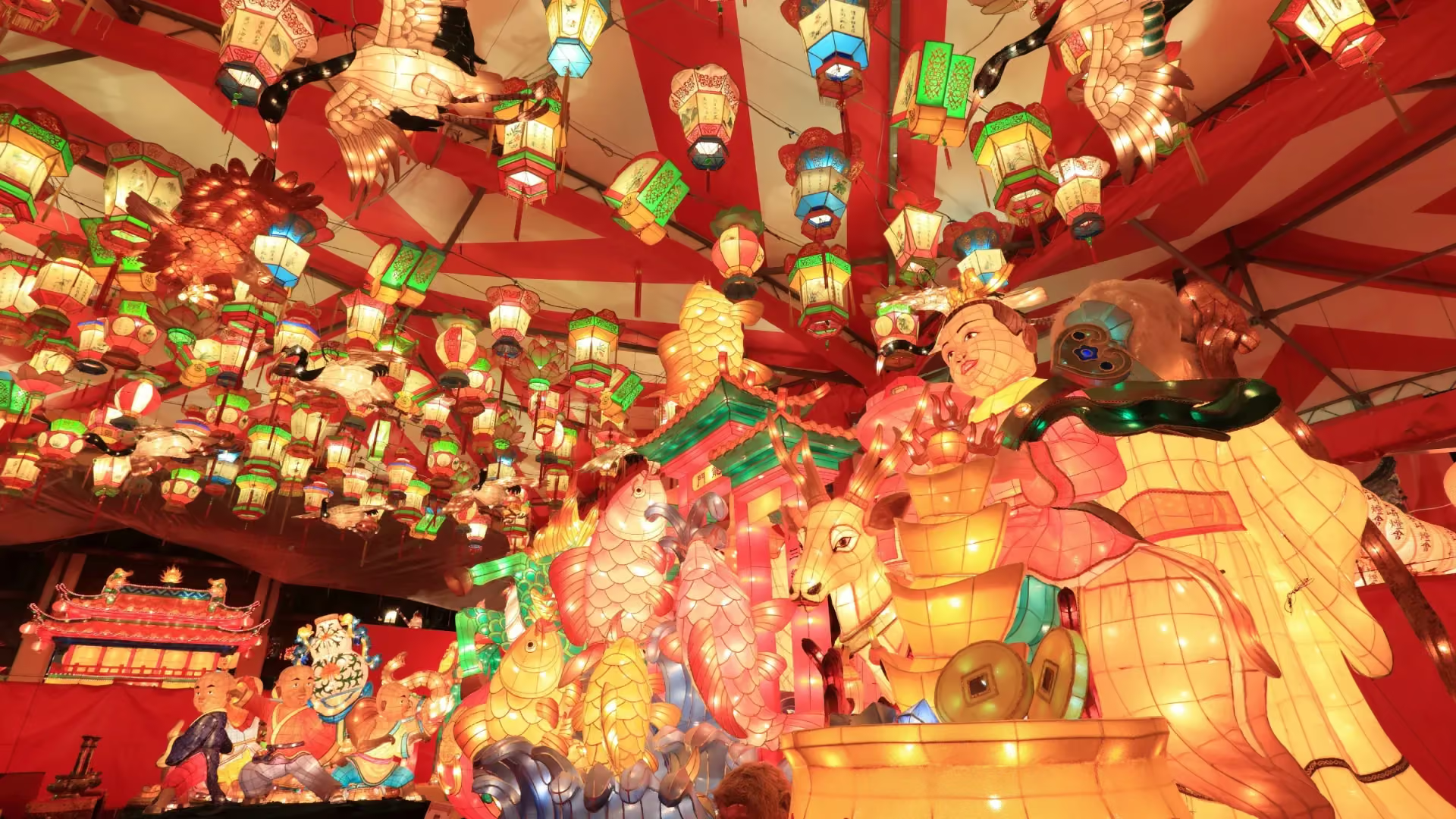
Nagasaki Lantern Festival
A Lunar New Year festival that fills central Nagasaki with about 15,000 Chinese lanterns and lantern figures up to about 10 metres tall.
5–21 Feb 2027Nagasaki