Iwami Ginzan Silver Mine
石見銀山
Iwami Ginzan, Japan's largest silver mine, ran from 1526 to 1923 and produced a third of the world's silver at its peak. UNESCO World Heritage since 2007.
〒 694-0305How to get there
馬路San-in Main Line88 min walk from the station
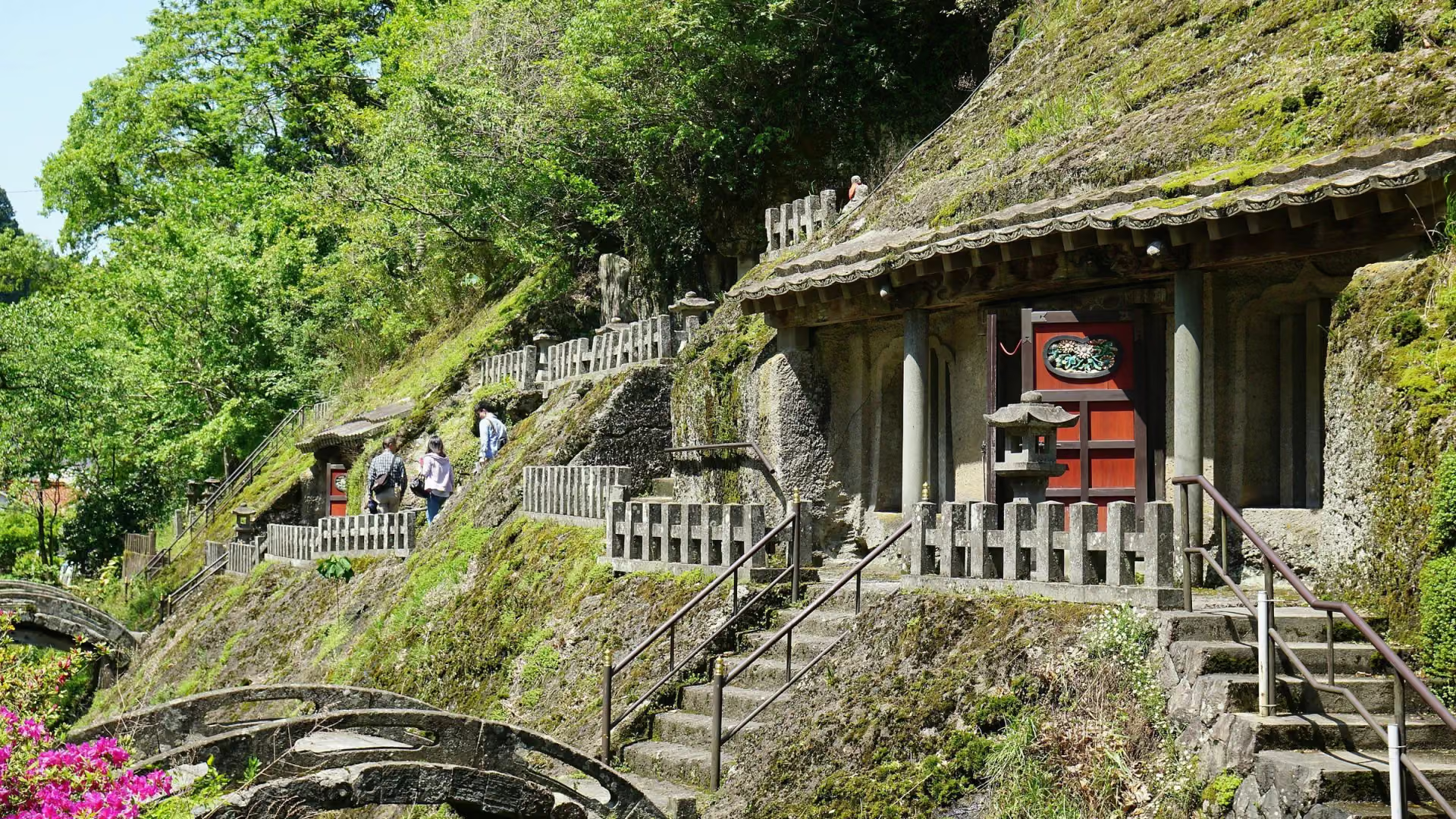
Iwami Ginzan, the largest silver mine in Japan's history, was an underground mine that operated from 1526 to 1923. At its peak in the early 1600s, Iwami Ginzan produced 38 tons of silver annually, contributing to Japan's 200 tons per year, a third of the world's total silver output. The silver was commonly used to mint coins in Japan. However, declining silver production in the 19th century, due to competition from other mines, led to a shift towards extracting other minerals such as copper.
In 2007, the mine and its cultural landscape, referred to as "Iwami Ginzan Silver Mine and its Cultural Landscape," were designated a UNESCO World Heritage Site.
Iwami Ginzan World Heritage Center
The Iwami Ginzan World Heritage Center comprises an Exhibition Building, an Experience Building, and an Information Center.
Ryugen-ji mabu (mine tunnel)
The tunnel is within walking distance of the Iwami Ginzan Museum.
The Iwami Ginzan Museum
The Iwami Ginzan Museum was originally constructed as a local government office during the Meiji era (1902) and is a large traditional house. The museum showcases a range of exhibits related to the history of the Iwami Silver Mine, including mineral specimens and documents. Each room of the museum features a different exhibition.
Related processing, administrative, residential, and religious sites
Historic castles
Ports for shipping silver
Getting There

Planning a trip? Fit this into a trip and Oni plans the rest around it.
You might also like
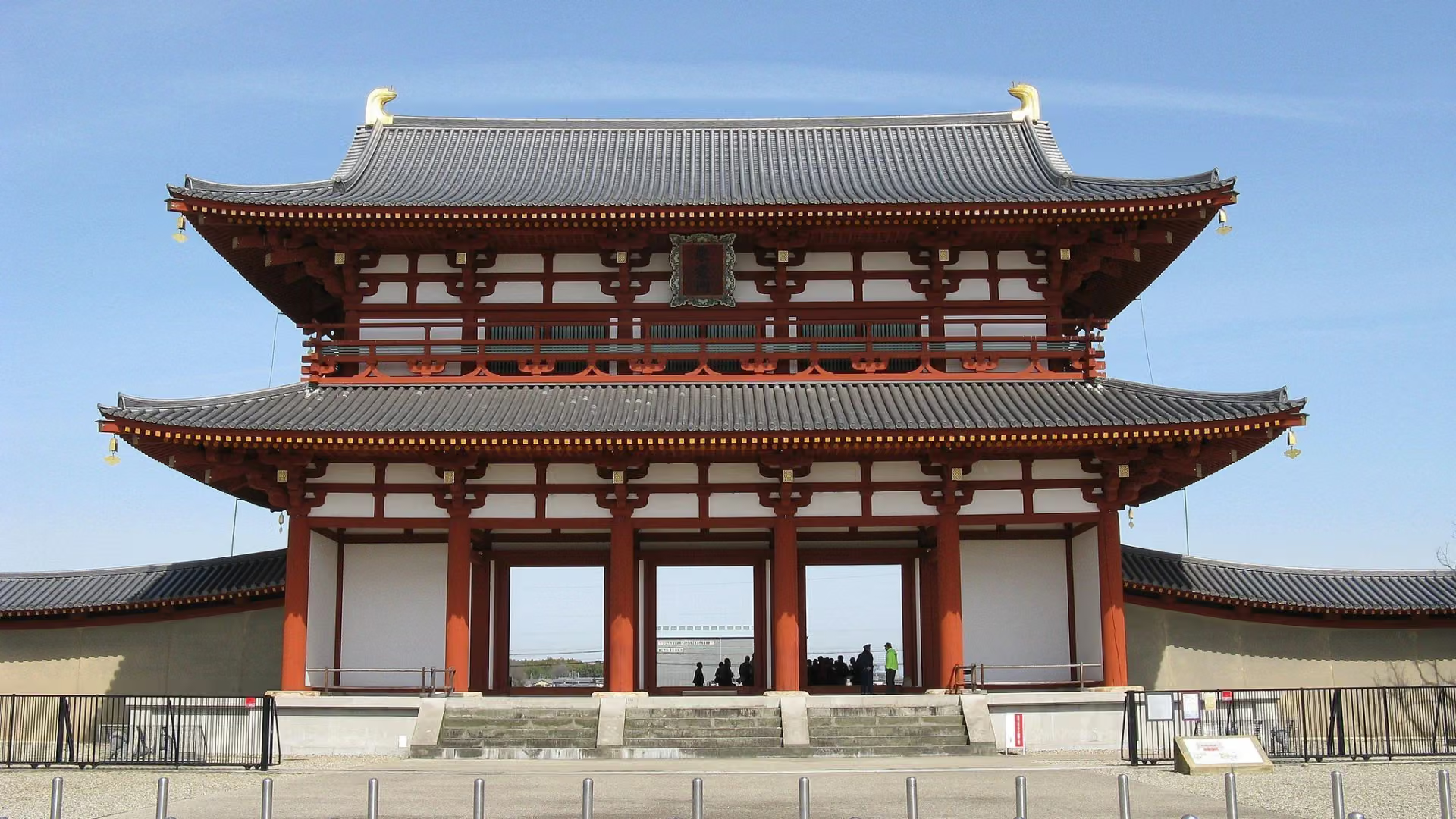
Heijo Palace Ruins
Imperial residence and administrative center during the Nara period (710-794), designed after Chinese models and reconstructed from excavations.
Nara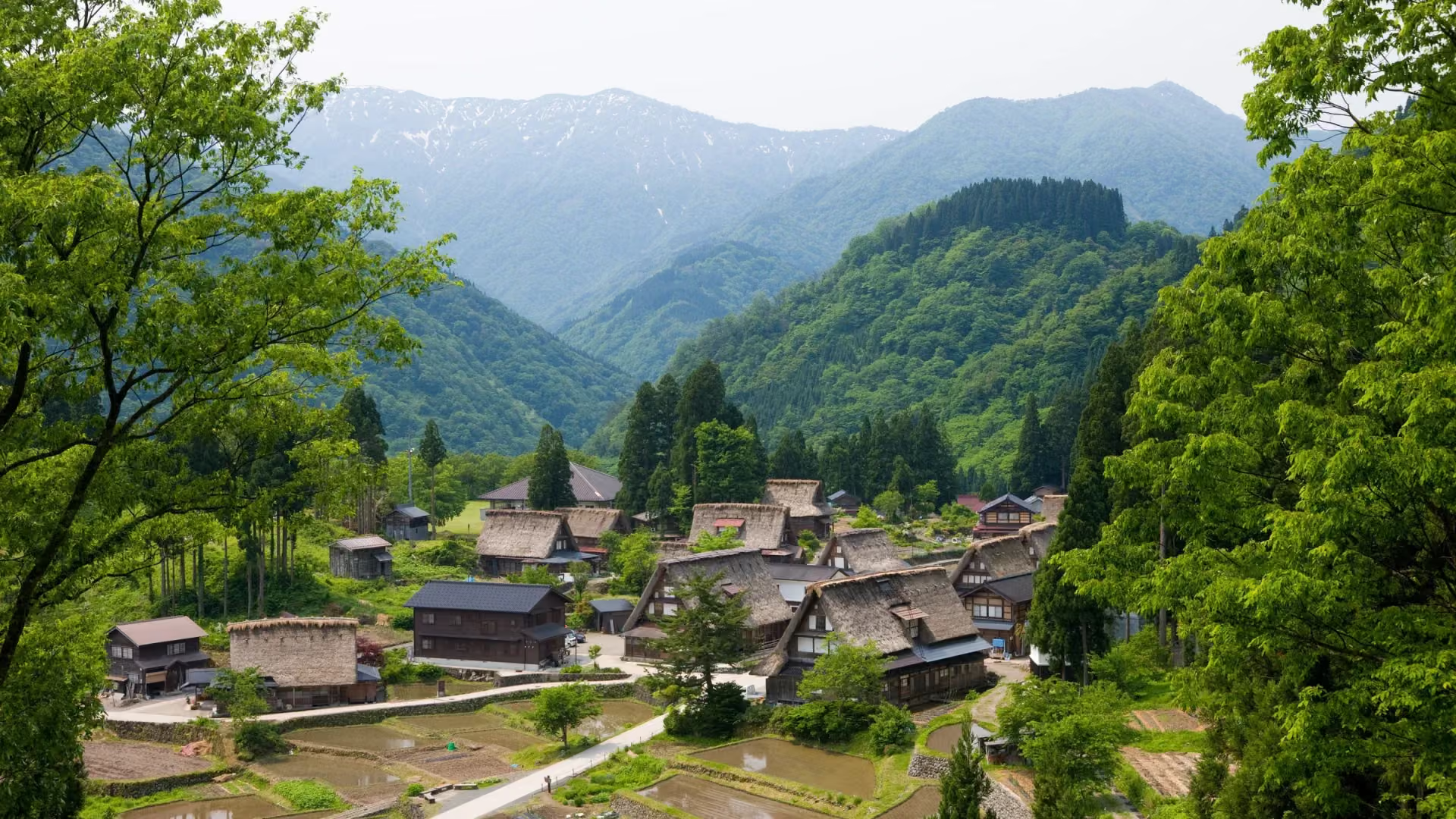
Ainokura Gassho-style Village
A village in the UNESCO-listed Gokayama region with 20 traditional gassho-style houses, some over 400 years old, with steep thatched roofs built to shed snow.
Nanto · Toyama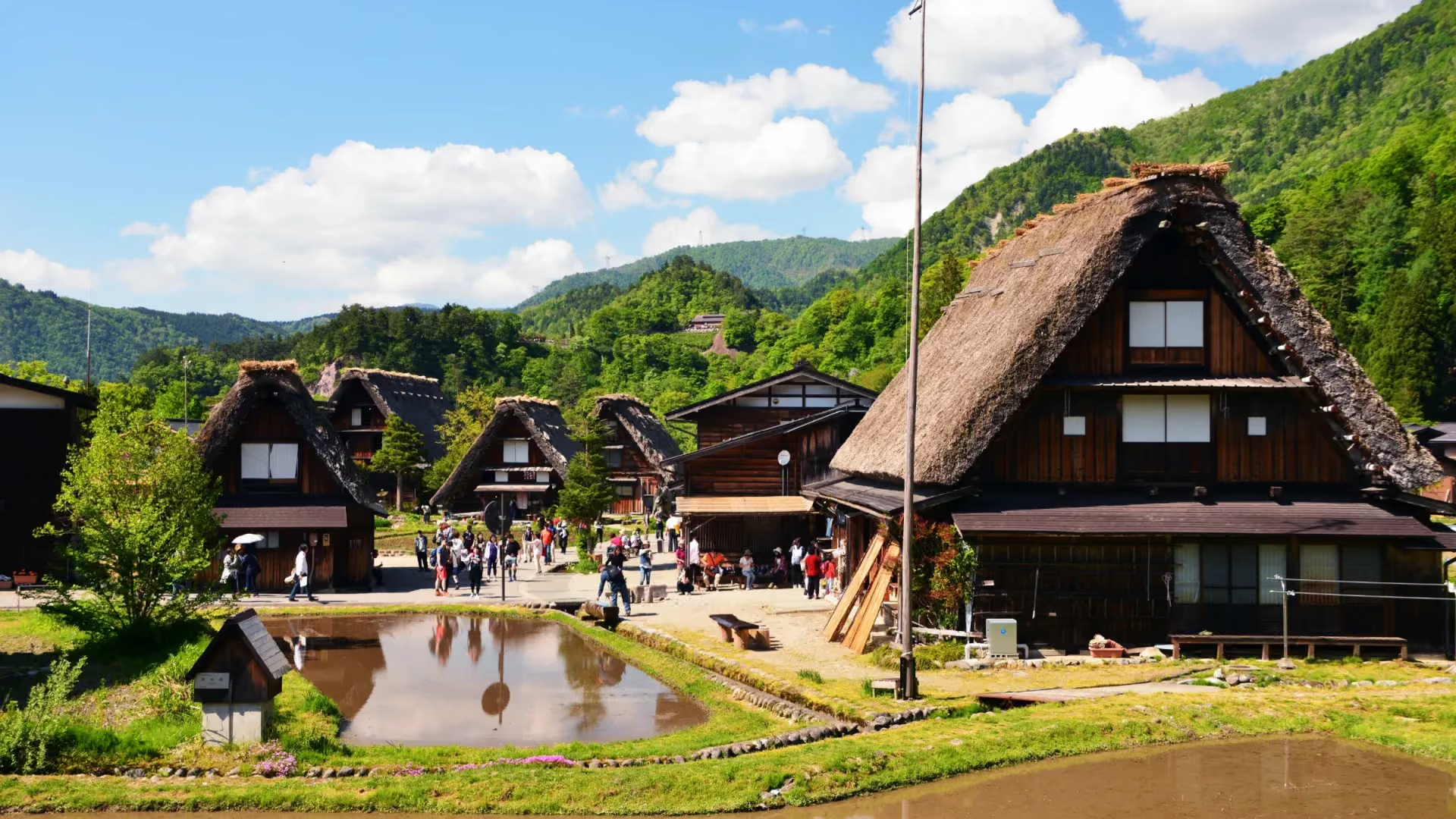
Historic Villages of Shirakawa-go
UNESCO-recognized villages showcasing gassho-zukuri farmhouses with distinctive steep thatched roofs, maintained through collective community traditions.
Shirakawa · Gifu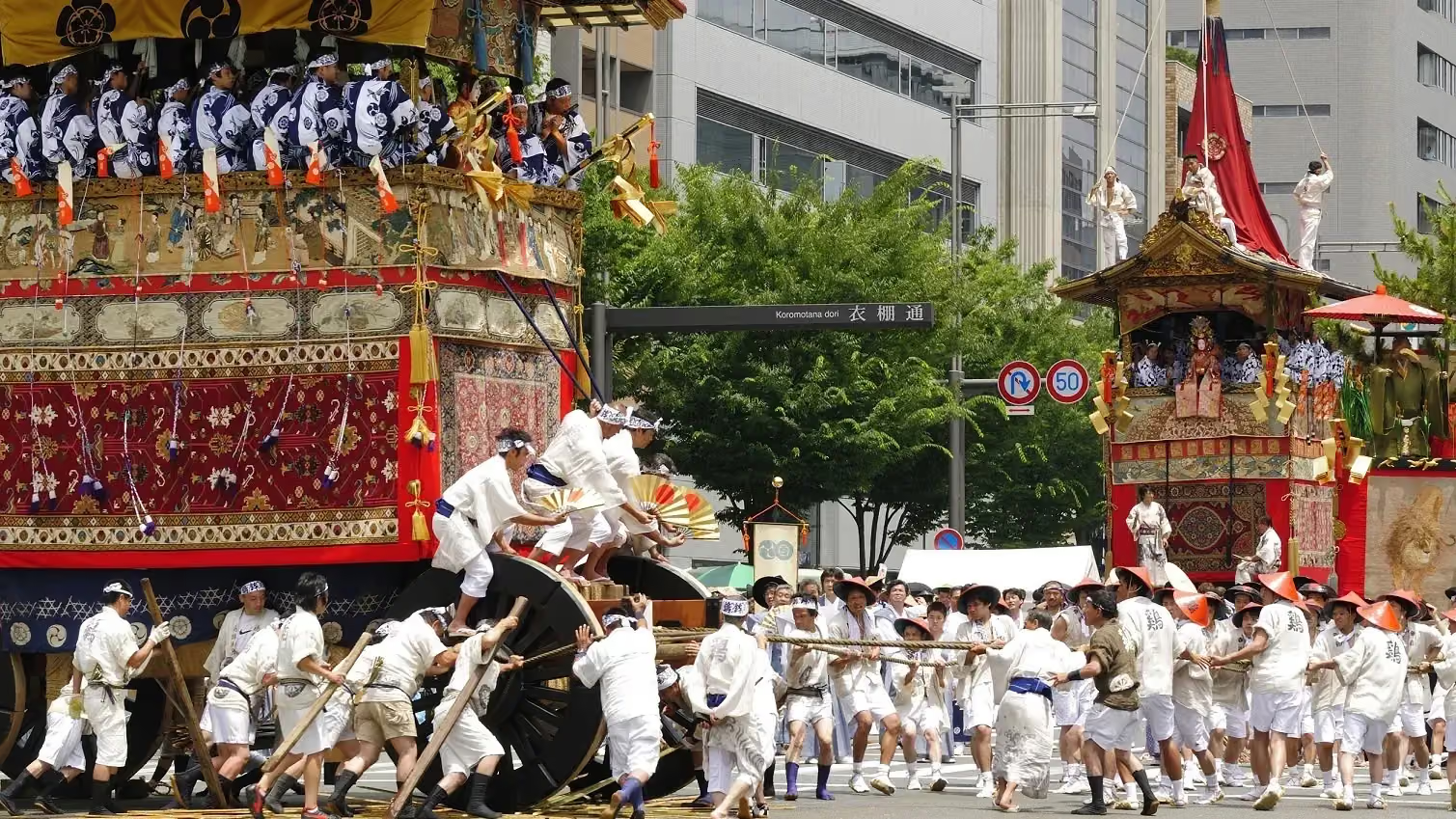
Gion Festival
A month-long Kyoto festival centered on Yasaka Jinja Shrine, with sacred rituals, food stalls and illuminated floats, ending in a grand procession and parade.
1–31 Jul 2027Kyoto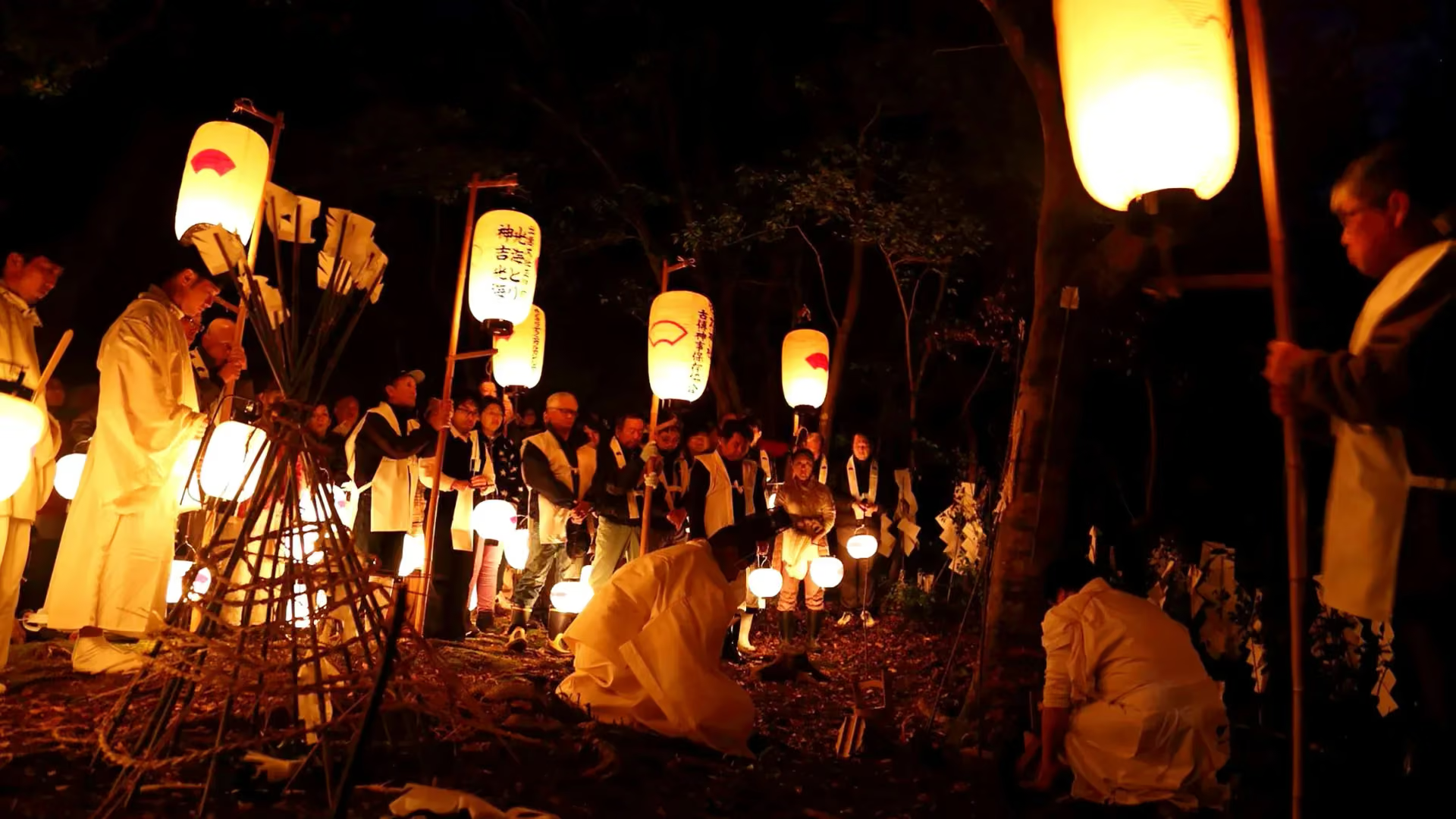
Kamiari Festival
Once a year the gods of Japan are said to abandon their shrines for Izumo, where a season of quiet rites welcomes, hosts, and finally sends them home again.
18–25 Nov 2026Izumo · Shimane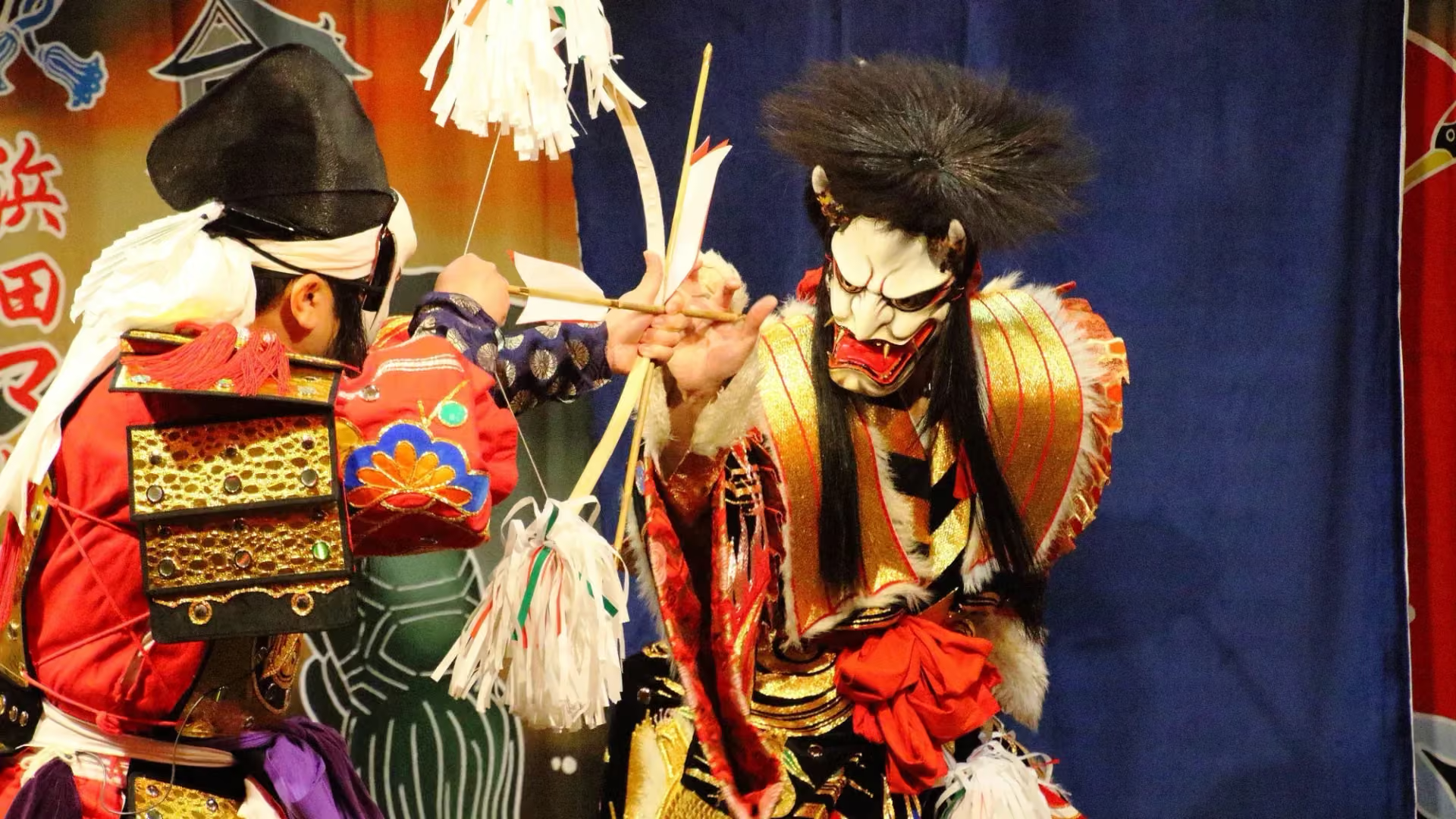
Iwami Kagura
Each autumn in western Shimane, shrine stages host Iwami Kagura - sacred dances performed through the night, from ceremonial pieces to a battle with a serpent.
Shimane · Chugoku