Glover Garden
グラバー園
A hillside park in Nagasaki holding the Western houses of the foreign settlement, among them the oldest wooden Western building in Japan.
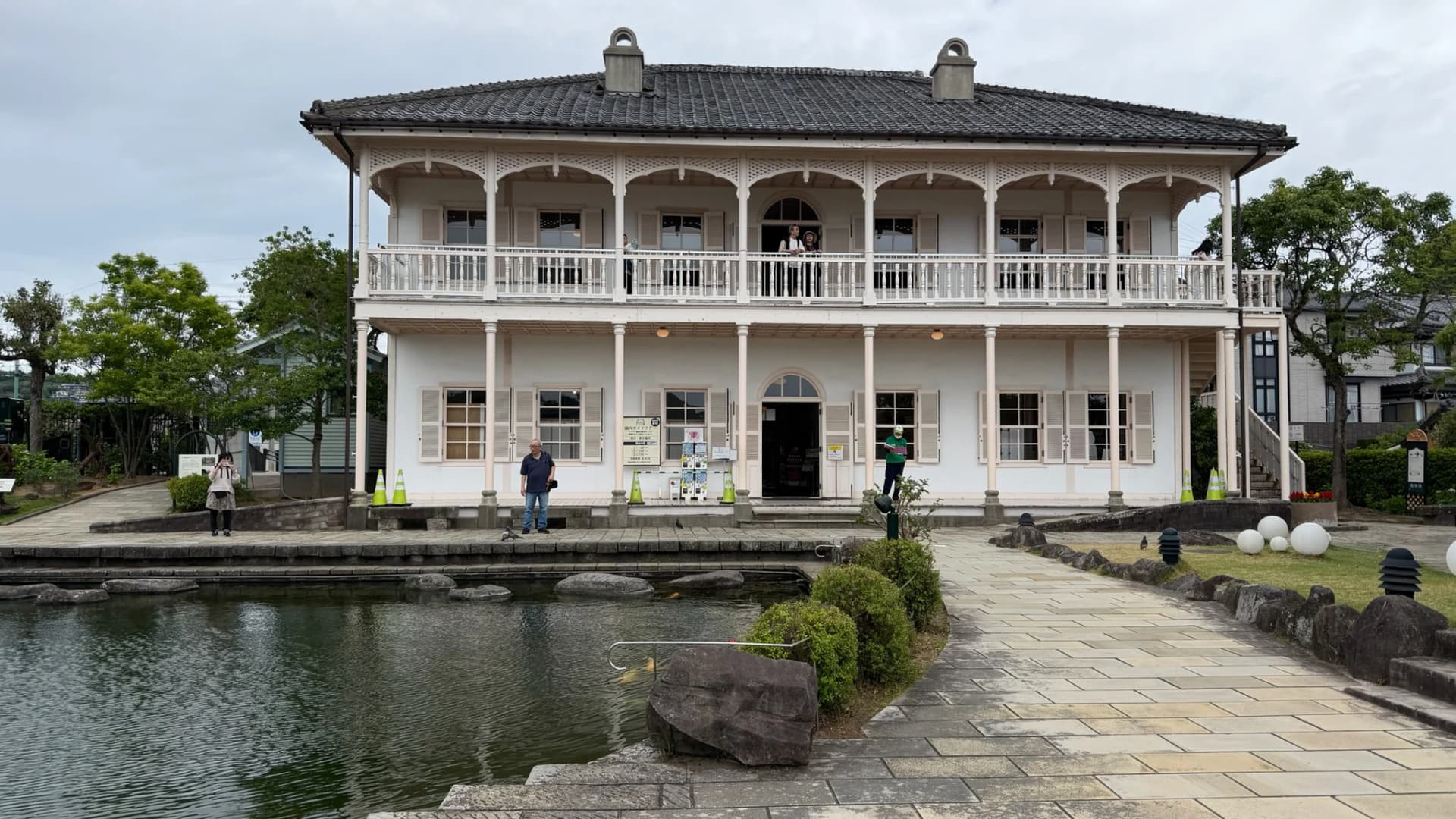
Glover Garden holds the houses that foreign residents built here after the port opened, together with others brought in from around the city, and is named after the Scottish merchant Thomas Glover, whose own house stands at the top.
Japan signed commerce treaties with five countries in 1858, and Nagasaki became a treaty port. The Dutch factory on Dejima, which had been the only opening for more than two centuries, was closed, and a foreign settlement was laid out instead.
Merchants came, and on the slopes above the harbour they built houses in a Western manner but roofed with Japanese tiles, which is what the buildings here still look like. Stone paving and stone steps from that time run through the grounds.
Thomas Glover built his house on this hillside in 1863. It passed to his son, then to Mitsubishi, who gave it to the city of Nagasaki, which opened it to the public.
It was made an Important Cultural Property in 1961. When it was repaired in the 1960s its date was established, and it was confirmed as the oldest wooden Western-style building surviving in Japan. It is also part of the World Heritage listing for the sites of Japan's industrial revolution.
Two more of the buildings, the Ringer and Alt houses, are Important Cultural Properties and stood on this hill from the settlement days. The rest were moved here.
In the 1970s the city gathered up Western buildings from elsewhere in Nagasaki and rebuilt them on the slope: a mission school, a residence, a restaurant building, and the seamen's lodging from the Mitsubishi shipyard. The plan was first called the Meiji village of Nagasaki; the name Glover Garden was chosen in a public competition when it opened in 1974.
Places nearby
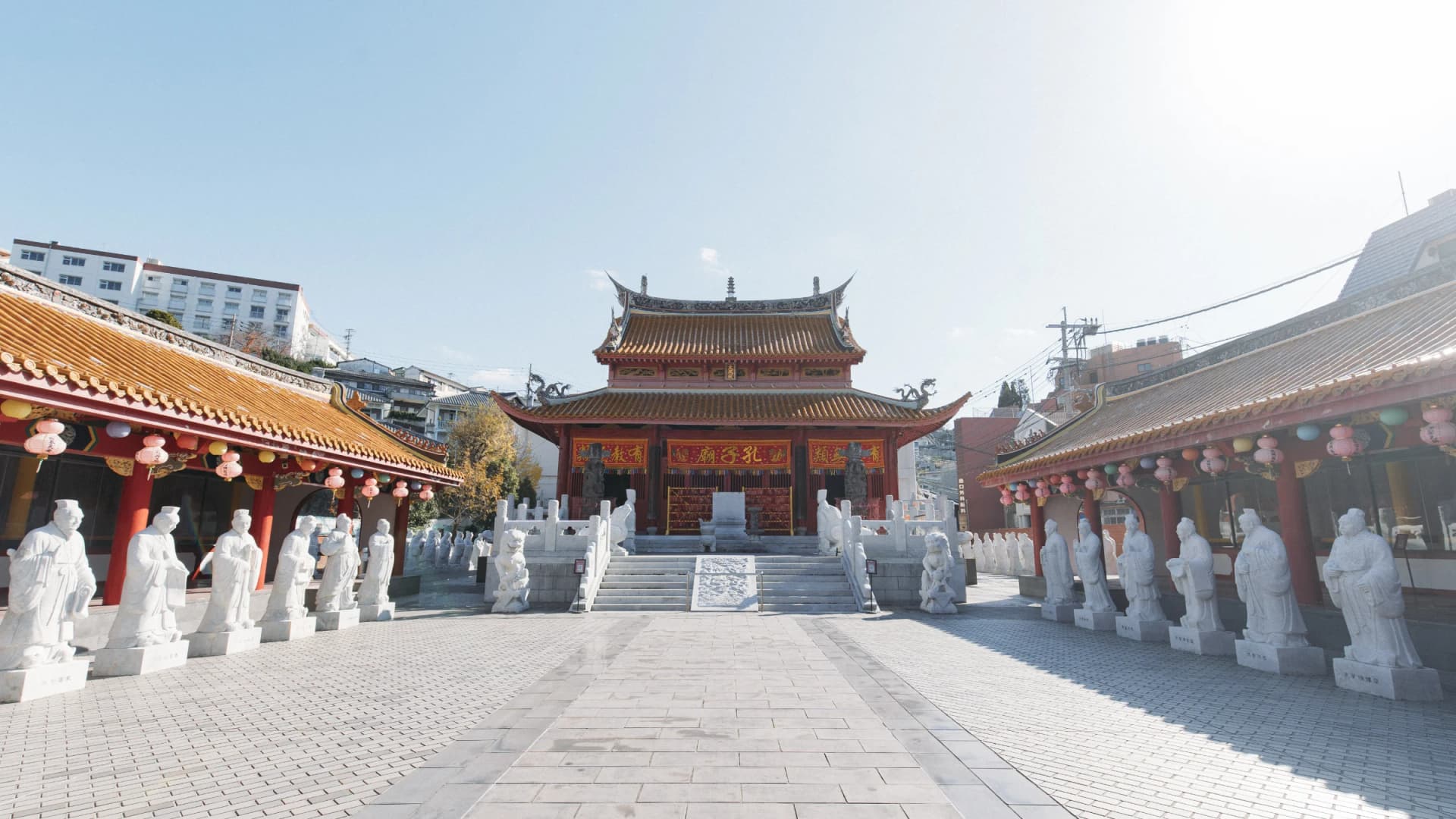
Nagasaki Confucius Shrine
The only Confucius temple in Japan built in full Chinese style, put up in 1893 by the Qing government and the Chinese community of Nagasaki.
Nagasaki · Nagasaki
Nagasaki Shinchi Chinatown
This historic Chinatown in Nagasaki, among Japan's oldest, was established by Chinese traders in the late 16th century with traditional architecture and Chinese New Year festivities.
Nagasaki · Nagasaki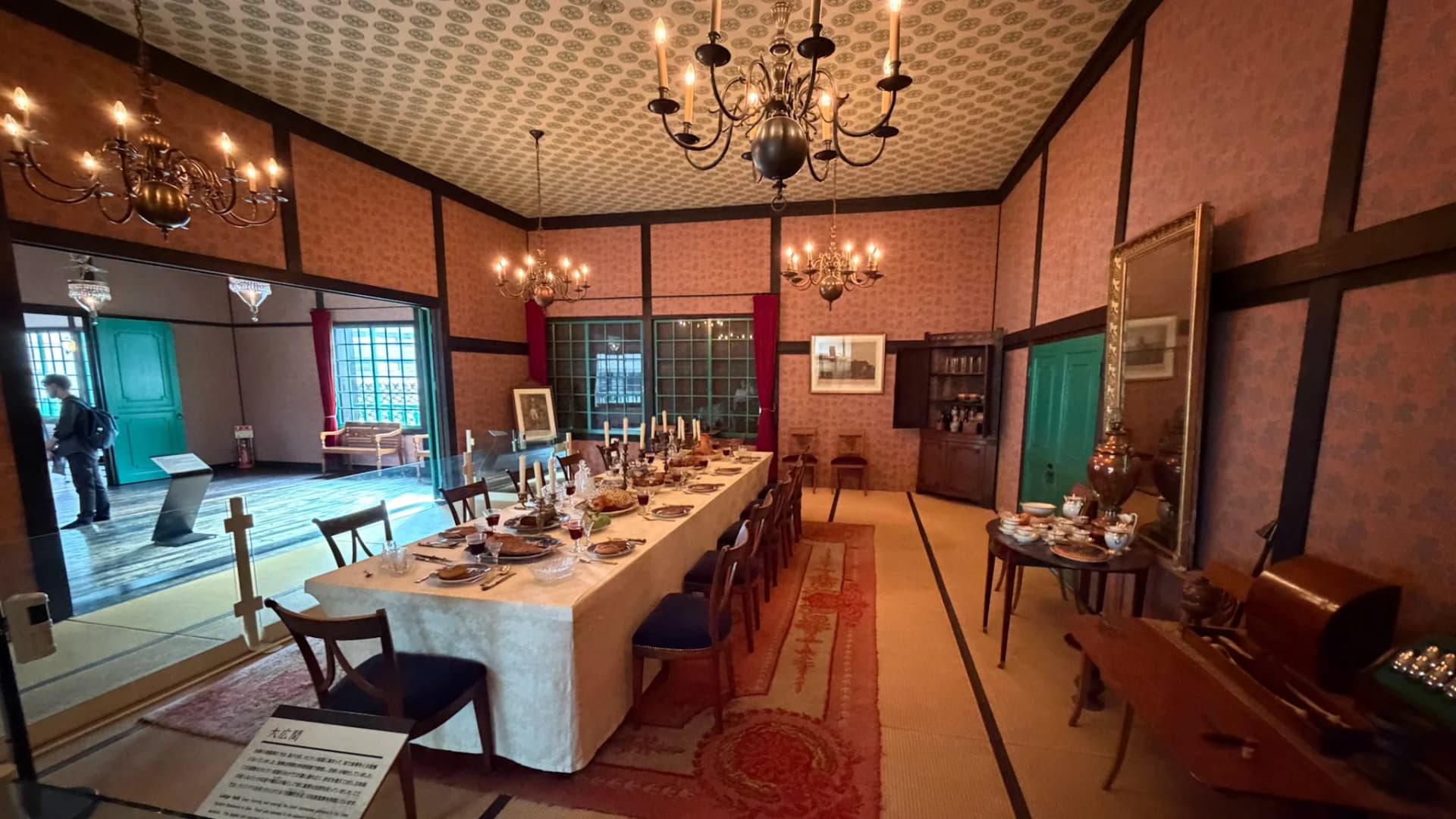
Dejima
The fan-shaped island in Nagasaki that was Japan's only opening to the West for more than two centuries, now rebuilt street by street.
Nagasaki · NagasakiYou might also like
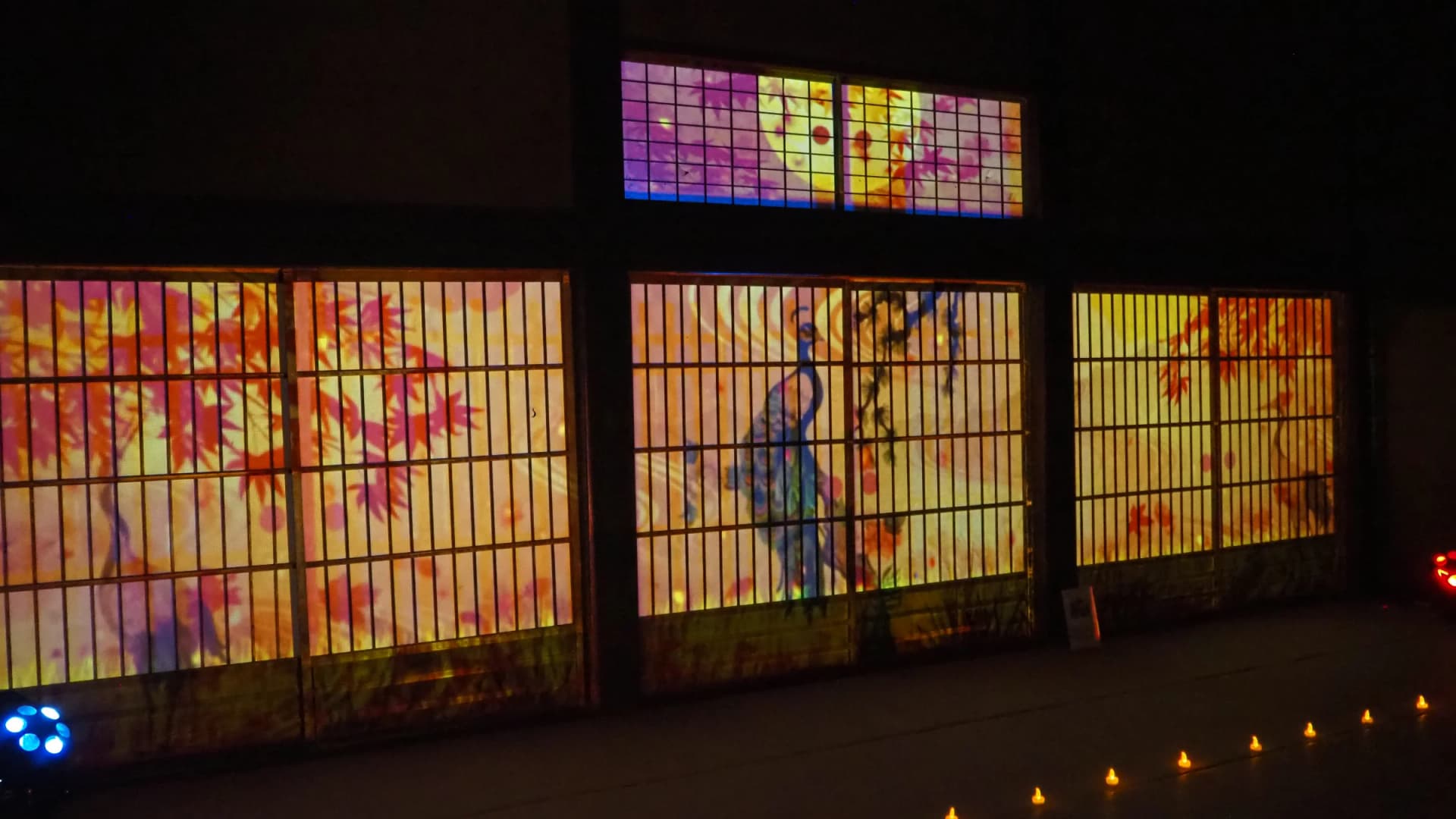
Wa no Hikari at Sasagawa-tei
A light display each autumn at the former Sasagawa residence near Niigata, with projections on an Edo-period house, a lit garden and works by local students.
26 Sep – 18 Oct 2026Niigata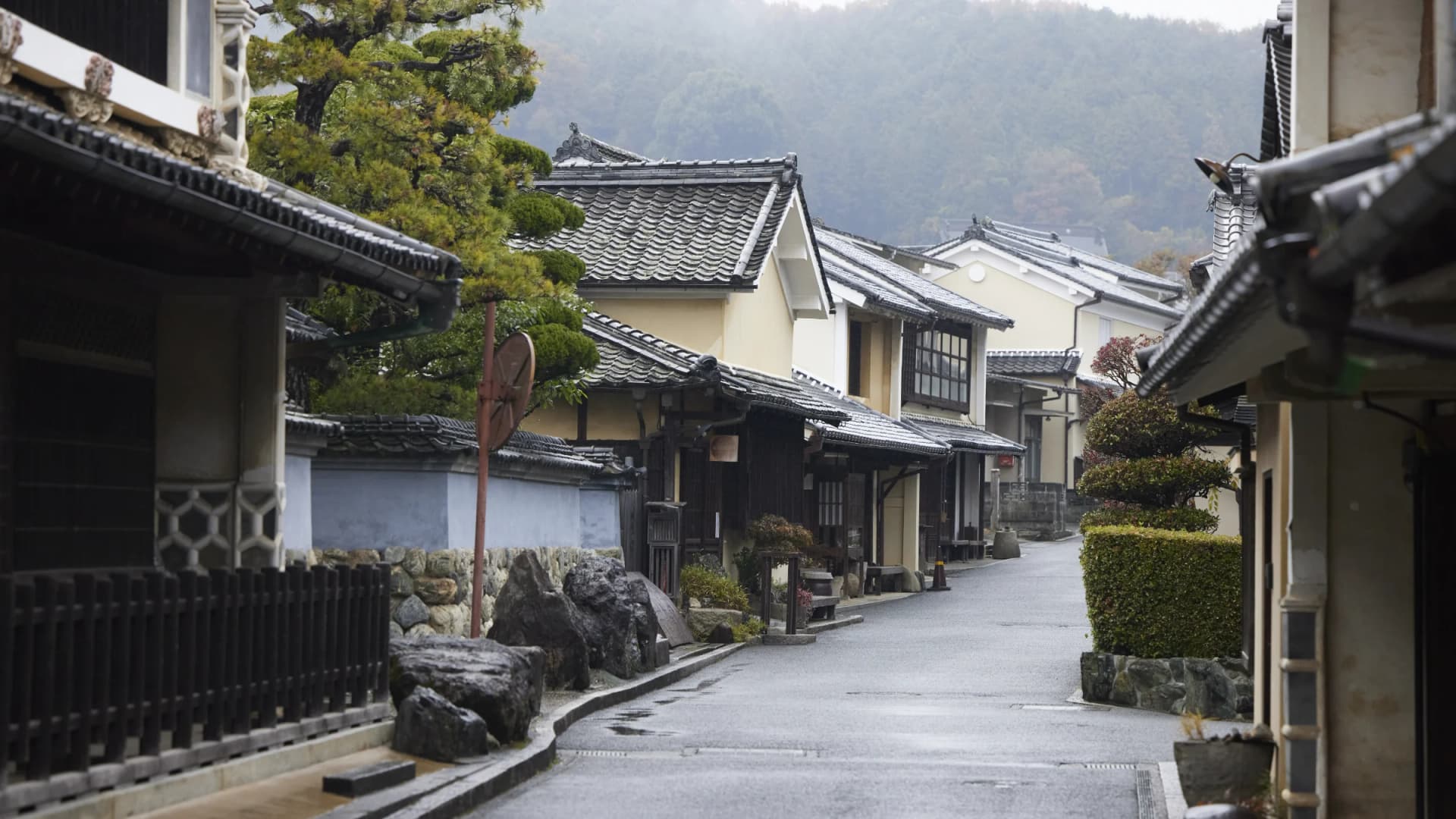
Yokaichi and Gokoku Historical District
A street of wax merchants' houses in Uchiko, Ehime, with walls in a yellow plaster made from local earth, preserved since 1982.
Uchiko · Ehime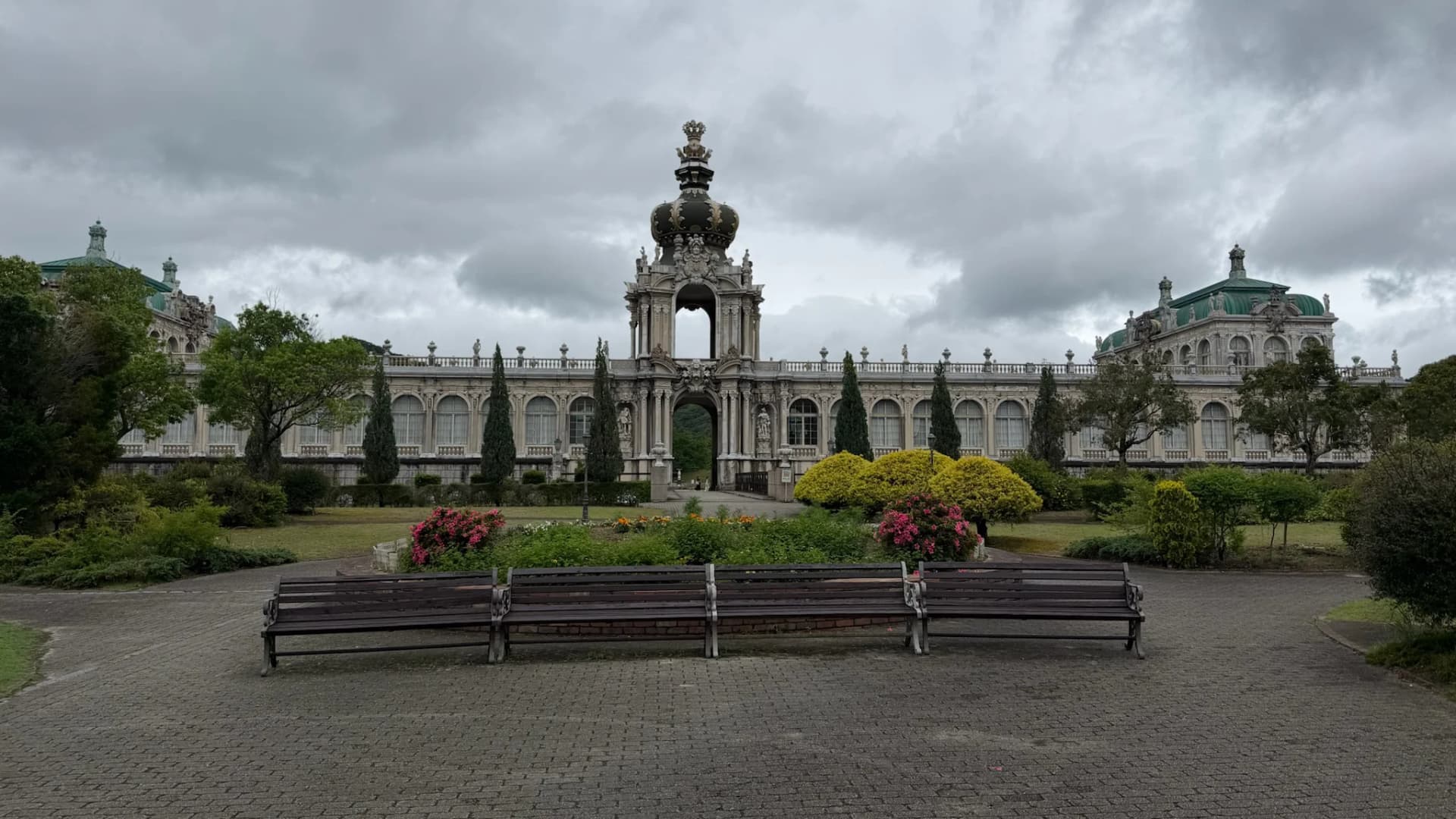
Arita Porcelain Park
A park at Arita in Saga built around a copy of the Zwinger palace of Dresden, marking the porcelain that went from here to Europe.
Arita · Saga
Nara Prison Museum
A Meiji-era red-brick prison (1908) and one of the Five Great Prisons with its original layout intact, now a museum operated by Hoshino Resorts.
Nara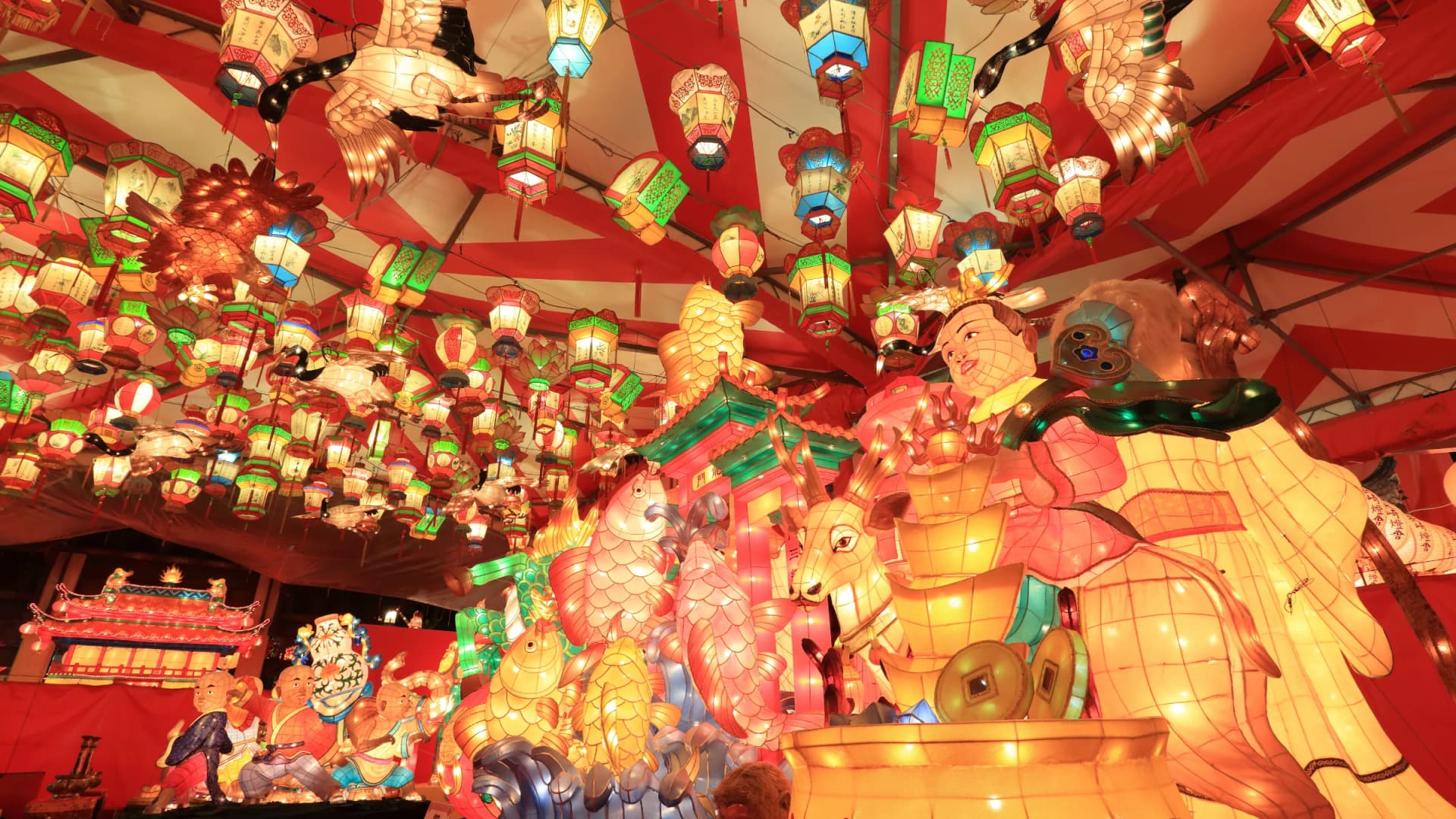
Nagasaki Lantern Festival
The festival illuminates Nagasaki's streets with around 15,000 Chinese lanterns, some reaching 10 metres, celebrating Lunar New Year traditions.
6–23 Feb 2027Nagasaki
ASAKUSA CULTURE & LIGHTS 2026
Five nights of projection mapping on the main hall and gate of Sensoji in Tokyo, with the temple's closed garden and its hall of ema open alongside.
30 Oct – 3 Nov 2026Tokyo