Nagasaki Lantern Festival
長崎ランタンフェスティバル
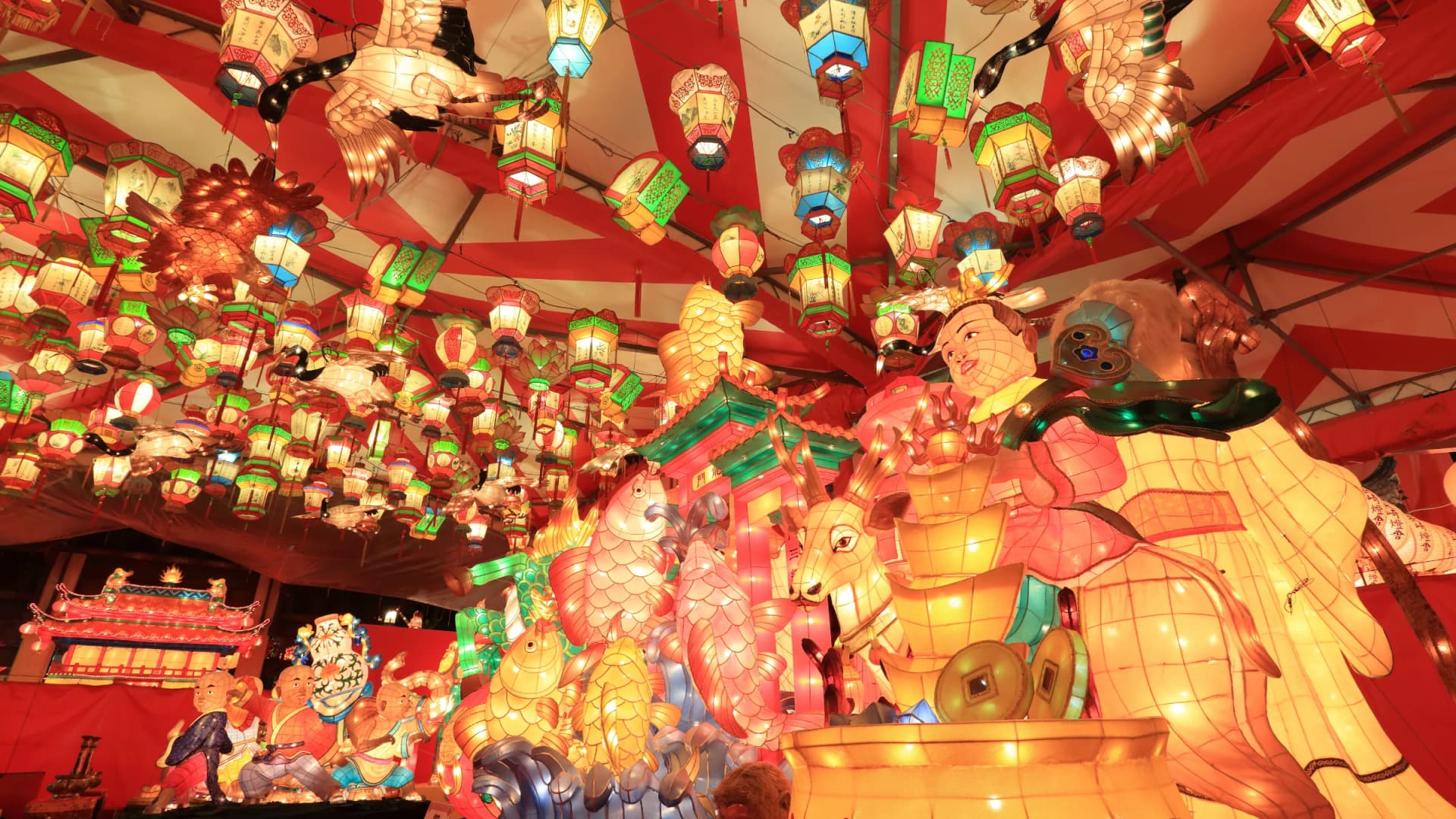
The festival illuminates Nagasaki's streets with around 15,000 Chinese lanterns, some reaching 10 metres, celebrating Lunar New Year traditions.
〒 850-0842How to get there
The Lunar New Year, known as the Spring Festival, concludes with the Lantern Festival, during which it is believed that celestial spirits can be seen in the sky. To make the spirits easier to spot even on cloudy or misty nights, people began lighting Chinese lanterns and parading them through the streets – a tradition that has continued for centuries.
For the Chinese community in Nagasaki’s Shinchi Chinatown, the Spring Festival is also an important cultural event. In 1987, to mark the first anniversary of the completion of Chukamon Gate, the local community held the first Spring Festival in Shinchi Chinatown. The festival’s vividly coloured Chinese lanterns were highly praised, and over time, the event grew into the annual Nagasaki Lantern Festival, now one of the city’s most iconic celebrations.
Main Attractions and Events
Chinese Lantern Decorations: During the festival, approximately 15,000 Chinese lanterns decorate Shinchi Chinatown, Hamamachi, Kankodori, and other central areas. Lanterns vary in size, with some reaching up to 10 meters, creating a dazzling display of color across Nagasaki’s streets.
Emperor’s Parade: This parade is inspired by the Qing Dynasty tradition of the Emperor and Empress celebrating the new year with the public. About 150 participants, dressed in elaborate Chinese costumes, accompany the emperor and empress floats. The parade often features notable figures in the roles of emperor and empress, making it a particularly popular event. The parade is held on Saturdays during the festival.
Mazu Procession: This procession recreates a ceremony historically performed by the crew of Chinese ships arriving in Nagasaki during the Edo period. The sea goddess Mazu, protector of sailors, is carried from the Tenkodo temple in the Chinese settlement to the Mazu Hall at Kofukuji Temple, continuing a centuries-old maritime tradition. The procession is held on Sundays during the festival.
Dragon Dance: Originating from rain-praying rituals in China, the dragon dance features performers in traditional Tang dynasty costumes manipulating a 20-meter-long dragon, symbolically calling clouds, summoning rain, and enacting the dragon swallowing the moon. The dragon dance is performed daily during the festival.
Chinese Lion Dance: Performed in vibrant traditional costumes and accompanied solely by Chinese percussion instruments, the lion dance is known for its dynamic rhythm and acrobatic movements, offering an energetic and unforgettable spectacle.
Getting There

You might also like

Nagasaki Kunchi / Okunchi
This 380-year-old shrine festival blends Japanese folk dances with dragon processions and Dutch-influenced performances held across four venues in Nagasaki.
7–9 Oct 2026Nagasaki
Kaikai Yokai Festival
Toei Kyoto Studio Park brings Japanese yokai legends to life with parades, interactive dance experiences, workshops, and exhibitions celebrating supernatural folklore.
12 Sep – 29 Nov 2026Kyoto
Miyazaki Jingu Grand Festival
Miyazaki's largest celebration honors Emperor Jimmu through a grand autumn procession featuring portable shrines and floats reenacting the legendary emperor's historic journey.
31 Oct – 1 Nov 2026Miyazaki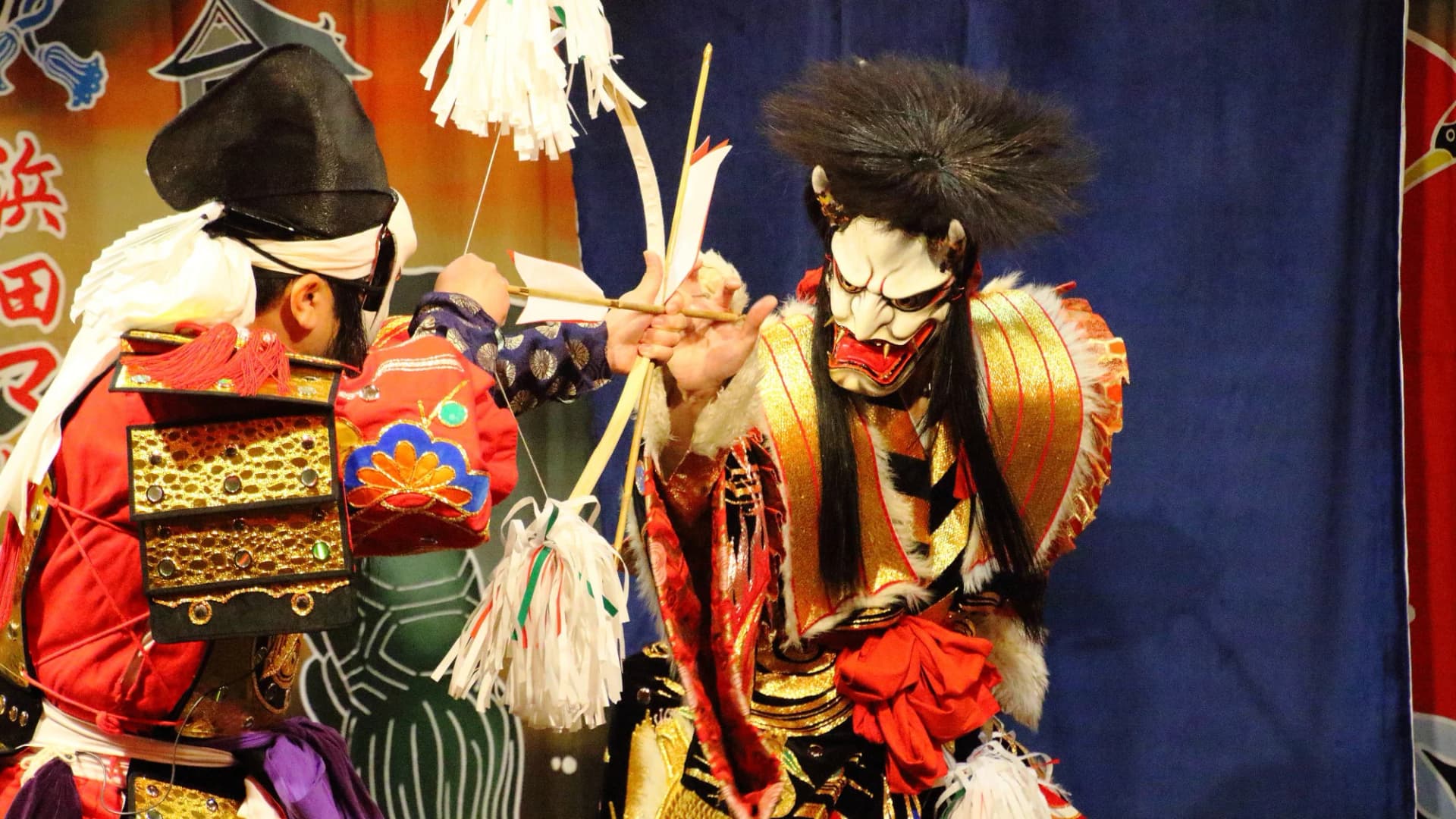
Iwami Kagura
Each autumn in western Shimane, shrine stages host Iwami Kagura – sacred dances performed through the night, from ceremonial pieces to a battle with a serpent.
Shimane · Chugoku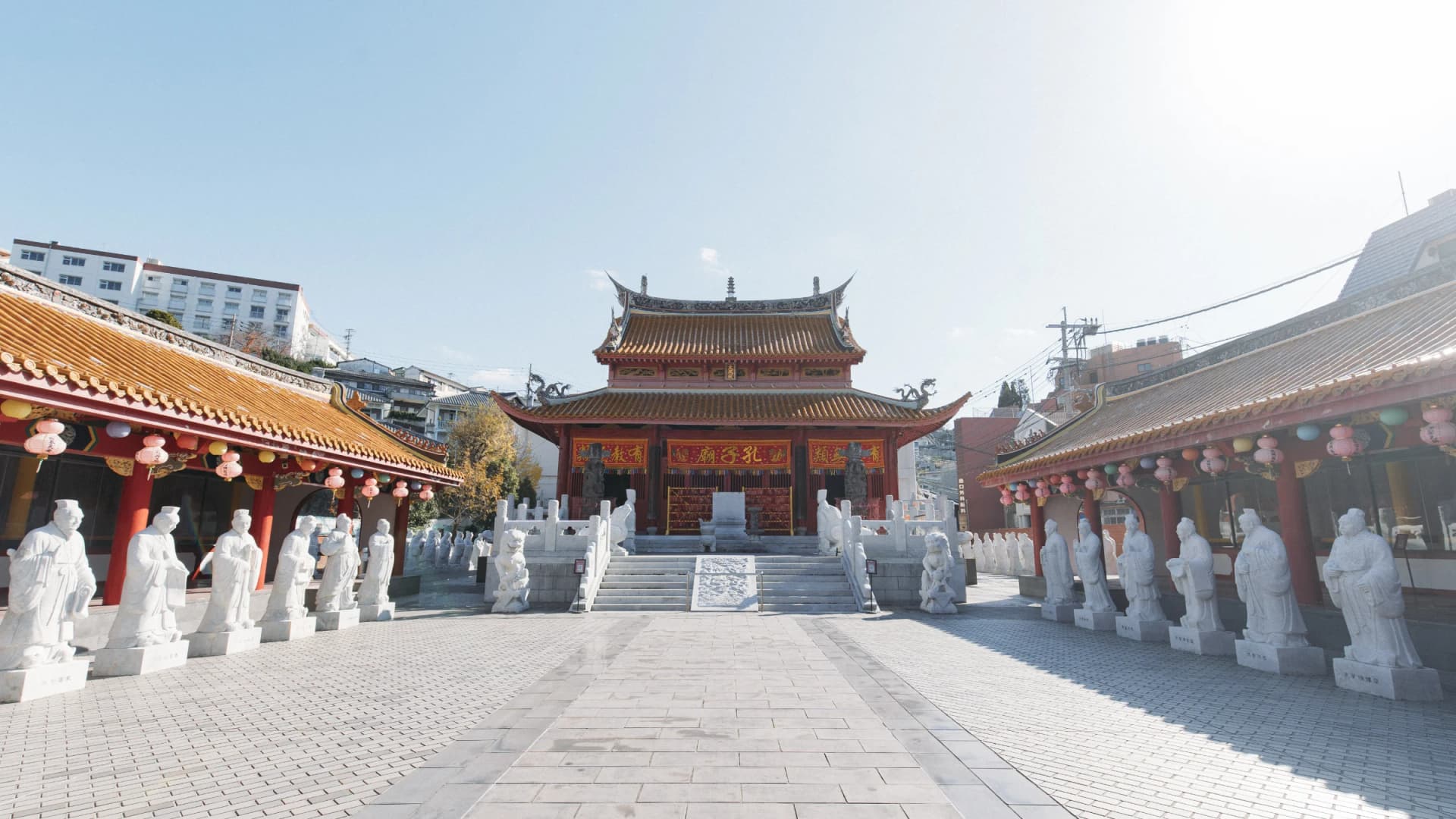
Nagasaki Confucius Shrine
The only Confucius temple in Japan built in full Chinese style, put up in 1893 by the Qing government and the Chinese community of Nagasaki.
Nagasaki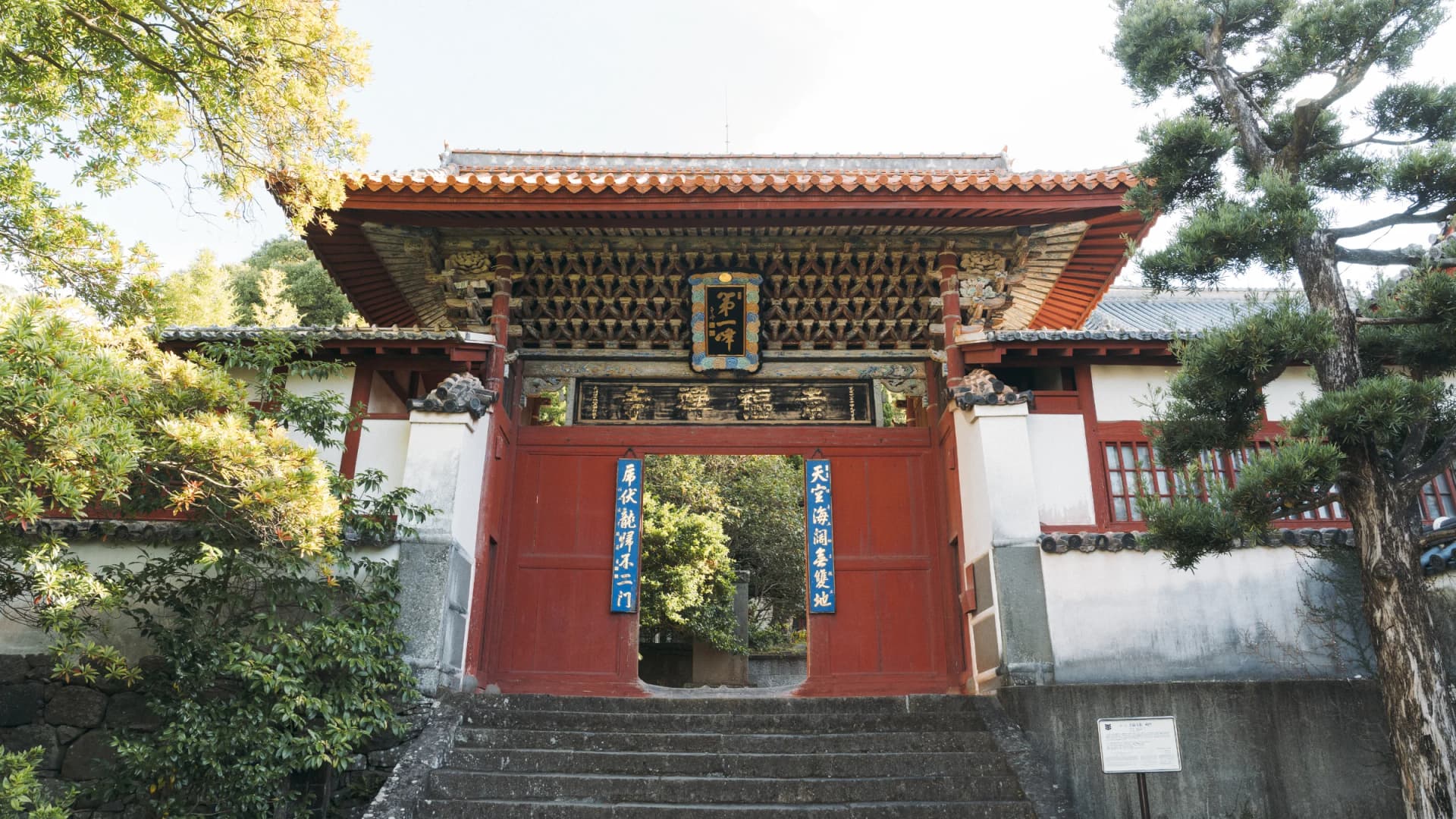
Sofukuji Temple
A Chinese temple in Nagasaki founded in 1629 by merchants from Fujian, with two buildings that are National Treasures.
Nagasaki