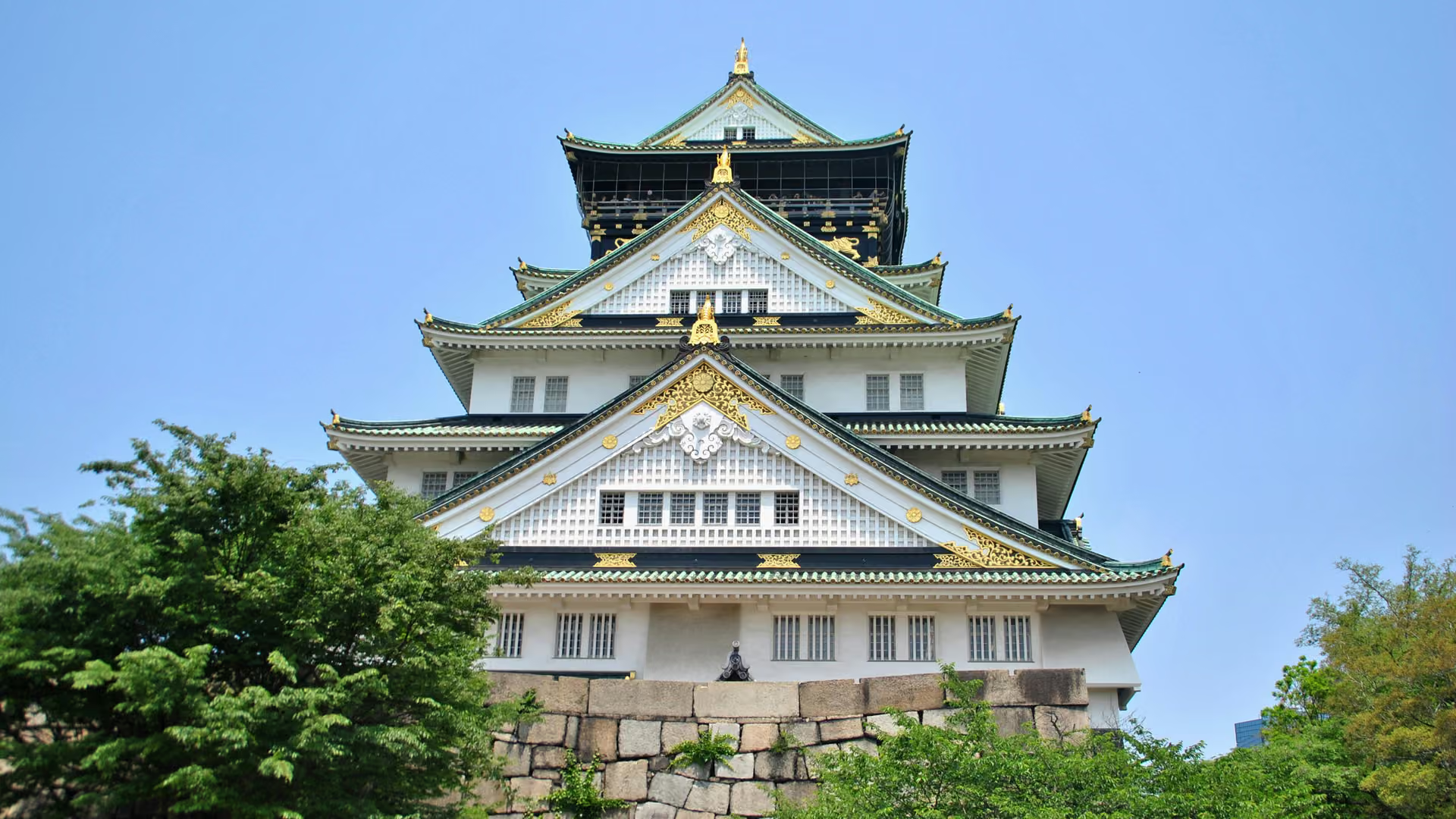
Hyakusaiji
百済寺
Tendai Buddhist temple and National Historic Site, one of the three great temples east of Lake Biwa, with buildings dating to the 17th century.
〒 527-0144How to get there
河辺の森Ohmi Railway Main Line138 min walk from the station
Hyakusaiji is a Tendai temple on the western slope of the Suzuka mountains at Higashiomi in Shiga Prefecture, one of the three temples known together as the Koto Sanzan, on the eastern side of Lake Biwa. It was founded in 606 and is held to be the oldest Buddhist temple in Omi, the old province that is now Shiga. The grounds are a National Historic Site.
Temple tradition holds that Prince Shotoku founded it. Staying at the foot of Taroboyama, he is said to have seen a strange light in the mountains to the east each evening. Going up into them the next morning, he found a great cedar with its upper half cut away and a company of monkeys laying fruit before it. Taking the tree for a sacred one, he carved an eleven-headed Kannon into the standing trunk, and the image is called the Ueki Kannon, the Kannon of the living tree, for that reason.
The name of the temple points elsewhere. Hyakusai is the Japanese reading of Baekje, one of the kingdoms of the Korean peninsula, and the temple is thought to have begun as the clan temple of settlers from there, who had brought Buddhism and much else with them into this part of Omi.
When Enryakuji was founded on Mount Hiei, Hyakusaiji became Tendai and grew until it was called the little Hieizan of the eastern lake, with a great many sub-temples under it. Fire and war took it several times over the medieval centuries and each time it was rebuilt.
Oda Nobunaga made it his prayer hall in 1568 and burned it to the ground in 1573. The whole mountain was lost. Only the principal image survived, carried out to the Fudo hall at the inner sanctuary before the fire reached it.
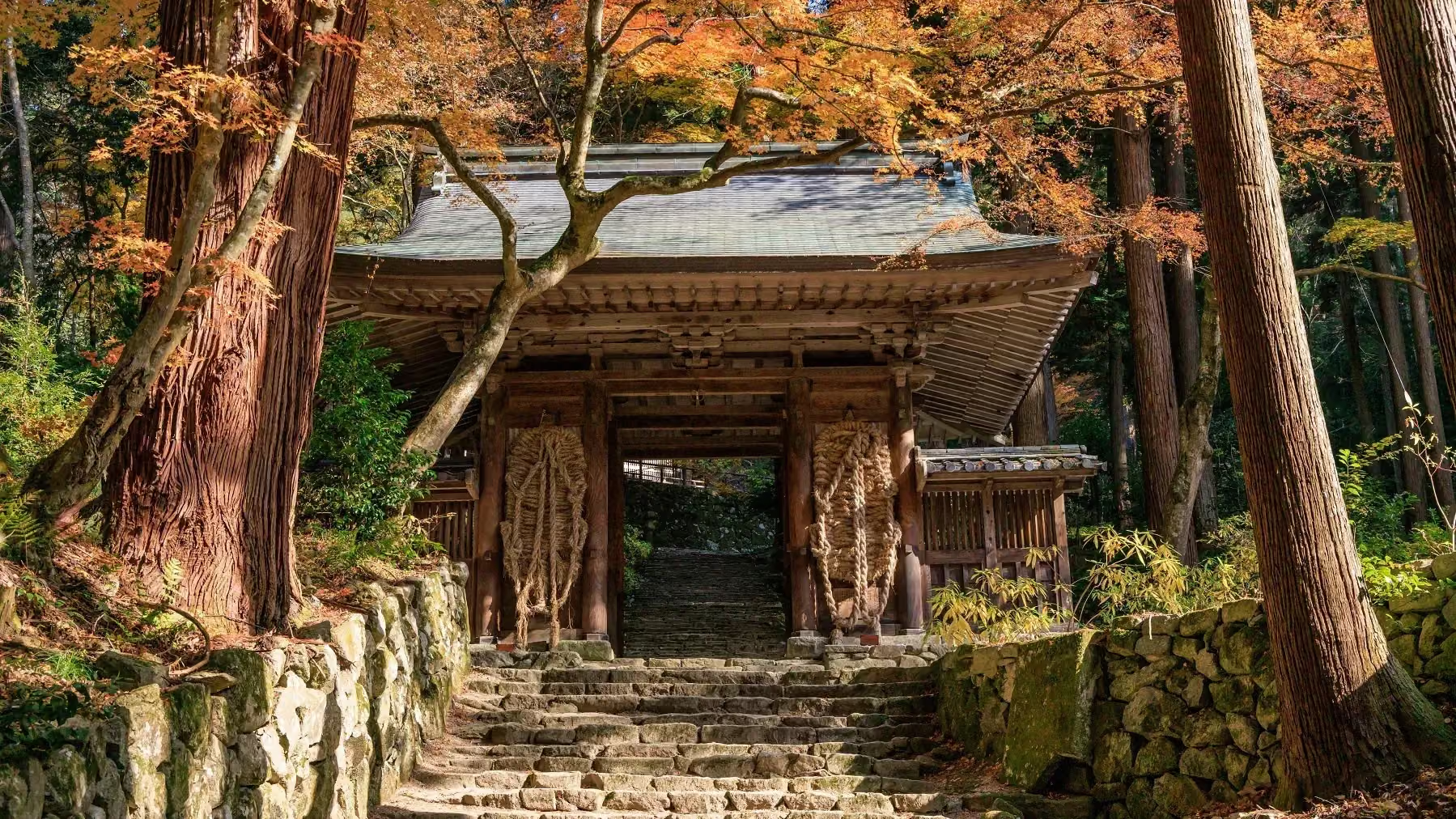
Rebuilding was permitted by an edict of the Empress Meisho in 1637, and paid for by subscription and by gifts from the shogunate's councillors, from Kasuga no Tsubone, and from the lord of Hikone. The main hall, the Nio gate and the red gate went up in 1650 and stand today.
Getting There

Planning a trip? Fit this into a trip and Oni plans the rest around it.
You might also like
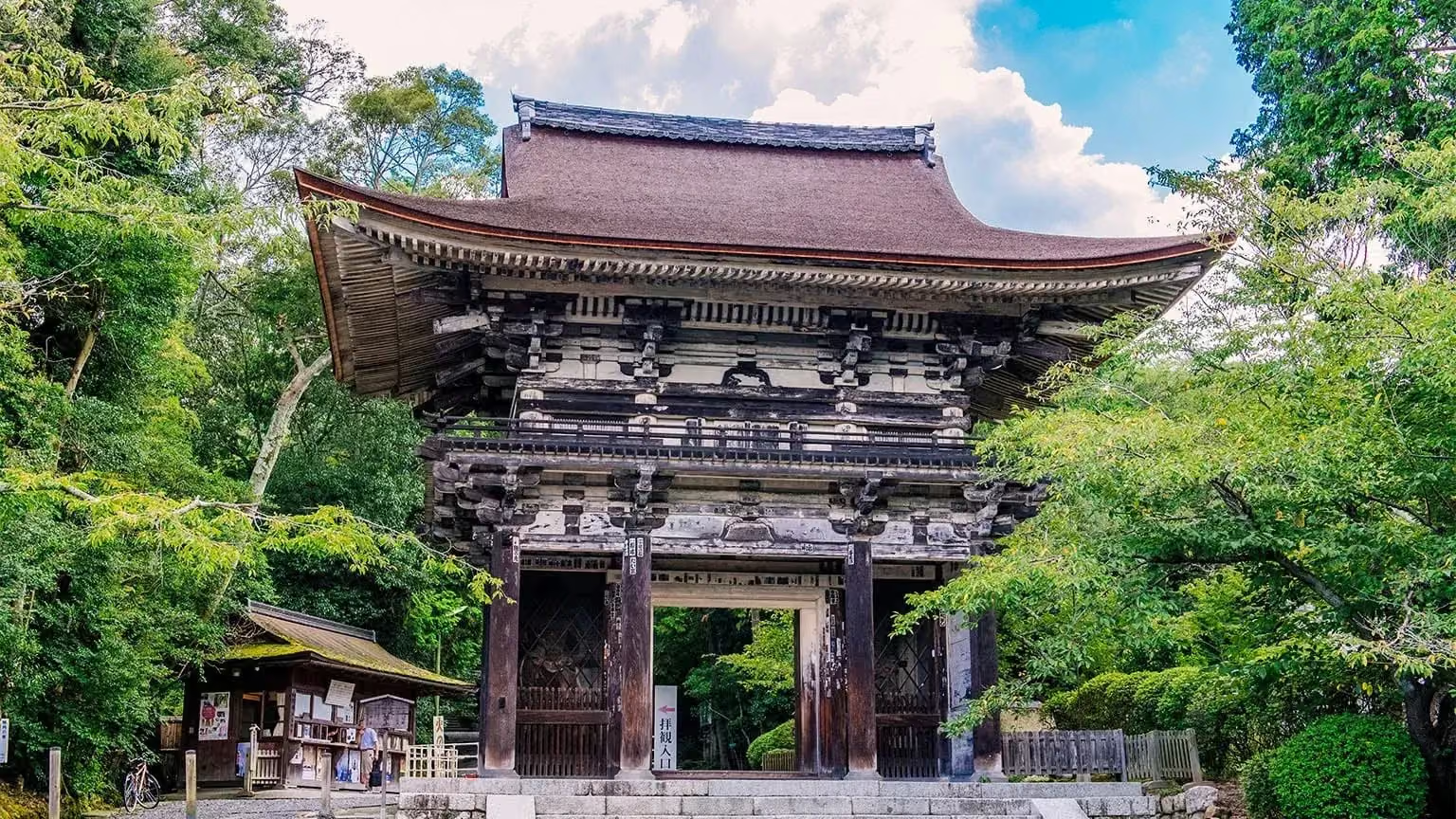
Miidera Temple
Head temple of the Tendai Jimon sect, Miidera was founded in the seventh century and has survived repeated destruction, earning the name Phoenix Temple.
Otsu · Shiga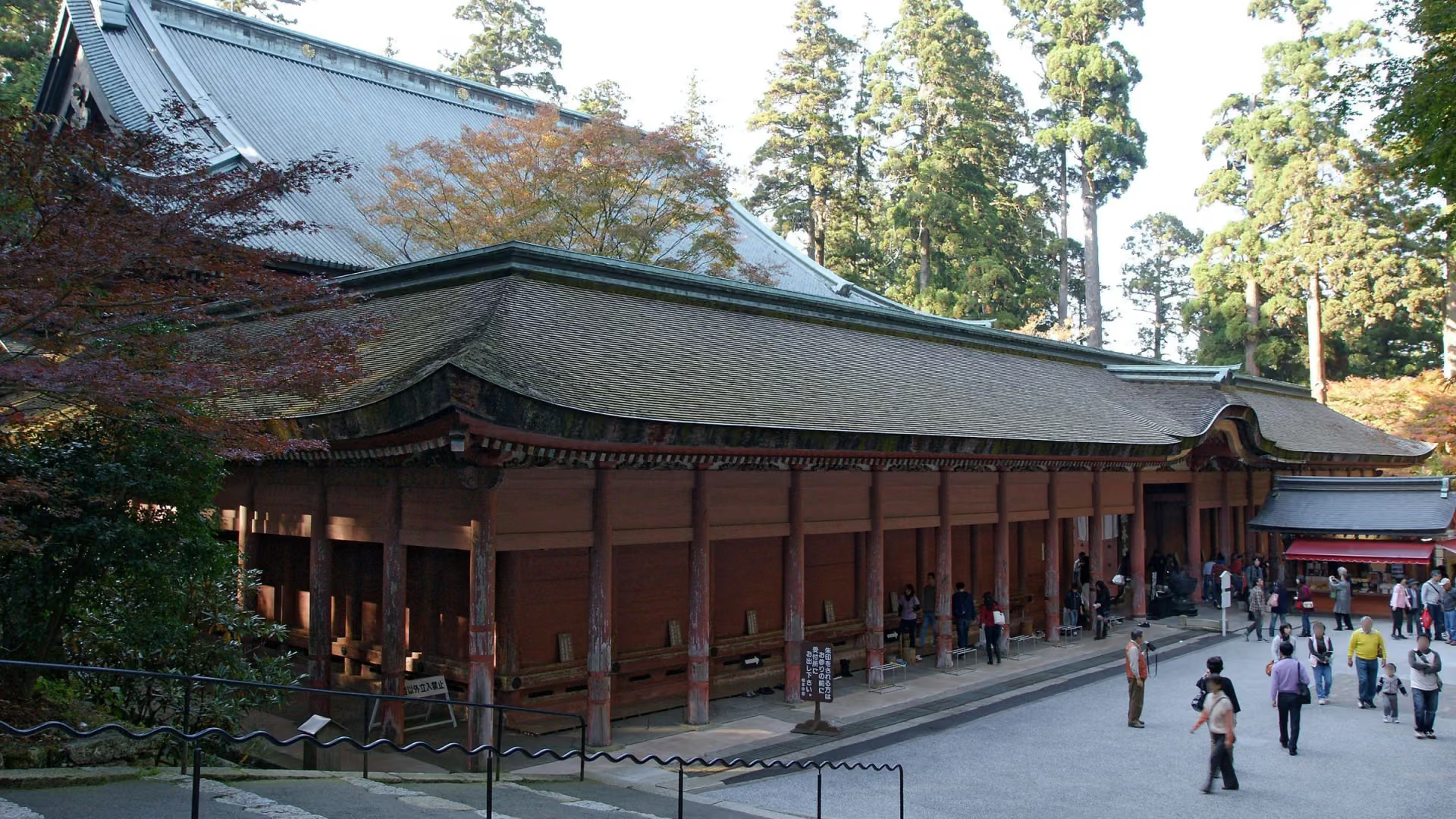
Enryaku-ji
Founded in 788 by Saicho, this Tendai Buddhist headquarters on Mount Hiei hosts the famous kaihogyo practice and is part of a UNESCO World Heritage site.
Otsu · Shiga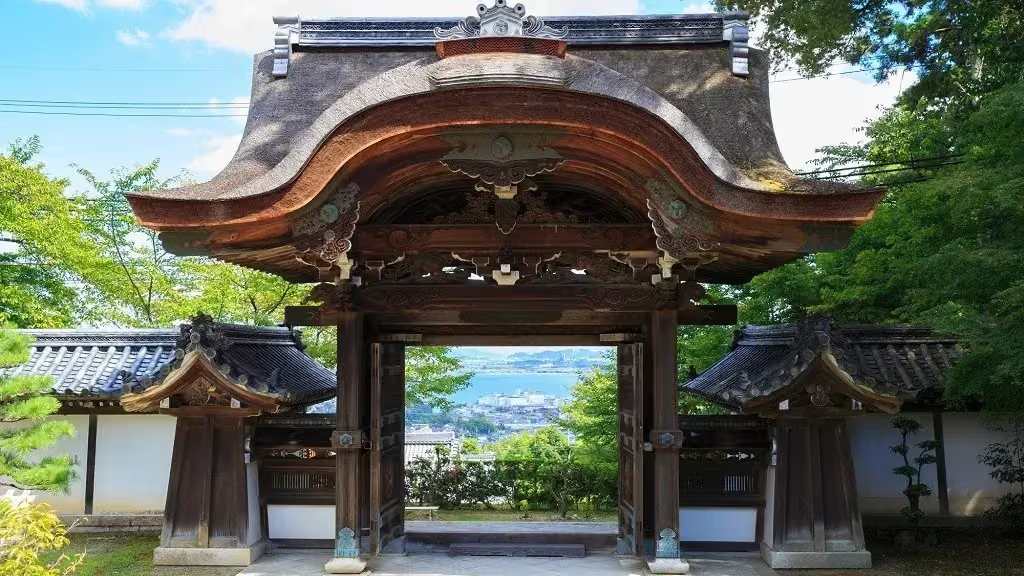
Saikyo-ji Temple
Saikyo-ji, the head temple of the Tendai Shinsei sect, was founded by Prince Shotoku and reorganized in 1486 as the sect's central training site.
Otsu · Shiga
Hyakusaiji Temple and the Buddhist Art of Omi
An autumn exhibition in Shiga where the hidden image of Hyakusaiji, an eleven-headed Kannon of the 8th century, leaves the temple for the first time.
26 Sep – 6 Dec 2026Koka · Shiga
Zuiryuji Temple "Spring Light-up"
Colored lights and music illuminate this National Treasure temple in spring, accompanied by a market featuring local goods and specialties.
22 Apr – 5 May 2027Exact date not confirmed yetTakaoka · Toyama
Kaikai Yokai Festival
Uzumasa Kyoto Village (Toei Kyoto Studio Park) fills with yokai every autumn: two evening parades, dance shows, daily yokai greetings and limited yokai food.
12 Sep – 29 Nov 2026Kyoto