Historic Villages of Shirakawa-go
白川郷の合掌造り集落
UNESCO-recognized villages showcasing gassho-zukuri farmhouses with distinctive steep thatched roofs, maintained through collective community traditions.
〒 501-5627How to get there
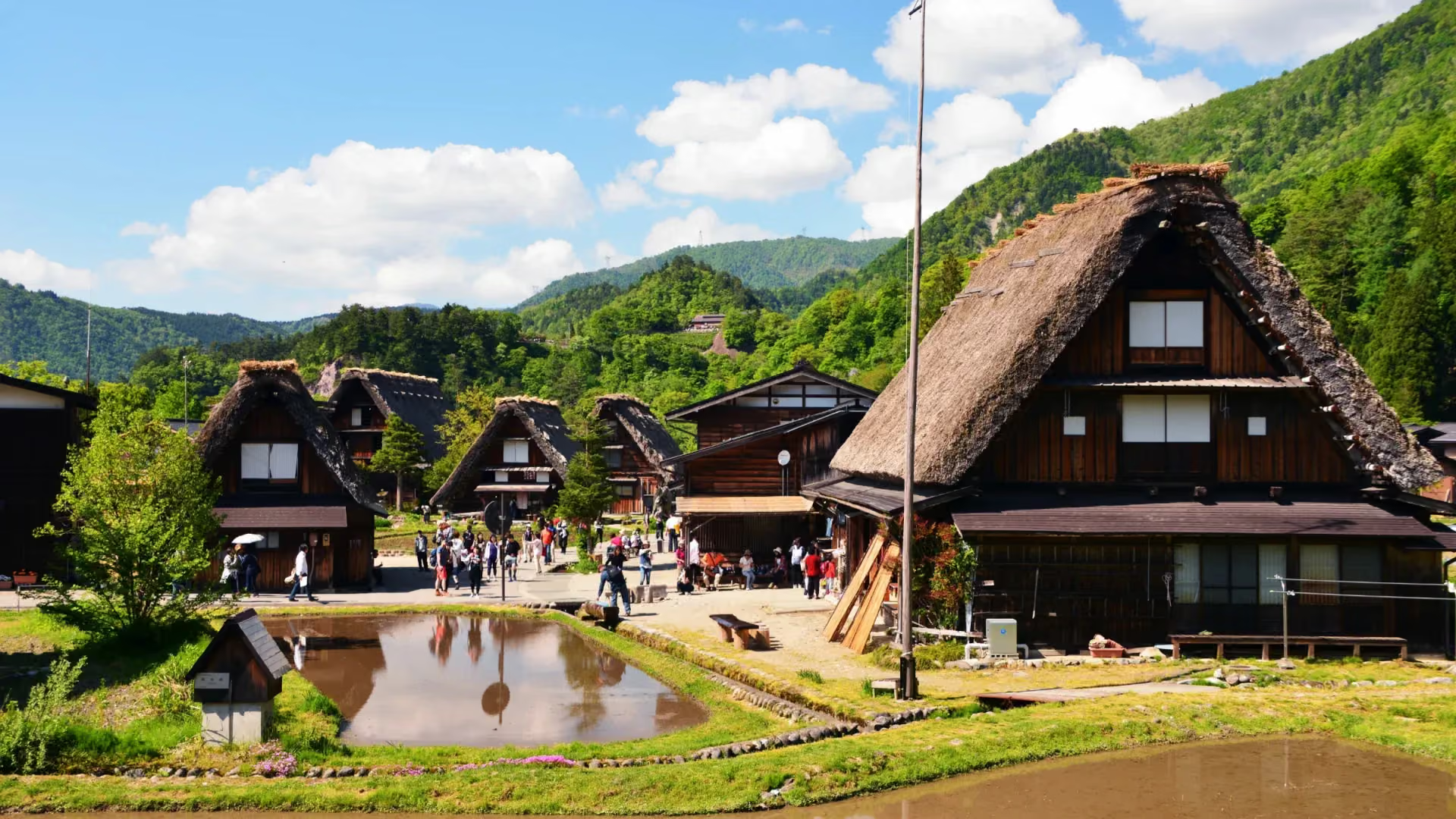
The Shirakawa Historic Village, along with Ainokura and Suganuma villages in Toyama Prefecture, has gained a reputation as one of Japan's most celebrated sites and is recognised as a UNESCO World Heritage Site. It is located in the village of Shirakawa in Gifu Prefecture and is situated in a mountainous region that experiences heavy snowfall. The area is renowned for its clusters of gassho-zukuri style farmhouses.
The gassho-zukuri style, also known as "prayer-hands construction", is characterised by steep thatched roofs resembling two hands in prayer. It is considered one of Japan's most important and rare architectural styles for farmhouses. The concentration of well-preserved examples in Shirakawa-go is what earned the site its recognition as a World Heritage Site.
This unique form of house construction is one of a kind in Japan, and roof space is not utilized in a multi-story manner anywhere else in the country, except for storage purposes. To this day, the traditional "yui" system of collective work is still in use to re-thatch the roofs of gassho-zukuri houses. The thatch replacement process occurs every 30 to 40 years and requires a significant amount of labor and resources. Preparation for re-thatching begins at least three years in advance, and the work is typically done on one side of the roof in two days with 200 to 300 workers daily.
Getting There

Planning a trip? Fit this into a trip and Oni plans the rest around it.
You might also like
Iwami Ginzan Silver Mine
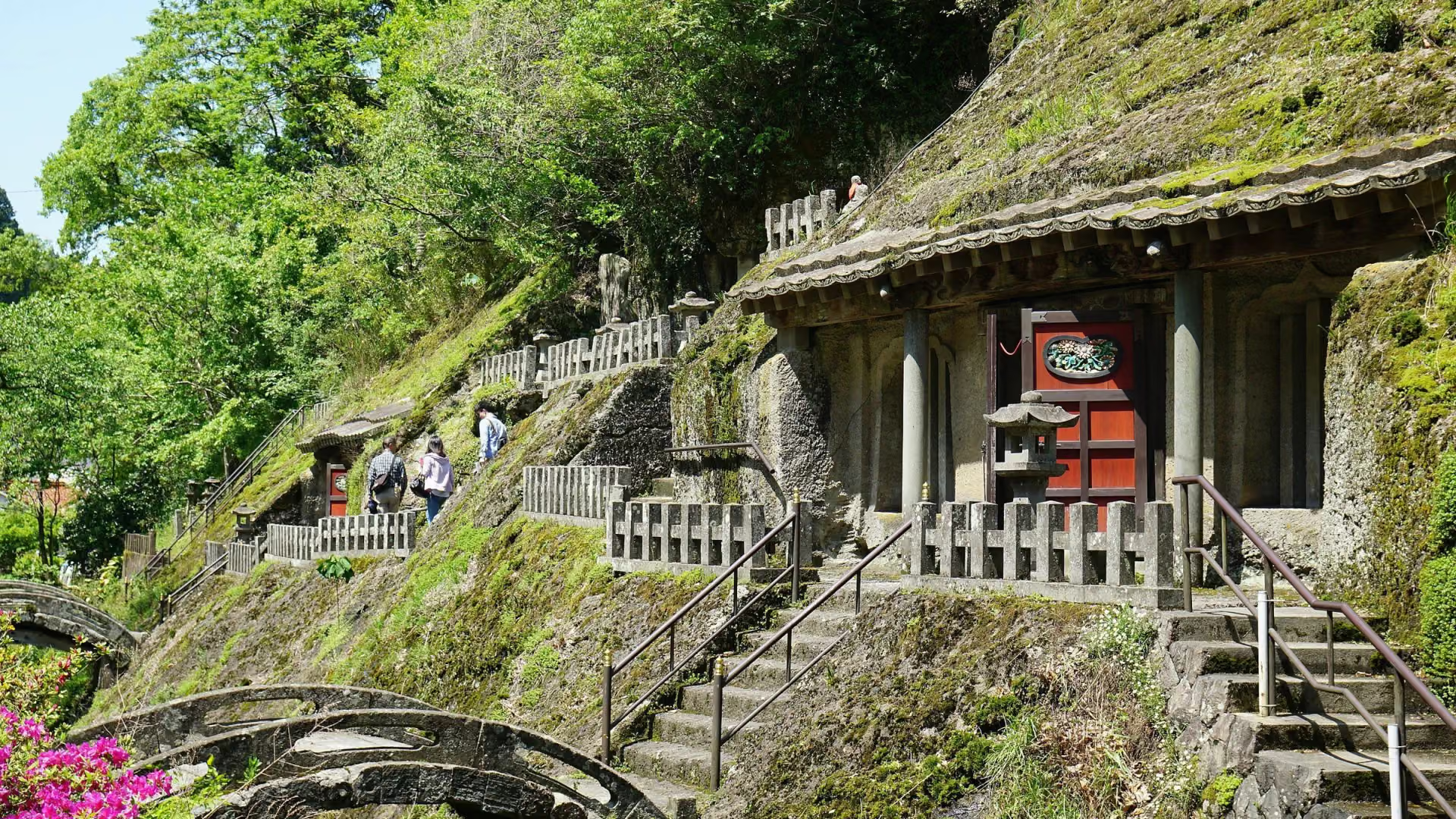
Iwami Ginzan, Japan's largest silver mine, ran from 1526 to 1923 and produced a third of the world's silver at its peak. UNESCO World Heritage since 2007.
Oda · Shimane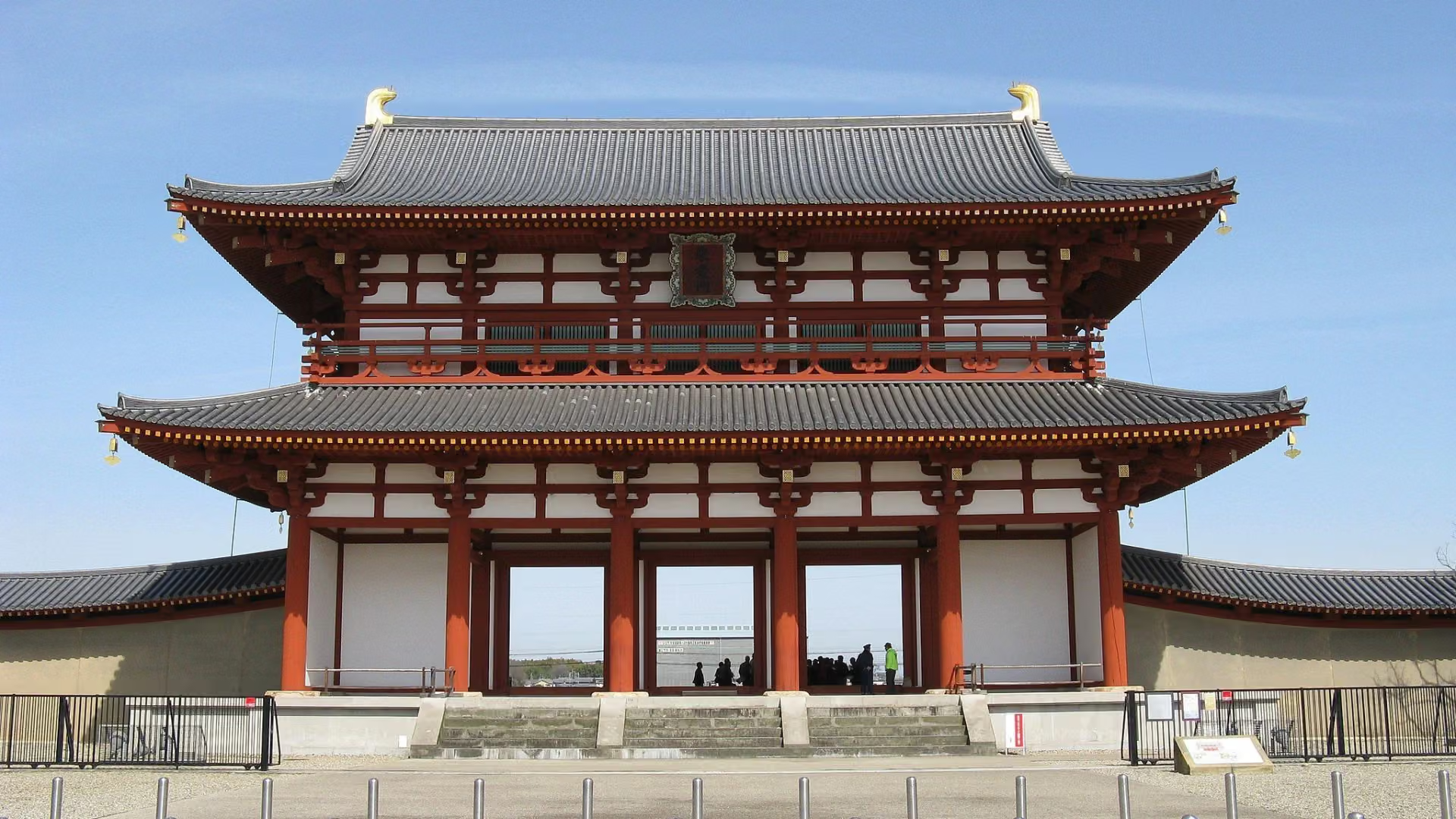
Heijo Palace Ruins
Imperial residence and administrative center during the Nara period (710-794), designed after Chinese models and reconstructed from excavations.
Nara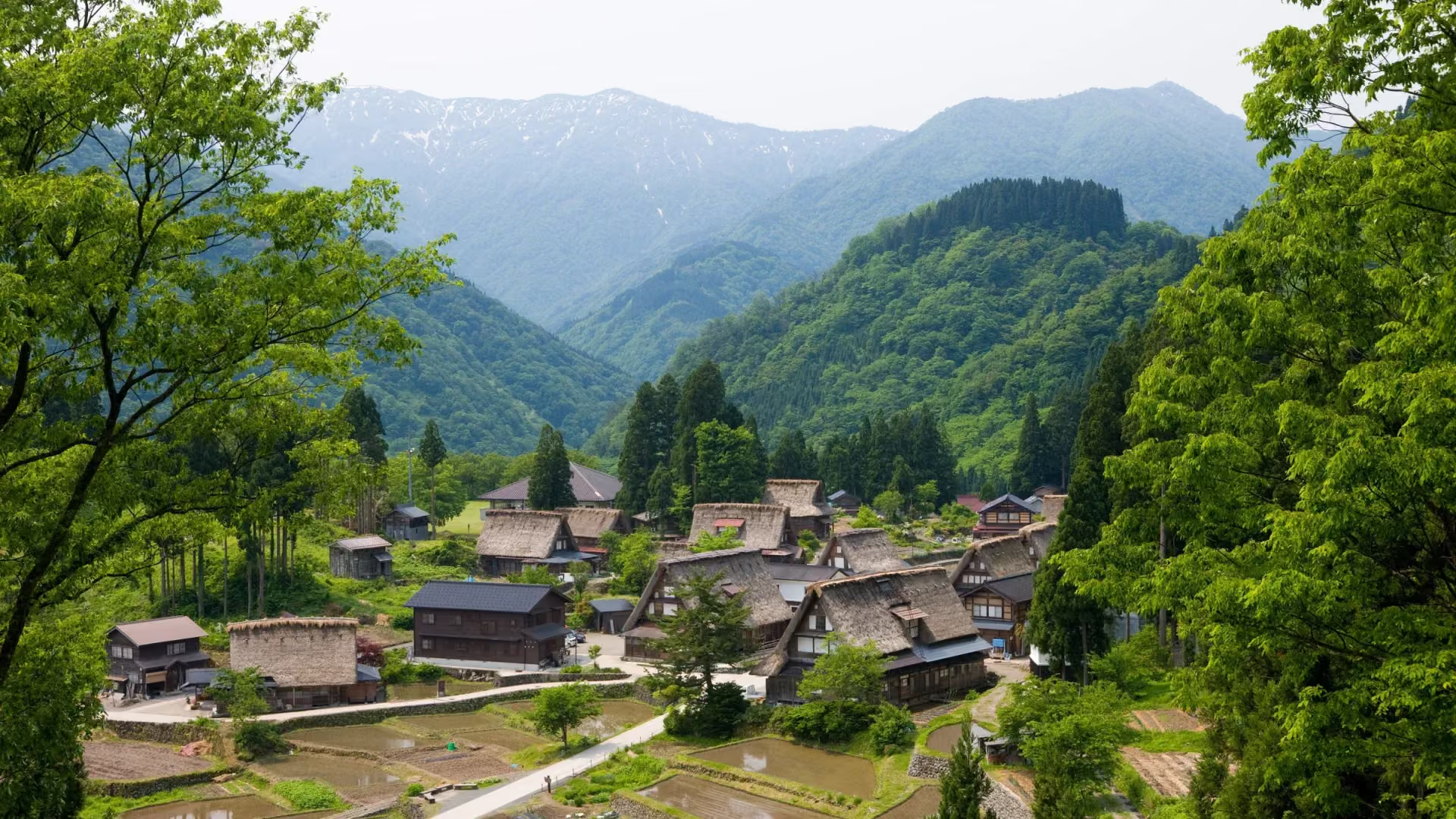
Ainokura Gassho-style Village
A village in the UNESCO-listed Gokayama region with 20 traditional gassho-style houses, some over 400 years old, with steep thatched roofs built to shed snow.
Nanto · Toyama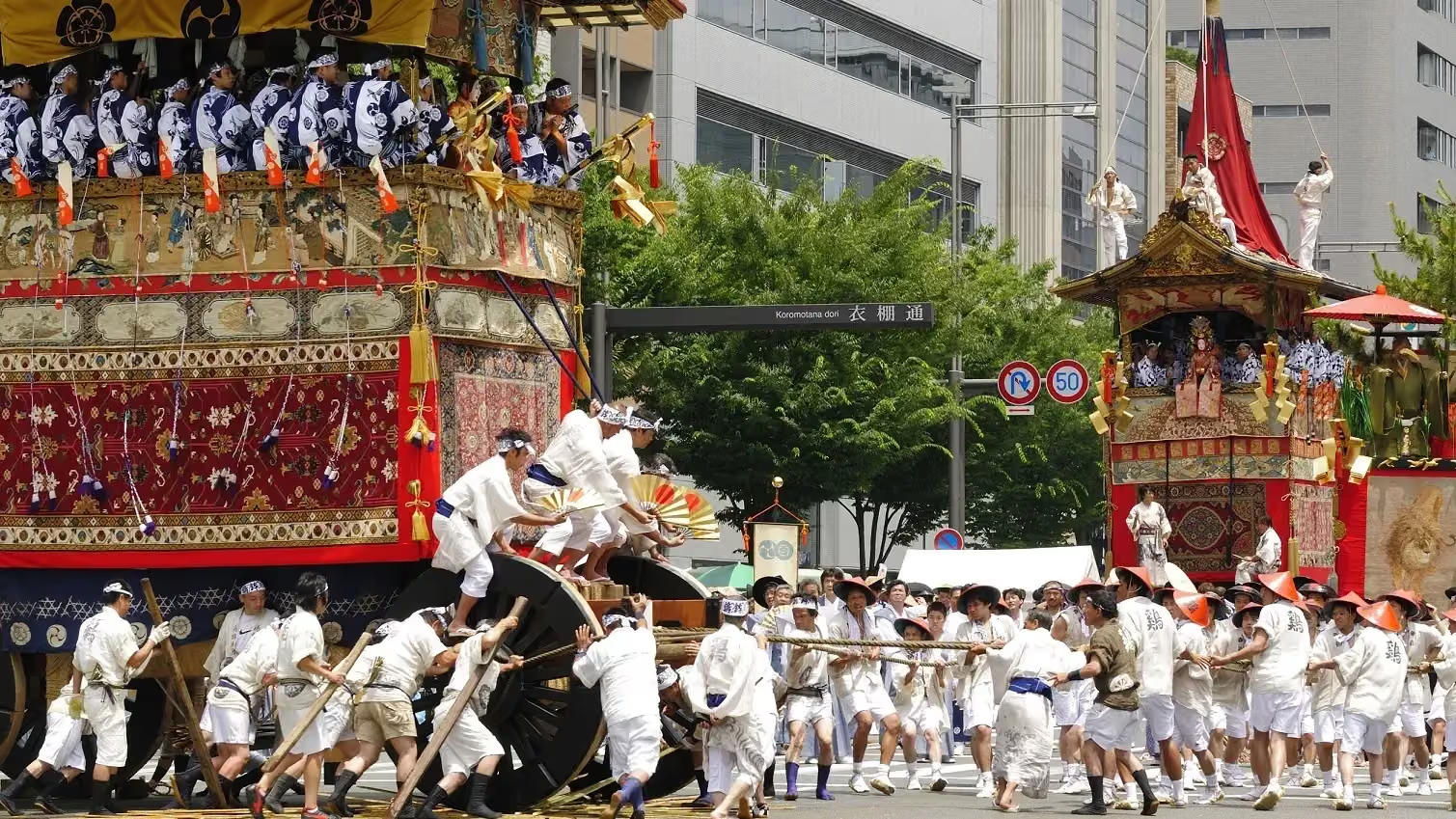
Gion Festival
A month-long Kyoto festival centered on Yasaka Jinja Shrine, with sacred rituals, food stalls and illuminated floats, ending in a grand procession and parade.
1–31 Jul 2027Kyoto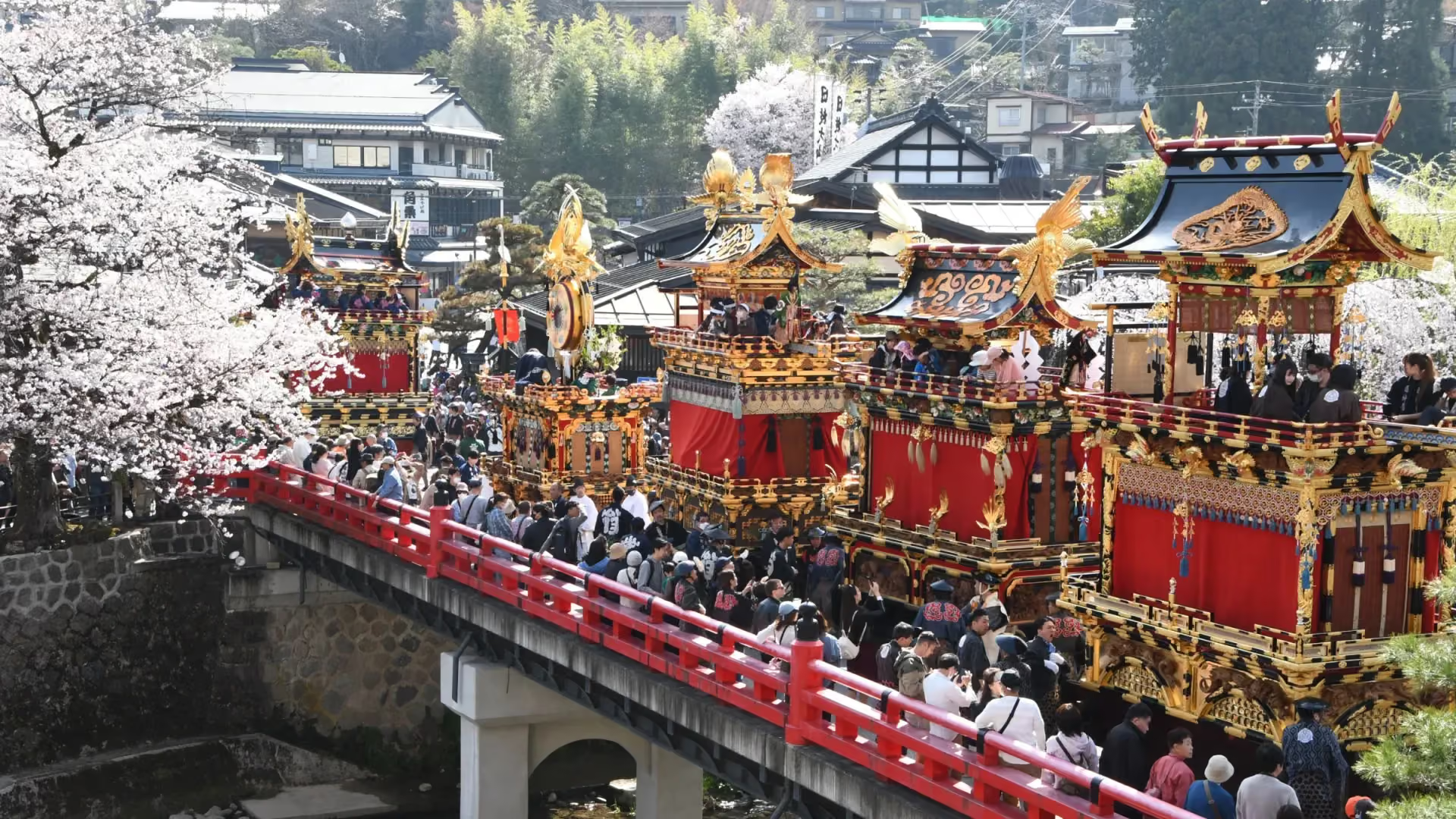
The Spring Takayama Festival
A spring festival in Takayama showcases ornate floats with mechanical dolls and centuries-old craftsmanship, illuminated by lanterns during evening processions.
14–15 Apr 2027Takayama · Gifu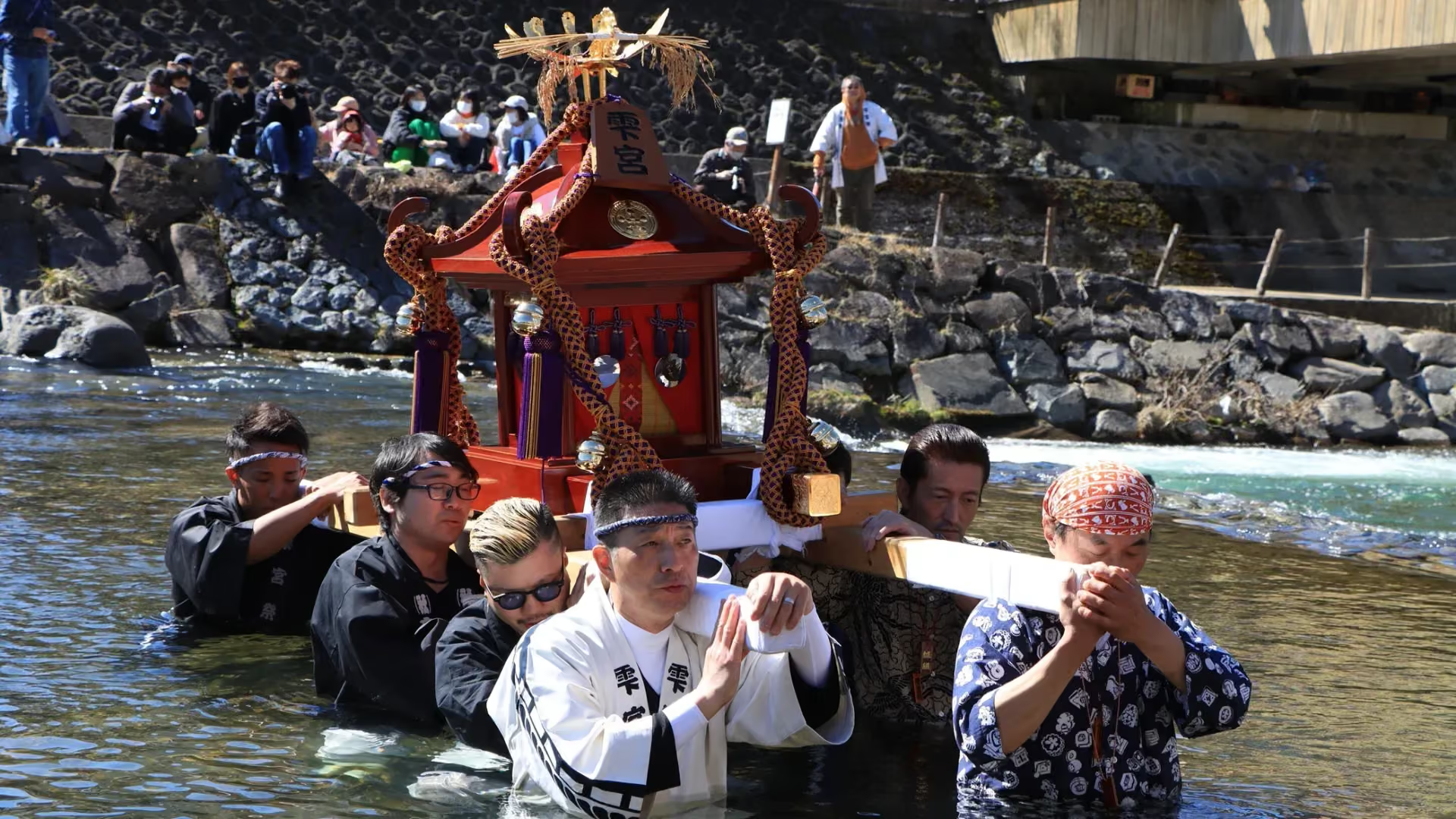
Shizukumiya Festival
A spring procession of 22 sake barrel shrines celebrates the completion of new sake and prays for an abundant harvest of the five grains.
15 Mar 2027Takayama · Gifu