Kasuga-taisha
春日大社
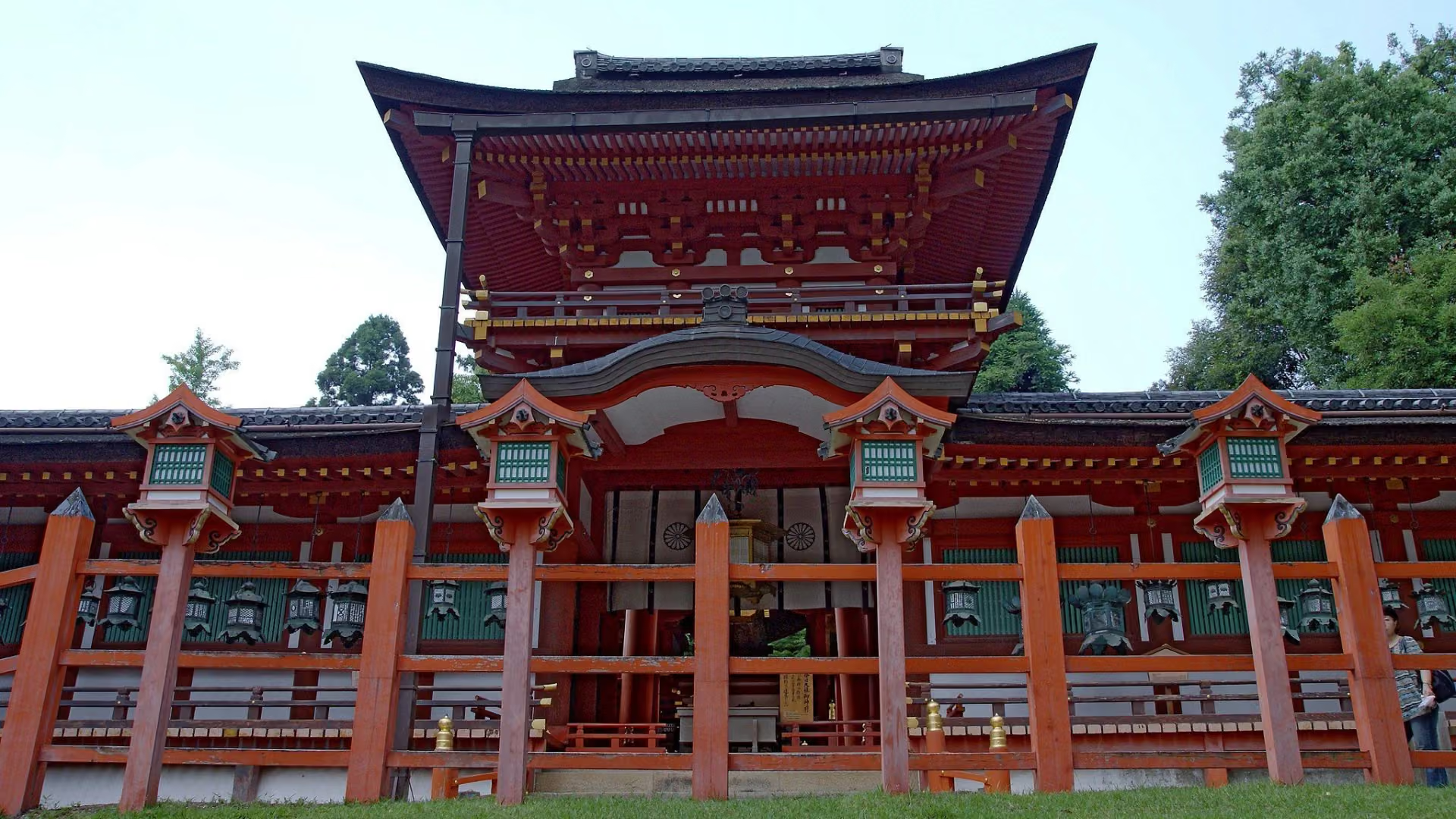
The head shrine of about 3,000 Kasuga shrines, founded in 768 at the foot of sacred Mount Mikasa in Nara, known for its 3,000 lanterns and vermilion halls.
Hours of the main shrine's worship area. Special worship inside the inner gate 9:00 to 16:00 (closed on some festival days); National Treasure Museum 10:00 to 17:00, last entry 16:30; Manyo Botanical Garden 9:00 to 16:30, last entry 16:00, closed Tuesdays from June to March.
〒 630-8212How to get there
近鉄奈良Kintetsu Kyoto Line · Kintetsu Nara Line25 min walk from the station
Kasuga Taisha is a Shinto shrine at the foot of Mount Mikasa (Mikasayama, 御蓋山) in Nara, a sacred mountain also known as Mount Kasuga. It is the head shrine of about 3,000 Kasuga shrines across Japan and was the clan shrine of the Fujiwara. In 1998 the shrine and the Kasugayama Primeval Forest were inscribed as part of the UNESCO World Heritage Site Historic Monuments of Ancient Nara.
History
The main sanctuary was built in 768, in the Nara period, by order of Empress Shotoku. It enshrines four deities: Takemikazuchi no Mikoto, Futsunushi no Mikoto, Ame no Koyane no Mikoto and Himegami. According to the shrine, Takemikazuchi came to Mount Mikasa from Hitachi Province riding a white deer, and for this reason the deer of Nara are treated as the deity's messengers. The Wakamiya shrine, for a deity who appeared in the Heian period, was built on its present site in 1135.
Emperors, retired emperors and the court nobles of the Fujiwara came to worship and left many offerings. About 3,000 of these treasures survive, and their number and quality have earned the shrine the name Shoso-in of the Heian period (Heian no Shoso-in, 平安の正倉院). More than 2,200 rites are held every year. The Kasuga Festival has been held for over 1,200 years and is still attended by an envoy of the emperor; the Kasuga Wakamiya Onmatsuri, held for nearly 900 years, is an Important Intangible Folk Cultural Property.
Highlights
The vermilion-lacquered halls stand in an old forest. Every 20 years the Shikinen Zotai (式年造替) renews the buildings and the sacred objects; it has been carried out 60 times, a count only Ise Jingu and Kasuga Taisha have passed. The renewal covers the four main sanctuary buildings, which are National Treasures, and all 62 auxiliary and branch shrines. Another 27 buildings are Important Cultural Properties.
About 3,000 lanterns line the grounds, donated from the Heian period on; many are more than 300 years old, and close to 70 percent of the Muromachi-period lanterns in Japan are here. The shrine holds that the custom of lining shrine and temple approaches with lanterns began at Kasuga. Wisteria, the shrine's crest, flowers around the Golden Week holidays, among them the Sunazuri no Fuji and 200 plants of 20 varieties in the Manyo Botanical Garden, which grows about 300 plants named in the Man'yoshu poetry anthology.
Mount Mikasa and Mount Kasuga have been protected as the deity's domain since the Heian period, when the court banned hunting and logging there. The Kasugayama Primeval Forest is a Special Natural Monument, and the deer of Nara, about 1,300 of them around Nara Park, are a Natural Monument.
Getting There

Planning a trip? Fit this into a trip and Oni plans the rest around it.
Places nearby
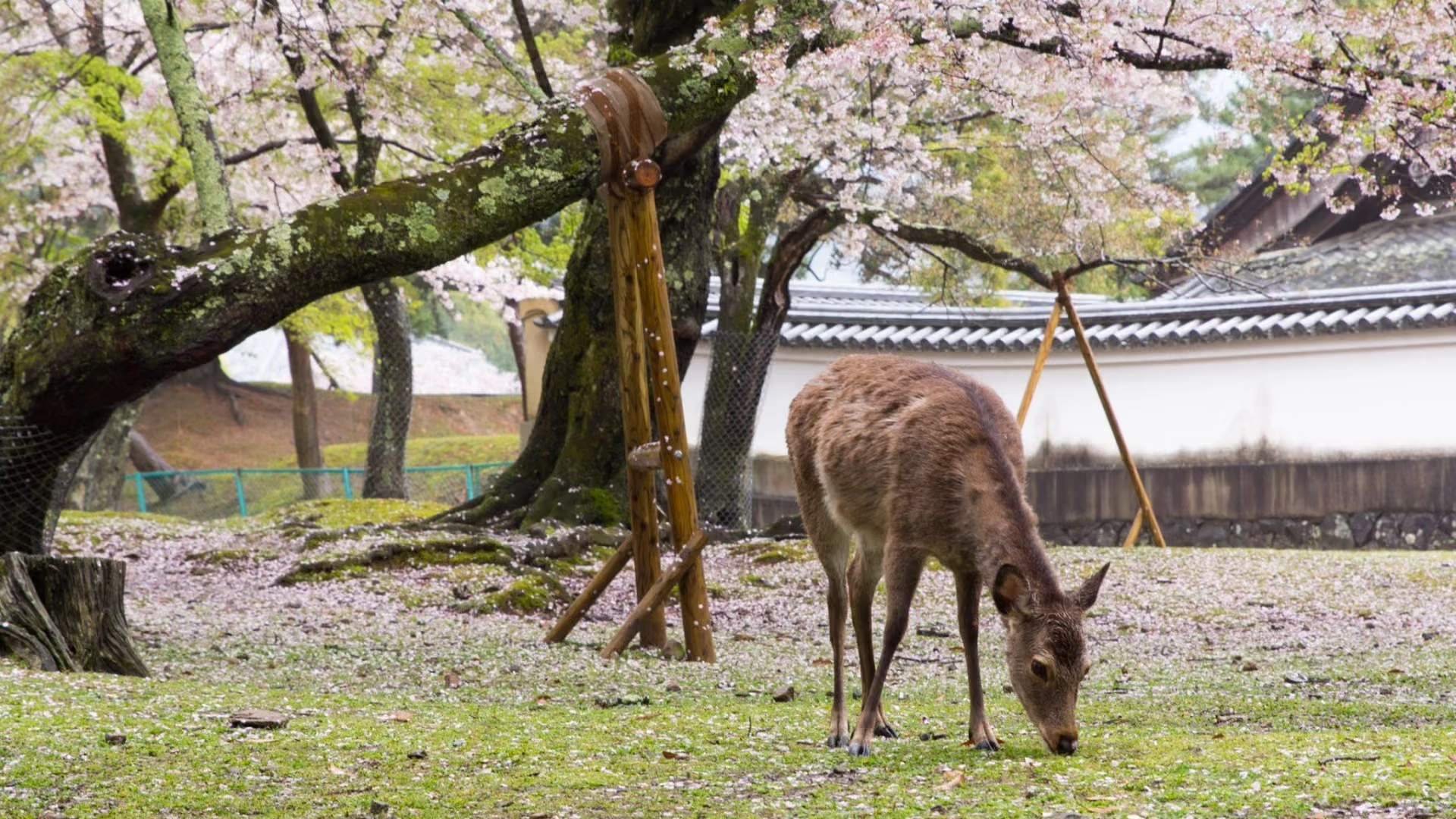
Nara Park
Prefectural park in Nara around Todai-ji, Kofuku-ji and Kasuga Taisha, home to about 1,700 wild sika deer protected as a national Natural Monument.
Nara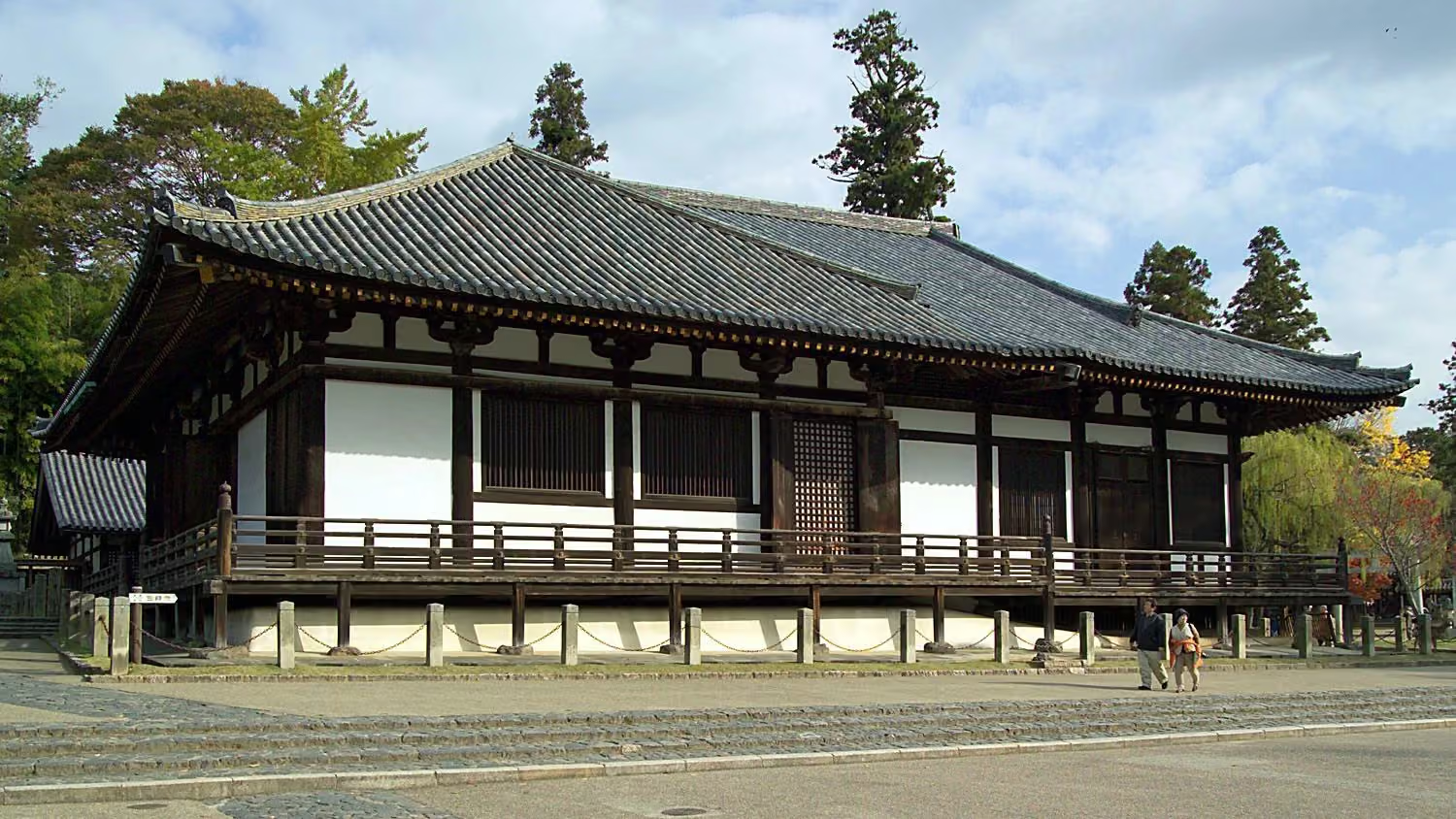
Hokke-do
The oldest building of Todai-ji in Nara, a National Treasure hall of the Tenpyo era holding ten Nara-period statues led by a Fukukensaku Kannon.
Nara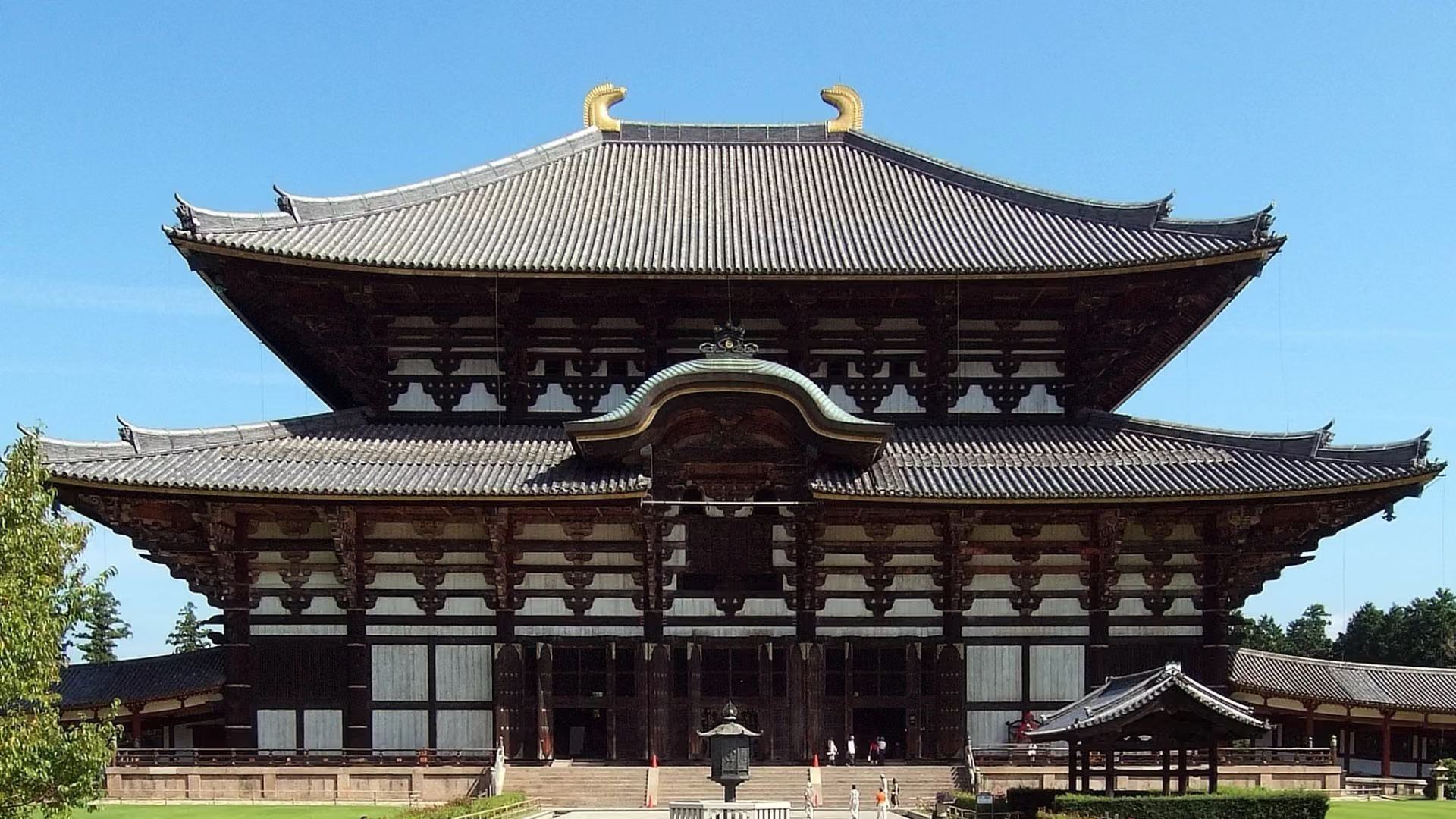
Great Buddha Hall
Todai-ji's main hall and home of the Great Buddha, burned in 1180 and 1567, rebuilt in 1709 and among the largest wooden buildings in the world.
NaraYou might also like
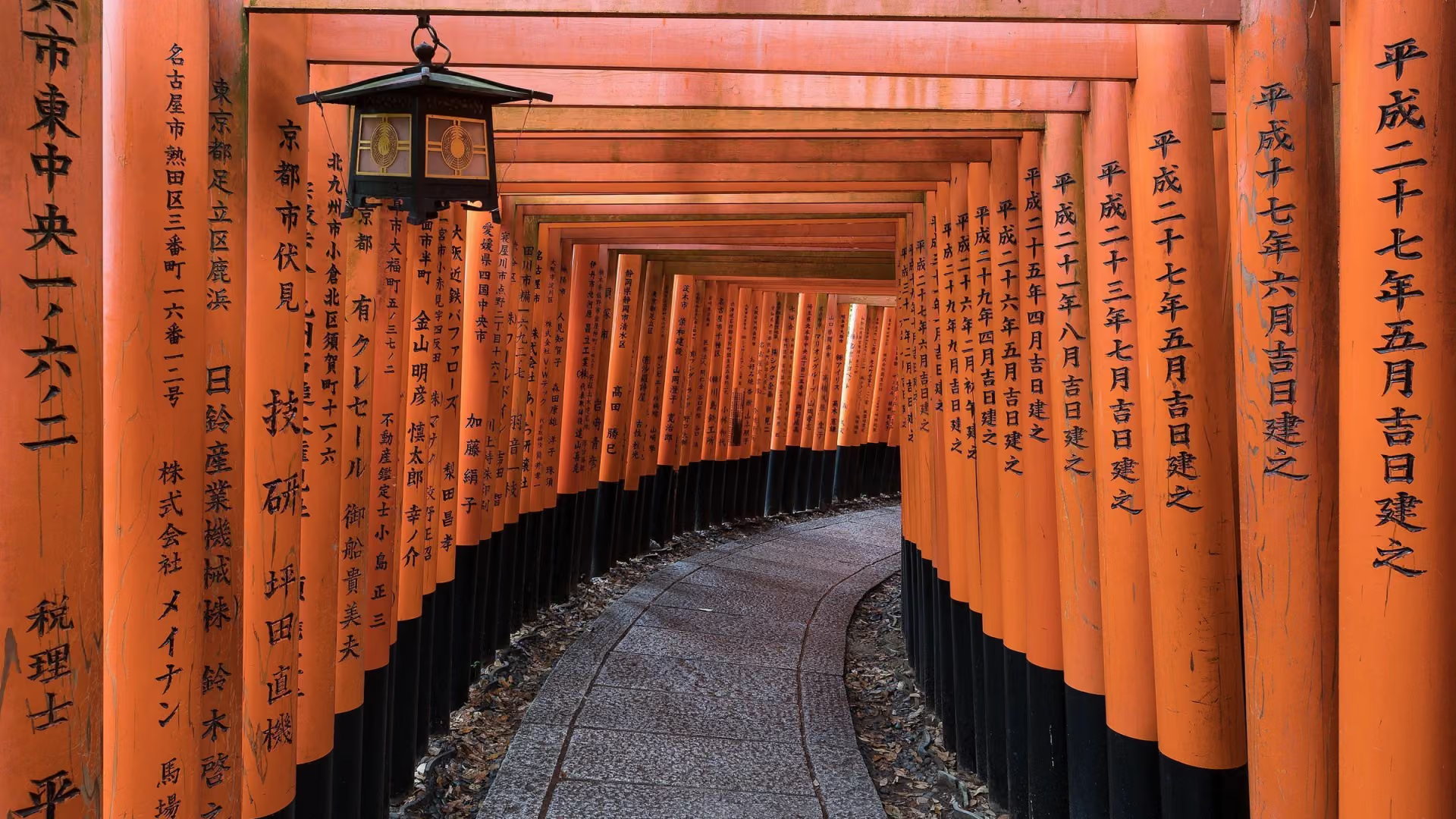
Fushimi Inari Taisha
The head shrine of Japan's Inari shrines, with about 10,000 torii, offered by worshippers in thanks for wishes granted, lining the paths over Mount Inari.
Kyoto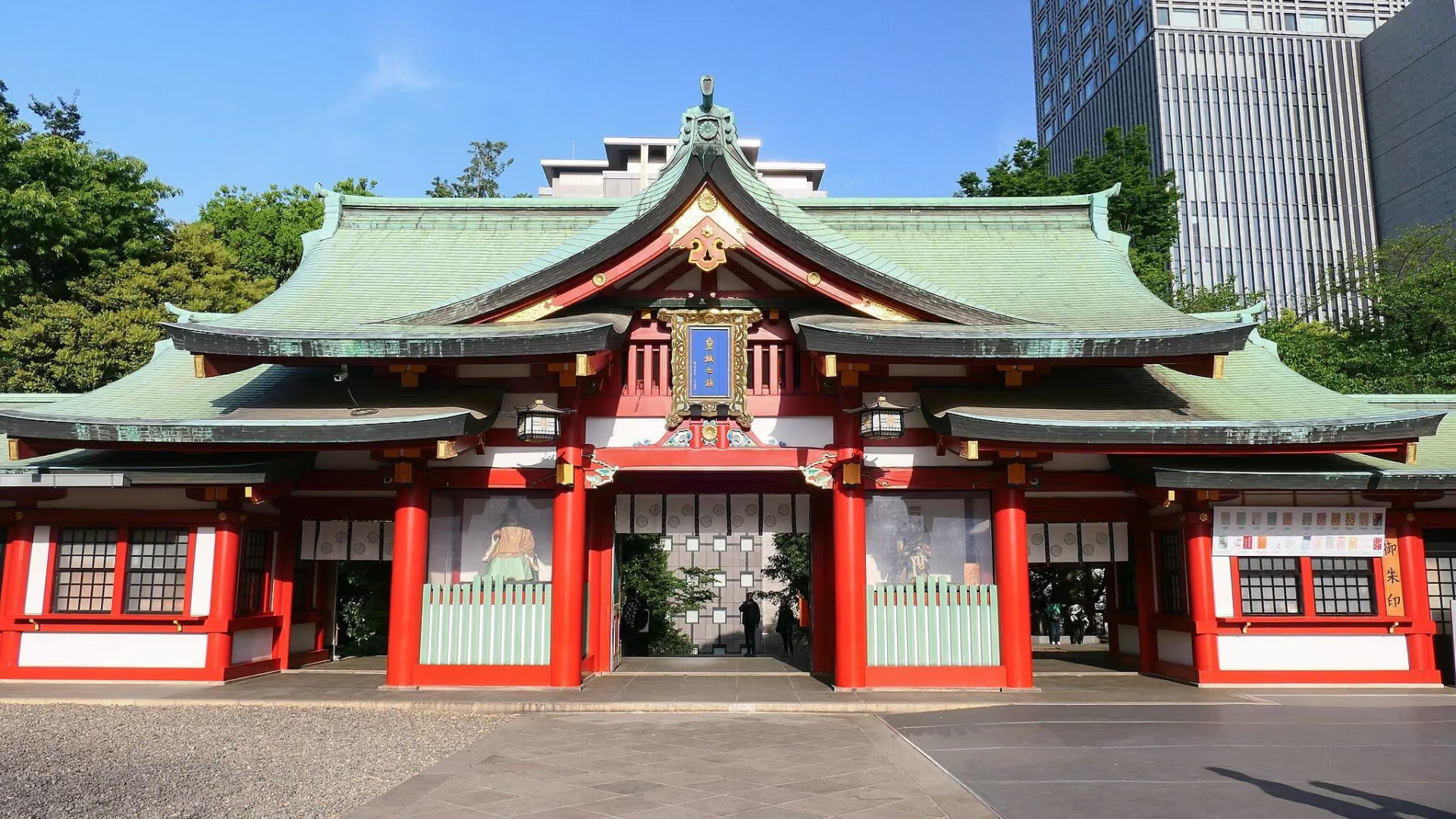
Hie Shrine
A shrine in Nagatacho that guarded Edo Castle and the Tokugawa shoguns, rebuilt after 1945, with a treasure hall holding 31 swords.
Tokyo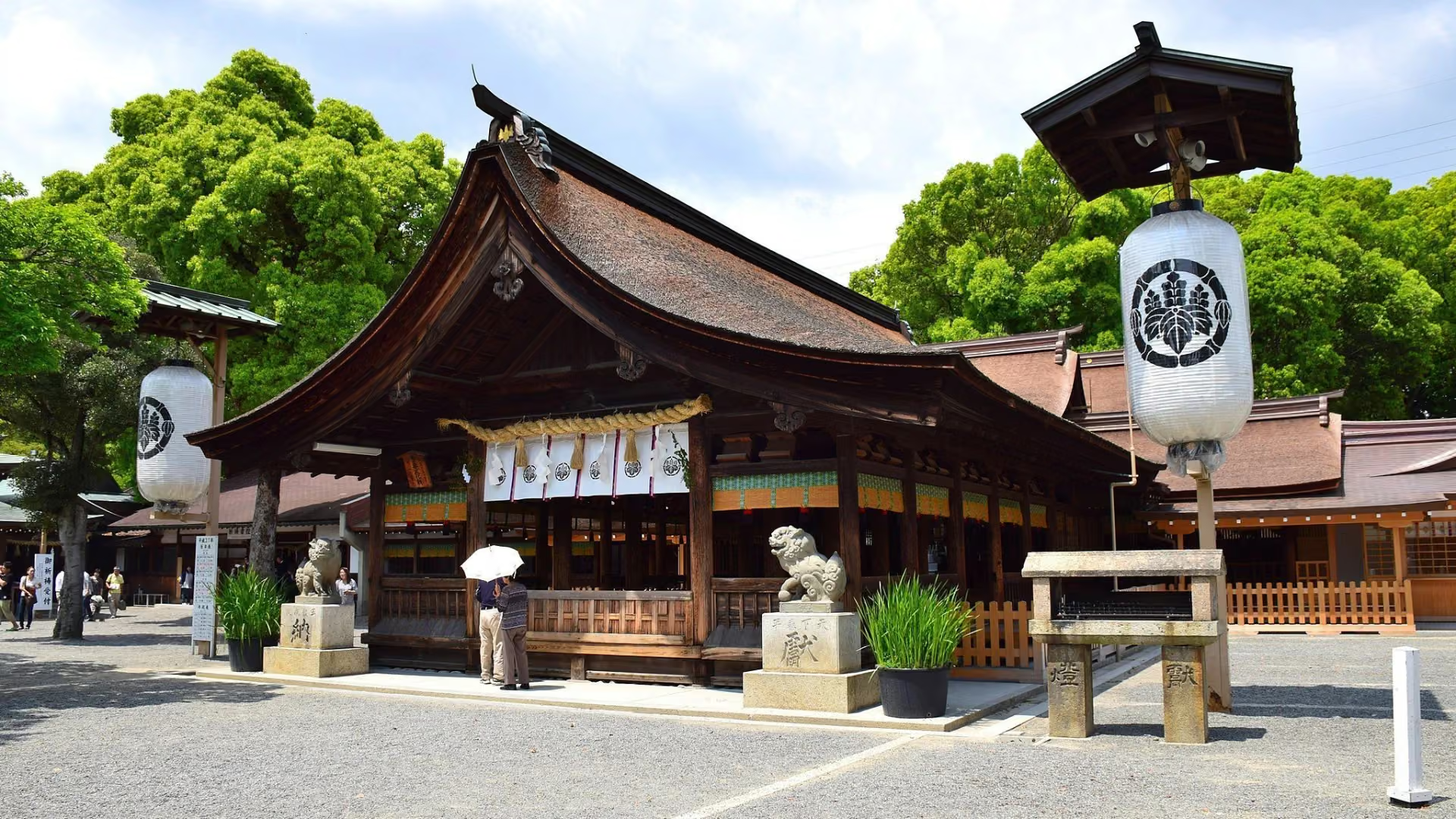
Owari Okunitama Shrine
Inazawa shrine that is the guardian of Owari Province, enshrining the land spirit revered for protecting agriculture and commerce since the Nara period.
Inazawa · Aichi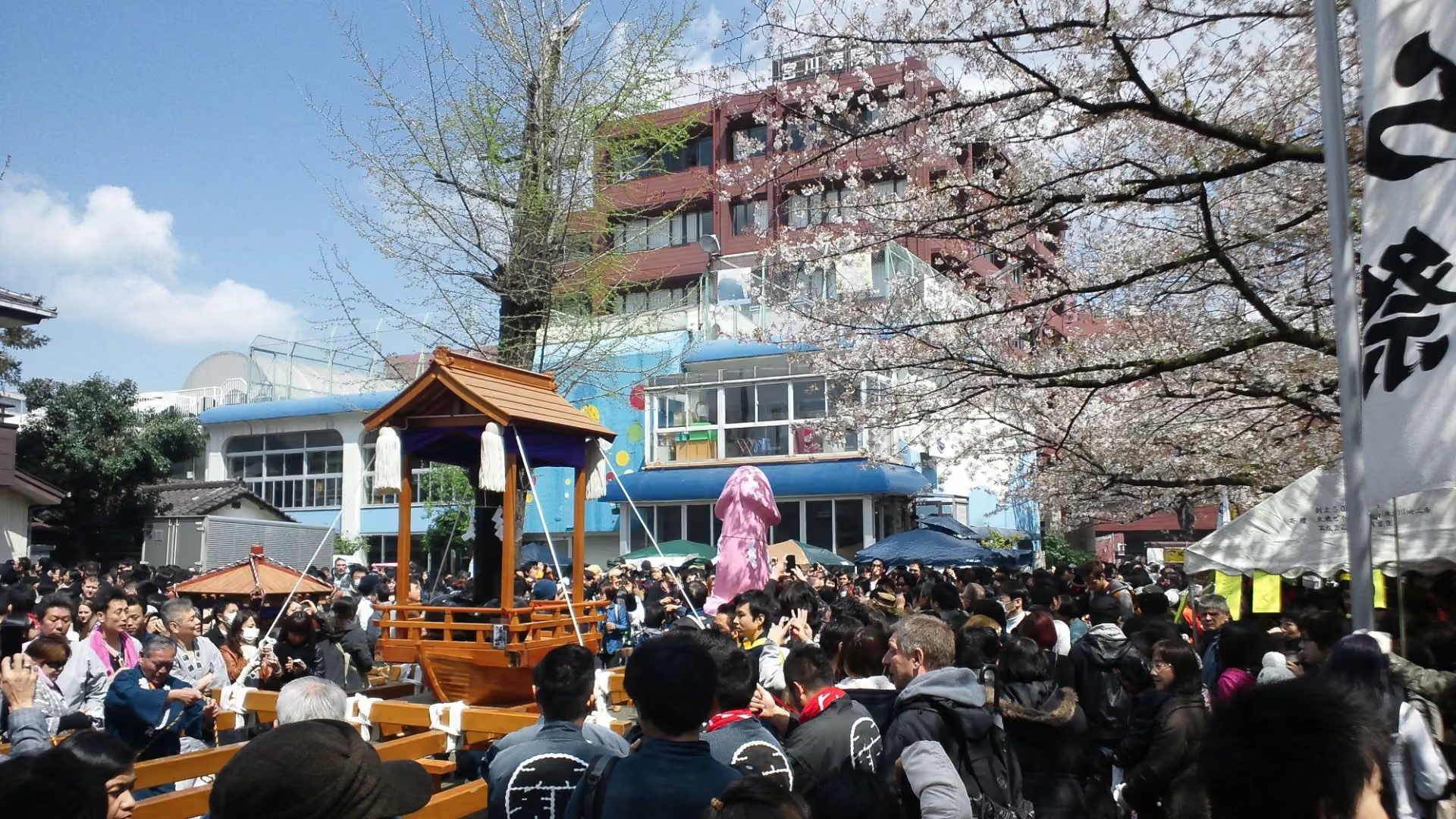
Kanamara Matsuri
A spring festival at Kanayama Shrine in Kawasaki: three phallus-shaped mikoshi are carried out with prayers for children, marriage and protection from disease.
4 Apr 2027Exact date not confirmed yetKawasaki · Kanagawa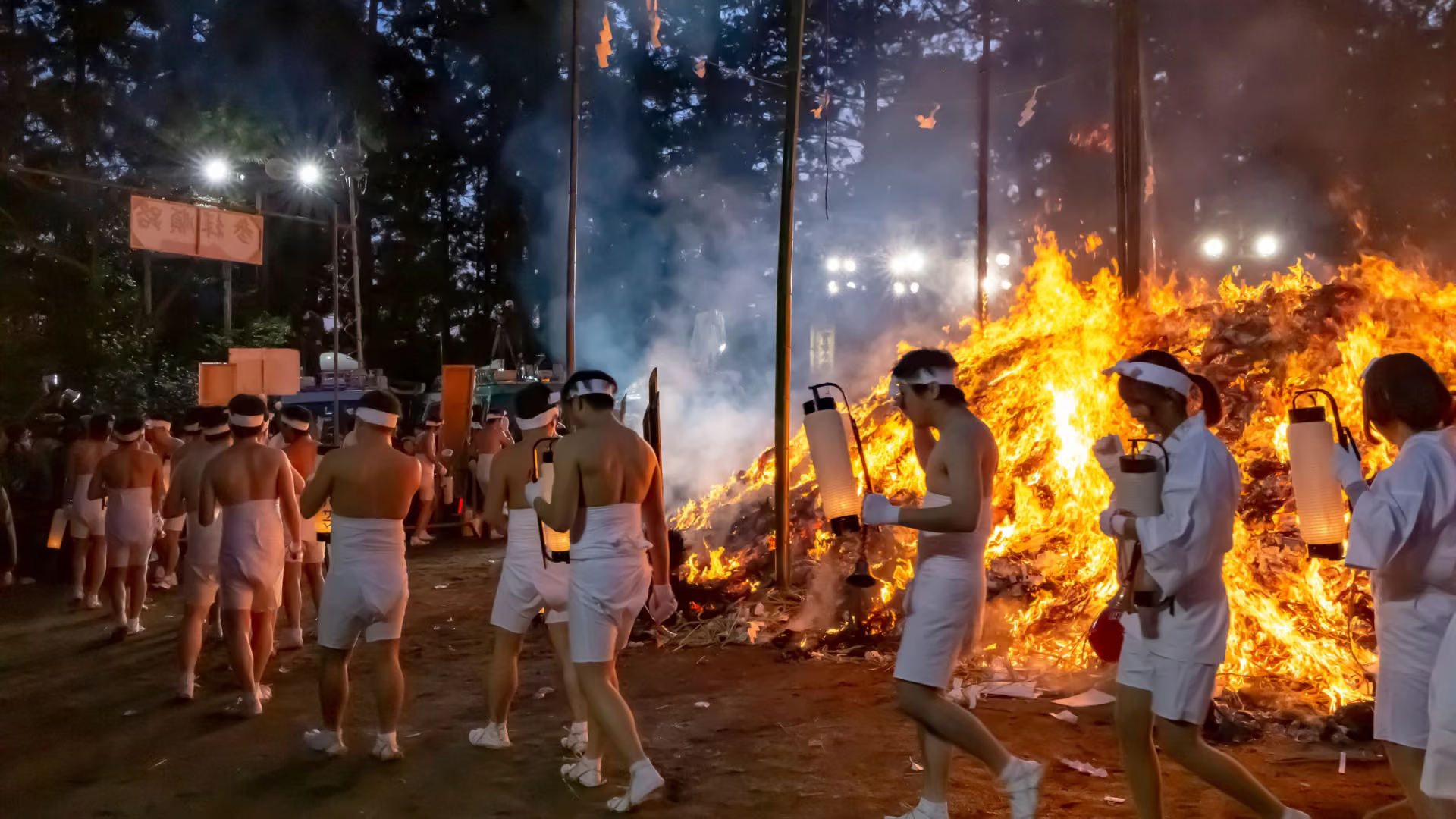
Dontosai Festival
An annual winter ritual in Sendai features the ceremonial burning of New Year decorations followed by a sacred pilgrimage procession in traditional attire.
14 Jan 2027Exact date not confirmed yetSendai · Miyagi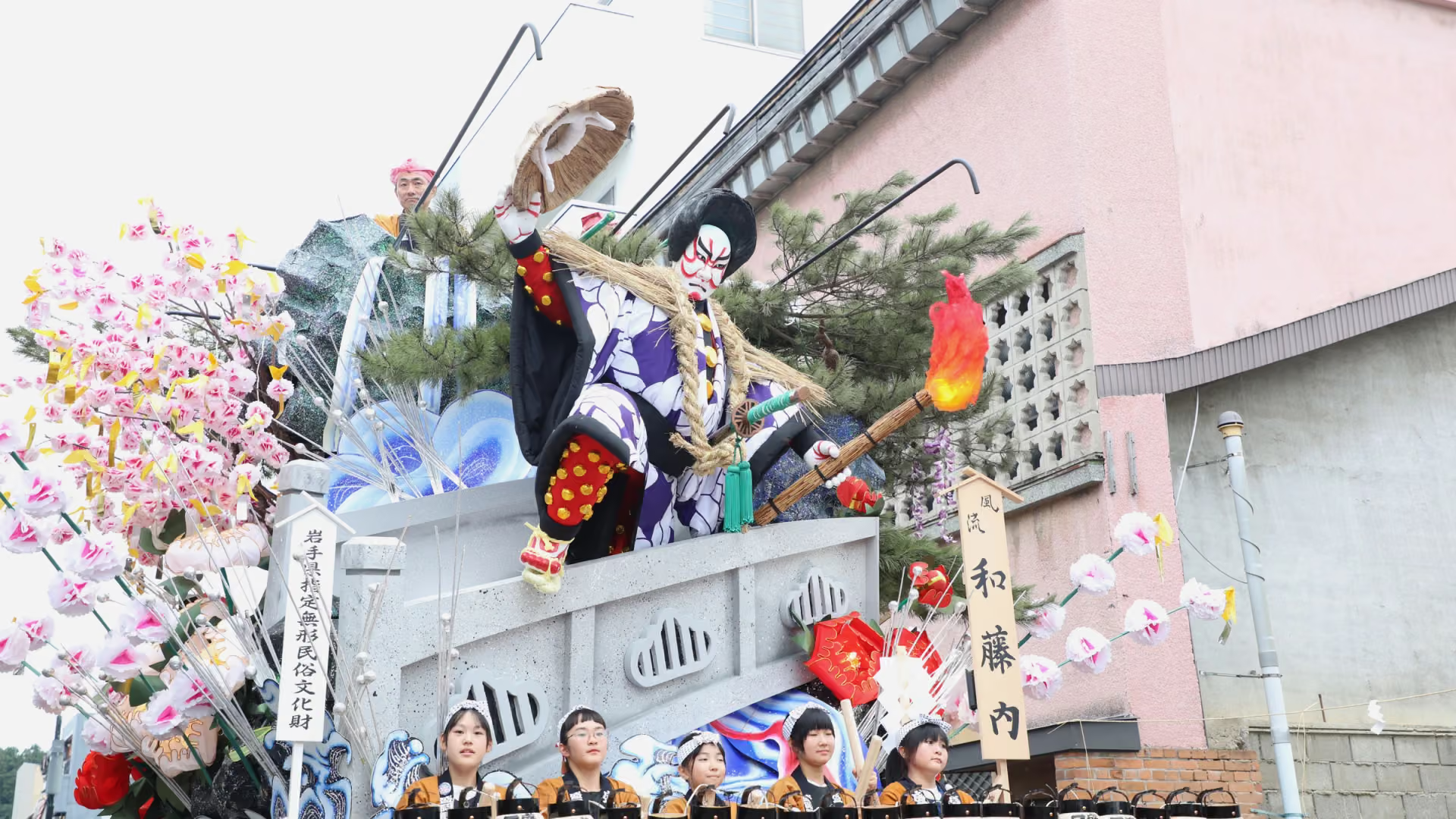
Morioka Fall Festival
Neighbourhood floats with kabuki scenes parade through Morioka by day and lit at night, and Morioka Hachimangu Shrine ends its festival with horseback archery.
14–16 Sep 2027Morioka · Iwate