Nikko Tosho-gu
日光東照宮
Shinto shrine established 1617 to enshrine Tokugawa Ieyasu, the first shogun who ended the Sengoku period and founded 260 years of Edo peace.
〒 321-1431How to get there
日光Nikko Line · Tobu Nikko Line36 min walk from the station
Nikko Tosho-gu is a Shinto shrine established in 1617 to enshrine Tokugawa Ieyasu, the first shogun of the Tokugawa shogunate. He is regarded as the leader who brought an end to the turbulent Sengoku period, established the shogunate system, and created order and structure in society, laying the foundation for 260 years of peace and culture during the Edo period. Ieyasu passed away at the age of 75 in 1616 at Sunpu Castle (present-day Shizuoka City) but in accordance with his last wishes, his remains were transferred one year later to their current location at the Tosho-gu shrine, the grave of Tokugawa Ieyasu is located at the rear of the shrine grounds.
While Tokugawa Ieyasu is the principal deity enshrined at Nikko Tosho-gu, he is not the only one. Two other famous figures were added as enshrined deities during the Meiji period: Toyotomi Hideyoshi, Ieyasu's predecessor as ruler of Japan and one of the great unifiers of the country, and Minamoto no Yoritomo, the founder of the Kamakura shogunate and the first warrior to establish a military government in Japan.
A defining feature of the shrine grounds is the way in which the natural terrain has been incorporated into the layout, with approaches and stairways that follow the contours of the land, and shrine buildings arranged in a carefully balanced composition that creates a solemn and sacred atmosphere. The structures are adorned with lacquer and vivid polychrome decoration, and the pillars and other elements are embellished with a great number of carvings. These are not merely ornamental, however - they give expression to religious belief, scholarship, and philosophical thought. The majority of the current shrine buildings were reconstructed in 1636, twenty years after the original enshrinement.
The shrine complex was inscribed as a UNESCO World Cultural Heritage Site in December 1999, as part of the "Shrines and Temples of Nikko". This World Heritage property brings together three neighbouring religious sites: Tosho-gu, the older Futarasan Shrine, and the Buddhist temple Rinnoji, known collectively in Japanese as nisha ichiji, or "two shrines and one temple".
Buildings and Structures
The complex encompasses 55 structures, among them:
Important Cultural Properties:
Stone Torii Gate (Ishidori) - Dedicated in 1618 (the 4th year of Genna), the year after the shrine's establishment, by Kuroda Nagamasa, lord of the Chikuzen domain (present-day Fukuoka Prefecture) in Kyushu. The stone was first transported by ship from Kyushu to Oyama, then carried overland by hand all the way to Nikko.
Five-Story Pagoda (Gojunoto) - Dedicated in 1650 (the 3rd year of Keian) by Sakai Tadakatsu, lord of the Obama domain in Wakasa Province (present-day Fukui Prefecture). After being damaged by fire in 1815, it was rebuilt in 1818 (the 1st year of Bunsei) by a later domain lord, Sakai Tadanobu.
Front Gate (Omote-mon) - The first gate encountered at Tosho-gu. It is also known as the Niomon, or Deva Gate, as it houses statues of the two Nio guardian kings on either side.
Three Sacred Storehouses (Sanjinko) - A collective term for the Upper, Middle, and Lower Storehouses, which house the horse trappings and ceremonial costumes used in the Spring and Autumn Procession Festival, known as the Hyakumonozoroe Sennin Musha Gyoretsu (Samurai Procession). The roof of the Upper Storehouse is adorned with a large carving of an "imaginary elephant", based on a preparatory sketch by the painter Kano Tan'yu.
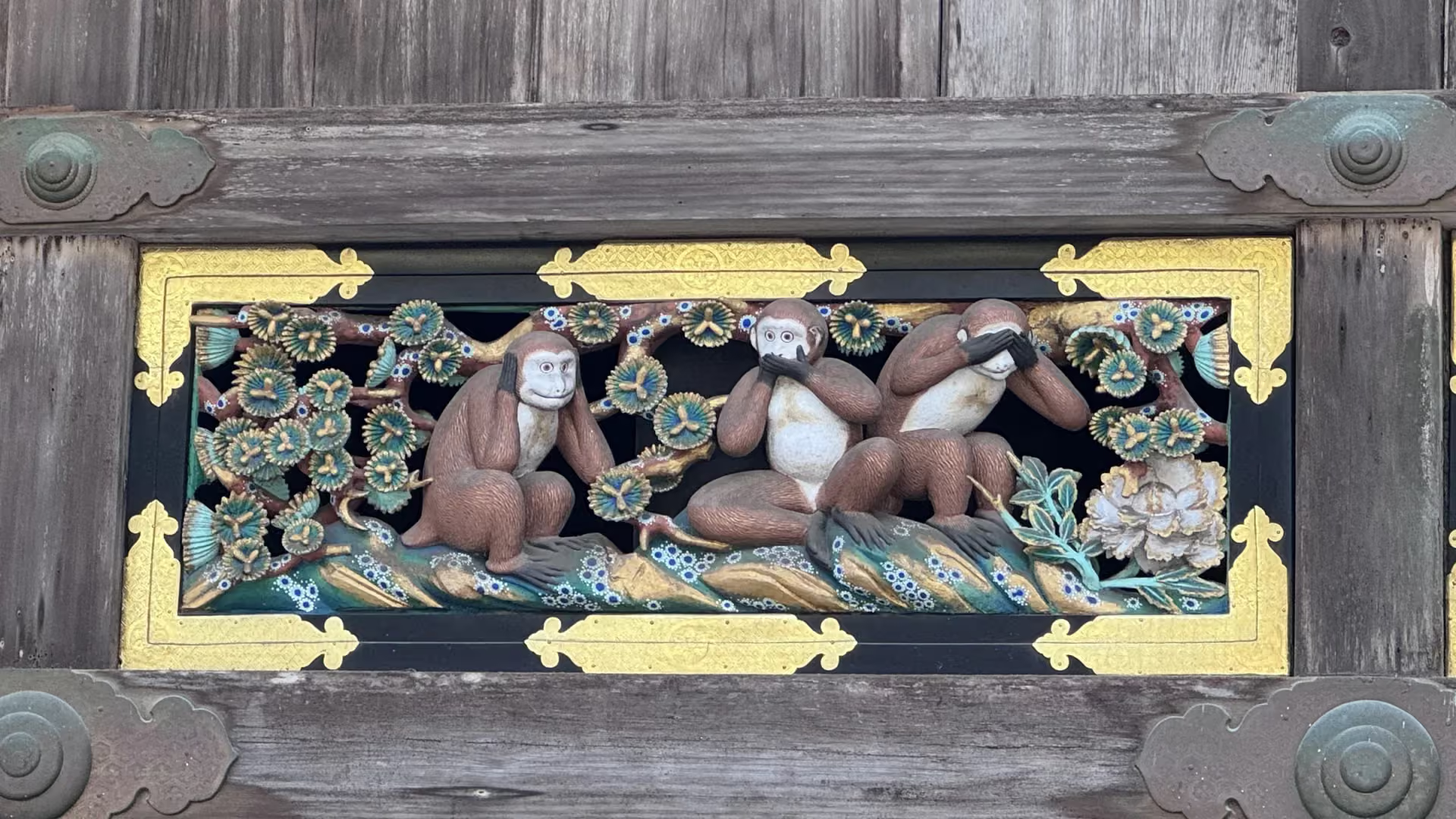
Sacred Stable and the Three Wise Monkeys (Shinkyusha, Sanzaru) - The sacred stable is where the shrine's sacred horse is kept. Monkeys have long been believed to protect horses, and so the stable features eight carved panels depicting monkeys, together representing the various stages of human life. The most famous of these is the carving of the Three Wise Monkeys - "see no evil, speak no evil, hear no evil".
Purification Fountain (Omizuya) - A structure used by worshippers to wash their hands and rinse their mouths in order to purify themselves before approaching the deity. The water basin was dedicated in 1618 by Nabeshima Katsushige, lord of the Saga domain in Kyushu.
Sacred Palanquin House (Shinyosha) - Houses three mikoshi (portable shrines) used during the Spring and Autumn Procession Festivals, held on May 18 and October 17.
Prayer Hall (Kitoden) - The hall where ceremonies such as weddings and first shrine visits for newborns are conducted.
Inner Shrine (Okusha) - The mausoleum of the enshrined deity, consisting of a worship hall, the Inuki-mon gate, and the sacred treasure tower.
National Treasures:
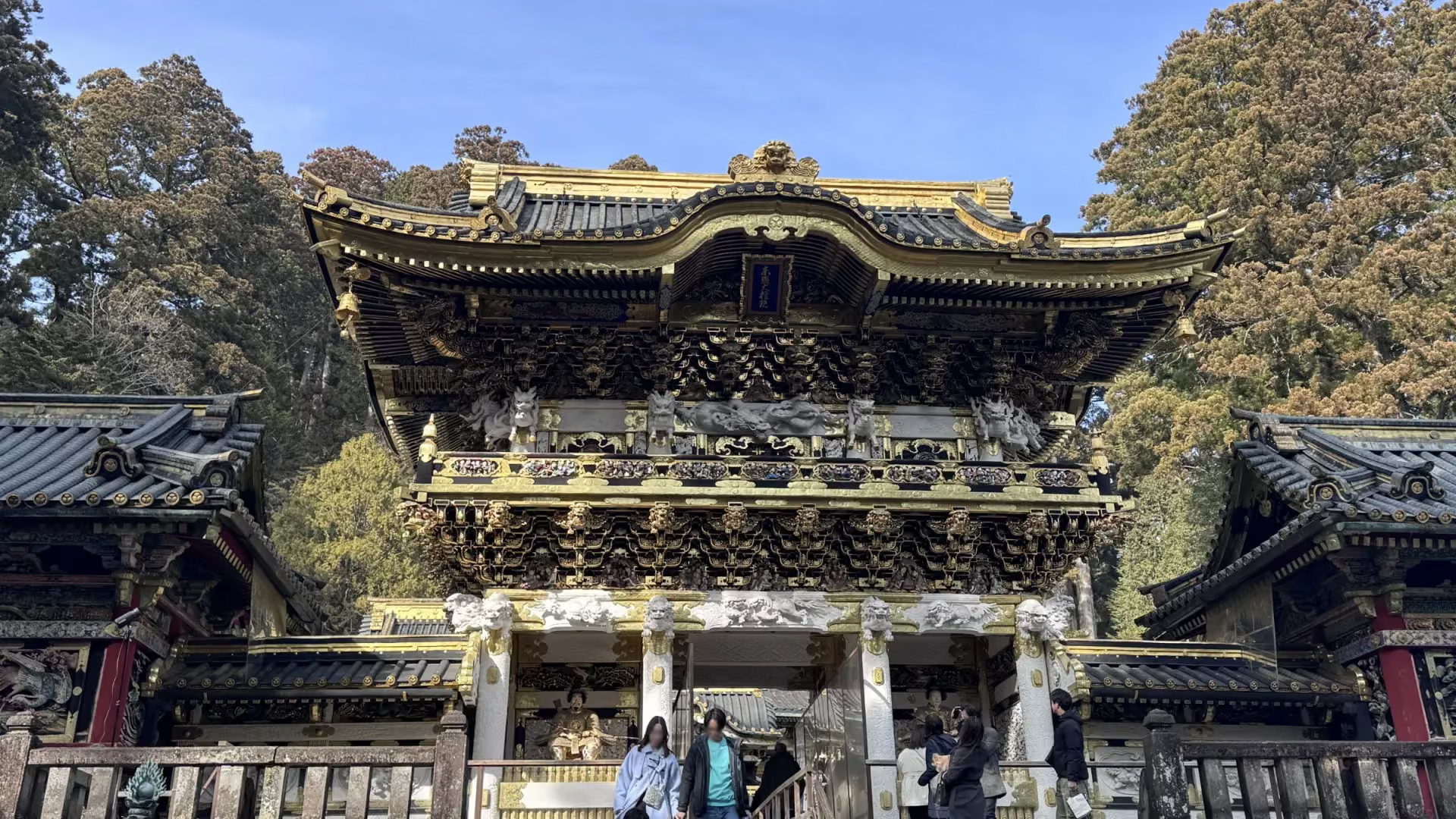
Yomeimon Gate - Considered the most beautiful gate in Japan, it is said to have been given the name of the main gate of the imperial palace. So captivating is its appearance that it is also known as the "Higurashi-no-mon" (Twilight Gate), as visitors never tire of gazing upon it. The gate is adorned with more than 500 carvings depicting historical anecdotes, children at play, and sages and wise men.
Corridors (Kairo) - The covered corridors extending to the left and right of the Yomeimon Gate. The outer walls are decorated with some of the largest relief carvings of birds and flowers in Japan, each cut from a single plank of wood in open fretwork and finished in vivid polychrome.
Karamon Gate - The gate is painted entirely in white using gofun (shell white), and is adorned with intricate carvings depicting scenes such as "Kyoyu and Sofu" and "The Court Audience of Emperor Shun."
Main Shrine (Gohon-sha) - Consisting of the honden (main hall), the ishi-no-ma (stone chamber), and the haiden (worship hall), this is the most sacred part of Tosho-gu. The main annual festival and all other ceremonies throughout the year are held here. To the left and right of the worship hall are the "Shogun's Sitting Chamber" and the "Imperial Prince's Sitting Chamber".
Sleeping Cat (Nemuri-neko) - Said to be the work of the master carver Hidari Jingoro. Surrounded by peony blossoms and basking in sunlight, the cat appears to be dozing - a depiction said to have been inspired by the name "Nikko", meaning "sunlight". This carving marks the entrance to the path leading up to the Inner Shrine.
Also on the shrine grounds are:
Treasure Hall (Homotsukan) - A museum housing the shrine's collection of sacred artifacts and treasures.
Art Museum (Bijutsukan) - A museum dedicated to artwork associated with the shrine.
Butokuden (Registered Tangible Cultural Property) - A hall historically associated with martial arts and ceremonial functions.
Guest Hall and Shrine Office (Kyakuden & Shamusho) - A facility that serves as a reception space for visitors, worshippers, and those participating in ceremonies and festivals. It is also widely used as a venue for tea gatherings, mini concerts, and other events.
Getting There

Planning a trip? Fit this into a trip and Oni plans the rest around it.
Places nearby
Three Wise Monkeys
Relief carvings depicting the Three Wise Monkeys and seven other scenes that symbolize different life stages, based on the traditional proverb.
Nikko · Tochigi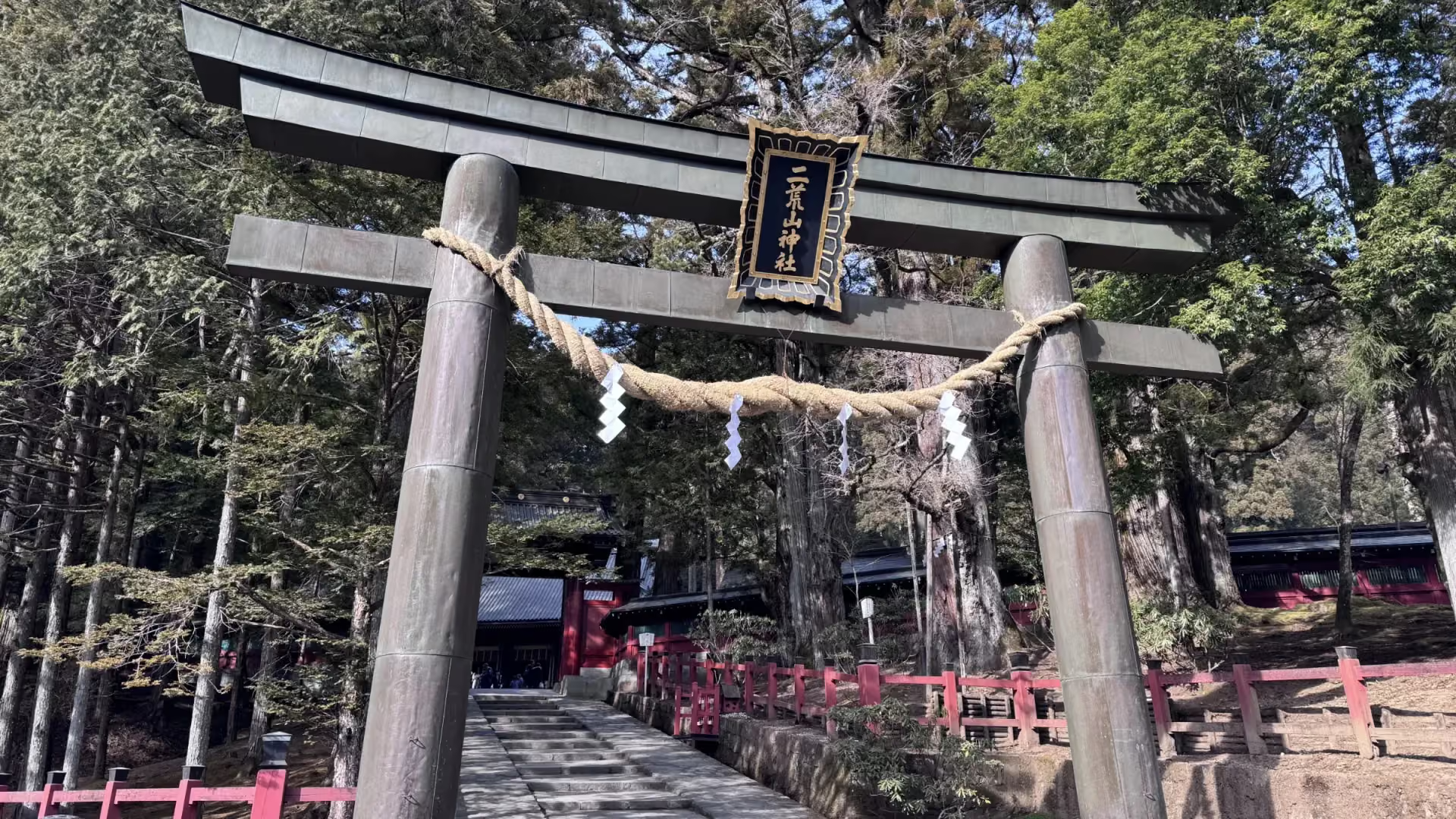
Futarasan Shrine
Guardian shrine of Nikko from the 8th century, honoring three family deities and a prominent figure in mythology revered for love and matchmaking.
Nikko · Tochigi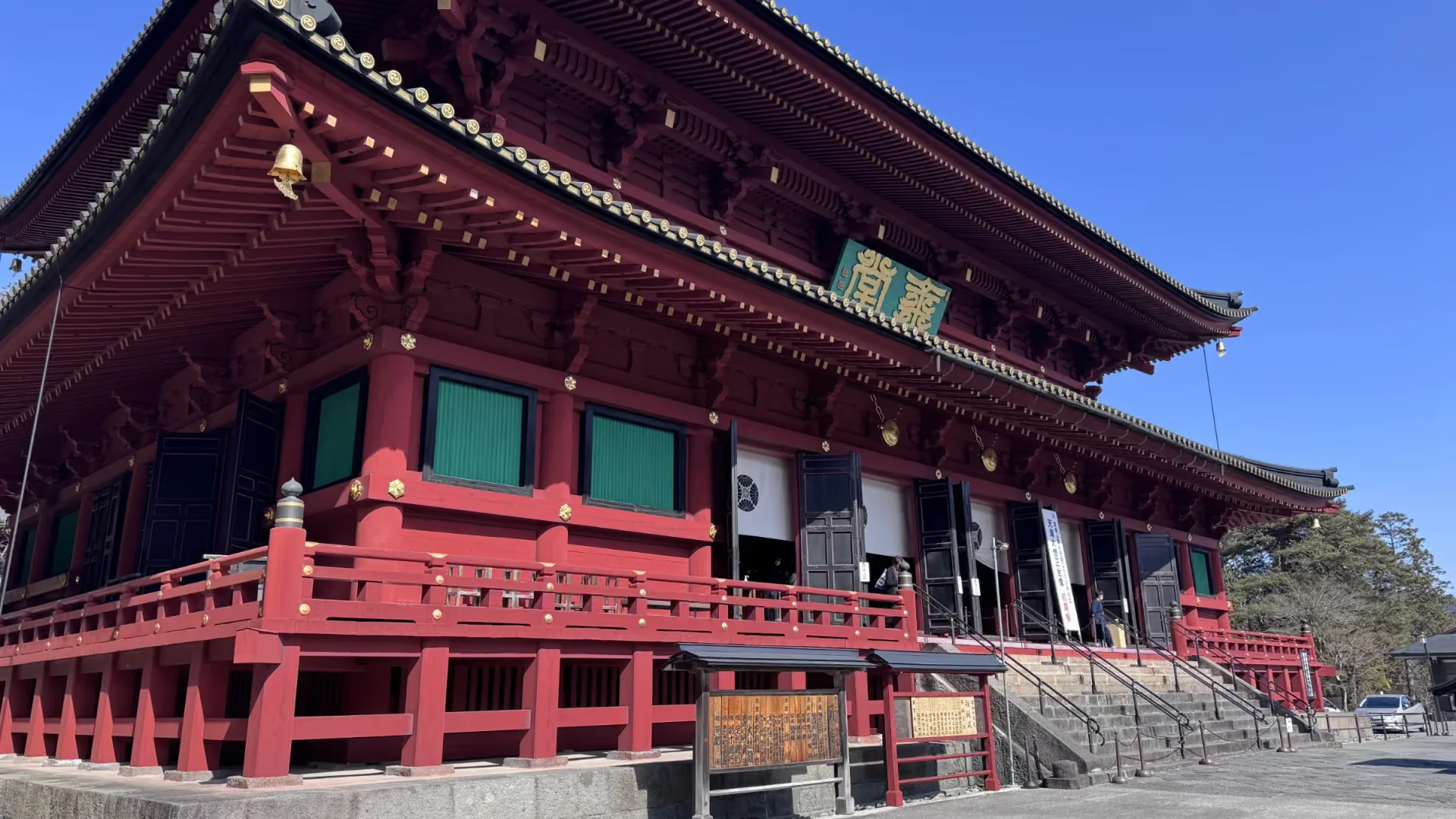
Rinnoji Temple
Rinnoji is a Tendai Buddhist temple in Nikko within a UNESCO World Heritage Site, known for its Sanbutsudo hall and the National Treasure Taiyuin mausoleum.
Nikko · TochigiYou might also like
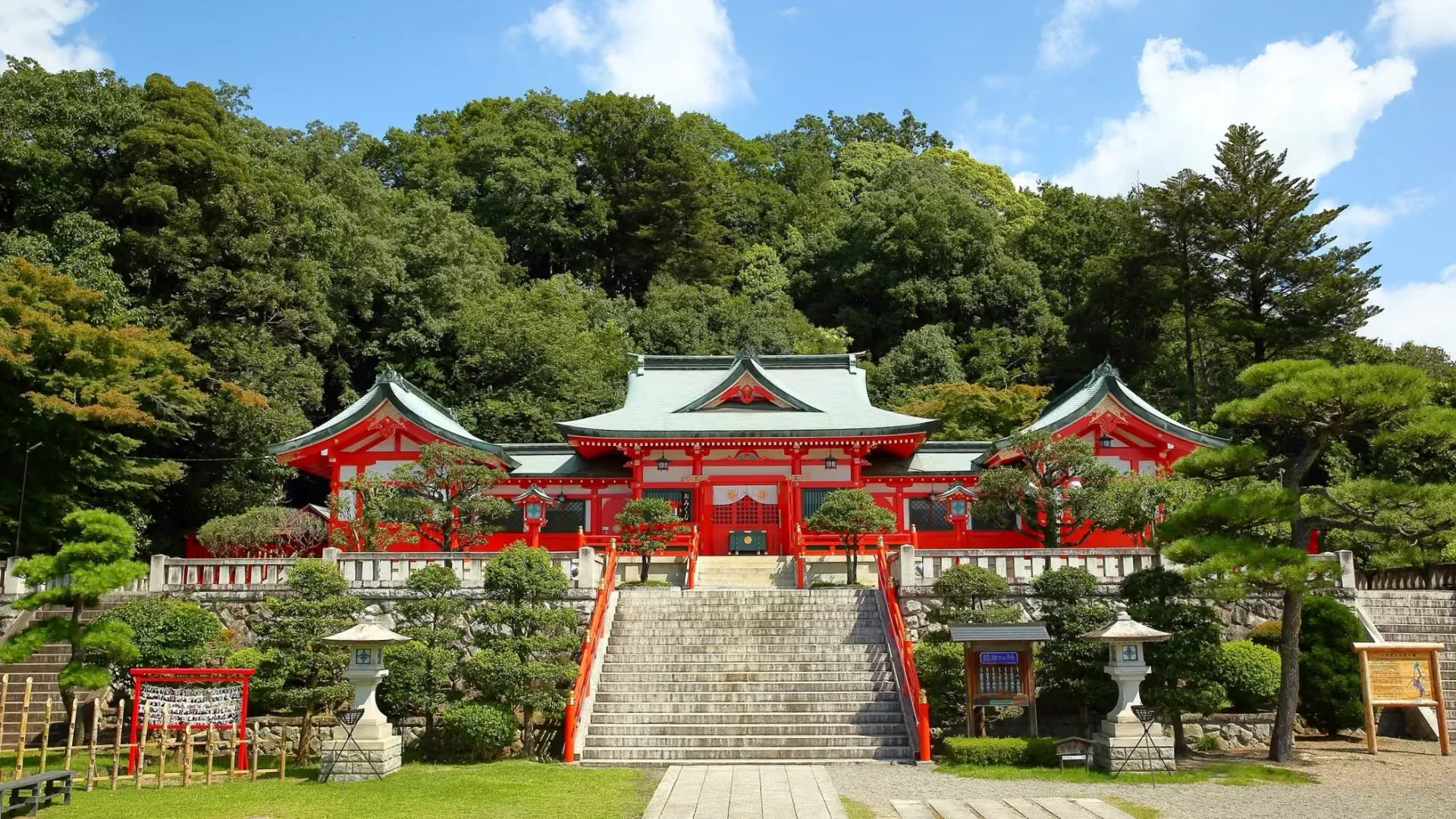
Ashikaga Orihime Shrine
Ashikaga shrine to weaving deities linked to love and prosperity, with a reinforced concrete building of 1937 and four National Tangible Cultural Properties.
Ashikaga · Tochigi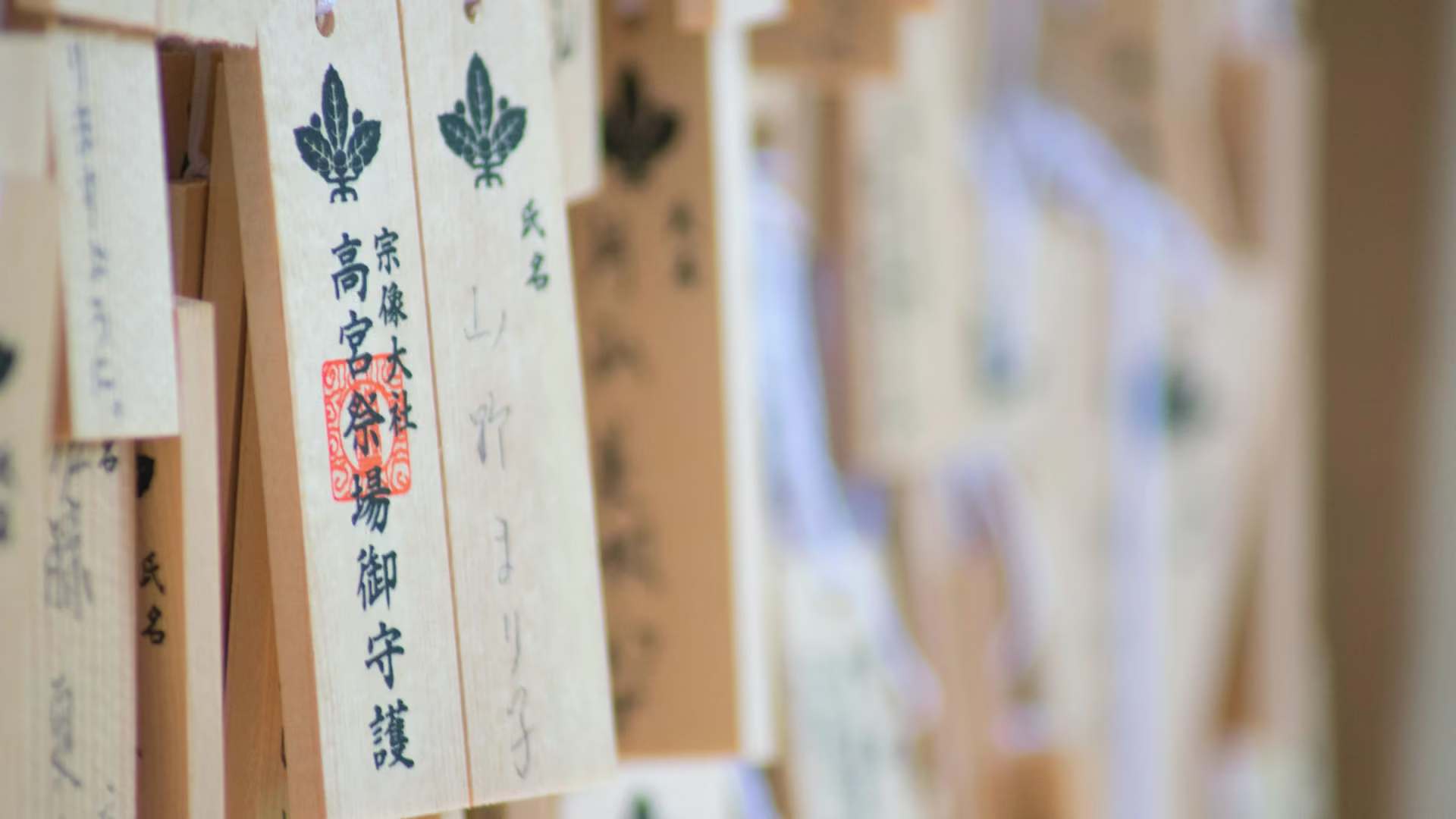
Mamada Hachiman Shrine
Tochigi shrine founded in the Tenpyo era (729-749); its May 5 Snake Festival, with snakes over 15 metres, is an Important Intangible Folk Cultural Property.
Oyama · Tochigi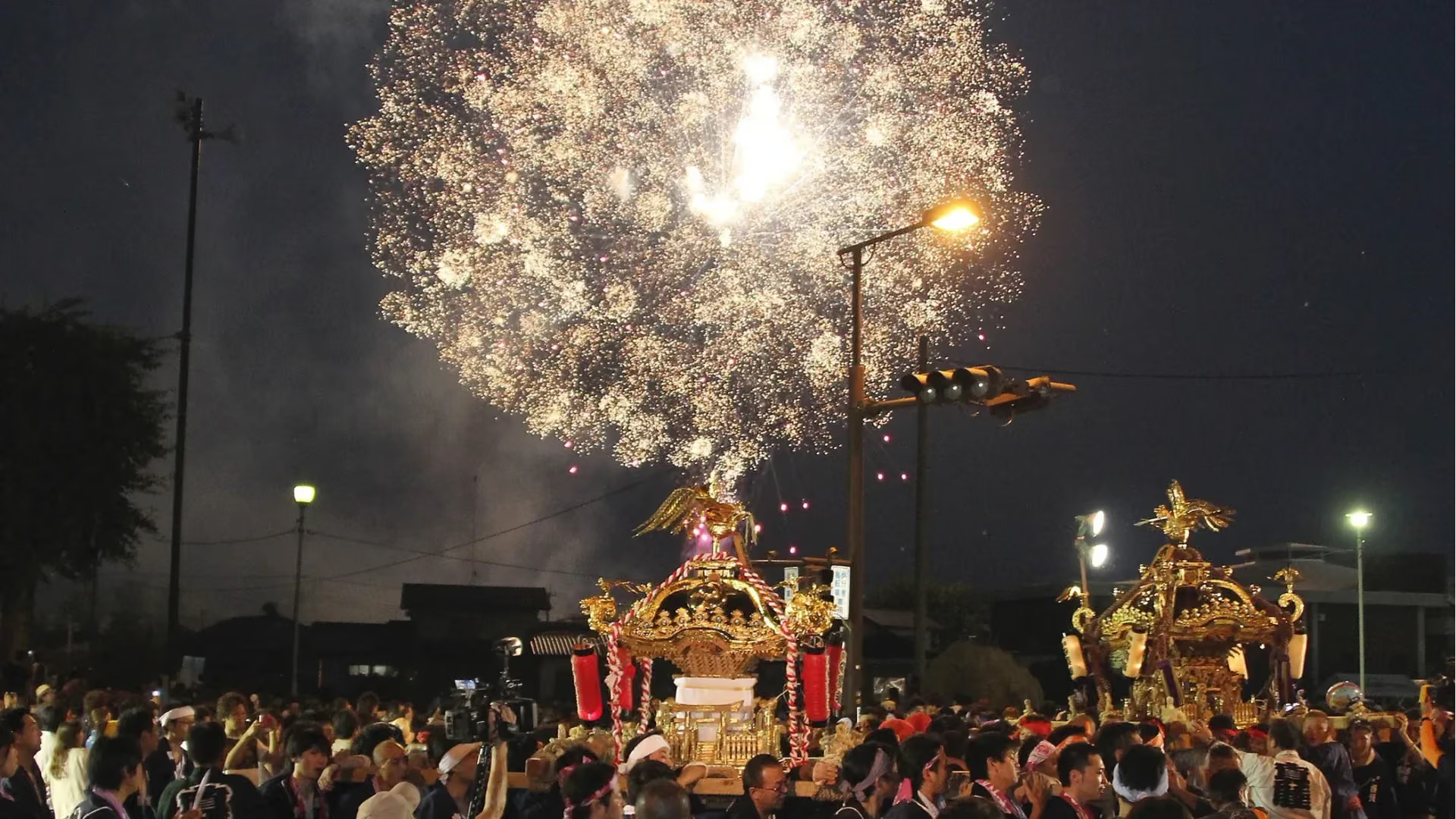
Moka Summer Festival
Moka Summer Festival honors Kojin, god of fire and hearth, with over 20 mikoshi and festival floats paraded through the city over three days in summer.
24–26 Jul 2027Exact date not confirmed yetMoka · Tochigi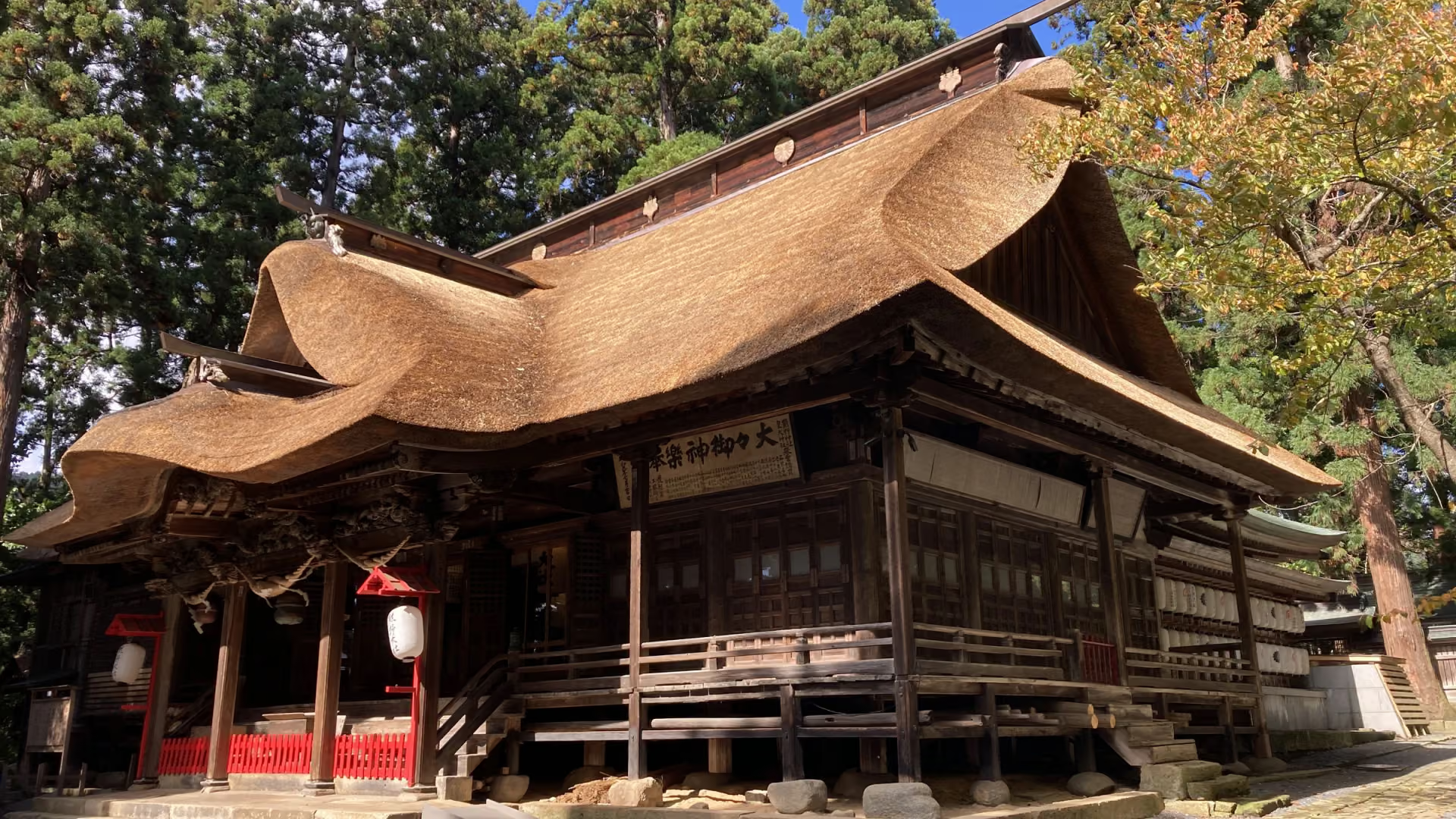
Kumano Taisha Shrine
One of three major Kumano shrines in Japan, Kumano Taisha was established in 806 and is known as the Ise Shrine of the North for its significance.
Nanyo · Yamagata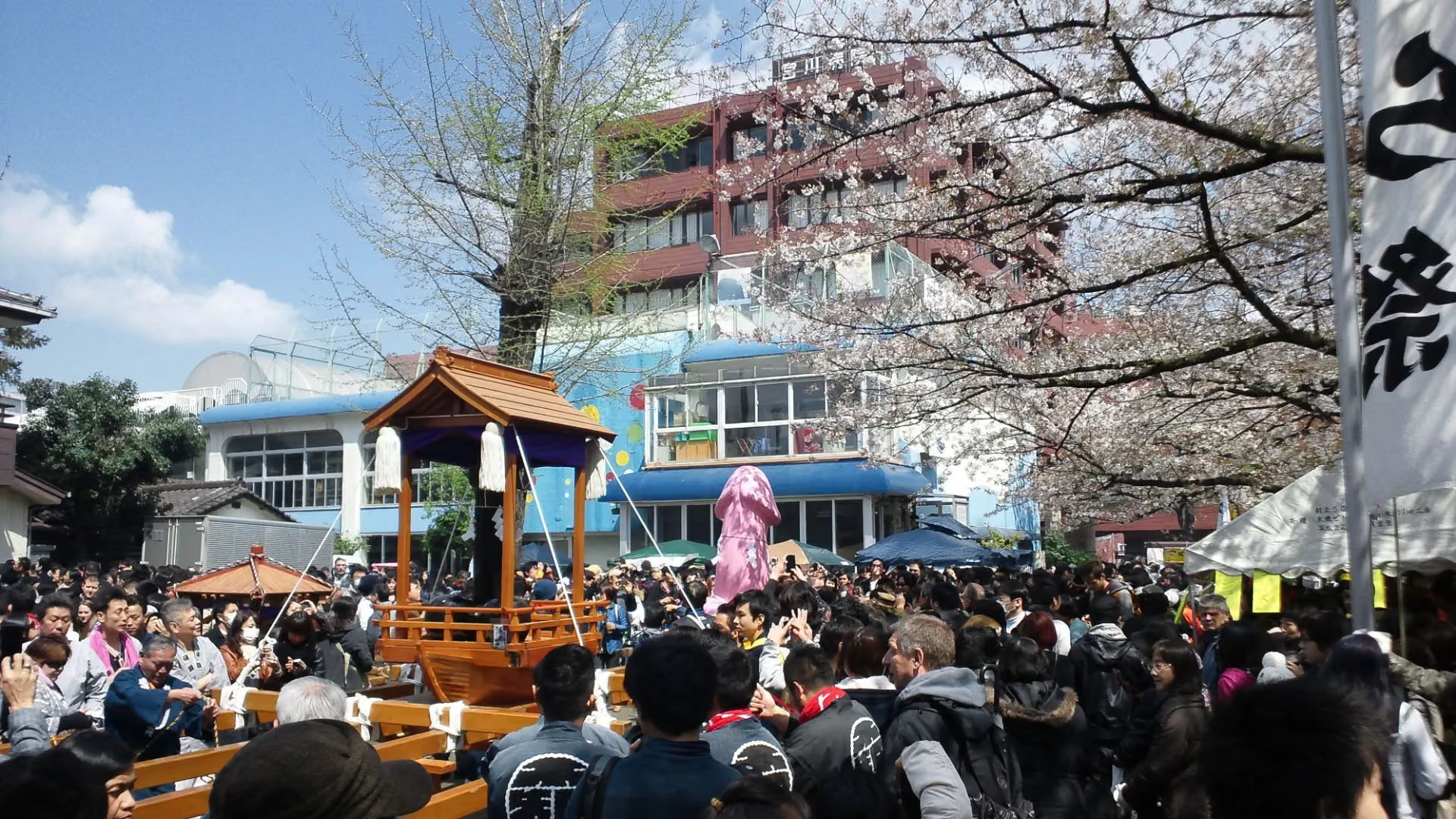
Kanamara Matsuri "Festival of the Steel Phallus"
An annual Shinto festival at Kanayama Shrine in Kawasaki featuring distinctive phallic imagery in decorations and parades while raising funds for HIV research.
5 Apr 2027Exact date not confirmed yetKawasaki · Kanagawa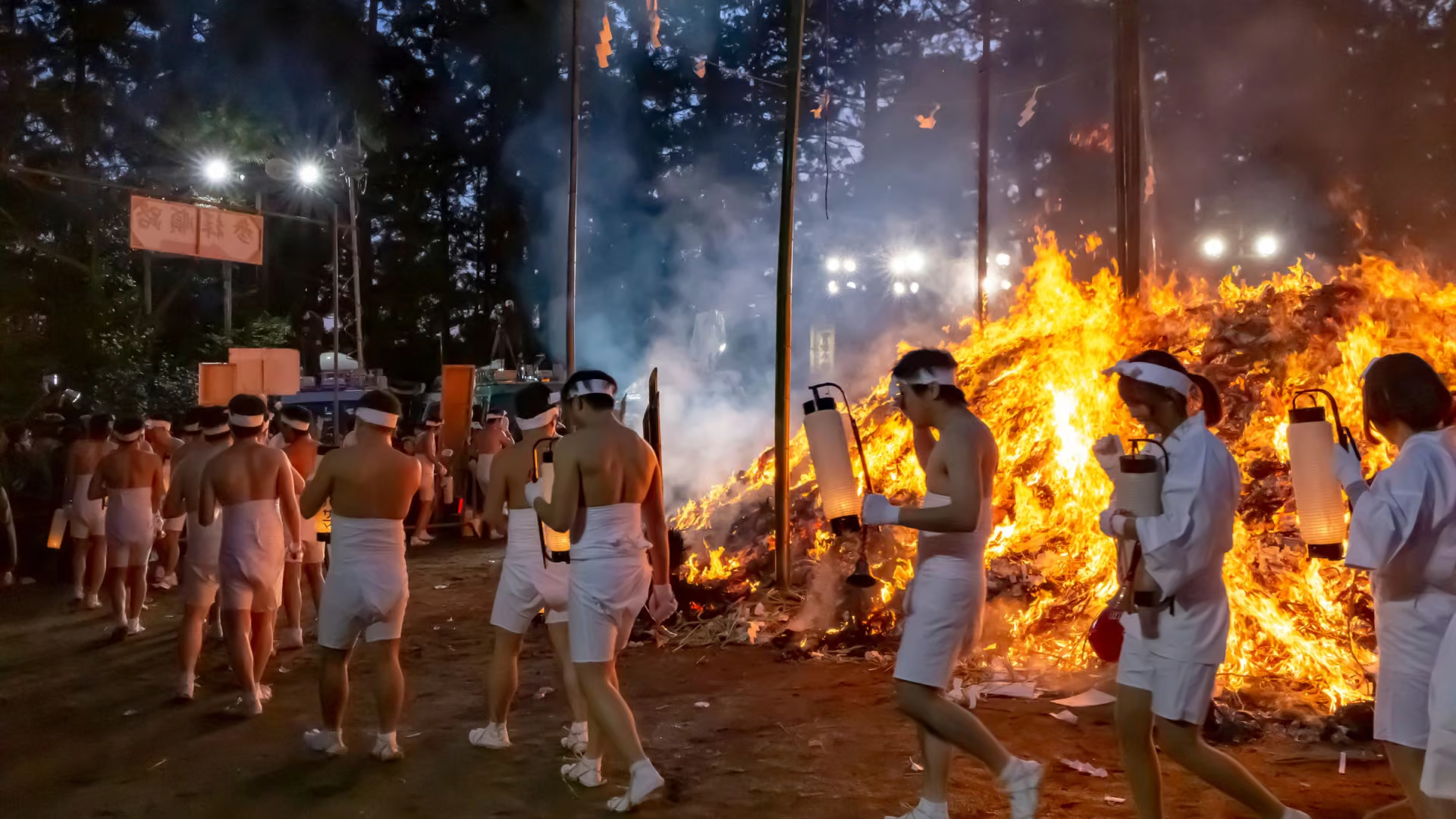
Dontosai Festival
An annual winter ritual in Sendai features the ceremonial burning of New Year decorations followed by a sacred pilgrimage procession in traditional attire.
14 Jan 2027Exact date not confirmed yetSendai · Miyagi