

Kamigamo Shrine
上賀茂神社
One of Japan's oldest Shinto shrines, dedicated to the thunder deity and honored since 794 when Kyoto became the imperial capital.

Kamigamo Shrine, formally known as the Kamo Wakeikazuchi Shrine, holds a significant place among Shinto sanctuaries. It stands along the banks of the Kamo River in northern Kyoto and traces its origins back to the year 678. This venerable shrine ranks as one of Japan's oldest Shinto shrines.
In 794, when the capital was relocated to Kyoto, then known as Heian-kyō, Emperor Kanmu embarked on a pilgrimage to Kamigamo Shrine, offering prayers for peace in the nation. Consequently, the shrine gained immense importance as a guardian against misfortune, receiving continuous imperial patronage. Throughout the medieval to the nineteenth centuries, Kamigamo Shrine garnered support from samurais and feudal lords. Following the restoration of governing power to the emperor in 1867, the official ranking system for Shinto shrines was reinstated. Kamigamo Shrine, with its rich history and significance, earned its place as one of the highest government-supported shrines.
Kamogamo Shrine is dedicated to the worship of Kamo Wakeikazuchi, the deity of thunder. This divine entity is associated with safety, protection from natural disasters, bestowing great blessings, and ensuring victory. According to legend, Tamayori-hime, the daughter of the deity Kamo Taketsunumi, discovered a vermilion arrow while purifying herself at the Kamo River. She took this arrow home and enshrined it, leading to her miraculous pregnancy and the birth of a child named Mikogami. After fervent prayers and a ritual, the child's father, taking the name Kamo Wakeikazuchi no Okami, descended to Mount Koyama in the form of an adult male.
To this day, Kamigamo Shrine maintains its prominent status among Japan's shrines and continues to receive recognition from the imperial court through annual visits by chokushi, imperial messengers. Moreover, it stands as one of the seventeen Historic Monuments of Ancient Kyoto, a UNESCO World Heritage Site, preserving its rich heritage for generations to come.
Upcoming events at this place

Aoi Festival
The Aoi Festival is one of Kyoto's three major annual festivals, dedicated to the northern Kamo shrines, with roots reaching back over 1,400 years and featuring equestrian archery.
15 May 2027KyotoYou might also like

Shimogamo Shrine
Dating to the 6th century, this Kyoto shrine dedicated to Tamayori-hime and her father was worshipped as protection against misfortune and a guardian of the capital.
Kyoto
Kasuga-taisha
A major shrine with over 3,000 affiliated shrines nationwide, maintained through a tradition of structural renewal held every 20 years.
Nara
Yasaka Jinja Shrine
A Kyoto shrine tracing its origins to 656, dedicated to Susanoo-no-mikoto and his consort, with its main hall designated a National Treasure in 2020.
Kyoto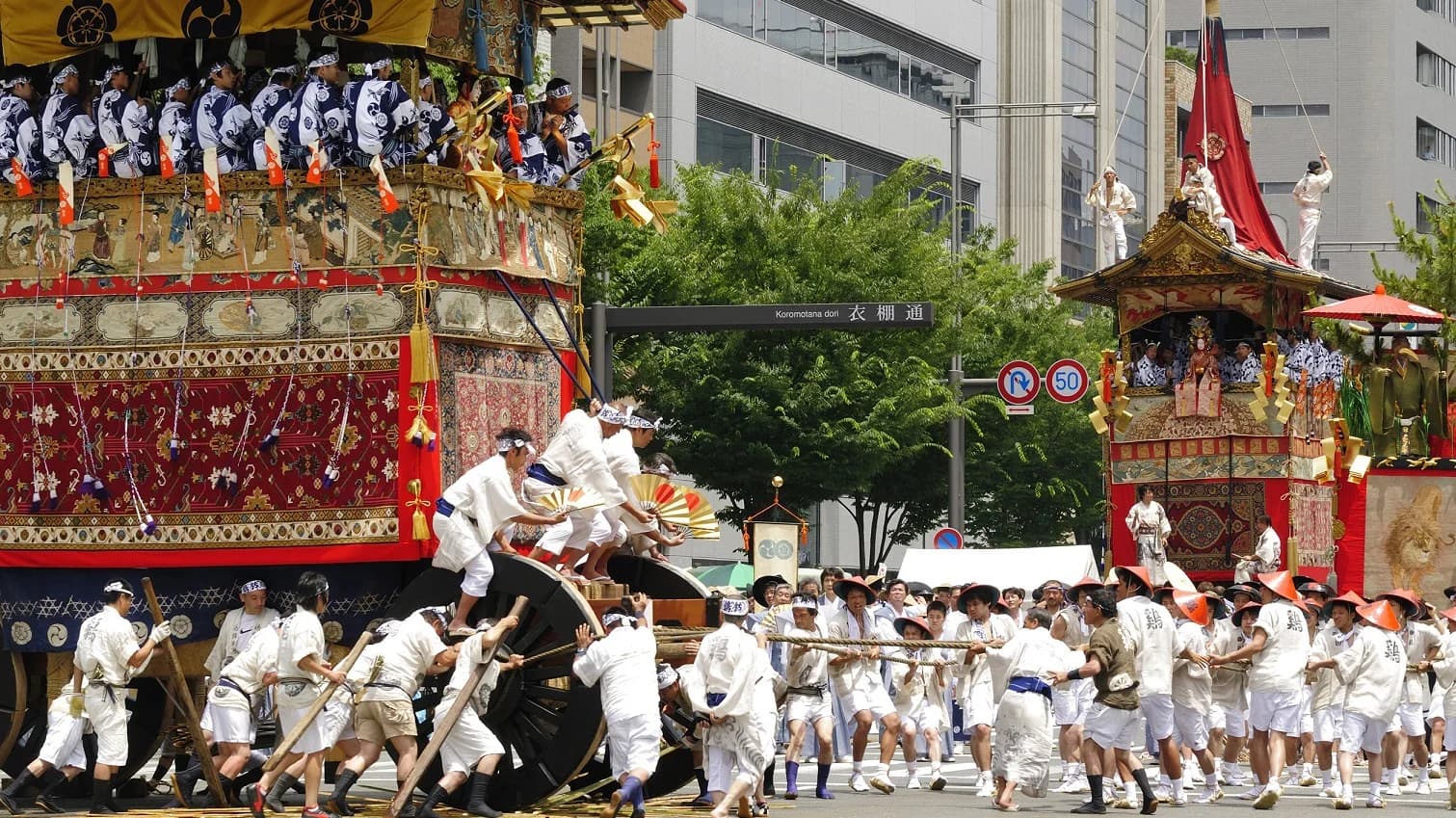
Gion Festival
A month-long Kyoto festival centered on Yasaka Jinja Shrine features sacred rituals, food stalls, illuminated floats, and culminates in a grand procession and parade.
1–31 Jul 2027Kyoto
Morioka Fall Festival
One of Iwate's most enduring celebrations, this autumn festival originated as prayers for harvest, now featuring ornate floats and traditional parades.
14–16 Sep 2026Morioka · Iwate
Kuji Autumn Festival
This over 650-year-old festival in a northern mountain town expresses gratitude for the harvest while praying for protection from disaster and the arrival of good fortune.
17–20 Sep 2026Kuji · Iwate