

Koishiki
恋しき
A restaurant inn of 1872 in Fuchu, Hiroshima, with a strolling garden of 1918, now on the national register and open to the public.
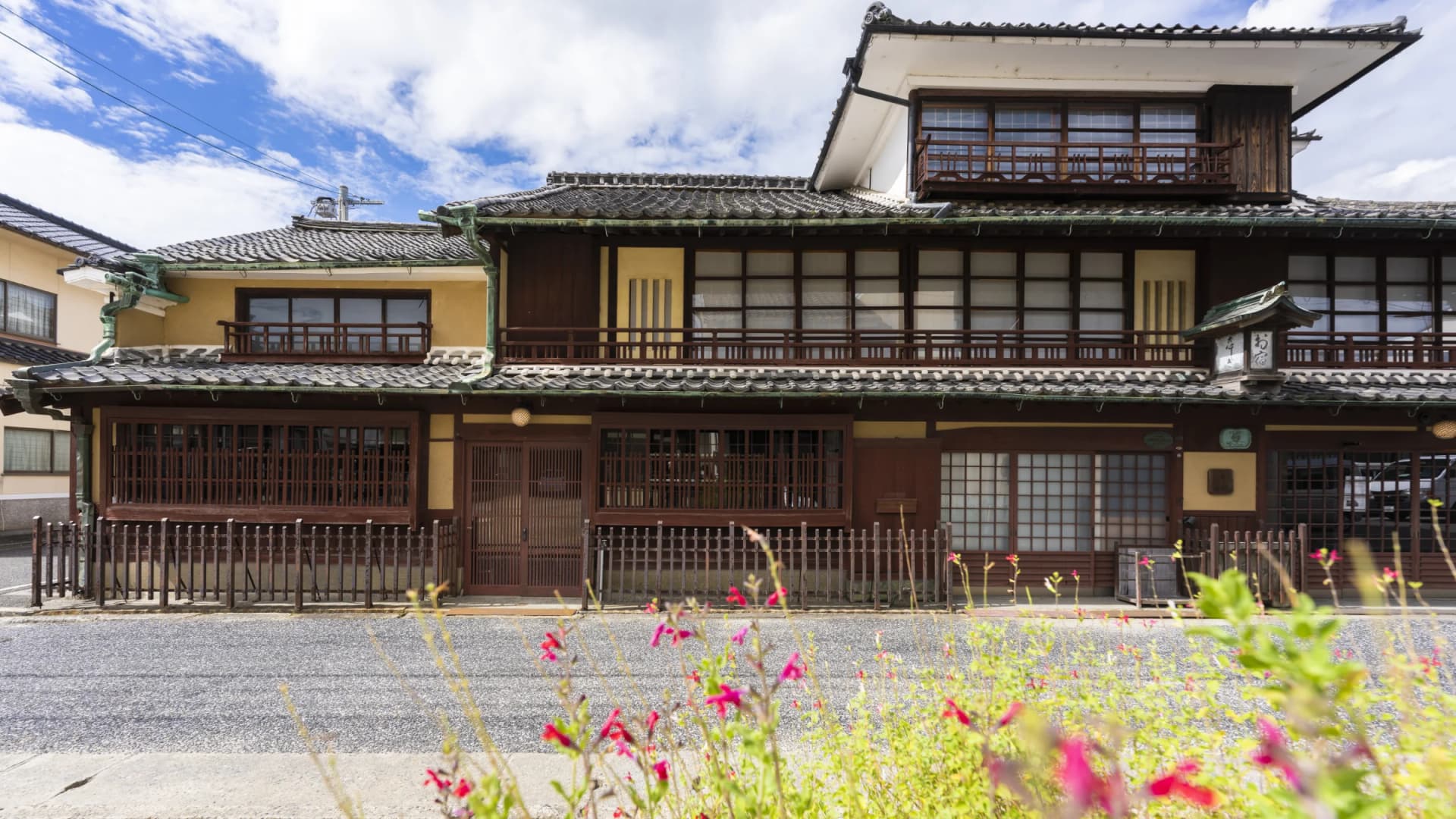
Koishiki is a former restaurant inn in Fuchu. It opened in 1872 and was for a long time the best known house of its kind in the Bingo region. The building is on the national register of Tangible Cultural Properties, and it is open to the public.
Fuchu was the seat of the provincial government of Bingo, and later a post town on the road that ran to the Iwami silver mines, with local cotton, indigo and tobacco passing through it.
Doi Risuke opened an inn here in 1872 under the name Habuya. It was renamed Koishiki soon after, at the suggestion of a businessman of the day: a playful choice at a time when inns were usually named after their owner or their town. The house grew under Risuke's daughter Take, who ran it as its mistress, and in 1918 a large sum was spent on laying out the garden.
Politicians and writers stayed here. The guest books record the prime ministers Inukai Tsuyoshi, Kishi Nobusuke and Fukuda Takeo, and the writers Ibuse Masuji, Yoshikawa Eiji and Tayama Katai.
The inn closed in 1990. The founder's descendants kept the building for fifteen years, and in 2005 local people and companies put up the money to keep it standing and open. It passed to the city of Fuchu in 2020.
The garden
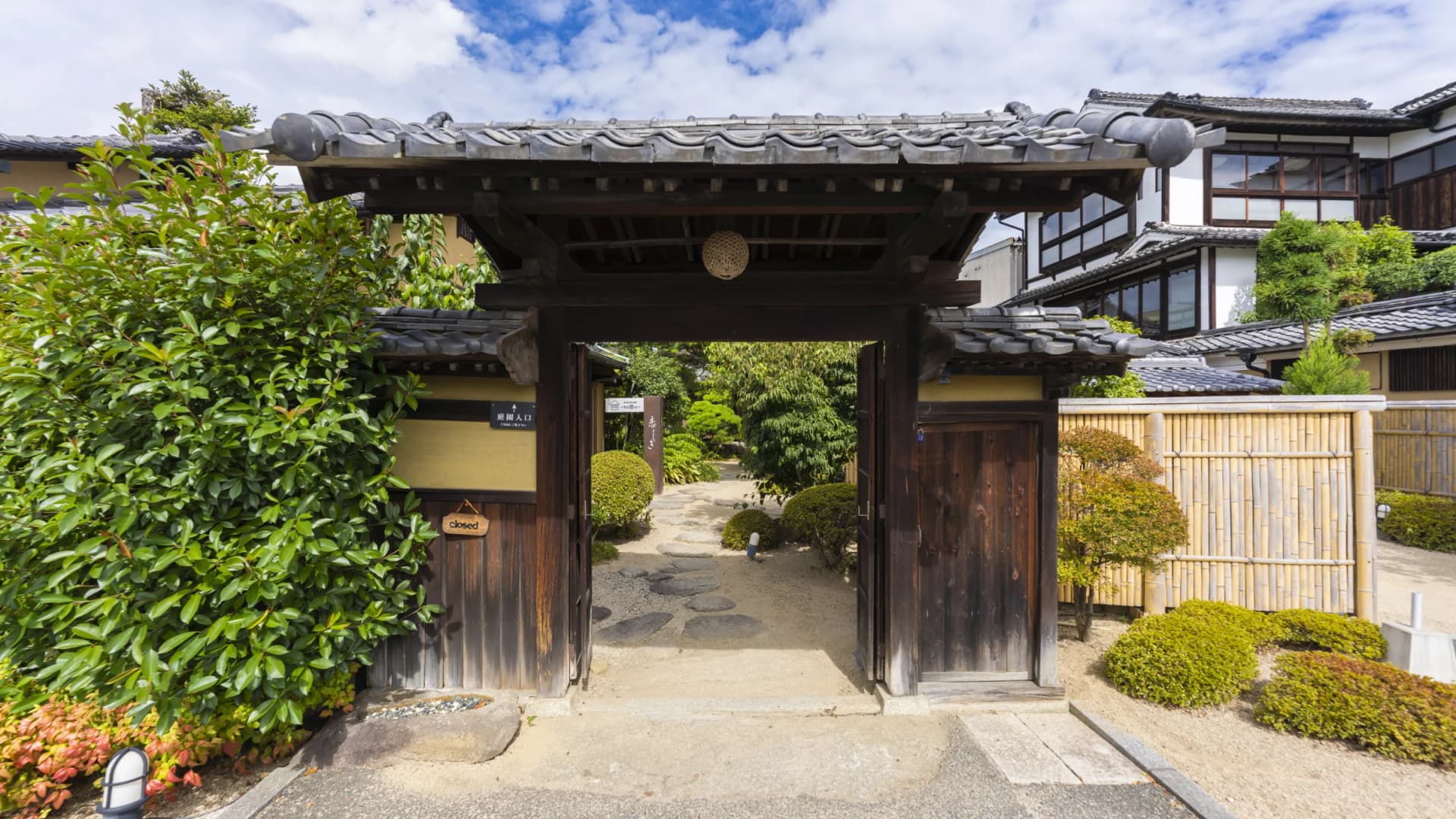
The strolling garden was laid out in 1918 and is free to walk. A detached building in it is now a cafe, which opens Thursday to Saturday. Among the carp in the pond is one with a heart-shaped mark on its head, named Kokoro.
You might also like
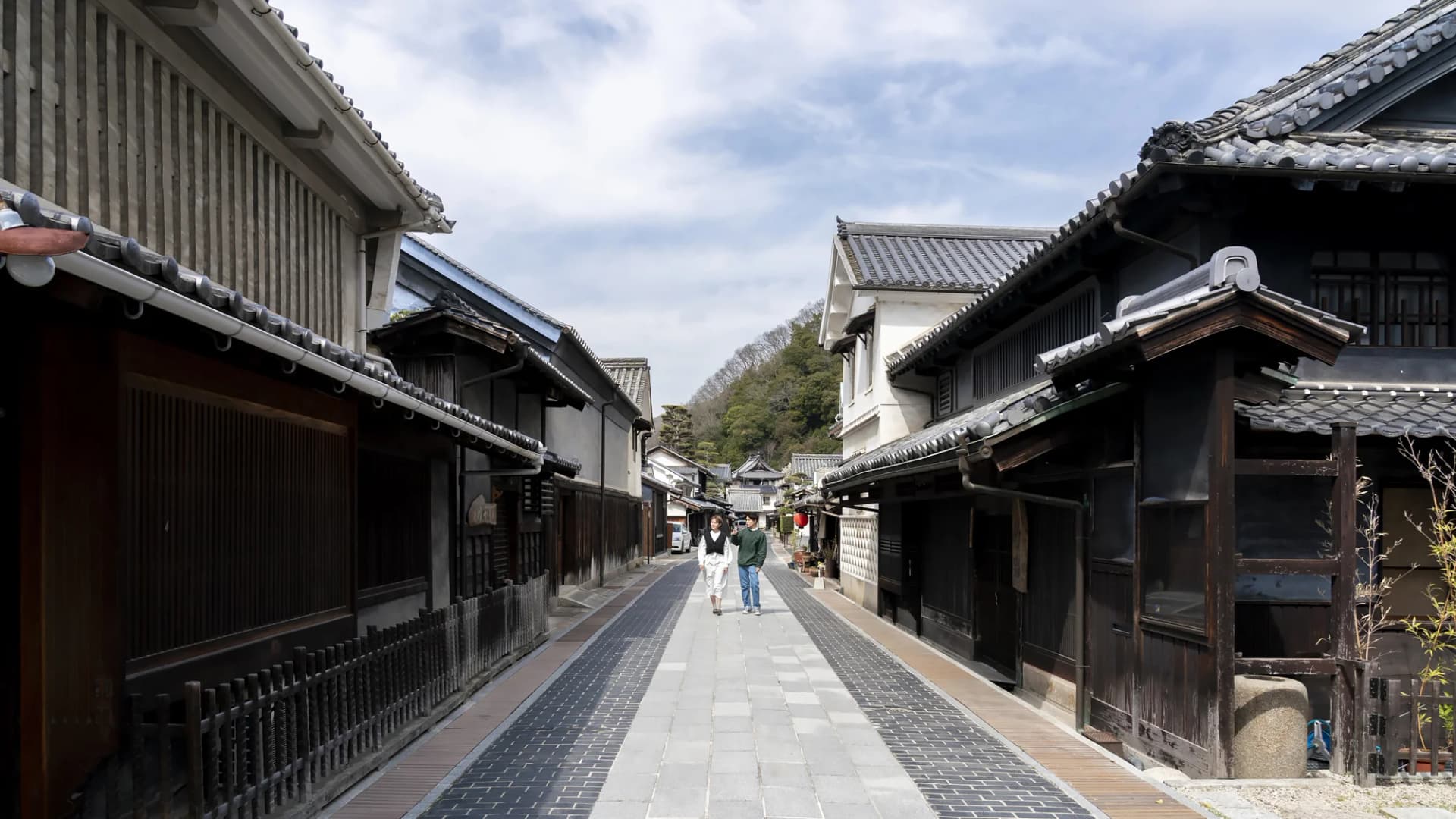
Takehara Historic Preservation District
A five-hectare quarter of Edo and Meiji merchant houses in Takehara, Hiroshima, built on the fortunes of salt and known as the Little Kyoto of Aki.
Takehara · Hiroshima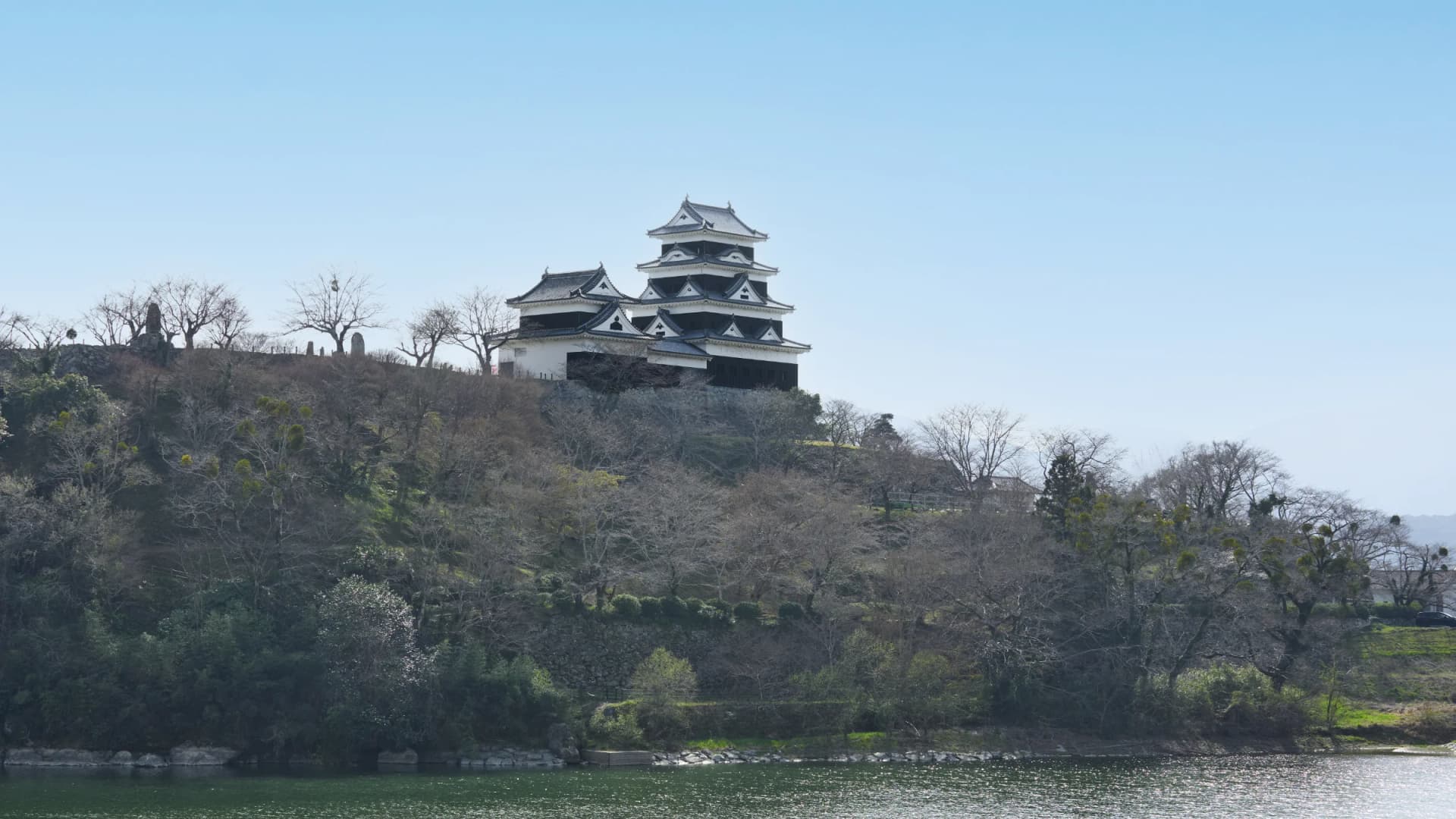
Ozu Castle
A castle above the Hiji River at Ozu whose keep was rebuilt in wood in 2004, using the old drawings and photographs, alongside four surviving turrets.
Ozu · Ehime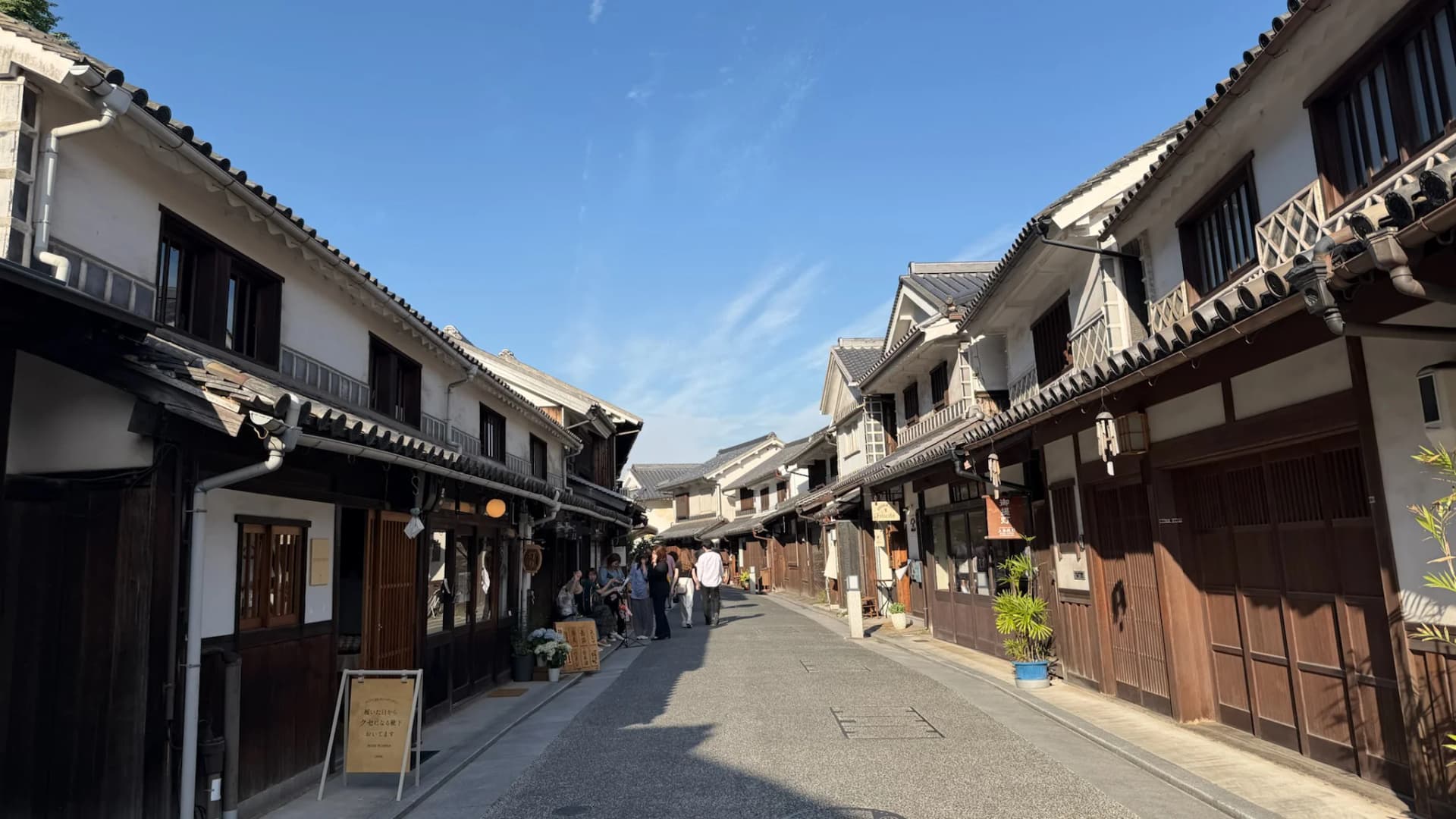
Kurashiki Bikan Historical Quarter
A quarter of white-walled storehouses along a canal in Okayama, built on the rice trade and preserved since the 1960s.
Kurashiki · Okayama
Jidai Festival
Kyoto's signature historical reenactment features costumed processions of figures from different Japanese eras traveling from the Imperial Palace to the Heian Shrine.
22 Oct 2026Kyoto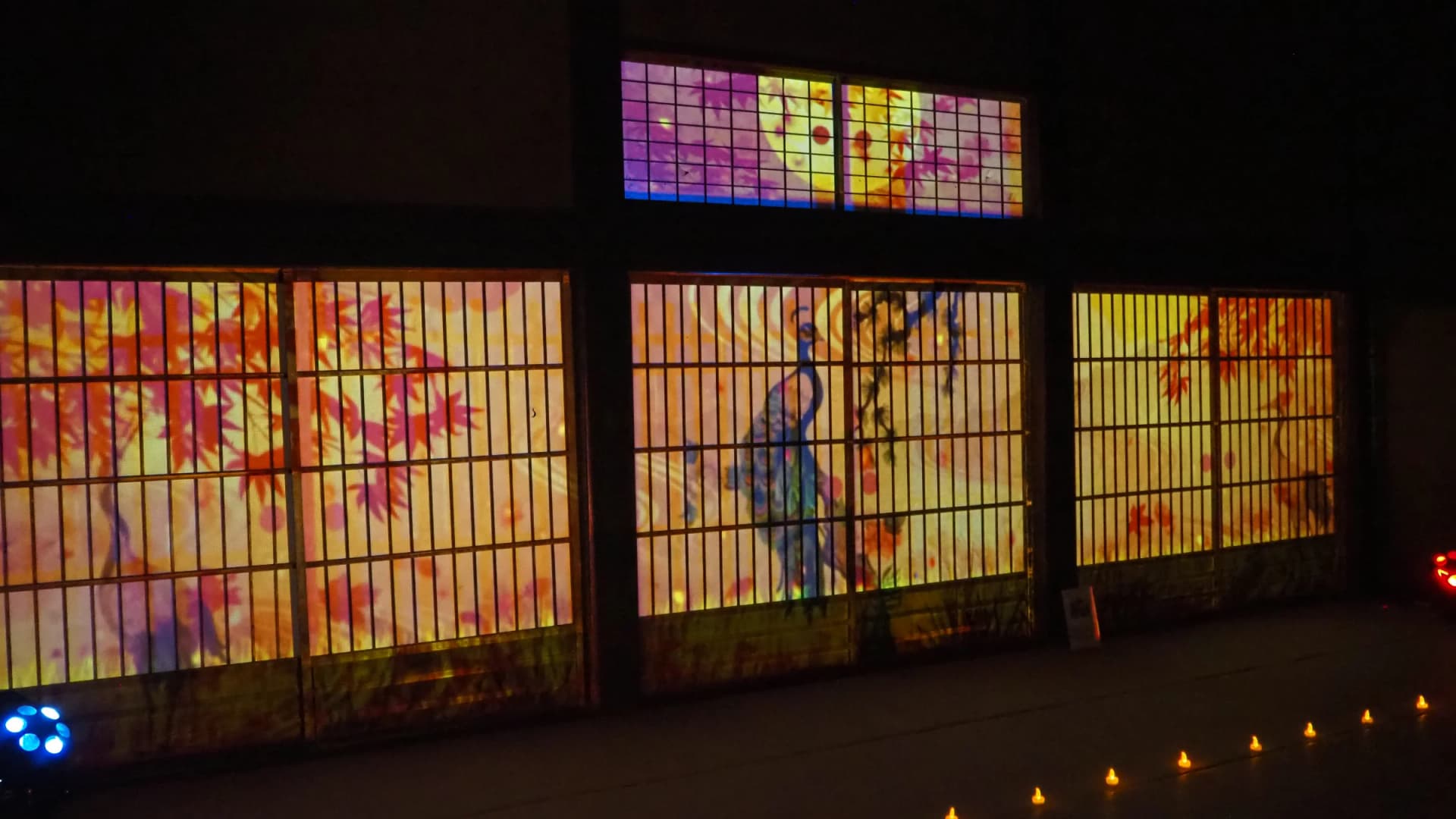
Wa no Hikari at Sasagawa-tei
A light display each autumn at the former Sasagawa residence near Niigata, with projections on an Edo-period house, a lit garden and works by local students.
26 Sep – 18 Oct 2026Niigata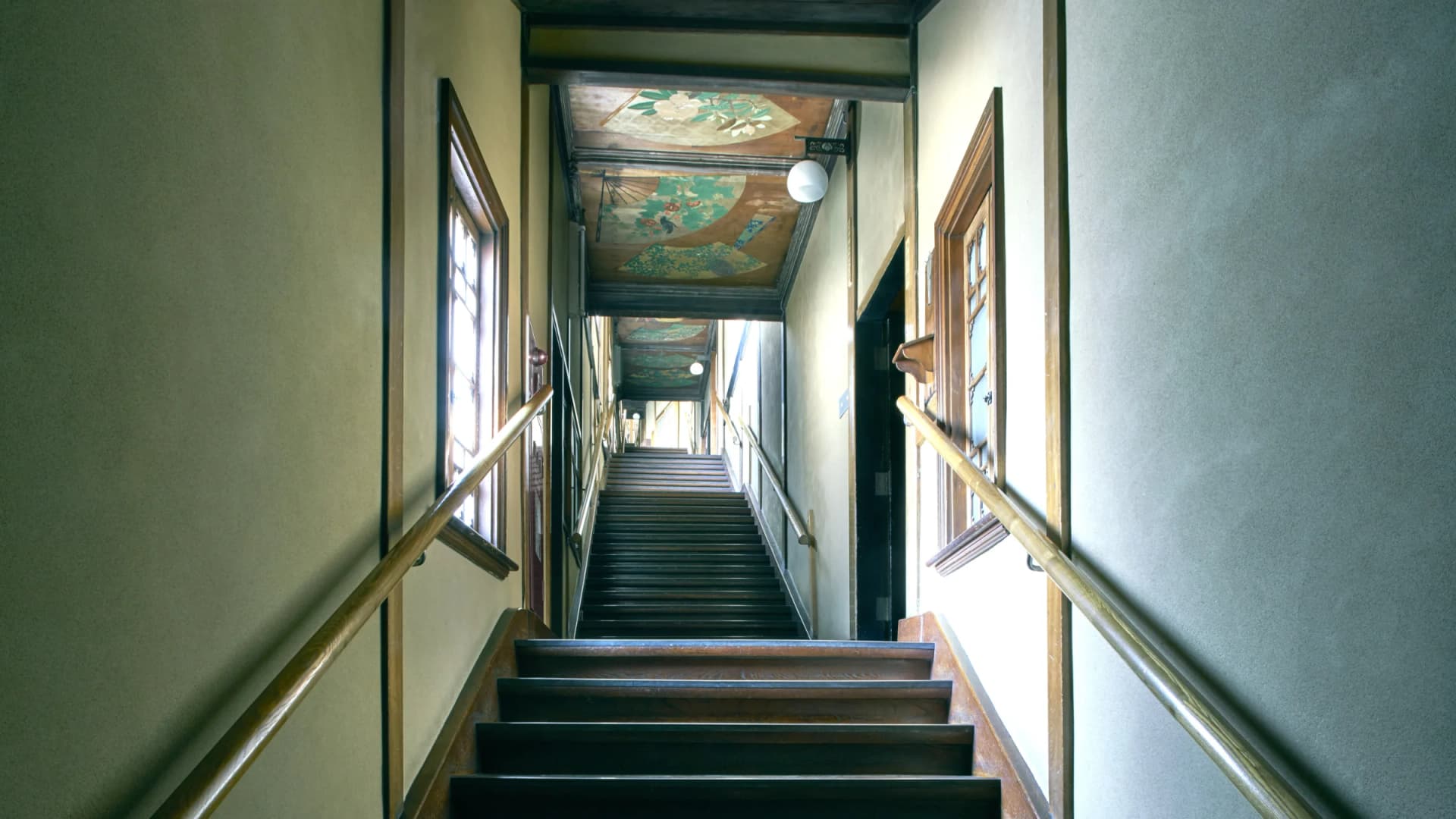
Hyakudan Kaidan Special Opening
A wooden building of 1935 in Meguro, Tokyo, with seven decorated banquet rooms up a staircase of 99 steps, opened for six months with almost nothing in it.
1 Oct 2026 – 30 Mar 2027Tokyo