

Irifuneyama Memorial Museum
入船山記念館
The restored 1905 residence of the commander of the Kure naval district, with rare gilded leather paper on its walls, and a naval arsenal clock tower.
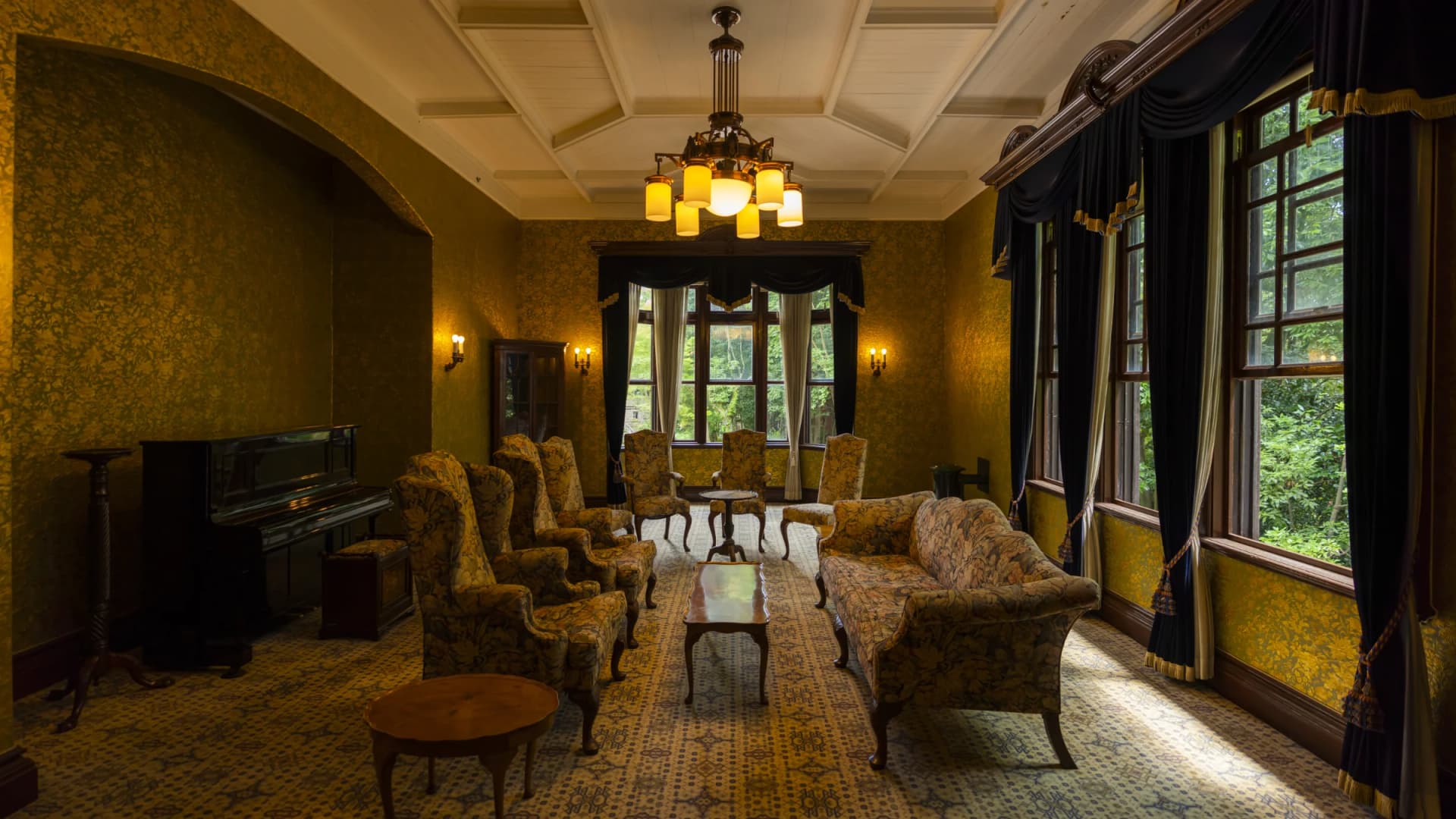
The Irifuneyama Memorial Museum stands in Irifuneyama Park in Kure. It is built around the former official residence of the commander of the Kure naval district, and takes in a local history hall and a museum of history and folklore on the same grounds. The Kure Municipal Museum of Art stands alongside it.
The commander's residence
The residence was built in November 1905. Records from the time of its construction were found, and between 1991 and 1995 the building was restored to its original state. It was made an Important Cultural Property in 1998.
The house is single storey and wooden, and falls into two halves. The eastern half is Western in style, with a half-timbered exterior in the English manner and a roof of natural slate laid in overlapping scales. English stained glass is set above and beside the front door.
Inside the Western half, the walls and ceilings are hung with kinkarakami, a gilded and embossed paper made in imitation of tooled leather, which survives in few other buildings in the country. The reception room where the commander worked has been fitted out again with copies of its furniture. The other half of the house is Japanese in style.
The Togo house
A detached room stands in the grounds from the house where Togo Heihachiro lived while posted to Kure, for about a year and seven months from 1890. It was moved here from a hillside above the temple Shoenji in Miyahara, and is on the national register of Tangible Cultural Properties.
The tower clock
The clock was put up on the roof of the machinery department of the Kure naval arsenal in June 1921 and kept time there until the end of the war. It stands about ten metres high, on a body 2.4 metres square, with a dial a metre and a half across on each of its four faces. A single mechanism drives all four dials by electric impulse, and it is one of the oldest clocks of this kind made in Japan. A melody sounds from it four times a day, composed each year by local schoolchildren.
Places nearby

Yamato Museum
Hiroshima museum chronicling the Imperial Japanese Navy with emphasis on the Yamato, the world's largest battleship ever constructed.
Kure · HiroshimaYou might also like

Nara Prison Museum
A Meiji-era red-brick prison (1908) and one of the Five Great Prisons with its original layout intact, now a museum operated by Hoshino Resorts.
Nara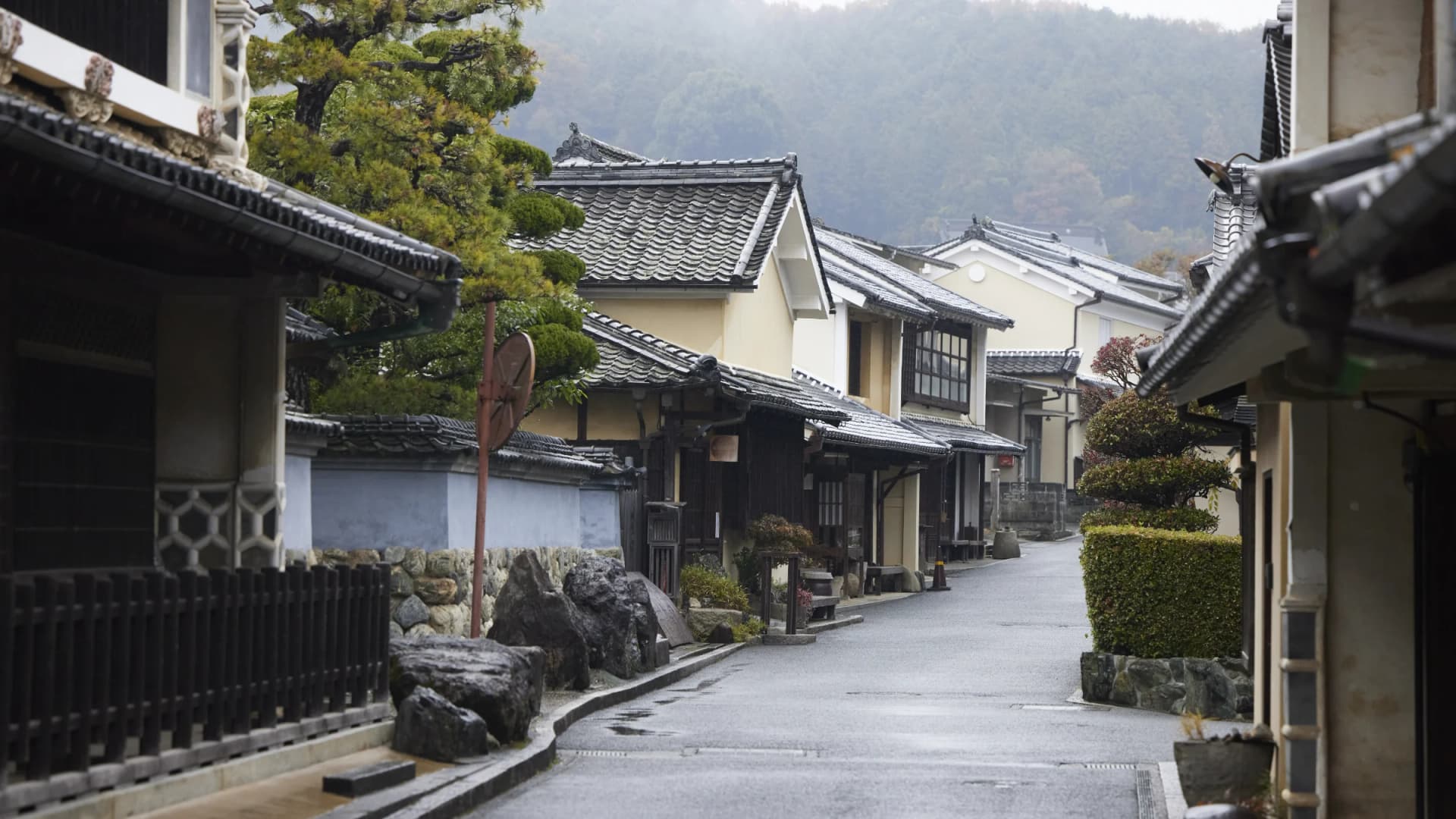
Yokaichi and Gokoku Historical District
A street of wax merchants' houses in Uchiko, Ehime, with walls in a yellow plaster made from local earth, preserved since 1982.
Uchiko · Ehime
Morioka History and Culture Museum
Museum opened 2011 within Morioka Castle Ruins Park, treating the historic fort grounds as its primary exhibit while promoting the surrounding castle-town area.
Morioka · Iwate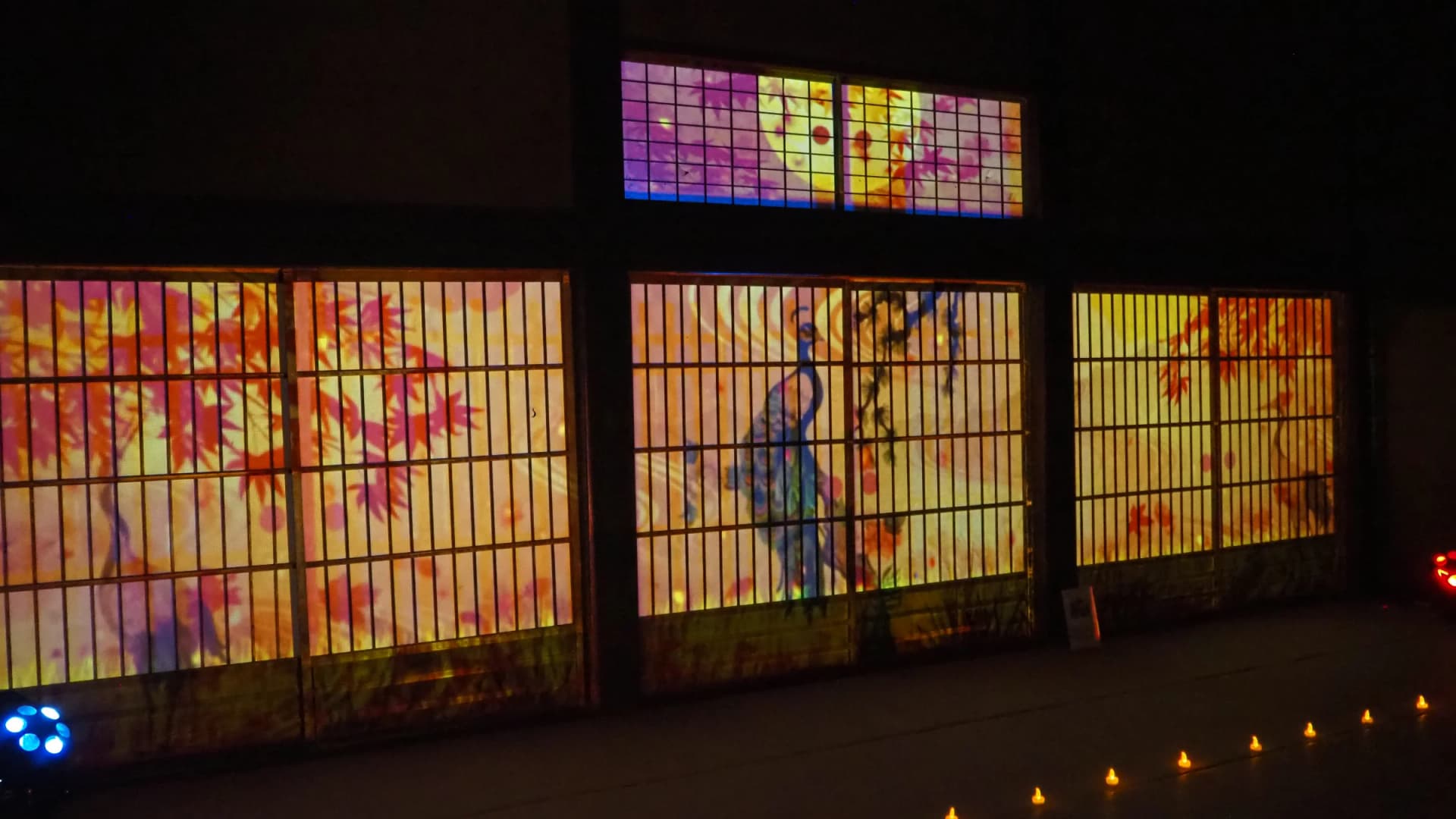
Wa no Hikari at Sasagawa-tei
A light display each autumn at the former Sasagawa residence near Niigata, with projections on an Edo-period house, a lit garden and works by local students.
26 Sep – 18 Oct 2026Niigata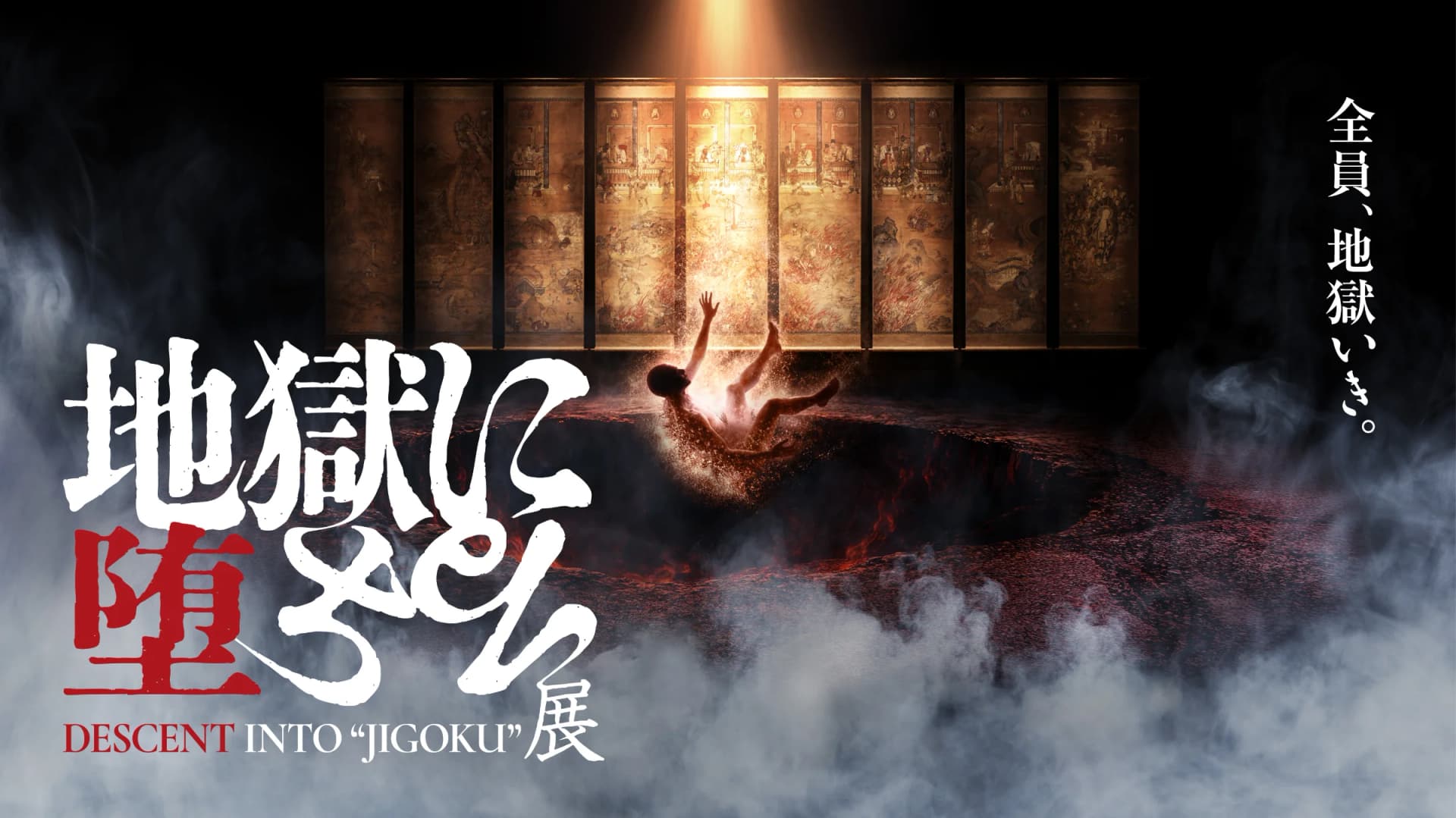
Descent into "Jigoku"
An exhibition in Osaka on the Japanese hell, following the path of the dead through full-size reproductions of painted scrolls and moving projections.
28 Nov – 27 Dec 2026Osaka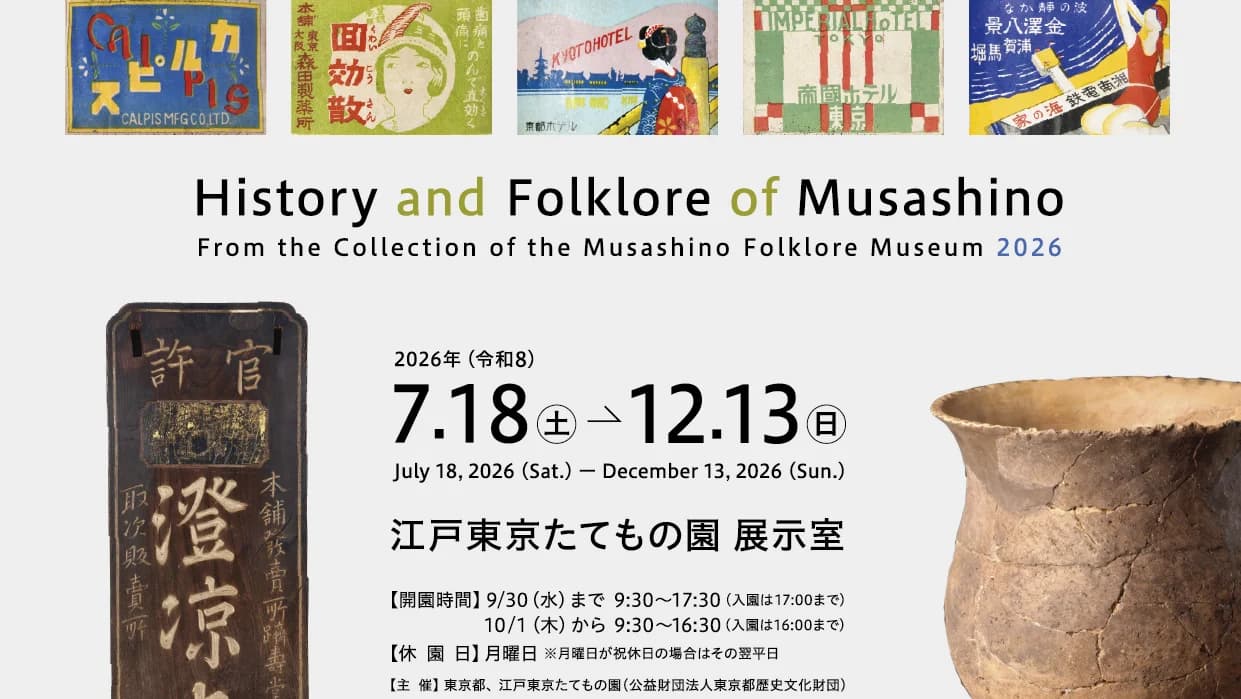
The History and Folklore of Musashino ~ Musashino Local Museum Collection 2026 ~
This exhibition showcases archaeological and folklore materials including Jomon artefacts and historic household items that document Musashino's cultural heritage.
18 Jul – 13 Dec 2026Koganei · Tokyo